
Travel tips · from Canada · cards, roaming, medicine, driving · checked 19 October 2026
For travellers with Canadian cards, phone plans and medicines: Interac does not mention Japan, but Seven Bank and Japan Post Bank ATMs list PLUS and Cirrus; Rogers, Fido and Bell list Japan for roaming, from $16 a day or $30 for a 3-day Asia pass; Global Affairs Canada lists codeine and pseudoephedrine as banned and says narcotic prescriptions need a permit applied for in advance, while Japan’s own list exempts low-concentration products; and if you drive on a Canadian licence, carry a 1949 Geneva Convention IDP issued by CAA alongside it.
Quick answers for Canadian travellers
| What you use at home | In Japan (and what to do) | Source · checked |
|---|---|---|
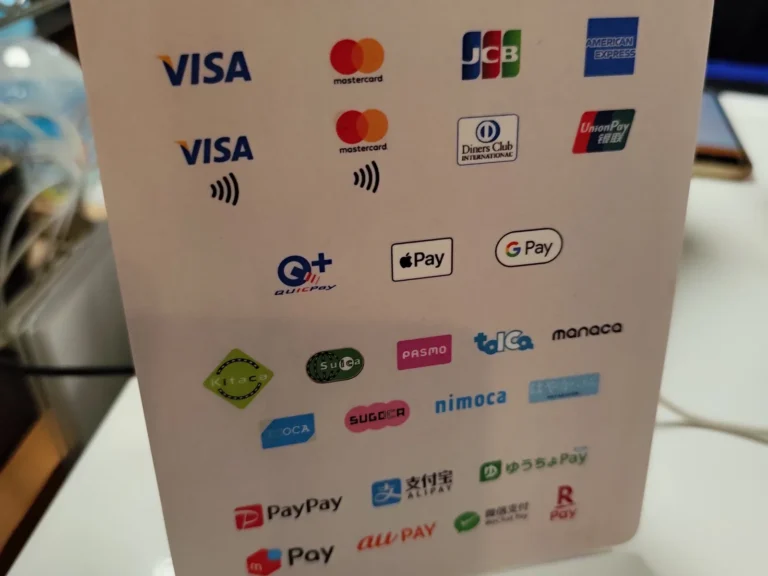
| Visa or Mastercard credit card | Works. Among the most widely accepted cards in Japan; carry some yen too | JNTO · 19 October 2026 |
| Interac Debit | Not confirmed. Interac describes use in Canada and at selected US retailers; Japan is not mentioned. Check with your bank which other networks your card carries; acceptance is not guaranteed | Interac · 19 October 2026 |
| Bank card for cash (TD, RBC, Scotiabank, CIBC, BMO) | Works with conditions. Seven Bank and Japan Post Bank ATMs list PLUS and Cirrus; in Japan, most of the listed accounts charge CAD $5 per withdrawal, and a currency markup may apply | Each bank’s fee document, Seven Bank, Japan Post Bank · 19 October 2026 |
| Rogers, Fido, Bell, Koodo | Works with conditions. Bell’s Japan page and Koodo’s Easy Roam list name Japan for daily roaming; Rogers’, Fido’s and Bell’s Asia passes name Japan; Koodo’s Asia pass is unconfirmed for Japan | Rogers, Fido, Bell and Koodo pages · 19 October 2026 |
| Telus | Not confirmed. Telus’s roaming page did not load when we checked; ask Telus whether Japan is covered before you travel | Telus page did not load · 19 October 2026 |
| Uber | Works. Uber Japan lists taxi options; the fare is the taximeter price plus fees | Uber Japan · 19 October 2026 |
| Codeine pain or cough medicine bought without a prescription | Not confirmed. Canada lists codeine as banned in Japan; Japan’s list excludes products with 1% or less. Ask Japan’s Narcotics Control Department before you pack it | Global Affairs Canada, Narcotics Control Department · 19 October 2026 |
| Adderall | Doesn’t work. Amphetamine cannot be imported, even for treatment | Narcotics Control Department · 19 October 2026 |
| Canadian driver’s licence alone | Doesn’t work. If you drive on a Canadian licence, carry a 1949 Geneva Convention IDP issued by CAA alongside it | Global Affairs Canada, National Police Agency · 19 October 2026 |
| Costco Canada membership | Works. Costco Japan’s payment list names cash and Mastercard credit cards, not Visa | Costco Canada and Costco Japan terms · 19 October 2026 |
| Tim Hortons | Not confirmed. No Tim Hortons page we found lists a restaurant in Japan | Tim Hortons · 19 October 2026 |
If you will take a large suitcase on the Shinkansen, read our luggage guide.
Interac, Visa Debit and your Canadian bank’s fees
Interac Debit
Interac’s page describes use “across Canada” and “in the U.S., where accepted”. Japan is not mentioned, and Interac is not on the Seven Bank or Japan Post Bank lists below. Ask your bank which other networks your card carries (Visa Debit or Mastercard for shops, PLUS or Cirrus for ATMs); neither is guaranteed to work.
Cash from Japanese ATMs
JNTO names Japan Post Bank and Seven Bank for cash with foreign cards. Seven Bank’s list includes PLUS and Cirrus, with a limit of 100,000 yen per withdrawal for overseas cards, or 30,000 yen with a magnetic-stripe card. Seven Bank says some cards with these marks may not be accepted, and that fees for cards issued overseas vary by card brand. Global Affairs Canada warns that many ATMs in Japan don’t accept foreign debit cards. Japan Post Bank lists PLUS and Cirrus among eight brands, caps each withdrawal at 50,000 yen, and says a 220-yen fee (tax included) may apply to certain cards.
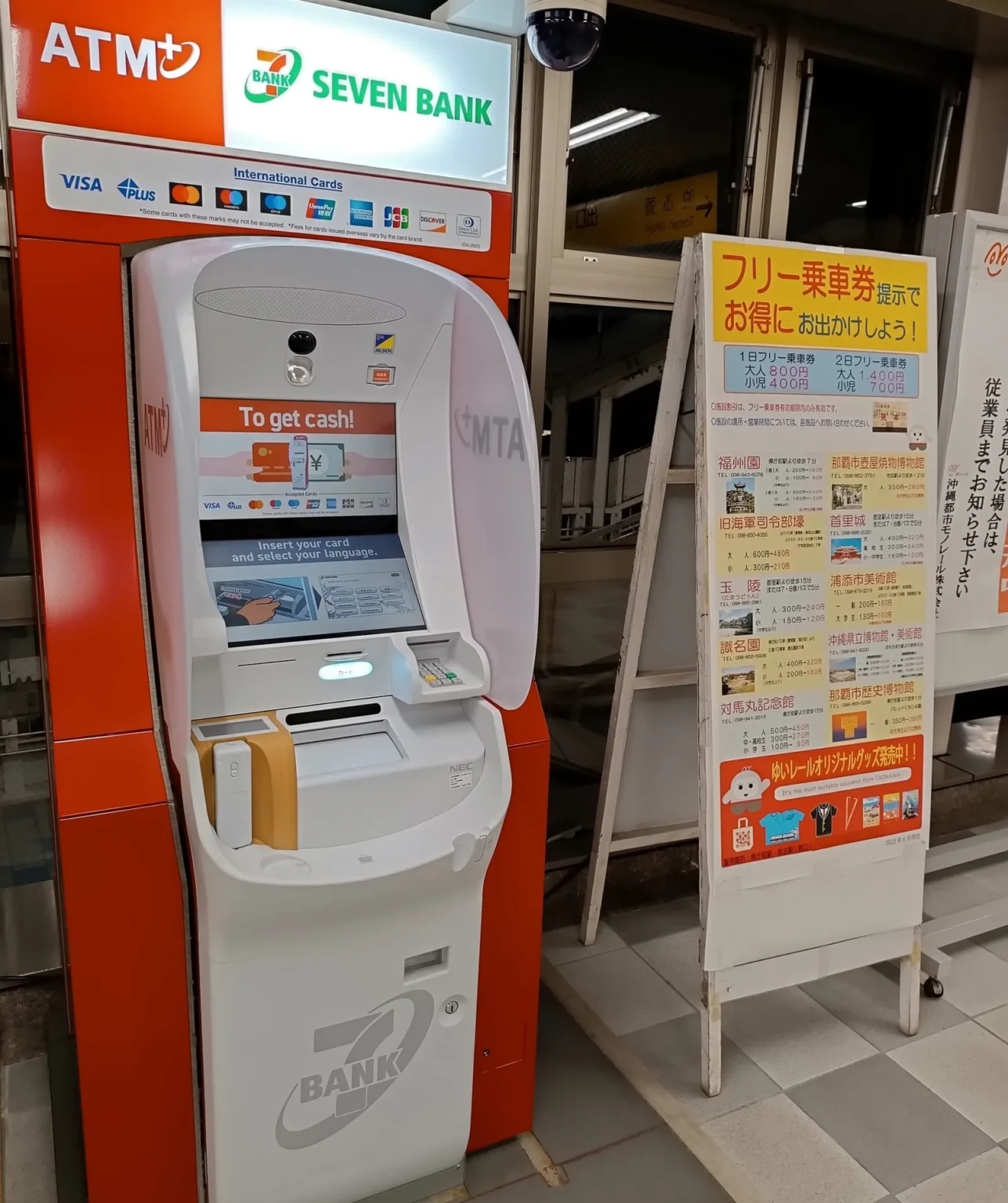
Your bank’s own fees, from its current fee document:
| Bank (document) | Withdrawals in Japan, and currency fee (US/Mexico exceptions in parentheses) |
|---|---|
| TD (List of Services & Fees, effective 5 March 2026) | $5 at non-TD ATMs ($3 in the US or Mexico; none on All-Inclusive), plus 3.5% of the converted cash and any ATM operator fee |
| RBC (chequing account comparison) | $5 at PLUS ATMs on Day to Day, Advantage and Signature No Limit ($3 at PLUS ATMs in Canada or the US); no fee with an RBC VIP Banking card. Converted at 2.5% over Visa’s benchmark rate |
| Scotiabank (Day-to-Day Banking booklet, September 2026) | $5 at Visa or PLUS ATMs on most packages ($3 at Visa or PLUS ATMs inside Canada and the US); foreign debit purchases carry 2.5% on the exchange rate (no separate rate given for withdrawals) |
| CIBC (Personal Account Service Fees, 12 March 2026) | $5 plus a 2.5% administration fee ($3 in the US; ATM fees rebated on some CIBC Smart Account tiers). For debit purchases in a foreign currency, the fee rises from 2.5% to 3.5% on 16 January 2027 |
| BMO (Everyday Banking booklet, effective 2 June 2026) | $5 at Cirrus ATMs outside Canada, the US included, on most plans; Mastercard’s rate plus 2.50% for purchases (the booklet gives no separate rate for withdrawals) |
TD, RBC and BMO note that the ATM operator may add its own fee to the amount you withdraw. RBC advises a four-digit PIN, because some ATMs abroad accept only four. If an ATM or shop offers to charge you in Canadian dollars, BMO says that rate is set by the merchant’s or ATM operator’s bank. JNTO names Visa, JCB and Mastercard as the most widely accepted credit cards and warns that many places, especially in rural areas, may still take only cash. More: Japan cash vs card in 2026 and when banks close in Japan.
Wealthsimple and Wise cards
Wealthsimple says its Visa Platinum Prepaid card works abroad, with no foreign transaction fee and ATM operator fees reimbursed. Wise’s Canadian pricing page lists no ATM fee for withdrawals up to 100 CAD a month in total, then 2.69 CAD plus 2.69% per withdrawal; Wise also charges a conversion fee when it converts currency.
Rogers, Fido, Bell, Telus and Koodo roaming in Japan
Bell’s Japan page and Koodo’s Easy Roam list name Japan for daily roaming; Rogers and Fido name Japan in their Asia pass and list an $18 International Daily fee. Telus could not be confirmed. Check that a pass names Japan before you buy. Rogers, Bell and Koodo say their options use your plan’s own data. Rogers lists its daily fee “plus taxes”.
| Carrier | Japan, from the carrier’s page |
|---|---|
| Rogers | Asia pass (Japan listed): 3 days $30, 7 days $55, 14 days $70, 30 days $90. Without a pass, the International daily fee is $18 a day per line, by calendar day in Eastern Time (the page lists this fee without naming Japan) |
| Fido | Same Asia pass prices as Rogers (Japan named). The page also lists $18 a day for International, without naming Japan |
| Bell | Japan page: Roam Better $16 a day (512 kbps after 5 GB a day); Asia pass $75 for 14 days, $90 for 30. Without an add-on: calls $2.50 a minute, texts $0.99, no data. No roaming on Prepaid |
| Koodo | Japan is on the Easy Roam International list; the page shows both $18 and $16 a day. Asia 14 Day Pass $70 (Japan not confirmed on its list). Confirm the daily rate in Self Serve. Koodo Prepaid phones work only in Canada and the US |
| Telus | Not confirmed: telus.com’s travel and Easy Roam pages blocked our check. Look up Japan in My TELUS |
Bell and Koodo charge the daily fee on days you make or answer a call, send a text or use data. Bell’s Travel Pass starts as soon as you add it, so Bell advises adding it on the day your trip starts.
A Japanese data eSIM needs a phone that accepts another carrier’s eSIM; ask your carrier if you are not sure.
If you only need data, compare a Japan eSIM with your carrier’s Asia pass.
See Japan eSIM plansApple Pay, Google Pay and Suica
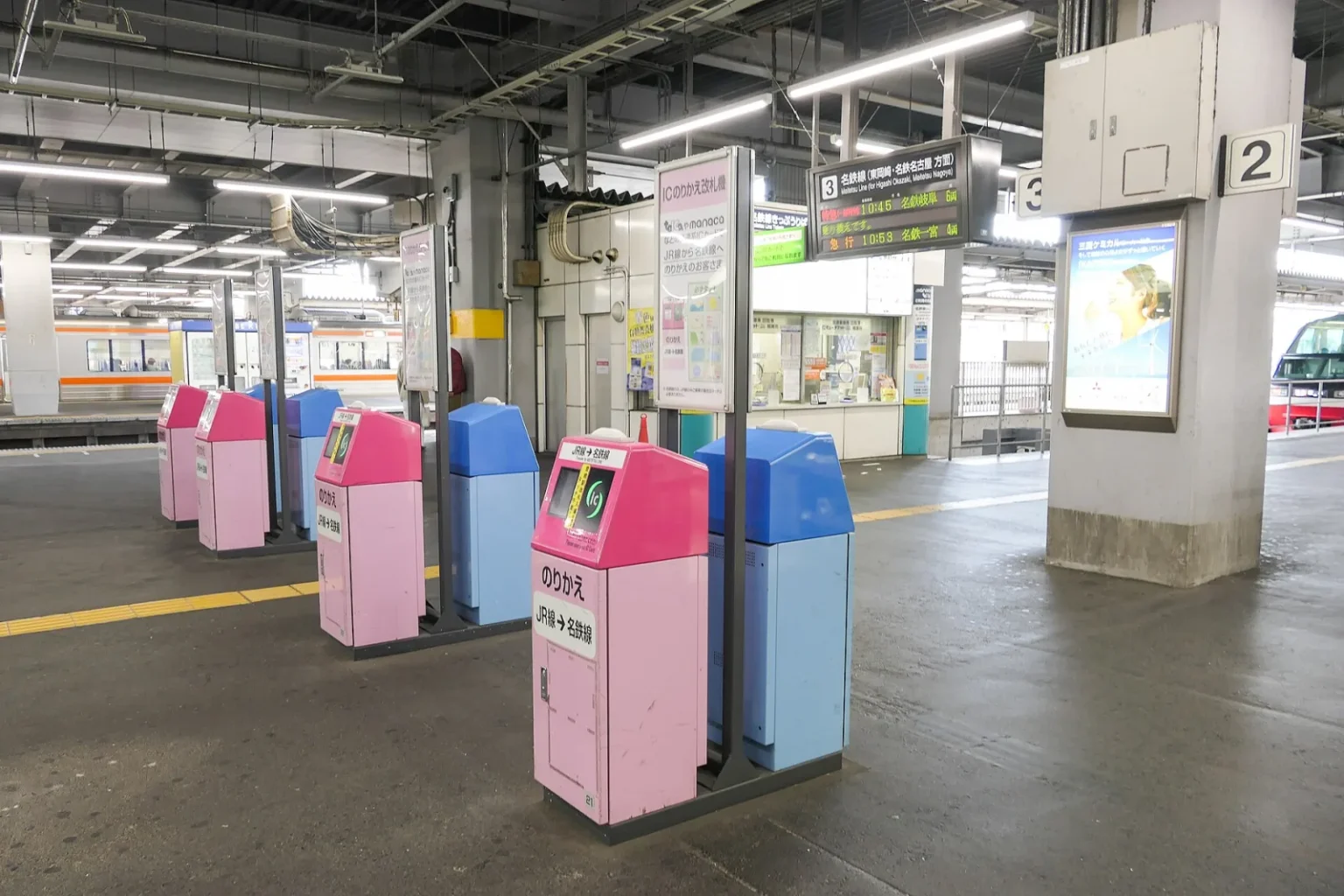
JNTO says payment apps used overseas, “such as ApplePay, GooglePay and AliPay sometimes cannot be used in Japan”. For trains, Apple’s support page (published 25 March 2026) describes adding a Suica, PASMO, ICOCA or TOICA card to Apple Wallet in Japan, with an Apple Account using two-factor authentication and “an eligible payment card in Apple Wallet”. It does not say which card brands or countries of issue count as eligible. If your Canadian card is refused, buy a physical card: IC cards in Japan: Suica, PASMO and ICOCA.
Uber, Lyft and taxis
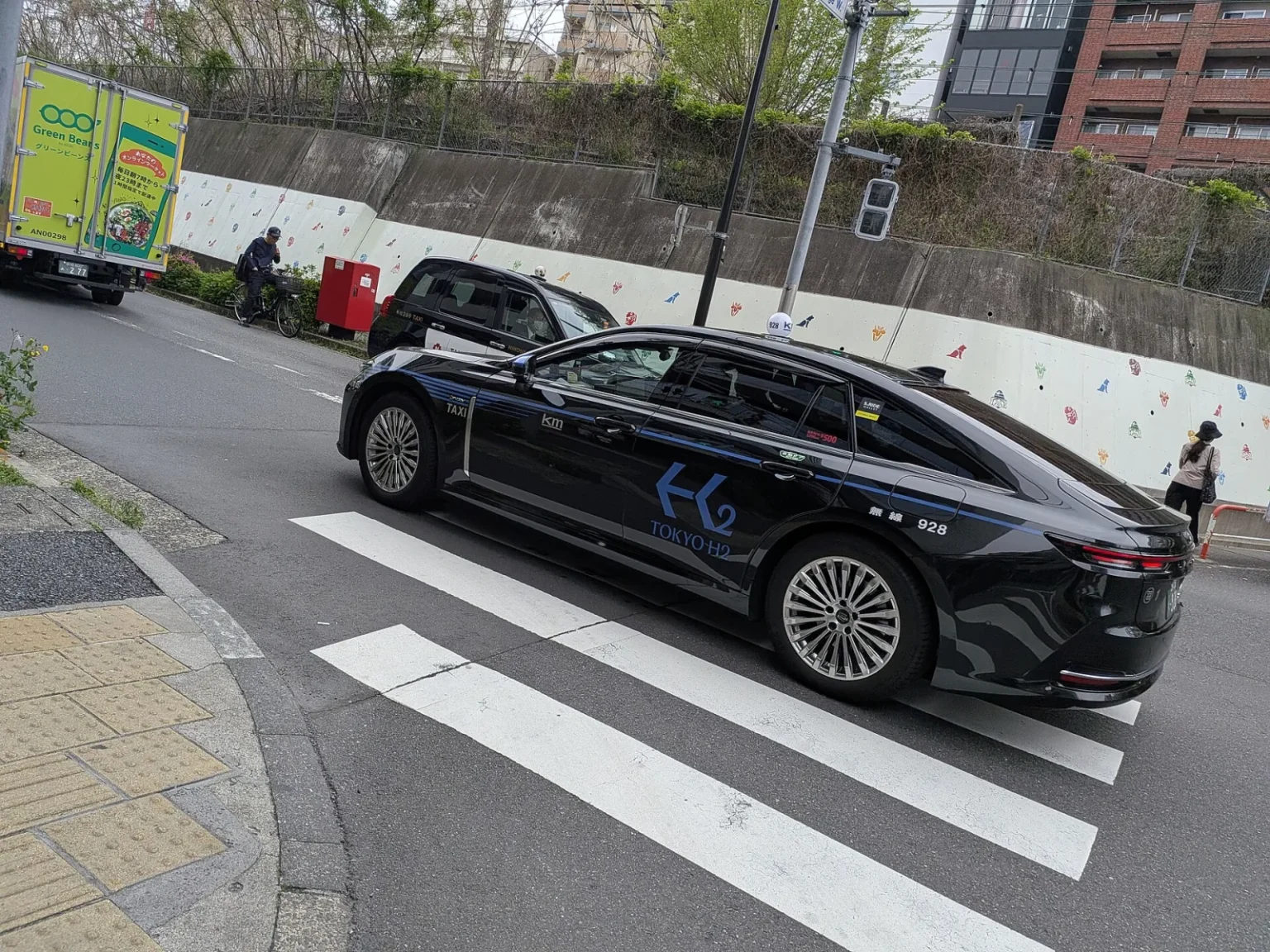
Uber operates in Japan; for Uber Taxi, the fare is the price on the taximeter, with a booking fee of up to 680 yen and any facility fee charged separately (Uber Japan). Lyft’s announcement of 30 September 2026 lets North American riders use one app in the US, Canada and Europe; Japan is not named in it. Taxi apps and airport taxis: Does Uber work in Japan?
Medicine from Canada
Global Affairs Canada’s Japan advice (last updated 26 October 2026) lists Adderall, amphetamines, codeine, methamphetamines and pseudoephedrine as medications banned in Japan, “even with a prescription”. The same page says prescription medicine containing narcotics needs import certification applied for in advance, “several months prior to arrival”, and asks for a doctor’s note with your full name, address, reason for use and dosage.
Japan’s own list, the one the NCD links to on 19 October 2026 (dated 12 December 2024), sets a threshold for codeine and pseudoephedrine, with advance permission above it. Where the two differ, the NCD list is Japan’s own rule. MHLW says permits are issued by the directors of its Regional Bureaus of Health and Welfare; the NCD is where you apply and ask. Health Canada says lower-dose codeine products (8 mg or less per pill, 20 mg or less per 30 mL of liquid) can be bought from a pharmacist without a prescription. Japan’s rule counts percentage, not milligrams per pill, so ask the NCD.
| Medicine (ingredient) | Rule in Japan · source |
|---|---|
| Adderall (amphetamine) | Cannot be brought in, “even for treatment purposes” · Narcotics Control Department FAQ |
| Vyvanse (lisdexamfetamine) | Allowed only with permission obtained before you travel; meet the NCD deadline for your arrival date, including the earlier New Year deadlines (see below the table) · Narcotics Control Department |
| Codeine | Listed as a narcotic; products containing 1% or less are excluded. Above that, advance permission is needed · NCD list, version dated 12 December 2024 |
| Pseudoephedrine (decongestants) | A “stimulants’ raw material”; products containing 10% or less are excluded. Above that, advance permission is needed · NCD list, version dated 12 December 2024 |
| Methylphenidate | A psychotropic: up to 2.16 g in total needs no permission or doctor’s certificate; above that, carry a doctor’s certificate · NCD table |
| Other medicines | Prescription medicine up to a 1-month supply, other medicines up to 2 months, without an import confirmation, unless they contain a controlled ingredient · MHLW |
The NCD list uses no brand names. For medicines that need a permit, the NCD says you must carry them yourself; they cannot be sent to Japan, and its Tokyo office does not accept last-minute applications. Where permission is needed, the NCD asks for applications at least 14 days before arrival, with earlier deadlines over its New Year closure: by 7 December 2026 for arrival on 21 December–4 January, by 14 December for 5–11 January and by 21 December for 12–18 January 2027 (NCD application page, checked 16 November 2026). MHLW’s page sends narcotics and stimulants’ raw materials to the NCD (its list classes codeine as a narcotic and pseudoephedrine as a raw material): apply to the NCD office for your arrival airport, listed with email addresses on the NCD application page. For other medicines over the 1- or 2-month limits, MHLW lists yakkan@mhlw.go.jp (Narita, Haneda) and kiyakuji@mhlw.go.jp (Kansai, Chubu, Fukuoka, Naha).
Plugs and voltage
The IEC lists types A and B for Canada (120 V) and Japan (100 V), but they are not interchangeable both ways. The IEC says the American plug’s neutral pin is wider, so Japanese plugs fit US sockets “but often not the other way around”. A two-slot Japanese socket has no earth hole, so a three-pin Type B plug will not go in. JNTO says Japan runs at 100 volts (50 Hz east, 60 Hz west). A charger labelled 100–240V covers Japan. A device labelled 110–120V only is not labelled for 100 V; check the manual or ask the maker. A plug adapter does not change the voltage. More in Japan plug type and voltage.
Driving with a Canadian licence
Global Affairs Canada says you must carry an International Driving Permit with your Canadian licence in Japan, and obtain Japanese insurance. Japan’s National Police Agency accepts a Japanese licence, a 1949 Geneva Convention IDP, or a translated licence from six places (list as of 1 April 2026) that do not include Canada. An IDP lets you drive for up to one year after landing, or until the IDP expires if sooner.
In Canada, the IDP comes from CAA. Its application form issues it to people 18 or older with a full provincial licence, asks for two passport photos and a copy of both sides of the licence, and lists $32 plus shipping (confirm with your CAA club). It is valid for one year. Road signs: Japanese road signs for foreign drivers.
If you will drive outside the cities, compare rental cars once your IDP is in hand.
Compare rental carsCostco and Tim Hortons
Costco Canada’s membership conditions say: “Your membership card is valid at any Costco warehouse worldwide and is not transferable.” Costco Japan’s terms list cash, its Shop Card, its co-branded Global Card and “all Mastercard brand credit cards”; Visa, the network on Wealthsimple’s card, is not on that list. Payment and the warehouse list: Costco Japan with a membership from home.
Tim Hortons’ 2021 newsroom piece on its restaurants abroad names China, England, Mexico, Thailand and Saudi Arabia; we found no Tim Hortons page that lists a restaurant in Japan.
Tipping
JNTO says: “In Japan, it’s not common to tip for services such as those provided in bars, cafes, restaurants, taxis, and hotels.”
Before you leave Canada
- Ask your bank which networks your debit card carries, what it charges abroad, and set a four-digit PIN.
- Choose a roaming option: daily fee, Asia pass or a Japanese eSIM.
- Check every medicine ingredient against the NCD list; email the NCD office for your arrival airport about anything containing codeine or pseudoephedrine.
- Apply to CAA for an IDP if you will drive.
Before you go
Questions Canadian travellers ask
Can I use Interac in Japan?
Not confirmed. Interac describes its debit service for Canada and for selected retailers in the US, and Japan is not mentioned. If your card also carries Visa Debit, Mastercard, PLUS or Cirrus, ask your bank whether it works abroad; Seven Bank and Japan Post Bank ATMs list PLUS and Cirrus.
Is Rogers or Bell roaming worth it in Japan?
Rogers’ Asia pass runs from $30 for 3 days to $90 for 30 ($70 for 14); Bell’s is $75 for 14 days. By the day, Bell’s Japan page lists $16; Rogers lists an $18 International daily fee without naming Japan on that page. For data only, compare a Japanese eSIM.
Do Canadian plugs work in Japan?
Not always. Both countries use types A and B, but a plug with one wider pin or a third earth pin may not fit a Japanese two-slot socket, and Japan runs at 100 V. A 100–240V charger is fine; for a 110–120V-only device, ask the maker.
Can I use my Costco Canada card in Japan?
Yes, at any Costco warehouse worldwide, Costco Canada says. Costco Japan lists cash and Mastercard credit cards, not Visa.
Is there a Tim Hortons in Japan?
Not confirmed. We found no Tim Hortons page listing a restaurant in Japan.
Do I need an IDP to drive in Japan?
If you drive on a Canadian licence, yes: carry a 1949 Geneva Convention IDP issued by CAA alongside it (Global Affairs Canada, National Police Agency). It is valid for one year.
Can I bring codeine painkillers from a Canadian pharmacy?
Ask first. Global Affairs Canada lists codeine as banned in Japan, while Japan’s NCD list excludes products with 1% codeine or less. Contact the NCD office for your arrival airport (addresses on the NCD application page) well before travel with the product name, ingredients and quantity. If a permit is needed, meet the NCD deadline for your arrival date, including the earlier New Year deadlines (see the medicine section above); Global Affairs Canada advises applying several months ahead for prescription narcotics.
Japan Cash vs Card in 2026
Where cards work and where cash is still needed.
Getting Around Japan
Trains, buses and the JR Pass.
Visiting Japan from the US
US cards, carriers and apps, checked the same way.
Sources
All pages checked on 19 October 2026; other dates are the pages’ own.
- Japan National Tourism Organization: Cashless payments in Japan; Credit cards; Plug and electricity; Tipping in Japan
- Interac, Interac Debit
- ATMs in Japan: Seven Bank, overseas cards usable at ATMs; Japan Post Bank, withdrawals with cards issued abroad
- Canadian banks: TD, List of Services & Fees (effective 5 March 2026); RBC, compare chequing accounts and travelling with RBC; Scotiabank, Day-to-Day Banking companion booklet (September 2026); CIBC, Personal Account Service Fees (12 March 2026); BMO, Agreements, Bank Plans and Fees for Everyday Banking (effective 2 June 2026)
- Cards: Wealthsimple, Visa Platinum Prepaid card; Wise, card fees (Canada)
- Carriers: Rogers, travel (Asia tab viewed in a browser), Travel Pass FAQ and Roam Like Home terms; Fido, roaming (Asia tab viewed in a browser); Bell, using your device outside Canada (Japan selected in a browser) and roaming guide; Koodo, Easy Roam; Telus, travel (did not load for us)
- Apple Support, Add a transit card to Apple Wallet in Japan (published 25 March 2026)
- Ride apps: Uber, Uber in Japan; Lyft, Lyft app launches in Europe (30 September 2026)
- Medicine: Global Affairs Canada, Japan travel advice (last updated 26 October 2026); Health Canada, Codeine; MHLW, bringing medicines for personal use into Japan; Narcotics Control Department, application guidance and FAQ, psychotropics table, office and email list and controlled substances list (version dated 12 December 2024)
- IEC, World Plugs (Internet Archive capture of 16 August 2026)
- Driving: Global Affairs Canada, International Driving Permit; CAA, IDP application form; National Police Agency, How to Drive in Japan (published 7 May 2026)
- Costco Canada, membership conditions and regulations; Costco Japan, terms (Japanese); Tim Hortons, a tour of Tim Hortons around the world (20 January 2021)
Join travelers discovering Japan's hidden side
Weekly dispatches from off-the-beaten-path Japan — spots and stories you won't find in guidebooks.
No spam. Unsubscribe anytime.
Welcome aboard!
You're in. See you in your inbox soon.