
Travel tips · from the UK · bank cards, roaming, contactless, plugs, medicine · checked 19 October 2026
Monzo, Starling and Chase UK charge no fee of their own on card spending abroad; Barclays debit cards add 2.99% and most HSBC debit cards 2.75%. Japan is outside the European roaming of the five UK networks checked: on eligible Vodafone and Three plans, a £7–£8 daily charge may apply on the days you use your phone (check your Extras, passes and plan benefits); O2’s Ultimate plans include Japan, and on other O2 Pay Monthly plans you can add the optional Travel Bolt On (£7 for 24 hours from first use) or pay standard rates (not checked); and EE’s public Japan page lists no roaming pass and no mobile data without one. Tapping a contactless card works at listed stations of eleven Kanto rail operators, not everywhere. Check UK cold remedies and codeine painkillers before packing.
Quick answers for UK travellers
| What you use at home | In Japan (and what to do) | Source · checked |
|---|---|---|
| Monzo, Starling or Chase UK debit card | Works. No fee of their own on spending abroad; carry some yen too | JNTO, each bank · 19 October 2026 |
| Revolut (Standard plan) | Works with conditions. Free cash up to £200 or 5 withdrawals a month, then 2% (minimum £1) | Revolut · 19 October 2026 |
| Barclays or HSBC debit card | Works with conditions. Barclays adds 2.99%; most HSBC accounts add 2.75%, plus a 2% cash fee (minimum £1.75, maximum £5) on withdrawals | Barclays, HSBC · 19 October 2026 |
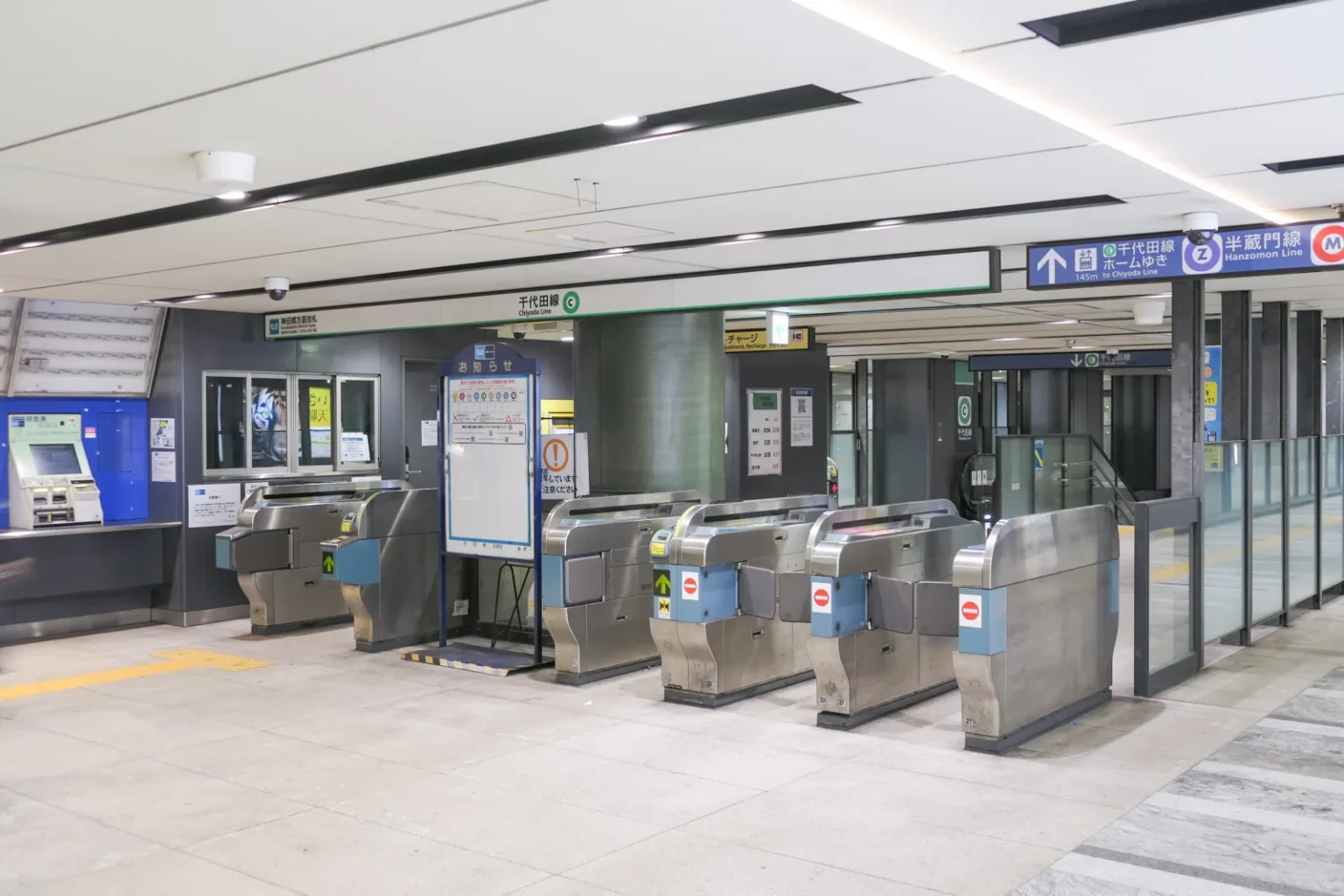
| Contactless card at train gates | Works with conditions. Eleven Kanto operators take it at listed stations. Elsewhere, Suica or PASMO where gates accept IC cards | Tap to Ride release (24 March 2026) · 19 October 2026 |
| Oyster card | Not confirmed, and not on PASMO’s list of the ten IC cards that work across Japan | PASMO · 19 October 2026 |
| EE | Works with conditions for calls (£2.46 a minute). EE’s public Japan page lists no roaming pass for Japan and no mobile data without one; options after login not confirmed | EE · 19 October 2026 |
| O2, Vodafone, Three, giffgaff | Works with conditions. Vodafone and Three: a £7–£8 daily charge may apply on days you use your phone, unless an Extra, pass or plan benefit covers Japan. O2: Ultimate plans include Japan; otherwise the optional Bolt On (£7 for 24 hours from first use) or standard rates (not checked). giffgaff: from credit | Each network’s page · 19 October 2026 |
| UK plugs (Type G, 230 V) | Works with conditions. Plug adapter; 230 V-only appliances also need a step-up transformer | IEC (archived 16 August 2026), JNTO, Kashimura · 19 October 2026 |
| Co-codamol, Sudafed with pseudoephedrine | Works with conditions. Above 1% codeine or 10% pseudoephedrine, permission is needed | FCDO, NCD list (12 December 2024) · 19 October 2026 |
| Dexamfetamine | Doesn’t work. Prohibited even with a UK prescription; Elvanse needs permission instead | Narcotics Control Department · 19 October 2026 |
| UK driving licence alone | Doesn’t work. Carry a 1949 International Driving Permit (£5.50 at PayPoint shops) with your UK licence | National Police Agency, GOV.UK, FCDO · 19 October 2026 |
| Costco UK membership | Works. Costco Japan’s terms list cash, Costco’s own cards and Mastercard credit cards; Mastercard debit not confirmed | Costco UK and Costco Japan terms · 19 October 2026 |
If Tokyo is on your route, check Tokyo hotels on Agoda. Travelling onward with a large suitcase? See our Shinkansen luggage guide.
UK bank cards: Monzo, Revolut, Starling, Chase and the high street
JNTO says international-brand cards are “generally accepted throughout the country”, but many rural places “may still only accept cash, even hotels”. The fee depends on your bank.
| Card | Abroad, from the bank’s page (19 October 2026) |
|---|---|
| Monzo | No foreign transaction fees on its debit or credit card; Mastercard’s exchange rate. If Monzo is your main account, cash outside the EEA is free up to £200 every 30 days (£600 on Monzo Max), then 3% |
| Starling | No fees from Starling to spend or withdraw abroad. Cash up to a daily limit of £300 in local currency |
| Chase UK | No fees from Chase when you use your card abroad. Cash up to £500 a day and £1,500 a calendar month abroad |
| Revolut (Standard) | Free ATM withdrawals up to 5 or £200 a rolling month, whichever comes first, then 2% (minimum £1). An exchange fee may also apply; the app shows it. Separately, exchanges over £1,000 a month carry a 1% fair usage fee |
| Barclays debit | 2.99% non-sterling transaction fee on payments, cash withdrawals and refunds |
| HSBC debit (most accounts) | 2.75% non-sterling transaction fee; cash withdrawals also carry a 2% cash fee (minimum £1.75, maximum £5) |
Other banks: see your fee page. Monzo, Starling and Chase say ATM owners may add a charge.
If a terminal or ATM offers to charge you in pounds, Starling advises choosing the local currency; Barclays warns the rate offered then often includes a markup. Seven Bank ATMs make this offer with Visa and Mastercard.
Cash from a Japanese ATM
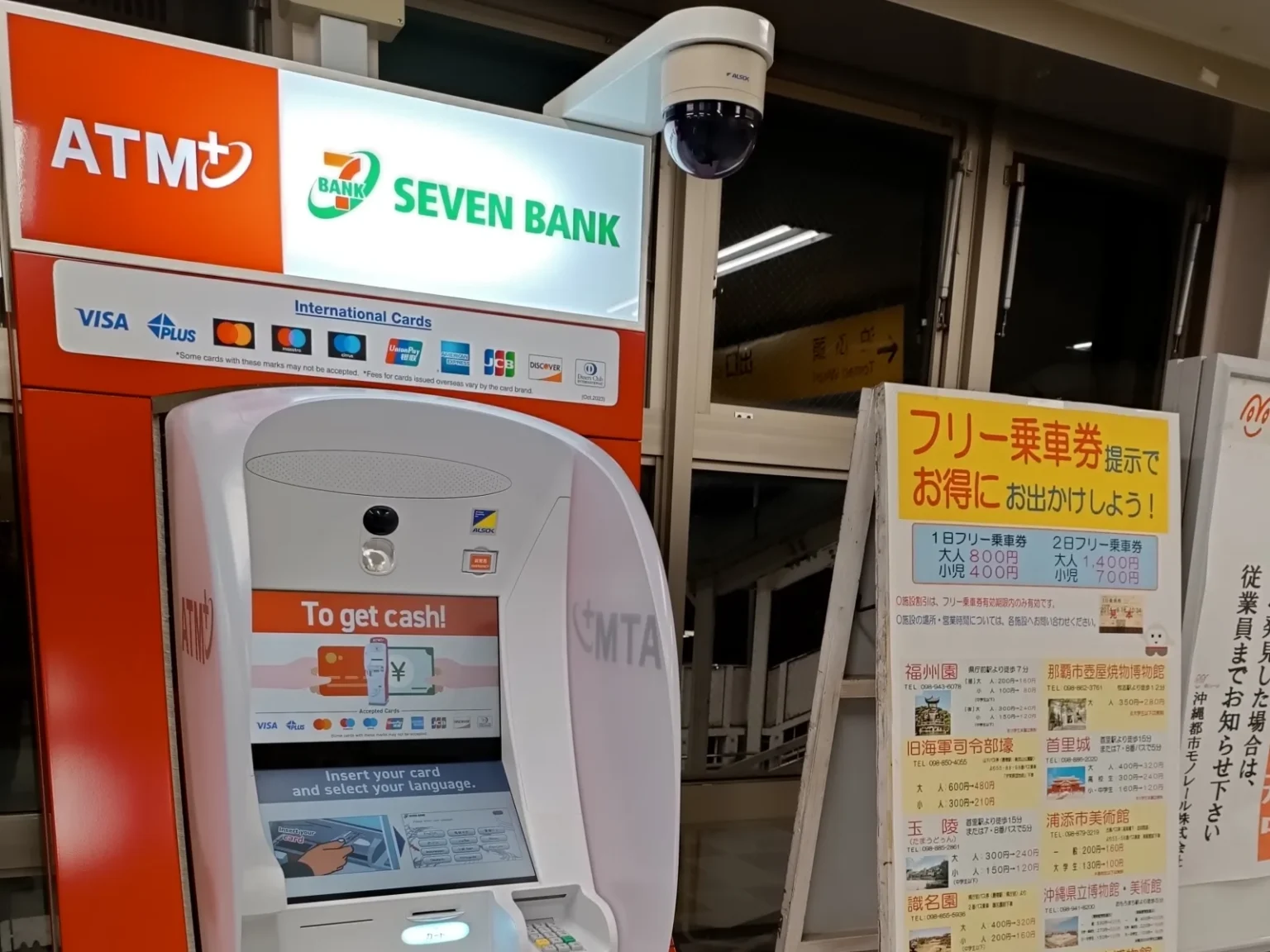
JNTO names Japan Post Bank and Seven Bank for foreign cards. Seven Bank lists Visa and Mastercard service hours as 00:00 to 24:00 (check the opening hours of the building the ATM is in) and caps each withdrawal at 100,000 yen, or 30,000 yen with a magnetic-stripe card; it says some cards with these marks may not be accepted. Japan Post Bank lists Visa, PLUS, Mastercard, Maestro, Cirrus, JCB, China UnionPay and Discover; it may charge 220 yen per withdrawal, caps each at 50,000 yen, and says your card issuer may add its own fee. ATM hours: when banks close in Japan. Cash or card: Japan cash vs card in 2026.
Tapping in: contactless cards, Oyster and Suica
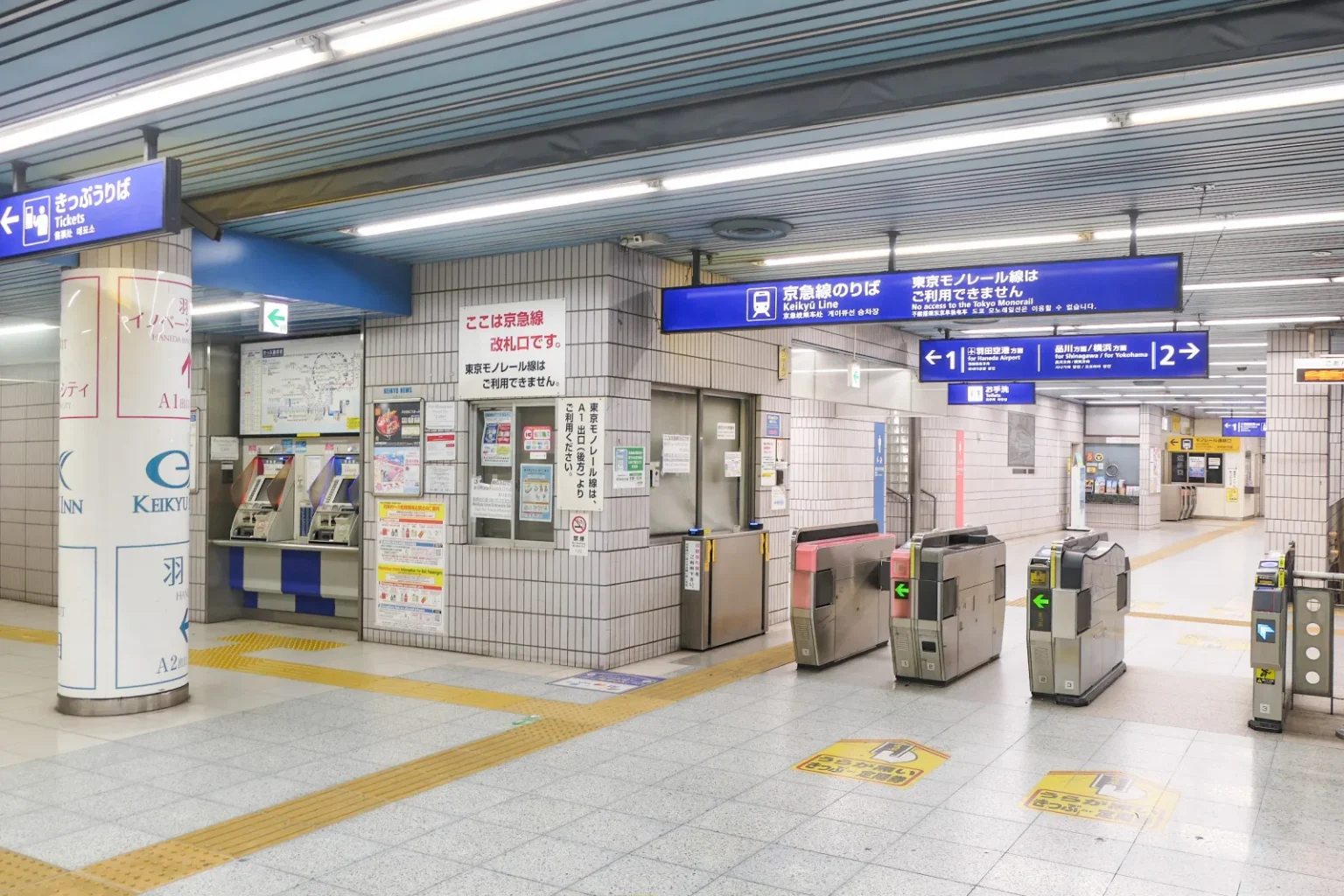
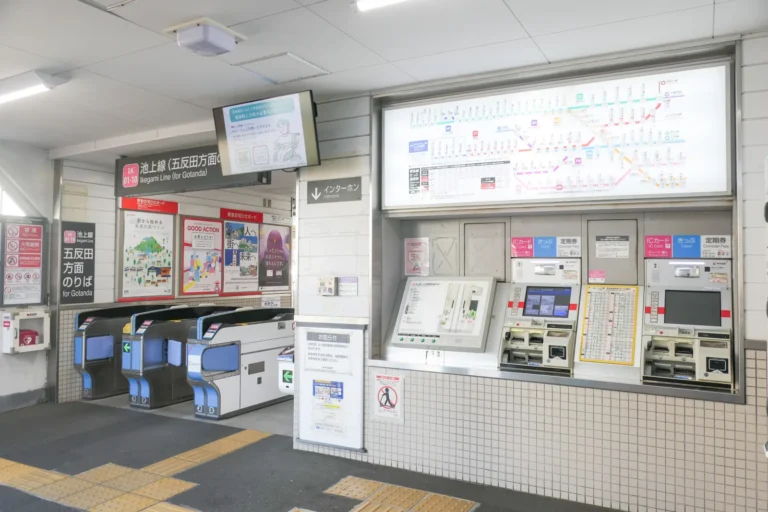
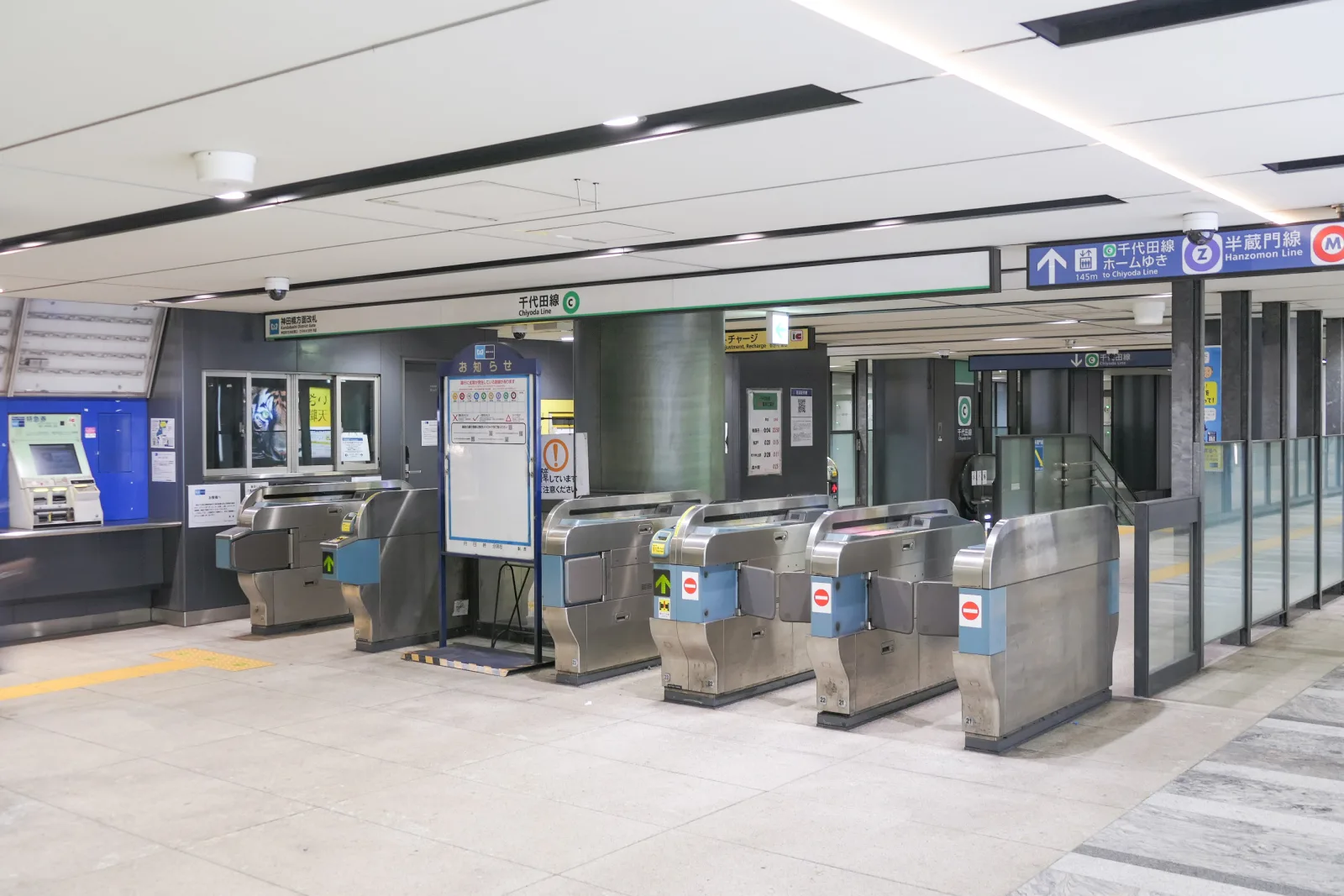
On 25 March 2026, eleven Kanto rail operators, including Tokyo Metro, Toei, Keio, Keikyu, Tokyu, Odakyu, Odakyu Hakone, Seibu and Tobu, began shared “Tap to Ride” with contactless credit, debit and prepaid cards, and phones holding them. Their release lists seven card brands including Visa, Mastercard and American Express, and 54 lines and 729 stations at launch, adult fares only; lines and stations missing from its table are not covered. JR East is not one of the eleven.
PASMO lists ten interoperable transit IC cards for trains and buses across Japan: PASMO, Suica, Kitaca, TOICA, manaca, ICOCA, PiTaPa, HAYAKAKEN, nimoca and SUGOCA. Oyster is not among them (checked 19 October 2026). Where gates accept transit IC cards, including JR East lines that take them, use one of those cards; check rural routes and shinkansen ticket rules separately: IC cards in Japan: Suica, PASMO and ICOCA.
In shops, JNTO says overseas phone payments “such as ApplePay, GooglePay and AliPay sometimes cannot be used in Japan”.
EE, O2, Vodafone, Three and giffgaff roaming in Japan
From each network’s own page, 19 October 2026:
| Network | Japan |
|---|---|
| EE | EE’s public Japan page: “There are no roaming passes available for Japan.” Calls made or received cost £2.46 a minute. “You will not have access to mobile data without a roaming pass.” Options after login were not checked |
| O2 | Japan is in O2 Travel Inclusive Zone Ultimate (Ultimate Plans only): unlimited minutes, texts and data, capped at 2Mbps. It is not in the 27-destination Inclusive Zone. On other Pay Monthly plans, the optional O2 Travel Bolt On covers Japan at £7 for 24 hours from first use, triggered by making a call, sending a text or using data, not by receiving calls or texts. Without it, standard rates apply (not checked); Pay As You Go not checked |
| Vodafone | Japan is in Vodafone’s Pay monthly Zone D, not in the 84 Global Roam destinations. Vodafone says you can add an Extra or pay a daily charge to use your phone; in Zone C or D that charge is £8 a day from 14 April 2026 on Pay monthly plans bought since 11 August 2021 |
| Three | Japan is a Go Roam Around the World Extra destination for Pay Monthly. A daily roaming charge unlocks your UK allowance (up to 12GB of data) for 24 hours: £7 if you joined or upgraded from 1 October 2021 to 17 December 2025. If you joined on or after 18 December 2025, it is generally £8 from 1 April 2026, but Three lists £7 for certain 24-month SIM Only Lite plans with 25GB or 120GB from 1 June 2025; check your exact plan. Or buy a Go Roam pass. On Pay As You Go, Japan is not in Go Roam; joined before October 2021: not checked |
| giffgaff | Japan from credit: data 20p per MB, calls made or received £1 a minute, texts sent 30p, texts received free |
If you use roaming on all 14 days of a trip at £8 a day, that comes to £112. The other route is a Japan data eSIM on an unlocked phone; if you keep your UK SIM on for bank text codes, turn off data roaming on that line.
If your network charges by the day, compare a Japan data eSIM for the length of your trip.
See Japan eSIM plansUK plugs and Japan’s 100 V
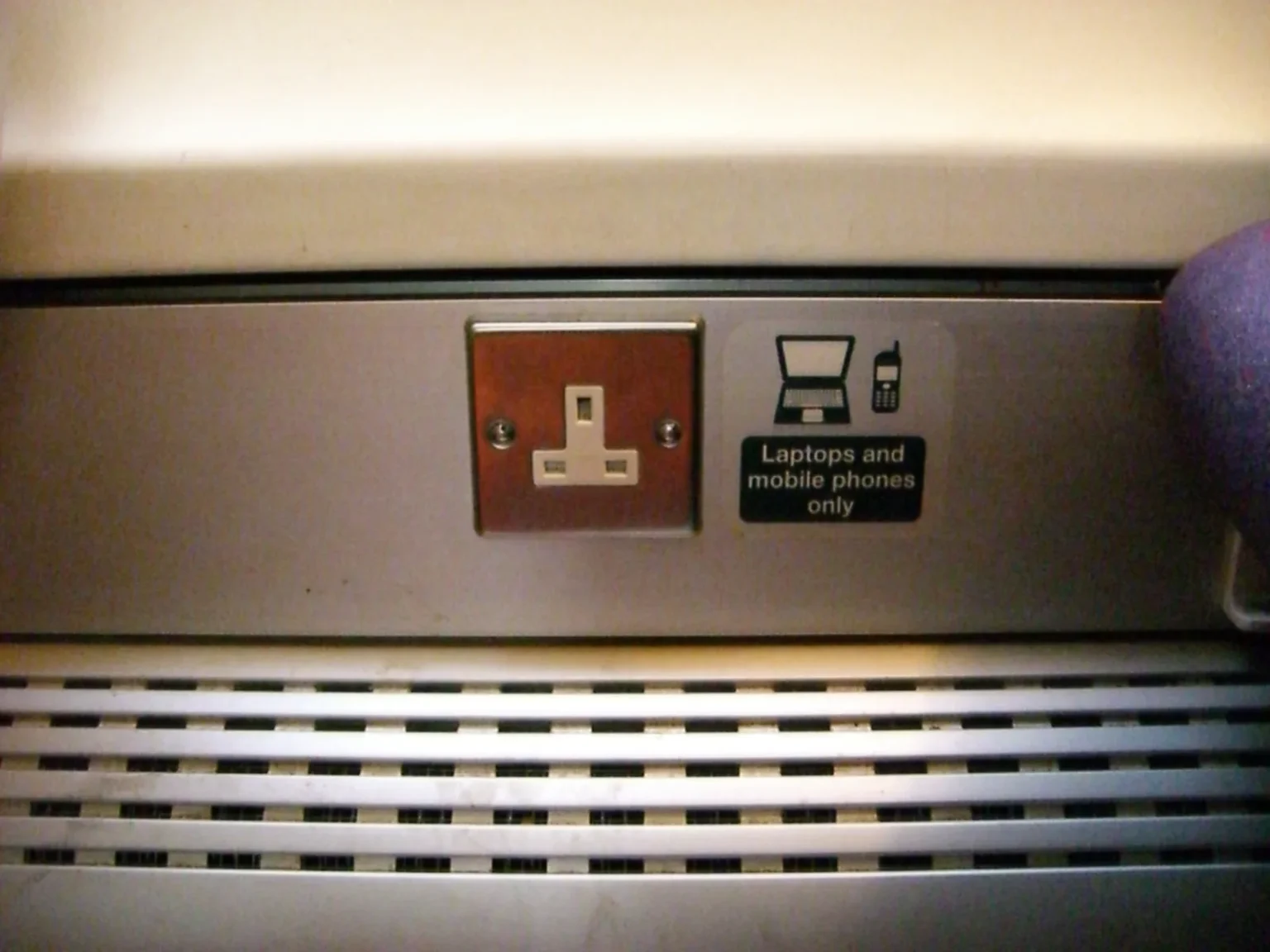
The IEC’s plug guide lists the UK as 230 V, 50 Hz, Type G, and Japan as 100 V with Types A and B; JNTO says Japan is 50 Hz in the east and 60 Hz in the west. A Type G plug needs an adapter, which changes only the shape, not the voltage.
Read the INPUT line on each charger: 100–240 V and 50/60 Hz covers Japan with a plug adapter, as on Apple’s USB power adapters. An appliance marked 220–240 V only needs a step-up transformer as well, of enough capacity, and its frequency rating should cover 50 or 60 Hz. Kashimura, which sells two-way transformers, advises a capacity of two to three times the rated power for heating appliances such as hair dryers.
The IEC describes Type A as an ungrounded plug. Use an appliance that needs an earth connection only where that earth can be connected as its manual says. Adapters, chargers and hair dryers: Japan plug type and voltage.
Medicine from the UK
The UK Foreign, Commonwealth & Development Office (FCDO) warns that under Japan’s anti-stimulant drugs law it is illegal to carry some common medicines, including “Vicks inhalers”, “cold and flu medication containing pseudoephedrine” and “some over-the-counter painkillers containing codeine”, and says to check a medicine’s status with the Japanese Embassy in the UK.
Japan’s Narcotics Control Department (NCD) lists ingredients. The NHS describes co-codamol as paracetamol and codeine, and titles its pseudoephedrine page “Pseudoephedrine (Sudafed)”.
| Ingredient (UK example) | Rule in Japan · source |
|---|---|
| Codeine (co-codamol) | A narcotic; products containing 1% or less are excluded. Above that, permission is needed before you enter Japan · NCD list (12 December 2024) |
| Pseudoephedrine (Sudafed products that contain it) | A stimulants’ raw material; products containing 10% or less are excluded. Above that, permission is needed. The threshold is a percentage of the whole product, so ask the NCD before you travel with any product that lists pseudoephedrine · NCD list (12 December 2024) |
| Lisdexamfetamine (Elvanse) | The NCD names Elvanse: a stimulants’ raw material, allowed only with permission obtained before you travel · NCD guidance, 19 October 2026 |
| Dexamfetamine | Prohibited: amphetamine, including dexamphetamine, cannot be imported “even if they are prescribed medicines in your country” · NCD guidance and list |
| Methylphenidate, diazepam, zolpidem | Psychotropics: no permission up to the NCD table amount (methylphenidate 2.16 g, diazepam 1.2 g, zolpidem 300 mg); above it, carry a doctor’s certificate · NCD guidance and table |
| Paracetamol, ibuprofen | Not named in the NCD list dated 12 December 2024. Over-the-counter medicines: up to a 2-month supply without an import confirmation, unless the product contains a controlled ingredient · NCD list, MHLW |
| Other prescription medicines without NCD-controlled ingredients | Up to a 1-month supply without an import confirmation; more needs one before you travel. Controlled ingredients follow the NCD rules above · MHLW, 19 October 2026 |
The NCD says to apply at least 14 days before travel, and its Tokyo office “cannot accept any last-minute applications for any reason”. Applications go to the NCD office covering your arrival airport, and permitted medicine must travel with you, not by post. For more than a month’s supply of a psychotropic, the NCD says to email MHLW at yakkan@mhlw.go.jp. When we checked on 14 November 2026, the NCD’s application page carried a notice that an email problem was stopping it from processing applications or issuing permits; check that notice before you apply.
Driving with a UK licence
Japan’s National Police Agency lets visitors drive with a Japanese licence, a 1949 Geneva Convention International Driving Permit (IDP), or a translated licence from six listed places, not including the UK (list as of 1 April 2026). An IDP is valid for up to a year after landing, or until it expires if sooner.
GOV.UK lists Japan as a 1949 IDP country. It costs £5.50 in person at certain PayPoint shops, for full UK licence holders aged 18 or over living in the UK, and lasts 12 months. The FCDO says to carry it with your UK licence and insurance documents, and that “you cannot buy an IDP outside the UK”. The Japan Automobile Federation says drivers “must keep to the left”. Road signs: Japanese road signs for foreign drivers.
If you will drive outside the cities, compare rental cars once your IDP is in hand.
Compare rental carsUber, Costco and tipping
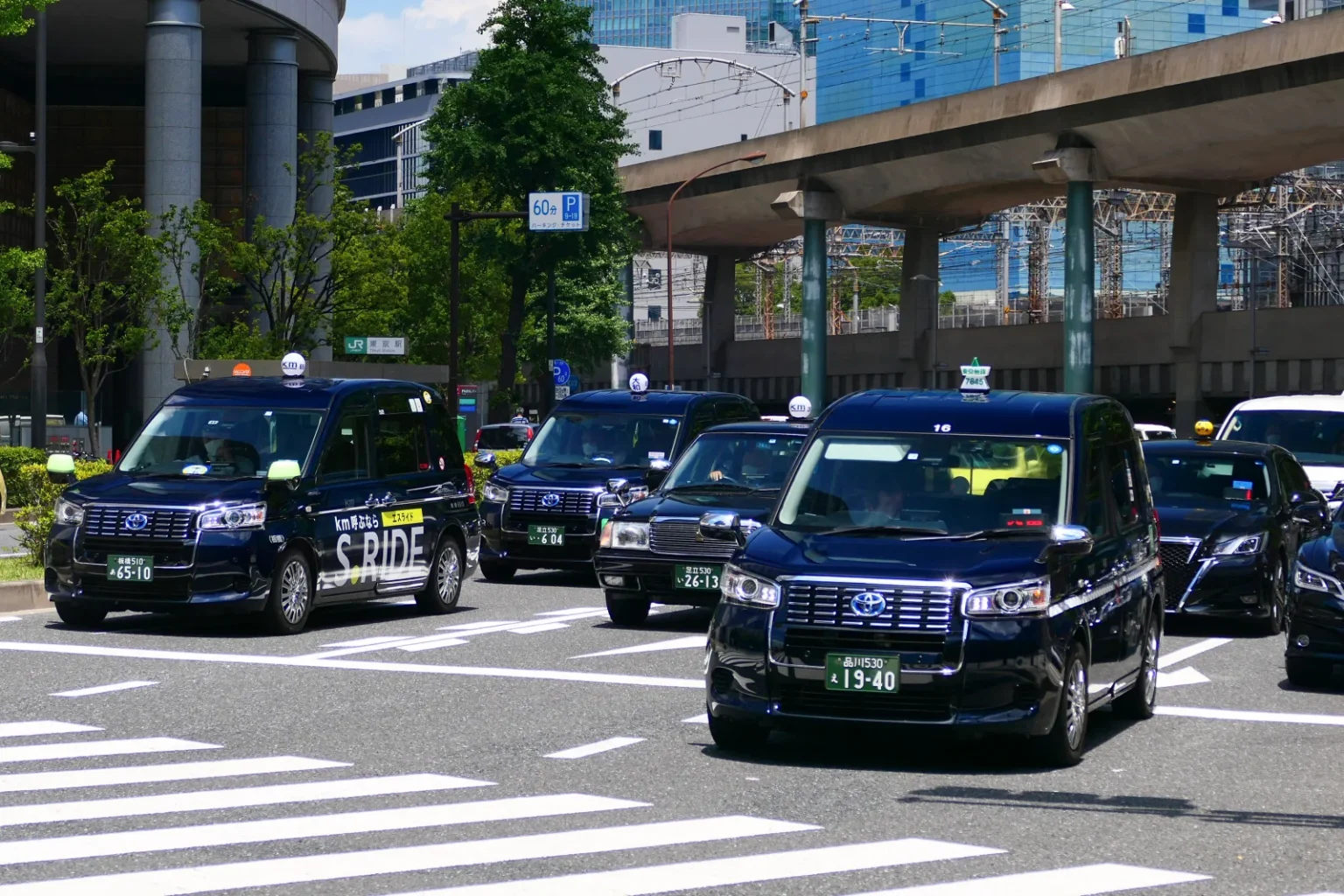
Uber. Uber Taxi in Japan charges the meter fare, with a 100-yen app charge included, plus a booking fee of up to 680 yen and any facility fee (Uber Japan). More: Does Uber work in Japan?
Costco. Costco UK’s terms say your card “is valid at any Costco warehouse worldwide”. Costco Japan’s terms list cash, Costco’s own cards and all Mastercard-brand credit cards; Visa and debit cards are not mentioned. More: Costco Japan with a membership from home.
Tipping. JNTO says: “In Japan, it’s not common to tip for services such as those provided in bars, cafes, restaurants, taxis, and hotels.”
Before you leave the UK
- Look up your card’s fees abroad, and pack a second card from another bank.
- Check your network’s Japan charges, or unlock your phone for a Japanese eSIM.
- Check every medicine’s ingredients against the NCD list; apply at least 14 days ahead where permission is needed.
- Get a 1949 IDP at a PayPoint shop if you will drive.
- If you plan long shinkansen trips between cities, compare the Japan Rail Pass before you fly.
Questions UK travellers ask
Do Monzo and Revolut work in Japan?
Yes, as cards. Monzo adds no foreign transaction fee; Revolut Standard gives £200 or 5 free ATM withdrawals a month (checked 19 October 2026).
Is EE or Vodafone roaming expensive in Japan?
Vodafone’s daily charge to use your phone in Zone D, which includes Japan, is £8 on Pay monthly plans bought since 11 August 2021. EE’s public Japan page lists no roaming passes and no mobile data without one; options after login were not checked (checked 19 October 2026).
Can I use contactless on Japanese trains?
At some stations. Eleven Kanto operators, including Tokyo Metro, Toei and Odakyu Hakone, take contactless cards at stations listed in their 24 March 2026 release. JR East is not one of them; at gates that accept transit IC cards, use a Suica or PASMO.
Do I need an adapter from the UK?
Yes: UK Type G plugs do not fit Japan’s Type A and B sockets. A 100–240 V, 50/60 Hz charger that does not need an earth connection needs a compatible plug adapter. An appliance that needs earthing must be earthed as its manual says, and a 230 V-only appliance also needs a step-up transformer.
Which IDP do I need for Japan?
The 1949 IDP, £5.50 at certain PayPoint shops; the FCDO says you cannot buy one outside the UK (checked 19 October 2026).
Can I bring co-codamol or Sudafed to Japan?
Only after checking. Products above 1% codeine or 10% pseudoephedrine need NCD permission before you travel, and the FCDO warns that some are illegal to carry. Ask the NCD (or the Japanese Embassy in the UK, as the FCDO advises) first.
Sources
- Checked 19 October 2026 — Japan National Tourism Organization: Cashless payments; Credit cards; Plugs and electricity; Tipping
- Checked 19 October 2026 — Banks: Monzo, Travel; Starling, Travel; Chase UK, Travelling with Chase; Revolut, Personal fees (Standard); Barclays, Using your debit card abroad; HSBC UK, Using your card and fees outside the UK
- Checked 19 October 2026 — ATMs: Seven Bank, overseas cards usable at ATMs and how to withdraw cash; Japan Post Bank, withdrawals with cards issued abroad
- Checked 19 October 2026 — Rail: Eleven Kanto railway operators, Tap to Ride mutual use (PDF, 24 March 2026); PASMO, interoperable transit IC cards
- Checked 19 October 2026 (EE, Vodafone zone lists and giffgaff viewed in a browser) — Networks: EE, Roaming in Japan; O2, Travel Inclusive Zone and Inclusive Zone Ultimate and O2 Travel; Vodafone, Roaming zones and out-of-bundle price changes from April 2026; Three, Go Roam and roaming destinations; giffgaff, Japan roaming prices
- Checked 19 October 2026 — Plugs: IEC, World Plugs (Internet Archive capture of 16 August 2026); Apple Support, About Apple USB power adapters; Kashimura, adapters for use in Japan (Japanese) and WT-19EJ and WT-20EJ transformers (Japanese, PR TIMES, 26 June 2026)
- Checked 19 October 2026 — Medicine: FCDO, Japan travel advice: health; NHS, About co-codamol and Pseudoephedrine (Sudafed); MHLW, bringing medicines for personal use into Japan; Narcotics Control Department, application guidance, psychotropics table and controlled substances list (12 December 2024)
- Checked 19 October 2026 — Driving: National Police Agency, How to Drive in Japan (licence list as of 1 April 2026); GOV.UK, Check if you need an IDP and Get an IDP; FCDO, Japan travel advice: safety and security; Japan Automobile Federation, Traffic rules in Japan
- Checked 19 October 2026 — Uber, Uber in Japan; Costco UK, Membership terms; Costco Japan, terms (Japanese)
Join travelers discovering Japan's hidden side
Weekly dispatches from off-the-beaten-path Japan — spots and stories you won't find in guidebooks.
No spam. Unsubscribe anytime.
Welcome aboard!
You're in. See you in your inbox soon.