
Travel tips · from Germany · driving licence, bank cards, roaming, plugs, medicine · checked 19 October 2026
A German driving licence works in Japan only with an official Japanese translation; the Auswärtiges Amt says a German international driving permit is not recognised. Visa, Mastercard and Maestro marks are on the Seven Bank and Japan Post Bank ATM lists; V Pay and girocard alone are not. Roaming costs depend on your tariff. German Type C and F plugs need an adapter, and 230 V-only appliances a step-up transformer. Wurst and other meat cannot come in without an export-government inspection certificate.
Quick answers for travellers from Germany
| What you use at home | In Japan (and what to do) | Source · checked |
|---|---|---|
| German driving licence | Works with conditions. Only with an official Japanese translation (ADAC Südbayern or JAF), carried with the licence, for up to one year after entering Japan or until your German licence expires, whichever comes first | National Police Agency, Auswärtiges Amt, JAF · 19 October 2026 |
| German international driving permit | Doesn’t work. “Wird in Japan nicht anerkannt” | Auswärtiges Amt · 19 October 2026 |
| Debit cards: N26 and Deutsche Bank (Mastercard), DKB and ING (Visa), Commerzbank (girocard with Visa) | Works with conditions. Fees differ by account (table below); fees do not guarantee acceptance | Each bank’s page or fee sheet · 19 October 2026 |
| Girocard with Maestro | Works with conditions. Maestro is on both ATM lists; acceptance depends on your card and bank | Seven Bank, Japan Post Bank, Sparkasse · 19 October 2026 |
| Girocard with V Pay, or girocard only | Not confirmed. Neither mark is on the Seven Bank or Japan Post Bank lists | Seven Bank, Japan Post Bank, Sparkasse · 19 October 2026 |
| Telekom (MagentaMobil from August 2024) | Works with conditions. Calls 0.29 €/min; no data until you book a pass (Japan pass prices not confirmed) | Telekom price list (8 September 2026) · 19 October 2026 |
| Vodafone (contract tariffs; CallYa not checked) | Works with conditions. ReisePaket World: €9.99 per German calendar day used | Vodafone InfoDok 4609 (July 2026) · 19 October 2026 |
| o2 | Works with conditions. Optional 2 GB pack for €14.99; renewal and pay-per-use rates not checked | o2 · 19 October 2026 |
| German plugs (Type C/F, 230 V) | Works with conditions. A plug adapter changes only the shape; 230 V-only appliances also need a step-up transformer | IEC (archived 16 August 2026), JNTO, Kashimura · 19 October 2026 |
| Deutschlandticket | Doesn’t work. It covers local transport in Germany only | Deutsche Bahn · 19 October 2026 |
| Contactless card at train gates | Works with conditions. Eleven Kanto operators at listed stations; elsewhere, including JR East, use an IC card (other operators not checked) | Tap to Ride release (24 March 2026) · 19 October 2026 |
| Medicines with codeine or pseudoephedrine | Works with conditions. Above 1% codeine or 10% pseudoephedrine, permission is needed before you travel | NCD list (12 December 2024) · 19 October 2026 |
| Wurst, ham, bacon or other meat products | Doesn’t work without an inspection certificate from the exporting country’s government, even as souvenirs or for personal use; a certificate alone does not guarantee entry, so ask the Animal Quarantine Service first | Animal Quarantine Service (MAFF) · 19 October 2026 |
If your route includes a stay in Tokyo, compare Tokyo hotels on Agoda. Driving with a German licence is covered below.
Driving with a German licence
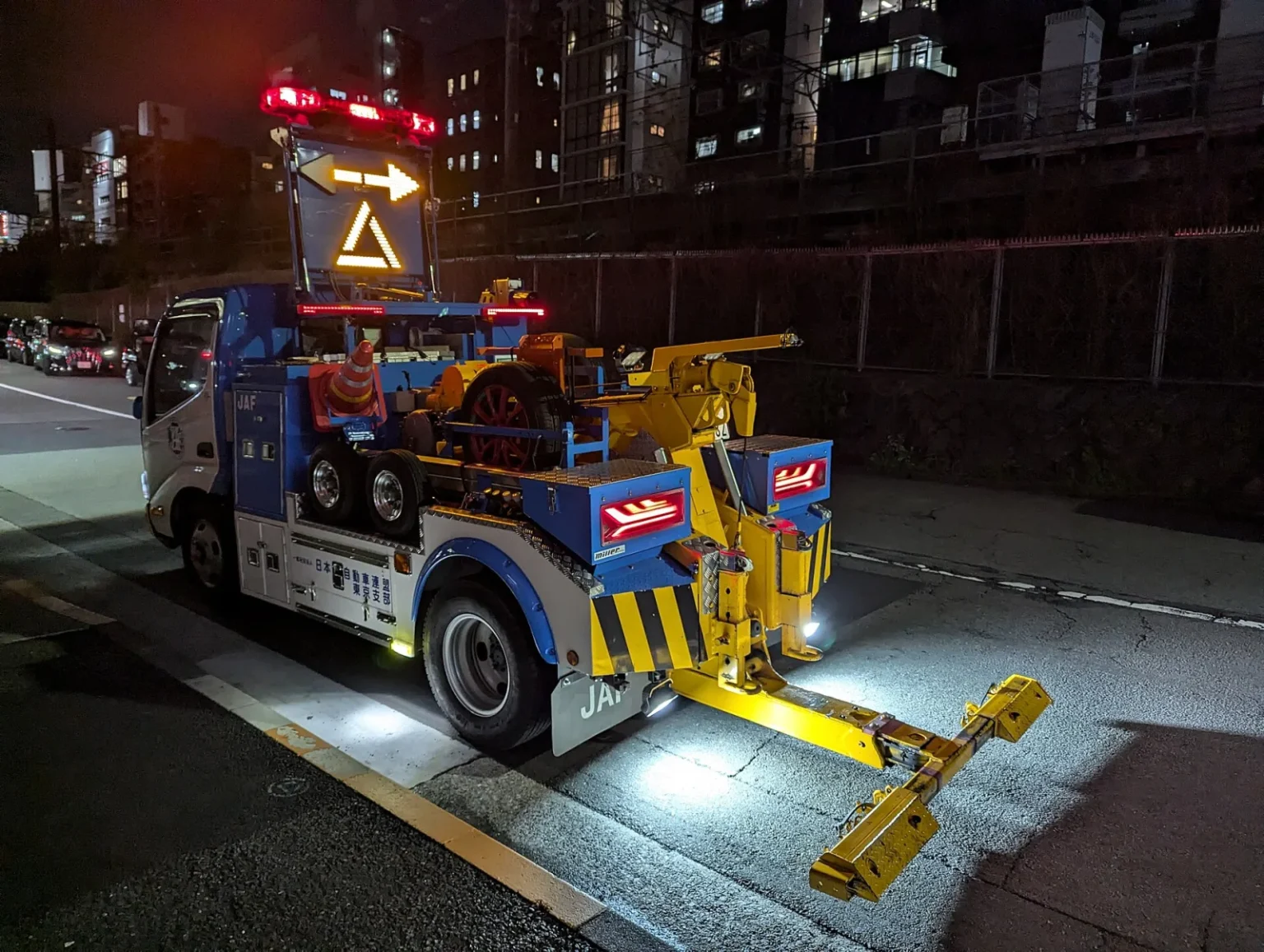
Japan’s National Police Agency (NPA) lets licences from six places, Germany among them (list as of 1 April 2026), be used “accompanied by a Japanese translation” from a designated body. For German licences it names the ADAC; embassies and consulates in Japan also qualify, legally certified translators do not, and JAF says it issues them too.
The Auswärtiges Amt adds that “der deutsche internationale Führerschein wird in Japan nicht anerkannt”. Carry the original licence and the translation together.
| Where to get the translation | What the provider’s page says (19 October 2026) |
|---|---|
| ADAC Südbayern, Munich | Page dated 23 January 2025: €65 in person, €70 by post (confirm the current fee); original licence only; open to non-members; if handed in at München-West, the licence comes back at once and the translation within 10 working days |
| JAF, in Japan | Online application site; the Auswärtiges Amt also names JAF’s counters (fee charged) |
ADAC says the translation does not expire while the licence is valid and unchanged, but the NPA limits driving to “not more than one year after the date of the driver’s landing in Japan” or the licence’s validity, “whichever is shorter”; JAF adds that police may ask for your passport. Traffic keeps to the left (JAF). Road signs: Japanese road signs for foreign drivers.
Once the translation is in your hands, compare rental cars for the parts of Japan trains do not reach.
Compare rental carsGerman bank cards: what each bank charges when you pay or withdraw yen
JNTO says many rural places “may still only accept cash, even hotels”. Each bank’s own terms:
| Card | Bank’s own terms (checked 19 October 2026) |
|---|---|
| N26 (Mastercard) | No N26 fee on payments abroad; turn on foreign payments in the card settings. Cash outside the euro area: 1.7% on Standard and Smart, free on Go and Metal |
| DKB Visa Debitkarte | With Aktivstatus (DKB sets the conditions), payments and cash at ATMs with the Visa logo are free in all currencies. Without it, 2.20% on foreign currency. Withdrawals from €50 (or the equivalent) |
| ING Visa Debitkarte | 2.20% on payments and ATM withdrawals in a foreign currency outside the EEA; withdrawals from €50 (fee sheet dated 15 October 2026) |
| Deutsche Bank Card, debit with Mastercard function (AktivKonto) | 1% (minimum €1.50) on payments in a foreign currency; 1% (minimum €5.99) at other banks’ ATMs; no partner bank in Japan (fee sheet dated 15 October 2026) |
| Commerzbank girocard with Visa function (GiroKonto) | 1% (minimum €2.50) on payments in a foreign currency outside the EU; 1% (minimum €5.98) at other ATMs in a foreign currency (fee sheet dated 1 December 2025; check the current terms) |
| Sparkasse | Fees are set by each Sparkasse. V Pay works “hauptsächlich in der Europäischen Union” and eight named countries, not including Japan; Maestro works almost worldwide, but many banks limit it abroad until you unlock it |
ATM operators may add a fee (DKB, ING, Deutsche Bank). Offered a charge in euros, choose yen (DKB). Paying by phone: home wallets in Japan.
Cash from a Japanese ATM
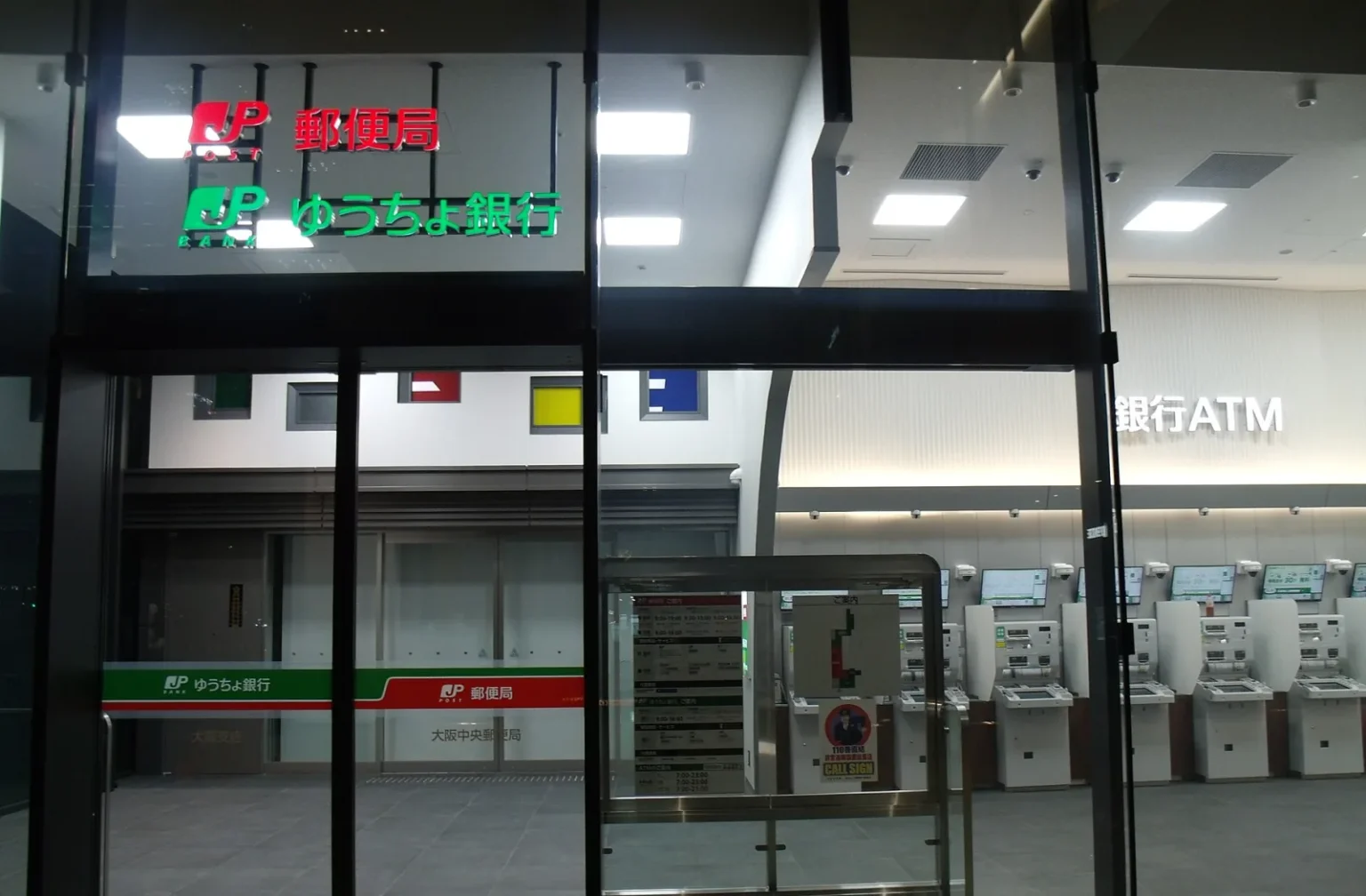
The Auswärtiges Amt says most Japanese banks’ ATMs do not accept foreign cards, but some European girocards and credit cards work at 7-Eleven, FamilyMart and Japan Post ATMs.
Seven Bank lists ten marks including Visa, Mastercard and Maestro, caps each withdrawal at 100,000 yen, or 30,000 yen with a magnetic-stripe card, and says some cards with these marks may not be accepted. Japan Post Bank lists eight marks including Visa, Mastercard and Maestro, may charge 220 yen per withdrawal and caps each at 50,000 yen. V Pay and girocard are on neither list (checked 19 October 2026). ATM hours: when banks close in Japan. Cash or card: Japan cash vs card in 2026.
Telekom, Vodafone and o2 roaming in Japan
From each network’s own page or price list, 19 October 2026:
| Network | Japan |
|---|---|
| Telekom | Group 3. Basic Roaming tariffs (MagentaMobil from 1 August 2024): calls made or received 0.29 €/min, texts 0.09 €; no data without a Travel & Surf pass (pass.telekom.de or SMS to 7277). Japan pass prices and older tariffs not checked |
| Vodafone | Contract tariffs (CallYa not checked). ReisePaket World, preset in most: €9.99 per German calendar day on which you call, text or go online (50 minutes, 50 texts, 500 MB); a week is €34.99 with 4 GB. Using the MeinVodafone app counts. Other rates not checked |
| o2 | Roaming Plus World covers Japan: 2 GB for €14.99, “Laufzeit: 1 Monat”, in the o2 app. Renewal, eligible tariffs and pay-per-use rates not checked |
German midnight is 08:00 in Japan in winter, 07:00 in summer, so one Japanese day can count as two Vodafone days. A Japan data eSIM on an unlocked phone is another route; if keeping your German SIM active for bank codes, turn off data roaming on that line.
If your tariff charges by the day, compare a Japan data eSIM for the length of your trip.
See Japan eSIM plansGerman plugs and Japan’s 100 V
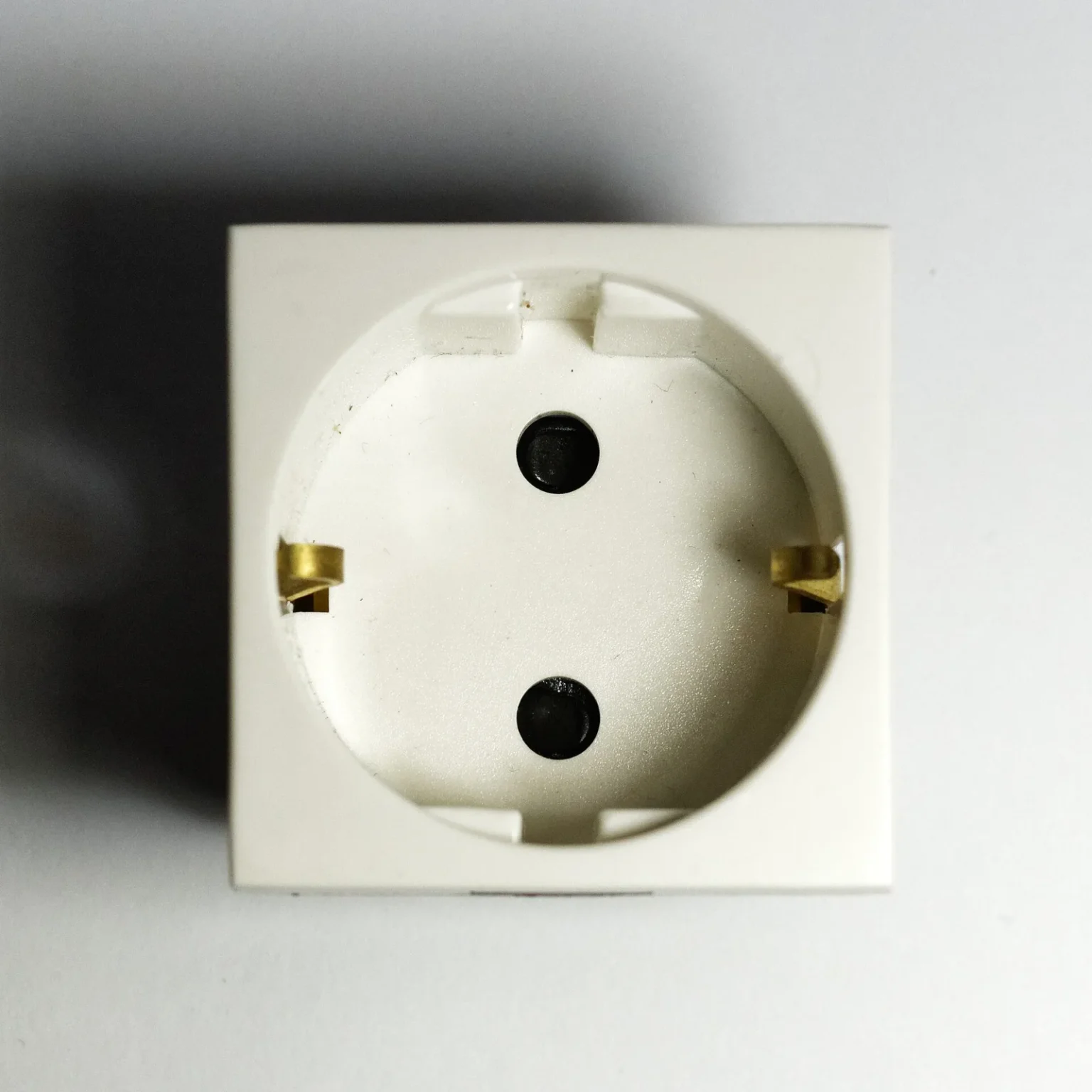
The IEC lists Germany as 230 V, 50 Hz, Types C and F, and Japan as 100 V, Types A and B; JNTO adds 50 Hz in the east, 60 Hz in the west. An adapter changes only the plug shape, not the voltage.
A charger rated 100–240 V, 50/60 Hz (as Apple’s USB power adapters are) needs only a plug adapter. An appliance marked 220–240 V only also needs a step-up transformer; Kashimura, which sells them, advises a capacity of two to three times the rated power for heating appliances such as hair dryers.
Adapters, chargers and hair dryers: Japan plug type and voltage.
Trains: Deutschlandticket, contactless and IC cards
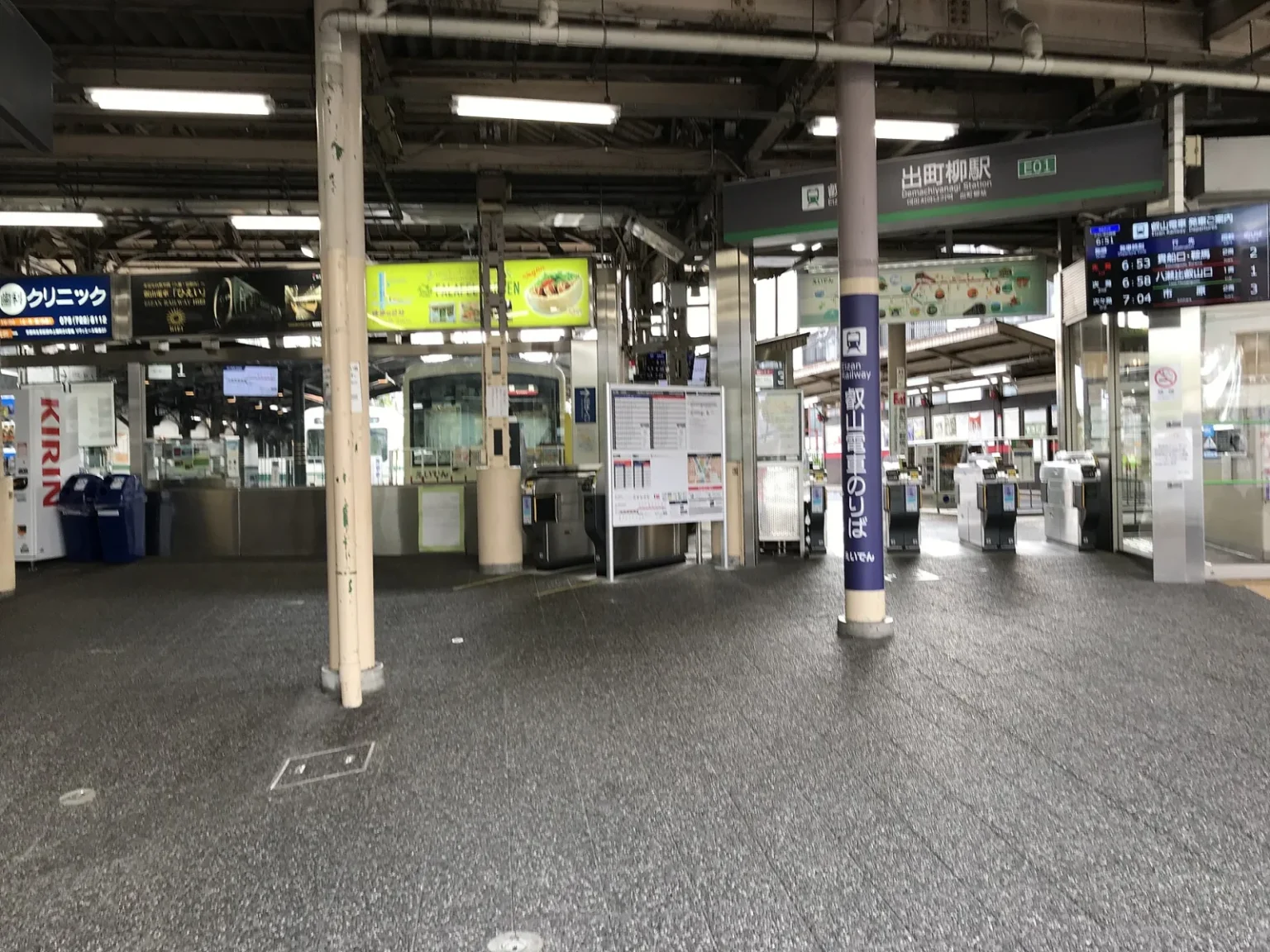
Deutsche Bahn says the Deutschlandticket is valid “deutschlandweit in Bus, U-, S- und Regionalbahn”, not in Japan.
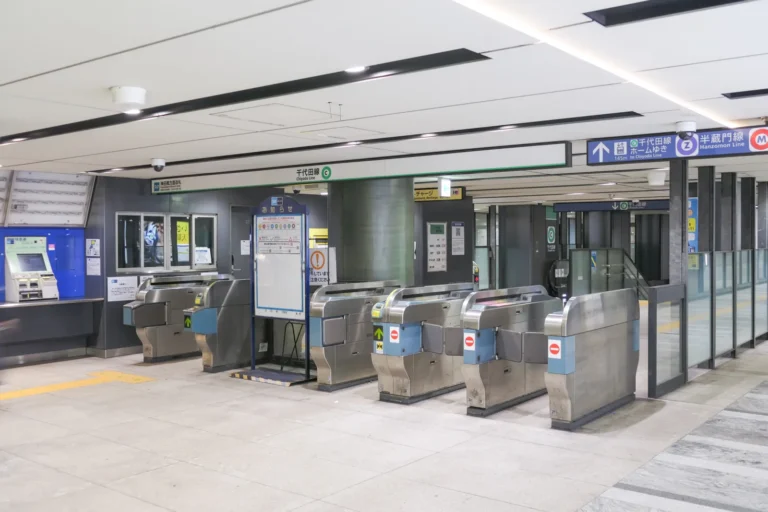
Since 25 March 2026, eleven Kanto rail operators, including Tokyo Metro and Toei, take contactless Visa, Mastercard and five other card brands at listed stations (“Tap to Ride”, adult fares only; 729 stations at launch). JR East is not one of the eleven.
PASMO lists ten interoperable IC cards, including Suica and ICOCA. Use them where operators and gates accept them; check rural routes and shinkansen tickets separately: IC cards in Japan: Suica, PASMO and ICOCA.
Medicine from Germany
Japan’s Narcotics Control Department (NCD) lists ingredients, not brands, so check the active ingredient on your pack. Thresholds are from the NCD list dated 12 December 2024; check the current NCD list and guidance before travel.
| Ingredient | Rule in Japan · source |
|---|---|
| Codeine | A narcotic; products containing 1% or less are excluded. Above that, permission is needed before you enter Japan · NCD list (12 December 2024) |
| Pseudoephedrine | A stimulants’ raw material. The list excludes “any substances containing 10% or less of ephedrine or pseudoephedrine”; above that, permission is needed, so ask the NCD first · NCD list (12 December 2024) |
| Lisdexamfetamine (Elvanse) | The NCD names Elvanse: a stimulants’ raw material, allowed only with permission obtained before you travel · NCD guidance |
| Amphetamine, including dexamphetamine | Prohibited, “even if they are prescribed medicines in your country” · NCD guidance and list |
| Methylphenidate, diazepam, zolpidem | Psychotropics: no permission or doctor’s certificate up to the NCD table amount, excluding injections (methylphenidate 2.16 g, diazepam 1.2 g, zolpidem 300 mg). Above it, the NCD says you “should have a certificate” from your doctor stating the disease, need, drugs and quantities · NCD guidance and table |
| Paracetamol, ibuprofen | Not named in the NCD list dated 12 December 2024. Over-the-counter medicines: up to a 2-month supply without an Import Confirmation, if no controlled ingredient · NCD list, MHLW |
| Other prescription medicines without NCD-controlled ingredients | Up to a 1-month supply without an Import Confirmation; more needs one before you travel · MHLW |
Narcotics and stimulants’ raw materials that need permission (for example codeine above 1%, pseudoephedrine above 10%, or Elvanse). Apply to the NCD office covering your arrival airport at least 14 days before travel (the Tokyo office takes no last-minute applications). MHLW says the permission is granted by “the directors of the Regional Bureaus of Health and Welfare” and must be received before you leave home. Carry the medicine yourself, not by post, and show the import certificate to Customs. Leaving with leftovers of these needs an export application (NCD). Psychotropics above the table amount follow the doctor’s-certificate rule in the table instead. When we checked on 14 November 2026, the NCD’s application page carried a notice that an email problem was stopping it from processing applications or issuing permits; check that notice before you apply.
Ordinary medicines above the personal allowance. A separate Import Confirmation, received before you leave home and shown at Customs. MHLW lists the Kanto-Shin’etsu Regional Bureau of Health and Welfare (yakkan@mhlw.go.jp; Narita, Haneda and others) and the Kinki Regional Bureau (kiyakuji@mhlw.go.jp; Kansai, Chubu, Fukuoka, Naha and others) as contacts. For more than a month’s supply of a psychotropic, the NCD also gives yakkan@mhlw.go.jp.
Uber, tipping and Wurst
Uber. For Uber Taxi, Uber Japan lists the meter fare (it says a 100-yen app usage charge is included), plus a booking fee of up to 680 yen and any facility usage fee: Does Uber work in Japan?
Tipping. JNTO says: “In Japan, it’s not common to tip for services such as those provided in bars, cafes, restaurants, taxis, and hotels.”
Wurst and other meat. Japan’s Animal Quarantine Service (MAFF) says meat products, including ham, sausage, bacon and jerky, cannot be brought in, even as souvenirs or for personal use, without an inspection certificate issued by the exporting country’s government (MAFF’s Japanese page, our translation). A certificate alone does not guarantee entry; ask the Animal Quarantine Service about your product from Germany before you leave (not checked here). Illegal imports can bring a fine of up to 3 million yen or up to 3 years’ imprisonment.
Before you leave Germany
- Order an ADAC translation before departure, or plan how to get one from JAF in Japan before driving.
- Take a Visa or Mastercard card plus a second card from another bank, unlocked for use outside Europe.
- Check each medicine’s active ingredient against the NCD list.
- Leave Wurst, ham and other meat at home.
- If you plan long shinkansen trips between cities, compare the Japan Rail Pass with single tickets before you fly.
Questions travellers from Germany ask
Can I drive in Japan with my German licence?
Yes, with an official Japanese translation from ADAC Südbayern or JAF, carried with the licence, for up to one year after entering Japan or until your German licence expires, whichever comes first (National Police Agency). A German international driving permit is not recognised (Auswärtiges Amt, checked 19 October 2026).
Does my girocard work in Japan?
Not confirmed for girocard or V Pay alone: Maestro is on the Seven Bank and Japan Post Bank lists, V Pay and girocard are not (checked 19 October 2026), and the lists do not cover every ATM in Japan. Ask your bank to unlock use outside Europe.
Do DKB and N26 cards charge fees in Japan?
DKB’s Visa Debitkarte is free with Aktivstatus and 2.20% on foreign currency without it. N26 adds no fee on payments; cash outside the euro area costs 1.7% on Standard and Smart (checked 19 October 2026).
How much is Telekom or Vodafone roaming in Japan?
On Vodafone contract tariffs, ReisePaket World is €9.99 per German calendar day on days you use your phone, so one Japanese day can count as two. On Telekom’s Basic Roaming MagentaMobil tariffs (September 2026 price list), calls cost 0.29 €/min and data works only after you book a Travel & Surf pass; Japan pass prices not confirmed (checked 19 October 2026).
Do I need an adapter from Germany?
Yes: Type C and F plugs do not fit Japan’s Type A and B sockets. A 230 V-only appliance also needs a step-up transformer.
Can I bring medicine with codeine or pseudoephedrine?
Only after checking. Under the NCD list dated 12 December 2024, products above 1% codeine or 10% pseudoephedrine need permission before you travel; apply to the NCD office covering your arrival airport at least 14 days ahead. Check the current NCD list and guidance before travel.
Sources
- Checked 19 October 2026 — Driving: National Police Agency, How to Drive in Japan (list as of 1 April 2026); Auswärtiges Amt, Japan: Reise- und Sicherheitshinweise (German); ADAC Südbayern, Führerscheinübersetzung Deutsch-Japanisch (German); JAF, Driving in Japan with a foreign driver’s license, translation application site and traffic rules
- Checked 19 October 2026 — Banks (German): N26, Karte im Ausland and Geldautomatengebühr; DKB, weltweit kostenlos; ING, Entgeltinformation Girokonto (PDF, 15 October 2026); Deutsche Bank, Konten im Vergleich and Entgeltinformation AktivKonto (PDF, 15 October 2026); Commerzbank, Entgeltinformation GiroKonto (PDF, 1 December 2025); Sparkasse, Sparkassen-Card and Reisezahlungsmittel
- Checked 19 October 2026 — Japan National Tourism Organization: Credit cards; Plugs and electricity; Tipping. ATMs: Seven Bank, overseas cards usable at ATMs and how to withdraw cash; Japan Post Bank, withdrawals with cards issued abroad
- Checked 19 October 2026 — Networks (German): Telekom, Preisliste Mobilfunknutzung im Ausland (PDF, 8 September 2026) and Roaming (viewed in a browser); Vodafone, InfoDok 4609 ReisePaket World (PDF, July 2026); o2, Roaming Plus World
- Checked 19 October 2026 — Plugs: IEC, World Plugs (Internet Archive capture of 16 August 2026); Apple Support, About Apple USB power adapters; Kashimura, adapters for use in Japan (Japanese) and WT-19EJ and WT-20EJ transformers (Japanese, PR TIMES, 26 June 2026)
- Checked 19 October 2026 — Rail: Deutsche Bahn, Deutschland-Ticket (German); Eleven Kanto railway operators, Tap to Ride mutual use (PDF, 24 March 2026); PASMO, interoperable transit IC cards
- Checked 19 October 2026 — Medicine: MHLW, bringing medicines for personal use into Japan; Narcotics Control Department, application guidance, psychotropics table and controlled substances list (12 December 2024)
- Checked 19 October 2026 — Uber, Uber in Japan; Animal Quarantine Service (MAFF), meat products as souvenirs (Japanese)
Join travelers discovering Japan's hidden side
Weekly dispatches from off-the-beaten-path Japan — spots and stories you won't find in guidebooks.
No spam. Unsubscribe anytime.
Welcome aboard!
You're in. See you in your inbox soon.