
Kanagawa · Hakone · From Tokyo
Tokyo to Hakone takes about 80 minutes on Odakyu’s Romancecar from Shinjuku (¥2,470 one way) or 33 minutes on a Kodama Shinkansen from Tokyo Station to Odawara (¥3,280 unreserved) plus a 14–15-minute local train, on October 2026 fares and timetables. The Hakone Freepass, ¥7,100 from Shinjuku since 1 October 2025, saves ¥1,190 on the full loop and costs ¥2,140 more than single tickets if you only ride to Lake Ashi and back by bus. For a winter trip, check one date first: the Hakone Ropeway between Lake Ashi and Owakudani is closed for maintenance from 12 January to 26 February 2027, with buses in its place.
Romancecar, ordinary Odakyu or Shinkansen: which train should you take to Hakone?
For Shinjuku to Hakone, take Odakyu: it is the only direct line into Hakone-Yumoto, and the Freepass is built around it. From Tokyo Station, or with a Japan Rail Pass in your pocket, the Shinkansen to Odawara is the faster start, and you pick up the Hakone side there.
| Route from Tokyo | Time and one-way cost (October 2026) |
|---|---|
| Romancecar, Shinjuku → Hakone-Yumoto, no change | 84–107 min on weekdays, 75–102 min at weekends; ¥2,470 (¥910 + ¥360 fare, ¥1,200 seat ticket) |
| Ordinary Odakyu, Shinjuku → Odawara, then local to Hakone-Yumoto | About 1 h 30 min on a Rapid Express, then 14–15 min; ¥1,270, no seat ticket |
| Kodama Shinkansen, Tokyo → Odawara, then local to Hakone-Yumoto | 33 min, then 14–15 min; ¥3,280 unreserved (¥1,520 fare + ¥1,760) plus ¥360 |
| JR Tokaido Line, Tokyo → Odawara, then local to Hakone-Yumoto | 78 min, then 14–15 min; ¥1,600 plus ¥360 |
The Romancecar is all reserved seats, and you need two tickets: the normal fare and a limited express ticket, ¥1,200 to Hakone-Yumoto or ¥1,000 to Odawara, ¥50 less when bought on Odakyu’s EMot Online Tickets site. Odakyu advertises the ride as about 80 minutes. In the March 2026 timetable on its English site, the 16 weekday trains listed from Shinjuku take 84 to 107 minutes, and the fastest of the 24 weekend trains, the 9:00 Super Hakone 5, takes 75. There is a luggage space on board. Coming back, the last direct train leaves Hakone-Yumoto at 19:50 on weekdays and 19:52 at weekends.
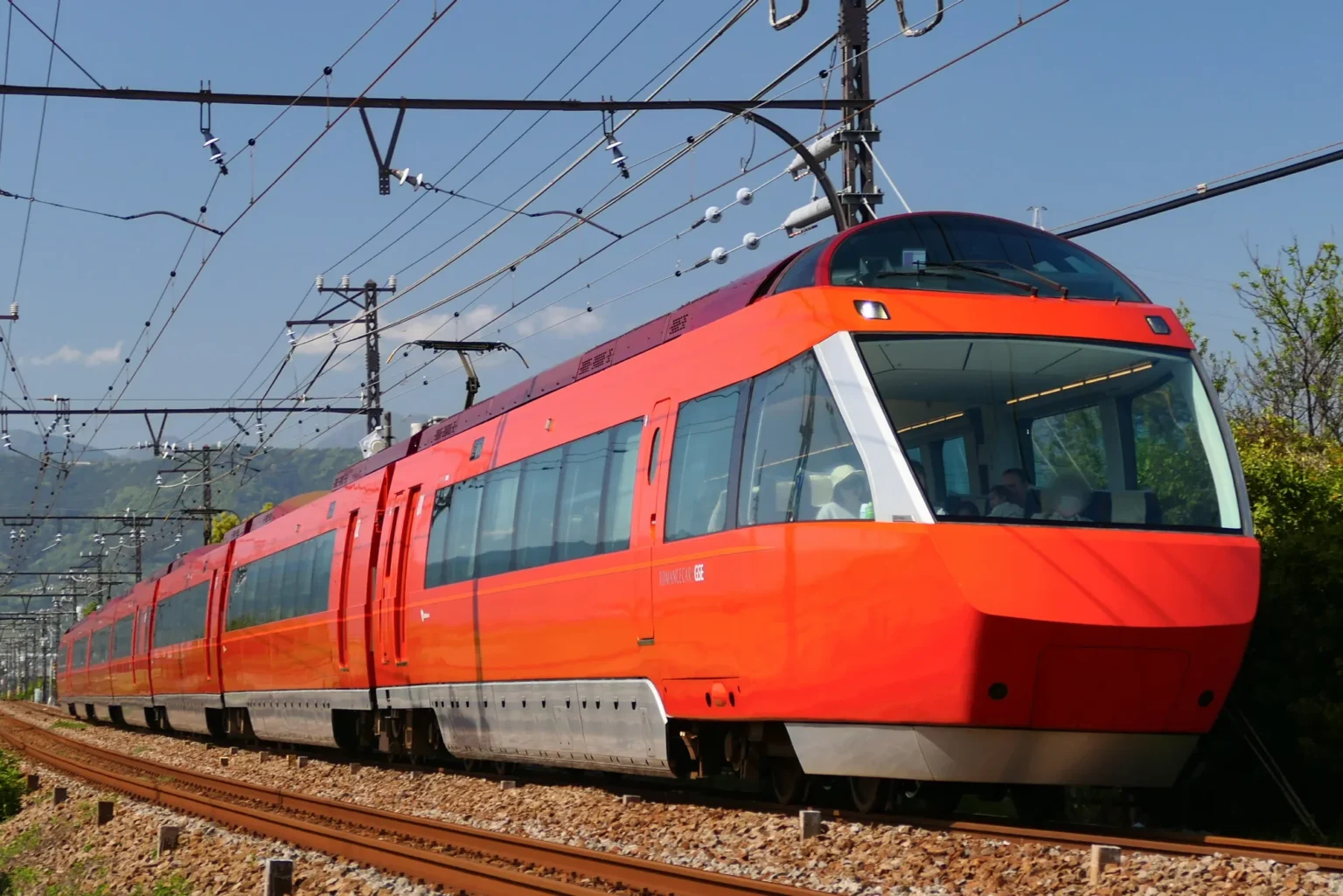
Ordinary Odakyu trains need no seat ticket. In Odakyu’s weekday timetable for October 2026, the 10:01 Rapid Express from Shinjuku reaches Odawara at 11:30, and local trains from Odawara to Hakone-Yumoto take 14 to 15 minutes. The fare is ¥910 to Odawara plus ¥360 for the last stretch. One detail if you change to a Romancecar at Odawara instead: Odakyu sells seats between Odawara and Hakone-Yumoto (¥200 extra) only on the platform, on the day, and only if seats are left.
On the JR side, JR Central’s planner for 15 October 2026 returned the Kodama 813, Tokyo 9:27 to Odawara 10:00, for ¥3,280 with an unreserved seat or ¥3,810 reserved. An ordinary Tokaido Line train takes 78 minutes for ¥1,600. The Japan Rail Pass covers Kodama and Hikari trains on the Tokaido Shinkansen; Nozomi trains need a separate ticket for pass holders. On private railways you pay the fare, and the Hakone loop is run by the Odakyu Hakone group, not JR. If you are weighing a pass for the whole trip, I worked through the JR Pass against individual tickets separately.
Round trips change the picture. Odakyu’s own example, a Shinjuku Freepass plus Romancecar seats both ways, comes to ¥9,500. The Shinkansen both ways (¥6,560) plus the Odawara Freepass (¥6,000) comes to ¥12,560. Ordinary Odakyu trains with the Freepass cost ¥7,100 and nothing more.
Busy weekends in autumn 2026: Odakyu Hakone is extending one evening train to start at Hakone-Yumoto on 10, 11 and 12 October, 31 October, 1 and 3 November, and 21, 22 and 23 November. It leaves Hakone-Yumoto at 19:12 and reaches Shinjuku at 20:45, running as “Rinji 60” for the whole journey.
The loop, ride by ride: Hakone-Yumoto to Lake Ashi and back
The classic circuit is five rides: mountain train, cable car, ropeway, boat and bus. On the Hakone Navi planner for Thursday 15 October 2026, the moving time adds up to 2 hours 48 minutes before any waiting, and single tickets from Odawara and back cost ¥6,470.
| Ride | Time · single fare |
|---|---|
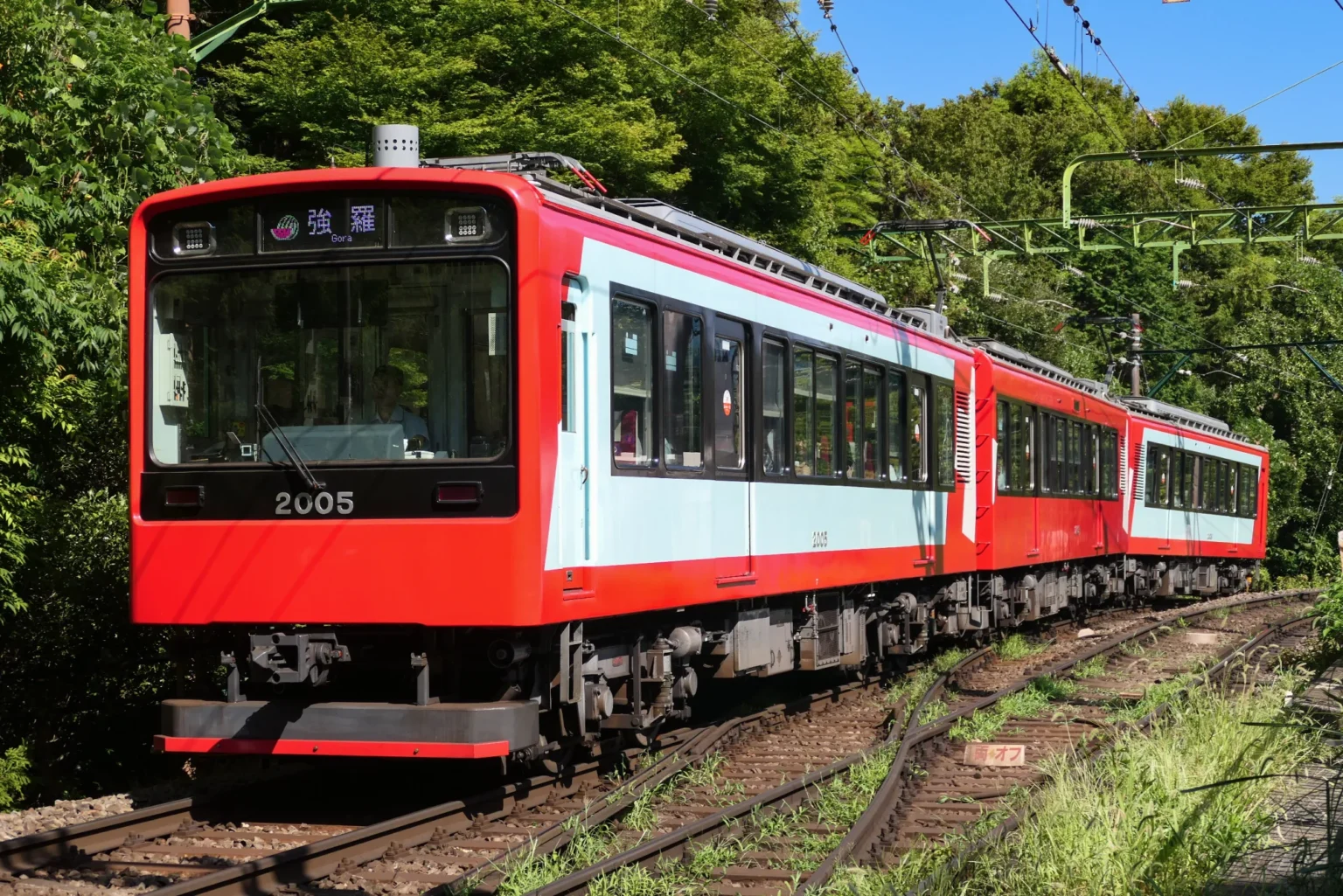
| 1. Hakone Tozan train, Hakone-Yumoto → Gora | 37 min · ¥460 (¥770 through from Odawara) |
| 2. Cable car, Gora → Sounzan | 11 min · ¥430 |
| 3. Hakone Ropeway, Sounzan → Owakudani → Togendai | 51 min including the change at Owakudani · ¥2,000 for any distance |
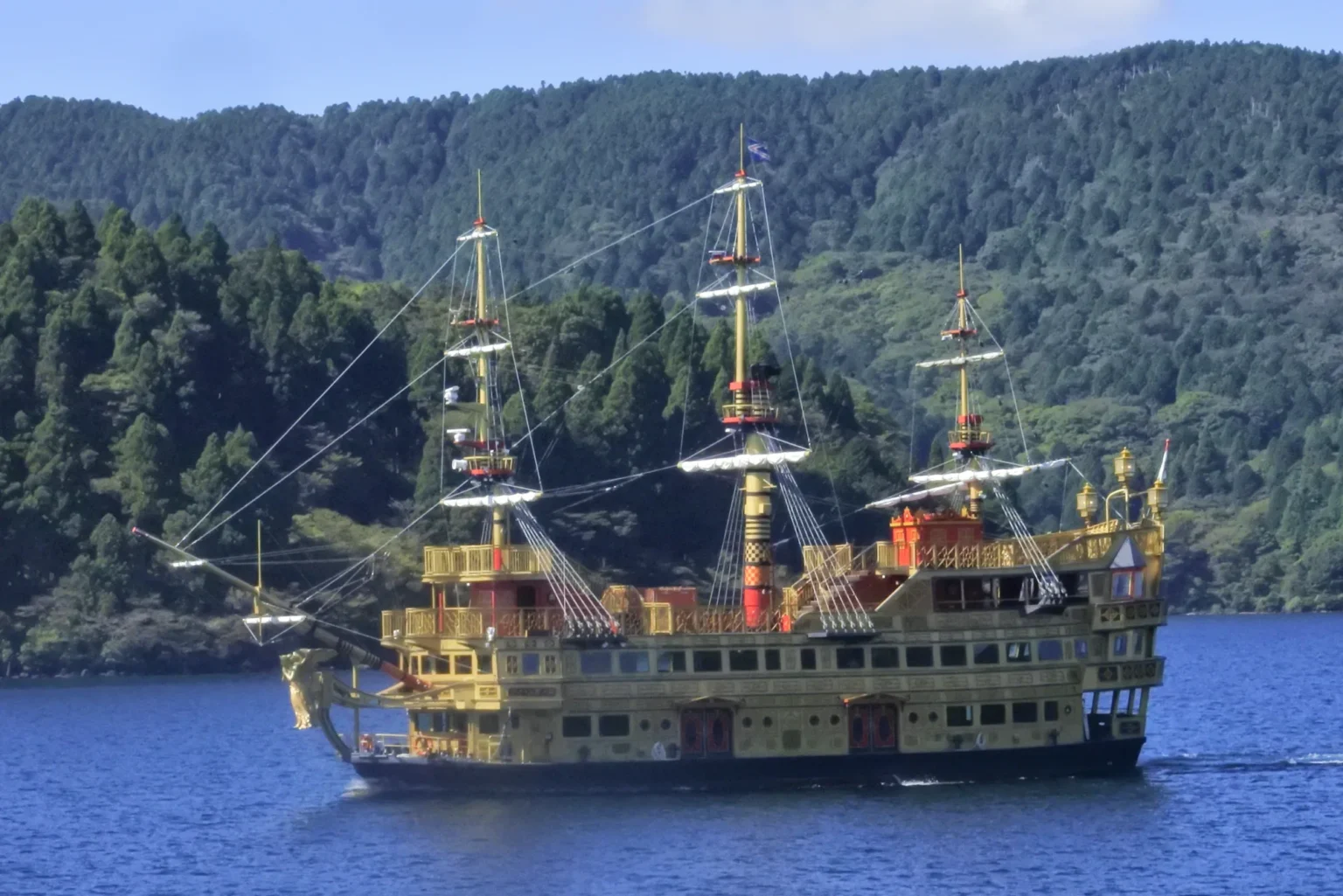
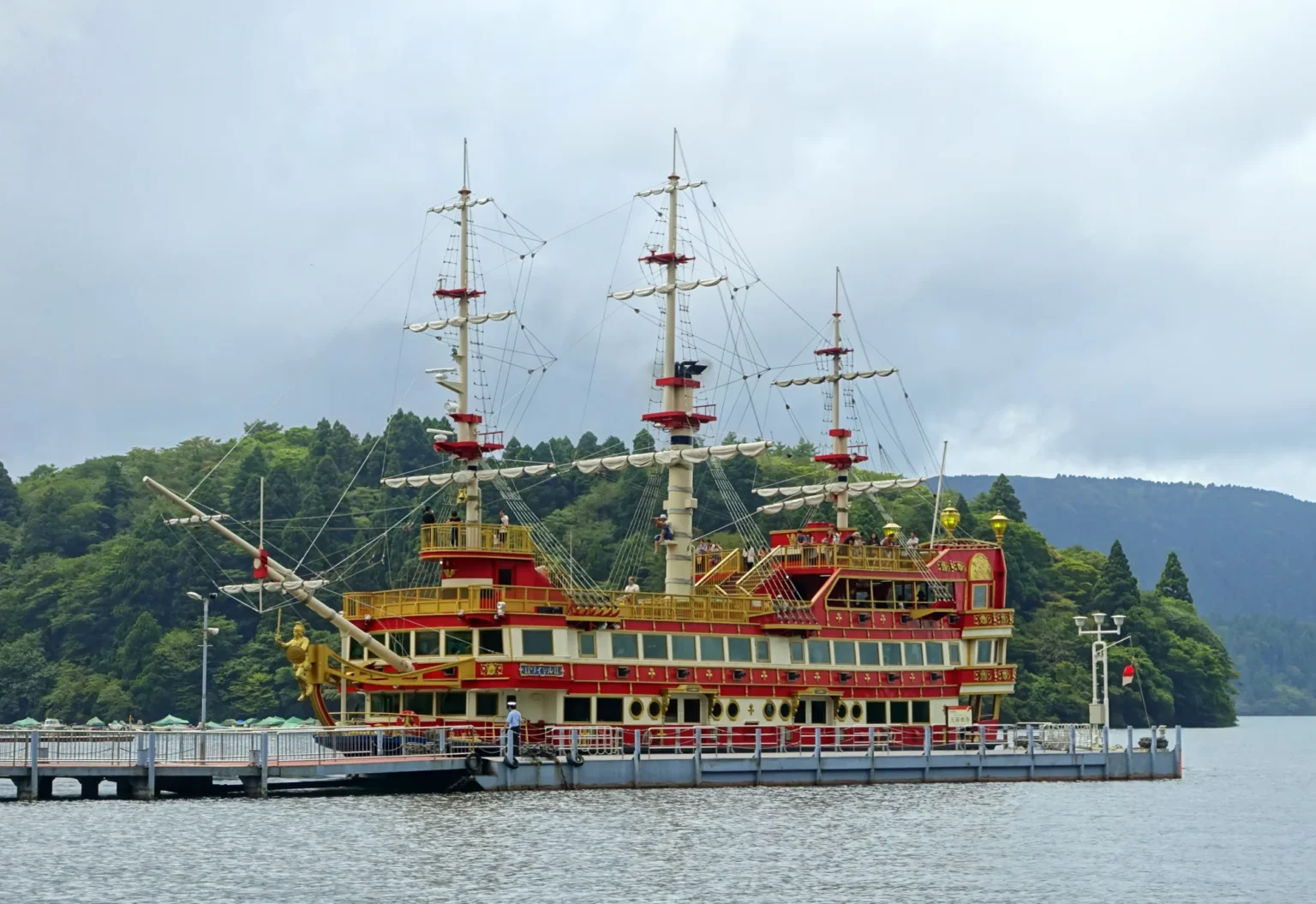
| 4. Sightseeing cruise, Togendai → Moto-Hakone | 40 min, calling at Hakone-machi on the way · ¥1,700 |
| 5. Hakone Tozan bus, Moto-Hakone → Hakone-Yumoto | 29 min on route R · ¥1,210 |
The two expensive legs are the ropeway at ¥2,000 and the boat at ¥1,700. Both went up on 1 October 2025, the ropeway from ¥1,500 and the boat from ¥1,200, so a fare list written before October 2025 comes out ¥1,000 short on these two legs.
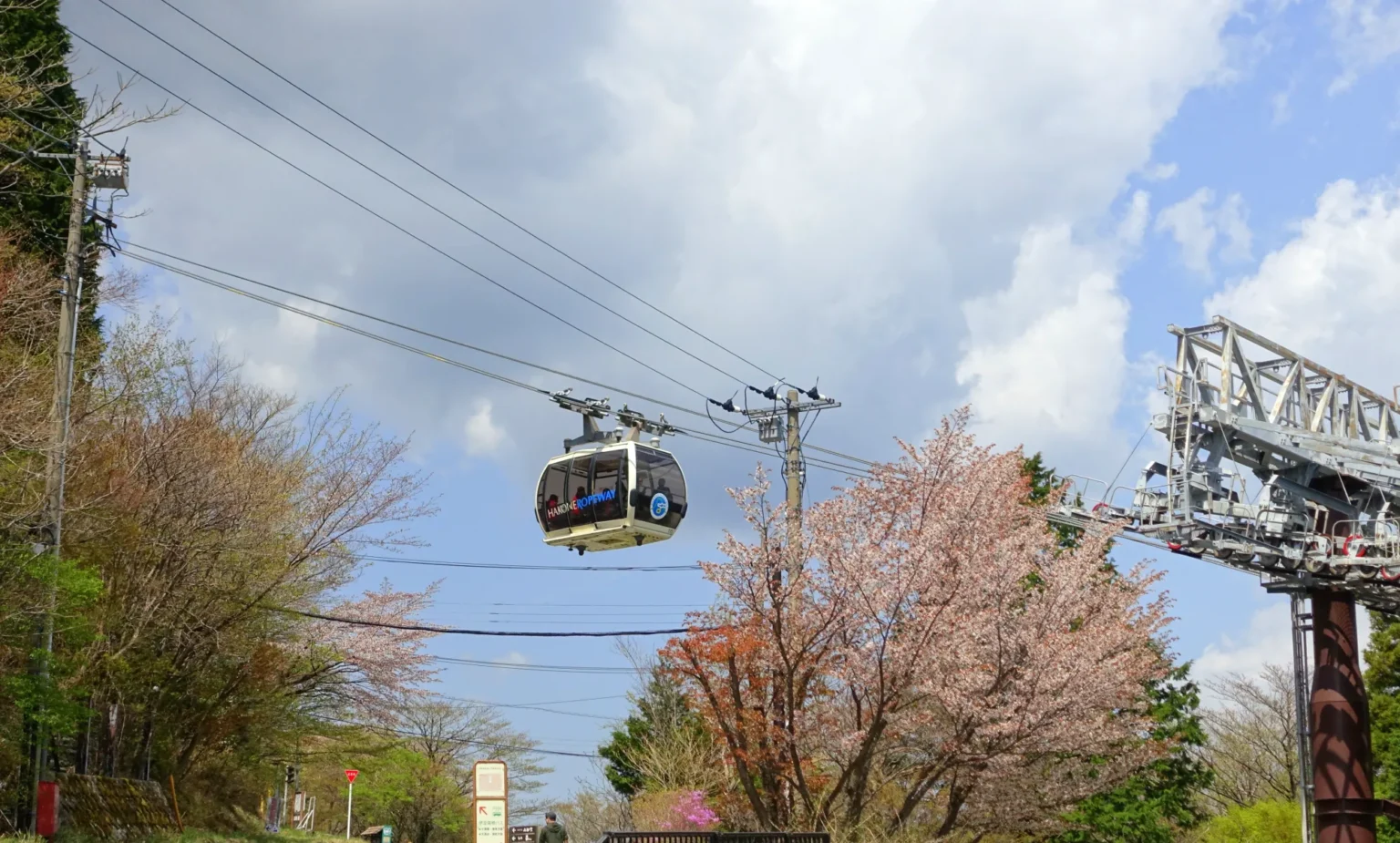
At Sounzan the gondolas seat 18 and leave about every minute. The ropeway changes at Owakudani, the steaming valley, where you can step out and look around. Odakyu Hakone says Mt Fuji shows from Owakudani and from the gondolas on clear days; a clear view is not something to count on, so look at the Mt Fuji forecast and visibility outlook the evening before and do the loop on the better day if you have two. From 1 April to 30 November 2026 the ropeway runs 9:00 to 17:00 at every station; after 17:00 you can’t stop to look around at Owakudani; passengers already on the ropeway can only change gondolas there.
From Togendai, the boats to Moto-Hakone leave every 35 to 40 minutes from 9:30, on the timetable posted for 20 March to 30 November, and most call at Hakone-machi first. From Moto-Hakone, Hakone Tozan routes R and H go back to Hakone-Yumoto; the last departure in the planner for 15 October is at 20:03. If you would rather end the day in hot water with Fuji across the lake, Ryuguden Honkan, a day-use bath at Lake Ashi, has its own guide on this site, including the direct bus from Shinjuku.
You can also run the loop the other way, starting with the bus to Moto-Hakone; the ropeway’s 17:00 closing then decides how late you can be at Togendai.
If you’ll want mobile data during the day for the Hakone Navi planner and timetables, compare eSIM coverage and prices before you fly.
Compare Japan eSIM data plans on KlookThe latest timetable connection to the 16:25 boat
On the 20 March–30 November timetable, the last boat from Togendai that calls at Moto-Hakone leaves at 16:25; the 17:00 goes to Hakone-machi only. Working back in the planner for 15 October 2026: a gondola leaving Sounzan at 15:29 reaches Togendai at 16:20, and the 15:03 cable car from Gora reaches Sounzan at 15:14. That leaves five minutes at Togendai, so treat it as a timetable possibility, not a dependable connection; if you want to stop at Owakudani, start earlier. Trains take 37 minutes from Hakone-Yumoto to Gora, so I would leave Hakone-Yumoto no later than about 14:00 to keep some slack. On a weekday, the 12:20 Romancecar from Shinjuku (Hakone-Yumoto 13:47) is the last one that gets you there by then.
Peak days: on busy dates Odakyu Hakone has sold seat tickets on a Tozan train and run timed priority boarding at the cable car and ropeway, announced separately each time; it planned this for 20–21 September 2026, but forecast storms cancelled the ropeway part on both days and everything on the 21st. Its release says the same was used at Golden Week and in past Novembers. I found no November 2026 priority-boarding announcement in the Hakone Navi news list on 4 October, so check it again before an autumn weekend.
Does the Hakone Freepass save money on your route?
Yes for the full loop, by ¥1,190 from Shinjuku and ¥470 from Odawara. No for the bus-only return to Lake Ashi in the table below. The Romancecar seat ticket costs the same with or without the pass, so it stays out of the sums below. I used the cheapest single tickets from the operators’ own tables: Odakyu’s ¥910 from Shinjuku to Odawara, Odakyu Hakone’s ¥770 through fare from Odawara to Gora, and the fares in the loop table above.
| Full loop from Shinjuku, single tickets | Yen |
|---|---|
| Odakyu, Shinjuku → Odawara | 910 |
| Hakone Tozan train, Odawara → Gora | 770 |
| Cable car, Gora → Sounzan | 430 |
| Ropeway, Sounzan → Togendai | 2,000 |
| Boat, Togendai → Moto-Hakone | 1,700 |
| Bus, Moto-Hakone → Hakone-Yumoto | 1,210 |
| Hakone Tozan train, Hakone-Yumoto → Odawara | 360 |
| Odakyu, Odawara → Shinjuku | 910 |
| Total in single tickets | 8,290 |
| Hakone Freepass from Shinjuku, 2 days | 7,100 |
| Saved with the pass (8,290 − 7,100) | 1,190 |
| Other trips | Single tickets against the pass |
|---|---|
| The same loop from Odawara (Shinkansen or JR Pass users) | 770 + 430 + 2,000 + 1,700 + 1,210 + 360 = ¥6,470, against ¥6,000: the pass saves ¥470 |
| Shinjuku to Lake Ashi by bus and back, no ropeway, no boat | (910 + 360 + 1,210) × 2 = ¥4,960, against ¥7,100: the pass costs ¥2,140 more |
On the full loop shown here the pass saves ¥1,190, and most of that comes from the ropeway and the boat. Other routes can pay too if they include enough covered rides, so add up the ones you will actually take. On a two-day trip the gap can widen: further rides on the included trains, cable car, ropeway, boat and designated bus sections are covered, and the pass also takes some money off at about 70 museums, baths and sights.
The rules worth knowing before you buy, from Odakyu’s and Odakyu Hakone’s own pages:
One Odakyu round trip
The Shinjuku pass covers Odakyu to Odawara and back once, with stops along the way allowed. Inside Hakone, it covers unlimited rides on the included trains, cable car, ropeway, boat and designated bus sections for 2 or 3 days.
Not every bus
Izuhakone buses are not covered. Hakone Tozan buses, Tokai buses and Odakyu Highway buses count only on designated sections.
Refunds are narrow
If bad weather suspends a covered service you haven’t used at all on this pass, ask about a refund at the station where your trip ends; don’t assume the full single fare comes back. Paper passes are collected at that station.
Phones and children
The digital pass works on smartphones only. Odakyu’s page says a group option puts up to four passes on one phone, while its FAQ says one pass per phone. If a child has no phone, a paper pass from the station machine avoids the question.
If you are doing the whole loop, the pass pays; for a bus-only return to the lake, single tickets are cheaper. The link opens Klook’s search for the Hakone Freepass; compare any price there with Odakyu’s ¥7,100 before you book. Odakyu also sells the pass at its stations and on EMot.
Search Klook for the Hakone FreepassOne add-on for Freepass holders: the Ashinoko Liner, a seated Hakone Tozan bus from Odawara and Hakone-Yumoto to Hakone-machi, Moto-Hakone, Hakone Shrine and Yama no Hotel. It runs two trips each way on weekends and holidays, and the seat costs ¥500 with the pass, booked on EMot up to 20 minutes before departure.
Hakone Ropeway closures for winter 2026–27, and Owakudani’s gas
The ropeway closes in two stages this winter for regular inspection and maintenance, and replacement buses take over the closed section. Odakyu Hakone published the dates in Japanese in July 2026 and in English in September, and Hakone Navi lists the notice under its important notices.
| Dates | Closed section and what replaces it |
|---|---|
| Mon 7 – Thu 24 December 2026 (18 days) | Owakudani ↔ Sounzan. Replacement bus about 10 min one way. Togendai ↔ Owakudani runs normally. |
| Tue 12 January – Fri 26 February 2027 (46 days) | Togendai ↔ Ubako ↔ Owakudani. Replacement bus about 15 min one way. Owakudani ↔ Sounzan runs normally. |
The replacement buses leave about every 15 minutes during ropeway hours (9:00 to 16:15 in December and January). Ropeway tickets and the Hakone Freepass are valid on them; anyone without a ropeway ticket is asked to use Izuhakone’s regular buses. Odakyu Hakone expects the buses to be very crowded and the road congested, and advises reaching Owakudani on whichever ropeway section is still running. From 12 January that points to reaching Owakudani from the Gora side; you can still carry on to Togendai on the replacement bus, but that is the crowded leg.
This schedule is newer than some English pages. When I read it on 4 October 2026, japan-guide.com’s Hakone Ropeway page, marked as last updated on 29 October 2025, still listed last winter’s closures (8–19 December 2025, 13–30 January 2026 and 31 January–20 February 2026) and gave 16:45 as its general closing time, with 16:15 in December and January.
From 12 January to 26 February 2027, the ropeway leg between Lake Ashi and Owakudani is a bus.
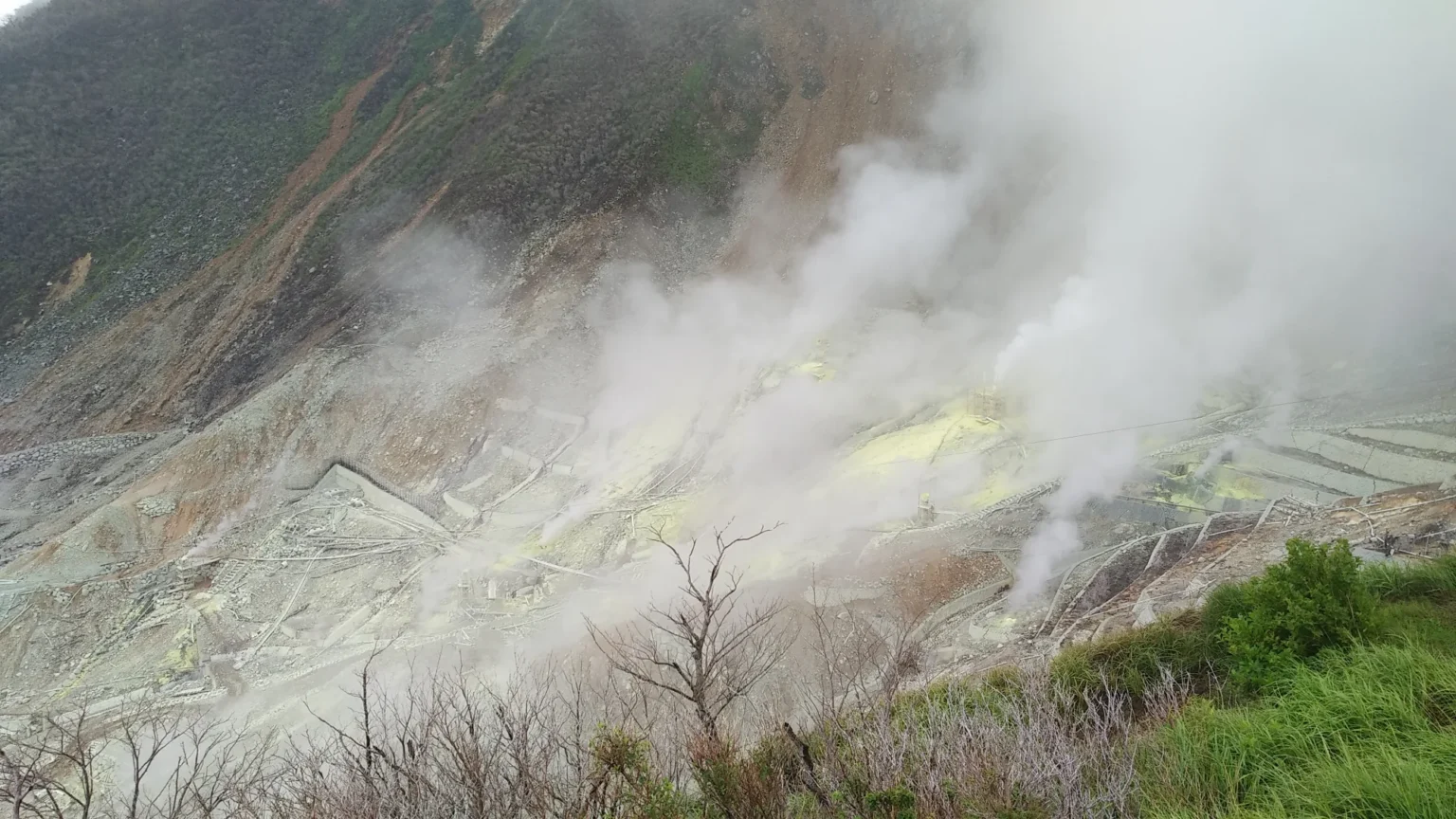
Owakudani is an active volcanic area. The Japan Meteorological Agency’s eruption forecast for Hakoneyama, issued on 7 October 2019 and still the current one when I checked on 4 October 2026, is Level 1 (活火山であることに留意, a reminder that the volcano is active). The ropeway can still stop for gas: Odakyu Hakone measures volcanic gas at several points, decides on suspensions from those readings, and notes that the gas level and the alert level are not directly linked. Wind stops it too; since 15 April 2026 the ropeway has used Japan Weather Association AI forecasts that predict gusts 36 hours ahead to plan stoppages. Hakone Navi posts the current status and the gas readings on its ropeway page.
If the ropeway stops on your day: Hakone Tozan’s route T links Hakone-Yumoto and Togendai by way of Sengoku, so you can still reach the lake by bus. With the Freepass, if bad weather suspends a covered service you haven’t used at all on the pass, ask about a refund at the station where your trip ends.
One day or one night: luggage, hotels and splitting the loop
The loop fits in a day from Tokyo. A morning start leaves time to stop at Owakudani and the lake, and for the last Moto-Hakone boat take a morning train rather than relying on the 12:20 Romancecar. A night in Hakone lets you split the loop and use the second day of the pass.
Day trip
Leave Shinjuku on a morning Romancecar (the weekend 9:00 Super Hakone 5 arrives at 10:15), do the loop, and take a Romancecar back by 19:50 on weekdays or 19:52 at weekends. Carry only a day bag.
One night
Ride to Owakudani and the lake on day one, stay the night, and use day two for the parts you skipped. The 2-day Freepass covers both days.
With big suitcases
Leave them at Hakone-Yumoto on arrival and collect them at a partner hotel after 15:00. Details are below.
Plan This Trip
With big suitcases, plan the drop-off before you leave Tokyo. Hakone Tozan Bus runs a luggage service from Hakone-Yumoto Station: hand over bags between 8:30 and 12:00 on the day and collect them at your hotel after 15:00. Going home, give them to your hotel’s front desk by 10:00 and pick them up at Hakone-Yumoto between 13:30 and 18:30. It costs ¥1,500 a piece (up to 140 cm in total and 15 kg) or ¥2,500 for large pieces (up to 200 cm and 30 kg), one way. It delivers only to partner hotels, so check the list before you book a room, and online bookings for the same day close at 11:30. In early January some hotels around Lake Ashi are excluded because of road congestion.
If you book a ryokan for the night, the ryokan stay guide covers meal plans and check-in, and the onsen etiquette guide covers bathing rules and tattoos.
Staying in Hakone
Check whether the hotel is on the luggage service’s partner list, and note its nearest station or bus stop on the loop before you book.
November is a peak month on this route: Odakyu Hakone has run priority boarding in past Novembers, and its extra evening Romancecars fall on October and November weekends and holidays. Odakyu’s Freepass page puts the Sengokuhara pampas grass at late September to mid-November. If you are timing a trip around the leaves, Hakone autumn leaves 2026 compares the Japan Weather Association’s and Weathernews’s spot forecasts for Hakone; the guide to Tokyo autumn leaves has the city’s side, and Japan in November 2026 has the month’s events. If Hakone is one stop on a longer Fuji trip, the north side of the mountain is a separate run from Tokyo; Tokyo to Kawaguchiko by bus, train or car covers that leg.
Tokyo to Hakone: short answers
How long does it take to get from Tokyo to Hakone?
About 80 minutes by Odakyu Romancecar from Shinjuku to Hakone-Yumoto, by Odakyu’s figure; the March 2026 timetable gives 75 minutes at best and 84 to 107 minutes for weekday trains. From Tokyo Station, a Kodama Shinkansen reaches Odawara in 33 minutes, and the local train to Hakone-Yumoto takes another 14 to 15.
Is the Hakone Freepass worth it for a day trip from Tokyo?
For the full loop, yes: from Shinjuku it costs ¥8,290 in single tickets against ¥7,100 for the pass. Shorter routes can still pay if they include enough covered rides, so add up the ones you will take; a trip to Lake Ashi and back by bus costs ¥4,960 in single tickets, so the pass loses ¥2,140 there.
Do I need a separate ticket for the Romancecar with the Freepass?
Yes. The Freepass covers the fare, and you add a limited express ticket: ¥1,200 one way between Shinjuku and Hakone-Yumoto, ¥50 less online on EMot. All Romancecar seats are reserved.
Does the Japan Rail Pass cover the trip to Hakone?
It covers JR’s Tokaido Line and Kodama and Hikari trains on the Tokaido Shinkansen to Odawara; Nozomi trains need a separate ticket for pass holders. The Hakone loop is not JR. From Odawara, the Hakone Freepass costs ¥6,000 and saves ¥470 on the loop.
Is the Hakone Ropeway running in winter 2026–27?
Partly. Owakudani to Sounzan is closed from 7 to 24 December 2026, and Togendai to Owakudani from 12 January to 26 February 2027. Replacement buses cover the closed section on those dates, and the Freepass is valid on them.
Can I send my luggage to my Hakone hotel?
Yes, to partner hotels. Hand bags in at Hakone-Yumoto Station between 8:30 and 12:00 and collect them at the hotel after 15:00; it costs ¥1,500 per regular piece or ¥2,500 for a large one.
Fares and times change with each timetable revision, and the Hakone bus timetable changed on 1 October 2026; every planner search quoted above was run for a date after that change. On the morning you travel, the Hakone Navi planner and the ropeway page are the two places to look.
Sources
The primary sources behind every figure above, checked 4 October 2026
- Odakyu — Hakone Freepass (English): prices, the ¥910 Odawara–Shinjuku fare, Romancecar add-on, digital pass rules, Odawara–Hakone-Yumoto seat rule
- Odakyu — Romancecar page and timetable from 14 March 2026; Shinjuku weekday timetable and Odawara (Hakone Tozan Line) weekday timetable
- Hakone Navi (Odakyu Hakone) — Hakone Freepass prices and rules (Japanese); ropeway and cruise fares; Hakone Tozan train and cable car fare table (PDF)
- Hakone Navi — route planner (searches for 15 October 2026) and sightseeing cruise timetable from Togendai
- Odakyu Hakone — ropeway maintenance and replacement buses, 2026–27 (English, September 2026) and Japanese notice (July 2026) (PDFs)
- Odakyu Hakone — ropeway hours from 1 April 2026; fare changes of 1 October 2025; AI wind forecasts for the ropeway; ropeway page with gas readings
- Odakyu Hakone — extra evening Romancecar, autumn 2026 and seat tickets, priority boarding and the Ashinoko Liner (PDFs)
- Hakone Tozan Bus — Hakone Luggage Transport Service
- JR Central — access search (Tokyo–Odawara, 15 October 2026); Japan Rail Pass — scope of validity
- Japan Meteorological Agency — Hakoneyama volcano page and current eruption forecast
Join travelers discovering Japan's hidden side
Weekly dispatches from off-the-beaten-path Japan — spots and stories you won't find in guidebooks.
No spam. Unsubscribe anytime.
Welcome aboard!
You're in. See you in your inbox soon.