Stays · Ryokan
A ryokan night is the single most memorable stay you can book in Japan — and the most misunderstood at booking time. The decisions that matter all happen before you arrive: which meal plan (the two-meal plan is usually the point), what to tell the inn about diet or tattoos, and whether a private bath is worth reserving. This guide walks the whole journey — booking, check-in to check-out, meals, prices and the cancellation rules — so the actual stay is the easy part. For what happens inside the bath itself, our step-by-step onsen etiquette guide covers every step.
A ryokan, in sixty seconds
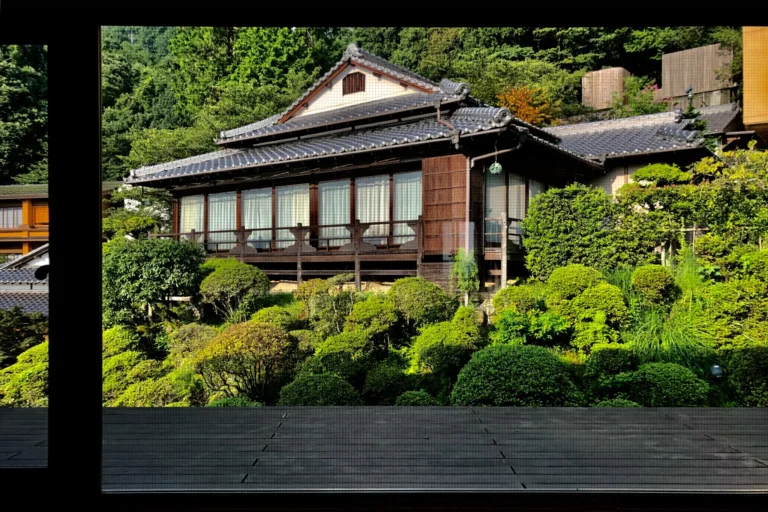
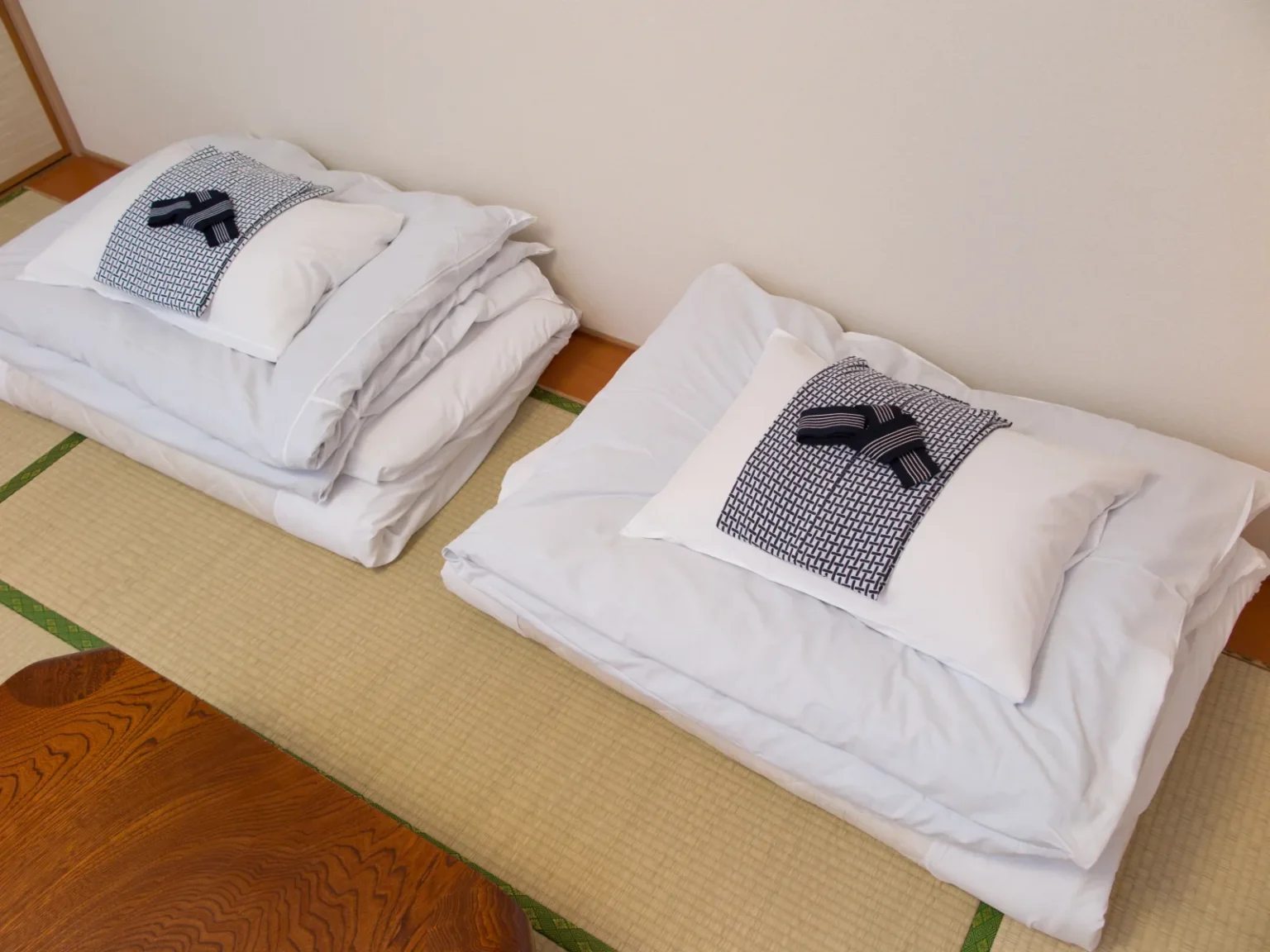
A ryokan is a traditional inn: tatami rooms, futon bedding laid out while you’re at dinner, communal or private baths, and — at its best — a multi-course kaiseki dinner that is the real reason to stay. This page is for the decisions you make before and during a stay. Bathing manners live in the onsen etiquette guide; if you just want a cheap, brilliant city bath with no overnight, that’s a sento.
| Word | What it is |
|---|---|
| Onsen | Natural hot-spring water — a bath type, not a building. Full manners in the etiquette guide. |
| Sento | A neighbourhood public bath, usually heated tap water, a few hundred yen. See the sento guide. |
| Ryokan | A traditional inn — the stay this guide covers. May or may not have onsen water. |
| Minshuku | A family-run guesthouse: simpler rooms and meals, lower prices, more conversation. |
Which room and meal plan should you book?
The plan matters more than the room. Ryokan rates are quoted per person and bundle food, and the choices look like this:
Two meals (ippaku-nishoku) — the default
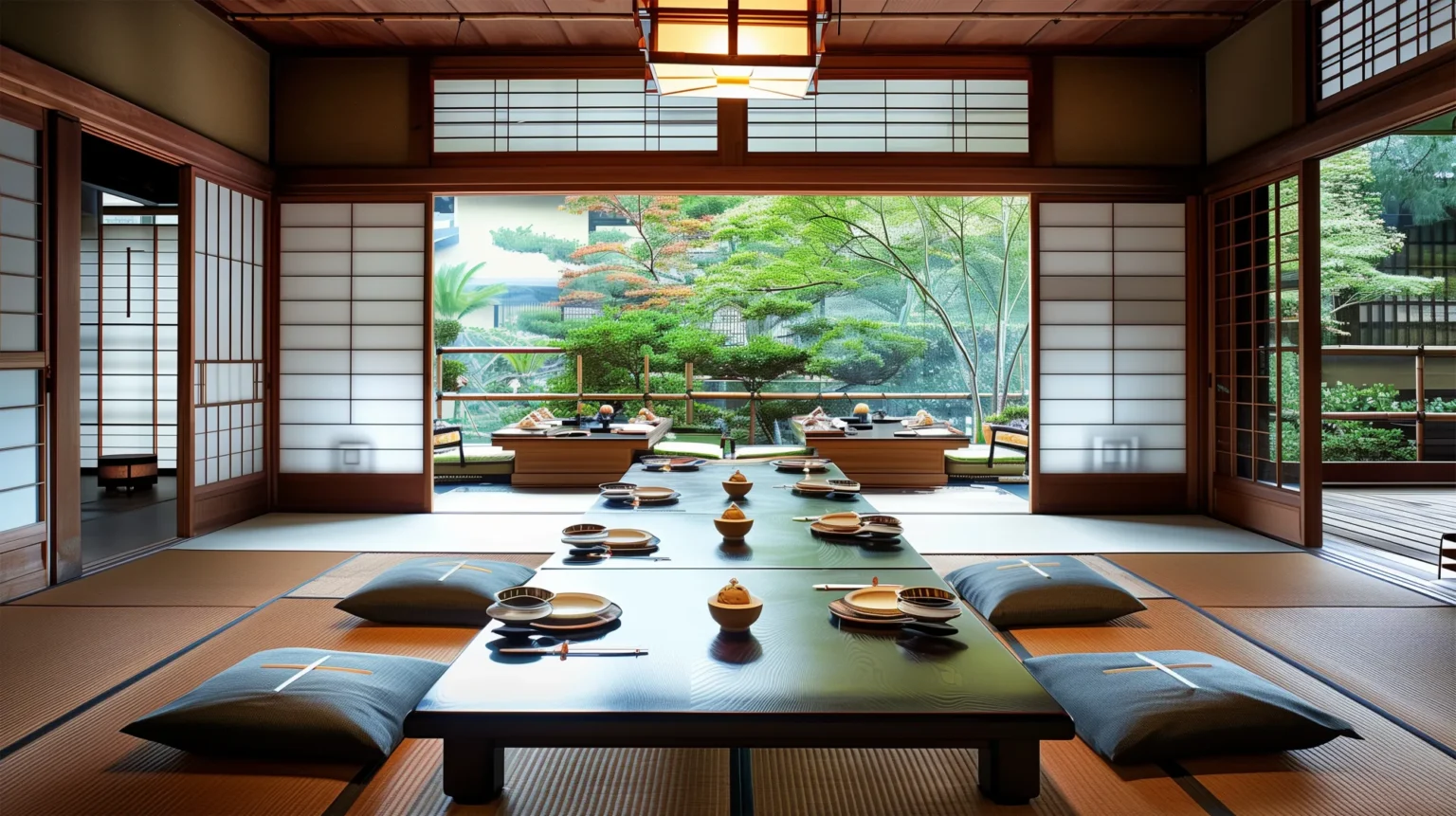
Dinner and breakfast included. This is the format the ryokan economy is built around, and unless you have a specific reason not to, it’s the one to book — the kaiseki dinner is usually the best meal of the trip, and hot-spring towns have few late-night alternatives.
Breakfast only / room only (sudomari)
Cheaper and flexible — right for one-night stops where you arrive late, or towns with real restaurant streets (Kinosaki, Kusatsu). Wrong for remote inns where the dining room is the town.
In-room dining vs dining hall
Some inns serve dinner in your room (heya-shoku), others in a restaurant or private booth. Room dining is the classic experience and often costs more; booths give the same privacy with easier service. The listing states which — check before assuming.
Rooms with a private open-air bath
The splurge tier: your own rotenburo on the balcony. Worth it for couples, tattooed guests, or anyone shy of shared baths — typically a significant per-person premium over the standard room.
The same inn can show different plans on different sites, which is why I compare booking sites before reserving a ryokan.
Tattoos: settle it before you book, not at the bath
Policies genuinely differ by inn — Japan’s tourism agency itself notes responses vary widely, and in a 2015 Japan Tourism Agency survey, over half of responding facilities said tattooed guests could not use their shared baths — a snapshot, not today’s rate, while some famous hot-spring towns now welcome them openly. The practical rule: ask before you book, in writing (template below), and if the answer is complicated, book a room with a private bath or a reservable kashikiri bath and the issue disappears. The full picture — covering stickers, day-bath policies and which towns are relaxed — is in the tattoo section of the etiquette guide.
Private baths: what to confirm when you book
“Private bath” covers three different products, and listings blur them: an in-room bath (yours all stay, premium price), a reservable family bath (kashikiri — commonly 45–90 minutes per group; day-use facilities often charge roughly ¥1,500–4,000, while inns vary from free-once-per-stay to paid slots), and a bookable slot in the main bath at small inns. Confirm which one, whether it’s free or paid, and when you can book it — some inns take reservations at check-in only, first come first served. One line in your booking message (template below) sorts it.
A ryokan stay from check-in to check-out
| When | What happens | What’s expected of you |
|---|---|---|
| 15:00–18:00 | Check-in, shoes off at the entrance, tea and a sweet in your room | Arrive before ~17:00 if dinner is included; tell the inn if you’ll be late |
| Before dinner | First bath — the baths are quietest now | Yukata after the bath is normal everywhere indoors |
| ~18:00–19:30 | Dinner, at the start time you chose at check-in | Be on time — kaiseki courses are fired to schedule |
| During dinner | Staff lay out your futon | Nothing — this is normal, not an intrusion |
| Morning | Breakfast at a set time; second bath if you’re quick | Futons stay where they are — no need to fold |
| 10:00–11:00 | Checkout; any local bathing tax (~¥150/person) settled if it wasn’t prepaid | Cash for small inns is still a safe habit |
Ryokan meals and dietary requests
Kaiseki is a fixed, seasonal, multi-course menu — which is exactly why it can accommodate you if the kitchen knows early. Allergies, vegetarian or halal-conscious requests, and no-raw-fish preferences are all handleable at good inns when stated at booking, and near-impossible at the table. Two honest notes: fully vegan kaiseki is still the exception (dashi stock is everywhere — say so explicitly if it matters), and small rural inns may simply decline complex requests, which is better to know before you pay. Use the template below verbatim if you’re unsure of the wording.
Yukata, slippers, futons and room manners
The rules that actually come up: shoes off at the genkan (use the slippers provided, but take even those off on tatami); wear the yukata left side over right (right-over-left is for dressing the dead — staff will quietly fix it, but save yourself); the yukata is correct dress for dinner, the baths and the corridors at almost every hot-spring ryokan; and the little towel never goes in the bath water. Futons: leave them in the morning. If your room has a tokonoma alcove, it’s for the scroll and the flowers — not your suitcase.
Prices, onsen tax and cancellation rules
Rates also swing hugely by room: at one Kyoto-area ryokan I priced, the artist-designed guest room ran more than three times the cheapest half-board room on the same night.
Three things surprise first-timers on the bill. Per-person pricing: a “¥25,000 room” for two means ¥50,000 — always check whether a rate is per person (it usually is) before comparing with hotels. Bathing tax (nyutozei): most hot-spring municipalities levy a small statutory tax — the Local Tax Act’s standard rate is ¥150 per bather per day, though rates, exemptions and how it’s collected are set locally, and it often sits outside online prepayment. Cancellation: ryokan kitchens buy ingredients per guest, so cancellation fees start earlier than hotels — commonly a percentage from several days out, often rising to 100% for same-day cancellations and no-shows — the exact scale differs by inn and plan. The exact scale is on every booking page; read it before you book a weather-dependent trip, and prefer refundable rates in typhoon season.
A first-timer’s ryokan booking checklist
Copy-paste the boxes below into the booking message or a follow-up email — plain English is fine at inns used to overseas guests, and short sentences translate cleanly for the ones that aren’t.
Then the sequence: pick the town and inn tier on Booking.com, Agoda or Rakuten Travel (strongest ryokan inventory of the three); choose the two-meal plan; send the boxes above; arrive by 17:00. If you’re building the ryokan night into a first-trip route, the 8–10 day itinerary shows where it fits without wrecking your pacing — and ten small surprises covers the charming rest.
FAQ
Is a ryokan worth it for just one night?
Yes — one night is the classic format, built around one dinner, two baths and one breakfast. Two consecutive ryokan nights in different towns, though, doubles your luggage moves for little gain; one great night beats two rushed ones.
How much does a ryokan cost per night?
Budget inns with two meals start around ¥15,000 per person; the classic mid-range sits around ¥20,000–40,000; famous properties go far higher. Room-only rates run much lower but skip the meal that justifies the category.
Can I stay at a ryokan with tattoos?
Often yes, but confirm before booking — policies range from fully welcoming to shared-bath bans with private-bath workarounds. The booking-message template above settles it in one reply; details in our onsen etiquette guide.
What happens if I’m late for check-in?
Call or message the inn — with dinner included, arriving after ~17:00–18:00 can mean a shortened or forfeited meal, since kaiseki is cooked to schedule. Most inns are flexible about late arrival itself; the kitchen is the constraint.
Do I need to speak Japanese to stay at a ryokan?
No. Tourist-area inns handle English booking messages routinely, and the short templates above work anywhere. A polite arrival, shoes off, and being on time for dinner communicate more than vocabulary.
Should I tip at a ryokan?
No — tipping isn’t expected, and service is included in the rate. The one exception some guests enjoy: a small regional gift handed to the room attendant at high-end inns, which is charming but entirely optional.
What’s the difference between a ryokan and staying at an onsen hotel?
Onsen hotels are larger, often cheaper per person, with buffet dinners and the same hot-spring water — a good fit for families. Ryokan trade scale for intimacy: fewer rooms, kaiseki service, more tradition in the details.
Sources checked (August 2026): JNTO — Japanese Ryokan Guide · Government guidance on tattoo-friendly bathing · Ministry of Internal Affairs — bathing tax (standard rate ¥150/person/day) · Japan Tourism Agency — ryokan Q&A (meals, cancellation) · official inn and hot-spring town policies linked in context.
Join travelers discovering Japan's hidden side
Weekly dispatches from off-the-beaten-path Japan — spots and stories you won't find in guidebooks.
No spam. Unsubscribe anytime.
Welcome aboard!
You're in. See you in your inbox soon.