
Kanagawa · Day Trip Hub
Kamakura packs a 13th-century capital’s worth of temples, a bronze Buddha, a tram that runs along the sea and a surf beach into a town an hour from Tokyo — which is exactly why it jams solid by noon on weekends. The trick is simpler than hunting for “hidden” Kamakura: do the famous things in the right order at the right hours, then let the coast absorb your afternoon. This guide covers the classics with current prices, the quiet detours between them, and three routings I actually walk — timed to stay ahead of the crowds.
The classics — and when to take them on
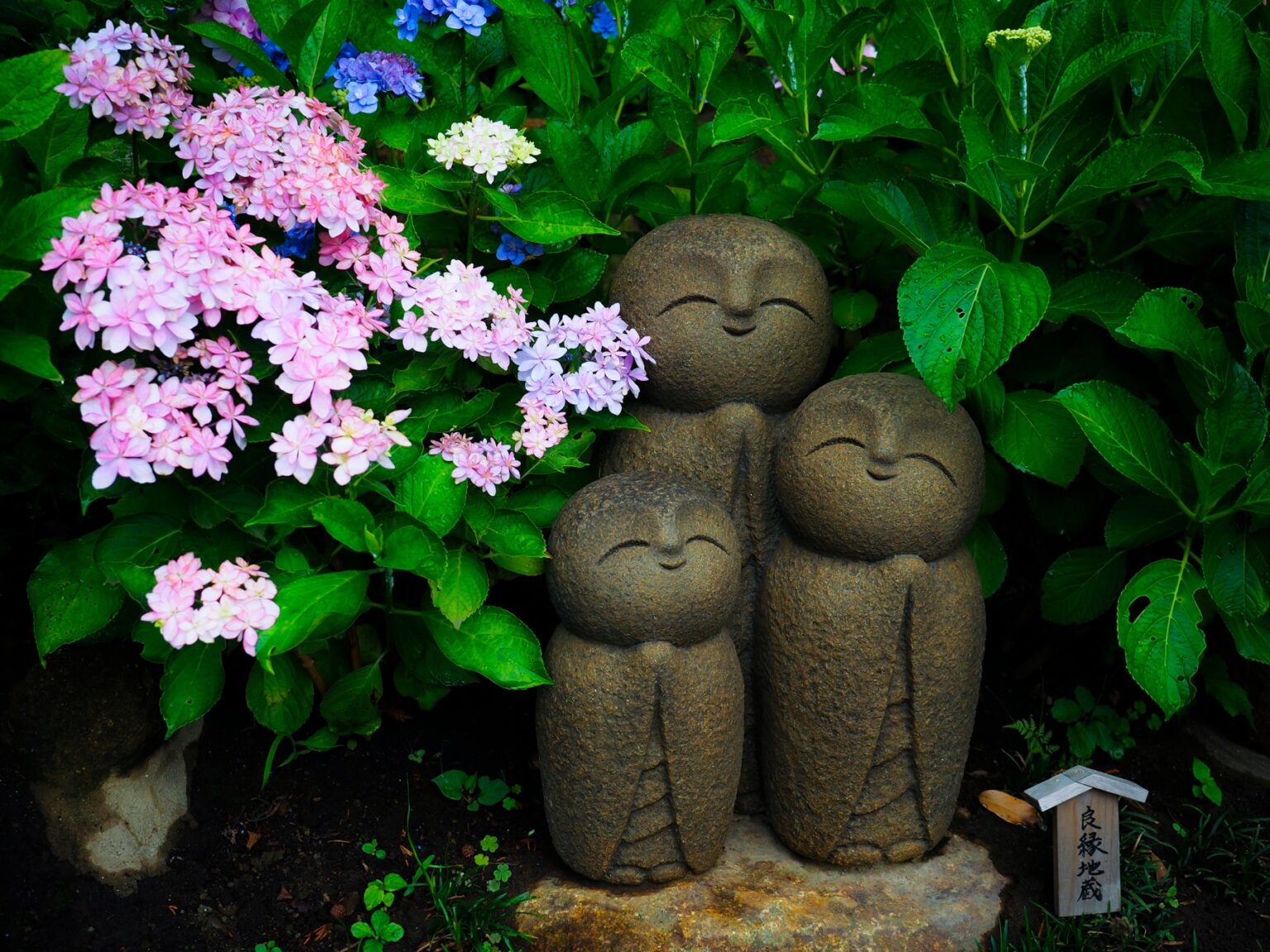
None of these are skippable on a first visit, and none of them need to be crowded if you sequence them well. Prices and hours below are the current official figures.
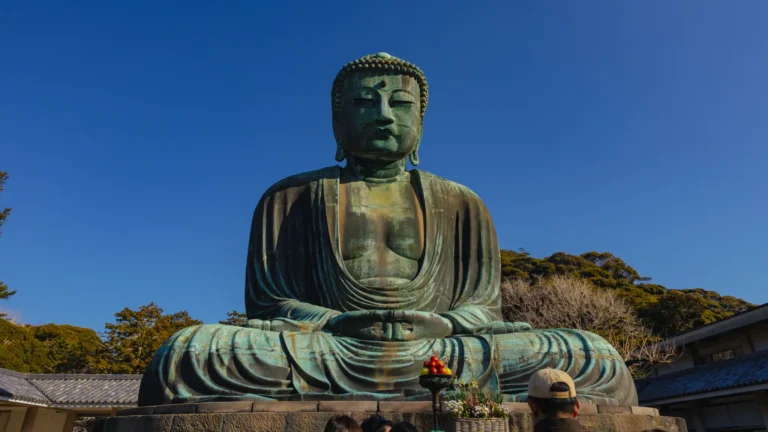
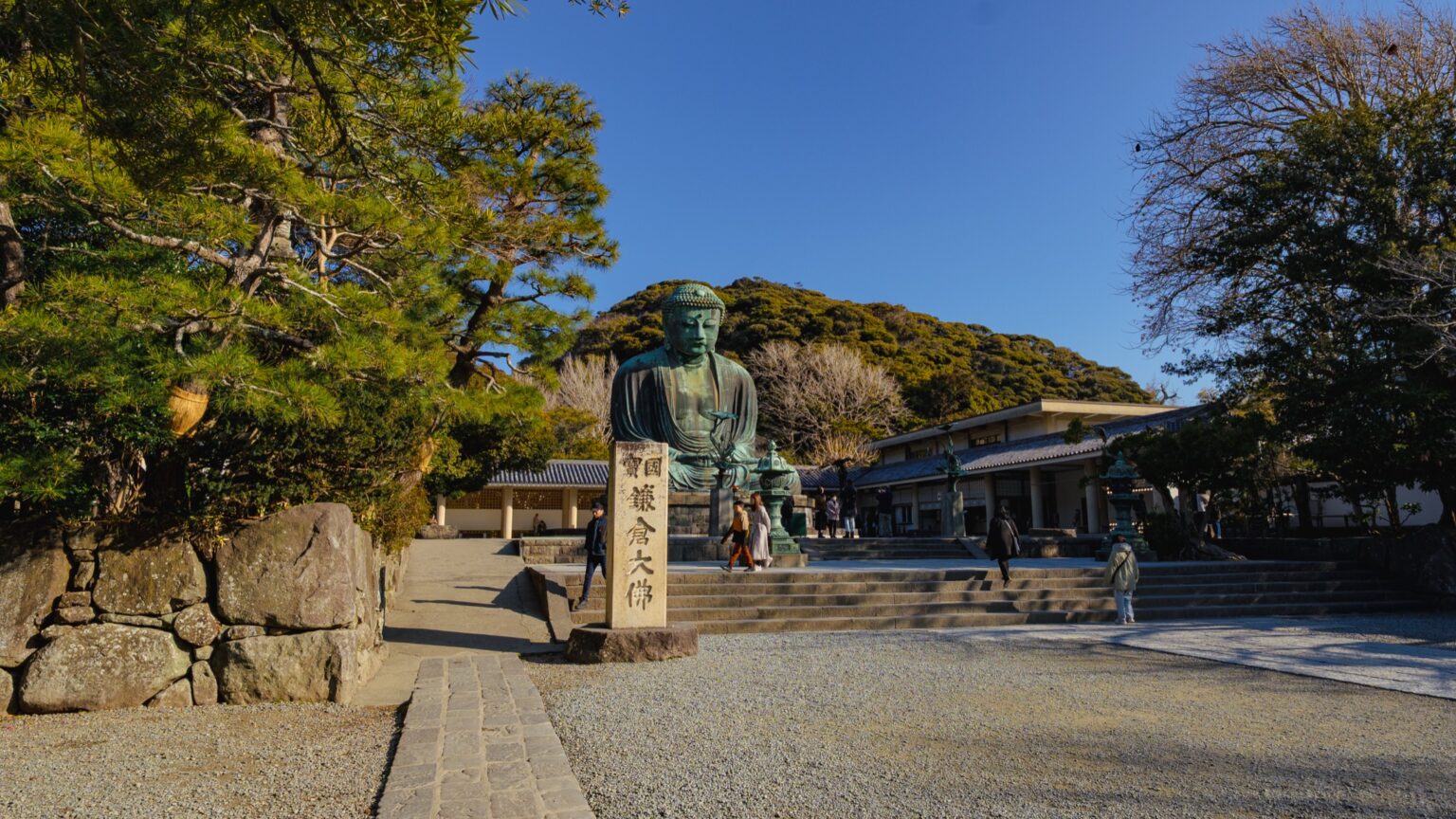
The Great Buddha (Kotoku-in)
¥300 · 8:00–17:30 (Apr–Sep) / 17:00 (Oct–Mar)
A bronze body 11.3 m tall (13.35 m with the pedestal) sitting in the open since the hall around it washed away centuries ago — it reads better in person than any photo suggests. Go inside the statue for ¥50 (until 16:30); go early, before the school groups land mid-morning. Full visit notes in my Great Buddha guide.
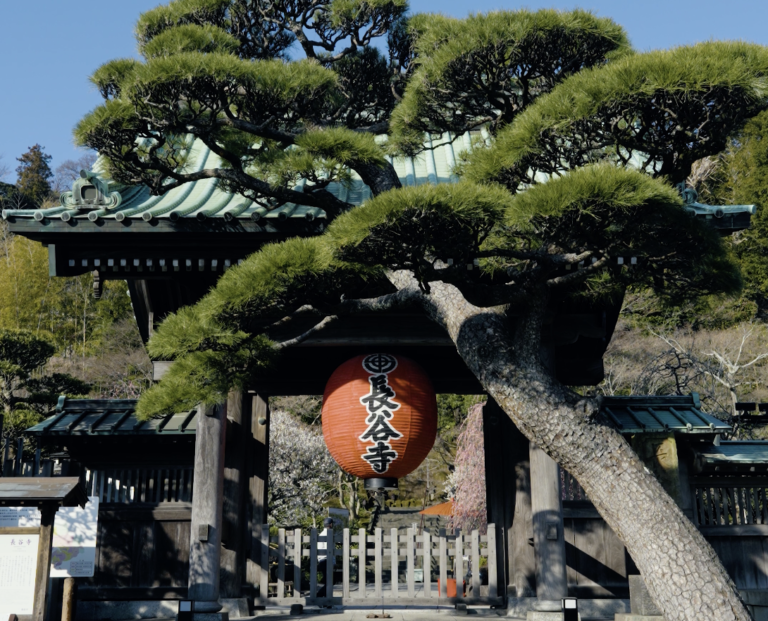
Hasedera
¥400 · 8:00–16:30 (to 17:00 Apr–Jun)
The Kannon hall is the headline, but the terrace over Yuigahama bay and the small winding gardens are why people stay an hour. Five minutes’ walk from the Buddha, so pair them — Hasedera first at opening, Buddha second. Details, statues and the flower calendar: my Hasedera guide.
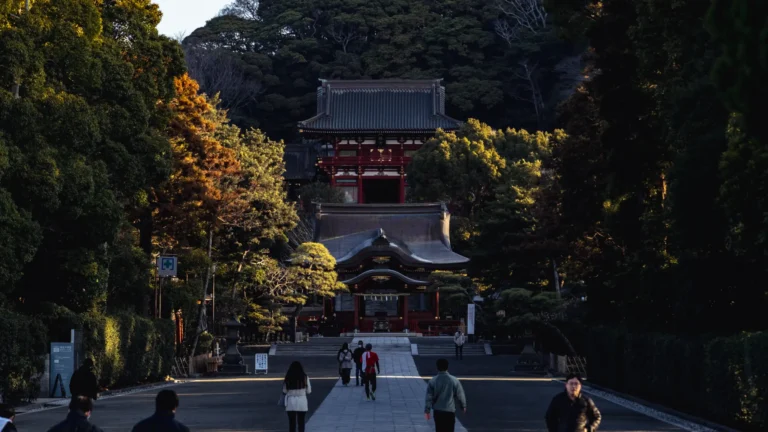
Tsurugaoka Hachimangu
Grounds free · 6:00–20:00
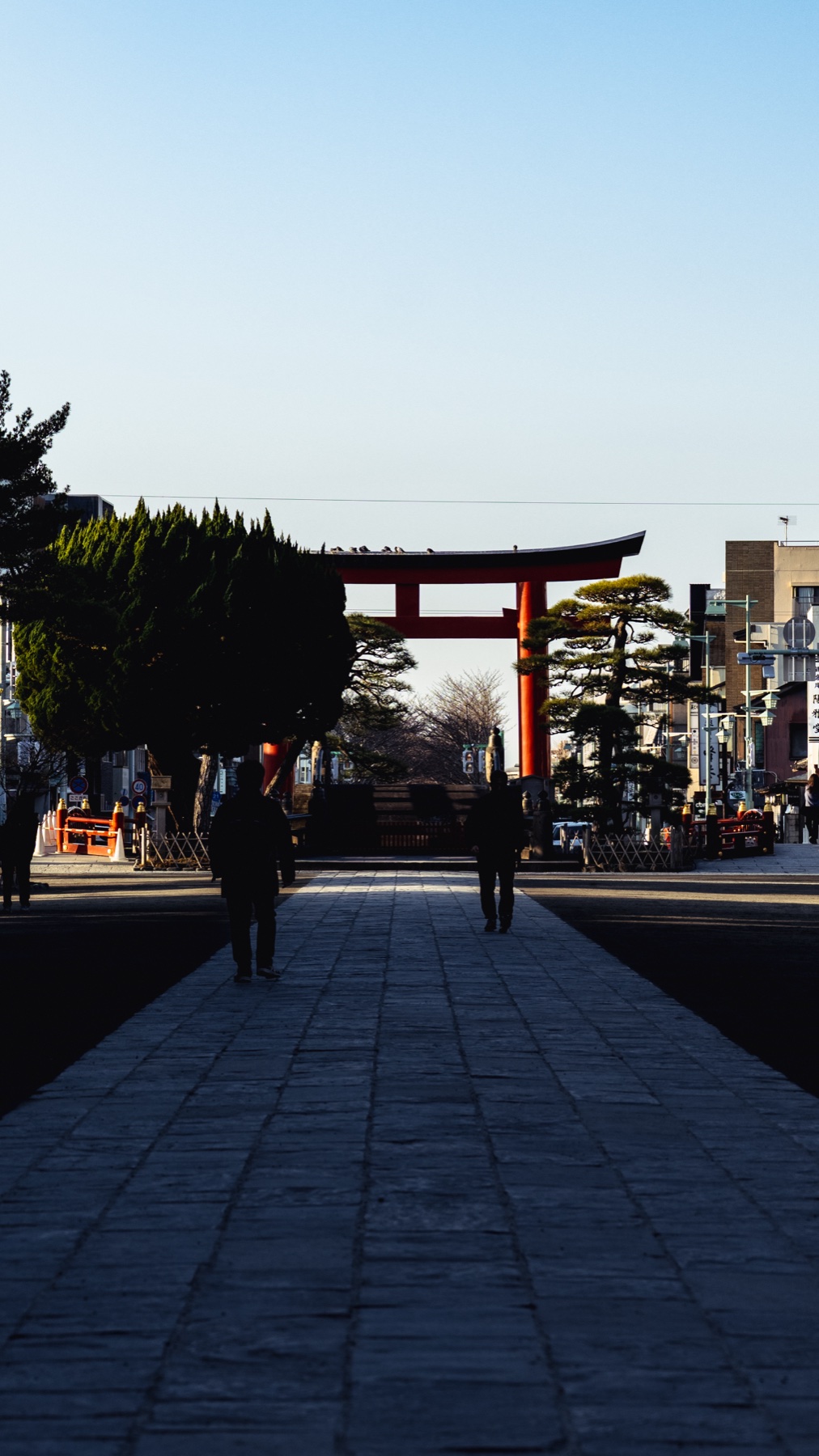
Kamakura’s central shrine, a ten-minute walk north of the station at the head of the long Wakamiya-oji approach. At 7 a.m. you share the great stair with joggers and pigeons; at noon you queue. The treasure hall (¥200, 9:00–16:00) is a quiet extra most visitors skip — more in my Hachimangu visitor’s guide.
Hokokuji bamboo garden
¥400 · 9:00–16:00
A compact bamboo grove east of the centre with matcha in view of the stalks (¥600, last orders 15:30 — ticket sales pause when it fills). Smaller than Arashiyama’s grove and better for it: you can actually hear the bamboo.
Zeniarai Benzaiten
Offering-based · 8:00–16:30
The cave shrine where you wash money to multiply it — reached through a rock tunnel about 25 minutes’ walk west of the station. The walk itself, up through the residential hills, is half the point; my power-spot walk guide pairs it with Sasuke Inari five minutes up the lane.
Kita-Kamakura: Engakuji & Kenchoji
¥500 each · from 8:30
One JR stop north of Kamakura proper, the two great Zen complexes stay calmer than anything in the centre. If big-name temples with room to breathe are what you came for, start your day here and walk south over the hill to Hachimangu.
The quiet layer in between
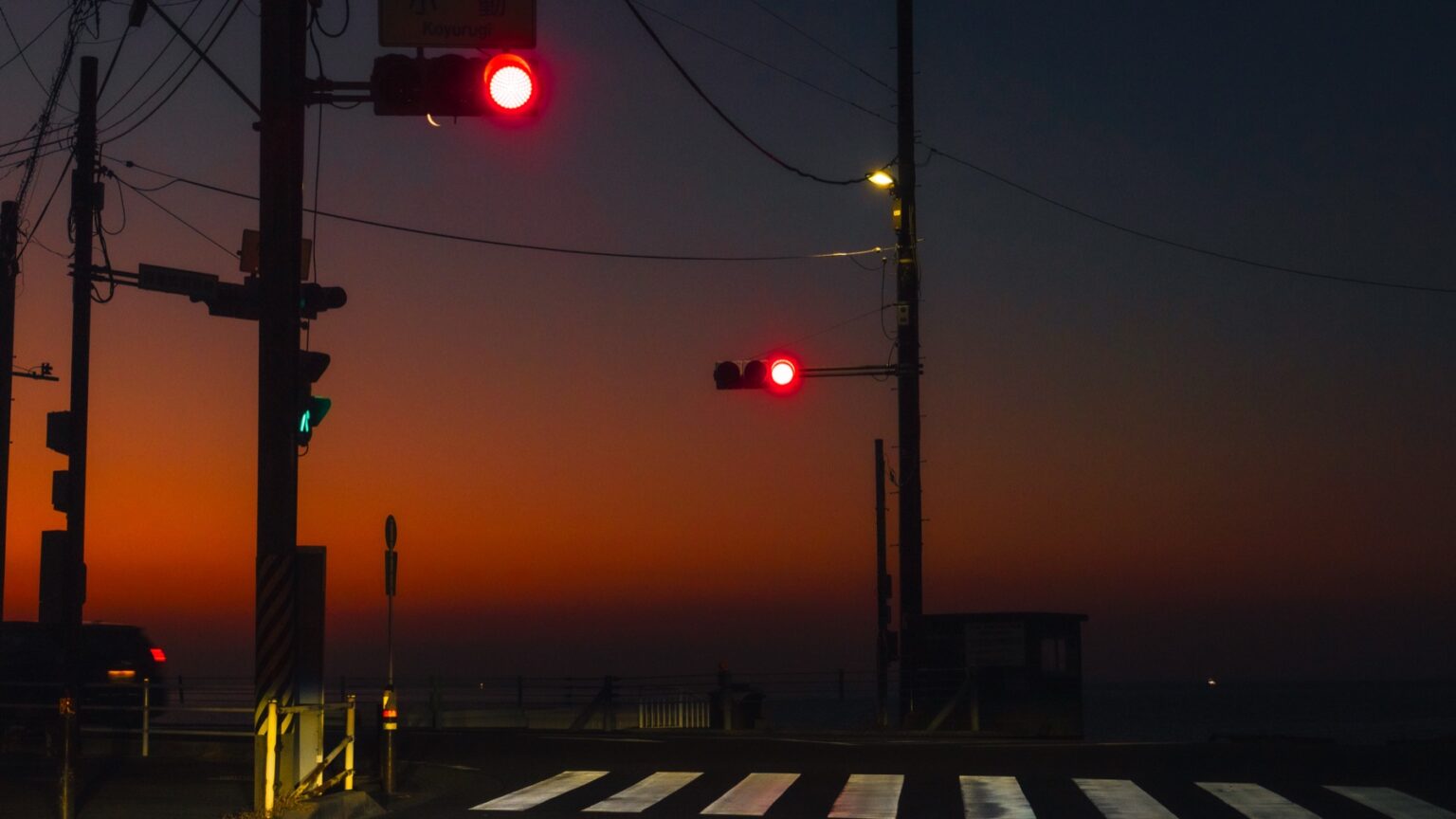
Kamakura’s crowd map is narrow: Komachi-dori shopping street, the Buddha, and the main Hachimangu approach absorb most of the pressure. Step one street off any of them and the town goes residential and calm. The stretches I keep coming back to: the back lanes between Gokurakuji and Hase stations, where the Enoden squeezes between hedges and house gates; the Genjiyama hillside route that connects Zeniarai Benzaiten with the Daibutsu hiking trail; and Shichirigahama beach at either end of the day — my sunrise walk along that coast covers the early version, and my three Fuji photo spots map exactly where the mountain lines up across the water. One more coast stop worth knowing about in advance: the Slam Dunk railway crossing at Kamakurakokomae draws anime fans from across Asia all day — my guide covers when it’s actually photographable.
Timing beats geography
| Hour | Where to be | Why |
|---|---|---|
| 8:00–10:00 | Hasedera + Great Buddha (or Kita-Kamakura temples) | Both open at/before 8:30; tour groups arrive from mid-morning |
| 10:00–12:00 | Hachimangu, Hokokuji or the hill walks | Sights that spread people out absorb the building crowds |
| Lunch at 11:30 or 13:30 | Off the peak | Kamakura’s small restaurants queue hard at 12:00–13:00 on weekends |
| 14:00–sunset | Enoden to the coast — Shichirigahama, Inamuragasaki | The beaches don’t crowd the way temples do; the light improves all afternoon |
Two seasonal notes worth planning around: hydrangea season (mid–late June — Hasedera’s famous weeks) and the autumn colour window (late November into early December — Kamakura turns late, with Engakuji running to mid-December some years) are the town’s two crush periods, and the Enoden itself becomes the bottleneck — the operator now actively asks day-trippers to come in the morning during hydrangea weeks. In the city’s 2026 Golden Week measurements, the station area peaked around 14:00 — treat that as the shape of any major holiday here, and be on the sand by then.
Three routings I actually walk
Half day (arrive early)
Kamakura Stn → Enoden to Hase → Hasedera at opening → Great Buddha → back lanes to Gokurakuji Stn → Enoden to Kamakura → Hachimangu → lunch at 11:30 → done by 13:00. The classics, no queues, home before the afternoon peak.
Full day (the balanced one)
Start at Kita-Kamakura: Engakuji → walk to Kenchoji → over to Hachimangu → early lunch → Enoden to Hase for Buddha + Hasedera → tram onward to Shichirigahama for the last two hours of light. Temples in the morning calm, coast for the golden hour.
The photographer’s loop
Pre-dawn at Shichirigahama (Fuji sits across the bay on clear winter mornings) → Enoden inland as the town wakes → Hachimangu’s stair before 8:00 → Zeniarai Benzaiten and the Genjiyama paths in mid-morning side light → wrapped up by late morning, just as the main wave arrives.
Adding Enoshima — knowingly
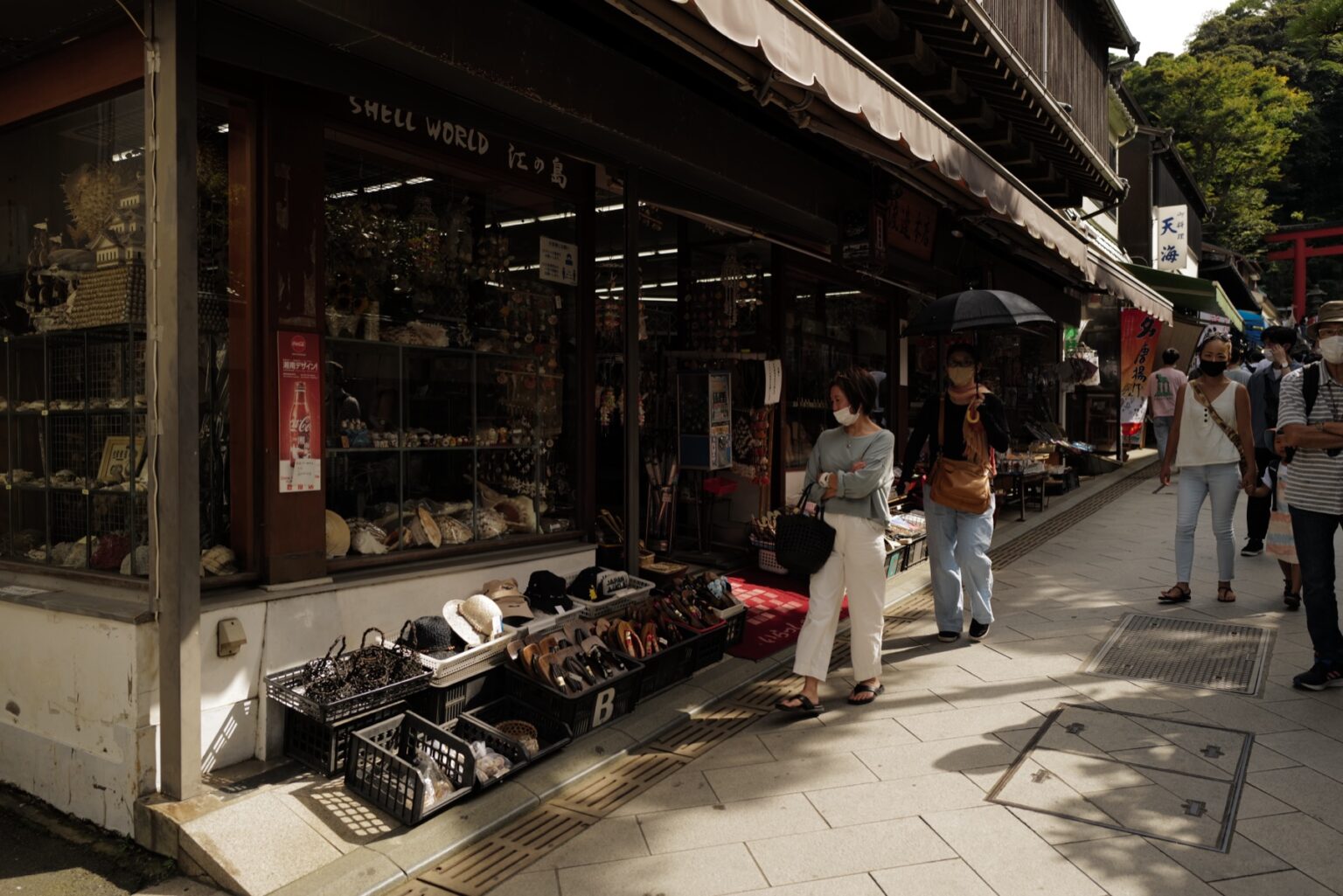
The island at the west end of the Enoden line is best treated as its own destination: budget a half day if you cross the causeway — the island runs on stairs, escalators and its lighthouse deck, and rushing it satisfies nobody. On a one-day Kamakura trip the honest options are either the view of the island from the coast — free, and better than most people expect — or swapping your temple afternoon for it entirely. If you do cross, my walker’s guide to Enoshima covers the island loop properly — and if the sunset hooks you, staying the night is the version day-trippers miss.
Practical notes
Getting there is the simple part: JR from Tokyo Station runs direct to Kamakura in about an hour (¥1,040), and from Shinjuku the Shonan-Shinjuku Line does the same on the west side of the city. Once there, the Enoden one-day pass (Noriorikun, ¥800) pays for itself the moment you ride three times — and you will. Staying overnight flips the whole crowd equation: the town before 9 a.m. belongs to residents and the handful of visitors who slept there. For a night either in Kamakura itself or along the Shonan coast, compare Booking.com and Agoda; Tokyo-siders sometimes find better value in Fujisawa on Trip.com, one JR stop from the Enoden’s western terminus. Refundable rates until your weather window firms — the coast half of this plan wants a clear day.
FAQ
Is Kamakura worth it as a day trip from Tokyo?
Yes — it is arguably the best single day trip on Tokyo’s south side: an hour each way, walkable once there, and a genuine change of register from the city. The catch is that everyone else agrees, so the difference between a great visit and a day of queues is arriving before 9 a.m.
How much does a Kamakura day actually cost?
Temple entries are modest: the Great Buddha ¥300, Hasedera ¥400, Hokokuji ¥400, the Zen complexes ¥500 each, and Hachimangu’s grounds are free. With the ¥800 Enoden pass and JR from Tokyo (~¥2,080 return), a full sightseeing day runs roughly ¥4,000–5,000 before food.
Great Buddha or Hasedera first?
Hasedera at 8:00 opening, Buddha straight after — they are five minutes apart. Hasedera’s gardens and terrace reward the empty first hour more than the Buddha’s open courtyard does, and the Buddha stays photographable even with people around.
When is the best season to visit Kamakura?
Every season works, but the two famous ones are the most crowded: hydrangeas in mid-to-late June and autumn colour from late November into early December (Kamakura turns late for the region). For quiet classics, winter mornings are the sleeper pick — clear air, Fuji visible from the coast, and empty temple gardens.
Can I combine Kamakura and Enoshima in one day?
Yes, as a split day: temples in the morning, cross to the island around 14:00, and accept that you will see three or four Kamakura sights rather than seven. The Enoden connects the two ends in about 25 minutes.
Do I need to book anything in advance?
Almost nothing — temples sell entry at the gate and the Enoden pass is a ticket-machine purchase. The exceptions are seasonal: special night openings (Hasedera runs limited reserved-entry evening events) and weekend tables at the better-known restaurants. Book a room ahead if you are staying over during hydrangea or autumn-colour weeks.
Sources
Prices and hours verified August 2026 against the official pages of Kotoku-in, Hasedera, Tsurugaoka Hachimangu, Hokokuji, Engakuji, the Enoden (fares, Noriorikun pass, seasonal advisories) and Enoshima Sea Candle; crowd figures from Kamakura City’s 2026 announcements; seasonal guidance from the Kamakura City Tourism Association.
Join travelers discovering Japan's hidden side
Weekly dispatches from off-the-beaten-path Japan — spots and stories you won't find in guidebooks.
No spam. Unsubscribe anytime.
Welcome aboard!
You're in. See you in your inbox soon.