
Ibaraki Day Trips
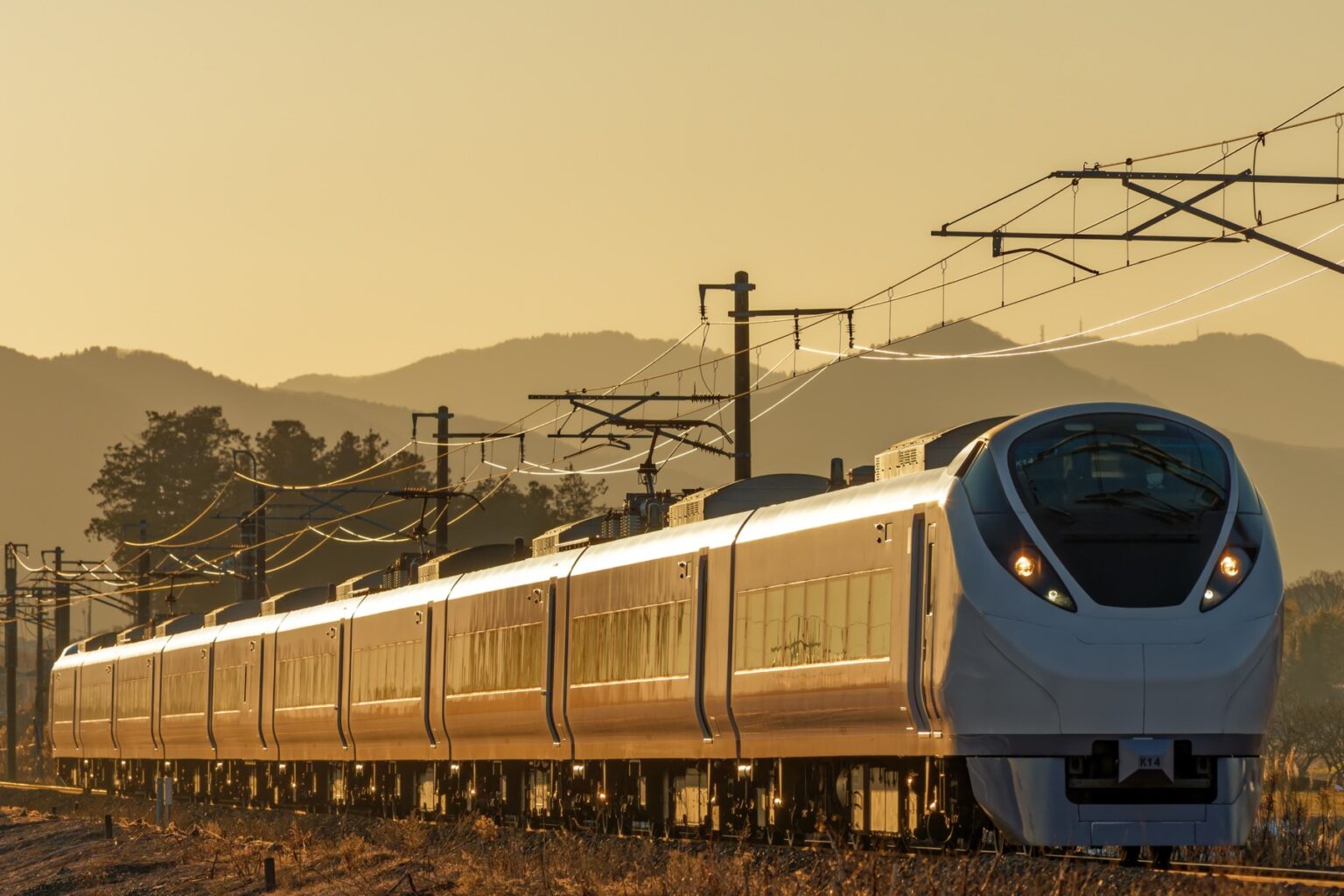
Mito, the capital of Ibaraki, is the town that made natto famous — and it’s a 70-minute, ¥4,000 limited-express ride from Tokyo. The natto pilgrimage here is oddly cheap: a free natto museum run by the 1889 founder’s shop, a free factory-viewing hall opened in April 2025 by Takanofoods, maker of Okame — Japan’s top-selling natto brand by 2024 value share, a giant straw-wrapped natto monument outside the station, and Kairakuen — one of Japan’s Three Great Gardens — for ¥320. The one thing Mito can no longer claim is top spot in Japan’s household natto spending — Fukushima City has held that for two years running. Somehow the dethroning makes the pilgrimage better.
Why Mito means natto
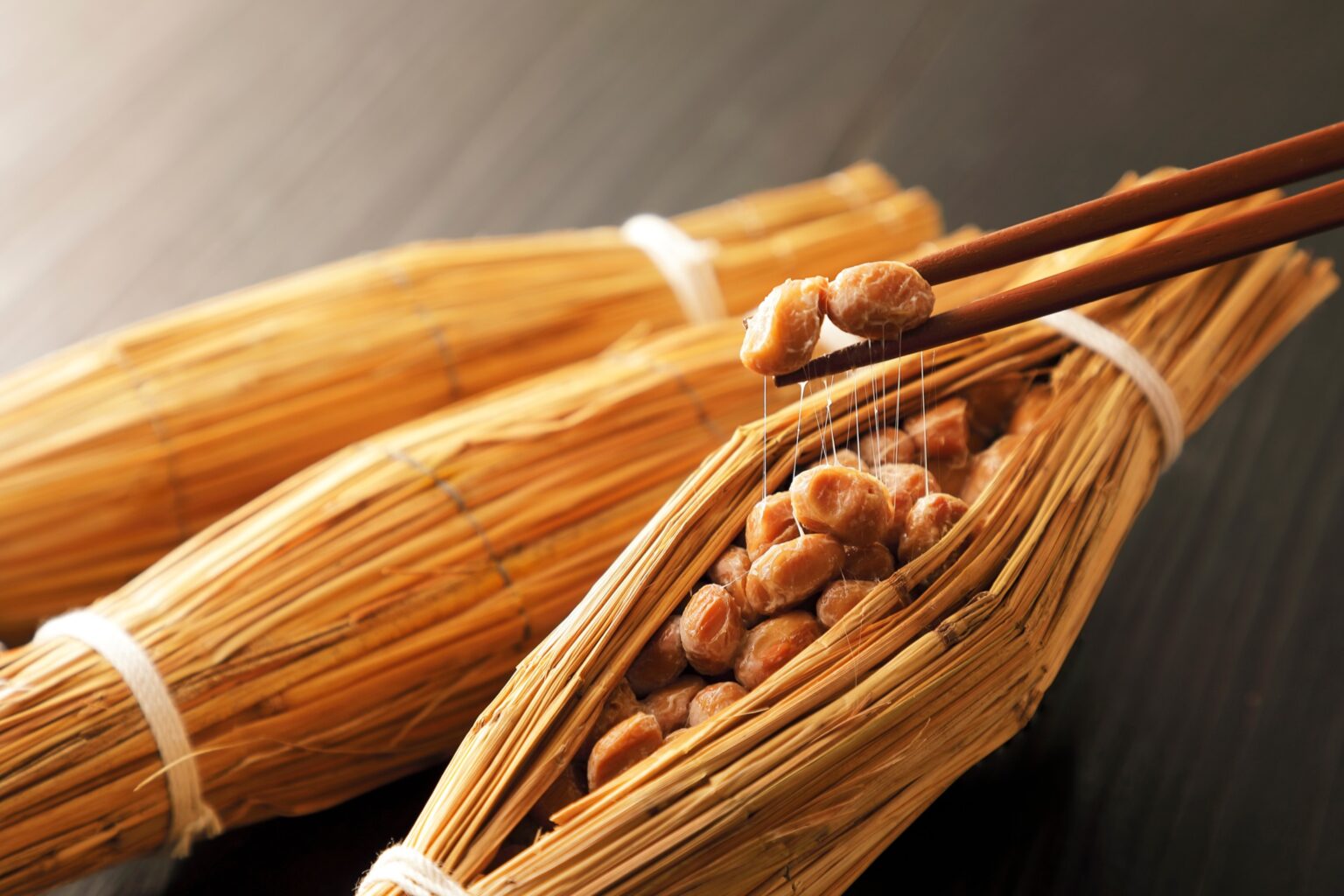
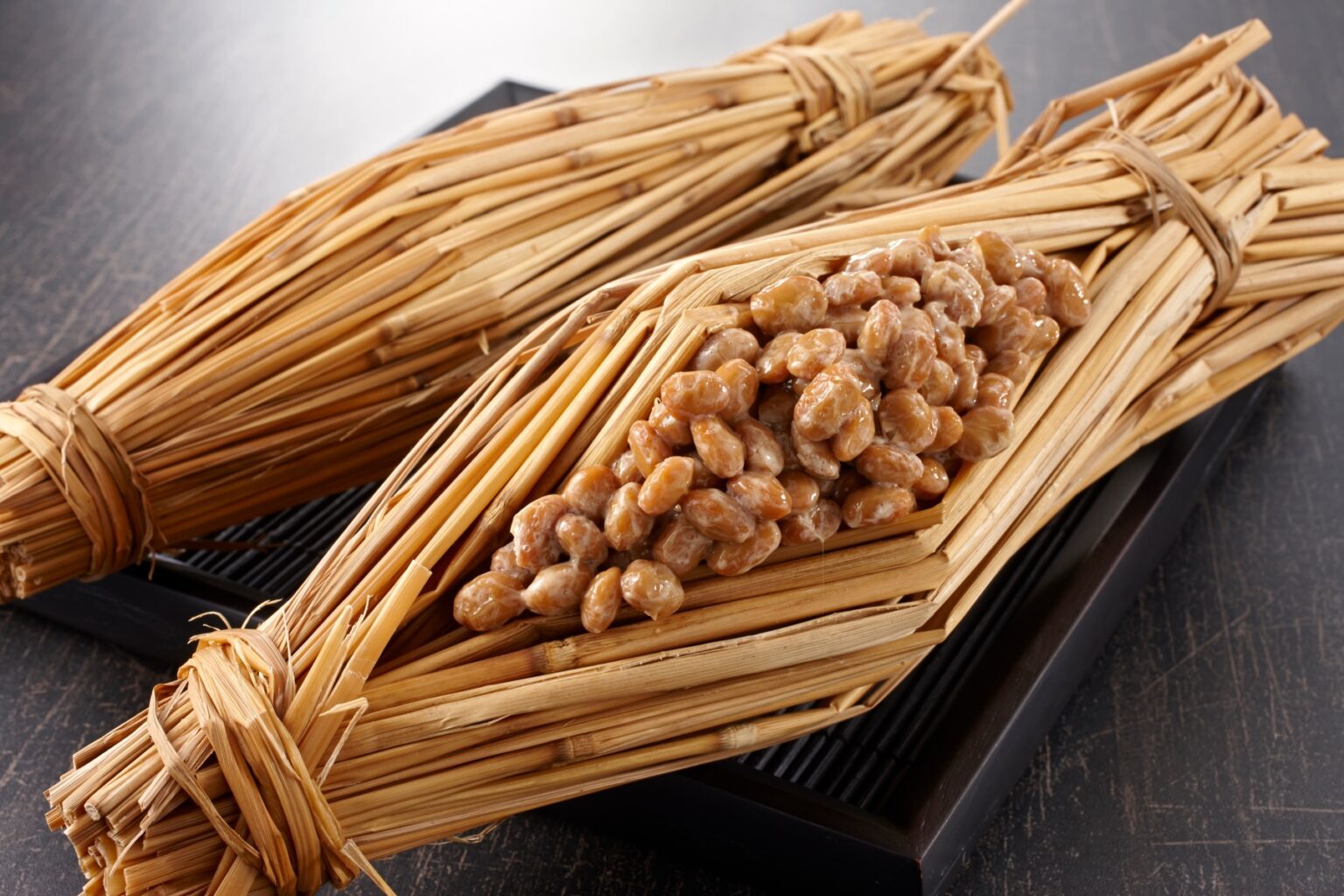
The short version is a railway story, not an ancient one. Mito’s local soybeans were small: flood-prone fields along the Naka River favoured early-ripening varieties, and — by the Agriculture Ministry’s own telling — the small beans that miso and soy-sauce brewers didn’t want turned out to be exactly what natto wanted. In 1889, the year the railway reached Mito, a local named Sasanuma Seizaemon started selling straw-wrapped natto to train passengers, naming his brand Tengu Natto after the Tengu-to, Mito’s radical loyalist faction of the 1860s. Local boys hawked the straw bundles in the station square; travellers carried them home; “Mito natto” became shorthand for the good stuff nationwide. The shop still trades under his family’s name, and its little museum is the first stop below.
There’s an older story too — that natto was born in 1083 in Mito’s Watari district, when boiled beans packed in straw for Minamoto no Yoshiie’s horses fermented on the march. Mito’s own city hall carefully files this under “various theories exist,” which is polite Japanese for legend. Akita’s Yokote tells the same Yoshiie story about its own villages, and I cover that rivalry in my main natto guide. Yokote’s side of the story, with its birthplace stone and natto-jiru, now has a guide of its own. What’s documented is the railway, the small beans, and 137 years of Tengu Natto. Kyoto’s temple natto is a different food altogether — dried, salty and string-less — and Daitokuji and Ikkyuji temple natto has its own guide.
Two routes — pick by your appetite for factories
Route A · The car-free classic
Tokyo → Mito direct. Natto monument at the station, Kodokan, the free natto museum, a natto lunch, then Kairakuen by bus. Zero reservations, zero taxis, done by 17:30. This is the route for most people.
Route B · The factory detour
Leave the express at Tomobe for Takanofoods’ Nattoku! Factory (taxi required), then a 14-minute local train on to Mito for the afternoon half of Route A. For people who want to watch robots stack natto packs. Skip on Wednesdays — the factory is closed.
Route A, stop by stop
1 · The natto monument (30 seconds, south exit)
Before anything else, walk onto the pedestrian deck at Mito Station’s south exit, where a giant straw-wrapped natto — beans bulging from the wrapper — stands with a plaque on the station natto sales that made the town famous. Thirty seconds, free, and the easiest photo in Mito.
2 · Kodokan — the samurai school (8-minute walk, ¥420)
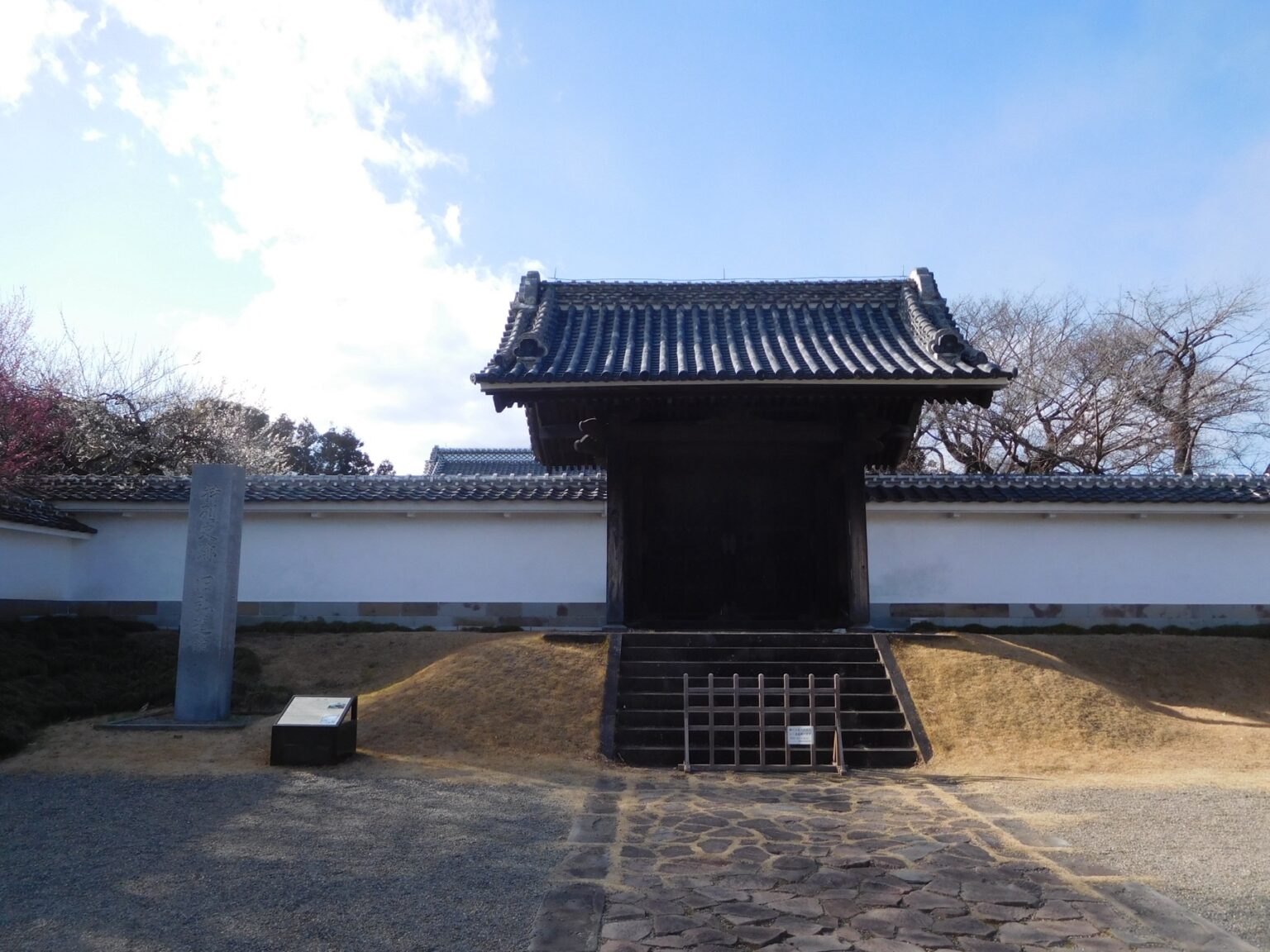
From the north exit, Kodokan is an eight-minute walk: the school Mito’s lord Tokugawa Nariaki opened in 1841, the largest domain school in Japan. Nariaki built Kairakuen the following year as its deliberate counterpart — the idea was to study hard at Kodokan and unwind among the plums at Kairakuen, so visiting both in one day is doing it exactly as designed. Open 9:00–17:00 (to 16:30 October through mid-February), ¥420, closed only December 29–31.
3 · The Natto Exhibition Hall — free, and honestly compact (10 minutes from the station)
In the Sannomaru district a few minutes from Kodokan sits Sasanuma Goro Shoten — a direct successor to the founder’s 1889 shop — with its free Natto Nandemo Exhibition Hall above the shop. Set your expectations correctly: this is a compact second-floor exhibit you’ll finish in 20–30 minutes, covering the history, a quarter-scale model of a Taisho-era fermentation room, and how straw-wrapped natto is actually made. The displays are Japanese-only, so a translation app earns its keep. It’s open 9:00–17:30, individuals walk in without booking, and the factory next door supplies the shop downstairs — straw-wrapped natto runs about ¥360 a stick to ¥1,350 for a five-stick bundle. One clarifying note, because it confuses everyone: two companies in Mito use the Tengu name, both descended from the founder’s family. The museum belongs to the Sannomaru one.
4 · A natto lunch that actually exists
Plenty of towns promise regional food that turns out to be a poster. These two are confirmed serving natto dishes as of August 2026. Mito Mon-no-mae, run by sake brewery Yoshikubo Shuzo (founded 1790), sits right at Kairakuen’s east gate and serves a straw-natto set — one whole straw bundle of local natto with rice, miso soup and sides, roughly ¥1,000–1,300 — and, at least as of early 2026, a natto ice cream for the brave (lunch 11:00–14:30 last order; closed Tuesdays outside the plum festival). Tenmasa, three minutes from the station’s north exit, runs a full natto section: the ¥1,880 natto banquet set and the nebari-don, a gloriously slimy bowl of natto, okra, grated yam and mekabu seaweed (11:00–21:00, no closing day). The anglerfish specialist Sansui also runs a natto kaiseki course from April to September — the one thing on this route that needs a reservation.
5 · Kairakuen (¥320, plus ¥230 for the villa)
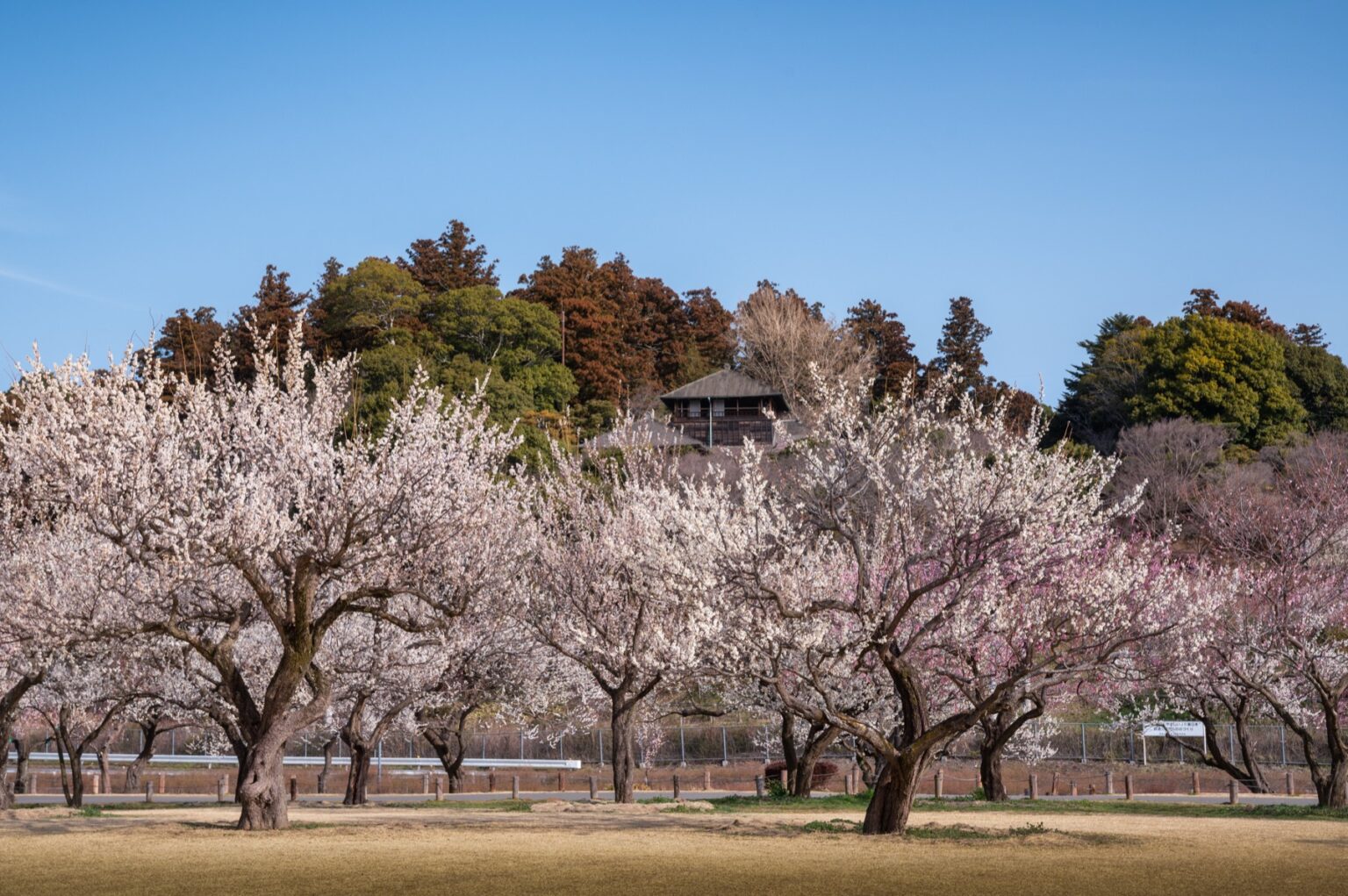
Take the bus from the north exit — either operator, ¥270, about 15 minutes — or walk it in half an hour. Kairakuen is one of Japan’s Three Great Gardens, opened by Nariaki in 1842, and its calling card is roughly 3,000 plum trees of about 100 varieties that flower from mid-February into March, with another thousand in the adjacent Tazunaki grove. Entry is ¥320; the Kobuntei villa inside costs a separate ¥230, and its top floor looks straight over the grove. A ¥730 set ticket covers garden, villa and Kodokan together (adults only — kids’ individual tickets are cheaper anyway). Two money notes the signboards won’t volunteer: entry to the garden is free before 9:00 a.m. outside the festival period, and the ¥500 Mito Manyu one-day bus pass beats the ¥540 round-trip bus fare while also discounting the villa and Kodokan admissions. (Tickets are ¥320 at the gate with no real queue; Klook sells the same admission as an e-ticket if you like everything in one app.)
Route B: the Nattoku! Factory detour
In April 2025, Takanofoods — the Ibaraki company behind Okame Natto, Japan’s top-selling natto brand (Intage value share, 2024) — opened Nattoku! Factory, a free viewing hall built into its newest smart factory. The name is a pun on nattoku — “now I get it.” When the lines are running, you watch real production through the glass: steamed beans sprayed with culture, robots stacking the familiar three-packs. Lines don’t run every day; the 15-minute theatre film covers whatever the glass can’t show, and the whole self-guided visit takes 40–50 minutes plus shop time. Admission is free, hours 9:30–16:00, closed Wednesdays and New Year’s.
Don’t confuse this with the company’s original Natto Museum at its Omitama headquarters — that one is open too (9:30–16:00, closed Wednesdays), but it has no factory viewing, and the official site pleads with visitors not to mix the two up.
What to buy, and the day-of-week trap
| Souvenir | What it is | Where / price guide |
|---|---|---|
| Warazuto natto | The classic straw-wrapped stick — the photogenic one | Exhibition hall shop, from ~¥360; station shop for last-minute |
| Soboro natto | Natto kneaded with dried daikon strips — a Mito local dish on the Agriculture Ministry’s regional-food register; eat on rice or with sake | Daruma Foods flagship, 250g ~¥756 |
| Dried natto | Shelf-stable and flight-friendly — the easiest one to take abroad | Daruma and most shops, from ~¥432 |
| Funa natto | Natto in a boat of thin-shaved wood, from Hitachiomiya | Direct shop is a Suigun Line side quest — see below |
The trap: Daruma Foods’ flagship shop closes Sundays as of 2026 — a recent change most guide sites haven’t caught — while the factory closes Wednesdays and Mon-no-mae closes Tuesdays outside festival season. A Monday, Thursday or Friday visit dodges everything. The Funanatto shop in Hitachiomiya (about 50 minutes out on the infrequent Suigun Line, then a 10-minute walk) is for completists; their boat-shaped packages also appear in Mito-area shops, which is the sane way to get one.
Getting there and around
| Option | Time | Cost (one way) | Notes |
|---|---|---|---|
| Hitachi limited express | ~70–75 min | ¥4,000 | Fastest; all seats reserved — book at machines or JR-East web |
| Tokiwa limited express | ~85–90 min | ¥4,000 | Stops at Tomobe — the factory train |
| Local trains | ~2 h | ¥2,420 | Change at Tsuchiura on most runs |
| Highway bus | ~2.5 h | ~¥2,250 | Tokyo Station Yaesu side; cheapest, traffic-dependent |
Fares above are the current ones — JR East raised base fares in March 2026, so most older articles still show ¥3,890; it’s ¥4,000 now (¥2,420 base + ¥1,580 reserved seat). Both expresses are fully reserved with no unreserved cars, and buying on board costs ¥260 extra, so reserve first. The JR train legs are covered by the nationwide Japan Rail Pass and the 3-day JR Tokyo Wide Pass (¥16,000) — taxis, buses and admissions aren’t — and the Wide Pass only pays off if you’re also using it for other excursions, since a plain Mito round trip is ¥8,000. During the plum festival, some morning down trains stop at a temporary Kairakuen Station right at the garden (2026: festival weekends, plus some weekdays marking the festival’s 130th edition) — note it’s down-platform only, so you’ll return from Mito Station regardless, and it has no ticket machines. If you’re pass-shopping anyway, Klook lists the JR passes — check each product’s collection details before you buy.
When to go — and whether to stay over
The natto half of this trip works every month of the year; the garden half peaks hard. The 2026 plum festival ran February 11 to March 22, and 2027’s dates are typically announced in late autumn — figure mid-February to late March and confirm before booking. Weekend availability tightens in festival season, and staying over buys you the ume groves at opening time; Booking.com and Agoda both list the station-area business hotels, which are the practical base for this itinerary. Outside festival dates, the free-before-9:00 rule makes an early start the best-value hour in town.
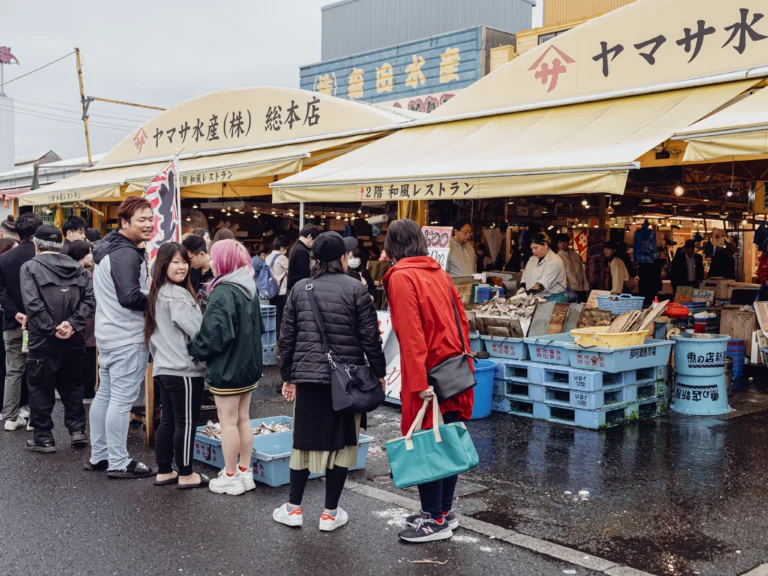
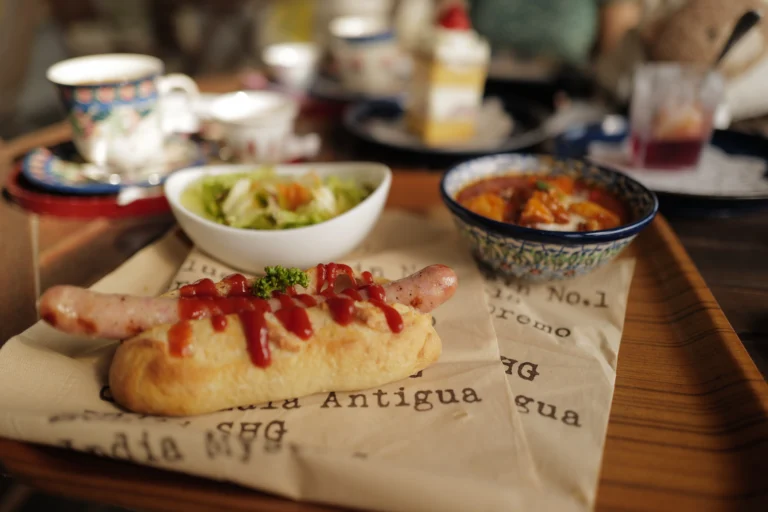
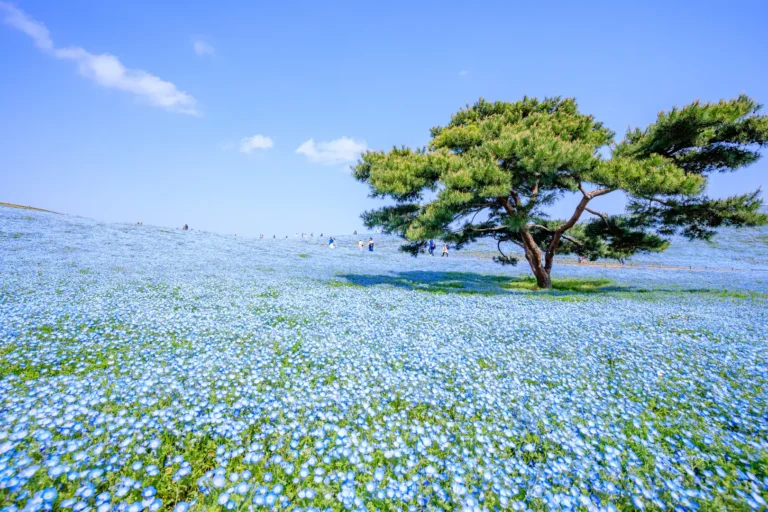
If you have appetite for a fuller Ibaraki day — or a two-day loop — the extensions are genuinely good: Hitachi Seaside Park for the nemophila and kochia seasons, the Nakaminato fish market (from Mito: five minutes to Katsuta, then the little Hitachinaka Seaside Railway — about 45 minutes door to door), Saza Coffee’s flagship in Hitachinaka, and in June the hydrangea forest up the coast. A GetYourGuide search shows what’s currently running for wider Ibaraki if you’d rather not navigate; for the Mito core, you genuinely don’t need one.
Is this trip for you?
Honest verdict: if natto disgusts you and plum season is months away, Mito is a pass — it’s a working prefectural capital, not a postcard town. But if you read my natto guide and thought “I’d try that properly,” this is the day trip Japan built for it: the founding-brand shop, a real production line, the food done properly at lunch, and one of the country’s three great gardens attached — with Route A’s entire on-the-ground spend (admissions, bus, lunch) usually totalling less than the train fare. First trip to Japan and unsure how Mito fits a longer route? My first-trip guide covers how day trips like this slot around a Tokyo base.
Mito natto day trip FAQ
Do I need any reservations?
For the core sights, no — as of August 2026 the exhibition hall and Kairakuen never needed one, and the Nattoku! Factory has suspended its reserved-tour system in favour of free walk-in visits (groups of 10+ still book by phone). The one exception is Sansui’s natto kaiseki, which requires booking ahead. The factory’s system has changed once already since its 2025 opening, so glance at its official site the week you travel.
Can I do the factory and Kairakuen in one day?
Yes, with an early start. Morning Tokiwa from Ueno to Tomobe (63 min), taxi to the factory (15–20 min each way), the 40–50 minute visit, then the local train on to Mito (14 min) for lunch. In the afternoon, order matters: the factory closes at 16:00 and Kodokan at 17:00 (16:30 in winter), while Kairakuen stays open latest — so save the garden for last.
Is Mito really the natto capital of Japan?
It’s the brand capital — the straw-wrapped station souvenir born here in 1889 made natto nationally famous, and Ibaraki is home to the top-selling maker. But by household spending Mito is currently second: Fukushima City has led the government survey for two years running (¥7,658 vs Mito’s ¥7,314 in 2025). Mito’s shops wear the rivalry lightly.
Which day of the week is best?
Monday, Thursday or Friday. Wednesday closes the Nattoku! Factory, Sunday closes Daruma Foods’ flagship shop (a 2026 change), and Tuesday closes Mon-no-mae’s natto lunch outside festival season. Nothing on the route closes on Mon/Thu/Fri except the year-end holidays.
Is anything in English?
Very little. The natto museum’s exhibits are Japanese-only, and the factory states officially that guidance is offered in Japanese only. The visuals — production lines, models, the garden — carry most of the meaning, and a phone translation app fills the gaps. Kairakuen and Kodokan have the standard tourist-site English signage.
Can I bring fresh natto home on the train?
It’s sold as a rail-travel souvenir, but it’s still a refrigerated food: bring a small cooler bag, follow the package’s storage instructions, and chill it when you’re back. Straw-wrapped sticks are the sturdiest packaging. Flying internationally afterwards? Dried natto travels far better — and check your destination’s food-import rules either way.
Mito is what I’d call a conviction day trip: you go because you’ve decided fermented soybeans deserve a pilgrimage, and the town rewards the joke by taking it completely seriously — monument, museum, robot factory, sacred garden and all. Go on a Thursday, arrive hungry, and come home with a straw bundle.
Join travelers discovering Japan's hidden side
Weekly dispatches from off-the-beaten-path Japan — spots and stories you won't find in guidebooks.
No spam. Unsubscribe anytime.
Welcome aboard!
You're in. See you in your inbox soon.