
If you're a seafood lover looking for an authentic Japanese market experience near Tokyo, the Nakaminato Fish Market in Ibaraki Prefecture is about two hours from Tokyo by train.

It is a group of 13 shops by Nakaminato port: eight restaurants and five fish and dried-seafood shops. Winter adds anko nabe (monkfish hot pot) to the menus.

This guide covers what to eat, when the shops close, and how to get there.
Contents
- Quick Facts
- What Is at the Market
- Best Time to Visit
- How to Get to Nakaminato Fish Market
- 7 Things to Do
- Practical Tips for Your Visit
- Where to Stay Nearby
- Where to Eat Nearby
- Suggested Mini-Itinerary
- Frequently Asked Questions
- Sources
Quick Facts
| Feature | Details |
| Best Time to Visit | November to March for anko nabe (monkfish hot pot). Raw oysters are served almost all year. |
| Time Needed | 2-3 hours |
| Nearest Station | Nakaminato Station (Hitachinaka Seaside Railway) |
| Hours | Shops from about 7:30–8:00; restaurants open between about 8:15 and 11:00 depending on the shop, and most stay open into the afternoon. |
| Closing days | Each shop has its own weekly day off. All shops open on weekends, holidays, Dec 28–31, Golden Week and Obon. |
| Parking | About 600 cars, ¥100 for 4 hours |
| Crowd Level | High, especially on weekends and holidays. |
| Accessibility | The shop aisles get crowded and narrow at busy times. |
What Is at the Market
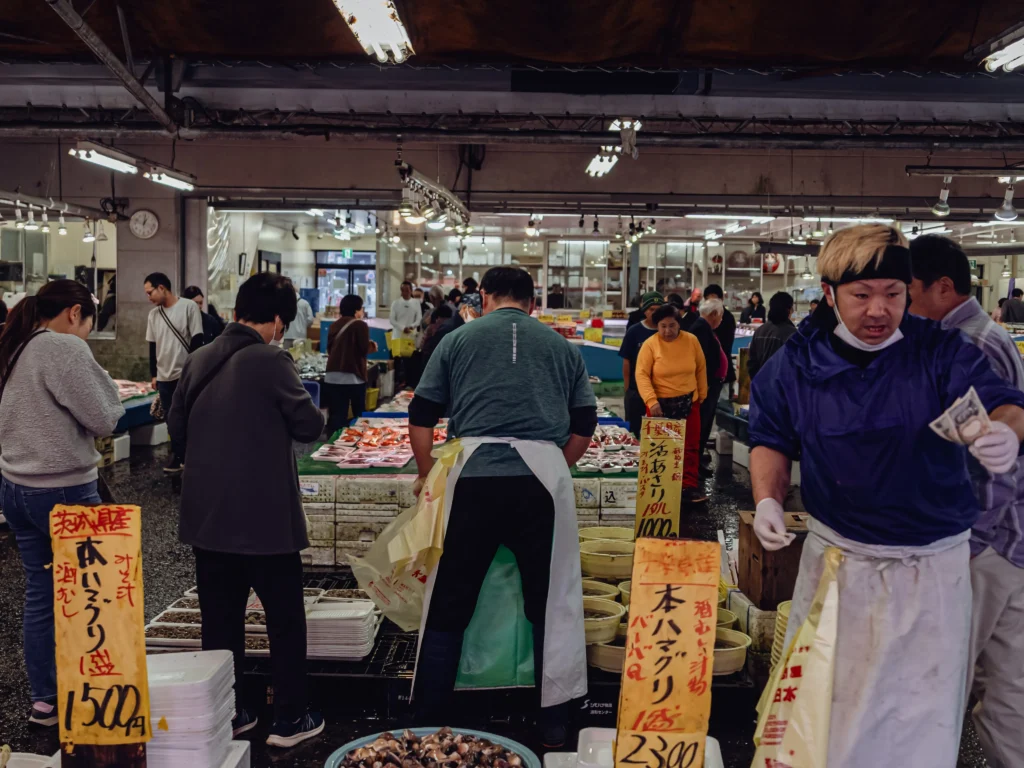
The official market has 13 member shops. Five sell fish and seafood to take home: Sandaime Uoichi, Maruki Suisan (its own dried fish), Isokura (chinmi and shirasu), Kakudai Suisan and the wholesaler Maruhachi Suisan. Eight are restaurants: Hamagoya, Kobune, Kyuraku, Sandaime Uoichi, Kaikatei, Kaimon, the bistro Yorokobi, and Kaisenmaru, which is closed for now. Several shops buy at the Nakaminato auction, and others bring in fish from elsewhere in Japan. The market’s seasonal calendar lists fish for all four seasons.
Best Time to Visit
Winter, roughly November to March, is when several restaurants serve anko nabe (monkfish hot pot). Raw oysters are on the menu almost all year: at Hamagoya, magaki in the cold months and iwagaki in summer. Weekends and holidays are the most crowded, but every shop is open then. On weekdays the crowds are smaller, but some shops take their weekly day off, so check the shop list on the official site if you want a particular one.
How to Get to Nakaminato Fish Market
Nakaminato works as a day trip from Tokyo.
By Train:
1.Take the JR Joban Line Limited Express from Tokyo or Ueno Station to Katsuta Station (approx. 80–90 minutes).
2.At Katsuta Station, transfer to the local Hitachinaka Seaside Railway (Minato Line) and ride to Nakaminato Station (approx. 15 minutes).
3.From Nakaminato Station, it’s a 10-minute walk to the fish market.
By Car:
•From the Tokyo area, take the Joban Expressway to the Hitachinaka IC. Then follow Route 245 to the market, about 15 minutes. The parking lot holds about 600 cars and costs ¥100 for 4 hours; extra lots open on busy days.
7 Things to Do
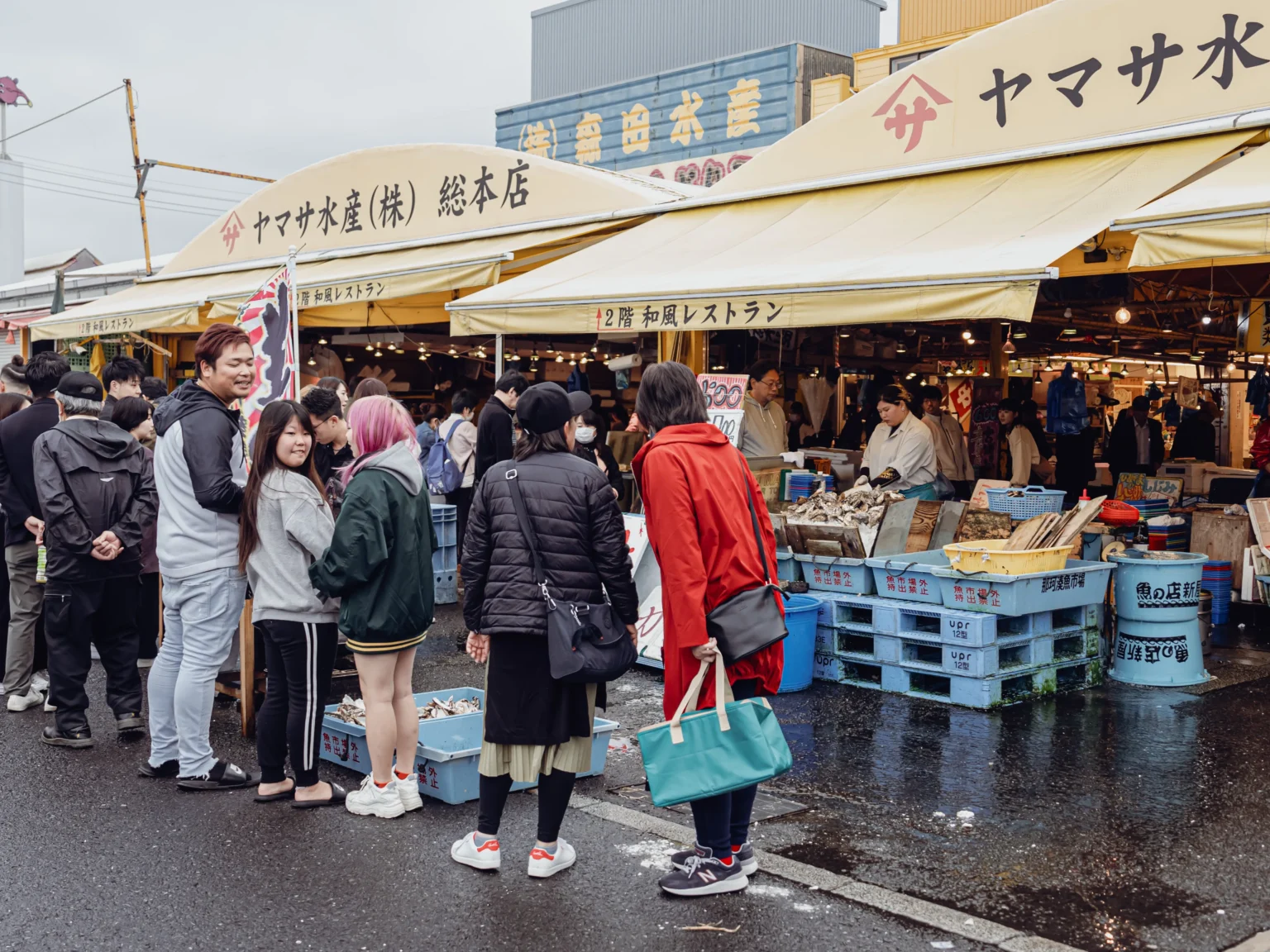
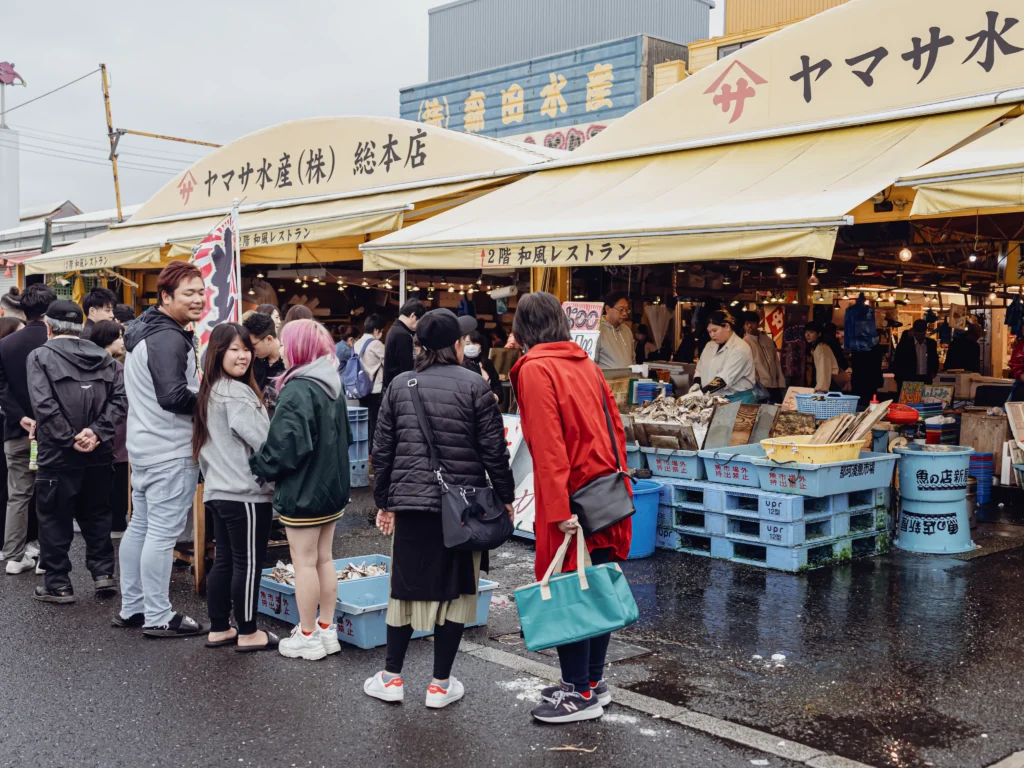
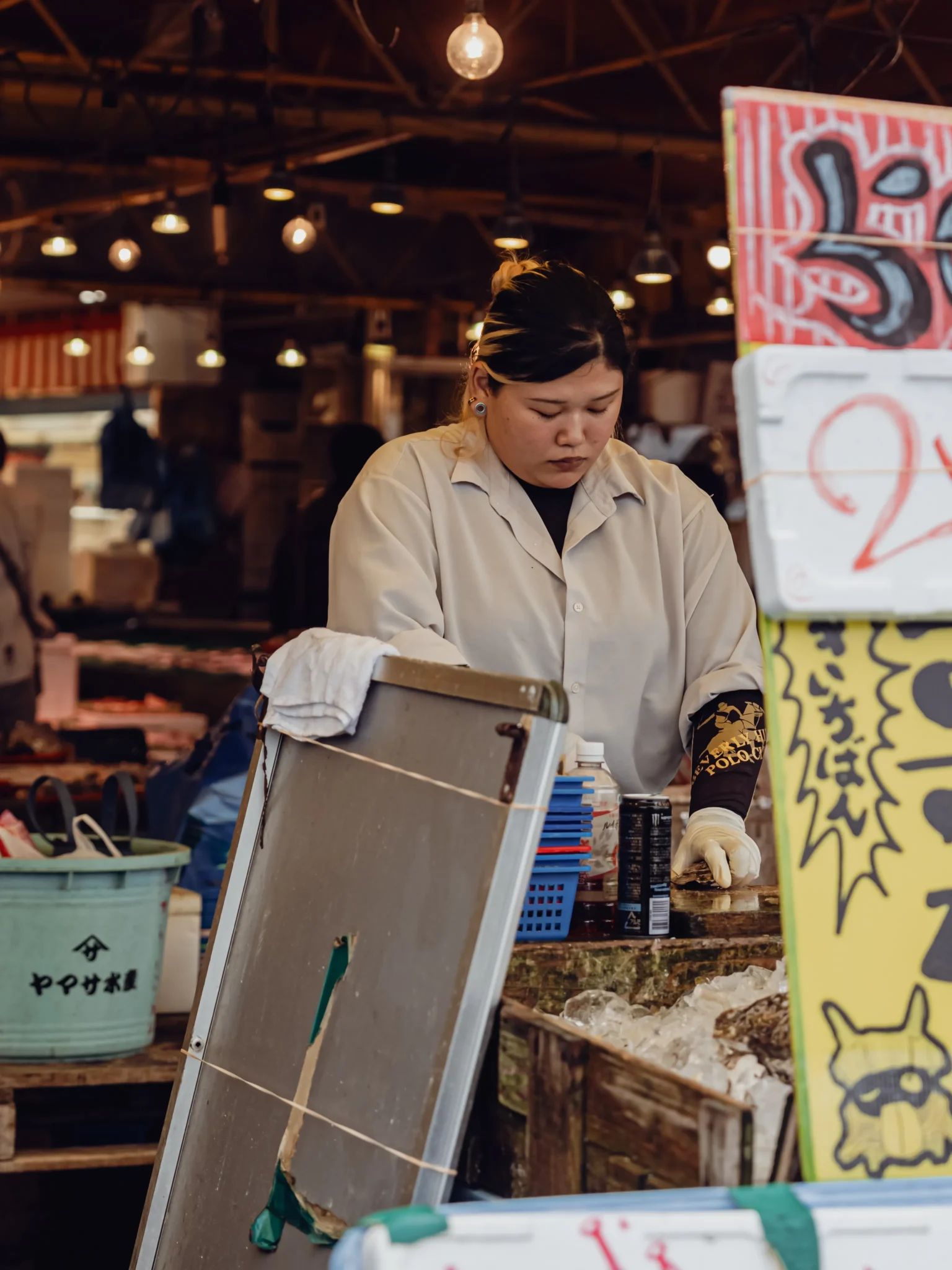
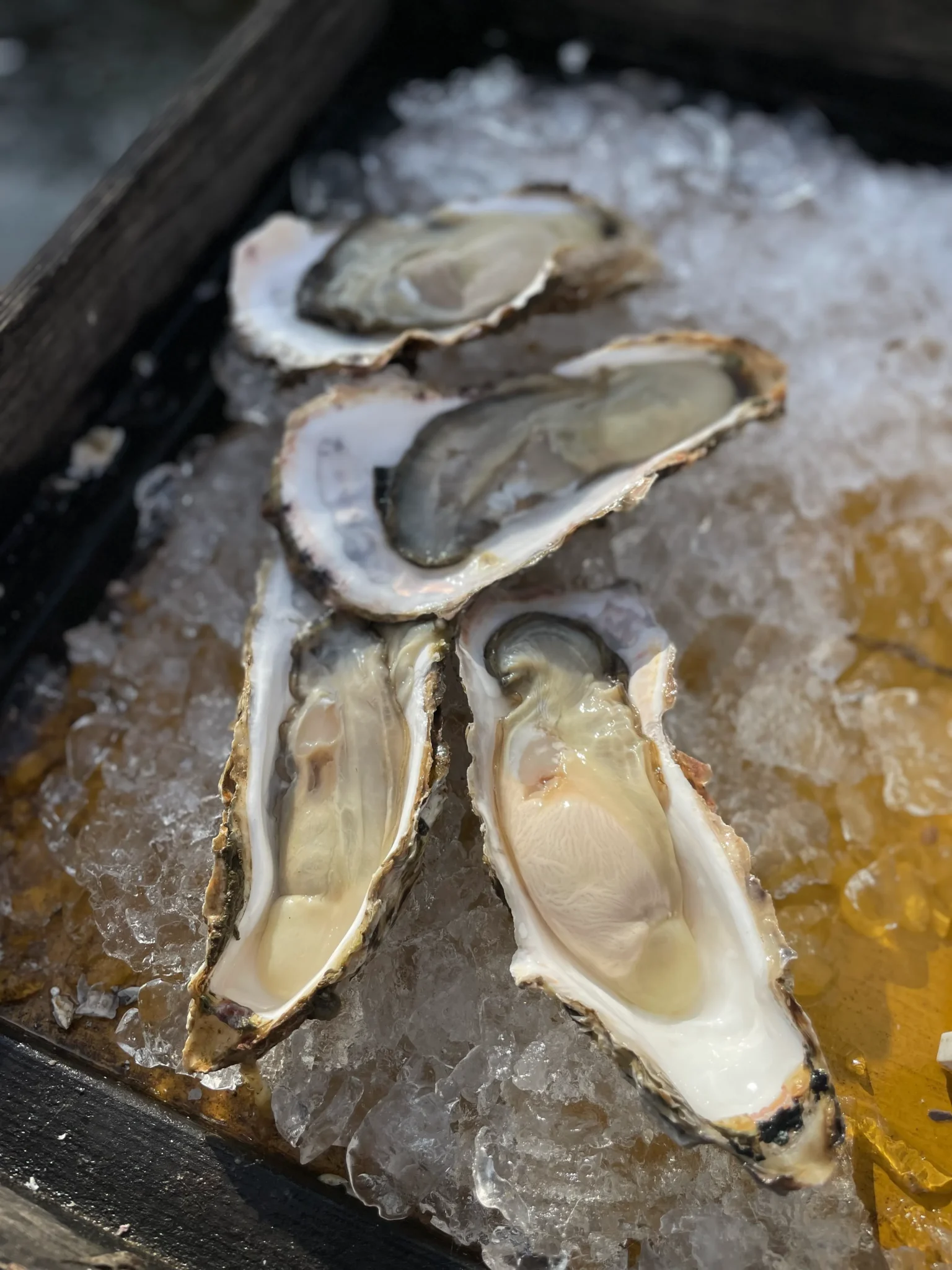
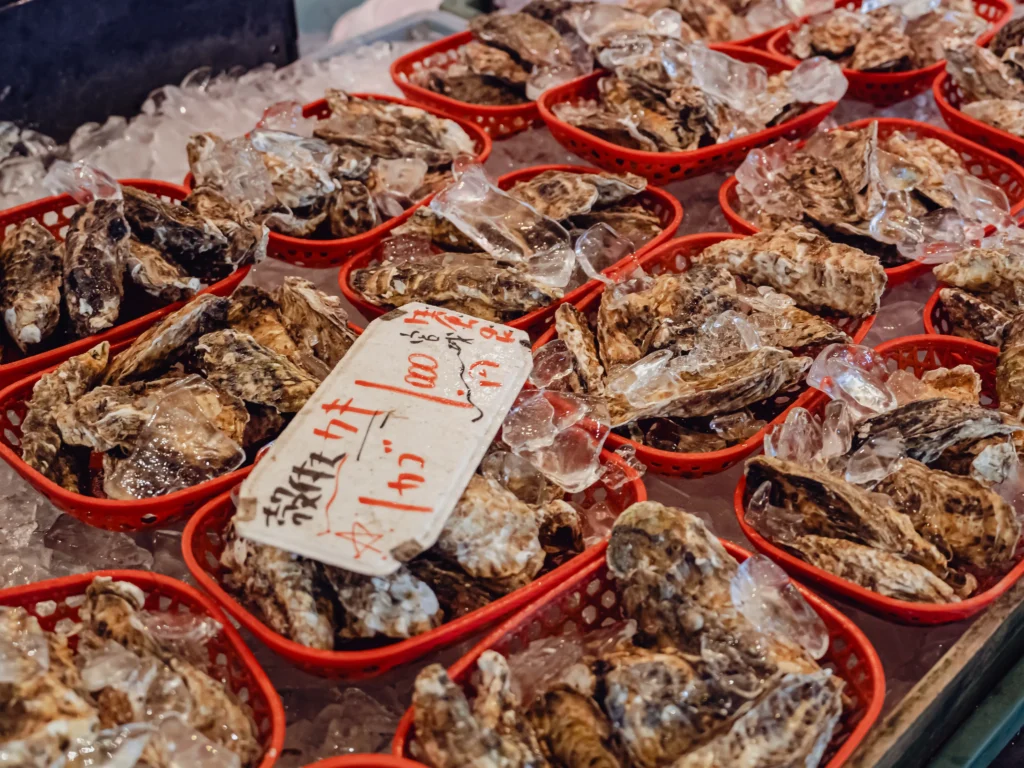
1.Eat Raw Oysters: The oyster in the photos below came from Yamasa Suisan, a fish shop and restaurant just in front of the market. Inside the market, the official guide names four restaurants for raw oysters: Kaikatei, Kaimon, Hamagoya and Kaisenmaru (closed for now). Prices depend on the size.
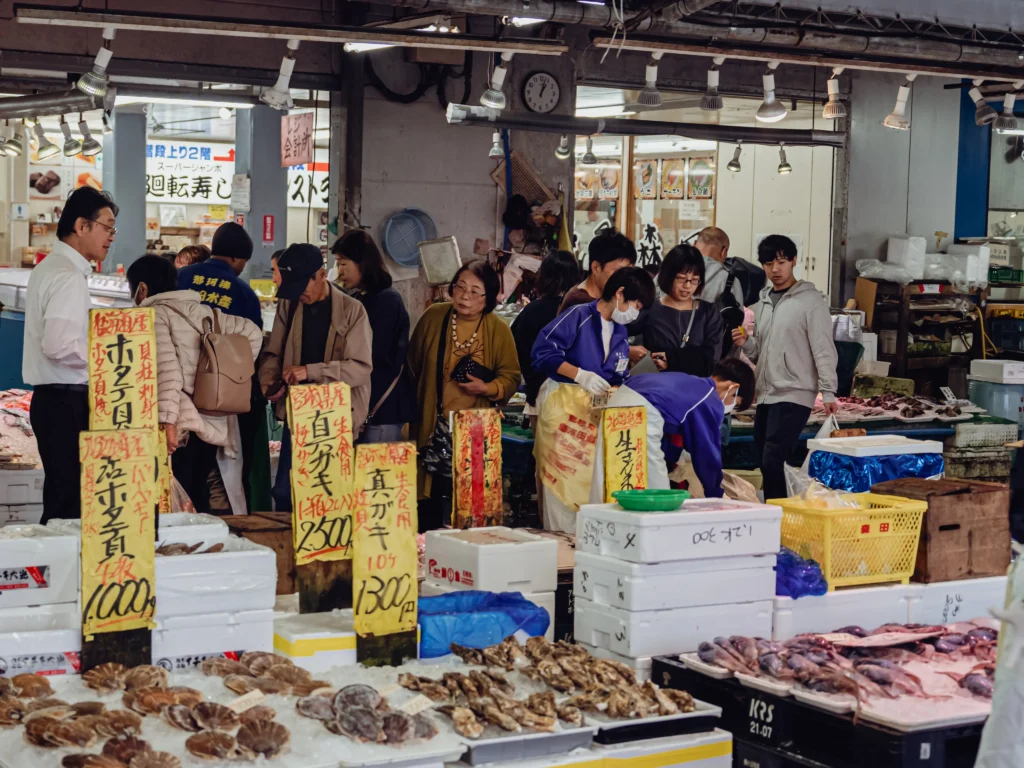
2.Walk the Fish Shops: The retail shops sell fresh fish, crab in season, shellfish and dried fish. Go before lunch for the widest choice.
3.Eat a Seafood Meal: Pick one of the market’s restaurants for a kaisendon (seafood bowl), sushi, or a grilled fish set. Some, like Sandaime Uoichi, run a fish shop and a restaurant side by side. Hamagoya grills fish over a shichirin charcoal stove.
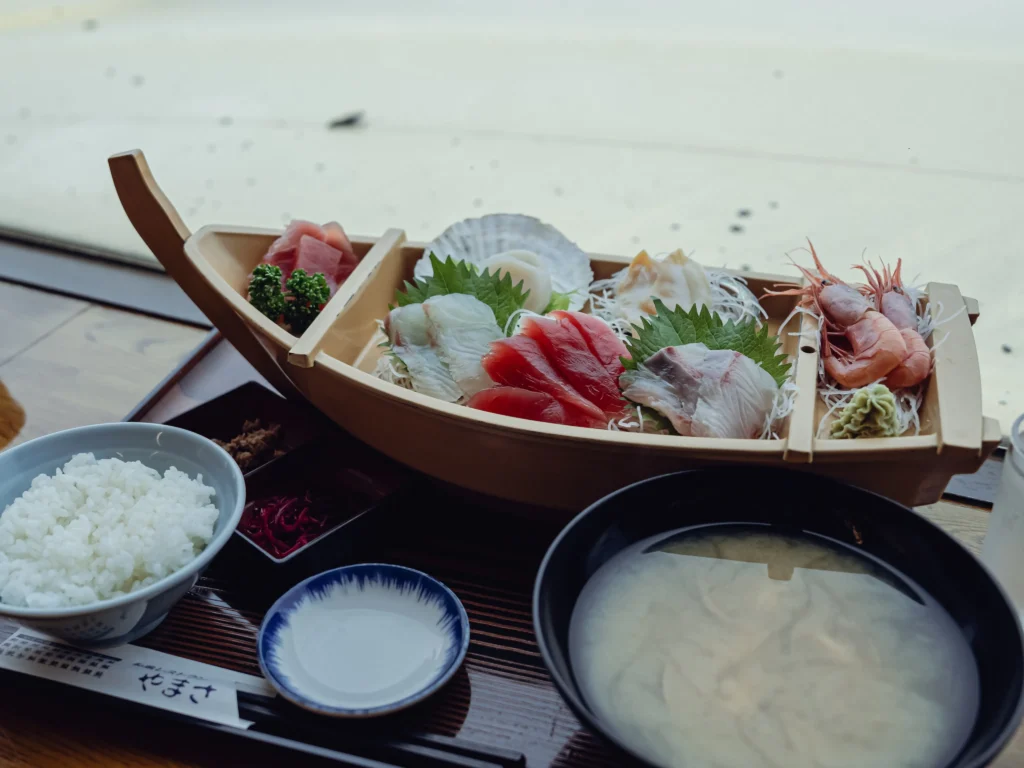
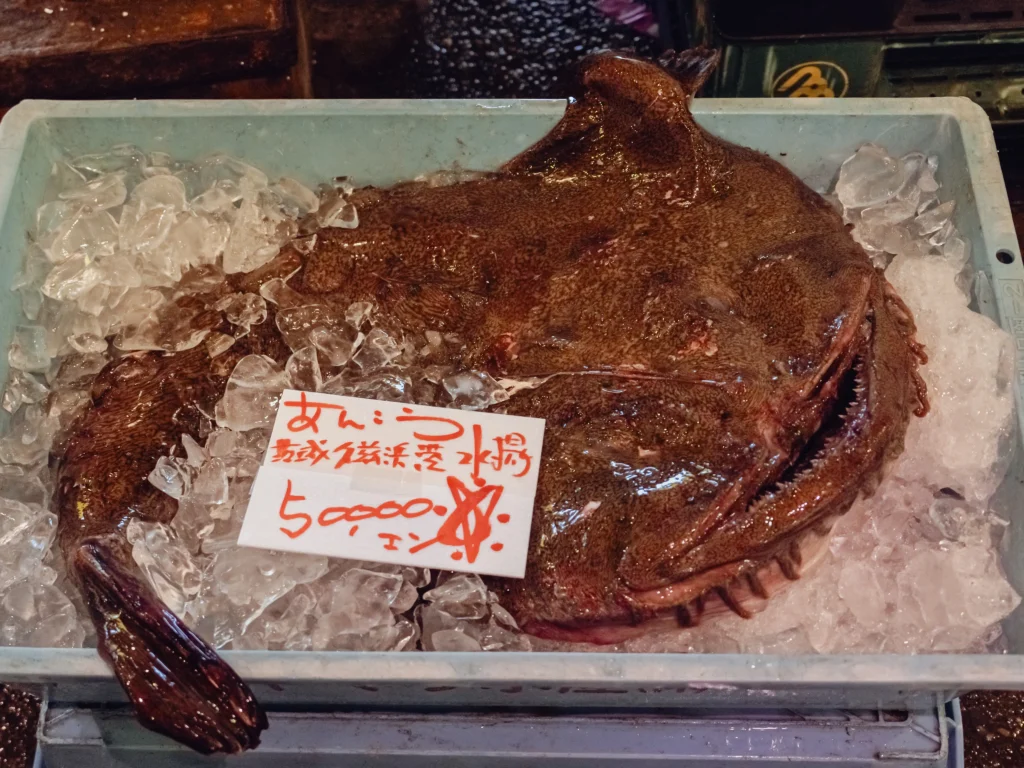
4.Try Anko Nabe (Monkfish Hot Pot): From about November to March, Kobune, Kyuraku, Sandaime Uoichi and Kaikatei serve this Ibaraki winter dish.
5.Ship Fish Home: Every retail shop can send your purchases by Yamato courier (takkyubin), so you don’t have to carry fresh fish on the train.
6.Buy Seafood Souvenirs: Maruki Suisan and Kakudai Suisan sell dried fish (himono), and Isokura sells chinmi and shirasu.
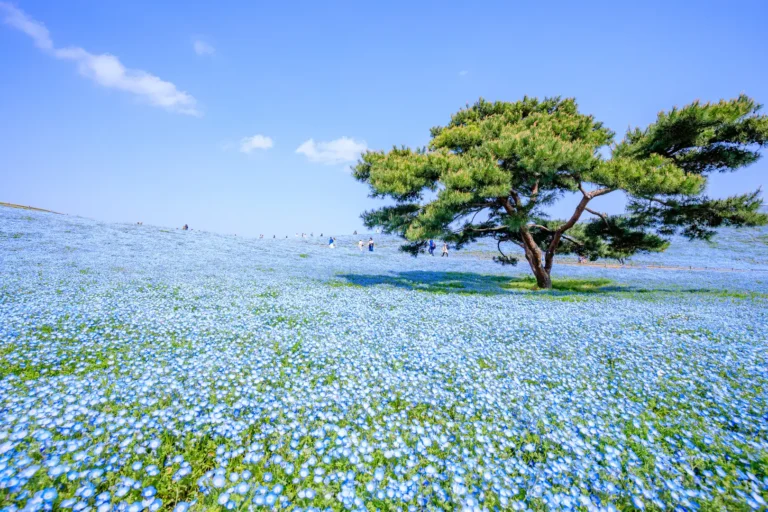
7.Add a Nearby Stop: Hitachi Seaside Park (nemophila in spring, kochia in autumn) is a short drive away. Aquaworld Oarai is 1.7 km from Nakaminato Station, about 7 minutes by bus or 25 minutes on foot.
Practical Tips for Your Visit
•Bring Some Cash: Payment options differ by shop, so carry some cash.
•Wear Comfortable Shoes: You’ll be doing a fair bit of walking, and the market floor can be wet.
•Arrive Early: Shops open from about 7:30–8:00. Mornings have the best selection.
•Check Closing Days: Each shop has its own weekly day off. The shop list on the official website shows them.
Where to Stay Nearby
While Nakaminato is an easy day trip, staying overnight allows you to explore more of the Ibaraki coast. The nearby cities of Mito and Oarai offer a range of hotels. If you would rather head inland the next day than stay on the coast, see Fukuroda Falls.
Find Hotels in the Mito/Hitachinaka Area
Check availability and book your stay near Nakaminato
Where to Eat Nearby
The market’s eight restaurants are the main places to eat. Just in front of the market, Yamasa Suisan runs a Japanese restaurant on its second floor and a sushi bar, Ichiba Zushi. Its restaurant has a weekly day off, so check its site before you go.
Suggested Mini-Itinerary
Arrive at Nakaminato Station and walk to the market.
Walk the fish shops.
Have a raw oyster at one of the oyster restaurants.
Sit down for a seafood lunch at a market restaurant.
Browse for seafood souvenirs to take home.
Walk back to Nakaminato Station for your return journey.
Frequently Asked Questions
Is Nakaminato Fish Market open every day?
The market as a whole never closes, but each shop has its own weekly day off. All shops are open on weekends, national holidays, Dec 28–31, Golden Week and Obon. On Jan 1 only some shops open.
Can I buy fish and have it shipped home?
Yes, every retail shop can ship by Yamato courier (takkyubin) so you can send your fresh purchases home without having to carry them.
Is it a good place for people who don’t eat raw fish?
Absolutely! While raw fish is a highlight, you can find plenty of delicious grilled fish, seafood hot pots, and fried items.
What is the best seafood to try in winter?
Winter is the season for anko (monkfish), usually as anko nabe. Raw oysters are served almost all year.
Sources
•[1] Nakaminato Fish Market Official Website
•[2] Yamasa Suisan Official Website
Come in the morning, check which shops are open that day, and pair the market with Hitachi Seaside Park or Aquaworld Oarai for a full day out of Tokyo.

The market is a short drive from Hitachi Seaside Park, so I usually pair the two on the same Hitachinaka day trip.
After the market I like to wind down over a cup at Saza Coffee, the specialty roaster in Hitachinaka.
Join travelers discovering Japan's hidden side
Weekly dispatches from off-the-beaten-path Japan — spots and stories you won't find in guidebooks.
No spam. Unsubscribe anytime.
Welcome aboard!
You're in. See you in your inbox soon.