Asuka · World Heritage · How-To
The painted walls of the Kitora tomb, part of the Asuka–Fujiwara property inscribed on the World Heritage list in July 2026, go on public view in numbered rounds a few times a year, and viewing is free. The 40th round finished on 30 August, and the 41st round ran 19 September to 18 October 2026 — an unusually generous one that, to mark the facility’s tenth anniversary, put three of the four guardian walls in front of you at once. The 41st round is now over, and it filled on its first application window back on 23 August. As of 25 October 2026 the next (42nd) round has not been announced; the Agency for Cultural Affairs page is where its dates and application window will appear. Here is the manual, kept ready for that next round — what you are actually looking at, how the applications usually work, and what to do to get a slot; check the official announcement for the 42nd round’s confirmed dates and arrangements.
First, understand what you’re actually seeing
This trips up almost everyone, so let me untangle it before the logistics. Around the two painted tombs of Asuka there are three different things you can look at, and they are not the same:
| What | What it is | How you see it |
|---|---|---|
| The real murals | The original painted plaster, removed from the tombs for conservation | Kitora: scheduled public viewings at the conservation facility (this article). Takamatsuzuka: repair-room viewings held several times a year; the 52nd ended January 2026 and no next round is announced as of 26 July |
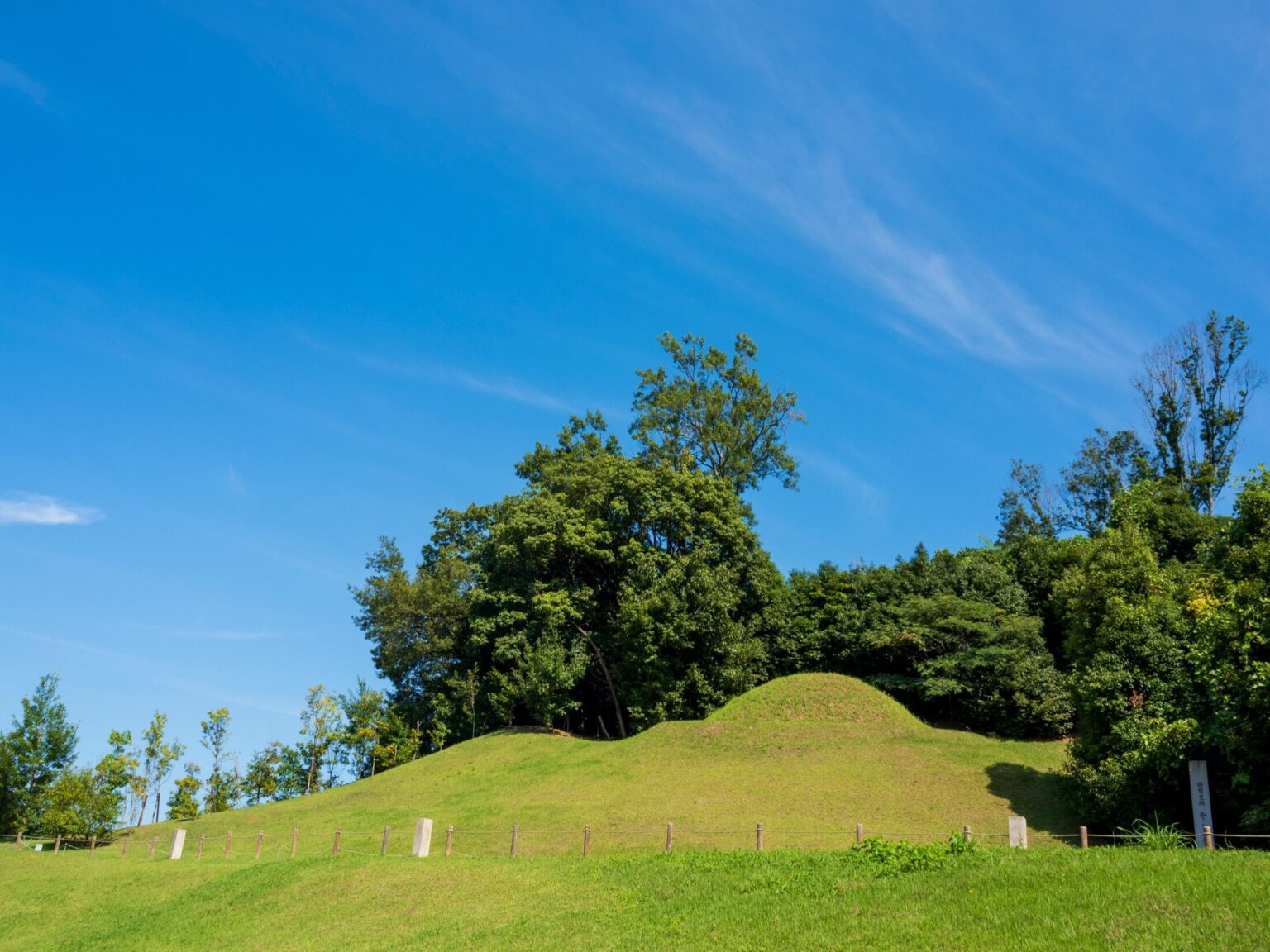
| The mounds | The restored tumuli standing in the park | Outdoors in the national park’s Takamatsuzuka and Kitora areas — no ticket involved |
| The replicas | Full reproductions and models | Takamatsuzuka Mural Hall (adults ¥300; closed 29 Dec–3 Jan and four second Mondays a year) and the free basement exhibits of the Shijin-no-Yakata at Kitora |
So: nobody walks into a 1,300-year-old tomb and looks at walls. The paintings were taken out to save them. What a viewing round offers is the rare chance to stand in front of an original: one or more of the four directional guardians that give the Kitora chamber its fame, painted some thirteen centuries ago. The August round showed the White Tiger of the west wall. The 41st round, which ran from 19 September, showed three of them at once.
How the Kitora viewing works
| Dates | Set per round. The 41st ran 19 September – 18 October 2026; the 42nd round’s dates are not yet announced (as of 25 October 2026) |
|---|---|
| Hours | 9:30–16:30 (last entry 16:15), in four time bands through the day |
| Venue | Kitora Tomb Mural Preservation Facility, ground floor (1F) of the Shijin-no-Yakata (Four Guardian Deities Hall), Kitora area of the National Asuka Historical Park |
| Capacity | Limited daily capacity, allocated by advance application; up to 32 people per application |
| Time inside | About 20 minutes total, roughly 10 in the mural room — viewed through glass, photography prohibited |
| Cost | Free |
How the ways in work:
1 — Applications
For the 41st round the first window closed on 23 August 2026 and filled every slot; a second, first-come window had been expected on 8 September but was not held, because capacity was already reached. For the next round the mechanics are the thing to know: it is not a lottery but first come first served, a web submission is not an instant booking, there is no automated acknowledgement, and the answer arrives by email about two to three days later — so it is not something to leave to the night before.
2 — The same-day desk
It operates only when a day’s advance slots have not filled. For the 41st round they filled, which is the same reason the second window was dropped, so for a popular round do not travel to Asuka expecting to get in on the day. The desk is worth knowing about for a round that fills more slowly.
3 — Next time
These viewings run in numbered rounds through the year, each showing particular walls. Future numbered rounds are announced on the official page — and the free basement exhibits (below) need no application at all, between rounds or during them.
The 41st round: three walls at once, 19 September–18 October 2026
This was an unusually generous round. To mark its tenth anniversary, the 41st round showed three of the four guardians simultaneously: the Vermilion Bird of the south, the Black Tortoise of the north and the Azure Dragon of the east. Most rounds show a single wall; this one showed three of the guardians at once. It ran 19 September to 18 October 2026, closed on Wednesday 30 September and Wednesday 14 October, and was free like every other round.
The application timing is the whole game — and this round proves it. The first window closed on 23 August 2026 and filled every date and time band. A second, first-come window had been expected on 8 September; on that day the facility announced it would not be held at all. There was nothing left to apply for once it filled, and the same-day desk does not run once capacity is reached. The lesson for the next round is to treat the first window as the only one. The usual rules hold: a web submission is not an instant booking, the answer comes by email a few days later, and photography inside is prohibited.
Getting there for that round was made easier than usual: the Asuka Historical National Government Park laid on a temporary shuttle bus (Asuka Station ↔ Kitora Tomb ↔ Takamatsuzuka) on weekends and public holidays only, 19 September to 18 October 2026, 9:00–17:30, roughly twice an hour, ¥220 for adults and ¥110 for children — the kind of arrangement a future popular round may see again. The Kitora area is the awkward corner of Asuka to reach on foot, and parking around it is the pinch point: the park has suspended the weekend hands-on programme at the Shijin-no-Yakata through 29 November 2026, citing car-park congestion from the surge in mural-viewing visitors since the World Heritage inscription. If you come by car on a busy autumn weekend, assume the lots fill and plan for the train and any shuttle on offer instead.
Getting there is the real planning problem
The Kitora area is the far corner of the park: the official access notes say about 30 minutes on foot from Asuka Station (a separate park page says 22 — budget 25–30), or 15 minutes from Tsubosakayama Station, one stop south of Asuka on the Kintetsu Yoshino Line, and the local Kitora bus line is suspended — the substitute is an on-demand shared taxi that needs booking. In summer heat, respect the walk: go early, carry water, or come by bicycle or car. The Takamatsuzuka area, by contrast, is an easy 12-minute walk from Asuka Station — which is exactly why I’d pair them the way described below.
The plan I’d follow
Take the earliest time band you can get at Kitora on a round you have actually booked, then the free basement exhibits of the Shijin-no-Yakata while you’re in the building — the four-guardians displays are genuinely good, need no booking, and normally run March through November, 9:30–17:00. Walk or ride back toward Asuka Station and spend the afternoon at the Takamatsuzuka Mural Hall (adults ¥300, high-school/university ¥130, elementary/junior-high ¥70; 9:00–17:00, last entry 16:30; closed 29 Dec–3 Jan and the second Monday of April, July, November and February), where the reproductions let you study the sister tomb’s murals — the ladies in their pleated skirts — without a reservation, next to the mound itself. Then the village: the Oka lanes and Okadera are between you and dinner. The full context — all 19 inscribed sites, access, bases — is in the Asuka–Fujiwara World Heritage guide.
Make it a proper trip
Questions I’d actually ask
Can I still see the 41st round — and when is the next one?
The 41st round (19 September–18 October 2026) is over, and it had already filled on its first application window on 23 August. As of 25 October 2026 the 42nd round has not been announced; when it is, the dates and application window will appear on the Agency for Cultural Affairs page. Outside the special viewing rounds, the free basement exhibits of the Shijin-no-Yakata and the Takamatsuzuka Mural Hall remain alternatives — check their opening hours and closure days.
Is it really free?
Yes — the mural viewing costs nothing, and so do the basement exhibits of the Shijin-no-Yakata. The only admissions in this article are the Takamatsuzuka Mural Hall’s: adults ¥300, high-school/university ¥130, elementary/junior-high ¥70.
Will I see all four guardian paintings?
Not usually. Each round shows particular walls, and the August round showed only the west wall’s White Tiger. The 41st round was the exception: it put three of the four in front of you at once. To see all four together at this site, the way is still the reproduction display — free, downstairs in the same building.
What about the Takamatsuzuka originals?
They are conserved in a separate repair facility whose public viewings run only occasionally — the 52nd round was in January 2026, and no next round had been announced when this was last checked; the Agency for Cultural Affairs page is the place to look. Until one is, the Mural Hall’s reproductions are the way to study them.
Is the viewing worth the 30-minute walk?
Ten minutes with an original 8th-century painting, for free, in a room built to keep it alive: I think so. Pick the earliest time band you can when applying. In autumn the walk is a pleasure rather than a trial — worth remembering when you pick which round to apply for.
Join travelers discovering Japan's hidden side
Weekly dispatches from off-the-beaten-path Japan — spots and stories you won't find in guidebooks.
No spam. Unsubscribe anytime.
Welcome aboard!
You're in. See you in your inbox soon.