What Is Sea Sparkle? Why Japan’s Ocean Glows Blue
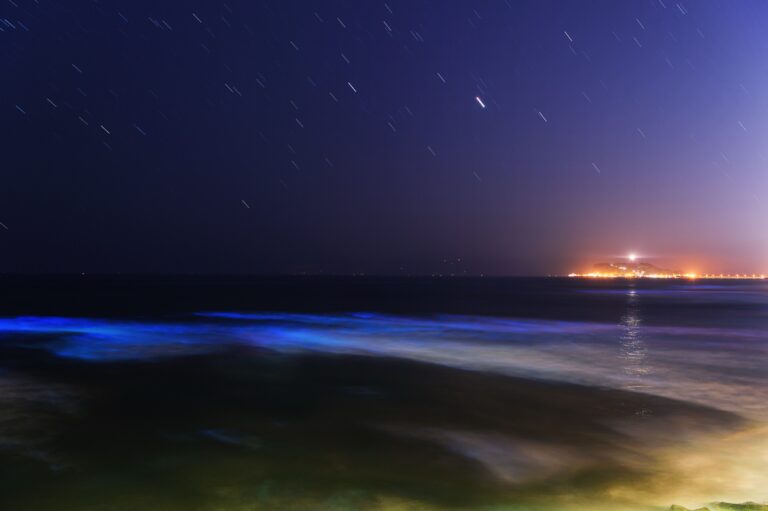
Sea sparkle is the blue glow of Noctiluca plankton, the same organism as a daytime red tide. Why it glows, whether it is safe to swim, and when and where to see it in Japan.
Weather updates and seasonal travel information across Japan.
Sea sparkle is the blue glow of Noctiluca plankton, the same organism as a daytime red tide. Why it glows, whether it is safe to swim, and when and where to see it in Japan.
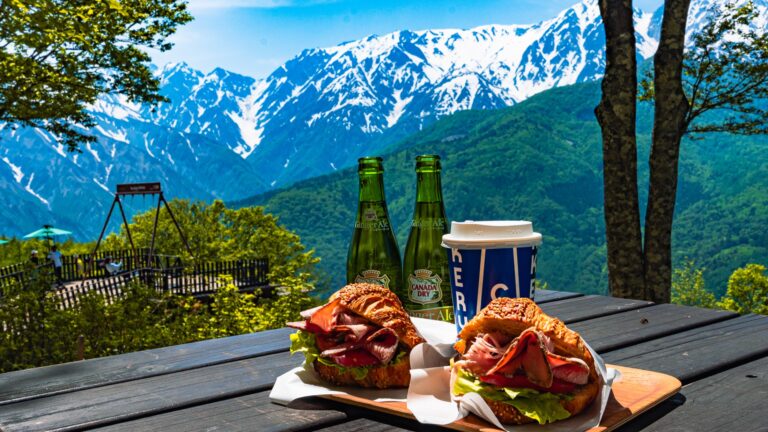
Hakuba Iwatake Mountain Resort in green season — the 1,289 m Mountain Harbor deck with The City Bakery (Hakuba Pork croissant sandwich ¥1,300), the cantilevered Yahho Deck, and the 1.5-hour Nezuko Forest loop. A first-person guide from a mid-May visit with full pricing, hours, and access.
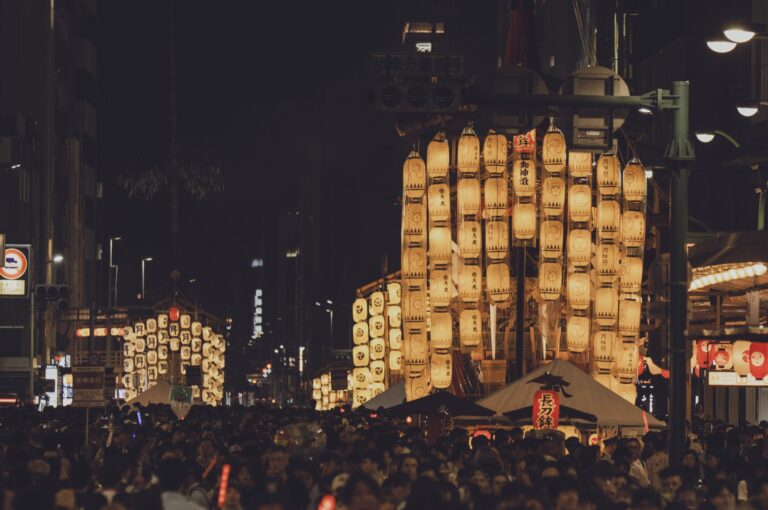
A Yoiyama night during Gion Matsuri 2024 — the Tsuki Hoko, the Naginata Hoko, the chochin lantern arcade, and the yatai food stalls that anchor the experience. Practical route, food list, and 2026 dates from a Kyoto local.
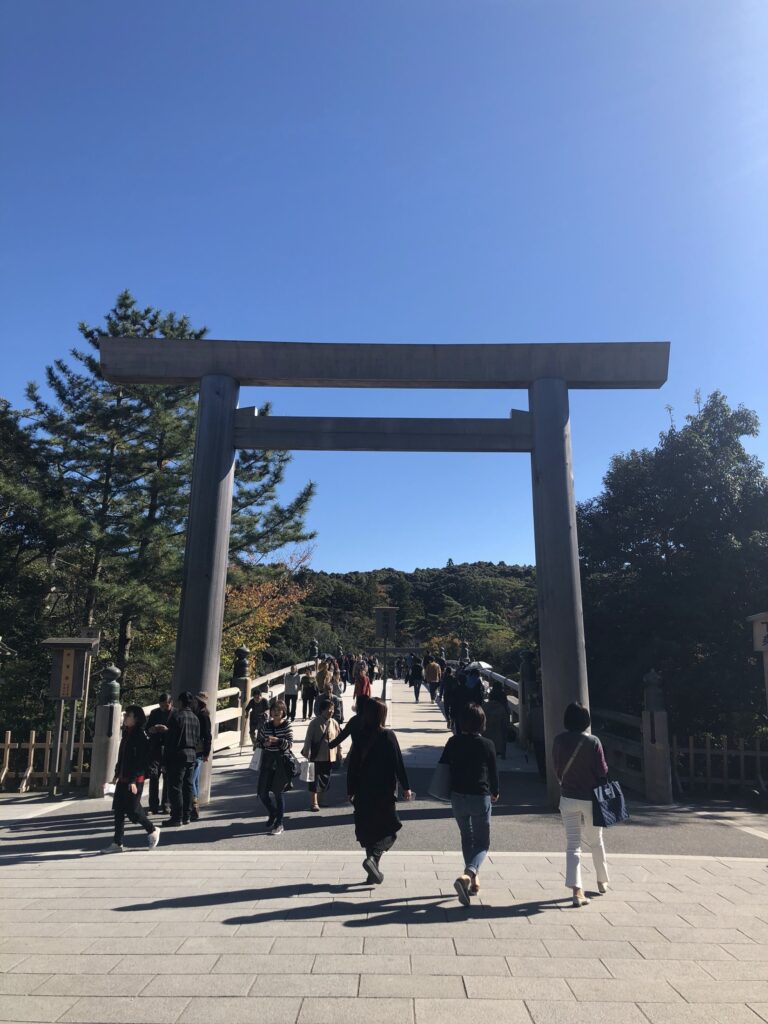
Ise Jingu in late November — pre-koyo blue skies, the vast Naiku cedar forest, the 101.8 m Uji Bridge torii, and Akafuku Honten on Oharaimachi where the same recipe has been made since 1707. A Japanese pilgrimage guide in Nobu first-person.
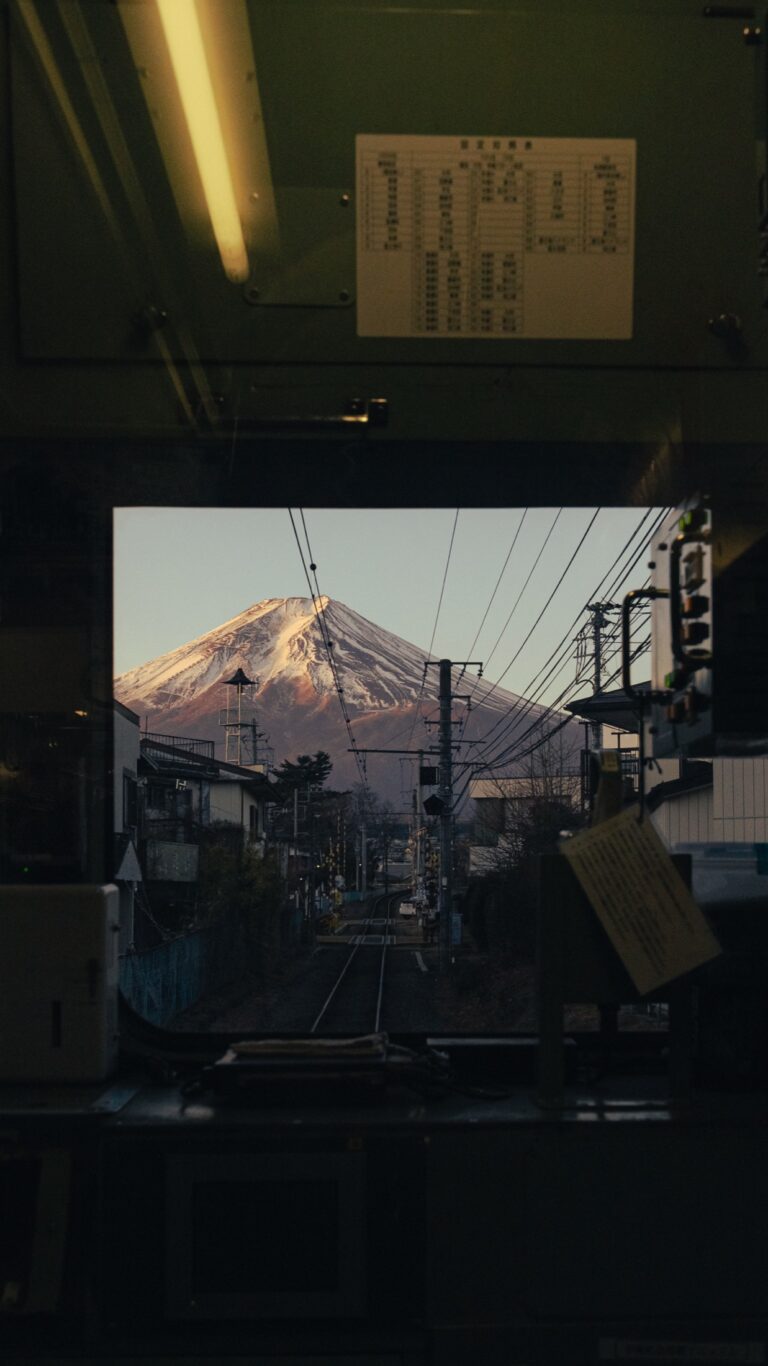
Mt Fuji glowing pink at dawn (紅富士) is catchable from the first Fujikyu Railway local trains November to February, when sunrise falls late enough that the 05:57-06:48 services run during the alpenglow window. Month-by-month table.
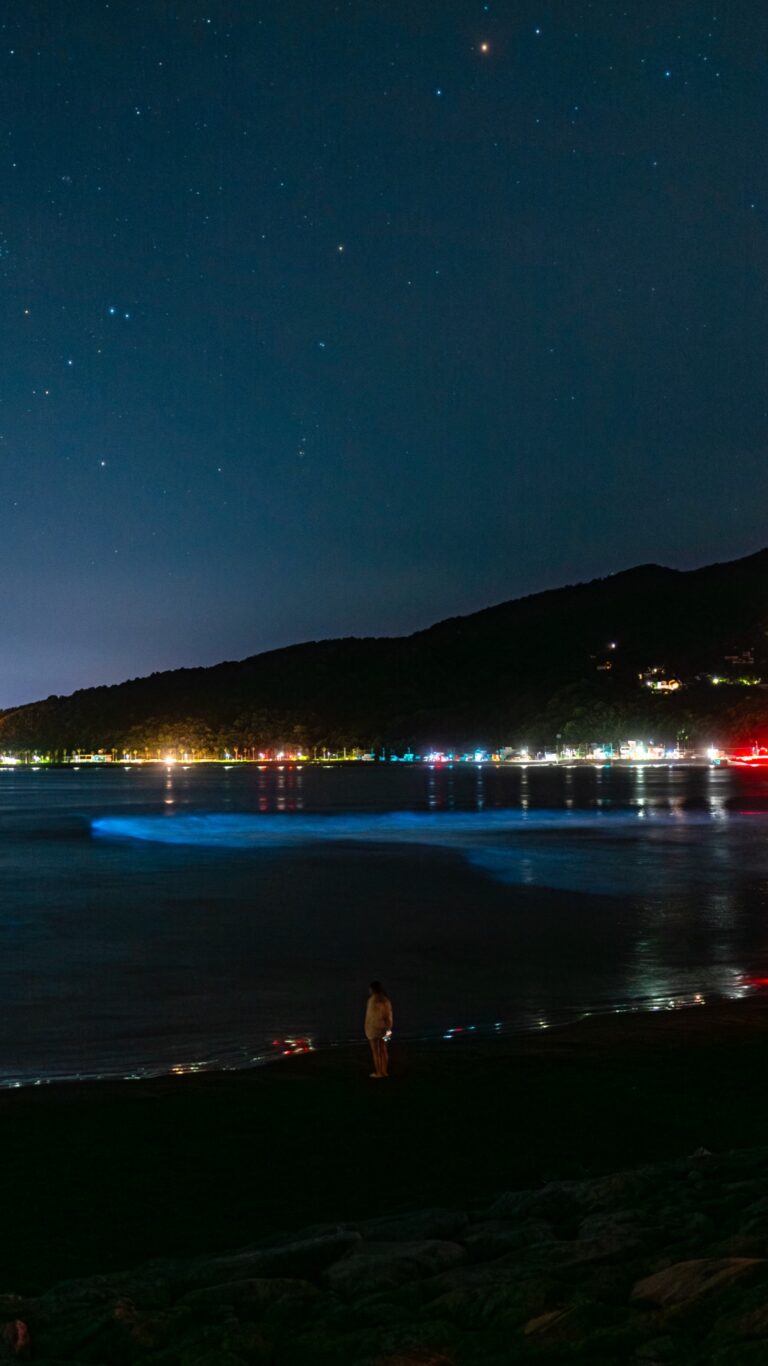
Sea sparkle (noctiluca / 夜光虫) bloomed along Japan's Pacific coast in late May 2026. Largest Kamakura event since 2017 (Yuigahama peaked ~22:00). Plus Suruga Bay, Mikawa Bay, Shōnan, Miura. Verified beach list, conditions, photography notes.
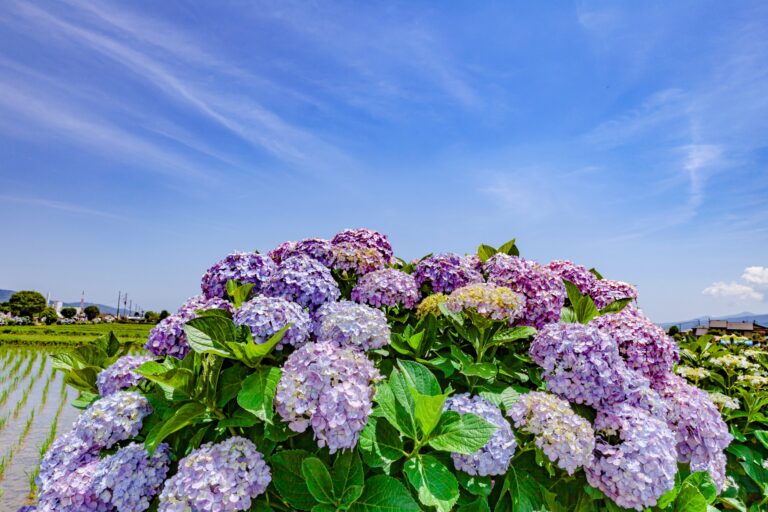
About 5,000 hydrangeas planted along 10.6 km of agricultural roads through the rice paddies of Kaisei Town in western Kanagawa. The 39th annual Ajisai Matsuri runs June 6–14, 2026. Hydrangea + paddy + Tanzawa + Fuji is a four-layer landscape that does not exist at any temple-based ajisai site.
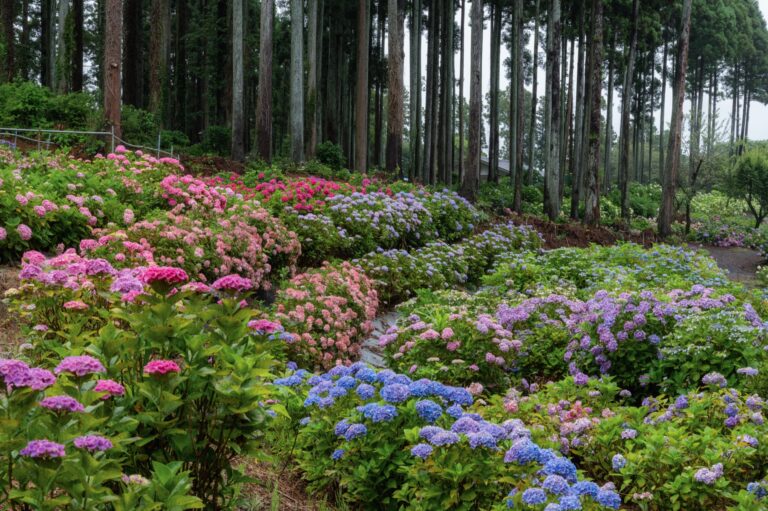
About 1,500 hydrangea varieties across 30,000 square meters of cedar-forest hillside in Northern Ibaraki — the largest variety count of any Japanese hydrangea garden, founded in 2004 by collector Yamagata-san. Admission ¥500, peak late June to mid July, almost no crowds even at peak.
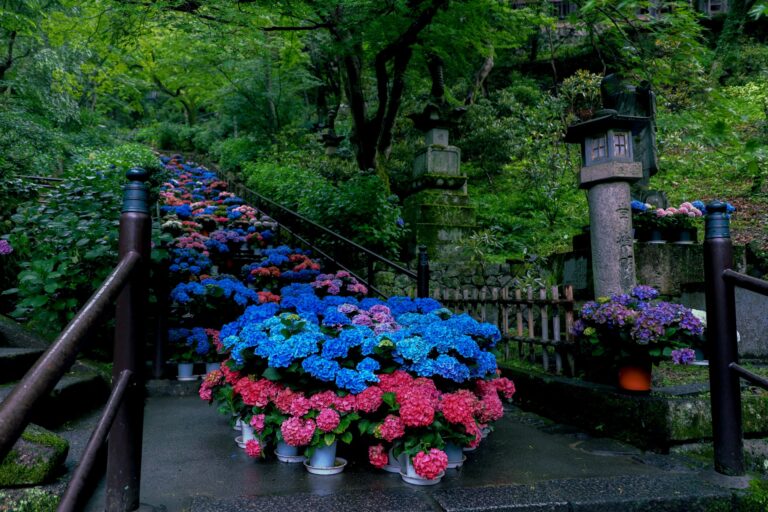
Two temples share the name Hasedera — one in Kamakura with ~2,500 plants peaking early–mid June, one in Nara with ~3,000 plants peaking late June–early July. Same name, same 8th-century origin, two completely different ajisai experiences. Visited both. Side-by-side.
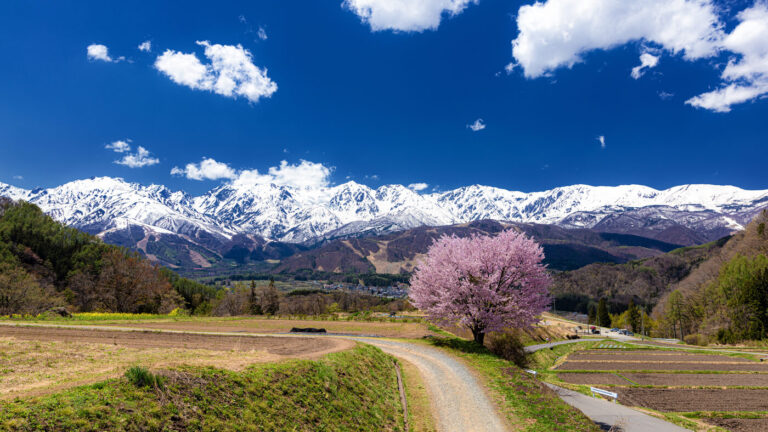
Hakuba is the only place in Japan where you can ski an Olympic course in February, swim in a glacial alpine pond in August, photograph cherry against snow peaks in April, and watch foliage burn against green forest in October. A year-round guide with all four seasons.
Field notes, weekly
One email a week. The Japan worth planning around.
Nearly every image on Hidden Japan Gems was photographed by me on a Sony α7 across five years of walking Japan; a few licensed photos fill the gaps. Please don't re-use my photos without permission — reach out if you'd like to.
For licensing, write to hello@hiddenjapan-gems.com