Old Japan · Shukuba-machi
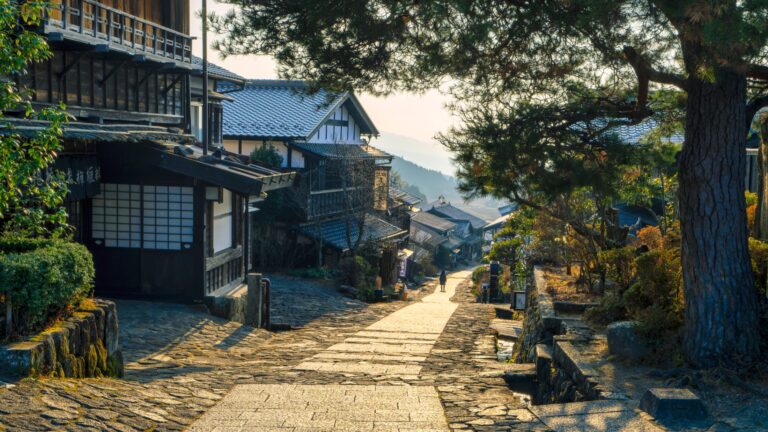
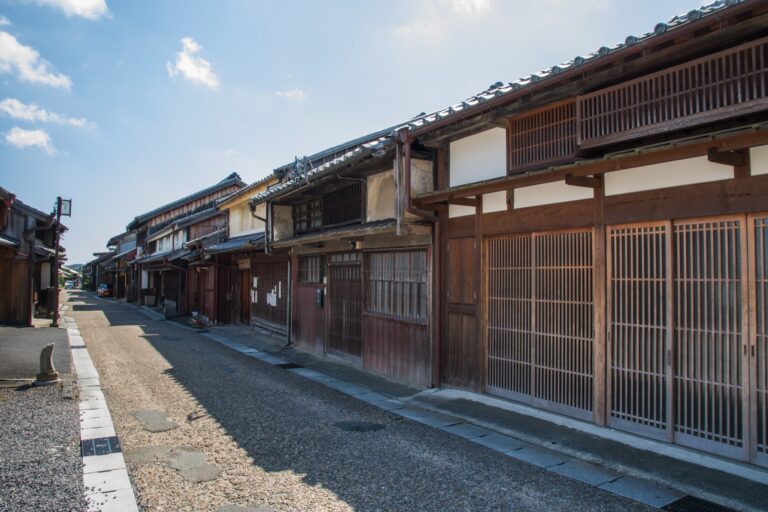
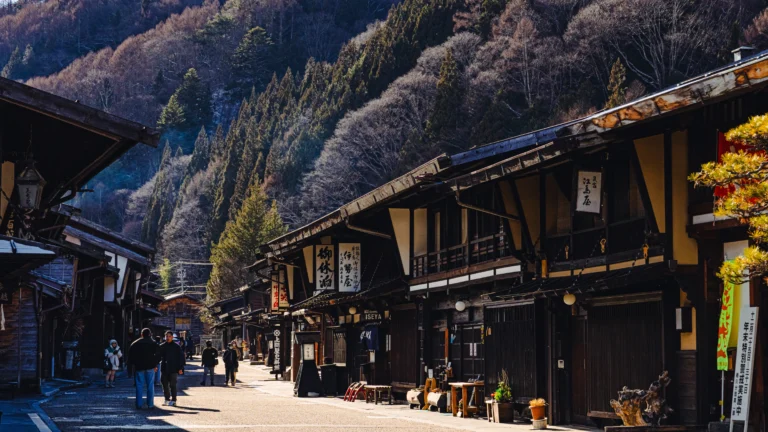
Japan’s old highways were strung with post towns — shukuba-machi — where travellers, porters and feudal lords rested and changed horses. A handful survive almost whole, and they are the closest thing to walking into an Edo woodblock print. These are the seven I send people to, from the famous Kiso Valley trio to three quiet places most visitors never reach.
I’m Nobu, and post towns are my favourite corner of Japan to explore, because they ask so little and give so much: no ticket gate, no set route, just a preserved street you walk at your own pace, ideally early or late when the day-trippers are gone. (If it is the old warrior quarters you are after instead, those are a different kind of place: see our guide to Japan’s samurai districts.) Some are on old walking trails, some sit beside running water, one became a silk village and another fed Kyoto its fish. Here’s how they compare, and how to choose.
What is a post town?
When the Tokugawa shogunate organised Japan’s highways in the early 1600s, it fixed official shukuba (post stations) at set intervals. Each had inns (hatago), an official inn for travelling lords (honjin), stables and porters. The railways killed the highways in the Meiji era, and most post towns were swallowed by modern roads — but a few were saved, and today Japan protects the best of them as national “preservation districts for groups of traditional buildings.” Walking one is the simplest way to feel how people actually moved through old Japan.
Three post towns on the mountainous Nakasendō highway, in and around the Kiso Valley — the classic introduction, and the only place where you can walk the old road between two of them.
Kiso · Gifu
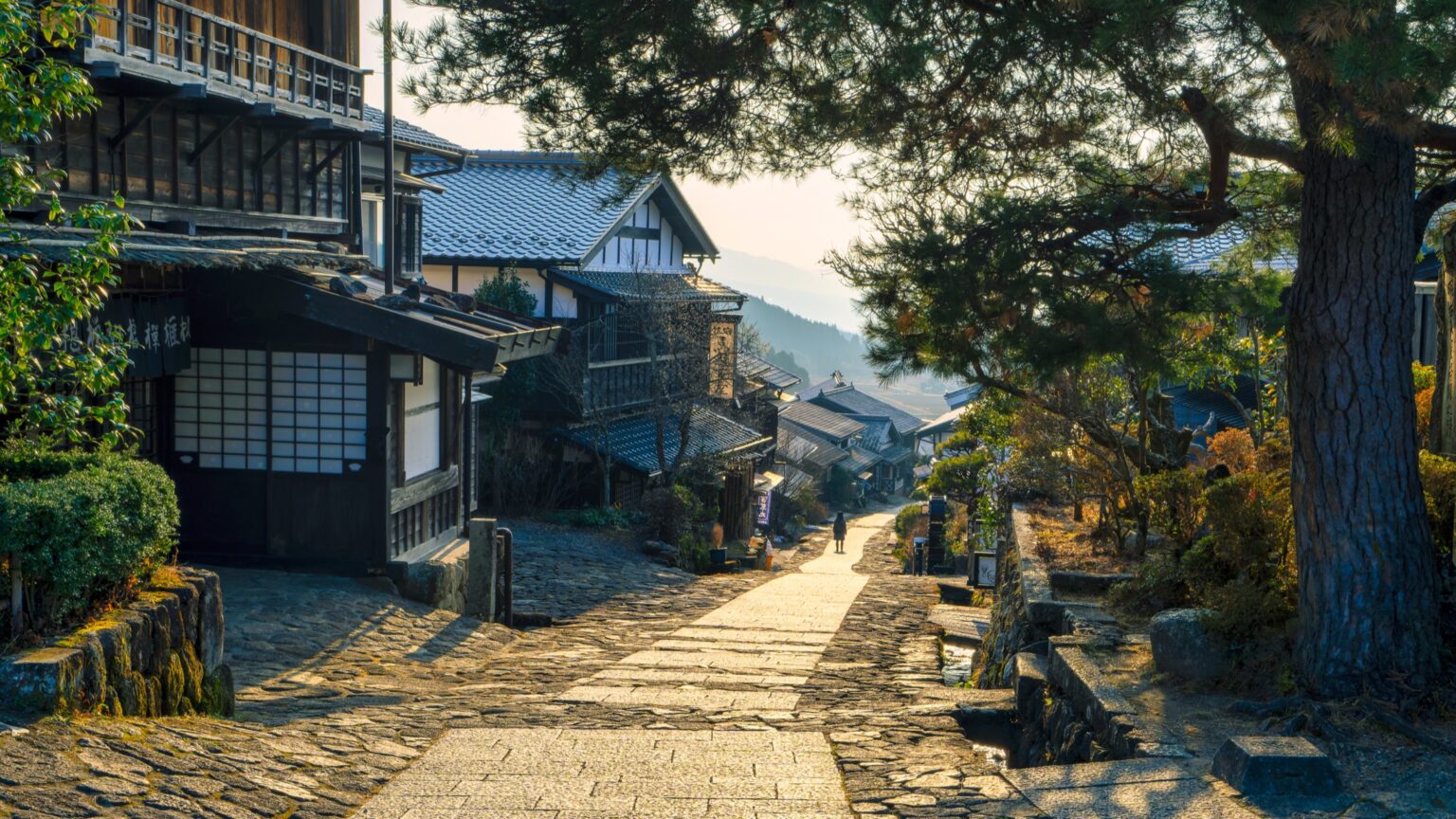
Magome-juku
A stone-paved slope of dark timber houses, and the start of the 9 km walk over the pass to Tsumago.
Read the guide →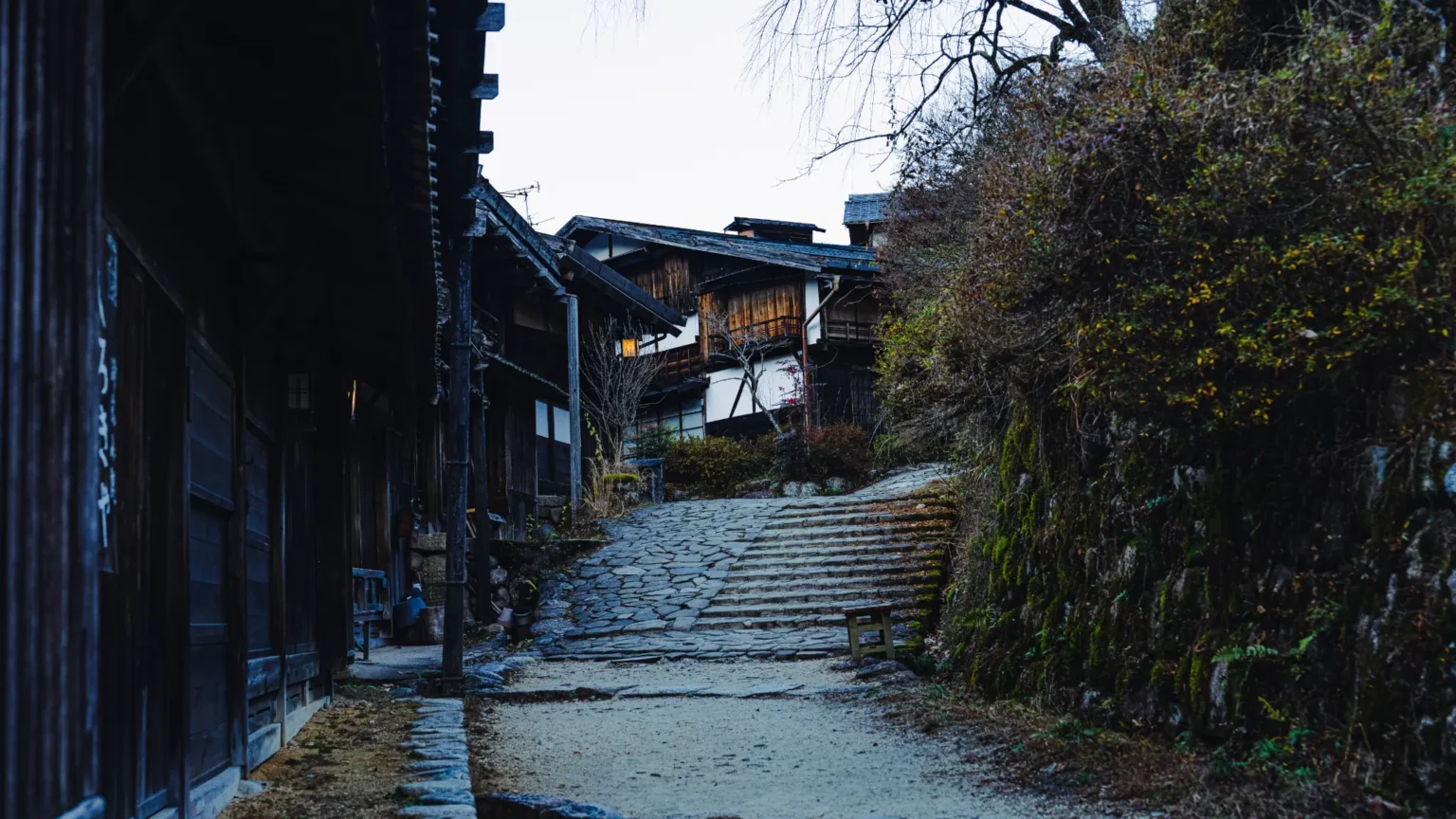
Kiso · Nagano
Tsumago-juku
Flatter, lantern-lit and one of Japan’s most strictly preserved streets — the far end of the Magome walk.
Read the guide →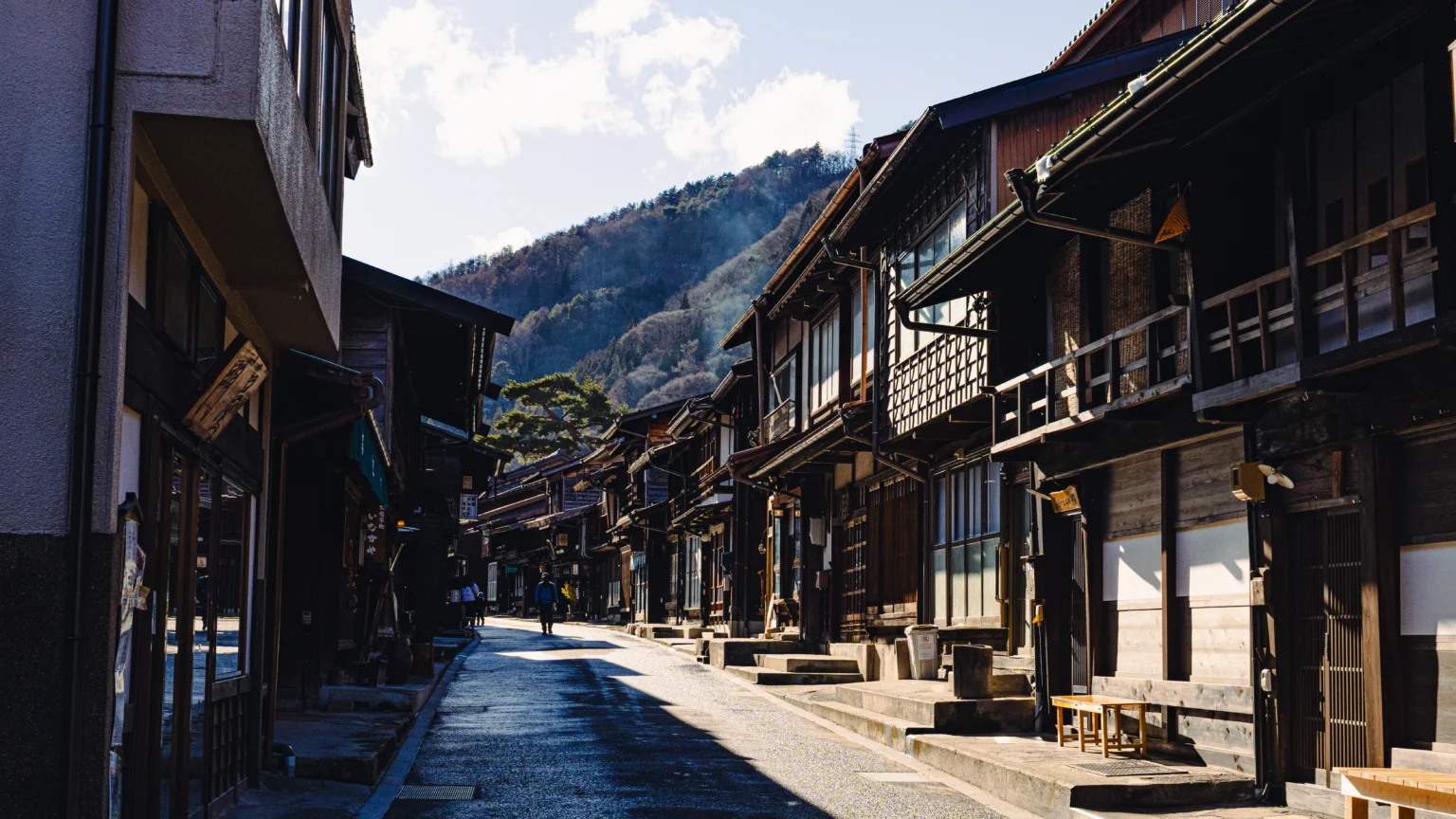
Kiso · Nagano
Narai-juku
The longest of the Kiso post towns, and the quietest — a kilometre of dark wooden facades.
Read the guide →If you only do one thing, do the Magome-to-Tsumago walk — about 9 km over the 790 m Magome Pass — or string all three into a single day with the Kiso Valley one-day itinerary.
Get past the famous trio and the post towns get quieter and more distinct — a silk village, a Tōkaidō survivor, a town built around running water, and a thatched-roof village in the far north.
Hokkoku Kaidō · Nagano
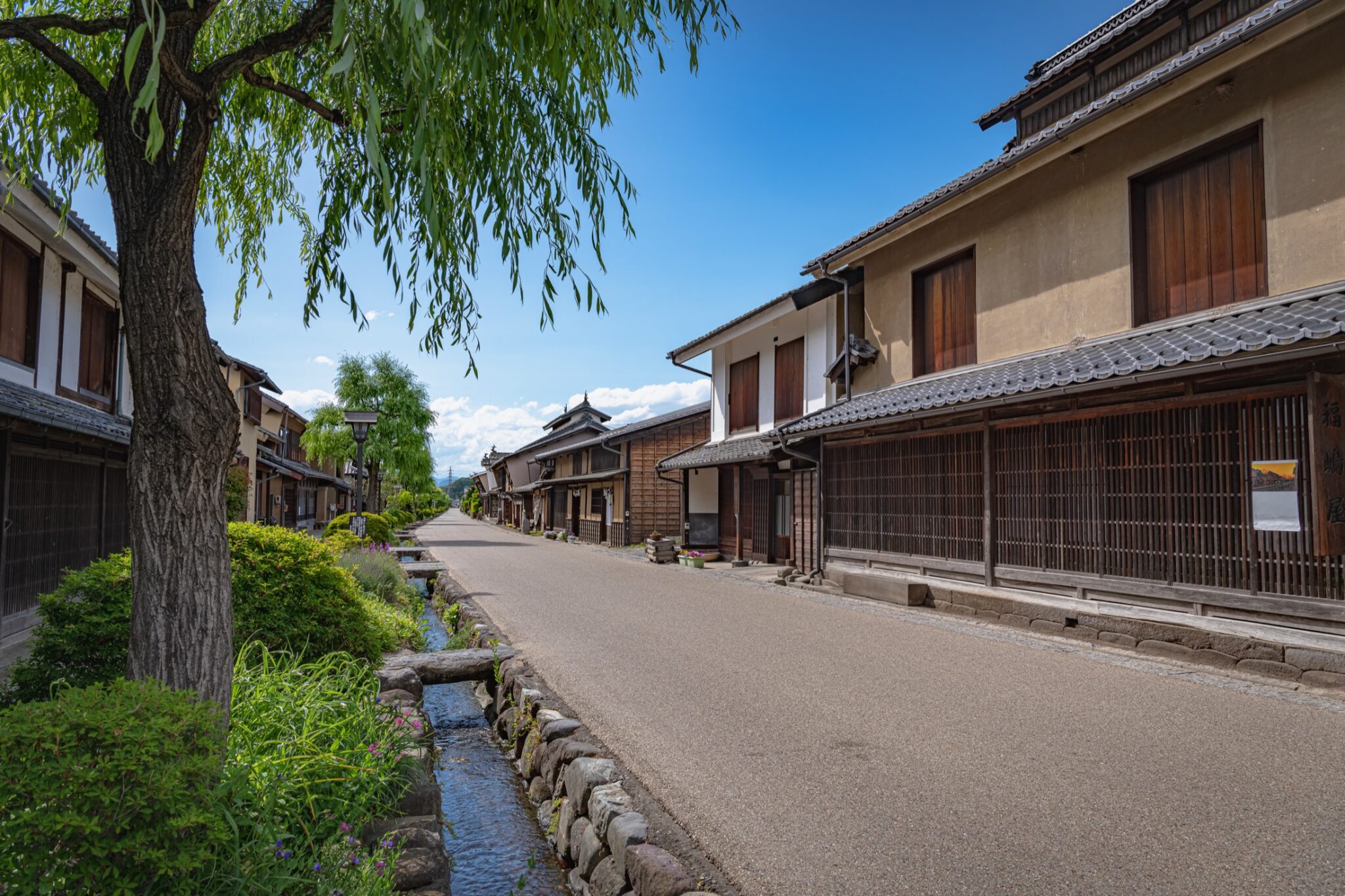
Unno-juku
A post town that reinvented itself as a Meiji silk village — two histories layered on one 650 m street.
Read the guide →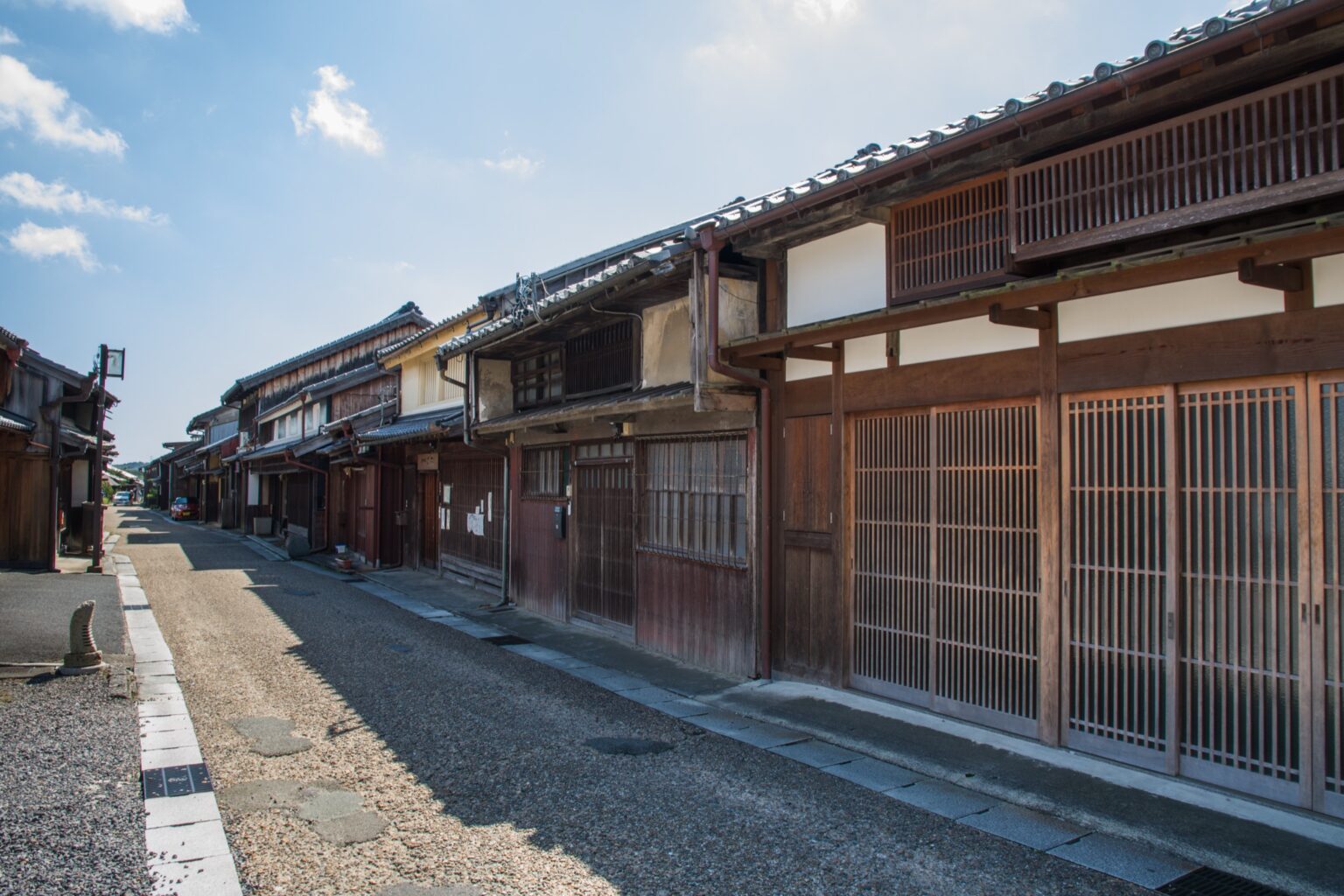
Tōkaidō · Mie
Seki-juku
Nearly 2 km of the old Tōkaidō — by the city’s own account, the only one of the 53 Tōkaidō stations whose townscape survives whole.
Read the guide →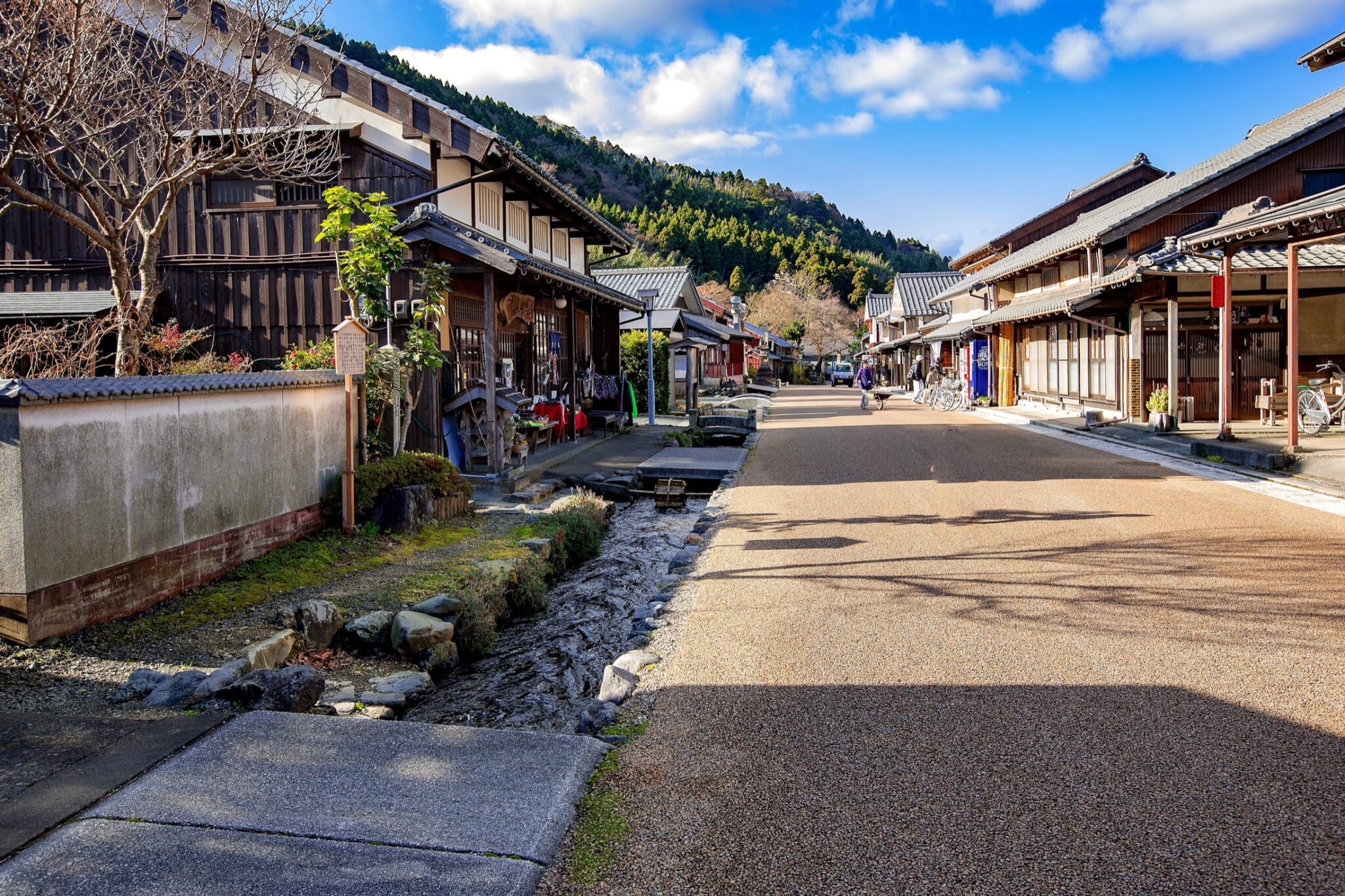
Saba Kaidō · Fukui
Kumagawa-juku
The key town on the “Mackerel Road” to Kyoto, with a clear channel of running water down the whole street.
Read the guide →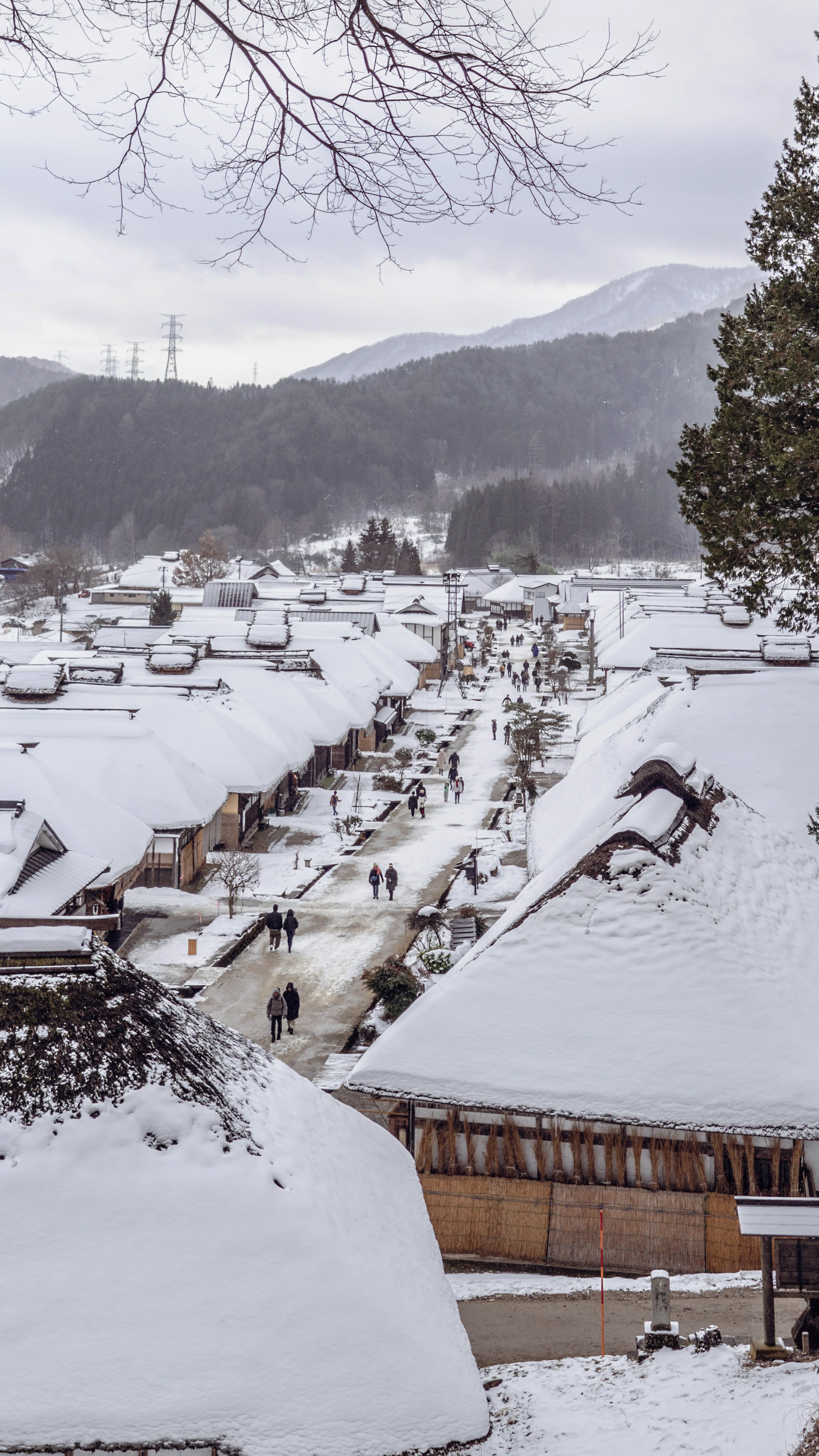
Aizu · Fukushima
Ouchi-juku
A street of thatched-roof houses in the Aizu mountains — spectacular under snow, and famous for negi soba.
Read the guide →How to choose
| If you want… | Go to |
|---|---|
| To walk the old road between two towns | Magome → Tsumago |
| The quietest, longest street | Narai-juku |
| Something unusual and layered | Unno-juku (post town + silk village) |
| The Tōkaidō, near Ise | Seki-juku |
| Running water and real remoteness | Kumagawa-juku |
| Thatched roofs and snow | Ouchi-juku |
How to visit a post town well
Come early or late
Most of these towns get a mid-day trickle of day-trippers and empty out by late afternoon. Arrive before 10am or stay past 4pm and you’ll often have the street to yourself.
They’re free — and lived-in
Walking the street costs nothing; you only pay for museums or inns. But people live in these houses, so keep to the public street and don’t photograph into homes and gardens.
Stay a night if you can
A night in or near a post town buys you the street at dawn and dusk — the difference between a nice stop and an unforgettable one.
Southeast Asia traveler tip: Post towns are outdoor, weather-exposed and light on English signs or cafés. Pick by season — snow country like Ouchi-juku and Kumagawa is magical but cold in winter; the Kiso trio and Seki are best in spring and autumn — and always check the last bus or train back, since several of these sit off the main lines.
Where to stay for a post-town trip
Find stays on Booking
From Kiso Valley minshuku to hotels near Ueda, Kameyama and the Wakasa coast.
Compare on Agoda
A second price check across the regions these towns sit in.
Tours & passes via Klook
Guided Nakasendō walks and regional day trips if you’d rather not piece the transport together.
Some links above are affiliate links — they cost you nothing extra and help keep this site going.
What is a Japanese post town (shukuba-machi)?
A post town was an official rest stop on one of Japan’s Edo-period highways, with inns, stables and porters. The best-preserved ones are now protected as national preservation districts and are free to walk.
Which post town is best for a first visit?
The Kiso Valley trio — Magome, Tsumago and Narai — is the classic introduction, and Magome and Tsumago are joined by a beautiful, easy walking trail. If you want somewhere quieter, try Unno-juku or Kumagawa-juku.
Can you walk between post towns?
Yes — the most famous walk is Magome to Tsumago, about 9 km over the Magome Pass on the old Nakasendō, roughly 2.5–3 hours. Most other towns are visited individually.
Do post towns cost money to enter?
No. The streets are public and free to walk. You only pay to go inside specific sites such as history museums, checkpoints or a hatago inn.
When is the best time to visit post towns?
Spring and autumn suit most of them. Snow-country towns like Ouchi-juku and Kumagawa are stunning in winter but cold; summer is green and quiet at altitude. Early morning and late afternoon are always best for the light and the emptiness.
Join travelers discovering Japan's hidden side
Weekly dispatches from off-the-beaten-path Japan — spots and stories you won't find in guidebooks.
No spam. Unsubscribe anytime.
Welcome aboard!
You're in. See you in your inbox soon.