Shizuoka · Atami · Wagashi
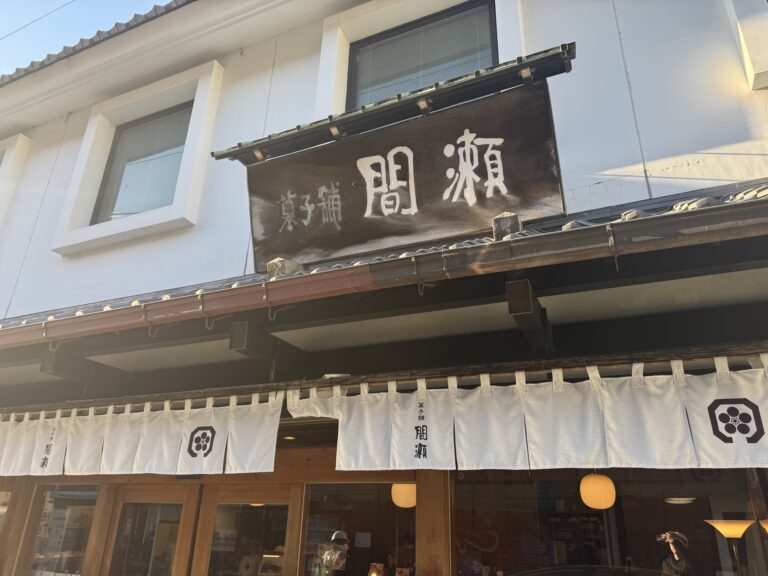
Kinomiya Kenkō Pan in Atami has “pan” — bread — in its name, but it is really a Japanese-sweets shop, and its signature is kogashi manju: a manju with mugi-kogashi, roasted-barley flour, worked into the dough for a toasty aroma and a soft, fluffy skin. It’s sold as a specialty of nearby Kinomiya Shrine, made without preservatives, from an old wood-framed shop near Kinomiya Station in Atami.
I’m Nobu, and Atami is full of sweets shops, so I look for the ones with a reason to exist. Kinomiya Kenkō Pan has one: it makes the kogashi manju tied to Kinomiya Shrine and its 2,000-year-old camphor tree, and it leans on that one honest idea — trusted ingredients, no preservatives, wagashi “that are kind to the body.” Here’s what the shop is, what kogashi manju actually is, and how to work it into a walk up to the shrine.
Bread in the name, a wagashi shop in fact
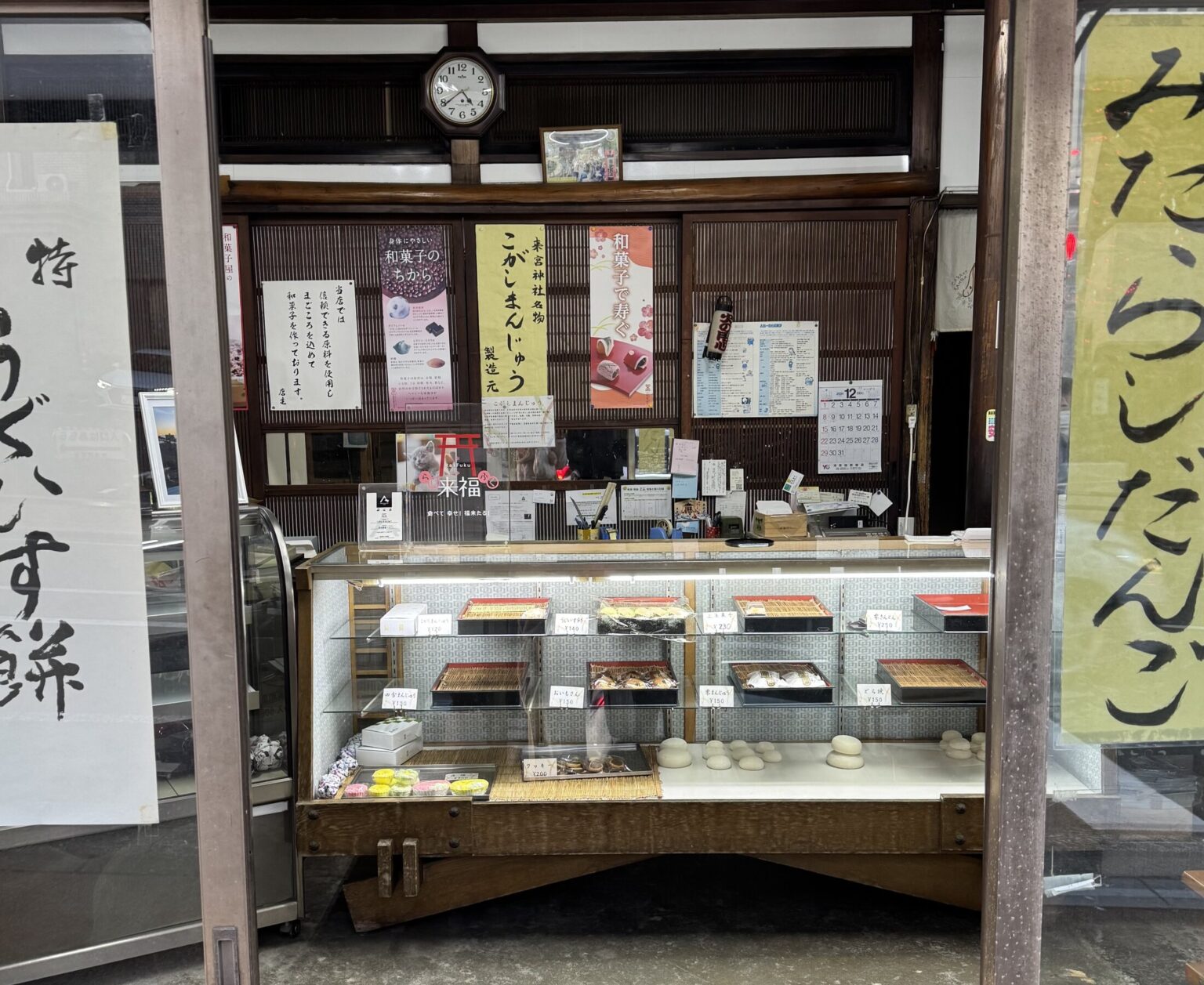
The name is the first small joke. “Kenkō Pan” sounds like a health-bread bakery, but the shop is a wagashi-ya — a Japanese-confectionery maker — and the case is full of manju, dorayaki and steamed sweets rather than loaves. Its posted philosophy is plain and a little old-fashioned: they use ingredients they can trust and make the sweets by hand, framing wagashi as something “kind to the body.” Nothing is dressed up; it’s a working neighbourhood sweets shop that happens to make one thing pilgrims come for.
What kogashi manju actually is
The “kogashi” here doesn’t mean the bun is scorched. It refers to mugi-kogashi — barley that’s been roasted and ground into a fragrant flour (you may also see it called hattaiko or kōsen). Roasting the grain first is what gives the flour its dark, toasty smell, and that aroma is worked right into the manju dough.
The flour
Mugi-kogashi is roasted, ground barley — a traditional Japanese flour prized for its nutty, toasted fragrance rather than for bulk or sweetness.
The bun
Kneaded into the manju dough, it gives the skin a toasty smell and a soft, fluffy bite around a sweet filling.
The point
It’s a regional, low-key sweet — no preservatives, tied to Kinomiya Shrine — so it’s at its best eaten soon after you buy it.
The rest of the case
Beyond the kogashi manju, the case is a proper neighbourhood-wagashi line-up: dorayaki, country-style inaka manju, sweet-potato oimo-san, the shop’s own “Rai manju,” even wagashi cookies. Prices sit in everyday territory — most single pieces run somewhere between about ¥120 and ¥290 — so it’s easy to pick up two or three kinds to compare.
Eat it fresh. Because these are made without preservatives, the manju are meant to be eaten soon after buying — this is a “fresh bun on the walk” sweet, not a keeps-for-weeks souvenir box. If you want something to carry home, ask what travels best on the day.
A stop on the way to Kinomiya Shrine
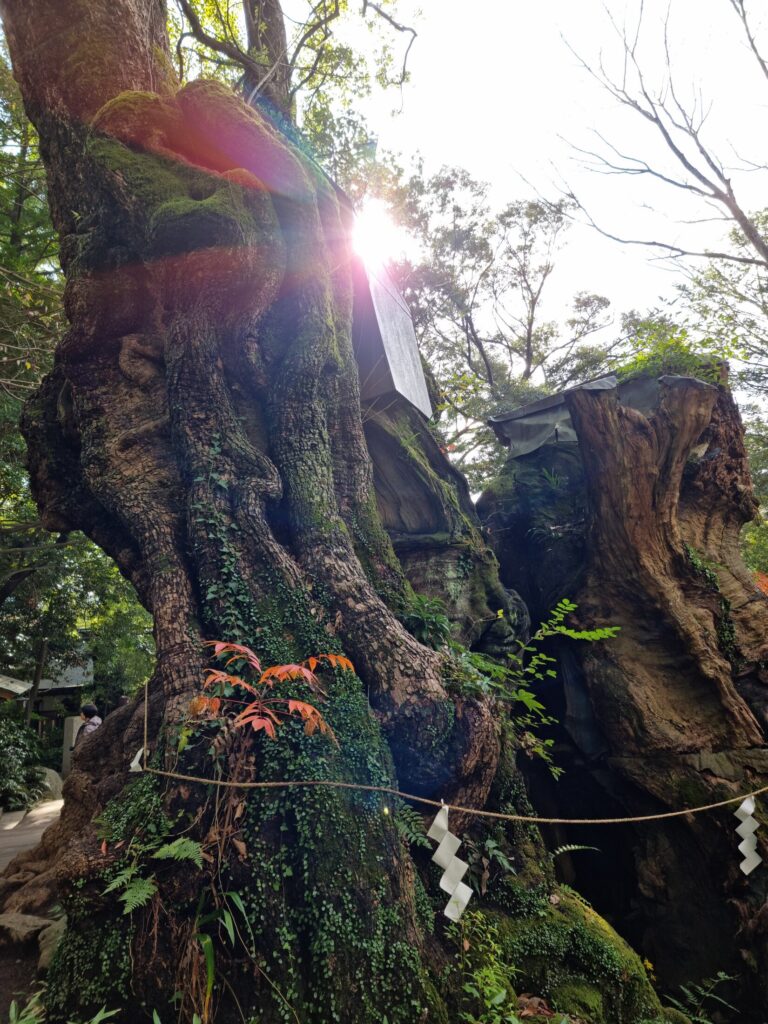
The shop sits in Atami’s Fukumichi-chō, on the hillside near Kinomiya Station, which is one stop up the line from Atami Station and the gateway to Kinomiya Shrine. The shrine’s headline sight is Ōkusu, a camphor tree said to be over 2,000 years old and a nationally designated Natural Monument. Buying a shrine-tied sweet on the way, then eating it under old trees, is a good way to do Atami slowly.
Kinomiya Shrine
Atami’s power-spot shrine and its 2,000-year-old great camphor tree, a few minutes uphill from the shop.
Kashiho Mase
Another Atami-area sweets maker, for a second, different take on local confectionery.
Atami Plum Garden
If you’re in Atami in winter, one of Japan’s early-blooming plum groves is close by.
Visitor tip: Atami is an easy day or overnight from Tokyo (about 40–50 minutes by Shinkansen), and Kinomiya is one short local stop beyond Atami Station. Treat this shop as a short detour on the shrine walk rather than a destination — buy a kogashi manju or two, and taste them against the plainer dorayaki to see what the roasted barley really adds.
Stay the night in Atami
What is kogashi manju?
It’s a manju made with mugi-kogashi, roasted-barley flour, kneaded into the dough. The roasted grain gives it a toasty aroma and a soft, fluffy skin around a sweet filling. At Kinomiya Kenkō Pan it’s sold as a specialty of Kinomiya Shrine and made without preservatives.
Why is a sweets shop called “Kenkō Pan” (health bread)?
The name is misleading in a charming way: despite “pan” (bread) in the title, it’s a Japanese-confectionery (wagashi) shop. Its listing describes it as “a wagashi shop, despite the bread in the name,” and its philosophy is wagashi that are gentle on the body, made from ingredients they trust.
What are the opening hours and closed days?
The shop is open 9:00–18:00 and closed on Wednesdays. Because the sweets are made without preservatives, they’re best eaten soon after buying rather than kept for a long time.
How do I get there?
It’s in Atami’s Fukumichi-chō, on the hillside near Kinomiya Station — one local stop from Atami Station, which is about 40–50 minutes from Tokyo by Shinkansen. From Kinomiya Station it’s a short walk, and the shop sits on the way toward Kinomiya Shrine.
What else is in the case besides kogashi manju?
A typical neighbourhood-wagashi range: dorayaki, country-style inaka manju, sweet-potato buns, the shop’s own manju and even wagashi cookies. Most single pieces sit in an everyday price band of roughly ¥120–290, so it’s easy to try a few kinds.
Another historic onsen town: Orizuru in Kinosaki Onsen — sushi and an ¥8,800 course in a heritage setting.
Join travelers discovering Japan's hidden side
Weekly dispatches from off-the-beaten-path Japan — spots and stories you won't find in guidebooks.
No spam. Unsubscribe anytime.
Welcome aboard!
You're in. See you in your inbox soon.