Intro
While most of Japan is still in winter, the plum trees in Atami are already in bloom. The Atami Plum Blossom Festival (熱海梅園梅まつり, Atami Baien Ume Matsuri) is held in a garden of 469 plum trees in the hills of this onsen town. It makes an easy day trip from Tokyo, and here is what you need to know before you go.
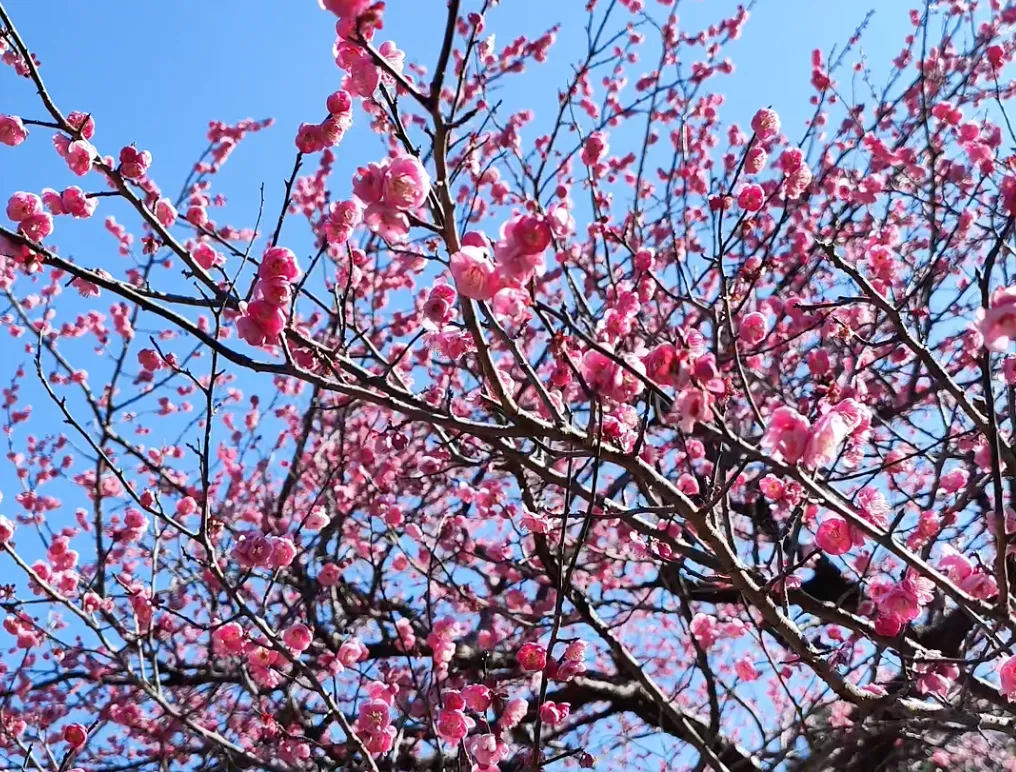
Table of Contents

Quick Facts
| Feature | Details |
| Best Time to Visit | Early to late February for peak blooms |
| Time Needed | 2-3 hours |
| Nearest Station | JR Kinomiya Station (10-min walk) |
| Price Range | ¥300 (during festival period) |
| Payment Methods | Cash |
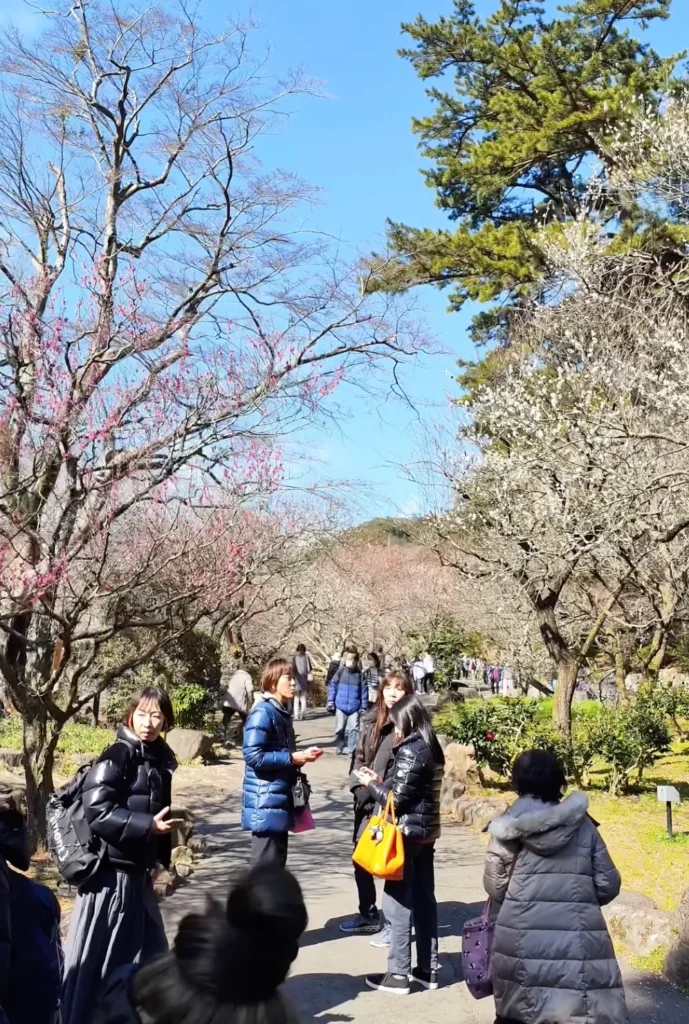
| Crowd Level | Moderate on weekdays, high on weekends |
| Accessibility | Hilly terrain with many slopes and stairs. Limited accessibility. |
An Overview of Japan’s Earliest Plum Festival
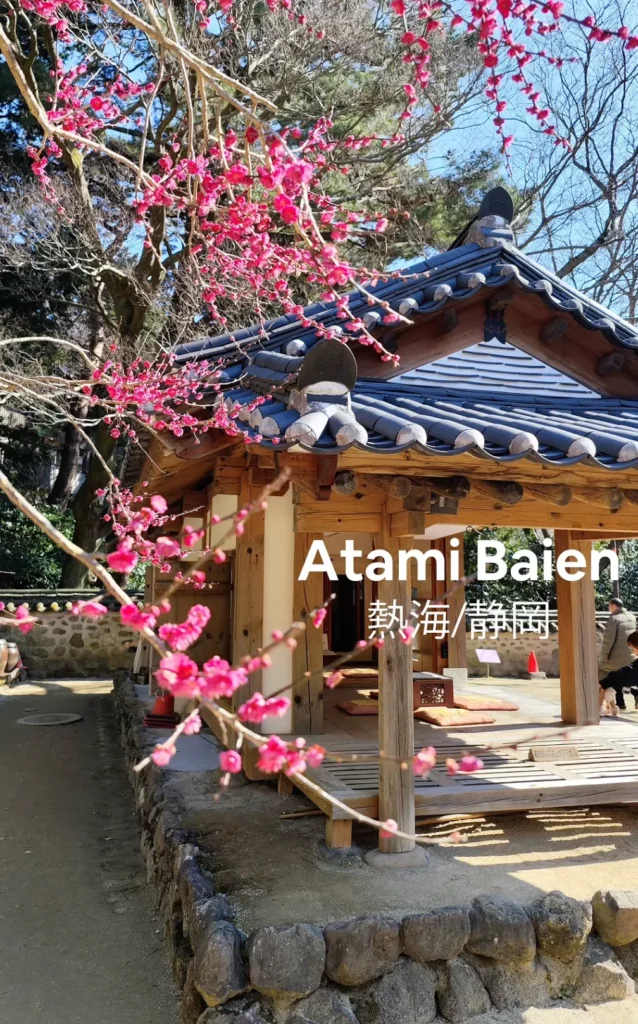
The Atami tourism association bills it as Japan’s earliest-blooming plum festival. The garden first opened in 1886 and has 60 varieties of plum trees, some over 100 years old. Atami’s mild climate means the first blossoms appear as early as late November, and the festival runs from early January to early March. For many people it is the first sign of spring, and the scent of the ume blossoms carries across the garden.
Best Time to Visit for Peak Blooms
The festival spans two months, but early to late February is when the most varieties are open at once, in white, pink, and red. The weather is usually cool and dry. Weekdays are quieter than weekends if you want fewer crowds.
How to Get to the Atami Plum Blossom Festival
Atami is easily accessible from Tokyo, making it an ideal day trip destination.
By Train:
1.From Tokyo Station: Take the Tokaido Shinkansen (Kodama) to Atami Station (approx. 45 minutes). Alternatively, the regular JR Tokaido Line takes about 1 hour and 40 minutes.
2.From Atami Station: You have two options:
•Bus: Take the Izu Hakone Bus bound for “Ainohara Danchi” (相の原団地) and get off at the “Baien” (梅園) bus stop (approx. 15 minutes).
•Train: Take the JR Ito Line one stop to Kinomiya Station (来宮駅, approx. 3 minutes). From there, it’s a pleasant 10-minute walk to the garden entrance.
By Car:
The garden has a parking lot with 100 spaces available during the festival period (8:30 AM – 4:30 PM). The fee is ¥700 for a standard car. Note that the entrance and exit are on the side of the 7-Eleven Atami Baien store.
Flying in for this? Compare fares on Trip.com — and confirm the dates before you book anything non-refundable. This blossom moves with the weather, not the calendar.
7 Must-Do Experiences at the Festival
1.Admire 60 Varieties of Plum Blossoms
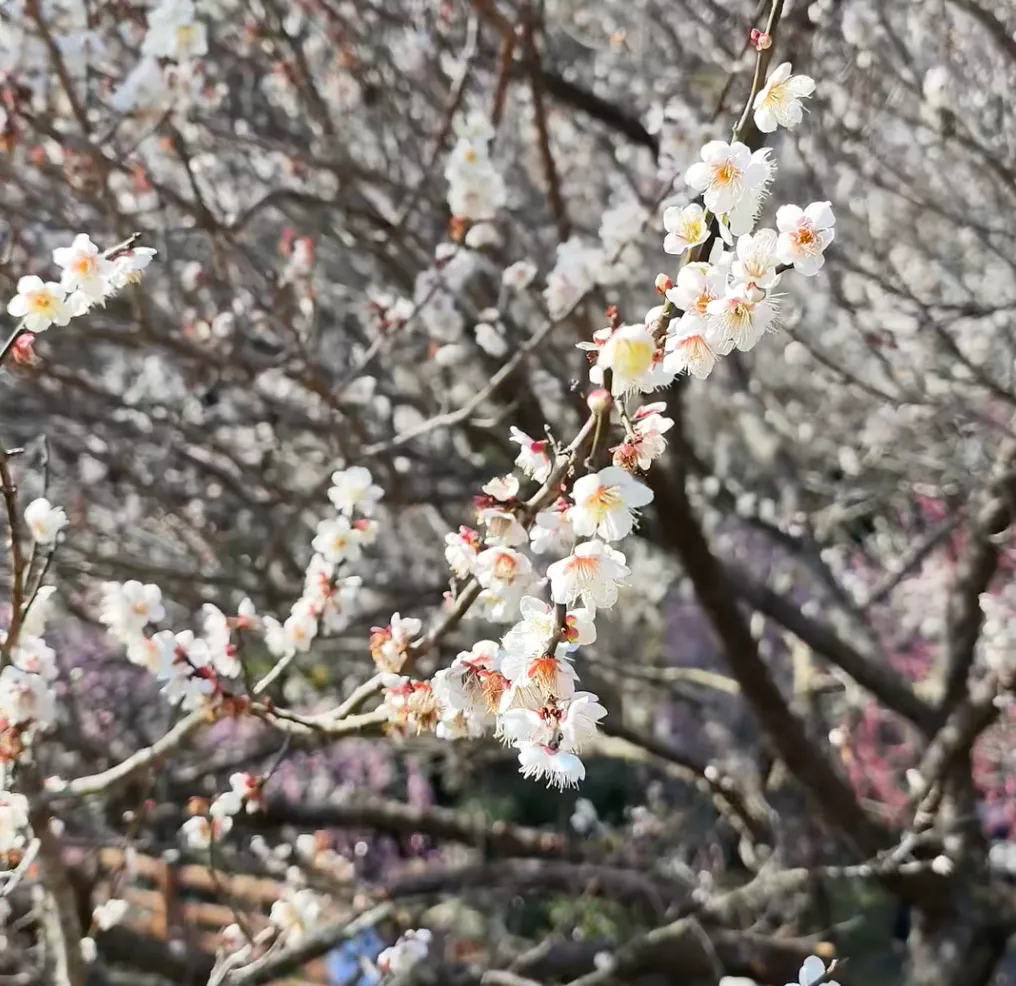
The main draw is the 469 plum trees. Take your time with the different colors, shapes, and scents of varieties like Yae-Kanko, Koshu-Yabai, and Shirataki-Shidare.
2.Cross the Five Bridges (Baien Gokyo)
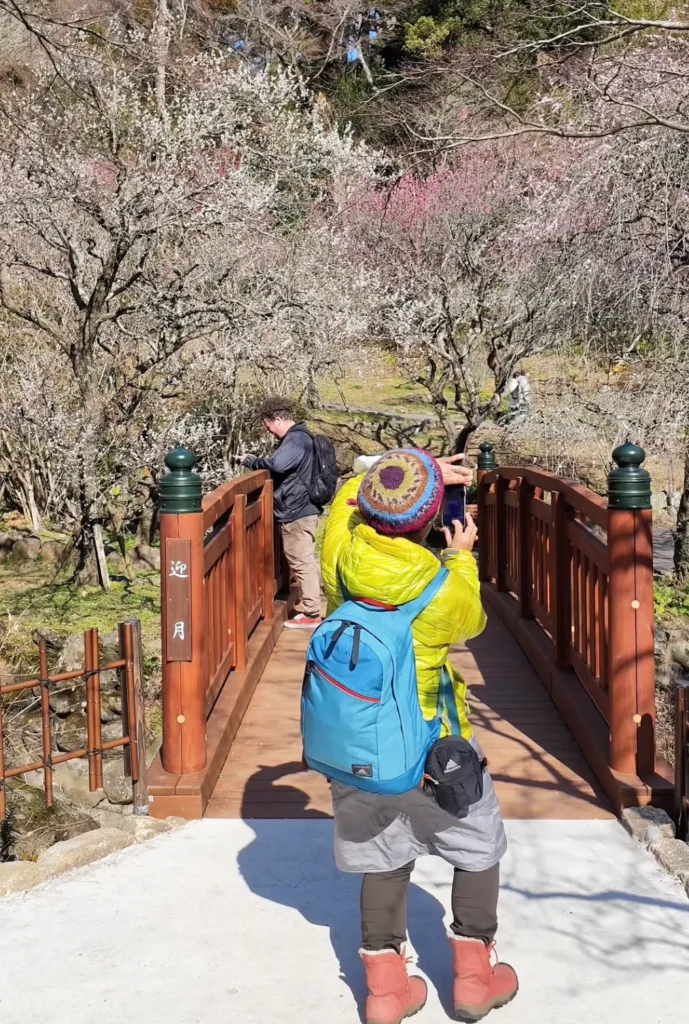
Five bridges cross the garden, each a different spot for photos. From the Zanka-bashi and Kofu-bashi bridges you can see the blossoms reflected in the stream below.
3.Soak Your Feet in the Ashiyu Foot Bath
After walking the hilly garden, the free ashiyu (foot bath) is a good place to rest your feet. It only runs during the plum and autumn foliage festivals.
4.Enjoy Live Performances
On weekends and holidays, the festival comes alive with various events. Check the schedule for traditional performances by Atami geishas, lively street performances (daidogei), and music shows.
5.Sip on Free Amazake
Warm up with a complimentary cup of amazake, a sweet, non-alcoholic fermented rice drink, often handed out on specific days during the festival.
6.Visit the Korean Garden
This corner of the park is a Korean garden, landscaped in a distinct style to commemorate Japan–Korea friendship ties.
7.Explore the Souvenir Shops
Browse the temporary stalls selling local products, plum-themed souvenirs, and snacks. It’s a great place to find a unique memento of your visit.
Practical Tips for Your Visit
•Wear Comfortable Shoes: The garden is set on a hillside with many slopes, stairs, and unpaved paths. Sturdy, comfortable walking shoes are a must.
•Dress in Layers: The weather in February can be unpredictable. Dress in warm layers that you can easily remove if the sun comes out.
•Bring a Towel: If you plan to use the foot bath, bring a small towel to dry your feet.
•Check the Bloom Status: Before you go, check the official Atami tourism website for the latest information on the plum blossom status to ensure you visit at the best time.
•Arrive Early: To avoid the biggest crowds, especially on weekends, try to arrive shortly after the garden opens at 8:30 AM.
Where to Stay Near Atami Baien
Atami is a hot spring resort with plenty of places to stay. For easy access to the festival, look near Atami Station or Kinomiya Station. Staying overnight also lets you use the onsen and eat the local seafood.

Book ahead for sakura season: browse cherry blossom season tours and passes on Klook — spring slots fill weeks out.
Suggested Half-Day Itinerary
•9:00 AM: Arrive at Atami Baien. Spend 2-3 hours exploring the gardens, taking photos, and enjoying the foot bath.
•12:00 PM: Walk to the nearby Kinomiya Shrine (about a 10-minute walk), home to a sacred camphor tree said to be over 2,000 years old.
•1:00 PM: Take the train or bus back to Atami Station for lunch. Enjoy a fresh seafood bowl (kaisendon) at one of the restaurants in the station building or the nearby shopping arcades.
•2:30 PM: Stroll along the Atami Sun Beach and see the statue of Kan’ichi and Omiya before heading back.
Frequently Asked Questions
When is the Atami Plum Blossom Festival held?
The festival typically runs from early January to early March — the 2026 edition ran January 10 to March 8, and 2027 dates are announced by the Atami tourism association in autumn.
What are the festival hours and admission fees?
The garden is open from 8:30 AM to 4:00 PM. During the festival, admission is ¥300 for adults. It is free for junior high school students and younger.
When is the peak viewing season?
The peak viewing season is typically from early to late February when the most varieties are in full bloom.
Is the garden accessible for wheelchairs or strollers?
Due to the steep, hilly terrain and many stairs, the garden is not easily accessible for wheelchairs or strollers.
Can I bring my pet?
Pets are generally allowed in the garden, but they must be kept on a leash.
Are there food and drink options inside the garden?
Yes, during the festival, there are food stalls and souvenir shops, and a foot bath is also available.
If you are in Japan in winter and want an early taste of spring, Atami’s plum garden is worth the trip. It is billed as the country’s earliest plum festival, it is an easy day from Tokyo, and the trees start blooming when little else does.
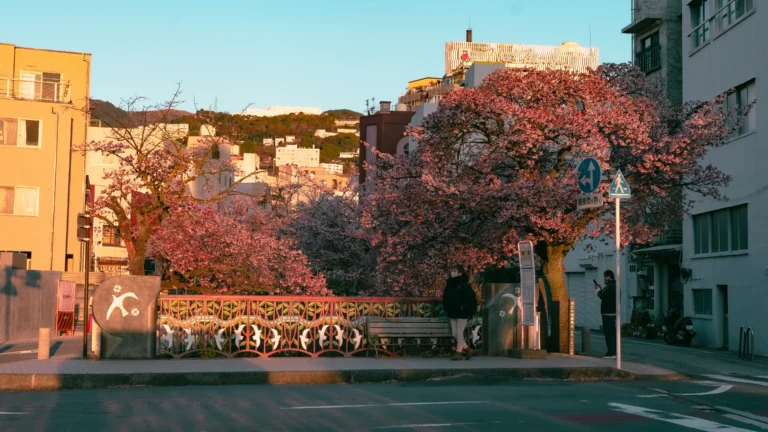
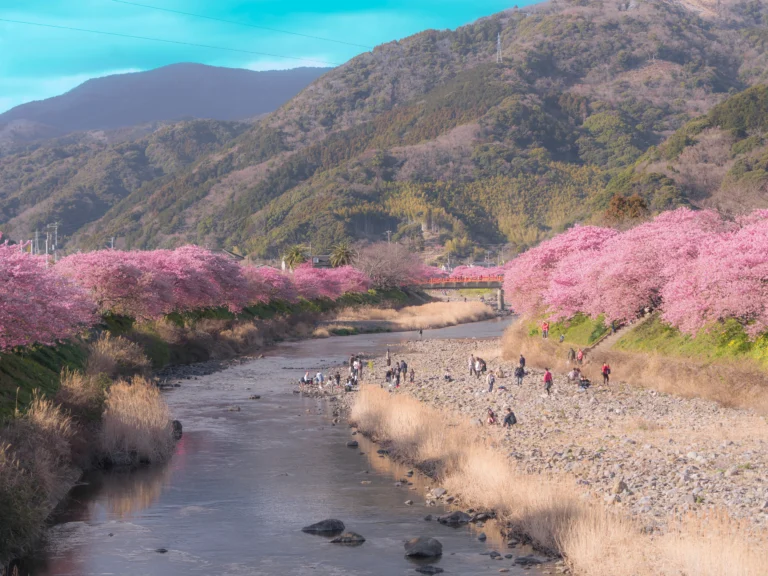
Atami’s other early-spring draw is its cherries: see the Atami Sakura along the Itokawa Promenade, one of Japan’s earliest-blooming cherry varieties, lighting up the river from January.
Kinomiya Shrine, Atami
Up the hill: Kinomiya Shrine and its giant camphor.
Join travelers discovering Japan's hidden side
Weekly dispatches from off-the-beaten-path Japan — spots and stories you won't find in guidebooks.
No spam. Unsubscribe anytime.
Welcome aboard!
You're in. See you in your inbox soon.