
Shizuoka · Atami · Power Spot
Kinomiya Shrine in Atami is built around a camphor tree the shrine dates to more than 2,000 years old — a National Natural Monument once ranked Japan’s second-largest tree, with a trunk about 24 metres around. Local lore says that walking once around it adds a year to your life, or grants a wish if you keep it to yourself. The grounds are free and open around the clock, the great tree is floodlit every evening, and it’s a five-minute walk from Kinomiya Station, one stop from Atami.
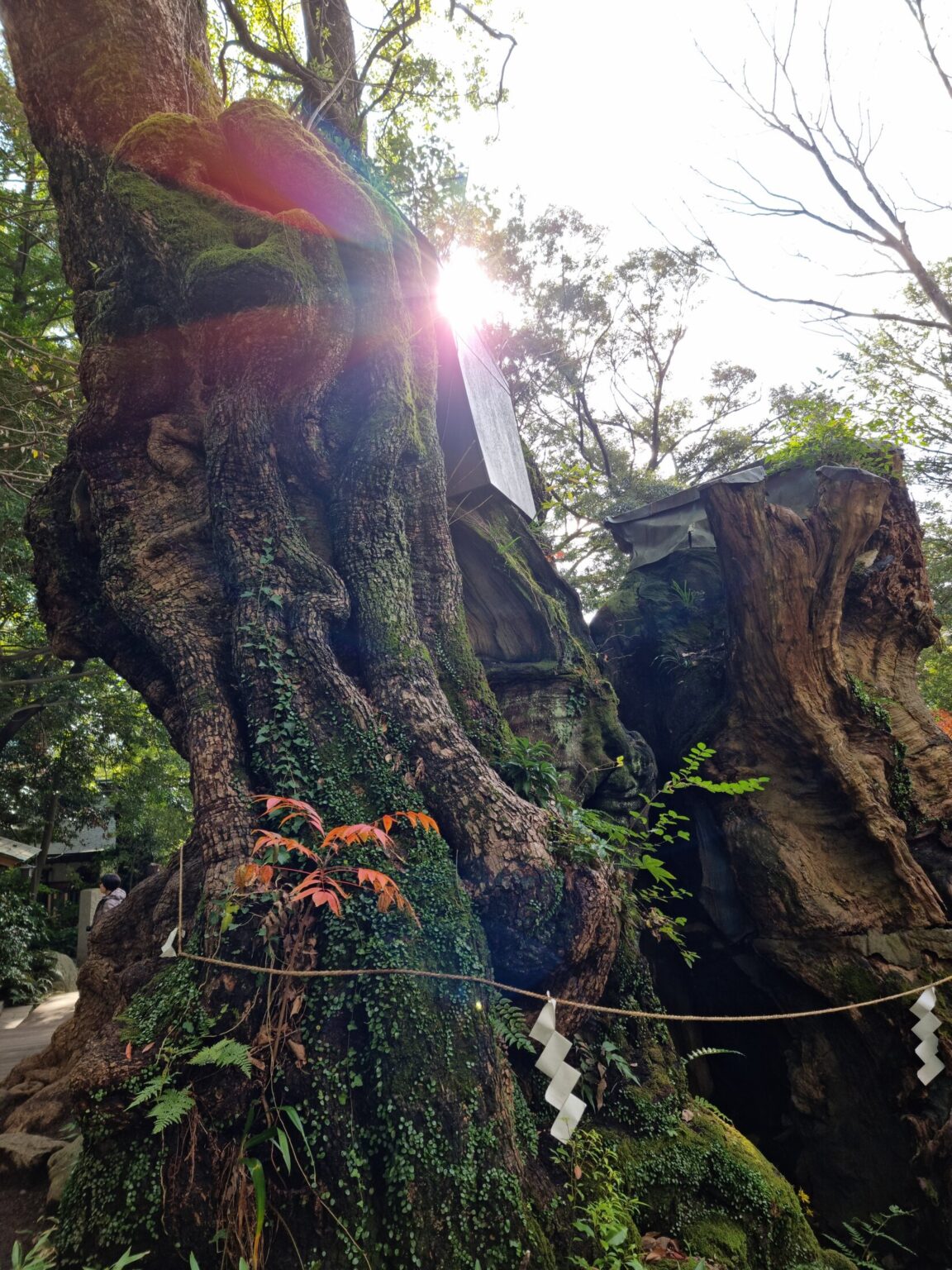
The great camphor
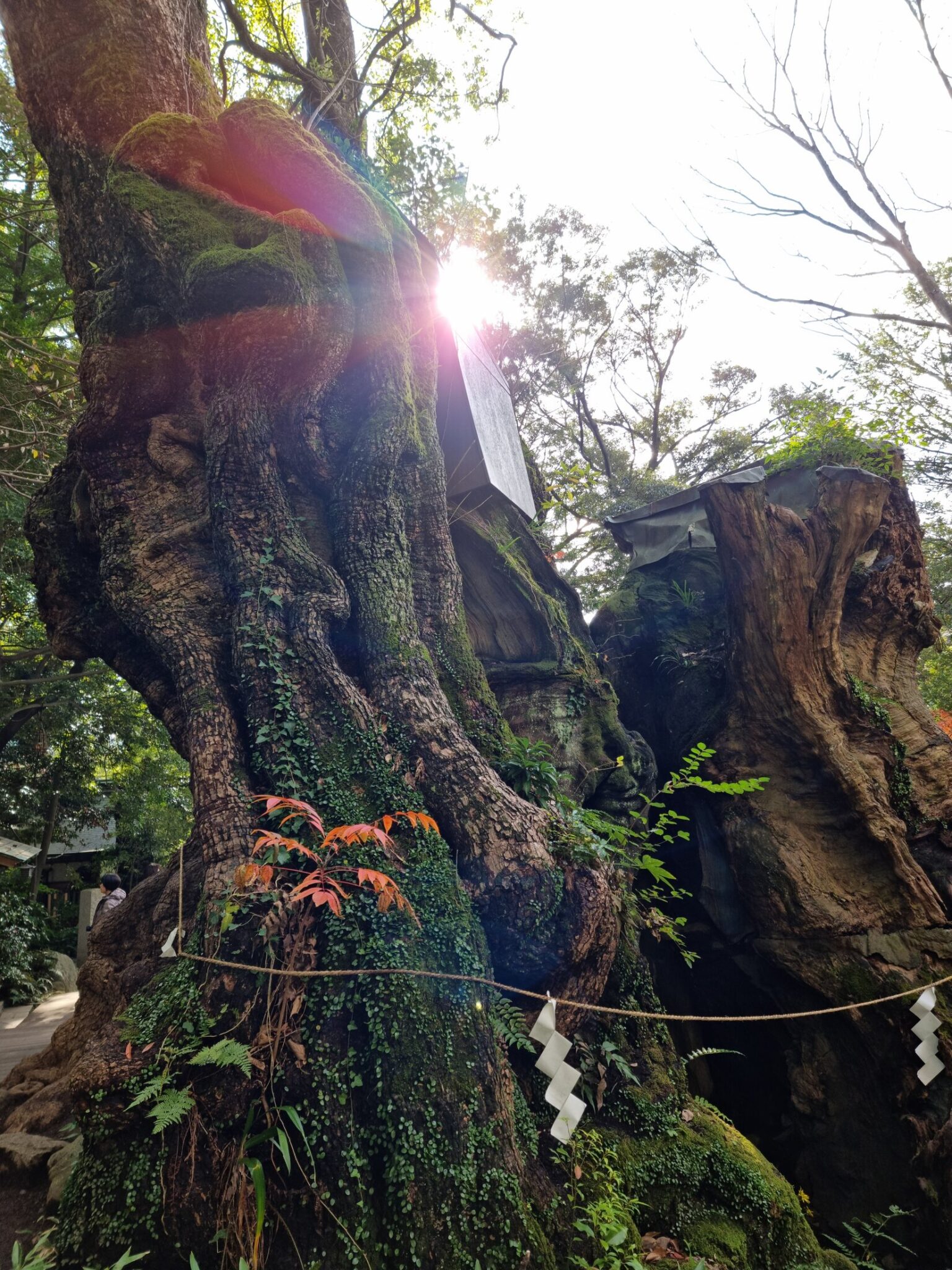
The shrine enshrines Isotakeru-no-Mikoto and is the head of 44 Kinomiya shrines around the country, but the heart of the place is the Ōkusu, the great camphor behind the hall. The shrine dates it to over 2,000 years (its own tree page says 2,100-plus) — a figure to take as tradition rather than a lab measurement, but the scale is real: the trunk is about 24 metres around. It was made a National Natural Monument in 1933, registered under the shrine’s old name, Azusawake-jinja, and a Ministry of the Environment survey once ranked it Japan’s second-largest tree — one of the country’s “three great camphors” alongside Gamō in Kagoshima and Takeo in Saga.
Two pieces of lore draw people to walk it: circle the trunk once and you’re said to gain a year of life; circle it once holding a wish in your heart, telling no one, and the wish is said to come together. I did a slow lap — it’s a quiet, oddly moving few minutes with your hand near 2,000 years of bark. Across the path stands a second great camphor, its trunk hollowed out by a lightning strike long ago yet still very much alive and green.
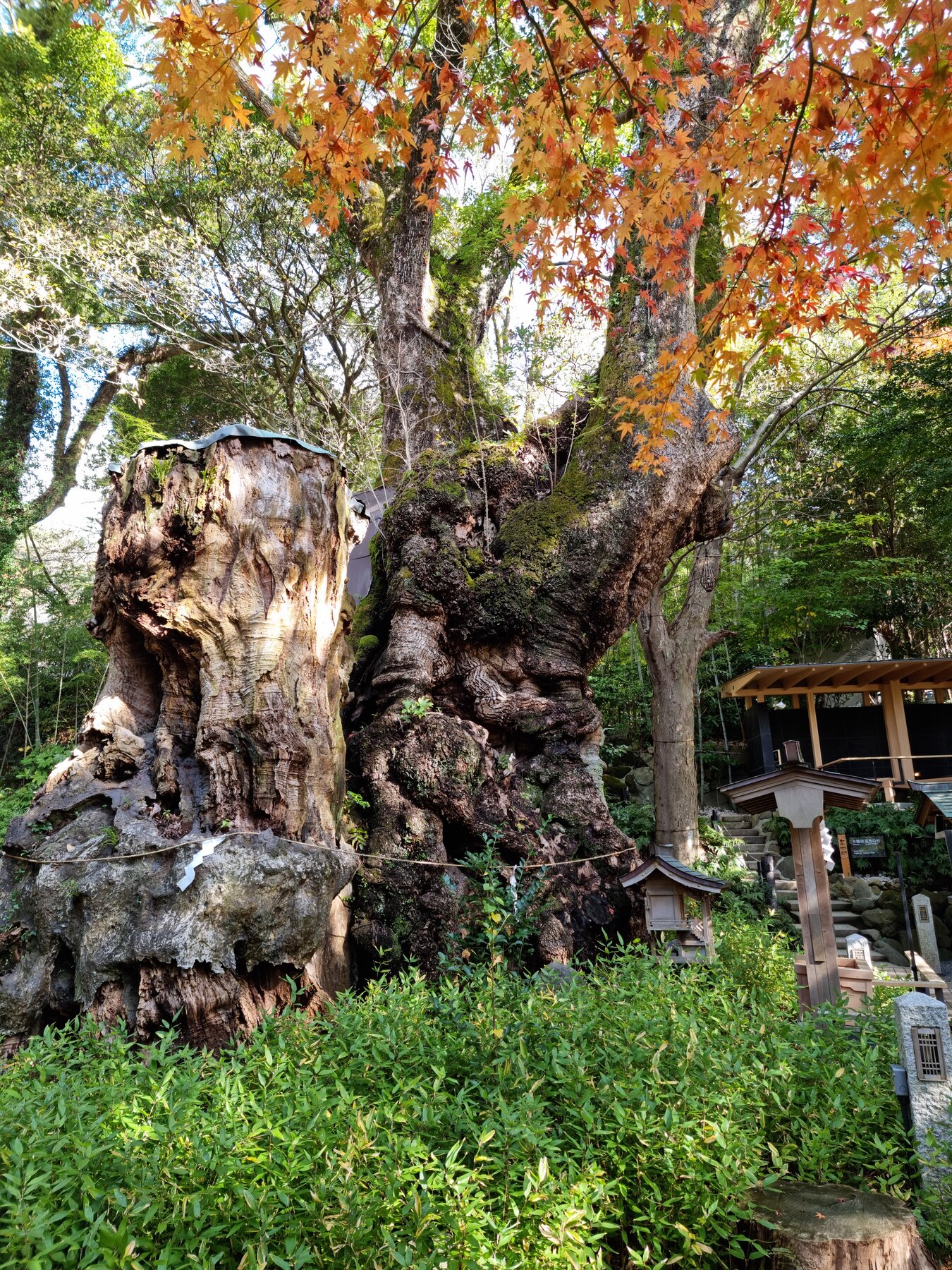
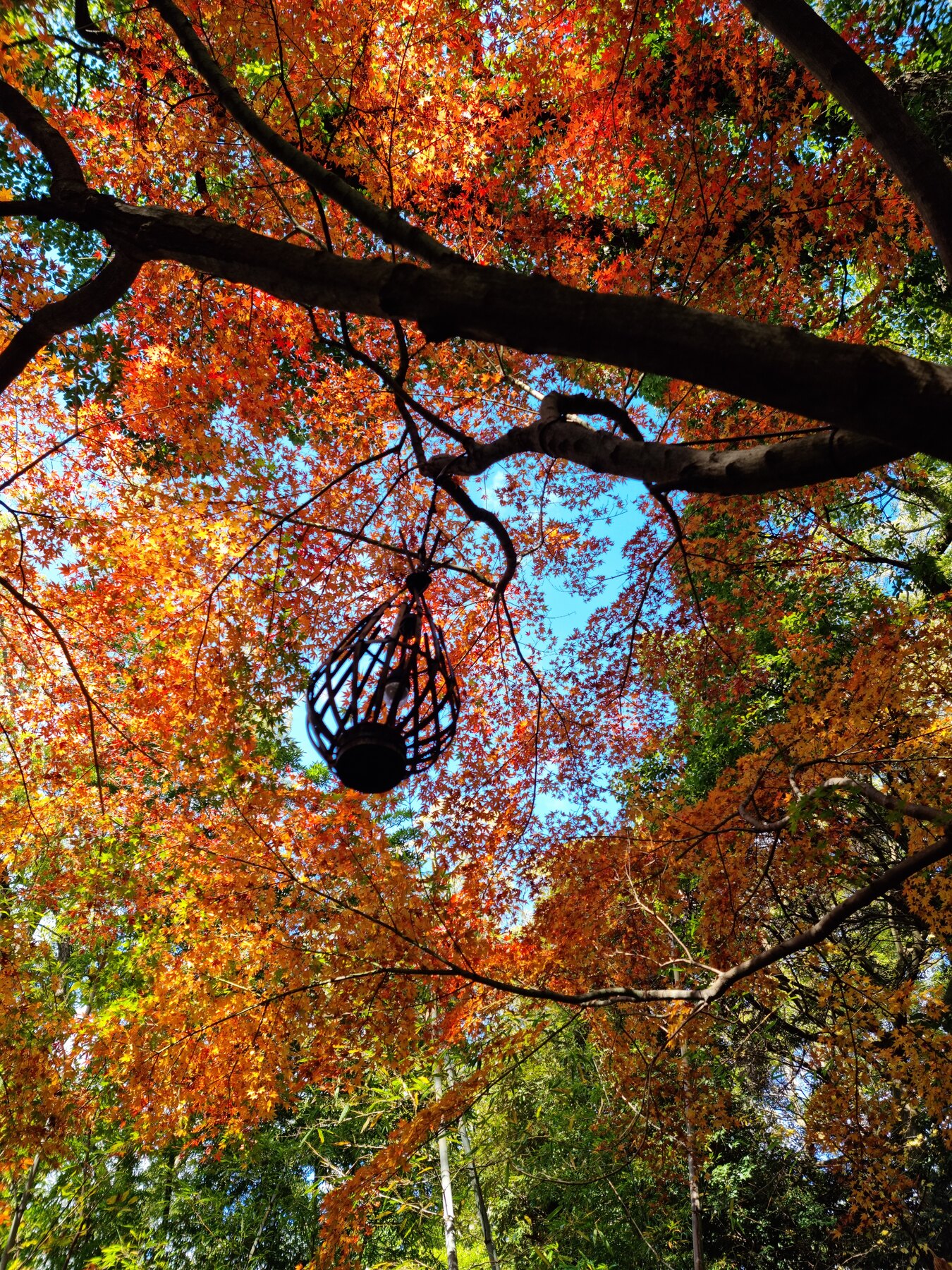
More than the tree: torii, tea and night light
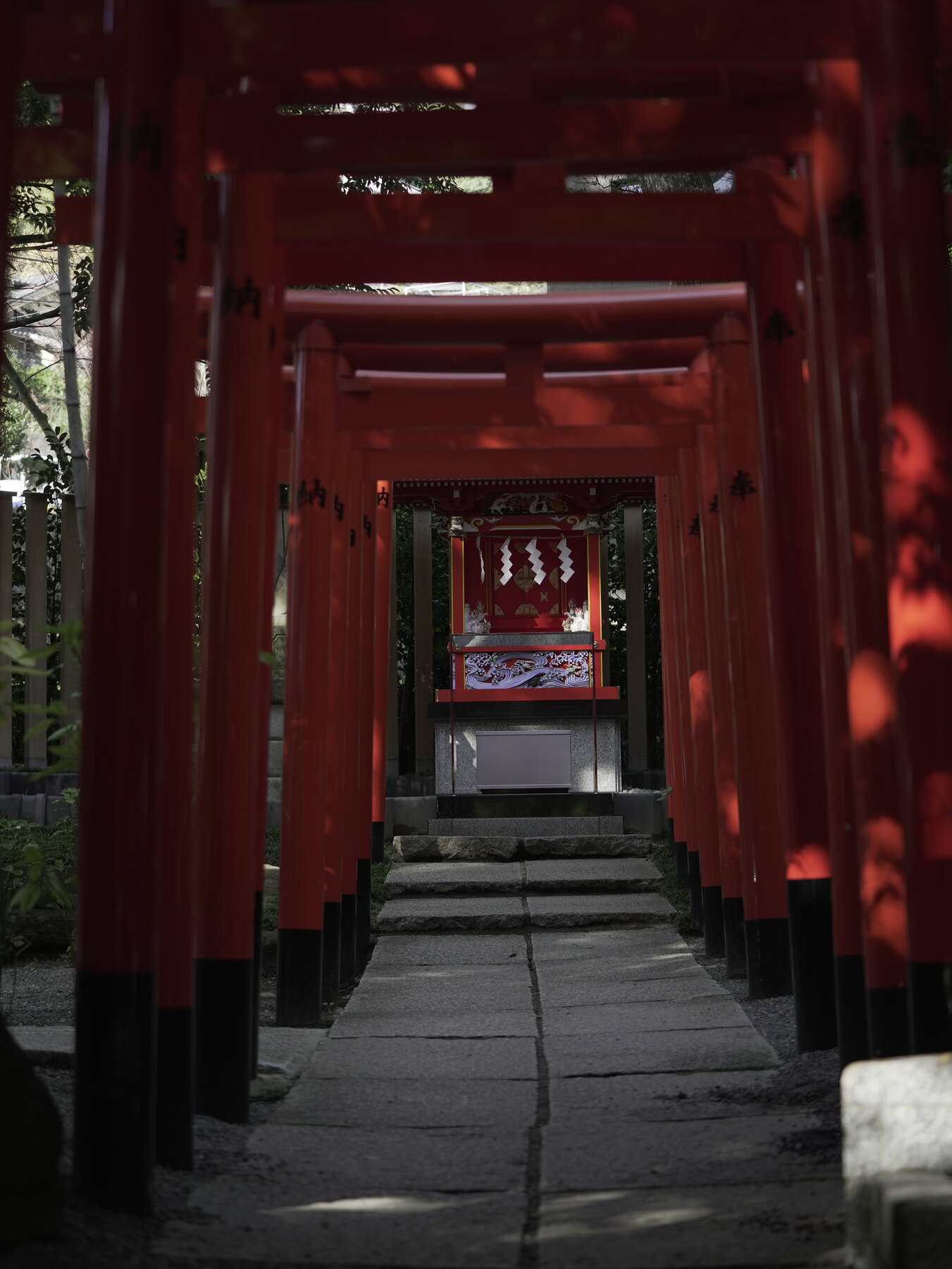
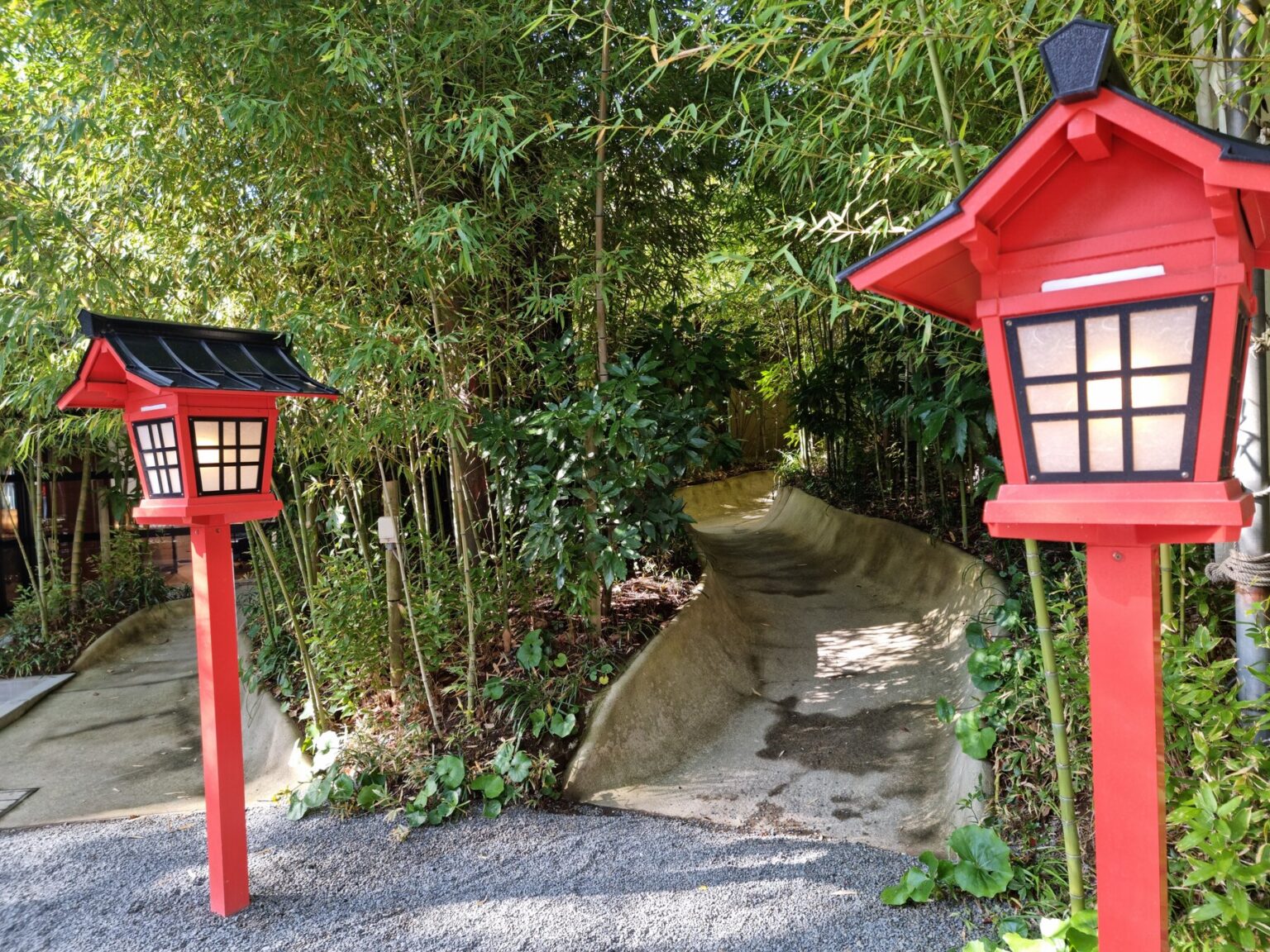
The grounds reward a slow wander. A row of red torii leads back to an Inari sub-shrine, Kinomiya Inari Myōjin, and there’s a Mitsumine shrine too. Kinomiya is also known for its stylish tea spaces: Saryō “Goshiki-no-Mori,” right beside the great camphor, serves a matcha set with traditional sweets — that’s where I sat, matcha in hand, looking up at the tree — while Saryō “Hōko” at the assembly hall pours coffee, Atami black tea and “good-fortune” sweets made with roasted-barley flour. After dark the precinct and the great camphor are lit by around 160 lights, typically from 5pm to 11pm, year-round, so even an autumn-evening visit gives you the tree aglow.
Visiting: hours, access & parking
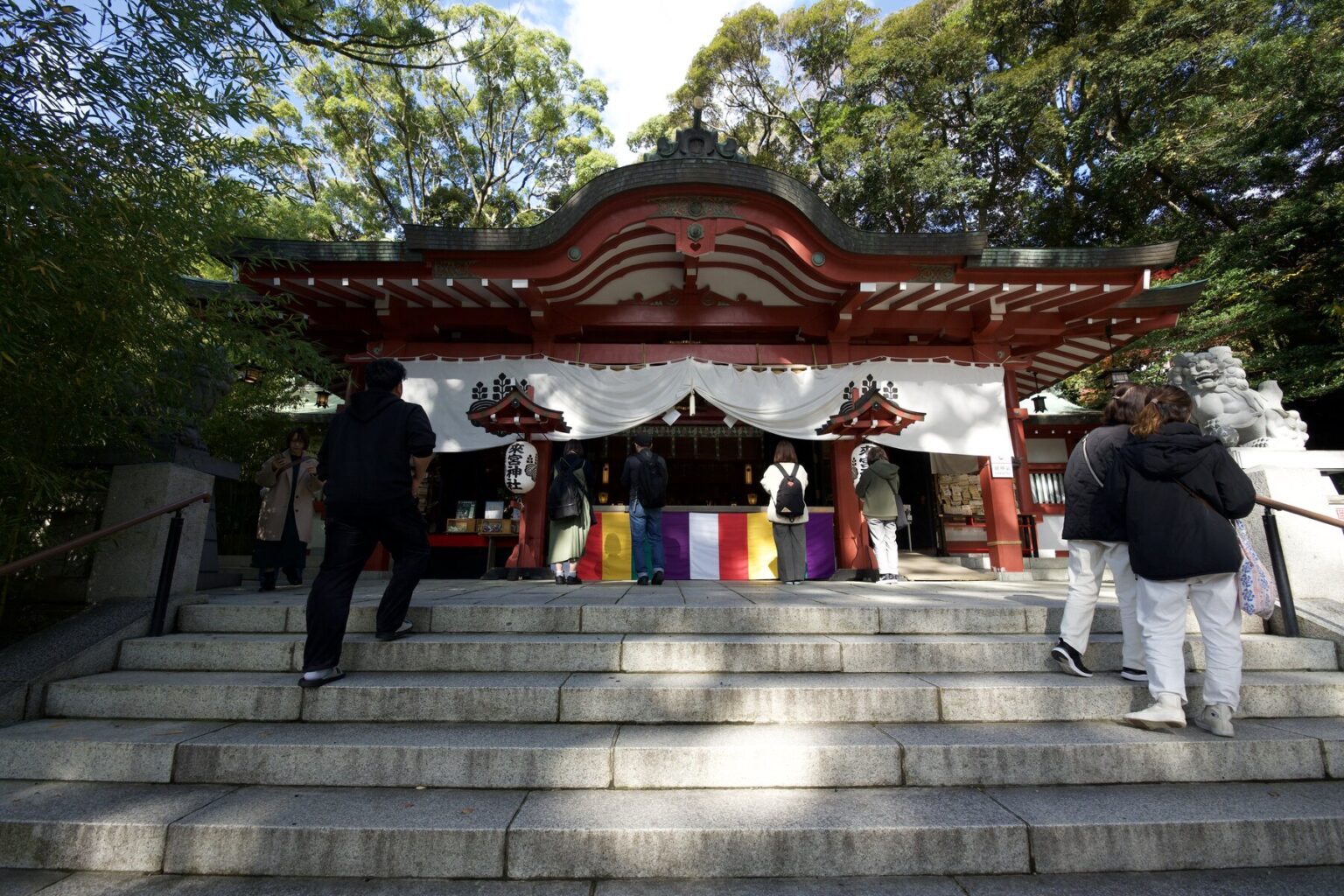
Entry to the grounds is free and you can worship at any hour; the assembly hall (for amulets and goshuin seals) is open 9:00–17:00. It’s an easy trip without a car: from Kinomiya Station on the JR Itō Line it’s about 400 m — a five-minute walk — and Kinomiya is just one stop from Atami. From Atami Station it’s roughly 1.6 km (about 18 minutes on foot, or a short taxi or bus ride). If you do drive, note the shrine’s car park has been paid since December 2022 and is small (around 40 spaces); on busy days you’re directed to the municipal lot by Kinomiya Station.
Make a day of it in Atami
We came by car and strung the shrine together with the rest of Atami, which works beautifully:
Atami Plum Garden
A municipal garden from 1886 with some 469 plum trees and 380 maples — promoted as having Japan’s earliest plums and latest autumn colour. Plum festival early January to early March.
Atami Castle
Not a historic keep but a 1959 tourist tower on the Nishikigaura cliffs, with a 360° deck over the bay and the islands. Adults ¥1,200, 9:00–17:00.
Ajiro for himono
A working fishing port down the coast with a “himono ginza” of around 30 dried-fish shops — where we ate our fill of grilled seafood.
Staying in Atami
Atami is one of Japan’s classic onsen towns, an easy shinkansen hop from Tokyo, so it makes a relaxed overnight. Booking has the widest spread; Rakuten Travel is strong for the onsen ryokan.
Good to know
What is Kinomiya Shrine known for?
Its great camphor (Ōkusu) — a tree the shrine dates to over 2,000 years old, a National Natural Monument once ranked Japan’s second-largest tree, with a trunk about 24 m around. Local lore says circling it once adds a year of life or grants a secret wish.
How old is the great camphor really?
The shrine cites over 2,000 years (its tree page says 2,100-plus), and Atami’s tourism office agrees. Treat it as the shrine’s tradition rather than a measured figure. It was designated a National Natural Monument in 1933.
How do I do the wish ritual?
Walk one full circle around the trunk. Doing so is said to add a year to your life; if you walk it once while holding a wish in your heart and telling no one, the wish is said to come true.
What does it cost and when is it open?
The grounds are free and open 24 hours; the assembly hall for amulets and seals is open 9:00–17:00. The great camphor and precinct are illuminated roughly 17:00–23:00 year-round.
How do I get there, and is there parking?
It’s about a 5-minute walk from Kinomiya Station (one stop from Atami), or ~18 minutes on foot from Atami Station. There is a small car park, but it has been paid since December 2022; on busy days use the municipal lot by Kinomiya Station.
Can I get matcha or sweets there?
Yes — the shrine runs several tea spaces. Saryō “Goshiki-no-Mori” beside the great camphor serves matcha sets, and Saryō “Hōko” at the assembly hall serves coffee, Atami black tea and roasted-barley-flour sweets. Hours can vary, so check on the day.
Plan an Atami Trip
An easy onsen overnight from Tokyo — here’s how to build it.
Kashiho Mase
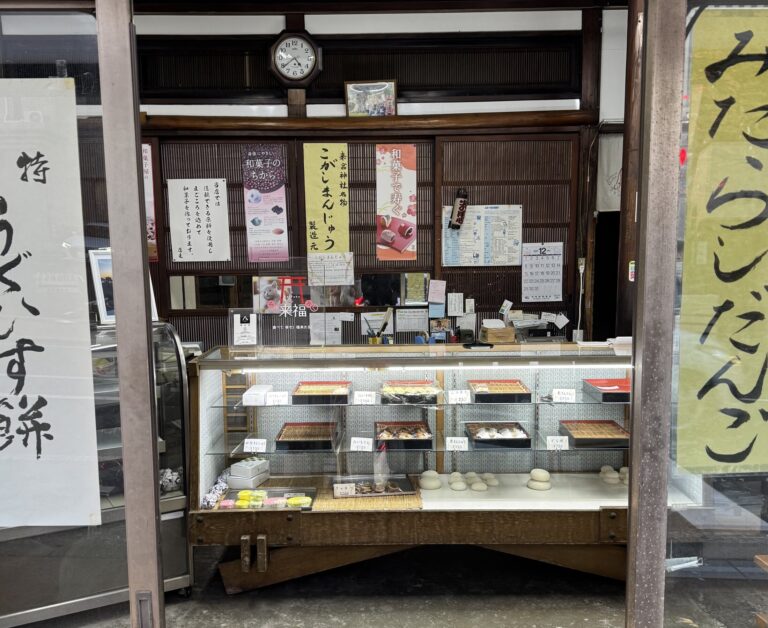
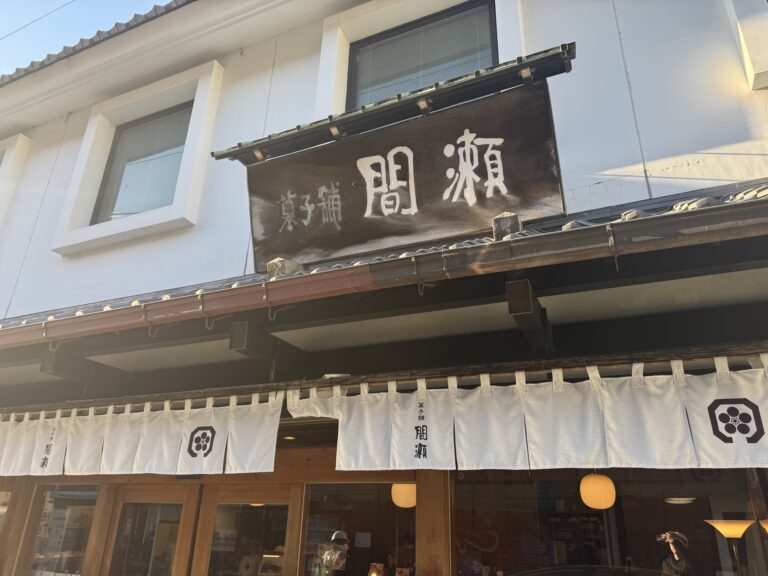
A 150-year wagashi shop on the Atami coast.
Kinomiya Kenkō Pan
The maker of kogashi manju, the roasted-barley sweet sold as a specialty of this shrine.
Atami Plum Garden
Japan’s earliest plum blossoms, January to March.
Atami Sakura on the Itokawa
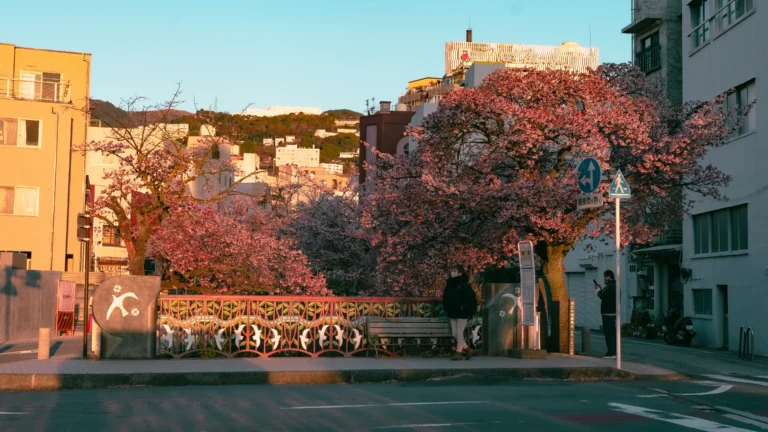
Early cherry blossoms along the riverside promenade.
Michi-no-Eki Fujioyama
A Mt Fuji-view roadside stop elsewhere in Shizuoka.
Join travelers discovering Japan's hidden side
Weekly dispatches from off-the-beaten-path Japan — spots and stories you won't find in guidebooks.
No spam. Unsubscribe anytime.
Welcome aboard!
You're in. See you in your inbox soon.