Planning Japan · Value & budget
With the yen near ¥160 to the dollar, Japan is a bargain for foreign visitors in 2026 — but Kyoto isn’t where that bargain lives. Kyoto has far fewer hotel rooms than Tokyo (about 60,000 versus 350,000), its nightly rates climb past ¥30,000 in autumn, its lodging tax jumped in March 2026 to as much as ¥10,000 a night on top rooms, and “dual pricing” is creeping in nearby (Himeji Castle now charges overseas visitors ¥2,500 against ¥1,000 for residents). So I base elsewhere. These are four cities that are cheaper than Kyoto to base in for 2026 — comfortable hubs where hotels run meaningfully below Kyoto’s (Fukuoka alone is roughly 30–45% less).
Why not just base in Kyoto in 2026?
Because Kyoto is where Japan’s value breaks down. The city has a structural room shortage — roughly 60,000 hotel rooms against Tokyo’s 350,000 — so prices stay high and spike hard in autumn, when nights can run past ¥30,000. On top of that, Kyoto raised its accommodation tax in March 2026 to as much as ¥10,000 per night on the priciest rooms, and the wider trend of charging foreign visitors more has arrived at marquee sights (Himeji Castle’s two-tier ticket is the clearest case). None of this means skip Kyoto — it means don’t sleep there. Base in a cheaper city, day-trip to the famous spots, and the same trip costs noticeably less.
Which cities give the best value in Japan?
All four below run well under Kyoto on hotels and food, and each is a real hub, not a compromise. Costs are typical published rates, so treat them as a guide rather than a quote.
Fukuoka — the cheapest big city
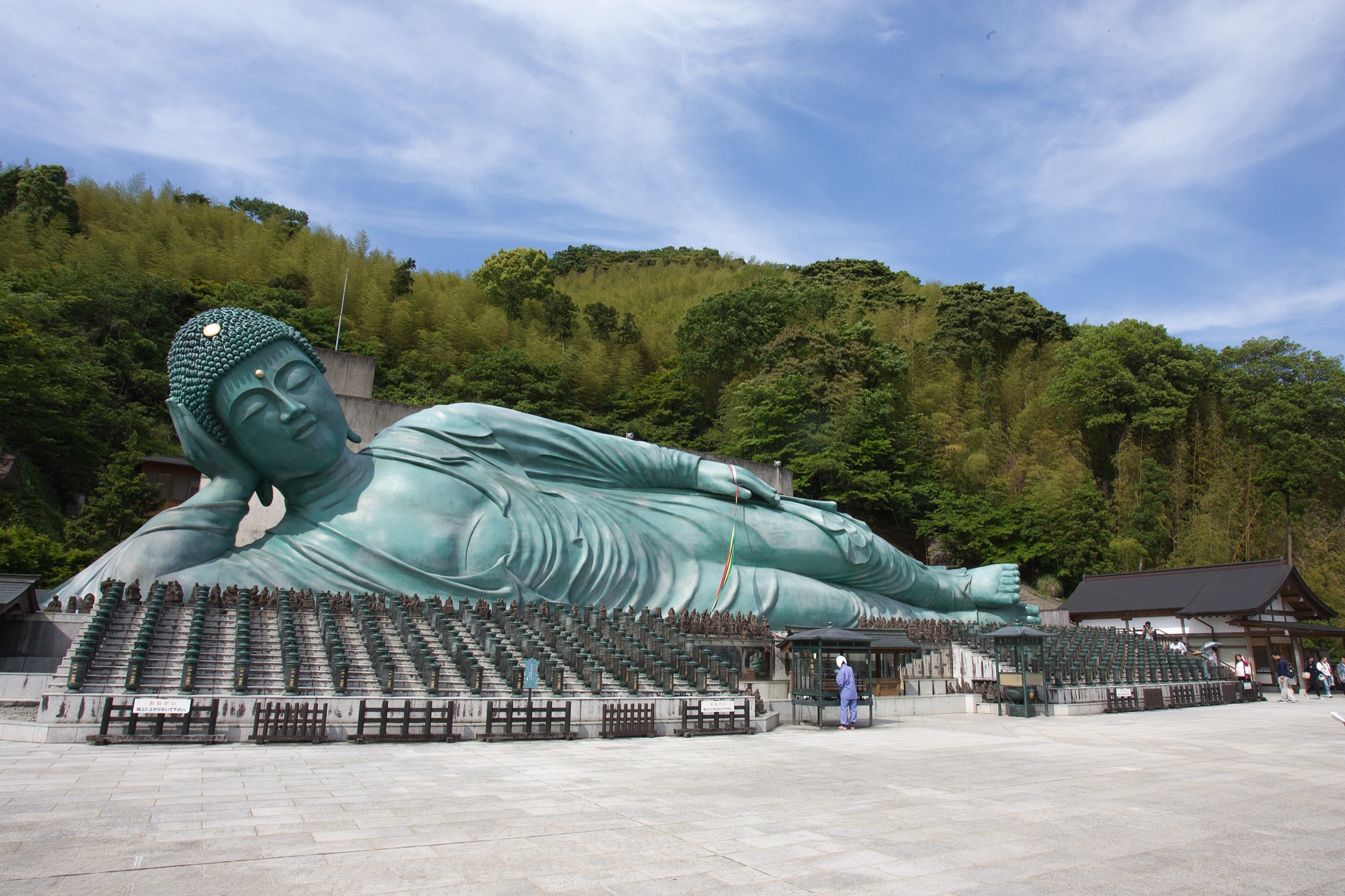
Business hotels here run roughly ¥6,000–9,000 a night, about 30–45% below the Kyoto equivalent, and it’s Japan’s street-food capital — around 100 yatai stalls (some 40% of all Japan’s) and the home of Hakata tonkotsu ramen. Start with my Ichiran headquarters deep-dive, an omakase yakitori counter, and the giant Nanzoin reclining Buddha nearby. It’s also the closest major Japanese city to the rest of Asia — Seoul is about 80 minutes by air, Taipei around 155 — with cheap, frequent flights.
Hiroshima — two UNESCO sites on a budget
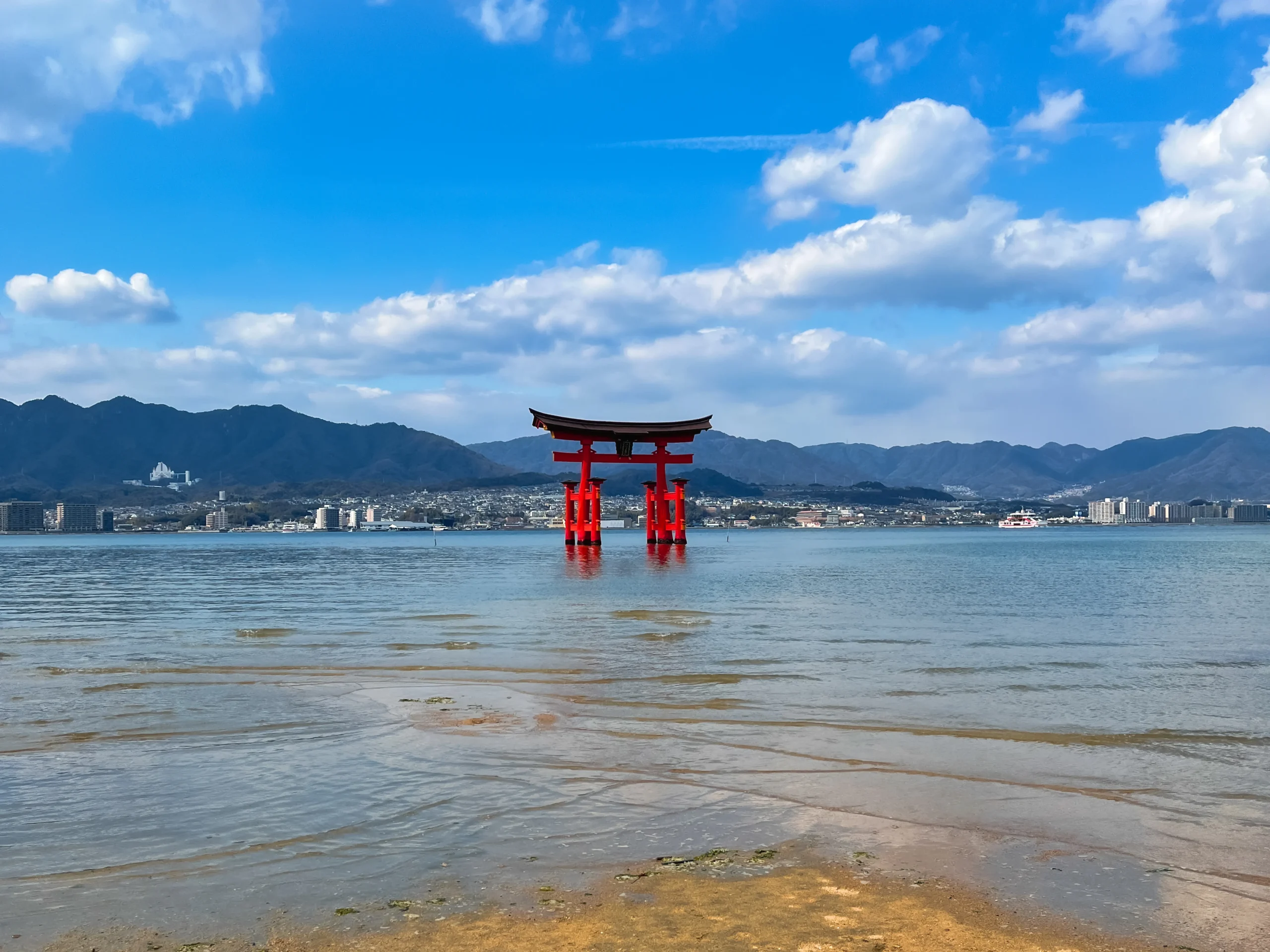
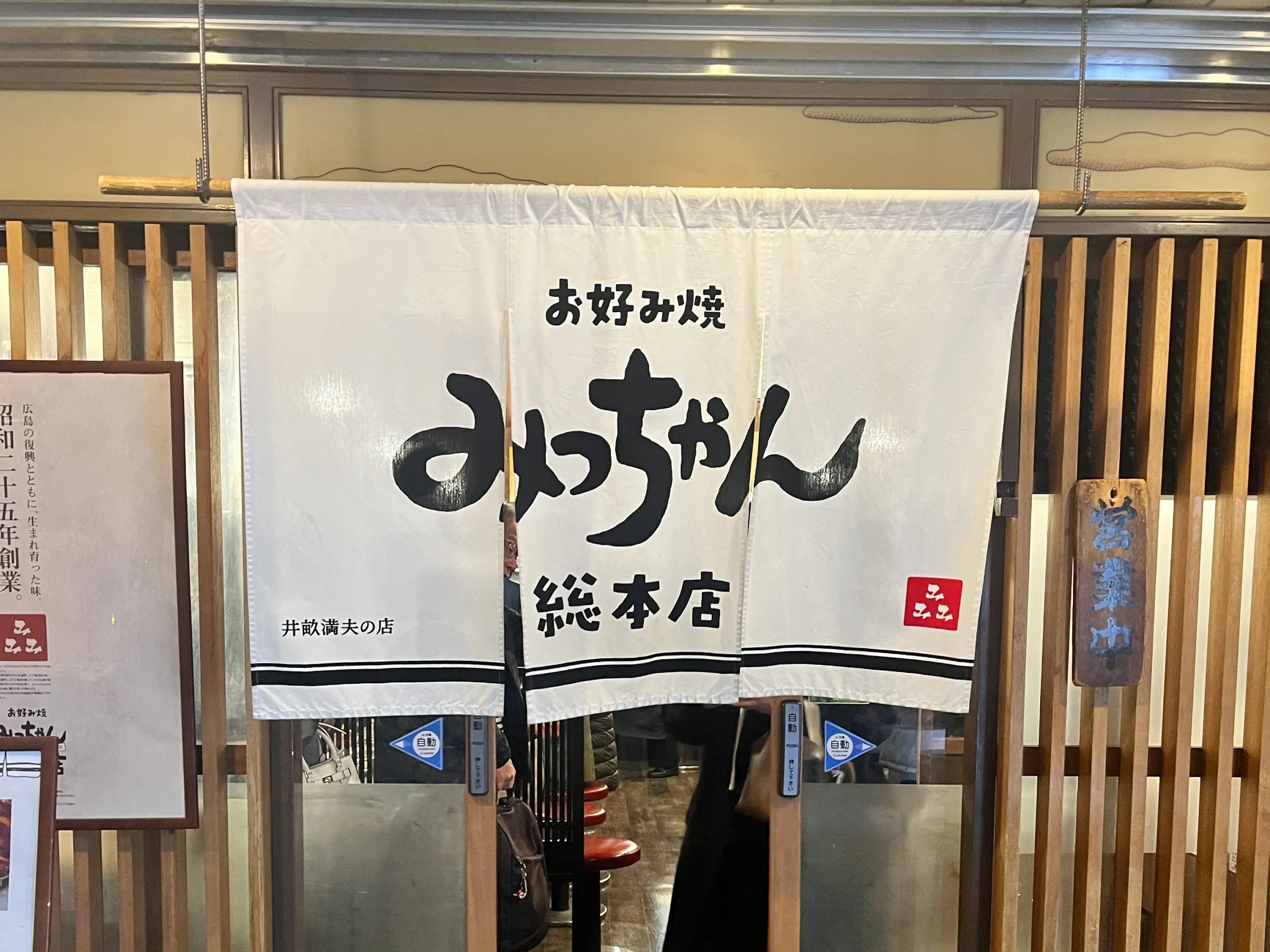
Hotels sit well below Kyoto (business rooms roughly ¥7,500–11,000), and you wake up beside two UNESCO World Heritage sites: the Peace Memorial and the floating torii of Miyajima. The signature food is layered Hiroshima-style okonomiyaki. My Hiroshima & Miyajima in one day, food guide, and Miyajima guide cover it.
Okayama — gateway to the art islands
A low-cost base (typical nights well under Kyoto) with the best access to the Setouchi art islands: Uno Port, the main jumping-off point for Naoshima and Teshima, is a short ride away, as is Kurashiki’s preserved Bikan canal quarter. In town, Korakuen is one of Japan’s “Three Great Gardens.” The nearby Hiruzen Highlands and GREENable HIRUZEN make cool day trips.
Takamatsu — udon & Setouchi by ferry
Shikoku’s affordable gateway: Takamatsu Port runs ferries to Naoshima and the other Setouchi islands, Ritsurin is one of the country’s most beautiful stroll gardens, and Kagawa is Japan’s “udon prefecture” (Sanuki udon for a few hundred yen). It anchors my 5-day Shikoku itinerary.
The Japan base cities for 2026 at a glance
| City | Hotel cost vs Kyoto | Base for | Signature |
|---|---|---|---|
| Kyoto (reference) | The expensive baseline — few rooms, big seasonal spikes | The classic temples | — |
| Fukuoka | ~30–45% cheaper | Kyushu + short Asia flights | Yatai & tonkotsu ramen |
| Hiroshima | Well below Kyoto | Miyajima + Peace Park | Okonomiyaki |
| Okayama | Below Kyoto | Setouchi art islands + Kurashiki | Korakuen garden |
| Takamatsu | Below Kyoto | Naoshima + Shikoku | Sanuki udon |
The hotel figures are typical published business-hotel rates and aggregator averages, not an official index — actual prices swing with season and day of week. The point isn’t a precise number; it’s that a like-for-like night in any of these runs meaningfully less than Kyoto.
Where does dual pricing not bite?
The foreign-visitor surcharges making headlines in 2026 are concentrated at specific attractions and in Kyoto’s lodging, not across these regional cities. Kyoto raised its accommodation tax (up to ¥10,000/night) in March 2026; Himeji Castle now charges overseas visitors ¥2,500 versus ¥1,000 for residents. By contrast, Fukuoka, Hiroshima, Okayama and Takamatsu haven’t introduced foreign-visitor surcharges or steep city lodging taxes — the one small levy you’ll meet is Miyajima’s ¥100 visitor tax on the ferry. Combined with the weak yen, that’s why your money simply goes further from these bases.
Where to stay in Japan on a budget (and how to plan it)
The strategy is base-and-day-trip: sleep cheap, spend on experiences.
Japan’s Hidden Gems (44 by region)
Go further off-route: 44 of Japan’s best hidden gems.
Pick one or two bases, not five
A western-Japan loop of Fukuoka → Hiroshima → Okayama/Takamatsu strings together by Shinkansen and ferry. For day trips into Kyoto and Kansai, Okayama (about an hour) and Hiroshima (about 1h40) are the practical bases; Fukuoka is the hub for Kyushu and cheap Asia flights, not for day-tripping Kyoto (Hakata–Kyoto is ~2h45 each way).
Run the daily numbers
For what a day actually costs (food, transport, entries) and where the new 2026 fees land, pair this with my Japan budget guide and cash vs card in 2026.
Time it off-peak
Avoid cherry-blossom and mid-November, when even these cities firm up. Late spring, early summer and winter give you the deepest value.
Flying from Southeast Asia? Fukuoka is a smart first stop: it’s the nearest major Japanese hub to East Asia — about 80 minutes from Seoul and 155 from Taipei by air — with cheap, frequent regional flights to connect onward, and it’s the cheapest big city once you land. My plan-from-Singapore guide has the routing.
Book a Value Base
FAQ
What’s the cheapest major city to visit in Japan?
Fukuoka is widely the cheapest big city — business hotels run roughly ¥6,000–9,000 a night, about 30–45% below Kyoto, and its street-food (yatai stalls, tonkotsu ramen) keeps eating cheap too. It’s also the closest major city to the rest of Asia, so flights in are inexpensive. The easy half-day from here is Dazaifu Tenmangu, the shrine of the god of learning, with a Kengo Kuma-designed Starbucks on its approach.
Is it cheaper to stay outside Kyoto and day-trip in?
Usually, yes. Kyoto has a structural room shortage (~60,000 rooms) that keeps prices high and spiking, plus a 2026 lodging-tax increase. Basing in Osaka or further out — or in the value cities here — and day-tripping to Kyoto’s sights often saves a meaningful share of your lodging budget.
Is there dual pricing for tourists in these cities?
Not city-wide. Foreign-visitor surcharges in 2026 are concentrated at specific attractions (e.g., Himeji Castle, ¥2,500 vs ¥1,000) and in Kyoto’s accommodation tax. Fukuoka, Hiroshima, Okayama and Takamatsu haven’t added foreign surcharges or steep lodging taxes; the main one you’ll see is Miyajima’s ¥100 ferry levy.
Which city is the best base for the Setouchi art islands?
Okayama (via Uno Port) and Takamatsu (via Takamatsu Port) are the two main gateways to Naoshima and Teshima, both cheaper bases than Kyoto. Okayama also puts Kurashiki’s canal quarter and Korakuen garden within reach; Takamatsu adds Ritsurin Garden and Sanuki udon.
Why is Kyoto so expensive in 2026?
A limited hotel supply (around 60,000 rooms versus Tokyo’s 350,000) meets very high demand, so rates stay elevated and spike past ¥30,000 in peak seasons. Kyoto also raised its accommodation tax in March 2026 to as much as ¥10,000 a night on the most expensive rooms.
Is Japan cheap right now with the weak yen?
For foreign visitors, yes — at about ¥160 to the dollar, your money stretches noticeably further than a few years ago. Just note the costs that are rising: Kyoto lodging, attraction dual pricing, and the departure tax tripling to ¥3,000 on July 1, 2026. Choosing a cheaper base is the easiest way to keep the value.
Base Smart, Spend Less
Sleep in a value city, day-trip to the famous ones.
Join travelers discovering Japan's hidden side
Weekly dispatches from off-the-beaten-path Japan — spots and stories you won't find in guidebooks.
No spam. Unsubscribe anytime.
Welcome aboard!
You're in. See you in your inbox soon.