
Japan · Nikko · Real vs Fake, part 2
I went to Edo Wonderland Nikko Edomura in 2023. My honest view: with children it would be a lot of fun, but if you want to understand ninja in depth, I think you are better off visiting towns known for ninja.
This is the second piece in my Real vs Fake series. The first was about original and rebuilt castles, including Osaka Castle, whose keep was completed in 1931 in reinforced concrete. Even if a place has been rebuilt, I care about how local people and the local government are involved in preserving what they want to keep. Having a museum or similar facility is important to me, too.
I also went to Oshino Shinobi no Sato, the ninja park near Mt Fuji, and I felt much the same there. Below: what Edo Wonderland is in its own words, what I thought, who will enjoy it, and two places in Iga and Koka to consider if you want to learn about ninja history in depth.
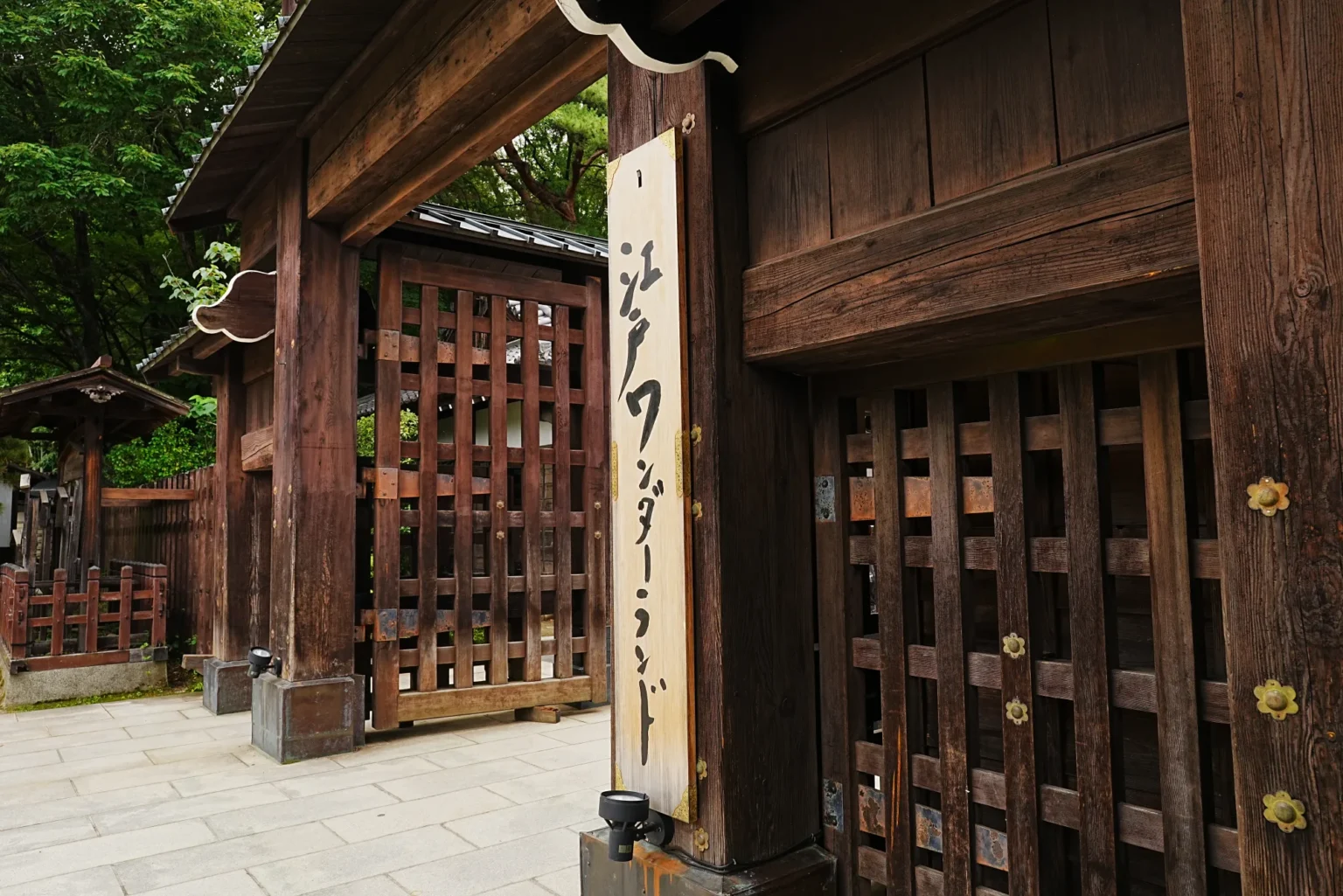
Is Edo Wonderland worth visiting?
If you are visiting with children, I think it could be a lot of fun.
If you want to understand ninja history in depth, I don’t really recommend it. Further down are two places to consider instead, in Iga and Koka.
What Edo Wonderland actually is
Edo Wonderland Nikko Edomura is in Karakura, in the Kinugawa area of Nikko City, Tochigi. It opened on 23 April 1986. In its own materials the operator describes it as “a culture park that recreates a vast Edo townscape and passes on Edo culture”, and it says plainly that it operates “not as a theme park” but as a culture park.
What you do there is walk through the recreated town, watch shows and try paid experiences. The park’s ninja attractions include:
- Ninja Theatre (忍者劇場). A stage show of about 20 minutes in which the hero, Tsubame, fights through a story using tactics and traps.
- Ninja karakuri house. You hunt for numbers hidden in a house full of tricks and try to escape within the time limit; your time ranks you as a jōnin, chūnin or genin. ¥600 per person.
- Ninja training hall and ninja maze. A tilted house that tests your balance, and a maze where you read sayings on the walls and solve tricks to get out.
- Ninja experience. Listed among the park’s Edo job experiences, described as learning the basic skills required of a ninja.
You can also dress up. On the park’s costume price list for 1 April 2026 to 31 March 2027, a children’s ninja costume is ¥4,500 including tax.
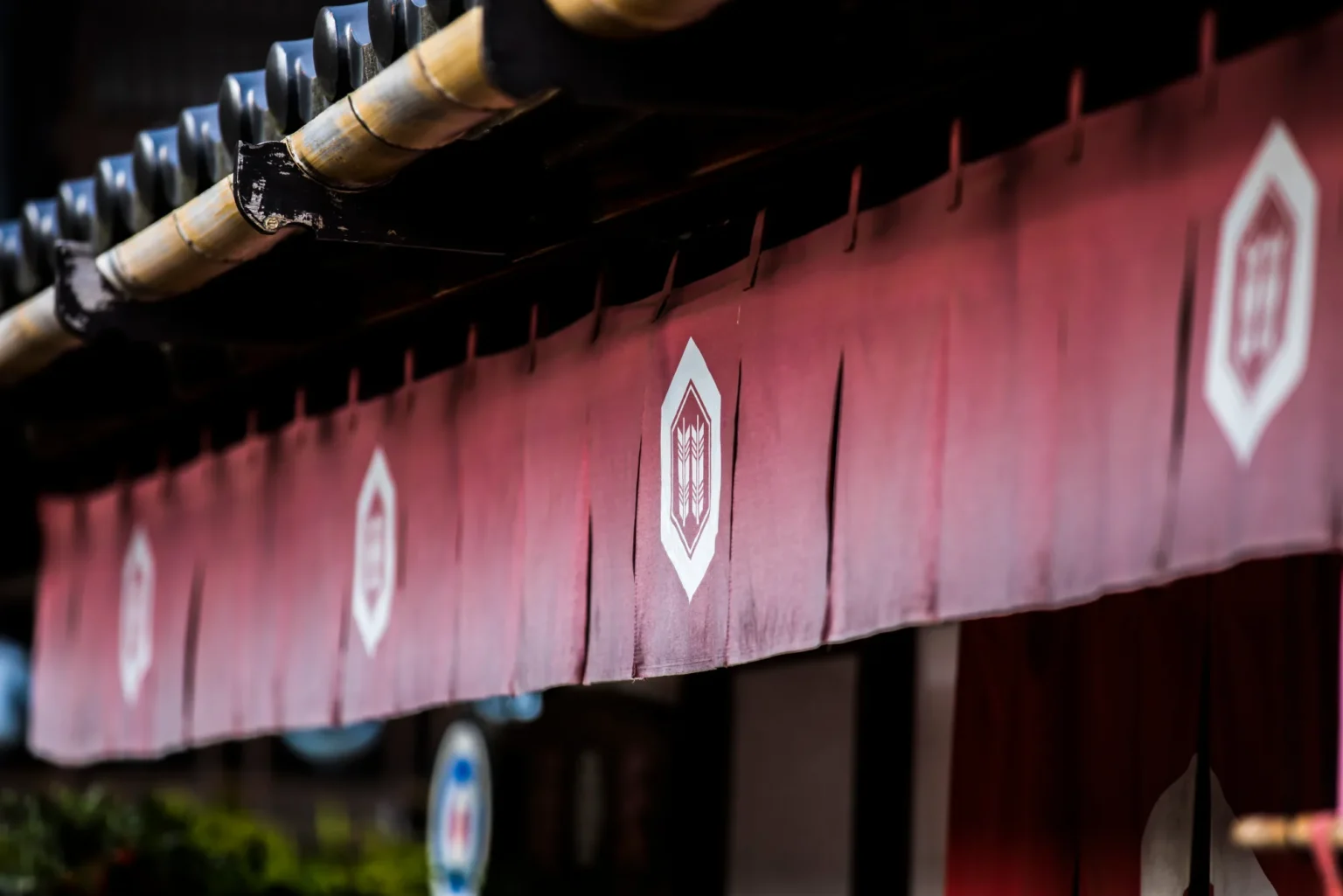
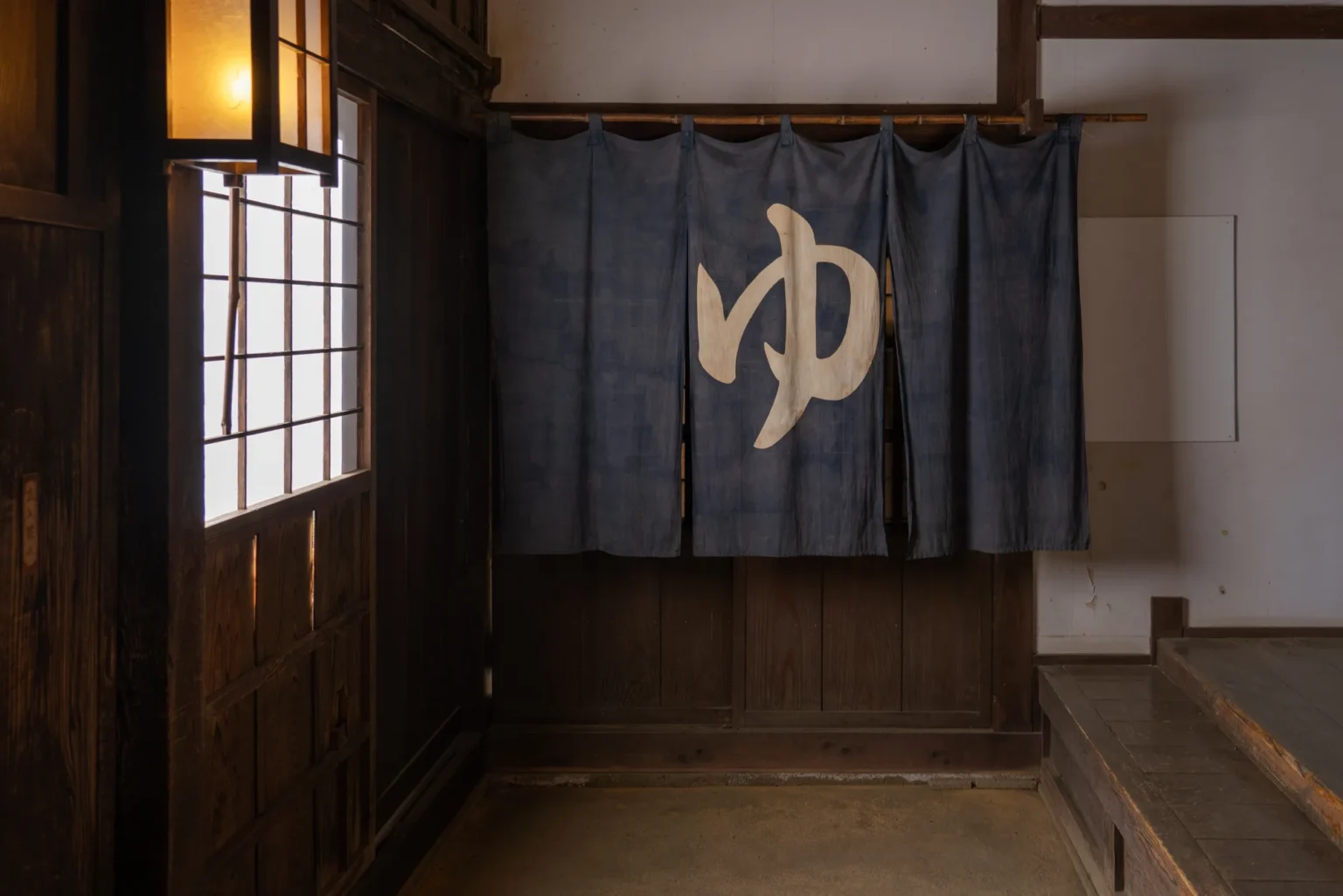
Is Edo Wonderland historically accurate?
The park’s official material says it recreates a vast Edo townscape. The official pages cited here do not identify each building, costume or show as a reproduction of a specific historical original.
The Ninja Theatre is presented as a story in which its hero uses tactics and devices, and the karakuri house is a timed escape activity.
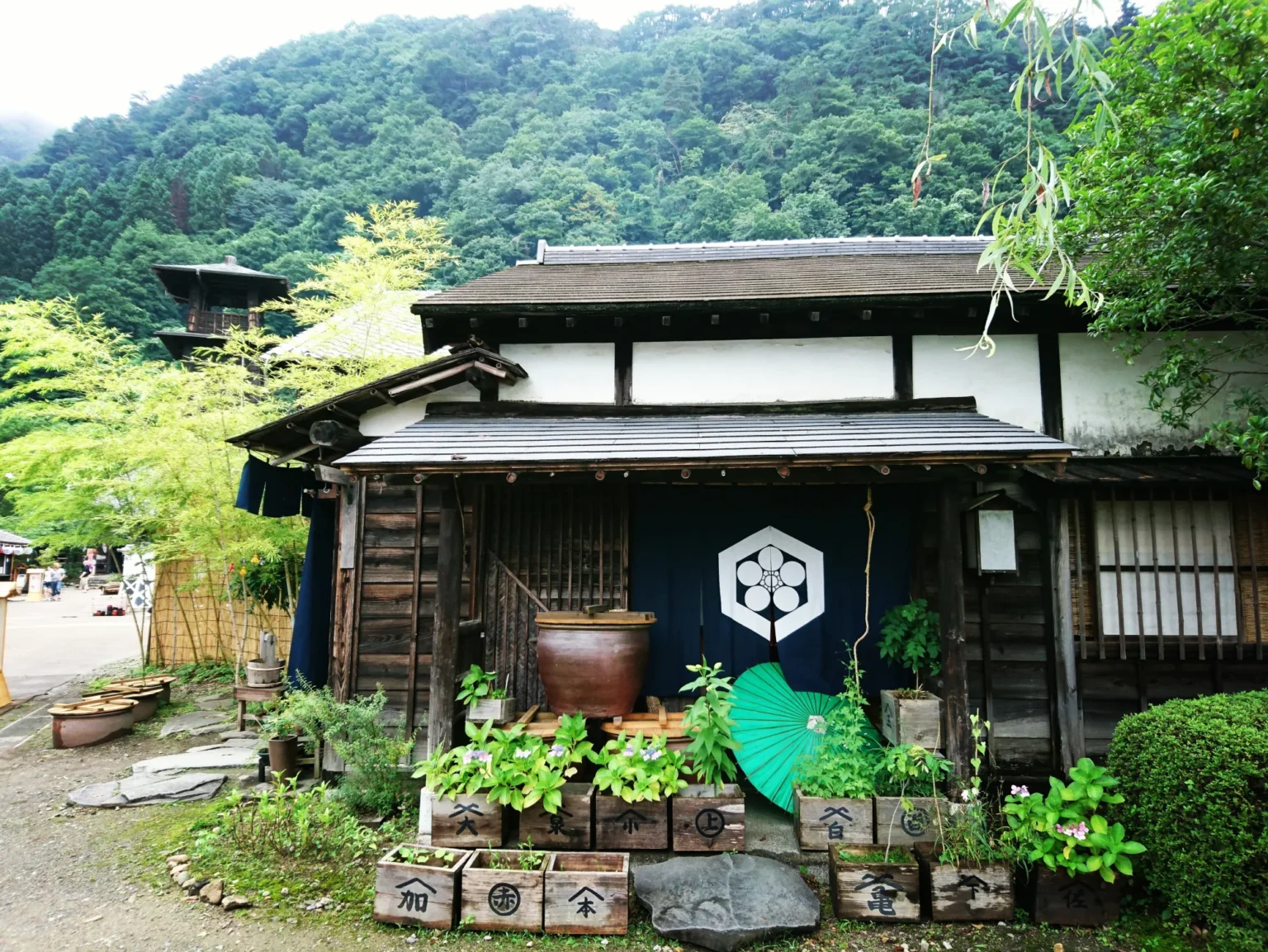
What I thought after visiting
I went in 2023. I came away with much the same feeling I had at Oshino Shinobi no Sato, which I describe in the next section.
What about Oshino Shinobi no Sato near Mt Fuji?
Oshino Shinobi no Sato is in Oshino village, at the foot of Mt Fuji. It was opened by Fujikyu on 10 October 2015. Fujikyu’s own company history calls it “an entertainment-type tourist facility with a ninja theme”, and the opening announcement called it a ninja theme village. Its pass is ¥1,900 for adults (junior high and up), ¥1,400 for primary-school children and ¥1,100 for pre-school children aged three and over, and it includes the ninja show, the karakuri house and the ninja obstacle course. Ninja costume rental is ¥700 for a day.
I went alone. I watched only the ninja show and then walked around inside. I had half wondered whether there had been ninja around Mt Fuji too, and I went expecting some history, perhaps a museum. I didn’t find the history or museum materials I had expected. For me, it felt like a theme park for tourists.
I think it will appeal most to families with children, and to people who are not especially interested in history and just want to play at being ninja.
My test: how a place preserves and explains its past
Even if something has been rebuilt, I put a lot of weight on how local people and the local government are involved in preserving what they want to keep. Having a museum or something like it there is really important to me.
Hiroshima is one example of what I mean. Hiroshima City has carried out preservation work on the Atomic Bomb Dome since its first project in fiscal 1967, and four more since then. The Peace Memorial Museum reopened its main building after renovation on 25 April 2019. The permanent exhibition costs ¥200 for university students and older. Hiroshima Peace Volunteers give free guided explanations of the memorials in the park, in English too. For planning a visit, see our guide to Hiroshima Peace Memorial Park.
And why go to places I end up not recommending? I gain something from seeing and experiencing a place. Skipping a place because it doesn’t interest you is fine too. But by going, I can tell you honestly whether I would recommend it, and I learn a lot along the way.
If you want ninja history in depth: Iga and Koka
I had mostly thought of ninja as a theme-park attraction, too. Looking at historical materials about ninja gave me a starting point for learning their history, and why ninja were needed in that period.
Iga City’s own material explains the role simply: ninja used many techniques to slip into enemy territory in order to gather information that would help their employer in war. Koka City’s cultural-heritage plan includes an important caveat: Koka and the shinobi are clearly tied together in the sources only from the Edo period onward.
Iga-ryu Ninja Museum (Iga, Mie)
The museum says its exhibits include replica ninja tools made from ninjutsu manuals, tools such as shuriken and mizugumo (water-spider equipment), displays on how ninja lived, and a “ninja mandala”. It lists ninjutsu texts in its collection, including the Bansenshūkai, along with old documents. Admission is ¥1,000 for adults (high school and up) and ¥700 for children aged four to junior high. The ninjutsu demonstration show is a separate ¥600. Mie Prefecture’s tourism site puts it about seven minutes by car from Nakase IC on the Meihan National Highway.
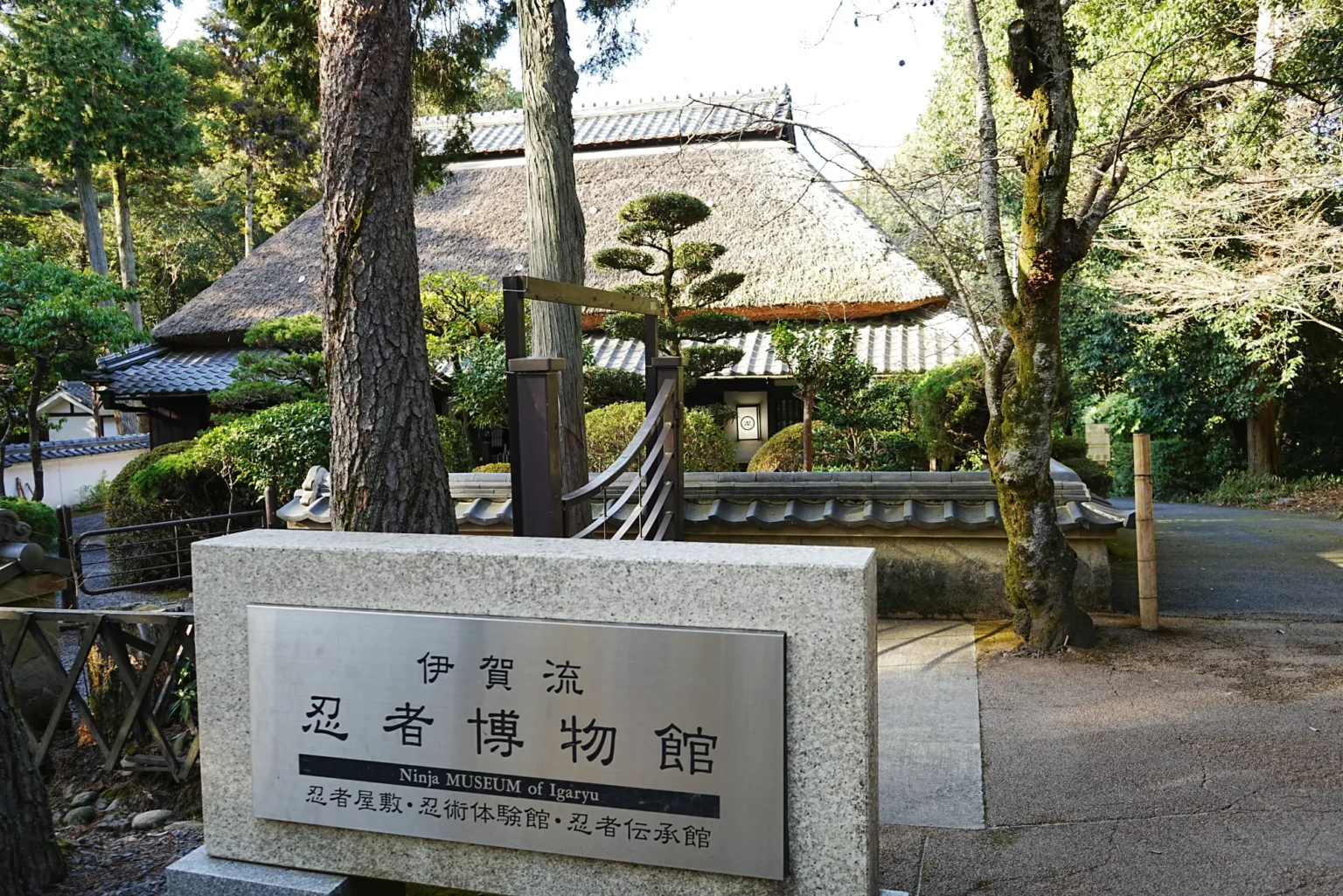
For a separate hands-on ninja activity in Mie, not part of the museum:
See an Iga ninja experience on KlookKoka-ryu Ninjutsu Yashiki (Koka, Shiga)
The operator identifies it as the former main residence of the Koka Mochizuki family. It says the house was not moved or recreated for tourism, describes it as a former residence of Koka ninja, and notes that it has been repaired and maintained in its original place. There is a room of ninja tools and of books and scrolls on ninjutsu. Admission is ¥800 for adults (junior high and up) and ¥600 for children aged three and up. It is about 20 minutes on foot or about five minutes by taxi from JR Kōnan Station, and about three minutes from Kōnan IC on the Shin-Meishin Expressway.
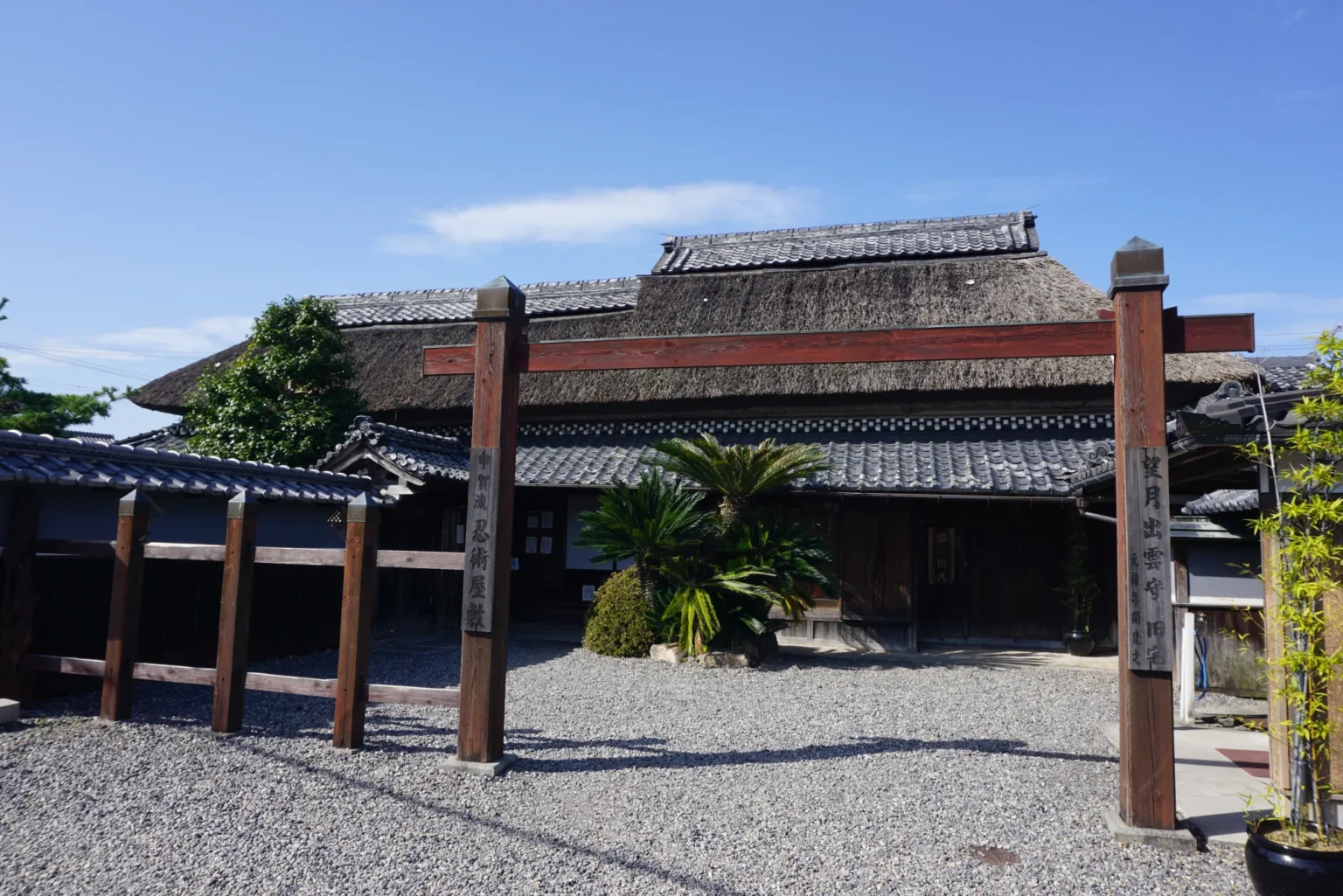
A separate day tour from Kyoto, not a visit to the house above:
See the Kōka Ninja Village & Tanuki Mura tour on KlookEdo Wonderland tickets and getting there
The one-day pass is ¥5,800 for adults and ¥3,000 for children. If you would like to buy your ticket in advance, Klook lists an Edo Wonderland Nikko Edomura ticket.
By train and bus. The park’s access page gives the route from Tobu Asakusa Station on a through Tobu train to Kinugawa-Onsen Station. From there, take the bus for Nikko Edomura from stop 3 at the station’s bus rotary, about 15 minutes, or a taxi, about 10 minutes.
Free shuttle from Nikko. The park runs a free shuttle between the Nikko Toshogu Omotesando area and the park. It does not leave from Kinugawa-Onsen Station. The park lists Wednesdays as no-service days in both its summer (20 March–30 November) and winter (1 December–19 March) periods, so check the timetable on its access page before you plan around it.
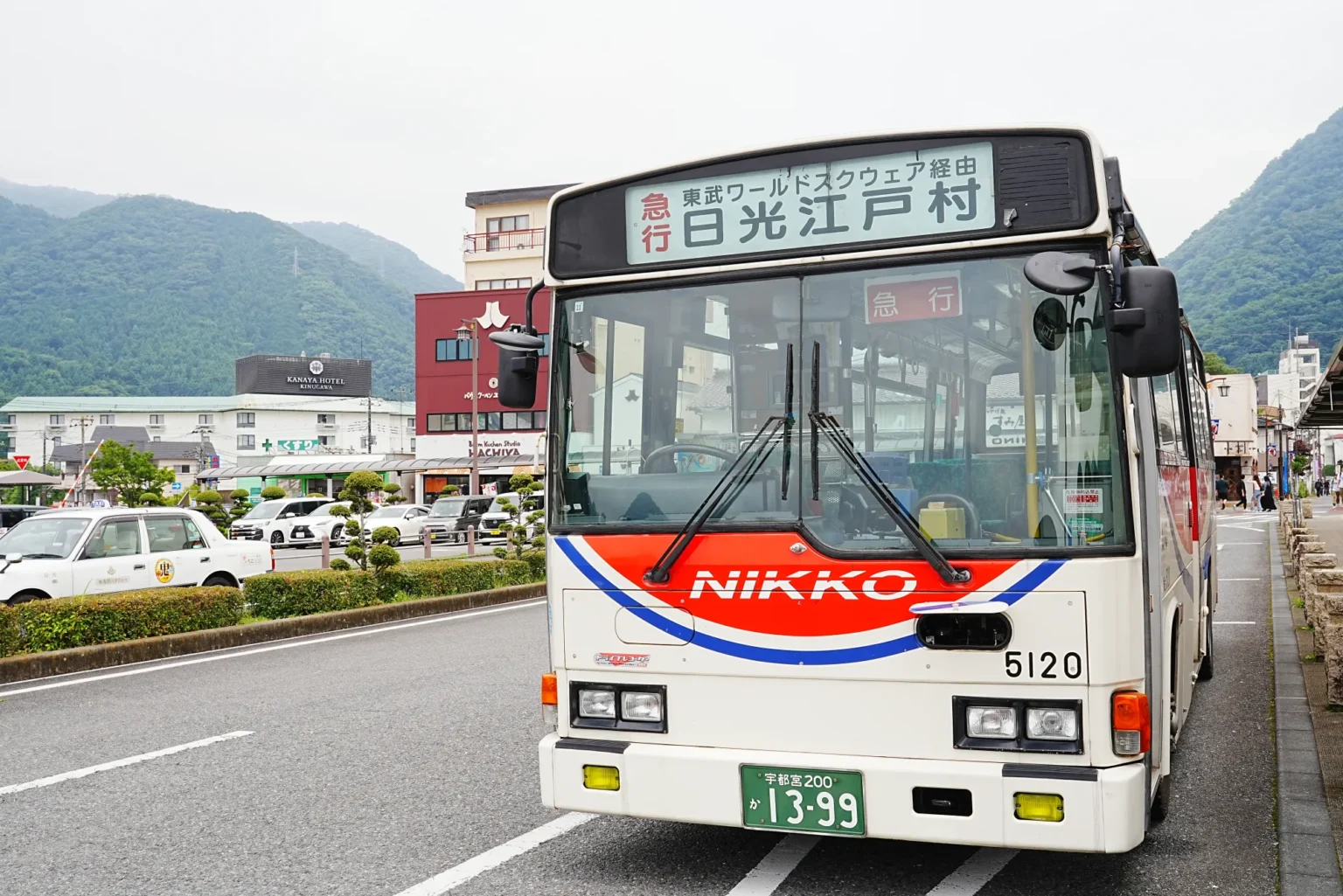
Where to stay. The park is in the Kinugawa area of Nikko. Search Kinugawa Onsen hotels on Booking.com. If you are combining it with the shrines in central Nikko, compare stays across Nikko instead. For winter in the mountains above, see these guides to Nikko in winter and Lake Chuzenji in winter.
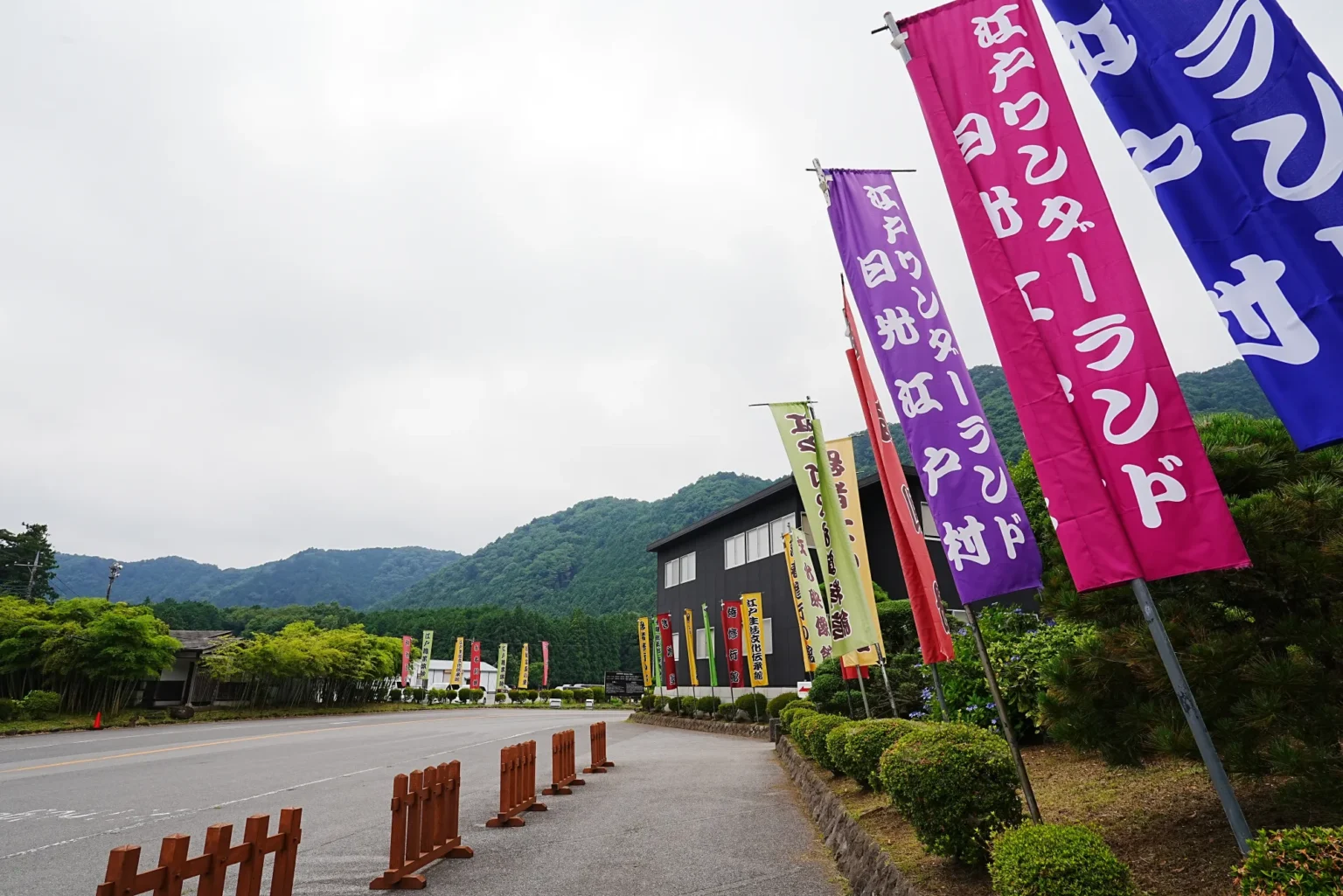
Edo Wonderland: FAQ
Are Edo Wonderland and Nikko Edomura the same place?
Yes. The full name is Edo Wonderland Nikko Edomura (江戸ワンダーランド日光江戸村). It is in Karakura, Nikko City, Tochigi, and opened on 23 April 1986.
How much is Edo Wonderland?
The one-day pass is ¥5,800 for adults and ¥3,000 for children. Primary-school children pay the child rate, junior-high students and older pay the adult rate, and pre-school children are free. Some experiences, such as the ninja karakuri house at ¥600, cost extra.
What are the opening hours?
9:00–17:00 from 20 March to 30 November, and 9:30–16:00 from 1 December to 19 March. Closed days are shown on the park’s business calendar, so check it before you go.
How do I get to Edo Wonderland from Kinugawa-Onsen Station?
Take the bus for Nikko Edomura from stop 3 at the station’s bus rotary, about 15 minutes, or a taxi, about 10 minutes. The park’s free shuttle runs from the Nikko Toshogu Omotesando area, not from Kinugawa-Onsen Station.
Is Edo Wonderland historically accurate?
The park describes itself as a culture park that recreates an Edo townscape. The official pages cited here do not identify each building or show as a reproduction of a specific historical original. Its official pages describe the Ninja Theatre as a show and the karakuri house as a timed escape activity.
Is Edo Wonderland good for kids?
I visited in 2023, and I think a visit with children would be a lot of fun.
Where can I go to learn about ninja history in depth?
This article points to Iga in Mie and Koka in Shiga. The Iga-ryu Ninja Museum shows ninjutsu texts and replica tools made from them, and the Koka-ryu Ninjutsu Yashiki is described by its operator as the former main house of the Koka Mochizuki family, kept on its original site.
Sources (checked 26 October 2026)
- Edo Wonderland Nikko Edomura: Prices; Business calendar and hours; Shows; Experiences; Access; Costume price list 2026–27; Park profile (opening date, culture park); statement that the park operates as a culture park, not a theme park (Japanese)
- Oshino Shinobi no Sato: Prices and guide; Fujikyu opening announcement and company history (Japanese)
- Iga-ryu Ninja Museum: Museum; Visitor information; Mie Prefecture tourism page; Iga City material on ninja (Japanese)
- Koka-ryu Ninjutsu Yashiki: Official site; Hours, prices and access; Koka City cultural-heritage plan, chapter 2 (Japanese)
- Hiroshima City: Atomic Bomb Dome preservation work; Peace Memorial Museum; Peace Volunteers; Hiroshima Peace Culture Foundation museum admission (Japanese)
Some links above are affiliate links — they cost you nothing extra and help keep this site going.
Join travelers discovering Japan's hidden side
Weekly dispatches from off-the-beaten-path Japan — spots and stories you won't find in guidebooks.
No spam. Unsubscribe anytime.
Welcome aboard!
You're in. See you in your inbox soon.