
Japan · Castles · Original keeps, rebuilt keeps, and how I choose
Only twelve castles in Japan have keeps from the Edo period or earlier still standing in almost their original form. Osaka, Nagoya and Hiroshima, discussed below, have later reinforced-concrete keeps. That is not automatically a reason to skip them. What I look at is how local people and the local government are involved in keeping a place, and whether there is a museum or archive that explains it.
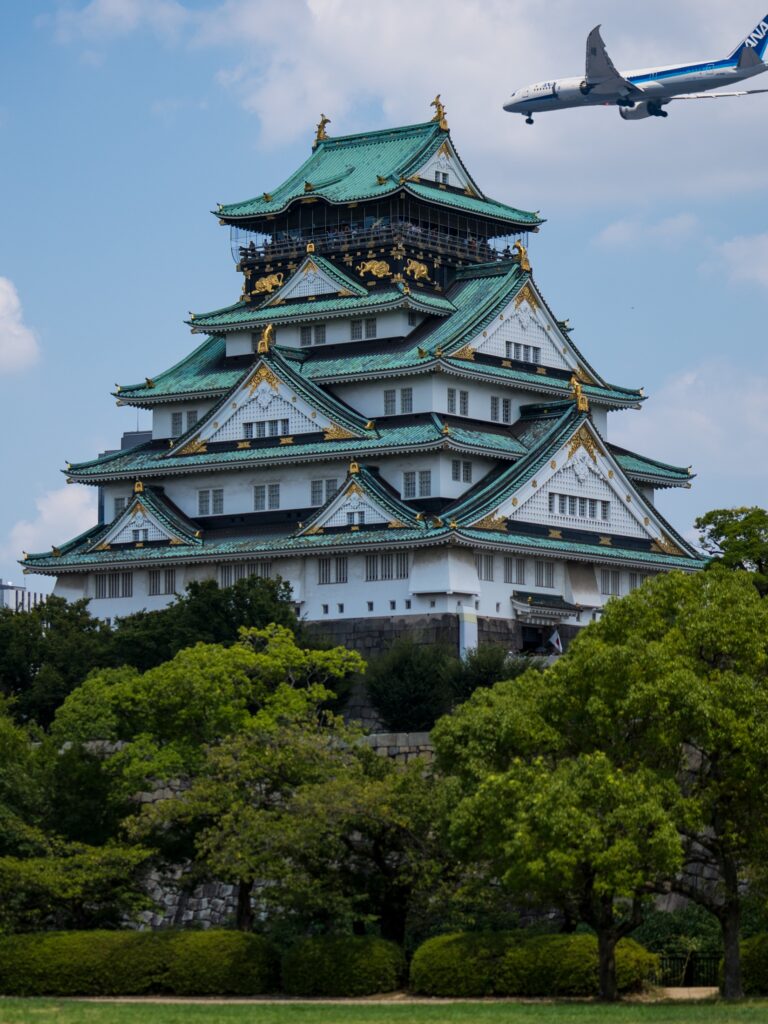
I went inside Osaka Castle’s keep in August 2024. I knew it was a reconstruction and, honestly, I expected nothing. I mainly wanted to walk the grounds for this site. Even so, the elevator deflated me. The whole building felt too modern. It shows you exactly what a castle looks like when it is built with modern technology.
Below are the twelve original keeps, what “reconstructed” actually means, the castles I’d recommend instead, and the questions I ask before deciding whether a castle is worth a day.
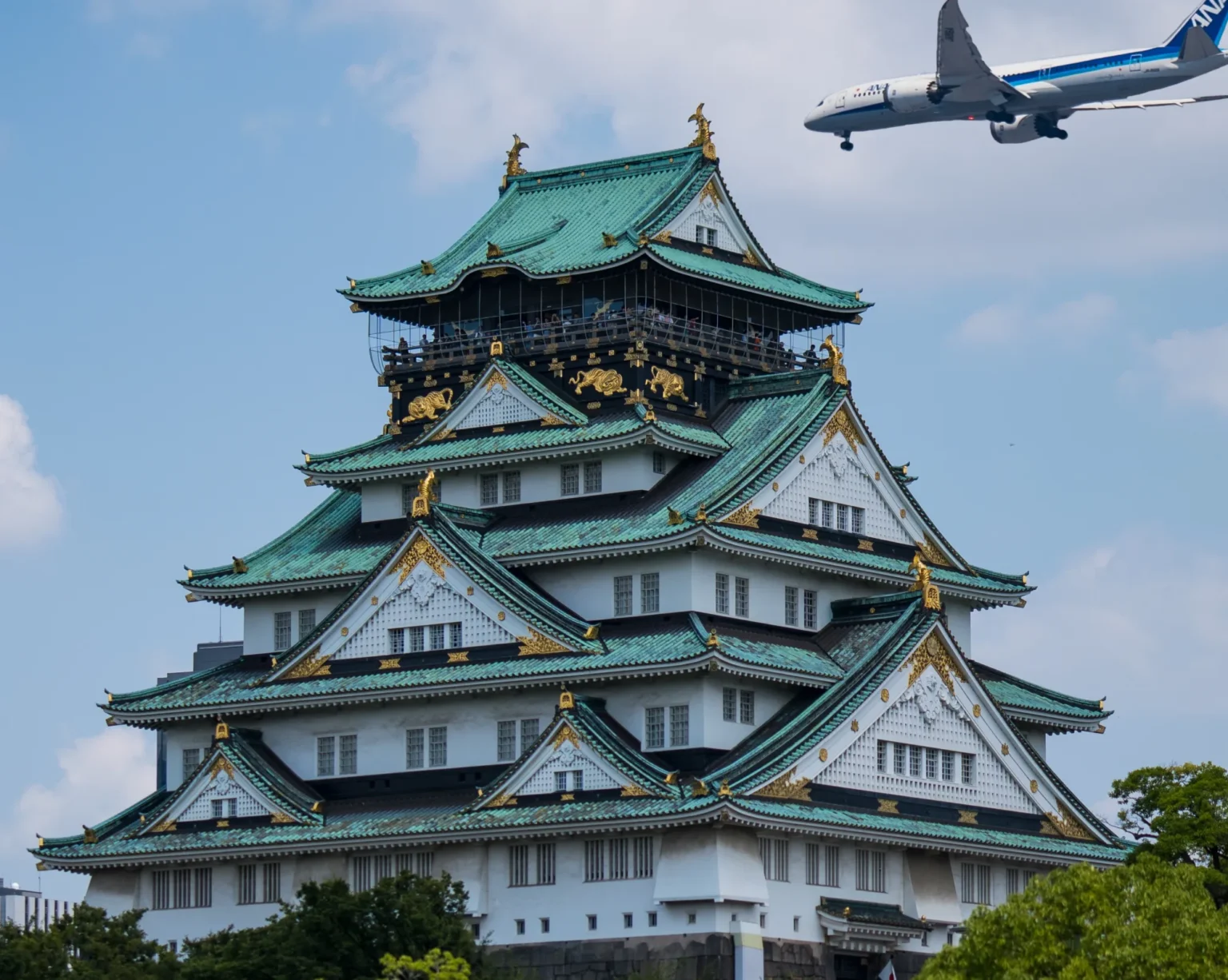
What you are actually entering at Osaka Castle
Osaka’s city government gives the history plainly. Toyotomi Hideyoshi began building the castle in 1583 and its keep was finished around 1585. The castle fell in the summer campaign of the Siege of Osaka in 1615, and the keep burned with it. A new keep was built on the present site in 1626, but lightning set it on fire in 1665, and for the rest of the Edo period only the stone base remained.
The tower you enter today was finished in November 1931, as a project marking the Showa Emperor’s enthronement. The castle’s own museum says it was paid for entirely by donations from Osaka residents. It is a steel-framed reinforced-concrete building with five exterior tiers and eight floors inside, and in 1997 it was itself registered as a national Tangible Cultural Property.
About that elevator: the building already had lifts when it was completed. Osaka’s Chuo Ward describes the 1931 building as a reinforced-concrete building with a lift, and the castle museum’s own timeline records one lift being restarted on 1 July 1950 and the other on 1 March 1952. Lifts were part of the building from the start. My reaction is still my reaction. It is a 1931 tower whose exterior recreates an early-modern keep.
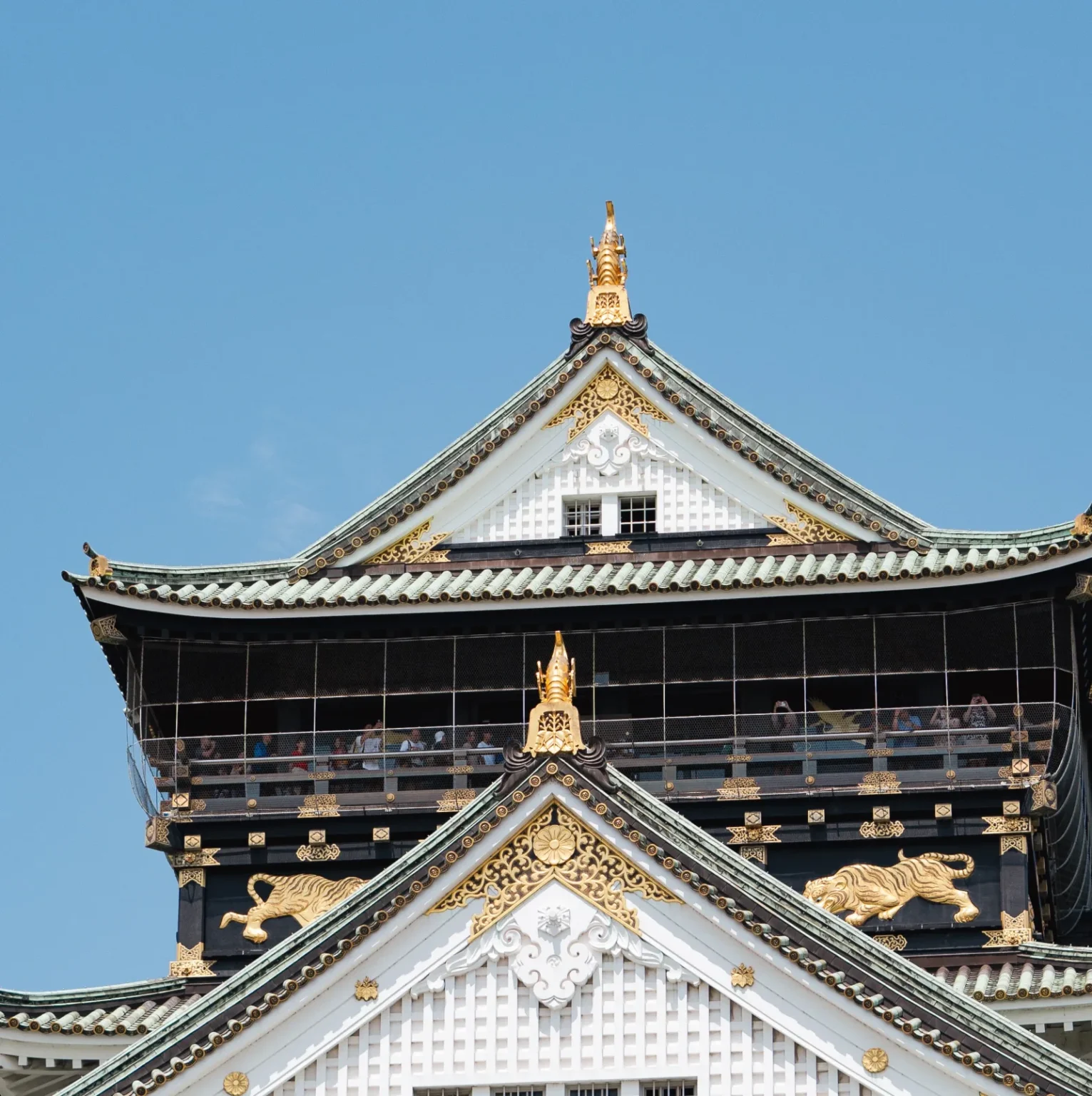
Inside, it is a museum. The floors cover Hideyoshi’s life and era, the Osaka Summer Campaign folding screen, and an information corner on castles, with the observation deck on the 8th floor, 50 metres above the ground. And the genuinely old Osaka Castle is outside: thirteen structures are designated Important Cultural Properties, including turrets, the Otemon gate, storehouses and a well house from the Edo period, plus the Sakuramon gate, which dates from 1887. For tickets, the stones and how to walk the grounds, see my Osaka Castle guide.
The 12 castles whose original keeps survive
If you are looking for original castles in Japan, the Agency for Cultural Affairs puts it simply: Japan has many castles, but only twelve still have a keep from the Edo period or earlier standing in almost its original form. Matsuyama City lists the same twelve and notes that each keep is designated by the national government.
| Castle | Prefecture | Keep’s designation |
|---|---|---|
| Hirosaki | Aomori | Important Cultural Property |
| Matsumoto | Nagano | National Treasure |
| Maruoka | Fukui | Important Cultural Property |
| Inuyama | Aichi | National Treasure |
| Hikone | Shiga | National Treasure |
| Himeji | Hyogo | National Treasure |
| Matsue | Shimane | National Treasure |
| Bitchu Matsuyama | Okayama | Important Cultural Property |
| Marugame | Kagawa | Important Cultural Property |
| Matsuyama | Ehime | Important Cultural Property |
| Uwajima | Ehime | Important Cultural Property |
| Kochi | Kochi | Important Cultural Property |
“Original” does not mean “never touched”. Himeji’s main keep was completely taken apart and reassembled in the Showa-era repair of 1956 to 1964, the first full dismantling since Ikeda Terumasa began building the castle in 1601. Himeji is still one of the twelve surviving keeps; the 1956–64 work was a full dismantling repair.
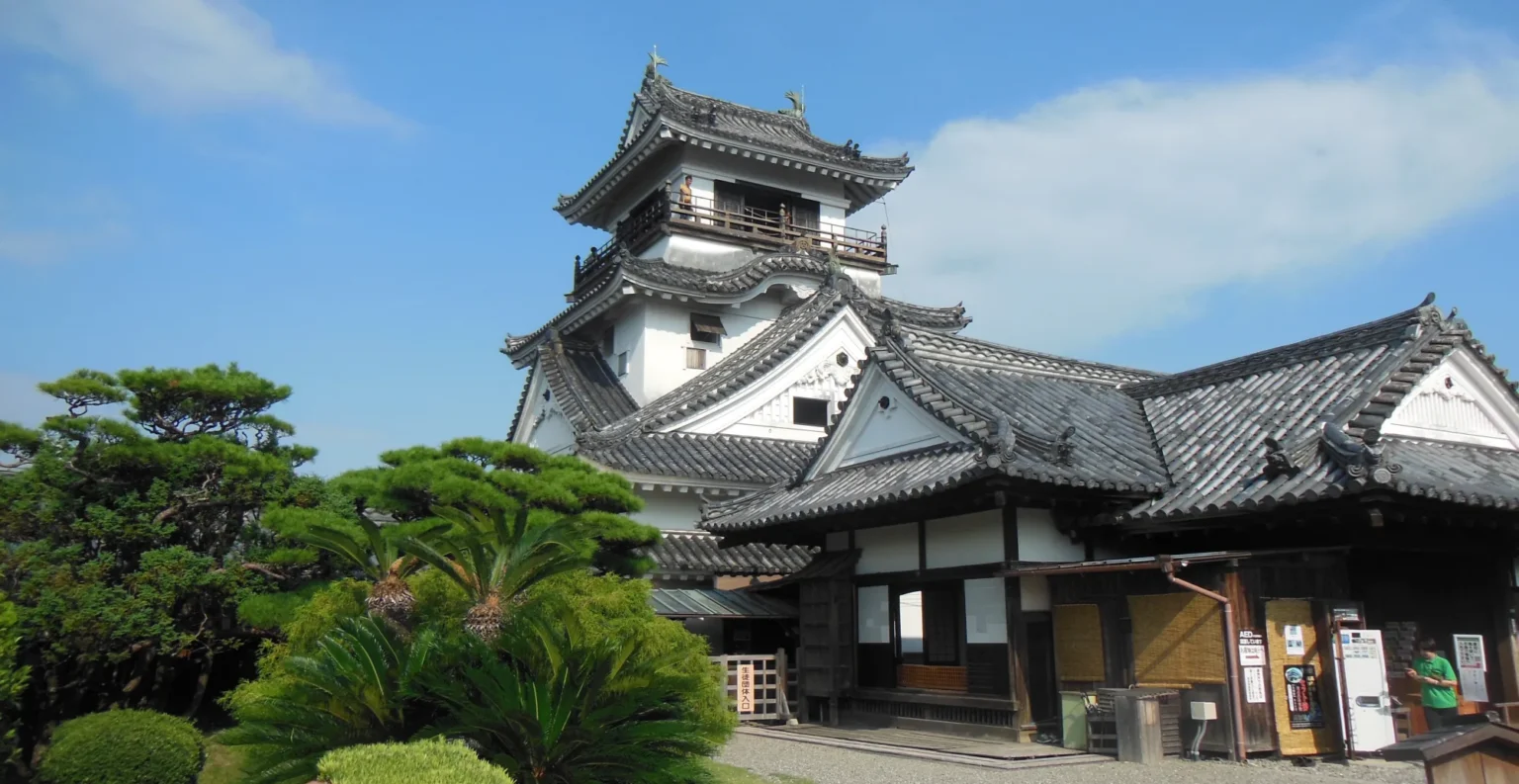
I photographed Kochi Castle in 2018. Kochi Prefecture’s tourism association describes it as the only castle among the twelve where the honmaru palace also survives; both the keep and the palace, Kaitokukan, are Important Cultural Properties. Matsuyama City describes its own keep as the newest of the twelve. Matsuyama and Kochi are both on my five-day Shikoku itinerary. There is more in my Kochi Castle guide.
What “rebuilt” can mean
Reconstructed castles in Japan are not all the same. A castle tower that is not one of the twelve can be several very different things.
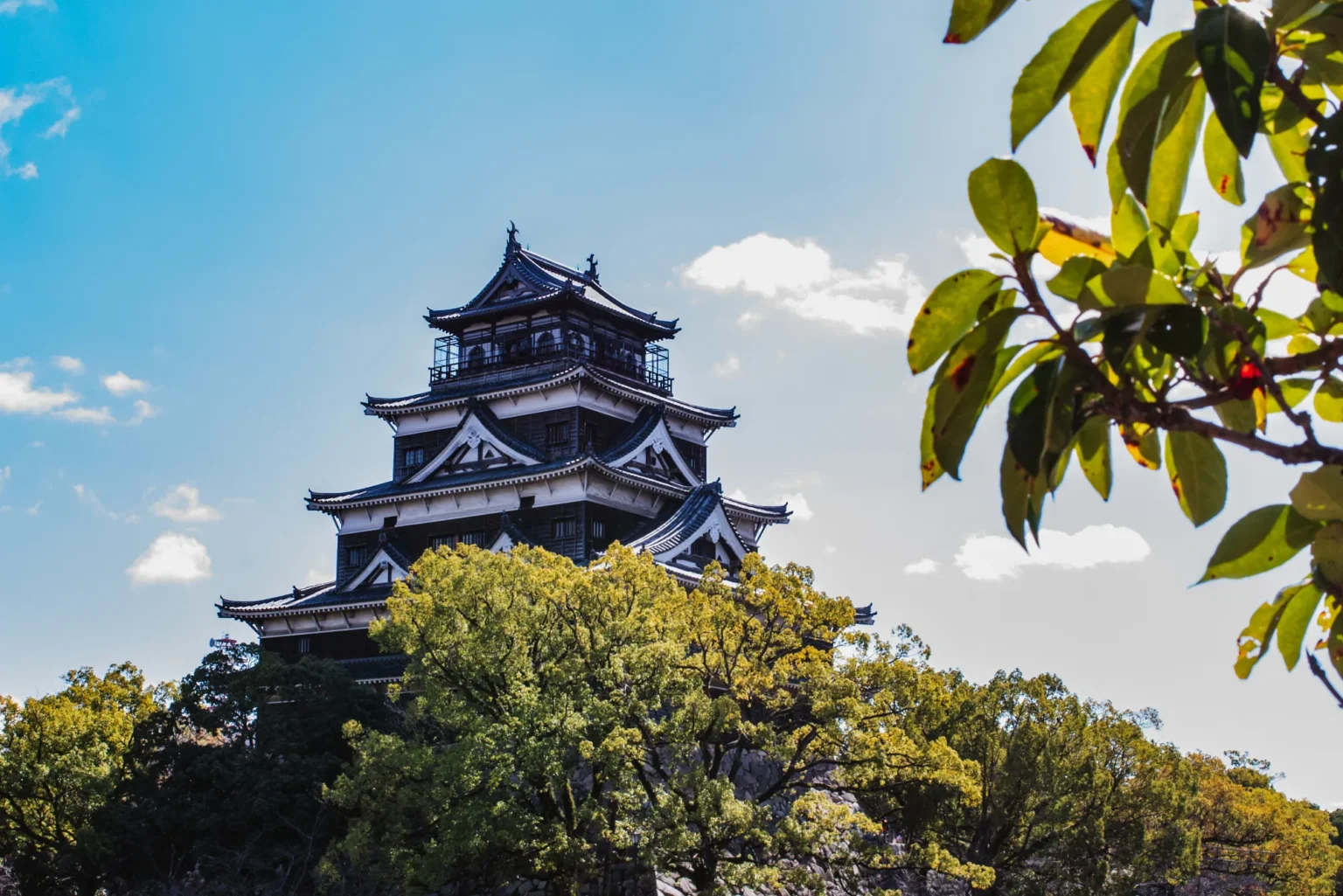
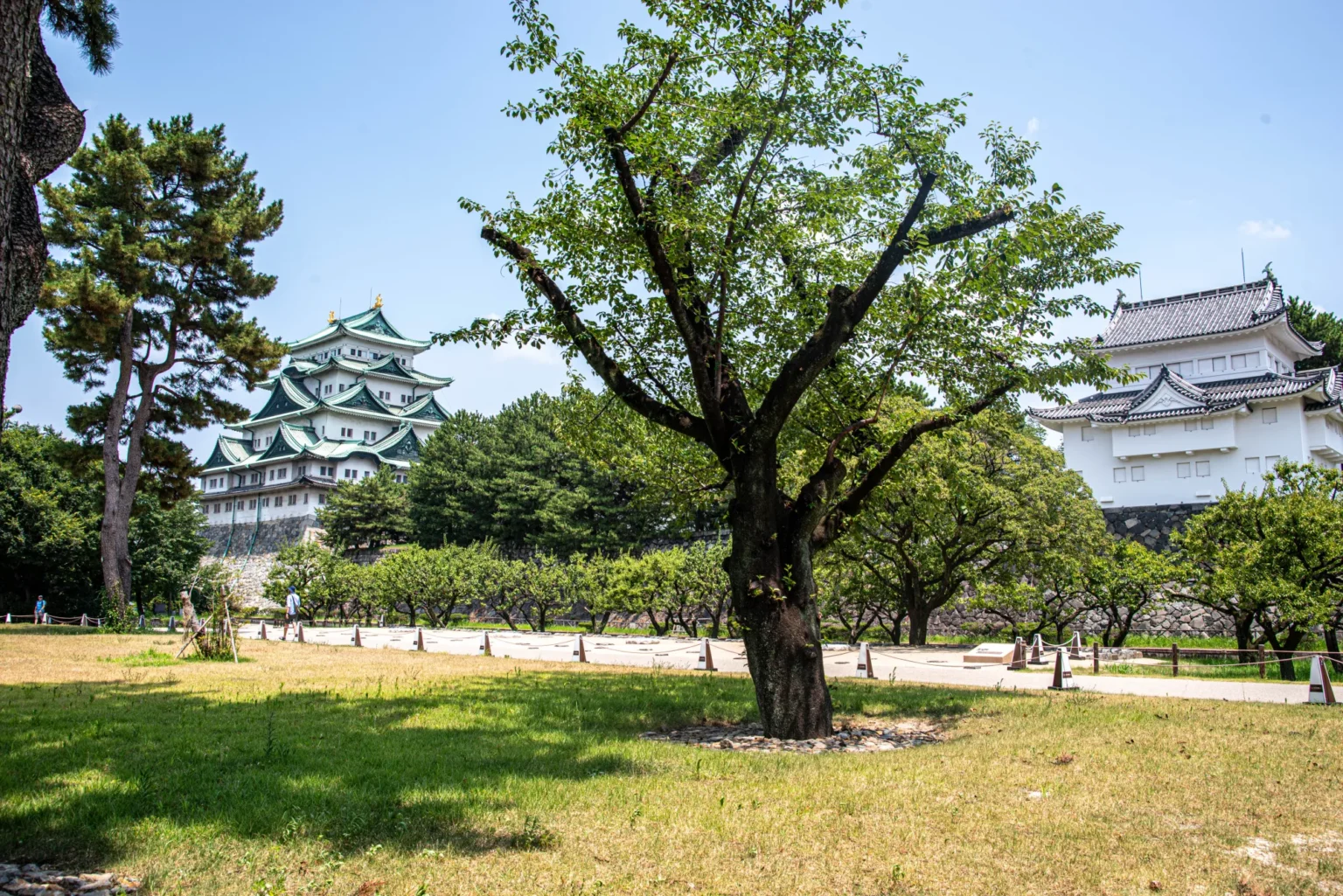
Concrete towers that recreate an old exterior. Osaka is one. Nagoya is another: its keep burned in the 1945 air raids, and with large donations from citizens it was rebuilt in steel-framed reinforced concrete in 1959, the outside recreating the old keep and the inside used as a museum. Hiroshima’s keep collapsed in the atomic bombing on 6 August 1945; the present keep, in reinforced concrete, was reconstructed on the outside in 1958 and opened as a history museum on 1 June that year.
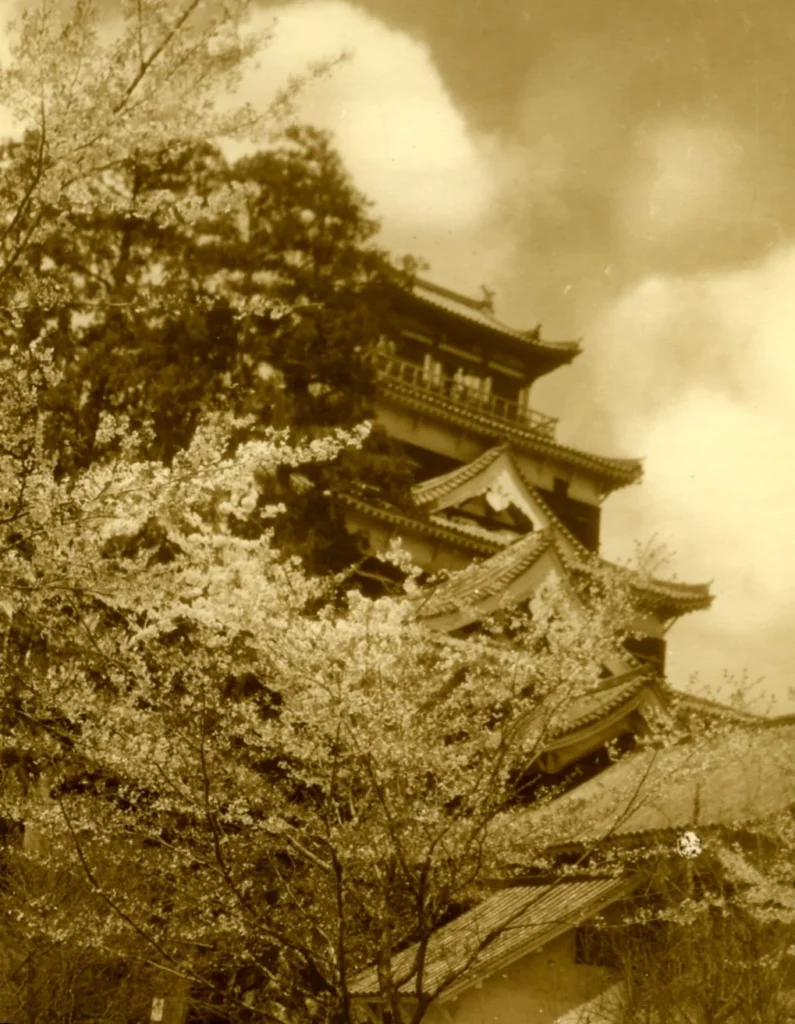
Wooden reconstructions. Some towns have rebuilt in timber. Kakegawa City says its present keep was reconstructed in April 1994 as Japan’s first full-scale wooden castle keep. Ozu City says its four-storey keep was rebuilt in wood in 2004, using excavation results, old photographs, Edo-period drawings and a wooden model of the keep from the Edo period. At Shirakawa’s Komine Castle, the three-storey turret was rebuilt in wood in 1991, based on excavations and a set of turret drawings dated 1808.
The official standard. The Agency for Cultural Affairs sets a standard for reconstructing historic buildings on designated historic sites: the rebuilding must have sufficient grounds for the original location, scale, structure and form, and be highly likely to match them. It also describes a looser approach, where scale, materials, interior or structure are partly changed, either for the site’s use or because the historical records are not complete enough.
Two famous keeps you can’t go inside right now
Nagoya. The concrete keep has been closed since May 2018. The city says earthquake checks found it had very low seismic performance, at high risk of collapsing in a quake, and the castle office adds that half a century of ageing equipment is part of the reason. Nagoya has decided to rebuild the keep in wood and is pushing the plan forward. At a press conference on 3 June 2026, the mayor framed the issue as a choice between pursuing the wooden reconstruction and giving it up for the looser approach, with a large lift. The city pages cited here do not give a confirmed completion date, so don’t plan an itinerary around an opening date.
Hiroshima. The 1958 keep closed on 22 March 2026. The castle’s site gives deteriorating concrete and ageing equipment as the reasons, and says the closure was for safety.
So if a 2026 itinerary promises “inside Nagoya Castle’s keep” or “Hiroshima Castle museum”, it is out of date.
How I judge a castle before I go
Whether a place is a reconstruction does not decide it for me. Even when something has been rebuilt, I care a lot about how the local people and the local government are involved in what they want to keep. Having a proper museum or archive matters a great deal. The atomic bomb sites in Hiroshima are a clear example of that.
I also don’t think skipping places is the answer. Going and seeing for yourself becomes part of what you know. You can decide not to go somewhere you aren’t interested in, but by going, I can tell you honestly whether I’d recommend it, and I learn something either way.
These are questions worth checking against official castle, city and cultural-agency information:
- Is the keep one of the twelve? If it is, you are entering a keep that survives from the Edo period or earlier in almost its original form.
- If it is rebuilt, from what? Ozu, for example, says its wooden keep was rebuilt from excavation results, old photographs, Edo-period drawings and a model.
- What is genuinely old on the site? At Osaka, the thirteen Important Cultural Properties include turrets, gates, storehouses, a well house and walls, not the 1931 tower in the photos. At Takamatsu, where no keep survives, the surviving turrets and the Mizute gate are themselves the designated buildings.
- Is it explained? Look for a museum, the city’s explanation of the site, or a history page that tells you what was lost and when.
- Is it open? Check the official site in the month you travel. Two concrete keeps, Nagoya and Hiroshima, are closed right now.
My picks for the best castles in Japan to visit instead
Instead of Osaka’s keep, these are the three castles I’d recommend.
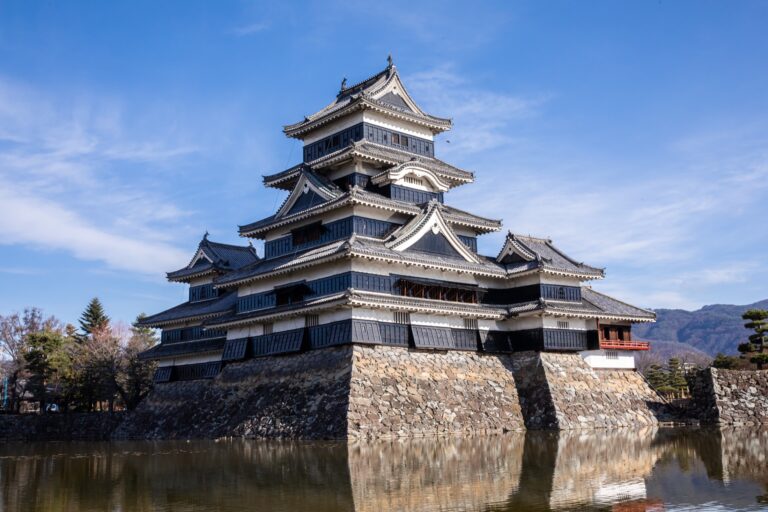
Matsumoto Castle, Nagano
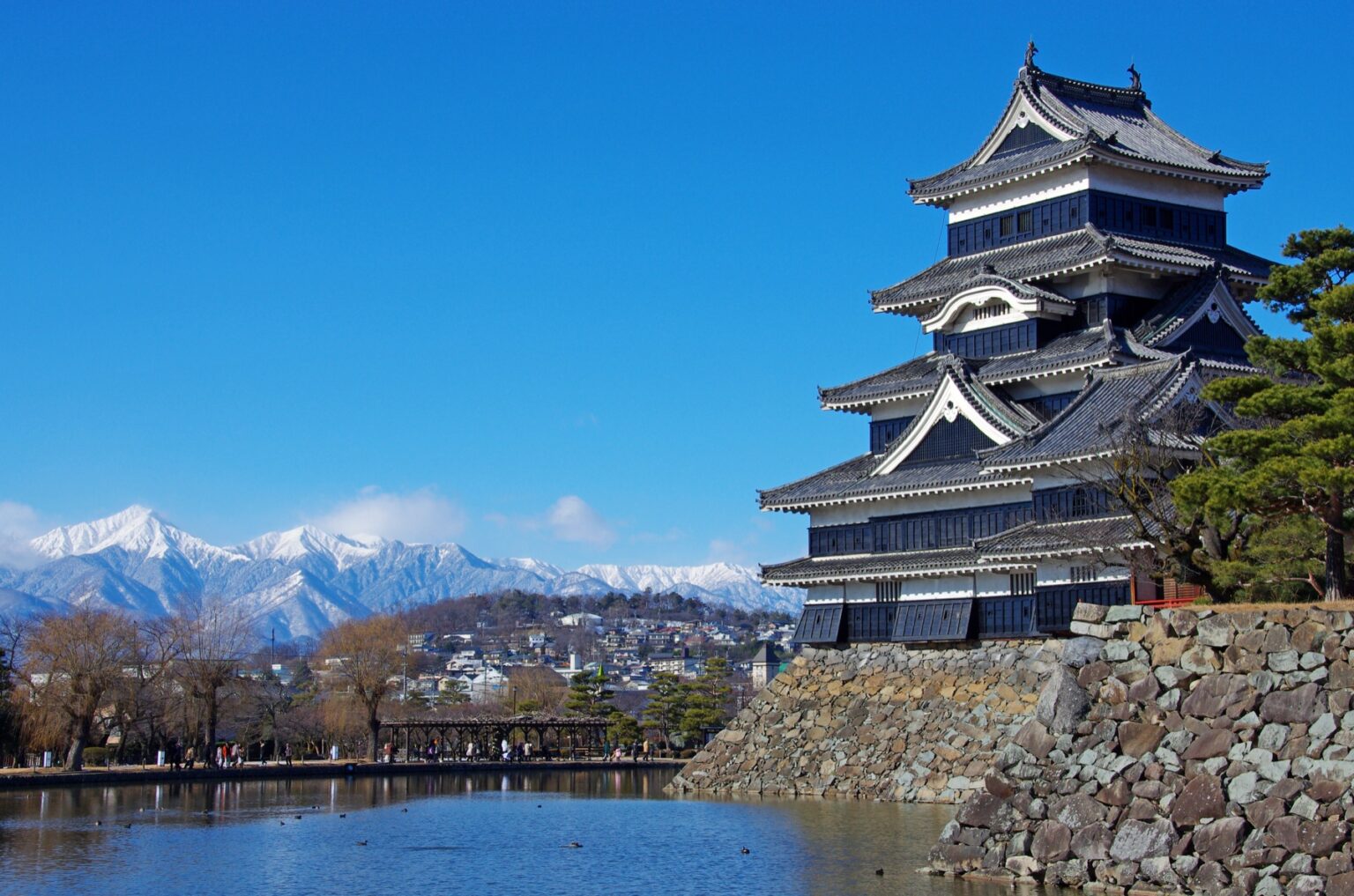
Matsumoto’s keep is a National Treasure. The city says that after Ishikawa Kazumasa took over the domain, his son Yasunaga built the keep group: the main keep, the Inui small keep and a connecting turret. On the exact date, Matsumoto City is careful: a study found no records firm enough to fix the year, but concluded that construction in 1593 to 1594 is very likely.
Inside, there are only stairs: about 140 steps, the steepest at about 61 degrees, narrow and continuous. The castle says lifts and escalators cannot be installed. The Taikomon gate, by contrast, was reconstructed in 1999, after excavations and the rebuilding of its stone walls, as the castle’s own site explains. More in my Matsumoto Castle guide.
Himeji Castle, Hyogo
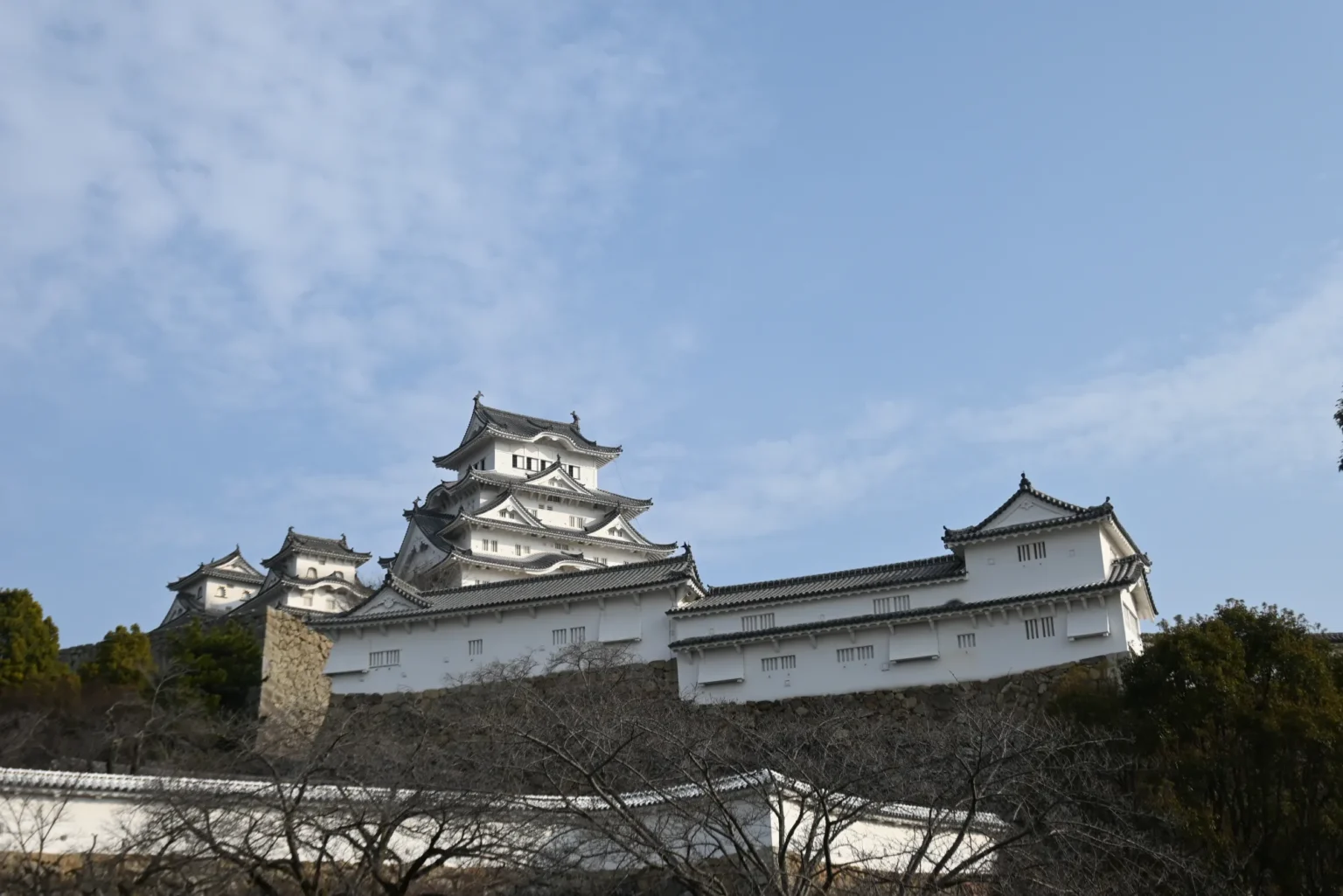
Himeji was inscribed as a World Heritage Site on 11 December 1993; Himeji City notes that it and Horyu-ji in Nara became Japan’s first World Cultural Heritage sites. Its main keep, three smaller keeps and the connecting turrets are National Treasures, and the Agency for Cultural Affairs says most of the designated buildings date from 1601 to 1609, under Ikeda Terumasa. The city also documents how it has looked after them: the full dismantling in 1956 to 1964, and a Heisei preservation repair from October 2009 to March 2015 that re-laid the roof tiles, re-plastered the joints and walls, and added earthquake reinforcement.
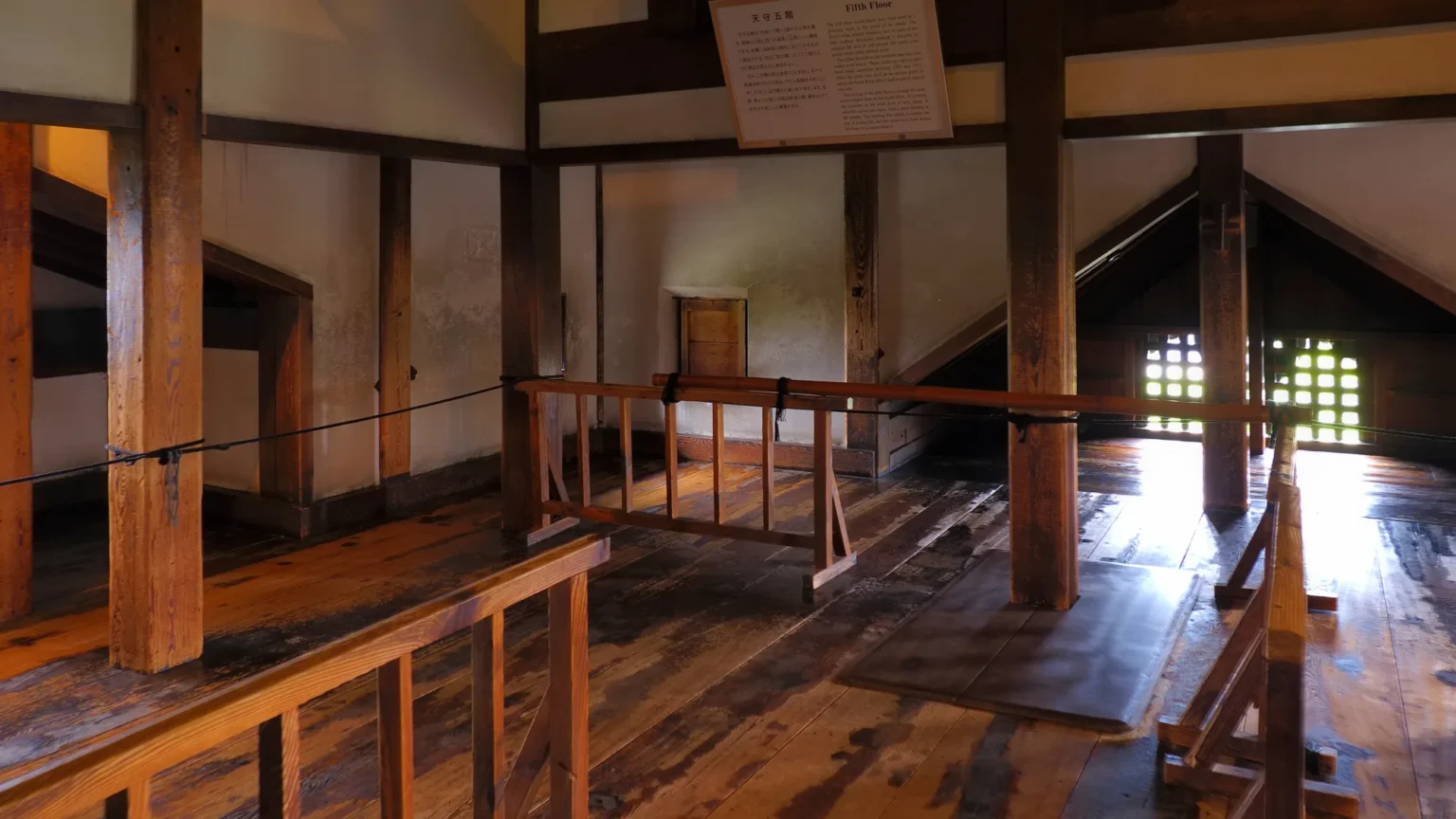
Inside, Himeji City warns that the keeps and turrets have no lifts, only very steep, narrow staircases with handrails. Entry to the main keep is capped at 1,000 people an hour, so on busy days you may wait at the entrance.
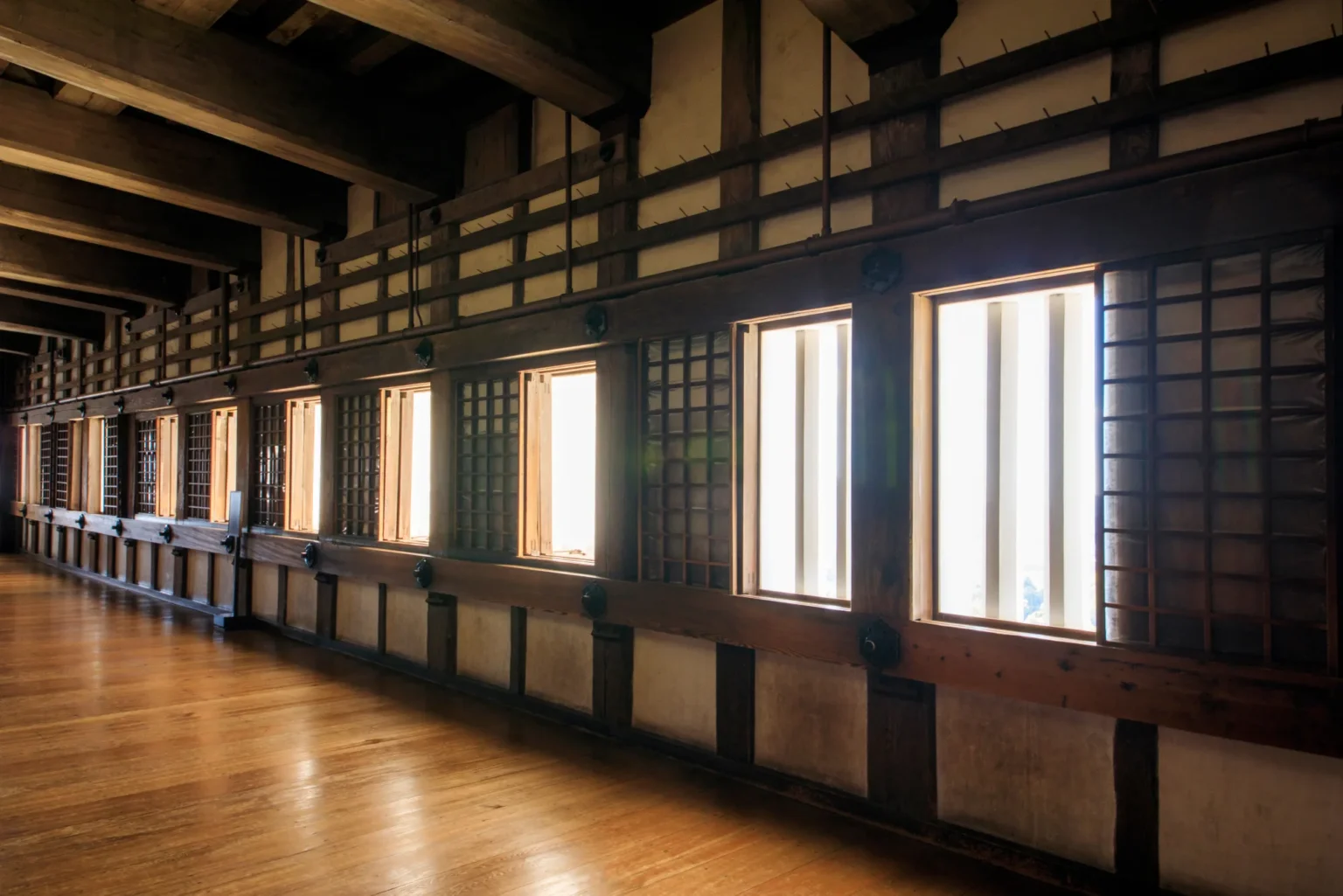
Since 1 March 2026, adults (18 and over) pay ¥2,500, while Himeji residents pay ¥1,000. This is based on whether you live in the city, not on nationality.
Takamatsu Castle, Kagawa
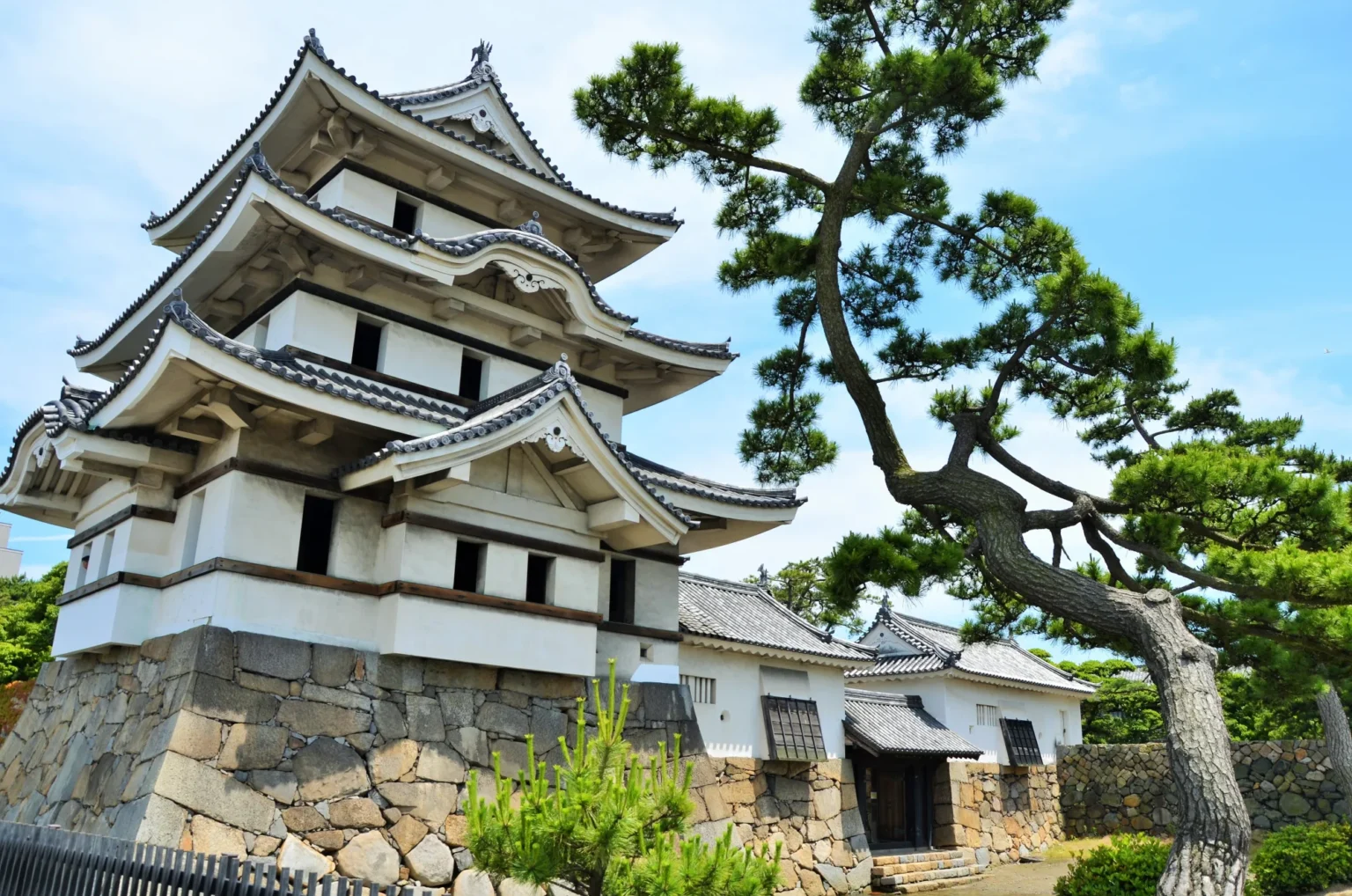
Takamatsu has no keep, and I still recommend it. Takamatsu City says the castle once had a keep of three tiers and four storeys plus a basement, and about twenty turrets. What survives today are the Ushitora turret, the Tsukimi turret, a connecting turret and the Mizute gate, all designated Important Cultural Properties. From old documents, the city thinks the Tsukimi turret’s framework was raised in 1676; the Ushitora turret was built in 1677, and it was moved to its present spot in 1967. Hiunkaku, the Matsudaira family’s former residence in the grounds, is also an Important Cultural Property.
The city also explains that the castle was surrounded by three rings of moats, all drawing in seawater. Takamatsu City is clear that the keep no longer survives, and names the buildings that do. Admission to Tamamo Park, where the castle stands, is ¥300. Hours change by month and the west and east gates keep different times, so check before you go. My Takamatsu one-day guide fits the castle into a day.
Tickets, hours and stairs, side by side
From each castle’s official page, checked 24 October 2026:
| Castle | Keep, ticket and hours |
|---|---|
| Osaka | 1931, concrete. Lift; museum exhibitions on the lower floors and an 8th-floor observation deck. Adults ¥1,200; 9:00–18:00 (last entry 17:30). |
| Himeji | Original, National Treasure. No lift; very steep stairs. ¥2,500 (Himeji residents ¥1,000); 9:00–17:00 (last entry 16:00). |
| Matsumoto | Original, National Treasure. No lift; about 140 steps, up to about 61°. ¥1,200 e-ticket or ¥1,300 paper ticket; 8:30–17:00 (last entry 16:30). |
| Takamatsu (Tamamo Park) | No keep; three Edo-period turrets and a gate survive. ¥300; hours vary by month and gate. |
| Nagoya | 1959, concrete. Keep closed since May 2018. |
| Hiroshima | 1958, concrete. Keep closed since 22 March 2026. |
At Osaka, the exterior lift to the first floor is staff-guided, and wheelchair users and visitors who find walking difficult can use it. At Matsumoto, the castle limits entry for safety when conditions require it. If you are stringing several castles together by shinkansen, my JR Pass vs individual tickets comparison sets the pass against buying tickets one by one.
Japanese castles: FAQ
How many original castles are there in Japan?
Twelve castles have keeps from the Edo period or earlier still standing in almost their original form: Hirosaki, Matsumoto, Maruoka, Inuyama, Hikone, Himeji, Matsue, Bitchu Matsuyama, Marugame, Matsuyama, Uwajima and Kochi. Five keeps are National Treasures and seven are Important Cultural Properties.
Is Osaka Castle original?
No. The keep was completed in 1931 in steel-framed reinforced concrete, paid for by donations from Osaka residents, and is now a museum. The earlier keeps burned in 1615 and 1665. Thirteen structures in the grounds, mostly Edo-period turrets, gates and storehouses, are Important Cultural Properties.
Why does Osaka Castle have an elevator?
The 1931 keep was built as a reinforced-concrete building with a lift. The castle museum’s timeline records one lift restarting in July 1950 and the other in March 1952. Lifts have been part of the keep since 1931.
Is Osaka Castle worth visiting?
For me, the lift was a letdown and the building felt too modern. Inside, it is a museum. The grounds are another matter: Osaka’s old gates and turrets are designated Important Cultural Properties. If you want an original keep, go to one of the twelve, such as Himeji or Matsumoto.
Can you go inside Nagoya Castle and Hiroshima Castle?
Not the keeps. Nagoya’s has been closed since May 2018 over its very low earthquake resistance, and Hiroshima’s closed on 22 March 2026 because of deteriorating concrete and ageing equipment.
Do Himeji and Matsumoto castles have lifts?
No. Himeji says its keeps and turrets have no lifts and very steep, narrow stairs. Matsumoto says its keep has only stairs, about 140 steps, and that lifts and escalators cannot be installed.
Does Takamatsu Castle have a keep?
No. The keep is gone. Four Edo-period buildings survive and are Important Cultural Properties: the Ushitora and Tsukimi turrets, a connecting turret and the Mizute gate. The moats draw in seawater.
Sources (checked 24 October 2026)
- Agency for Cultural Affairs: The twelve surviving castle keeps; Himeji Castle main keep (national designation database); Himeji Castle, World Heritage; Osaka Castle Kinmeisui well house (the thirteen buildings); Kochi Castle keep; Kochi Castle Kaitokukan (Japanese)
- Agency for Cultural Affairs: Standard for reconstructing historic buildings on historic sites; Ageing reinforced-concrete keeps (Japanese, PDF)
- Matsuyama City: The twelve surviving keeps; Cultural heritage plan, p.12 (Japanese)
- Osaka City: Designation of Osaka Castle keep; Chuo Ward: Osaka Castle (Japanese)
- Osaka Castle Museum: 90-year history; 90th anniversary release; Visitor guide; Exhibitions (Japanese)
- Kochi Prefecture tourism association: Kochi Castle (Japanese)
- Nagoya City and Nagoya Castle: Keep project outline; Keep; Mayor’s press conference, 3 June 2026 (Japanese)
- Hiroshima City: Study on Hiroshima Castle keep; Hiroshima Castle: 1945–2025; Closure on 22 March 2026 (Japanese)
- Kakegawa City: History of Kakegawa Castle; Ozu City: Ozu Castle site; Shirakawa City: Komine Castle site (Japanese)
- Matsumoto City: Matsumoto Castle keep; Study of the keep’s construction date; National Treasure Matsumoto Castle: Visitor information; FAQ; Kuromon and Taikomon gates (Japanese)
- Himeji City: World Heritage Himeji Castle; Visitor guide; Admission from 1 March 2026; Showa repair seminar; Current state and issues, p.161 (Japanese)
- Takamatsu City: History of the Takamatsu Castle site; Takamatsu Castle buildings; Tamamo Park hours and admission (Japanese)
- Wikimedia Commons: Hiroshima Castle before the bombing (public domain)
Some links above are affiliate links — they cost you nothing extra and help keep this site going.
Join travelers discovering Japan's hidden side
Weekly dispatches from off-the-beaten-path Japan — spots and stories you won't find in guidebooks.
No spam. Unsubscribe anytime.
Welcome aboard!
You're in. See you in your inbox soon.