
No earthquake of JMA intensity 5-lower or above has been recorded in Japan in the last 72 hours. Smaller quakes and aftershocks may still be occurring. This box updates automatically if one occurs — for the live map any time, see the JMA earthquake map. The advice below is worth reading before you need it.
Safety in Japan · Earthquakes
If you feel an earthquake in Japan, protect yourself the instant it starts: in most indoor settings that means drop low, cover your head, and hold on until the shaking stops — and never run outside mid-quake. Adapt to where you are: hold a rail on a train, shield your head outdoors. Then one rule changes everything by location — near the coast, strong shaking, or weak shaking that lasts a long time, means move to high ground immediately, without waiting for a tsunami warning. The right action always depends on where you are.
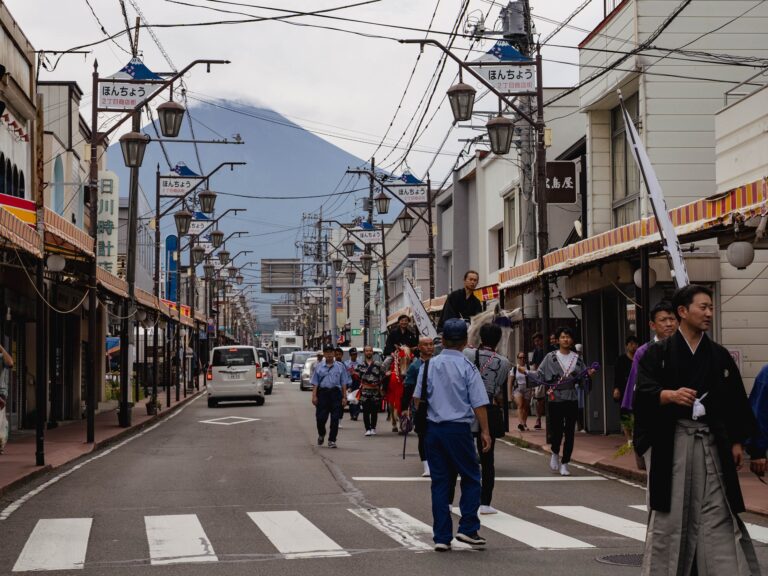
I live at the foot of Mount Fuji, so earthquakes are simply part of the year here — Japan has many felt earthquakes every year, the great majority just a brief sway you will barely notice. A few are not: on 28 July 2026 a magnitude 7.1 earthquake struck the Kumamoto region at around 4:27 p.m., registering the top of Japan’s intensity scale in JMA’s data (same-day figures are provisional and get revised). Aftershocks have continued into early September, though they have eased a long way: through early September Kumamoto has felt small quakes most days at intensity 1 to 2, the last time it reached intensity 4 there was 12 August, and the last intensity 5-lower was on 1 August. That is not the same as over. In the statement carried on its Kumamoto portal on 1 September, the JMA asked people in the areas that shook hardest to stay alert for a further three to four weeks for quakes of around intensity 5-lower or above — which it expects roughly once or twice a month — and noted that while the number of earthquakes is still higher than normal, the activity is gradually declining. The “expect aftershocks” rule below applies for weeks, not days. And Kumamoto is not the only live example: in the small hours of 23 August a magnitude-5.9 quake under southern Ibaraki shook the Kanto plain, registering intensity 5-lower in Ibaraki, Saitama, Chiba and Tokyo — no tsunami (it was inland), around three dozen minor injuries, burst water pipes, and commuter railways holding their first trains for safety checks with delays into mid-morning. The following night a magnitude-6.0 quake struck offshore at Urakawa-oki, southern Hokkaido (10:45 p.m., 23 August), registering intensity 4 on the coast; JMA issued no tsunami warning or advisory. For most foreign visitors that meant being woken at 2 a.m. by the phone alarm described below, then a slower commute — exactly the sequence this page walks you through. At the time, the JMA asked the Kanto area to stay alert for similar shaking for about a week; that window has since passed. None of this should keep you at home — the rest of the country is running a normal September, as our Japan in September 2026 calendar shows. This guide is written for the traveler who has never felt one and suddenly does — what the shaking means, what the alarm on the phones around you is, and what to do in the most common situations depending on where you happen to be standing.
Want to help Kumamoto recover?
Official relief funds for the 28 July 2026 Kumamoto earthquake are now open. There are two routes: donations that go 100% to survivors (the official gienkin, by Japanese bank transfer), and credit-card funds run by established relief groups (easier from abroad).
Straight to survivors (bank transfer): the Kumamoto Prefecture official gienkin (29 Jul–30 Oct) and the Japanese Red Cross fund “日赤令和8年熊本地震災害義援金” (opened 31 July) pass every yen to affected people, but are Japanese bank transfers.
Easiest with an overseas card:
Every link here is an official or established channel, verified against its own site. Give only through pages like these — after every disaster, fake appeals spread by email, social media and door-to-door, so ignore anything that reaches you unsolicited.
Thinking of volunteering?
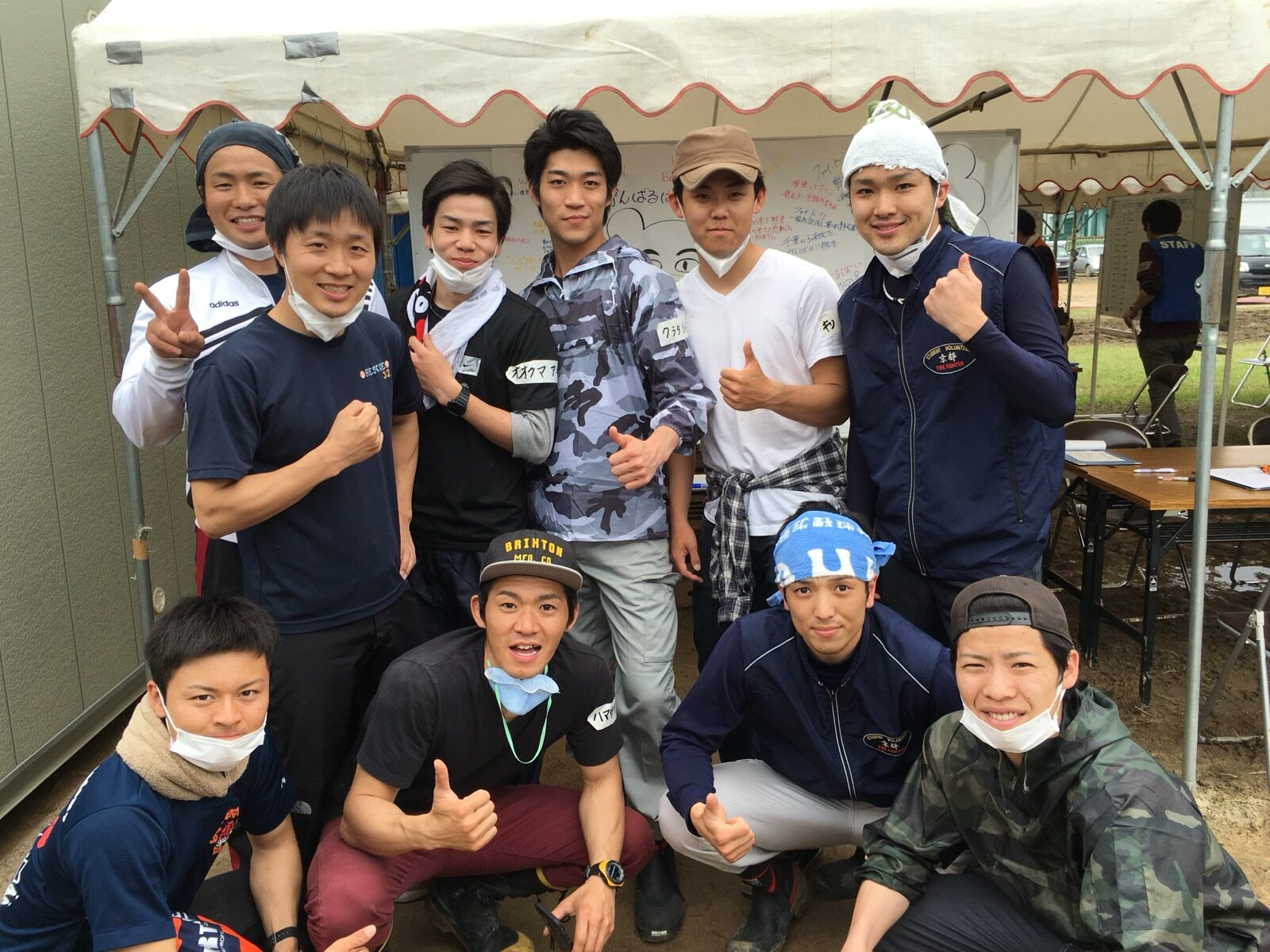
Don’t travel into damaged areas to help unless you’ve been accepted through an official channel. Disaster volunteering in Japan is run by local Councils of Social Welfare (shakyo). It usually needs advance registration and volunteer insurance, expects you to bring your own gear and arrange your own transport and lodging, and is coordinated in Japanese — and centres often prioritise people who live in or near the affected area. For most short-term visitors, this is not a drop-in activity.
By mid-August, disaster volunteer centres were open in eleven Kumamoto municipalities — Kumamoto City, Yatsushiro, Uto, Uki, Misato, Mifune, Kashima, Mashiki, Kosa, Hikawa and Ashikita — alongside the prefectural centre set up on 29 July, with online pre-registration running and roughly 8,800 volunteer participations counted by 17 August. Recruitment runs in short periods, is posted only a few days ahead and fills fast, and some centres pause when debris yards or logistics can’t absorb more hands — so there is no schedule worth reprinting here, only the official one. Kumamoto summers are punishing, and centres turn away anyone who arrives unprepared for the heat. Officials still ask people not to self-dispatch and to register first. Which centres are open, and who they can accept, changes day by day, so check the official status before making any plan.
For most travellers, the most useful help is to give to the official relief fund above, stay clear of the affected areas so shelters, hotels, fuel and transport stay free for residents and responders, and share only verified information. The other half of that answer is slower and matters just as much: go back later and spend money there. Kumamoto’s tourism economy is what rebuilds the town, and when the rail line is whole again the prefecture is worth the trip on its own terms — the tree house in Takamori, over on the Aso side, is the sort of place that only exists because people keep visiting. Autumn is a good excuse: our Kyushu autumn-leaves guide runs from November into early December.
The shaking itself is the warning. Near the coast nobody can reach you in time to tell you — if it is strong, or if it is weak and simply will not stop, you start moving the moment you safely can.
The first sixty seconds: Drop, Cover, Hold On
Japan’s official guidance from the JMA and the Fire and Disaster Management Agency is consistent and simple: when you feel shaking or hear an early warning, protect yourself first. Get low so you can’t be knocked over, protect your head and neck, and get under something sturdy — a solid table or desk — holding one of its legs so it doesn’t slide away from you. Stay there until the shaking stops.
Drop
Get down low before the shaking knocks you over.
Cover (head & neck)
Get under a sturdy table. No table? Shield your head, away from windows.
Hold on
Grip the leg and move with it until the shaking ends, then look up.
Where you are changes what you do
The first move — low, covered, holding on — is the default in almost any indoor situation. Outdoors, on a train or in a car it changes shape, but the principle does not: protect your head, get stable, and do not try to travel while the ground is moving. What comes next depends on where the quake finds you.
Hotel room / high floor
Get under the desk and protect your head. Tall buildings sway more and for longer (long-period motion); protect yourself from moving furniture and the TV, and once the shaking stops, check for damage and follow staff instructions. Keep shoes and a light near the bed — glass on the floor is the usual injury afterward.
On a train or shinkansen
Trains detect strong quakes and brake automatically — the shinkansen has a dedicated early-detection system. A sudden hard stop after a quake is usually the train’s emergency braking. Crouch, hold a strap or rail, and wait. Do not force doors or climb onto the tracks; follow the crew’s instructions.
On the street
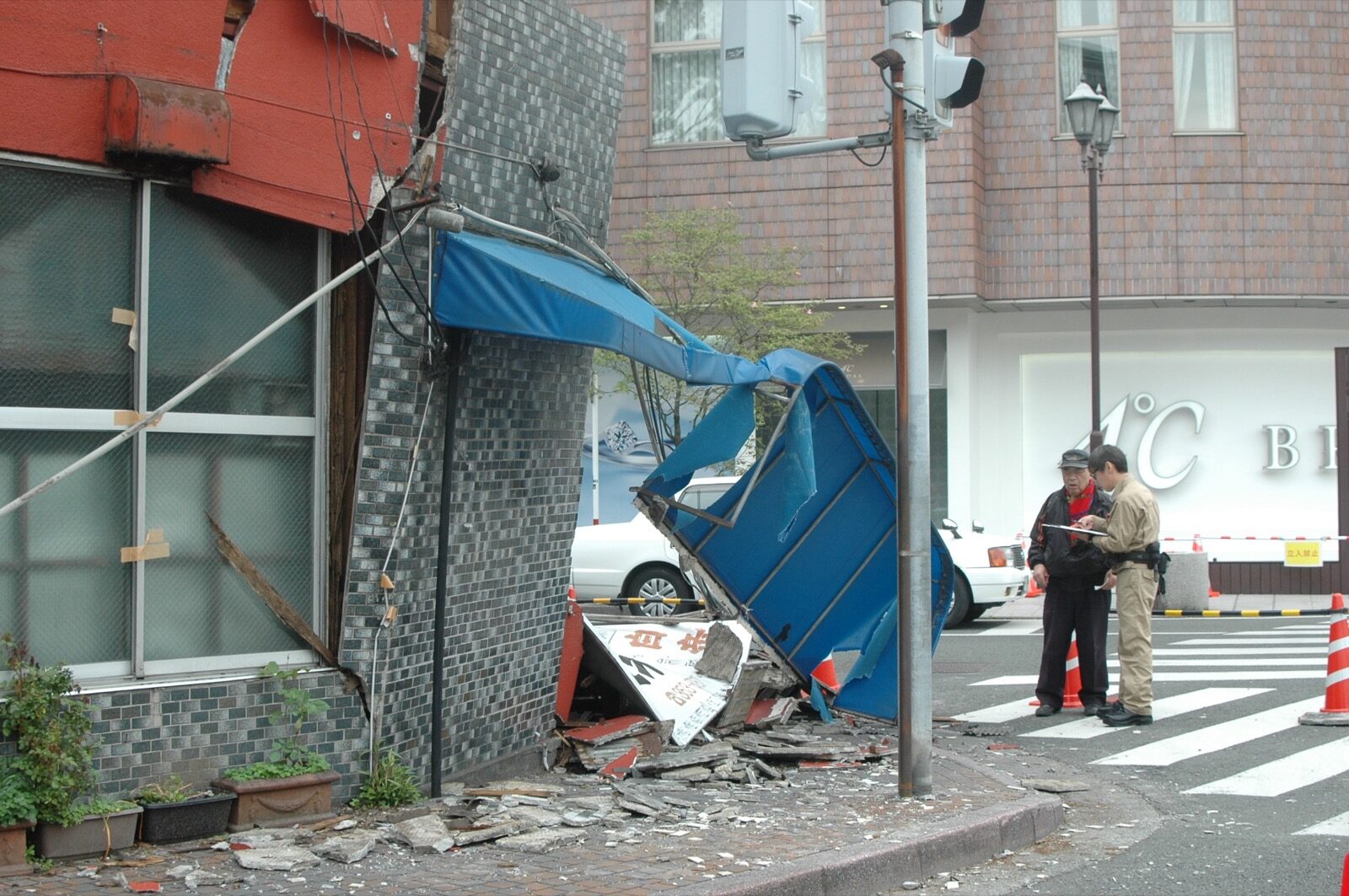
The danger is above and around you: falling glass, signs, wall tiles and concrete-block walls. Move away from buildings, cover your head with a bag, and head for open space if there is any. Don’t linger under eaves or beside old walls.
By the coast or a river mouth
This is the one place you act before any official word. Strong shaking, or slow shaking that lasts a long time, is itself the warning — move to high ground or a designated evacuation building at once. No high ground? Head for a designated tsunami-evacuation building, or the upper floors of a sturdy reinforced building, following local signage. Don’t return while any advisory or warning is in effect — and even once it’s lifted, follow local authorities before going back.
In an elevator
Press the buttons for every floor and get out at the first floor where the doors open; don’t get back in, and use the stairs only if you need to evacuate and the route is clear. If you’re trapped, use the emergency call button, report your location if you can, and wait — forcing the doors is dangerous.
Department store / underground / station
Protect your head and follow staff and station announcements. Don’t stampede for exits, don’t jump onto platform tracks, and in an underground mall stay put and calm if the power cuts — large facilities usually have evacuation procedures and emergency lighting to guide you out.
The tsunami rule that matters most
If you take one thing from this page, take this. The JMA is explicit: when a quake’s source is close to shore, a tsunami can arrive before the warning does. So on the coast you do not wait for an alert. Strong shaking, or weak-but-long shaking, near the sea = move to high ground immediately. Then, if official tsunami information is issued, act on its level: an advisory means get out of the water and away from the shore; a warning or major warning means get high, fast, and stay there until it’s formally lifted — not just until the water looks calm, and, even then, following local authorities before you return.
Get out of the water, off the shore and away from river mouths. If you already moved to high ground because the shaking was strong or long, stay there.
Go higher, fast, and stay there.
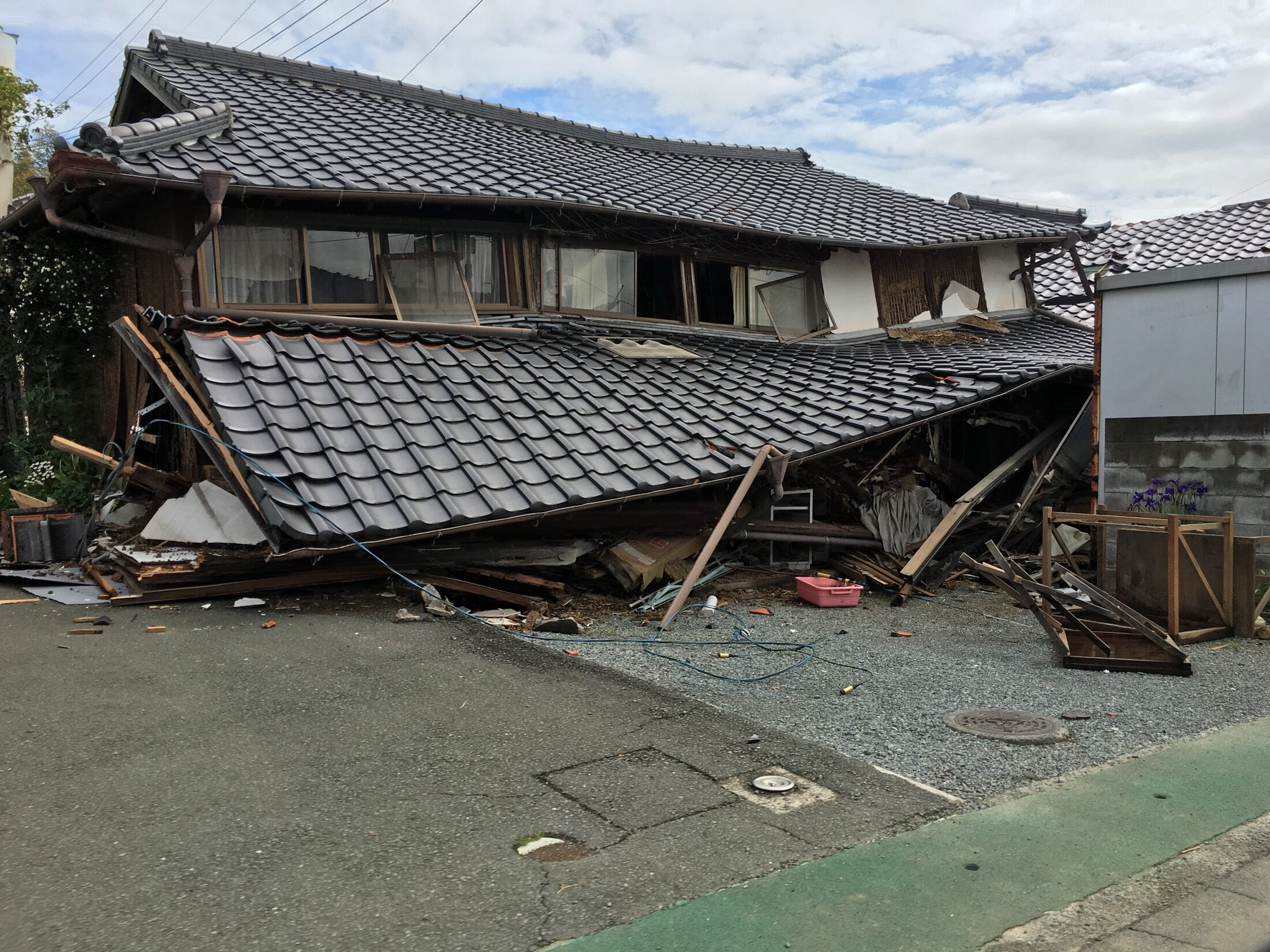
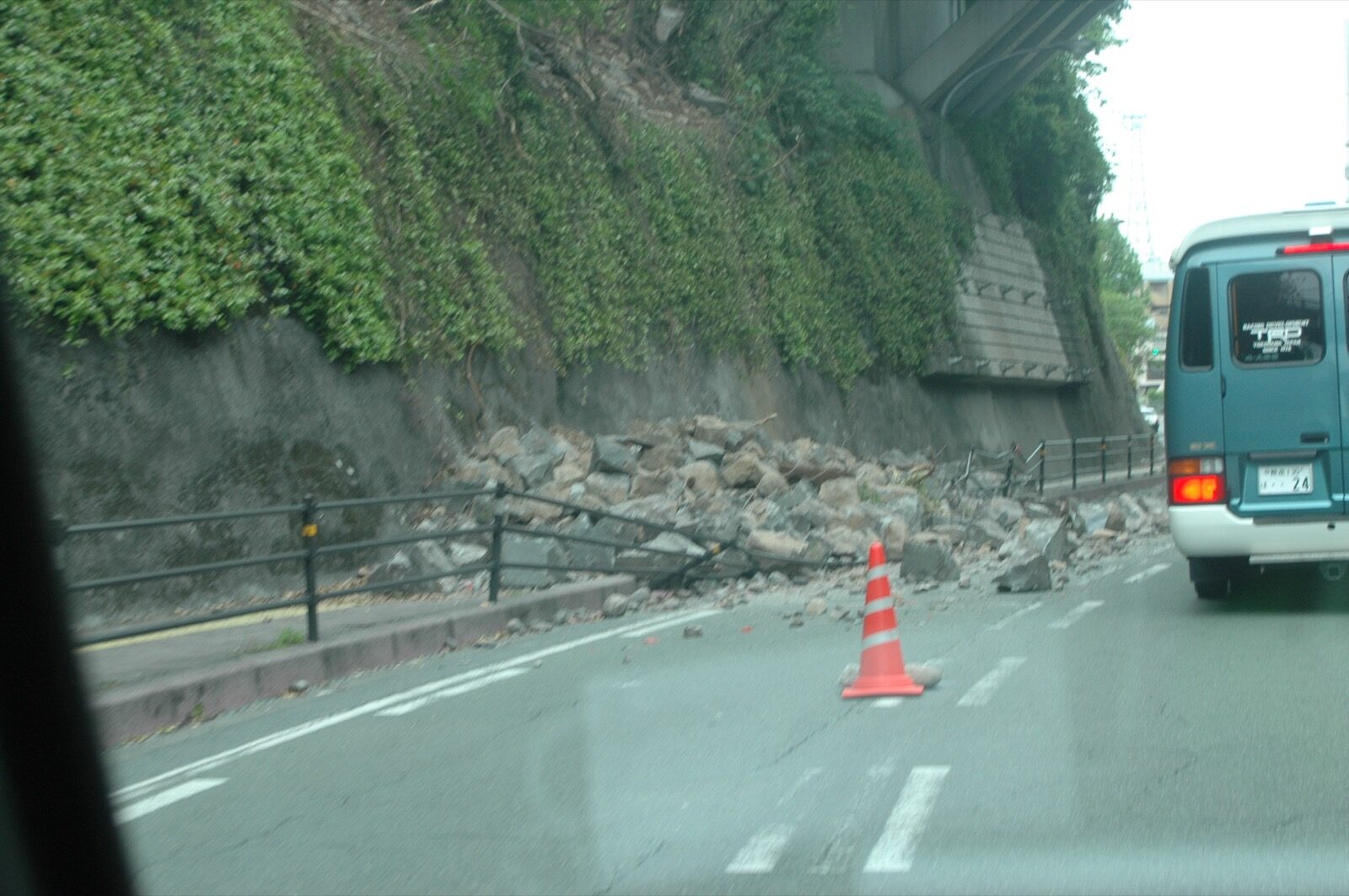
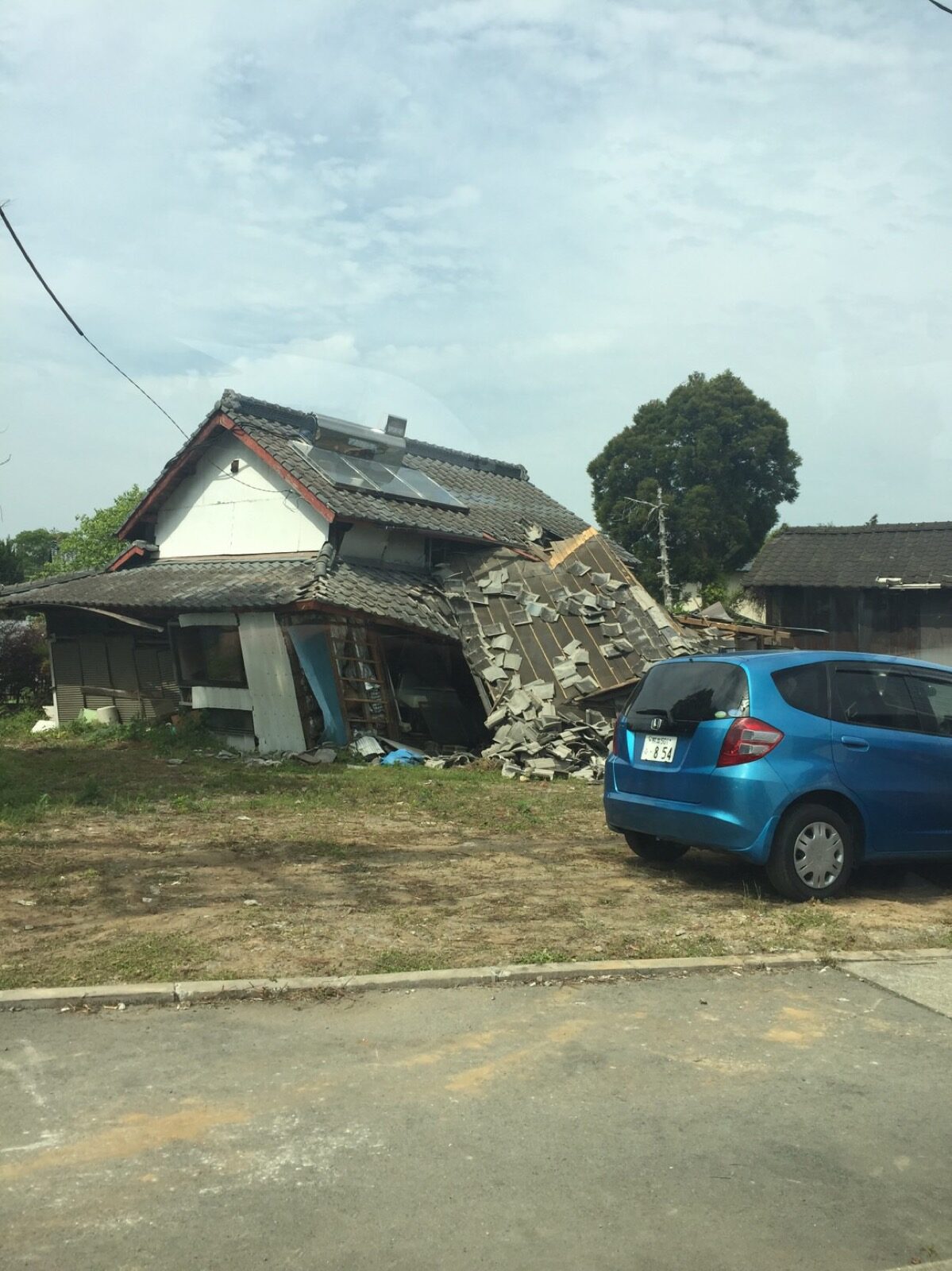
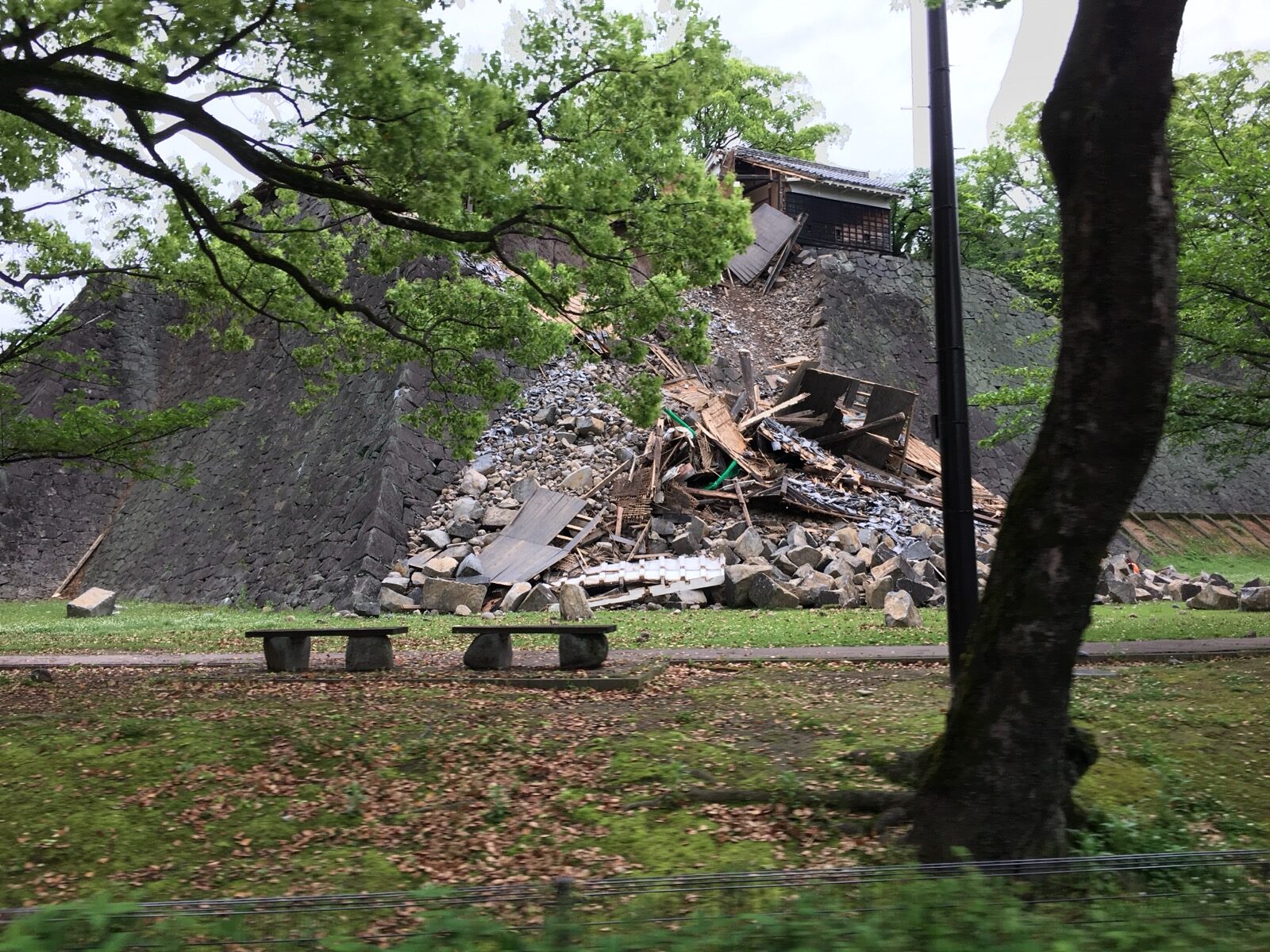
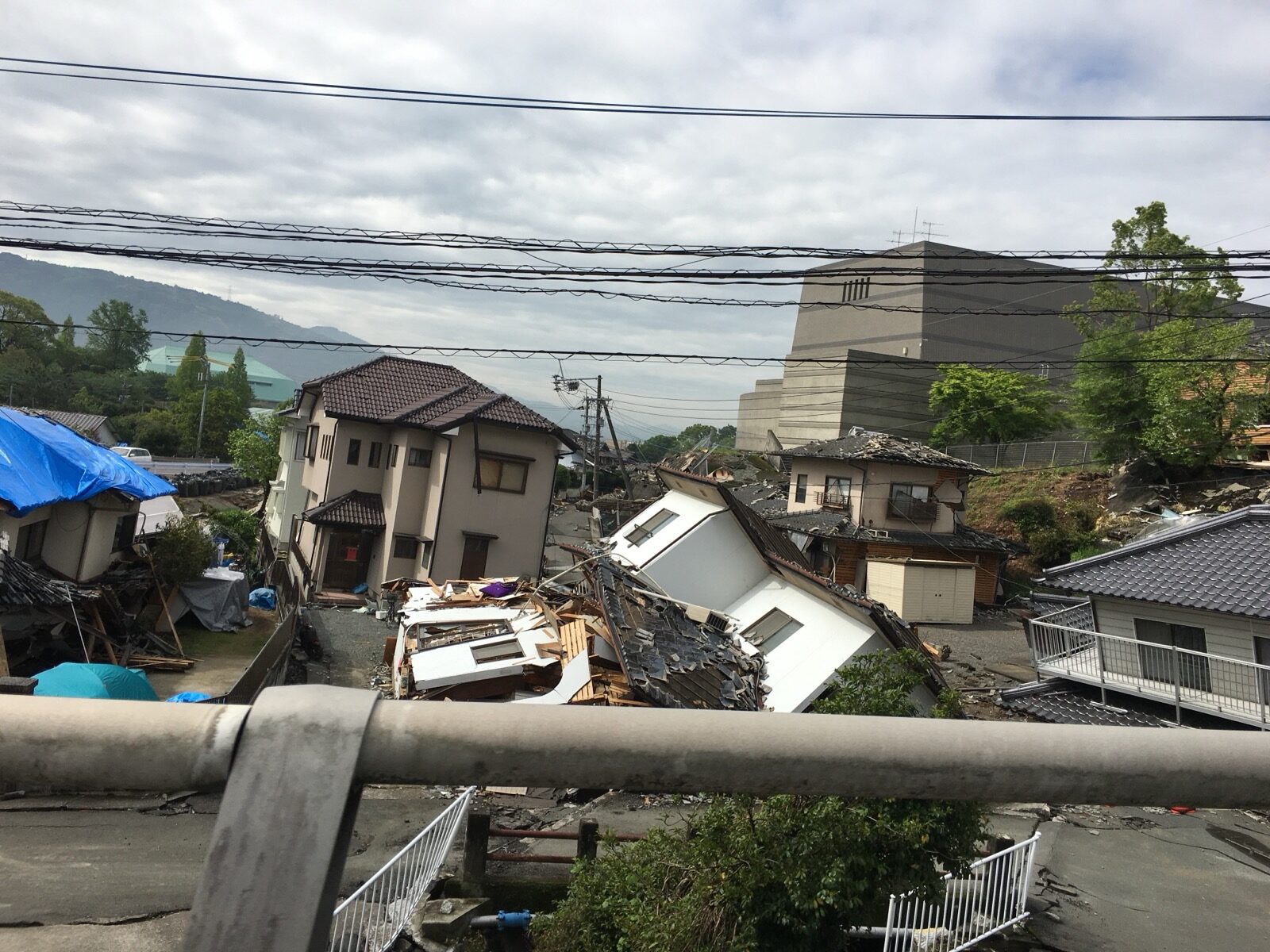
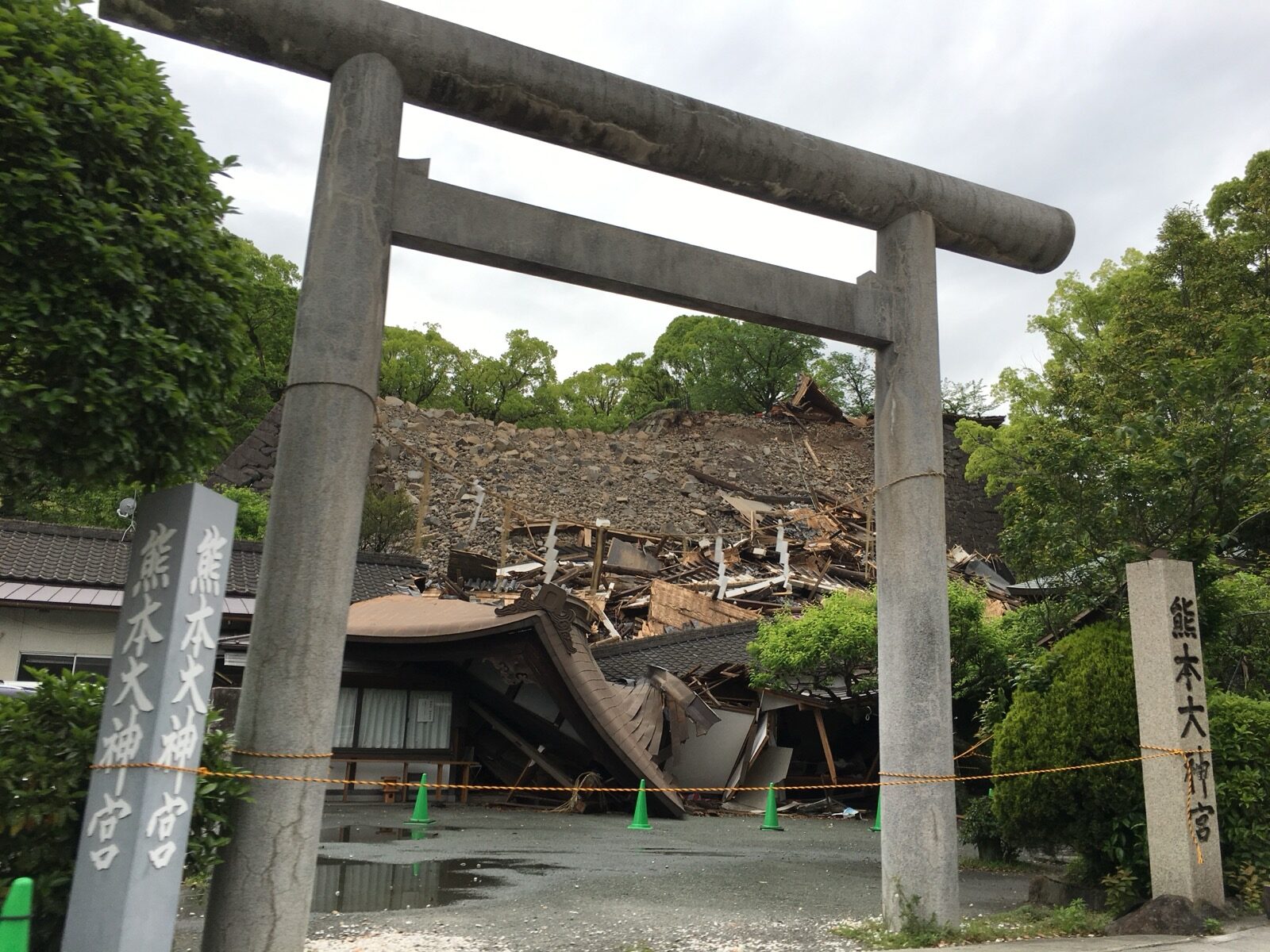
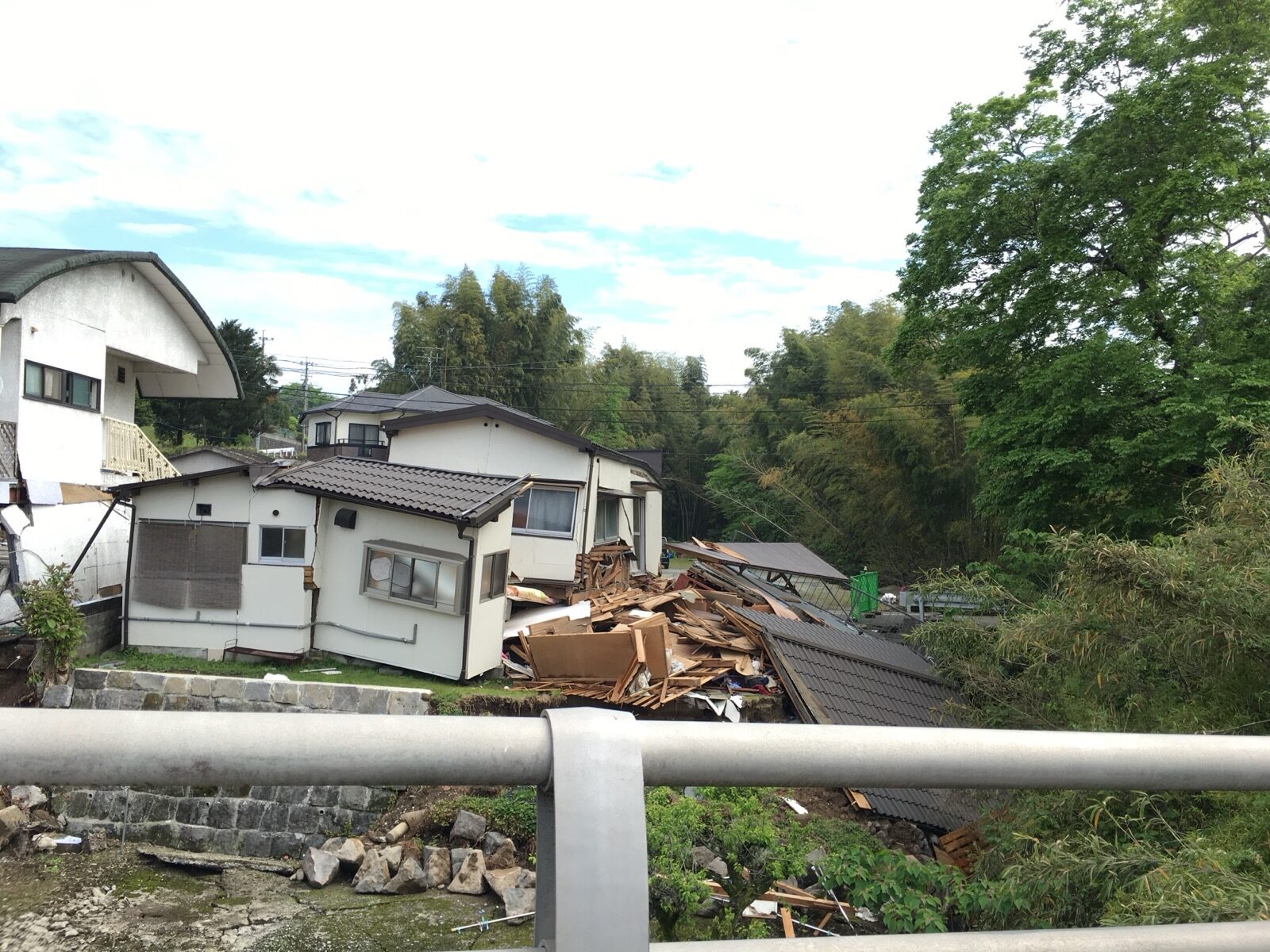
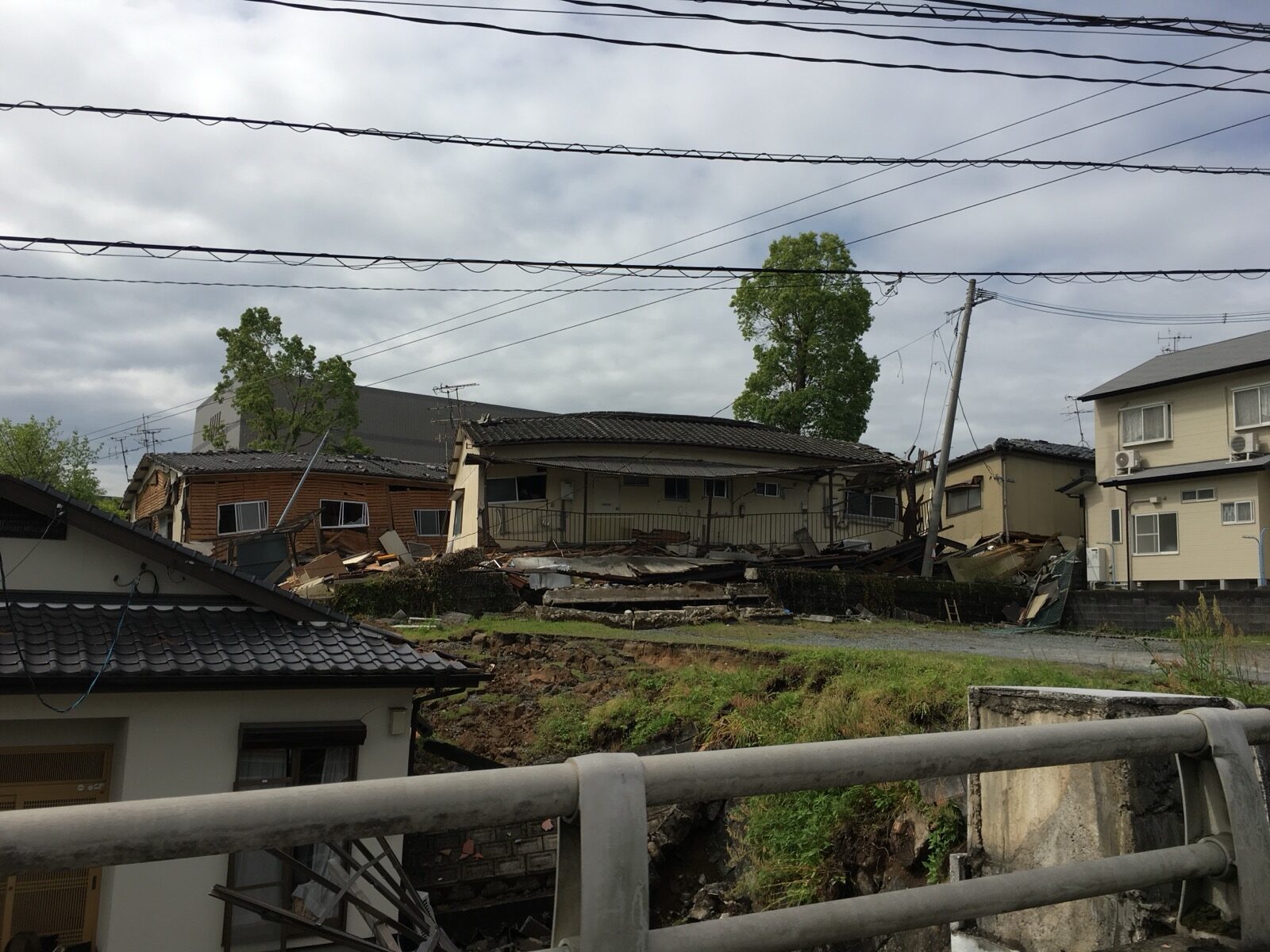
That is why coastal towns drill it: an advisory can come within minutes of the shaking, and only a formal “lifted” — confirmed with local authorities — is the signal to return. (The live box at the top of this page reports recent earthquakes of intensity 5-lower or above — it is not a tsunami feed and it is not an emergency service. For a current tsunami advisory or warning, go to the JMA, the Safety tips app or NHK WORLD-JAPAN. Kumamoto in 2016 was an inland quake, so the photos here are shaking damage, not tsunami — but the coastal rule is the one most worth memorising.)
The earthquake alarm the phones around you make at once
The single most disorienting thing for a first-time visitor is the Earthquake Early Warning (緊急地震速報). When the JMA detects a quake likely to produce strong shaking, it issues a warning that mobile carriers push to compatible phones in the affected area — a loud, distinctive emergency-alert sound, often going off on several handsets around you at once. It is not your phone malfunctioning, and it is not a drill. Don’t assume your own phone will always receive it, though — delivery depends on your carrier, handset and settings, which is why the free apps below matter. And if strong shaking starts with no alert at all, don’t wait for one: protect yourself anyway.
Near the epicentre the alert may arrive with the shaking, or not at all — there may be no lead time. If the ground shakes strongly, act without waiting for any alert.
Magnitude vs. shindo: reading what just happened
Japan reports earthquakes with two numbers, and travelers mix them up constantly. Magnitude is the size of the earthquake itself — one number for the whole event. Shindo (震度, “seismic intensity”) is how strongly one particular place shook, on a 10-level scale from 0 to 7, with 5 and 6 each split into “lower” and “upper.” A distant magnitude 7 can be a gentle shindo 2 where you are; a shallow, close quake can be violent. Shindo is the number that tells you what you actually felt.
After the shaking stops
Expect aftershocks
A large quake is usually followed by more, sometimes strong, for days or longer, and an earlier quake may have weakened buildings — treat each aftershock seriously and stay well away from damaged structures.
Get information in English
NHK WORLD-JAPAN broadcasts disaster news in English (app and stream), and the JMA multilingual site carries quake and tsunami information. Turn to these before rumor.
Reach the people worrying about you
Phone lines jam after big quakes. Japan activates two services: the Disaster Emergency Message Dial (call 171) and the Disaster Emergency Message Board (web171, at web171.jp). Both let people record and check safety messages, keyed to a phone number in the affected area, when calls won’t connect.
Follow staff and local authorities
Hotel staff, station staff and local authorities have the plan and the local knowledge. Their instructions — and evacuation-site signage — override anything a guide can tell you in advance.
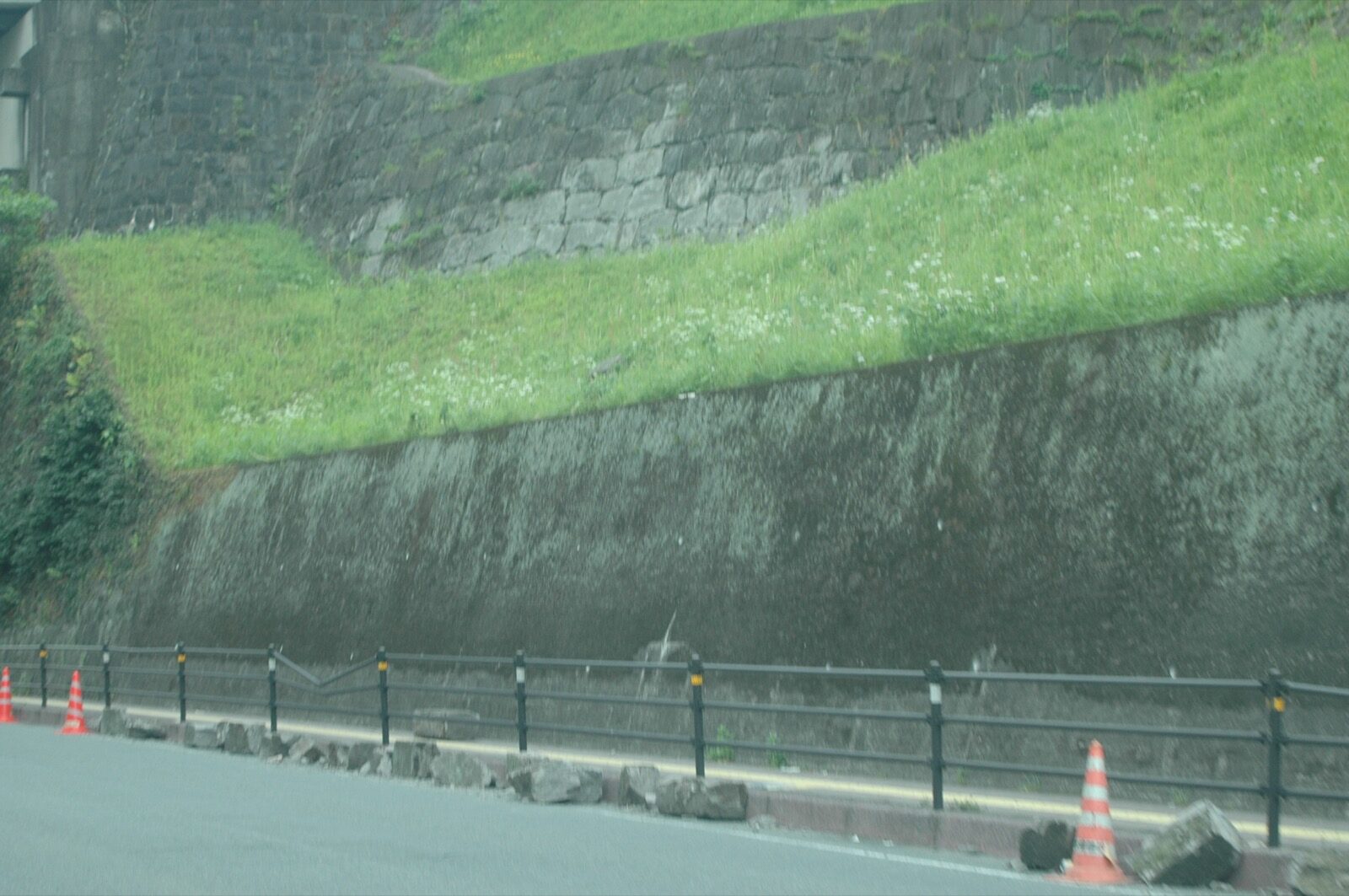
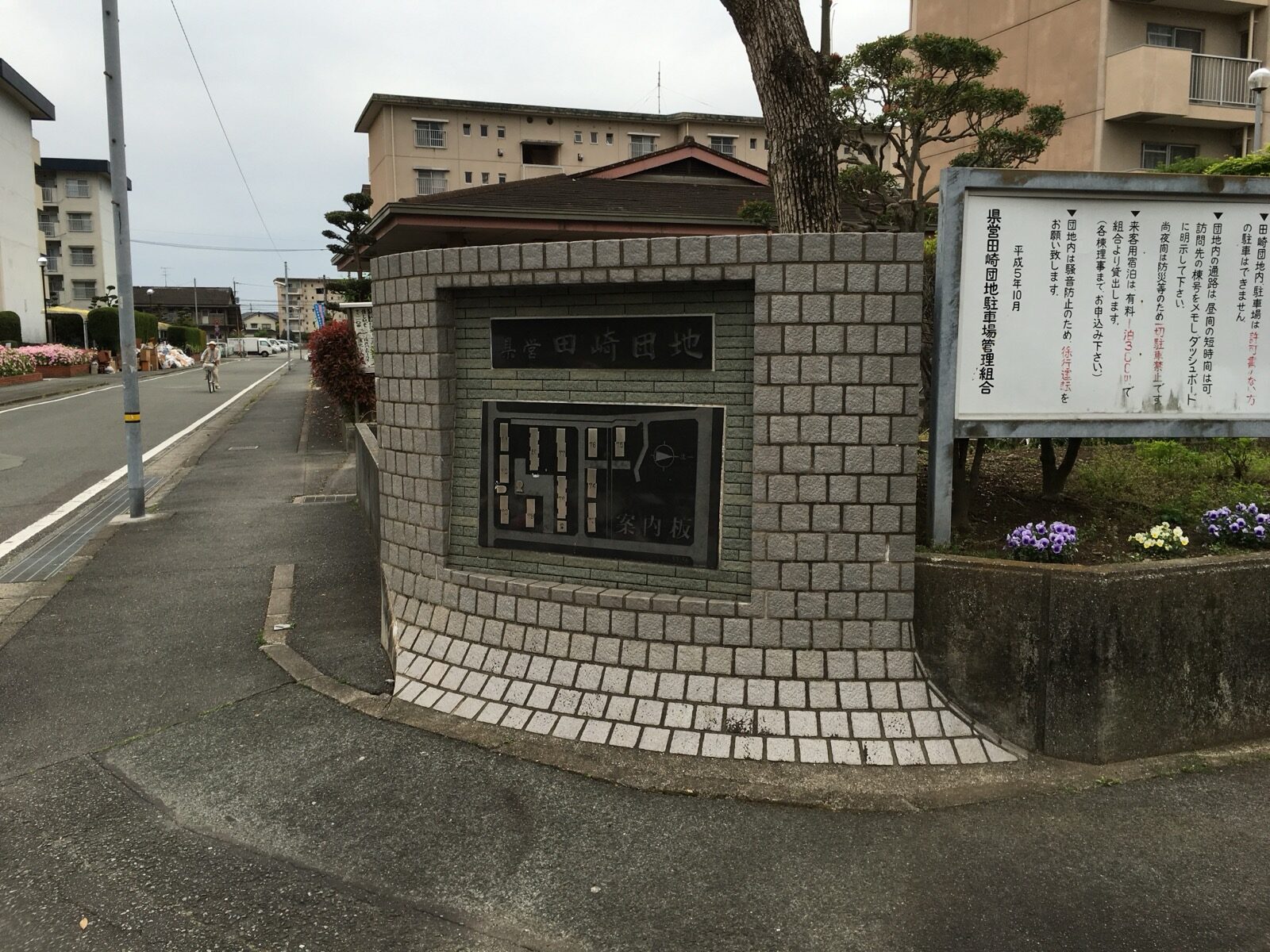
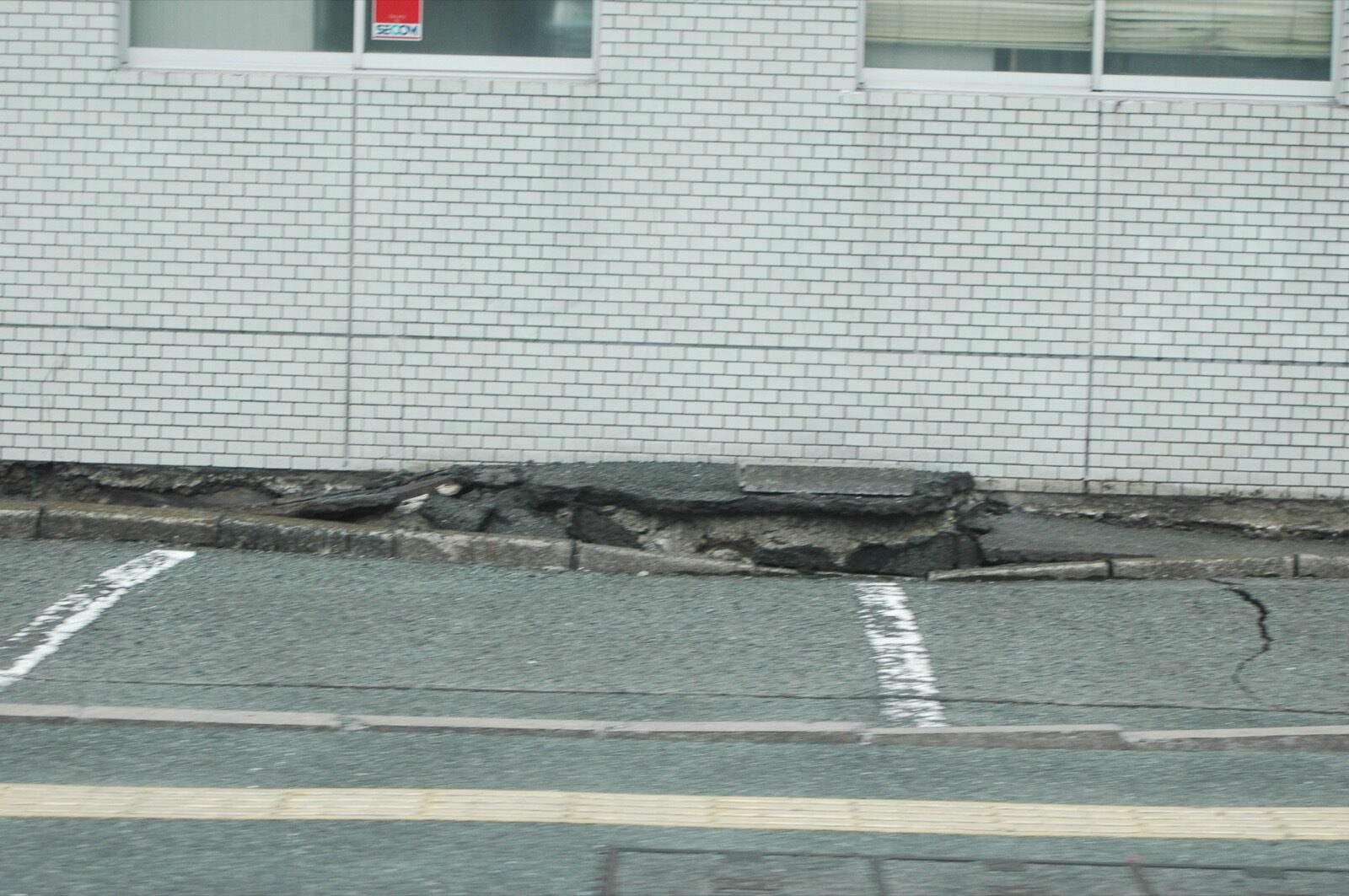
Roads change too. In the days after a big quake, expect slopes that have shed rock onto the carriageway and stretches of pavement pushed out of shape — one more reason travel plans bend around a major earthquake, and one more reason to follow official routing rather than a map app.
Set this up before you travel
Ten minutes at home makes the difference between reacting well and freezing. The apps are free to download, though mobile data may apply.
- Install “Safety tips” — the official Japan Tourism Agency app pushes Earthquake Early Warnings and tsunami alerts to visitors in 15 languages, with simple what-to-do cards.
- Add NHK WORLD-JAPAN — English disaster broadcasting and emergency notifications; a reliable read on what’s happening nationwide.
- Learn the alert sound — hearing the Earthquake Early Warning chime once now means it registers as “take cover,” not panic, when it counts.
- Note your exits — glance at the evacuation map on your room door and find the nearest stairwell; in a coastal town, note where the high ground is.
- Charge something that holds a charge — every one of the steps above runs on a phone, and the first thing that goes in a damaged area is power, not signal. Japan’s own disaster-kit lists put a battery near the top for that reason; a power bank is the one piece of kit I would not travel without (affiliate link — the free apps above matter more).
Questions travelers ask
Should I run outside when it starts shaking?
No — this is the most common mistake. Japan’s agencies advise against bolting outdoors mid-quake, because falling glass, signs and wall tiles make the street around a building one of the more dangerous places. Drop, cover your head, and hold on where you are; move only once the shaking stops.
What is the loud alarm all the phones make?
It’s the Earthquake Early Warning — the JMA issues it and carriers deliver it to compatible phones in the affected area, seconds before strong shaking. The chime and buzz are standardized across carriers. It’s a real, automatic system, not spam and not a malfunction. Because not every handset receives it, keep the Safety tips app on as a backup. When you hear it, take cover.
Will my foreign phone receive an earthquake alert?
Not necessarily. Whether the Earthquake Early Warning reaches you depends on your handset, SIM, settings and network — a foreign phone roaming in Japan may not get it. Install the free Safety tips app as a backup, and above all, act on the shaking itself: if the ground moves strongly, protect yourself whether or not an alert arrived.
The shinkansen stopped hard — is something wrong?
Usually not. Japanese trains, and the shinkansen especially, are designed to brake automatically when strong shaking is detected, so a sudden stop after a quake is generally the safety system doing its job. Stay in your seat or hold on, don’t try to get off, and wait for the crew’s announcement.
How do I know if there’s a tsunami risk?
Near the coast, don’t rely on knowing — act on the shaking. Strong shaking, or weak shaking that lasts a long time, near the sea means move to high ground immediately, before any warning. If advisories or warnings are issued, they’ll come through your phone, the Safety tips app and NHK WORLD; stay evacuated until they’re officially lifted.
Are earthquakes a reason not to visit Japan?
No. Japan has extensive warning and emergency-response systems, and trained transit and hotel staff, precisely because quakes happen — and the vast majority you might feel are minor. Conditions and preparedness do vary by place, so learn the core actions, check your exits and keep a reliable alert app; that’s enough to travel well prepared.
What should I do about aftershocks?
Expect them after any large quake — they can continue for days and some are strong. Because the main shock can weaken buildings, aftershocks carry real risk; keep away from visibly damaged structures, keep your shoes and phone close, and follow local guidance rather than assuming the danger has passed.
After the headlines: recovery, and how a visitor can help
I spent time in Kumamoto after the 2016 earthquakes — some of those photos are on this page — and I’ve thought about that trip a lot this summer, because on 28 July 2026 Kumamoto was struck again, by a magnitude-7.1 quake that registered a maximum seismic intensity of 7 (shindo 7) around Uki City and Hikawa Town, with a tsunami advisory issued for the Ariake and Yatsushiro seas. Farther north, Ishikawa’s Noto Peninsula is still rebuilding from the magnitude-7.6 earthquake of 1 January 2024 — a recovery made harder by severe flooding that hit the same area later that year. If you travel in Japan, you may pass near a place that is still putting itself back together. How you behave there matters as much as whether you go at all.
Before anything else — this isn’t sightseeing. A disaster area is where people live and grieve, not a viewpoint. Stay out of restricted and residential zones, don’t photograph damaged homes, memorials or recovery crews without clear permission, and follow every local sign and instruction. Recovery is uneven and conditions change week to week, so treat anything below as a starting point and check official local sources before you plan.
Getting around Kyushu (checked 4 September 2026). Kumamoto Airport has been back to normal operation since the day after the quake, and the Kyushu Expressway has been open end to end since 14 August. The gap is on the rails, and it is about to close: the Kyushu Shinkansen is still cut between Kumamoto and Shin-Minamata, but JR Kyushu announced on 31 August that it plans to reopen the section from the first train on 18 September, subject to aftershocks. Trains will run at reduced speed over part of the route, so connections at stations between Kumamoto and Kagoshima-Chuo will not all match the pre-disaster timetable; tickets for travel from 18 September went on sale at noon on 1 September. The Kagoshima Main Line is still suspended between Uto and Yatsushiro, with replacement buses running — JR Kyushu added services and revised some departure times on 28 August. If your route crosses Kumamoto toward Kagoshima before the 18th, budget extra hours, fly, or consider the Ariake ferry if your trip works across the bay instead. Rail recovery moves week to week, so check JR Kyushu’s own service page before you travel rather than trusting any article, including this one. If you are weighing a rail pass around a disrupted route, our JR Pass vs individual tickets comparison covers when the pass stops paying off.
Where things stand (as of mid-2026)
Recovery runs in phases, and it looks completely different from one town to the next. In broad terms, for the Noto Peninsula: emergency temporary housing has been completed (the government reports on the order of 6,800 units), the widespread water outages caused by the quake were resolved through 2024 outside the most heavily damaged areas, and main roads have reopened in stages — though full reconstruction of homes, ports and some coastal routes continues. Craftspeople have restarted in temporary workshops, and temporary shopping streets have opened in places. For the 2026 Kumamoto earthquake, the national and prefectural response was still unfolding as this page was updated, so the situation there is especially fluid. The honest summary is that some areas warmly welcome visitors again, others are not ready, and it varies street by street — always confirm before you go.
The most useful thing most travelers can do: show up, and spend
For a foreign visitor, the highest-impact help is usually the least dramatic: travel to a recovering region once it is ready for guests, and spend your money there — stay a night, eat local, buy from local makers. It is direct, it reaches the local economy quickly, and anyone can do it. The one condition is timing: this applies only to areas that have moved into the recovery phase and are actively inviting visitors. In practice that means places like the Noto Peninsula that have reopened to guests — not a region in the immediate aftermath, such as Kumamoto in the weeks after the July 2026 quake, where the priority is emergency response and residents, not tourism. Check the town or prefecture’s tourism site, confirm that your hotel, road and destination are open, and go with the mindset of a respectful guest rather than a spectator.
Volunteering — the right way, and its limits
Hands-on disaster volunteering in Japan runs through a formal system, and understanding it saves everyone trouble. Work is coordinated by disaster volunteer centers (災害ボランティアセンター) run by local social welfare councils (社会福祉協議会); recruitment opens and closes by phase and by what the community actually needs. The rules exist to protect the affected area, so take them seriously:
- Never just show up. Self-dispatching to a disaster zone consumes the very resources — roads, parking, water, toilets, lodging — that residents need. Always register first through the official volunteer center.
- Match the need, not your wishes. Do the task that’s being asked for, in the way it’s asked.
- Be self-sufficient. Bring your own transport, lodging, food and gear (long sleeves, work boots, heat protection in summer), and take out volunteer-activity insurance, which is usually arranged through a social welfare council before you travel.
- Know the language reality. Most centers operate in Japanese and are geared to domestic volunteers; whether non-residents can join, and in what numbers, depends on the center and the moment. Check the specific center’s current guidance before you count on it — don’t assume.
None of that is meant to discourage you. It’s how the affected community stays protected while it rebuilds — and if the timing and requirements line up, joining properly is genuinely valuable.
Giving, without the guesswork
If hands-on help isn’t practical — which, honestly, it isn’t for most travelers — a donation through a trusted, official channel works at any phase and takes no local resources. Give through established bodies rather than ad-hoc appeals: the Japanese Red Cross Society runs disaster relief funds (its Noto earthquake fund is still open — confirm the current deadline on its site), affected prefectures publish official gienkin (relief-money) accounts, and Japan’s hometown-tax platforms carry vetted disaster-support pages. For the 2026 Kumamoto earthquake, the Japan Meteorological Agency’s event portal and the prefecture’s official site are the places to find current, legitimate channels. There are no affiliate links anywhere in this section, and there never will be — turning disaster relief into a commission isn’t something this site will do.
A short list of don’ts. Don’t drive into a disaster area to “see it.” Don’t post damaged homes, victims or recovery crews for engagement. Don’t send unsolicited supplies. Don’t volunteer without registering. And don’t treat a region’s hardest chapter as a backdrop — the point is the people rebuilding their lives, not the scenery of the wreckage.
The most lasting thing you can offer is simply to keep paying attention: to come back when a region is ready, to talk about it accurately, and to remember that recovery takes years, long after the news moves on.
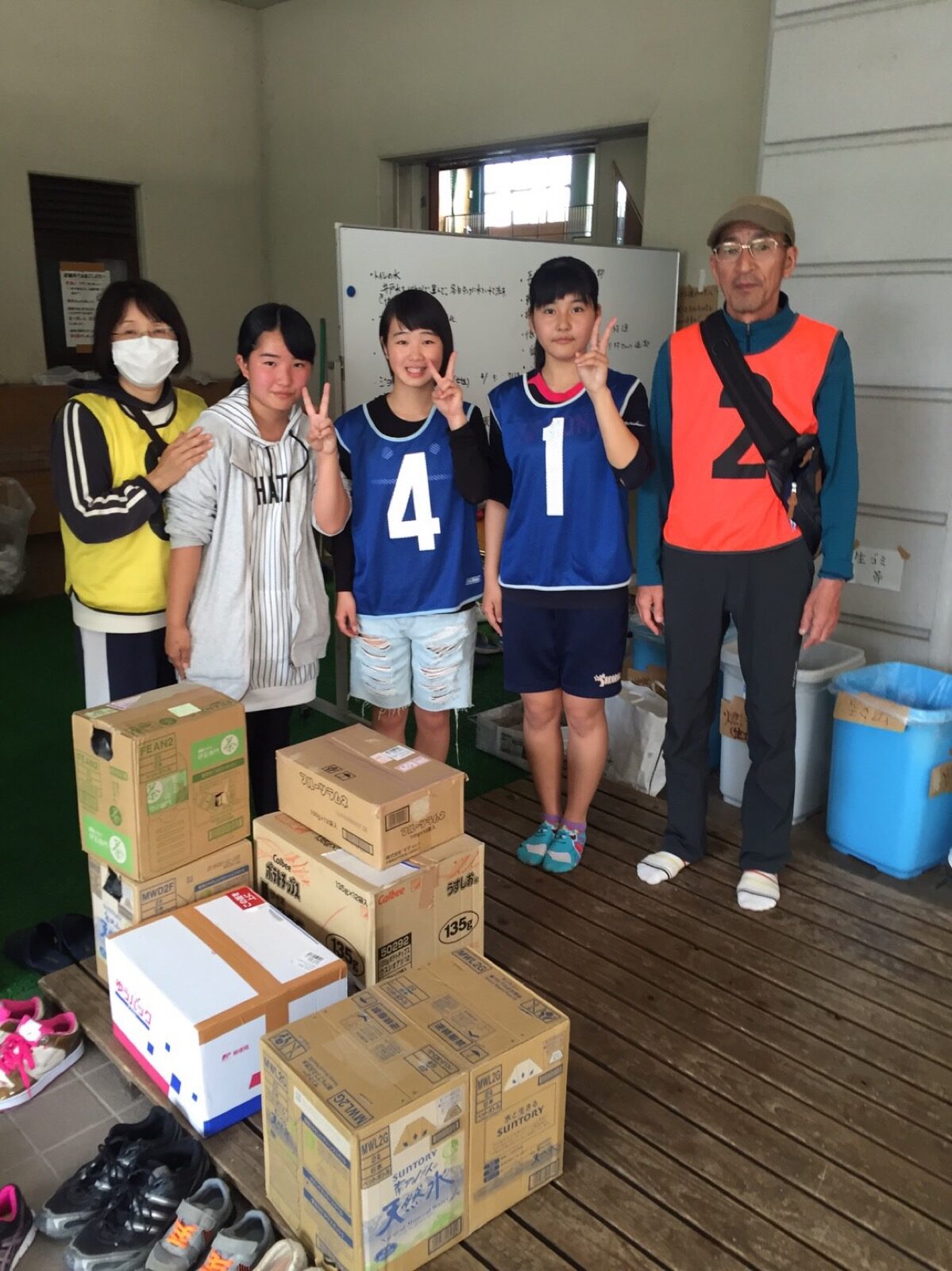
More field photos from Kumamoto, April 2016
Join travelers discovering Japan's hidden side
Weekly dispatches from off-the-beaten-path Japan — spots and stories you won't find in guidebooks.
No spam. Unsubscribe anytime.
Welcome aboard!
You're in. See you in your inbox soon.