Getting to Imari & Arita: Saga’s Pottery Towns by Train & Car

How to reach Imari and Arita from Fukuoka — the split Chikuhi Line, the limited express to Arita, the Matsuura Railway, and why a car wins.
Travel guides and hidden gems in the Kyushu & Okinawa region of Japan
Southern Japan · Volcanic & Tropical
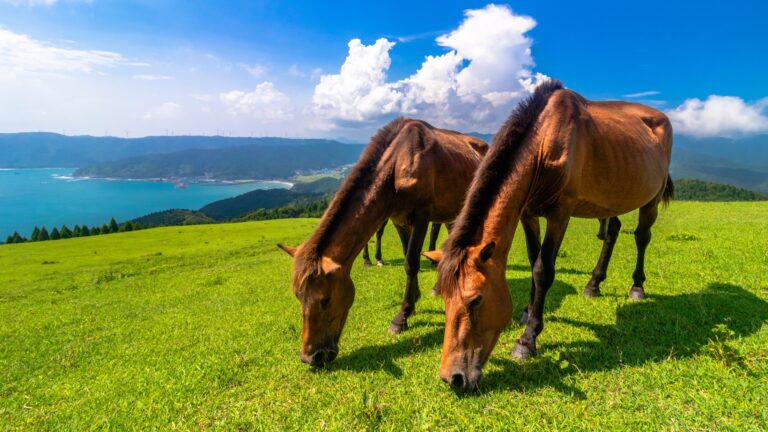
Yakushima’s ancient cedars, Aso’s volcanic caldera, Beppu’s onsen, and Okinawa’s coral seas.
Kyushu covers Fukuoka, Saga, Nagasaki, Kumamoto, Oita, Miyazaki, and Kagoshima. Okinawa is the 47th prefecture — a separate former kingdom 700 km southwest. We have deep coverage of Yakushima (Kagoshima), Aso (Kumamoto), and the Fukuoka food scene; Okinawa coverage is growing.
October–April for Kyushu (cooler, less typhoon). June–September for Okinawa beaches (typhoon-aware). January–February for Beppu / Yufuin onsen in cold weather. May for fresh cedar greens on Yakushima.
Sanyo Shinkansen reaches Hakata (Fukuoka) from Osaka in 2h 30min. Kyushu Shinkansen runs Hakata→Kagoshima. Yakushima: hydrofoil/ferry from Kagoshima or fly. Okinawa: fly only.
Plan a trip to Kyushu & okinawa
All Kyushu & okinawa articles

How to reach Imari and Arita from Fukuoka — the split Chikuhi Line, the limited express to Arita, the Matsuura Railway, and why a car wins.

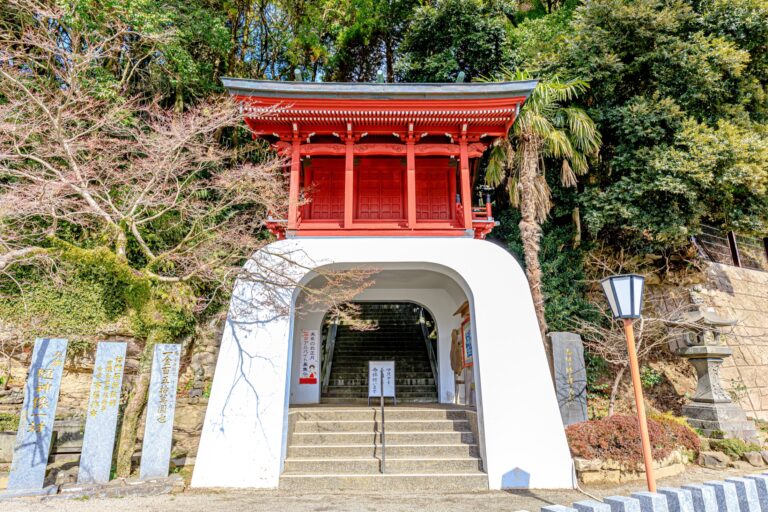
Imari Shrine in Saga: a photogenic vermilion gate over a white tunnel, a rare shrine to the god of sweets, and the Tontenton fighting festival.

Imari Bay Fireworks is a rare November fireworks show in Saga, headlined by a giant 3-shaku shell fired over the bay.

Arita Sera: 22 Arita-porcelain shops on one hilltop in Saga, open year-round with free parking — the easy place to buy the real thing.

Imari ware is Japan's first porcelain — made in Arita from the 1610s, named for the port it shipped from, and exported to Europe as Old Imari.

Kouraku-gama in Arita, Saga (founded 1865) runs a 90-minute treasure hunt to fill an orange basket (¥6,600, ¥5,000-tier area) or black basket (¥13,200, all areas) with Arita-yaki porcelain. Outlet, factory seconds, and decades-old forgotten stock. Free parking (3 large + 20 standard). Walk-in.

A three-floor Nishijin sushi house running touchpanel-ordered conveyor sushi on 1F and private-room kaiseki on 2F and 3F. Nagasaki tuna, wild grouper, and the Hakata dual-format most foreign visitors miss.

Amami Oshima has Japan's second-largest mangrove forest (~71 ha). Kayak tours run only at high tide. 60-minute trial ¥3,000 at Mangrove Park; 3 km descents ¥7,000. Practical 2026 guide: operator comparison, tide timing, what to wear, when to skip.

A river-deck teahouse in the Akizuki hills of Asakura, Fukuoka, only fully alive July to September. Wooden platforms built over a cold mountain stream make this the natural-cooling lunch locals drive 90 min for.

Heart Rock on Amami Oshima only emerges at tides below 80 cm and has been frequently buried by wind-blown sand since May 2025. Practical 2026 guide: how to read the JMA Naze tide table, when the sea lettuce blooms green, and what to wear on the slippery reef.
Nearly every image on Hidden Japan Gems was photographed by me on a Sony α7 across five years of walking Japan; a few licensed photos fill the gaps. Please don't re-use my photos without permission — reach out if you'd like to.
For licensing, write to hello@hiddenjapan-gems.com