Saga · Access · Imari & Arita
Getting to Saga’s pottery towns from Fukuoka is easy once you know one quirk: the JR Chikuhi Line, the obvious-looking route, is actually split into two disconnected halves, so there’s no single train that runs the whole way to Imari. For Arita, take a limited express from Hakata (about 1 hour 25 minutes). For Imari, the smoothest way is via Arita on the little Matsuura Railway. And for the kilns themselves, a rental car beats all of it. Here’s the lay of the land. If you have a few days, the four-day northern Kyushu itinerary strings Arita and Imari together with Dazaifu, Takeo Onsen and Karatsu without a car.
The lay of the land
Imari, Arita and Karatsu sit in the northwest corner of Saga, in the hills between Fukuoka and Sasebo. Most trips start in Fukuoka — the nearest big city and airport. The catch is the railway. The JR Chikuhi Line looks on a map like it should carry you from Fukuoka all the way to Imari, but it’s officially two separate sections that don’t connect: an electrified eastern half from Meinohama (Fukuoka) to Karatsu, and a non-electrified western half from Yamamoto to Imari, with the Karatsu Line filling the gap between. No single train runs the whole route — you change trains around Karatsu. Knowing that up front saves a lot of confusion.
From Fukuoka by train
Three destinations, three routes:
| To | How | Time |
|---|---|---|
| Karatsu | Fukuoka Subway Kuko Line, which runs straight onto the Chikuhi Line (east) — no change from Fukuoka Airport or Hakata-area subway stations | ~1 hr 27 min |
| Arita | JR limited express Midori / Huis Ten Bosch from Hakata (Sasebo Line); Arita is an all-trains stop | ~1 hr 25 min |
| Imari (via Arita) | Limited express to Arita, then change to the Matsuura Railway (MR) for the short hop to Imari | ~1 hr 50 min total |
| Imari (via Karatsu) | Subway + Chikuhi (east) to Karatsu, change, then Chikuhi (west) diesel to Imari | ~2 hr 20 min |
For Imari, the Arita route is usually the faster and simpler of the two. Fares change, so check a timetable app for the day — the Hakata–Arita limited express is the priciest single leg, while the little Matsuura Railway hop from Arita to Imari is about ¥550.
Getting around once you’re there
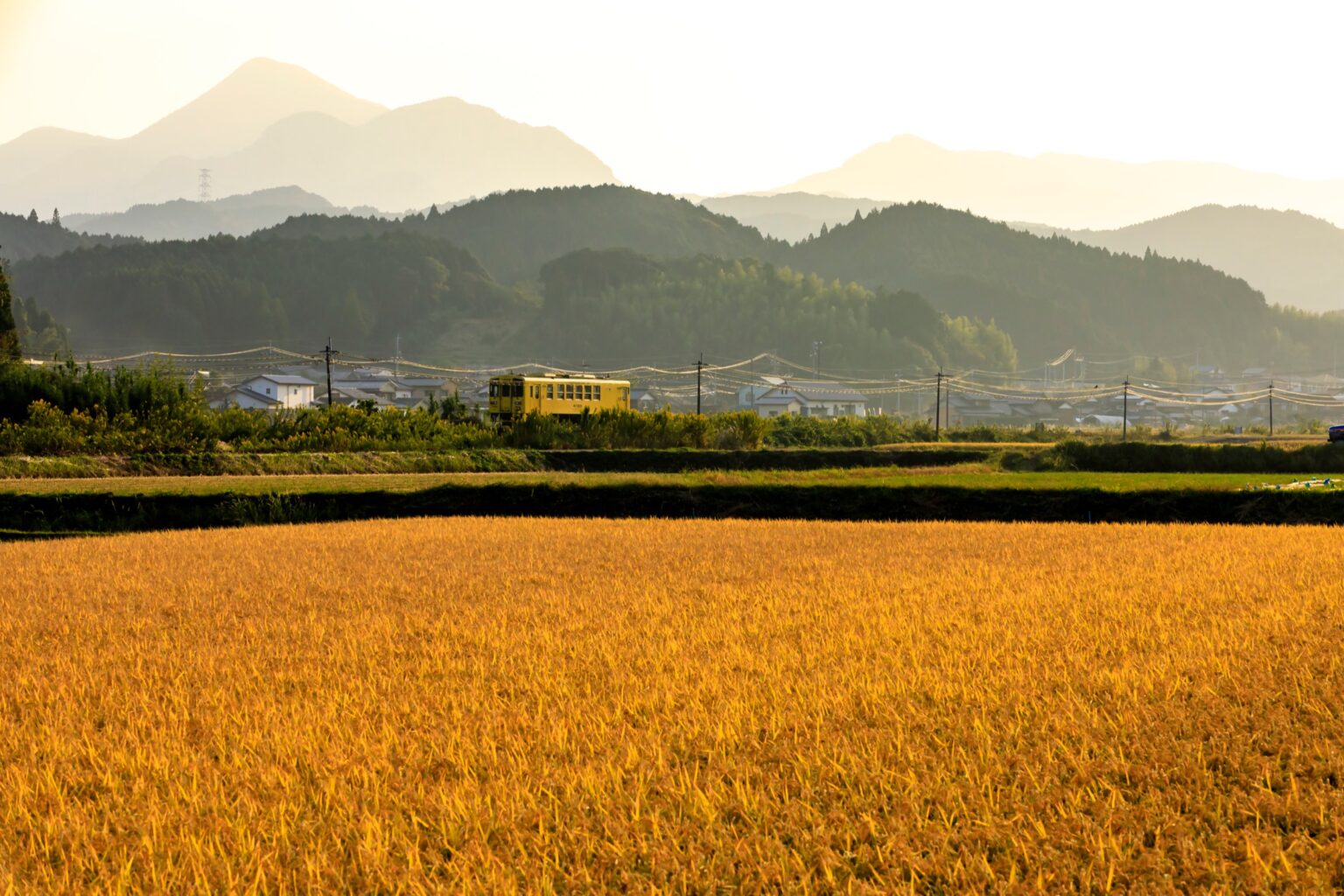
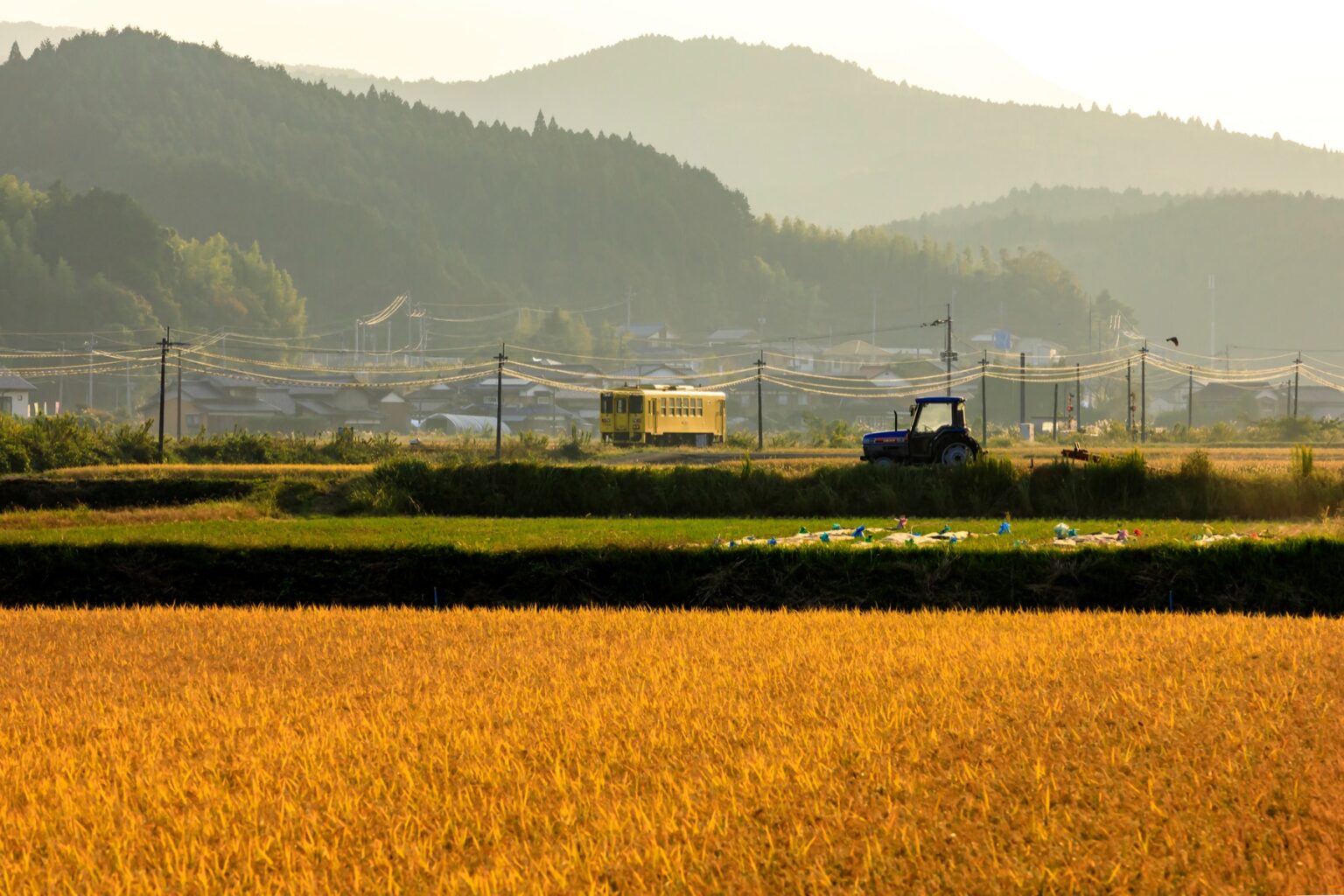
The Matsuura Railway (those yellow one-car trains) links Arita and Imari in about 25 minutes and carries on to Sasebo — handy and scenic for the two pottery towns themselves. But the things you actually came for are spread out: the kiln village of Okawachiyama, Arita Sera, the Izumiyama quarry, and the country shrines aren’t a short walk from any station. For all of that, a rental car is materially better — pick one up in Fukuoka or at the airport, and the whole region opens up as an easy one- or two-day loop.
By air
Fukuoka Airport is the practical gateway — it’s well connected (around two hours from Tokyo) and sits right on the subway line, so you can be on a train toward Karatsu within minutes of landing. Saga Airport exists and is closer on paper, but has far fewer flights. From Fukuoka, the cleanest plan for most visitors is to land, pick up a car, and drive into the pottery towns; if you’d rather not drive, the limited express to Arita plus the Matsuura Railway gets you there on rails.
Good to know
Is there a direct train from Fukuoka to Imari?
No single direct train. The JR Chikuhi Line is split into two disconnected sections, so you change trains around Karatsu. The smoothest rail route to Imari is actually via Arita (limited express from Hakata), then the Matsuura Railway to Imari — about 1 hour 50 minutes total.
How do I get to Arita from Hakata?
Take the JR limited express Midori or Huis Ten Bosch from Hakata on the Sasebo Line — about 1 hour 25 minutes, and Arita is a stop for all of them. It’s the simplest leg of the whole trip.
What is the Chikuhi Line, exactly?
A JR line in two non-connected halves: an electrified eastern section from Meinohama (Fukuoka) to Karatsu that runs through onto the Fukuoka subway, and a diesel western section from Yamamoto to Imari. The Karatsu Line bridges the gap, so no train runs the full length.
Do I need a car?
Not to reach the towns, but it helps a lot once there. Okawachiyama, Arita Sera, the quarry and the shrines are spread out and not walkable from stations. A rental car from Fukuoka makes the region a comfortable one- or two-day loop.
Which airport should I use?
Fukuoka Airport — it has the most flights and connects straight to the train and expressway network. Saga Airport is closer on the map but has limited service.
Imari Ware Explained
Japan’s first porcelain — the history, the names, the secret kilns.
Arita Sera
22 porcelain shops on one hill, with free parking.
Imari Shrine
The vermilion gate, the sweets god and the Tontenton festival.
Imari Bay Fireworks
A giant 3-shaku shell over the bay each November.
Yoshinogari Historical Park
Japan’s great reconstructed Yayoi village, an easy stop in central Saga.
Arita Porcelain Park
A free Zwinger Palace replica and sake brewery near Arita.
Plan the Saga Trip
Three doors into the pottery country. A car from Fukuoka is the easy answer.
If your Saga pottery loop passes through Takeo, stop for a steaming bowl at Ide Chanpon in Takeo before pushing on to Imari and Arita.
And if your dates fall between October 30 and November 3, the Saga International Balloon Fiesta fills the sky over Saga City on the way through — the morning launch is worth the early alarm, especially from the quiet side of the river.
Travelling Kyushu in late autumn instead? Yujaku Park in Oita and Raizan Sennyoji in Fukuoka are two November maple sites that the English guidebooks have missed.
Join travelers discovering Japan's hidden side
Weekly dispatches from off-the-beaten-path Japan — spots and stories you won't find in guidebooks.
No spam. Unsubscribe anytime.
Welcome aboard!
You're in. See you in your inbox soon.