
Etiquette · Money · Travel tips
Mostly no: JNTO, Japan’s national tourism organisation, says tipping is not common in bars, cafes, restaurants, taxis and hotels. The few exceptions, the custom called kokorozuke, and how to read a service charge on your bill are below.
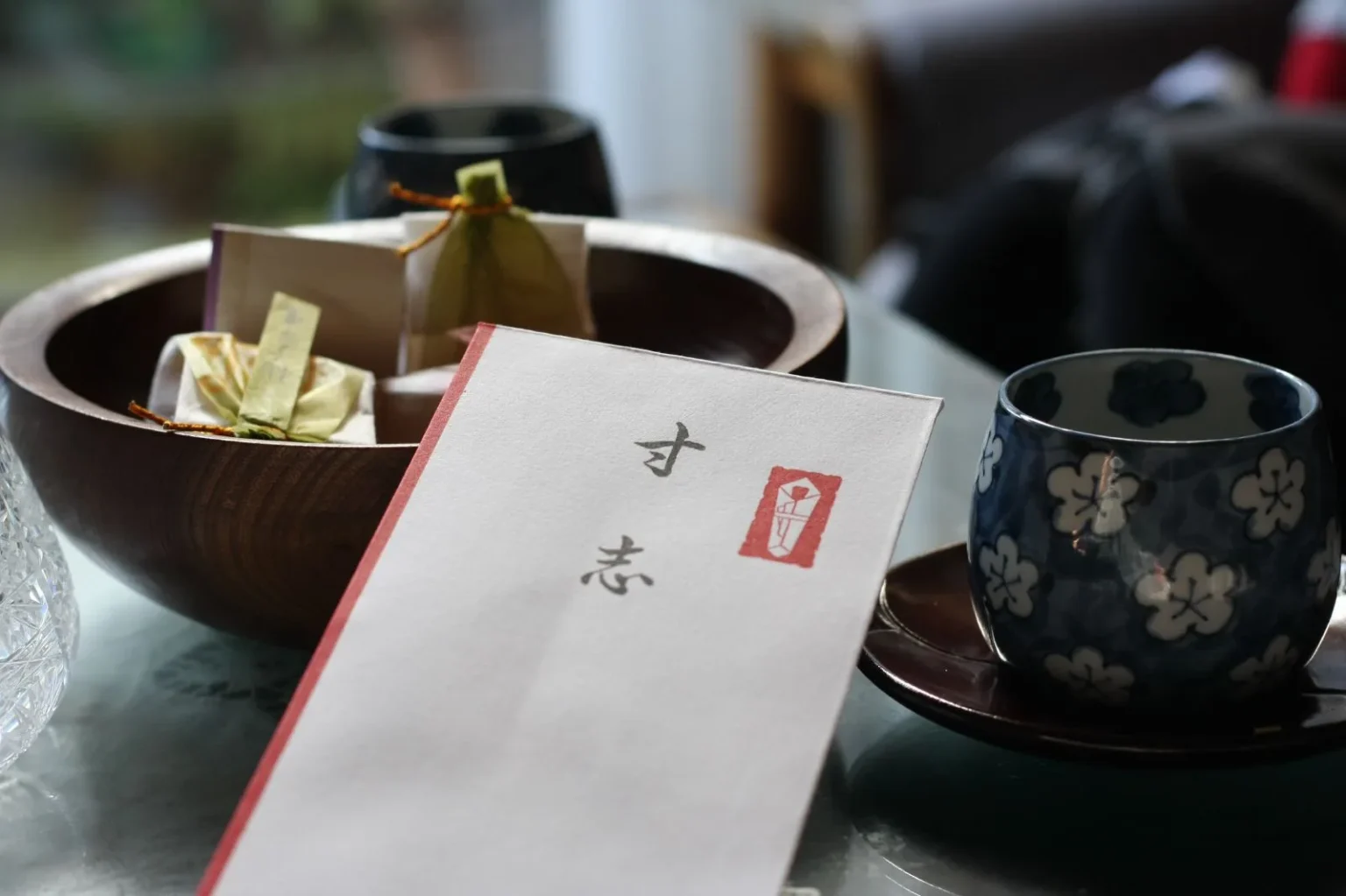
Do you tip in Japan? What JNTO says
JNTO’s tipping page says:
“In Japan, it’s not common to tip for services such as those provided in bars, cafes, restaurants, taxis, and hotels. However, there is a custom in Japan of giving a gratuity, called ‘kokorozuke’, (coming from the heart), in some situations.”
JNTO gives one example of when a tip may be fine: a private guide or interpreter accustomed to overseas practices may accept one as thanks. It is not expected, even then; if you give one, do it discreetly and in an envelope. JNTO gives no amount. For a booked tour, the operator’s own terms are the place to check.
Visit Kinosaki, the official tourism website of Toyooka City, says on its ryokan etiquette page: “Tipping is rarely done in Japan and is not expected.”
Situation by situation
| Situation | What the source says · source |
|---|---|
| Restaurants and cafes | Tipping is not common · JNTO |
| Bars and izakaya | JNTO names bars: not common · JNTO. An izakaya may bill a per-person otoshi starter; the Tokyo sanitation centre’s sample notice for staff describes one · Tokyo centre manual. That charge is on the bill; it is not a tip |
| Taxis | Not common · JNTO. In the GO app, on eligible rides in listed areas, a tip is optional when the tip option appears · GO help centre |
| Hotels | Not common · JNTO, which does not single out the front desk or porters. 1 Hotel Tokyo’s FAQ: “Tipping is not expected in Tokyo” · 1 Hotel Tokyo |
| Ryokan and room attendant | Not expected · Visit Kinosaki. At Kashiwaya, Shima Onsen, the inn says guests are treated the same whether they tip or not · Kashiwaya |
| Private guide or interpreter | JNTO’s example, with its conditions (above) · JNTO |
| Uber Eats Japan | Optional; Uber Eats recommends a tip on every order, and all of it goes to the courier · Uber Eats Japan |
Policies for hair salons and day-trip onsen, and any tipping rule from guide associations or guide-booking platforms, could not be verified on the pages we checked on 12 October 2026.
The 2025 debate over a restaurant tipping option
A tipping option for restaurants prompted debate in Japan in 2025. Business Insider Japan reported on 1 September 2025 that dinii, which supplies a mobile-ordering system to restaurants, had added a tip function to it in June. The report also cited a 25 July TV Nishinippon report that some restaurants in the Fukuoka area were introducing tipping, with the aims of raising wages and easing staff shortages.
According to the same report, the reaction on social media came close to a backlash: some worried that American tipping culture was arriving in Japan, others criticised what they saw as shifting the burden onto customers. dinii’s press office told the outlet that all tips go to the restaurant and that dinii takes no commission on them (card-payment fees are deducted before the restaurant receives the money, the report added). dinii said it leaves staff-distribution arrangements to each restaurant and does not take part in those decisions. In that statement, dinii said that whether a customer tips is optional, not compulsory.
We could not confirm on 13 October 2026 whether dinii still offers the function, or which restaurants use it.
How to read a service charge
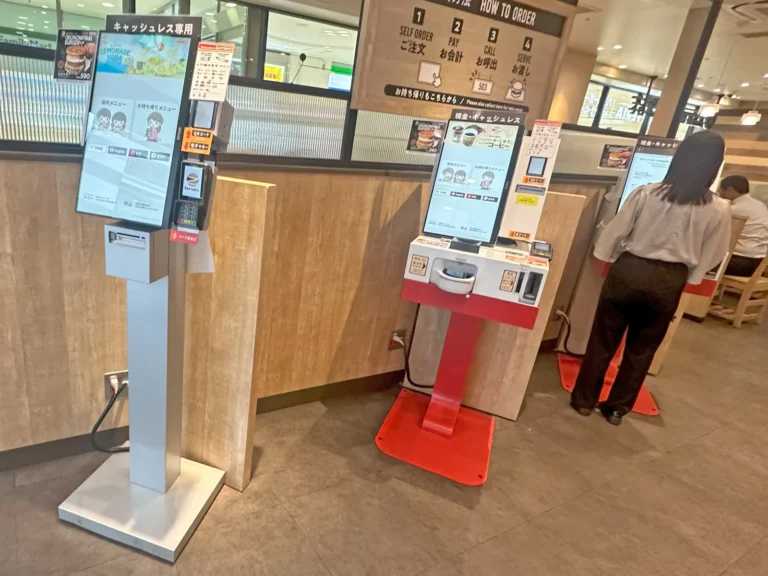
A service charge (sābisu-ryō) may be included in the price or added when you pay. It is different from a tip: the business states it, and you don’t choose it. What it pays for is not stated in the sources below. For paying the bill itself, cash or card, see our cash vs card guide.
- Included. San Applause, a Nadaman restaurant inside the Imperial Hotel Tokyo, in its Japan Hotel Association listing: “Prices are inclusive of consumption tax and service charge.”
- Added at the bill. The Ministry of Finance’s Q&A on tax-inclusive price display uses this calculation example: a dinner priced at ¥3,300 including tax, plus a 10% service charge of ¥330, comes to ¥3,630.
Ryokan. The Japan Tourism Agency’s model accommodation terms are a template for hotels and ryokan. Their breakdown of charges has a line for a service charge as a percentage of the basic rate, with the rate left blank. It is a template, not a rule that every inn charges one: read the rate breakdown when you book.
Kokorozuke: optional thank-you money
The Digital Daijisen dictionary, on Kotobank, defines kokorozuke (心付け) as money or goods given to someone who looks after you, to show your thanks, and lists chippu (tip) as a synonym. The Nihon Kokugo Daijiten adds that today it means a small sum given to express thanks, or the wish for better service.
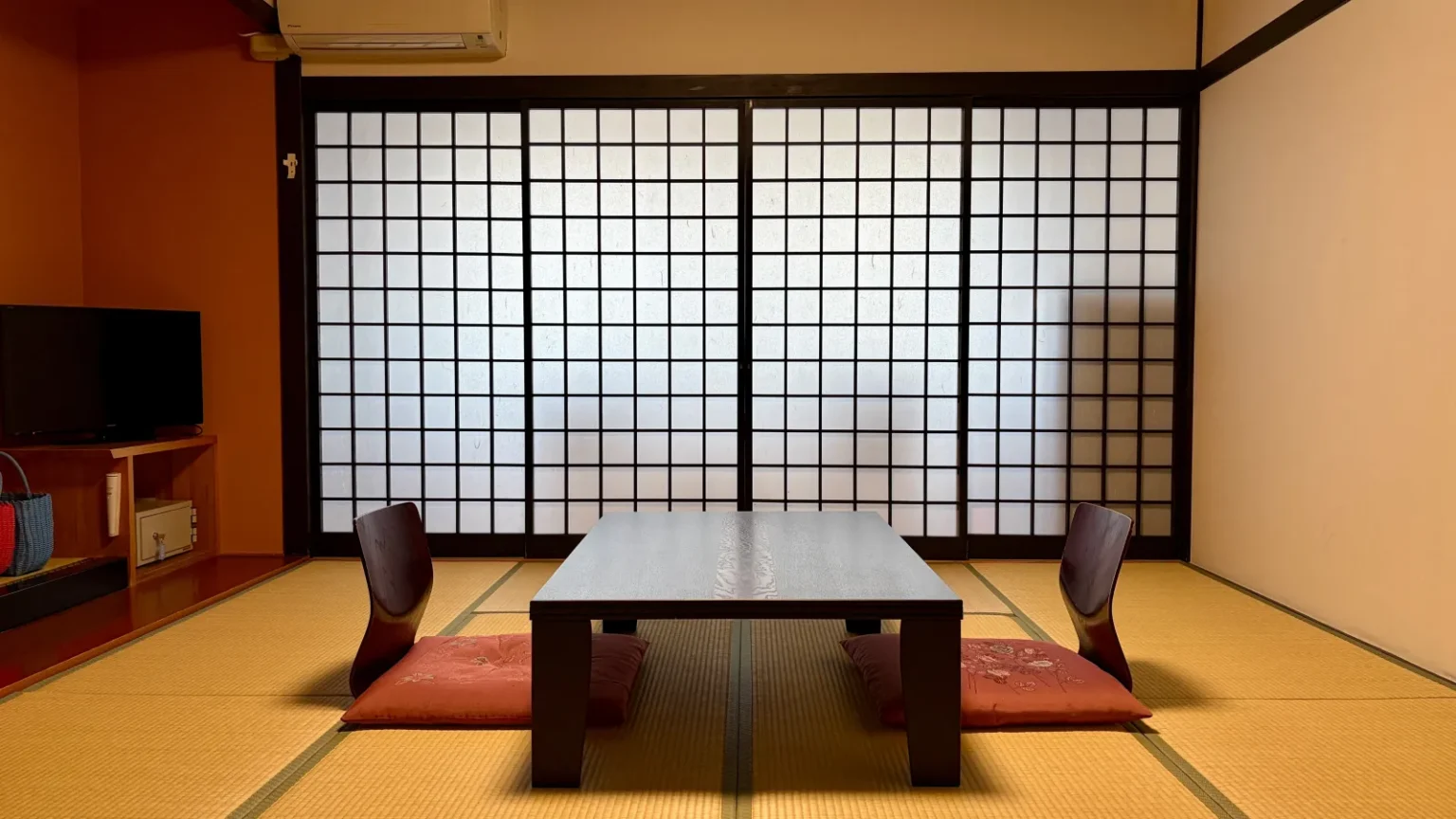
Ryokan are one setting where travellers may hear about it. Jalan News, a travel site, said in a 2014 ryokan Q&A that it is not something you must give, and that people give it when staff have looked after them specially, or when they ask for something beyond the usual service.
If you decide to give a cash gratuity to a person, these are the practical points:
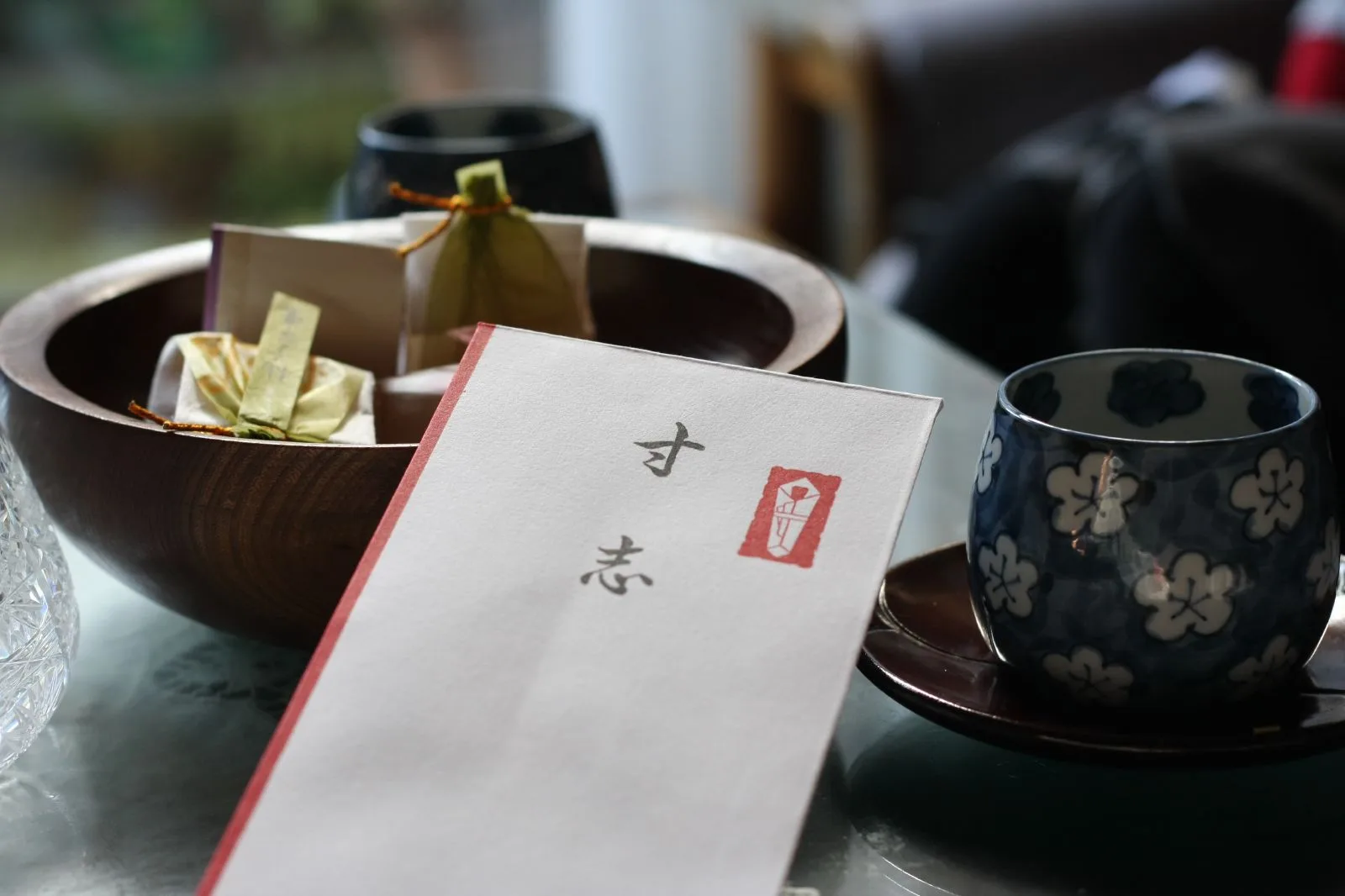
1. Get a small envelope
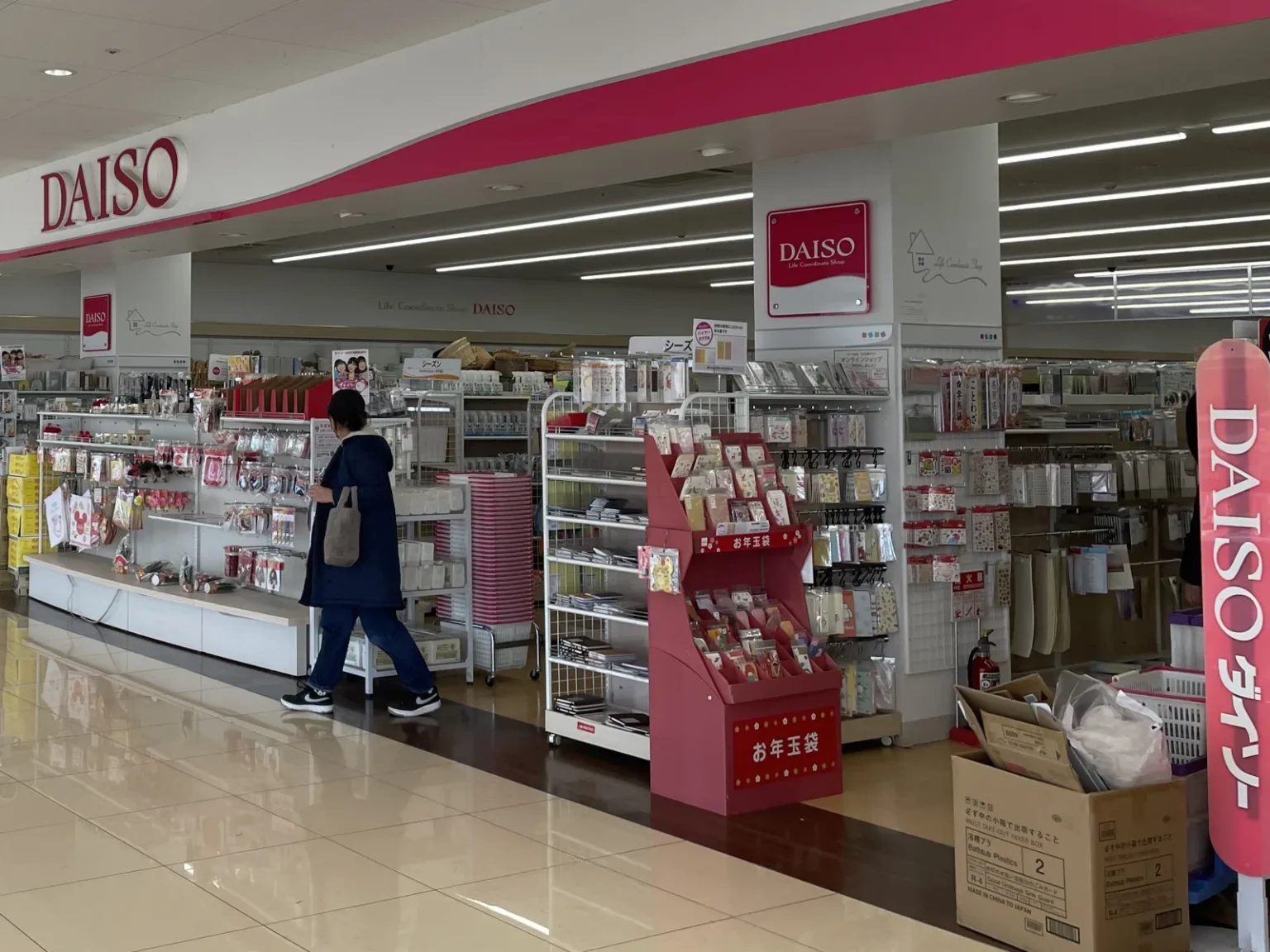
JNTO says small cash envelopes are sold at convenience stores, stationery stores and 100-yen stores. The small decorated ones are pochi-bukuro, which the Digital Daijisen defines as a small paper bag for kokorozuke or New Year’s money.
2. Hand the envelope to the person
Visit Kinosaki: if you want to give a tip, put it in an envelope and hand it to the person; handing cash directly is considered rude. This is about giving a gratuity, not about paying a bill.
3. Timing
Jalan News (2014): before a special request, give it in advance; if staff helped you through an unexpected problem, give it as soon as things have settled.
4. If they decline
Thank them and stop.
One magazine’s example, not a rule. Shogakukan’s Waraku (2015) says there is no strict rule for pochi-bukuro, and gives this way of doing it: fold the note in three with the portrait side inside, left third first, then right; put it in the right way up; leave the envelope unsealed; a label such as 心ばかり (“just a small token”) is optional.
Ways to say thanks
| Japanese (romaji) | When to say it |
|---|---|
| ありがとうございました arigatō gozaimashita | Thank you (for what you did): leaving a shop, a taxi, a hotel |
| ごちそうさまでした gochisōsama deshita | Thanks for the meal: leaving a restaurant, or after a ryokan dinner |
| お世話になりました osewa ni narimashita | Thank you for looking after me: checking out of a ryokan, the end of a guided tour |
| 心ばかりですが kokoro bakari desu ga | Only if you hand over an envelope: “it is only a small token” |
The meanings follow the Digital Daijisen entries for gochisōsama (words of thanks for a meal) and kokoro bakari (a modest word used when giving a gift). If a guide or an inn looked after you well, a review on the site you booked through is another way to say so.
More: onsen etiquette, public bathhouses (sentō), our Ikkoten Yufuin ryokan guide and daily costs in Japan. For the rest of the meal, from ticket machines to service charges, see Japan’s restaurant rules; for taxis and ride apps, Uber in Japan.
FAQ
Do you tip in Japan?
Generally no. JNTO says it is not common in bars, cafes, restaurants, taxis and hotels. Its one example of an exception is a private guide or interpreter accustomed to overseas practices, who may accept a tip; it is not expected even then.
Is it rude to tip in Japan?
None of the sources we checked calls a tip itself rude. Visit Kinosaki says tipping is not expected, and that when you do give one, handing over cash directly is considered rude: use an envelope.
Should I tip at a ryokan?
You don’t have to. Visit Kinosaki says tips are not expected, and Kashiwaya at Shima Onsen says it treats guests the same either way. Kokorozuke, a gift of money or a small present for someone who looked after you, is not required.
How much kokorozuke should I give?
None of the official pages we checked on 12 October 2026 (JNTO, Visit Kinosaki) gives a kokorozuke amount, and kokorozuke is not required.
Can I tip a taxi driver in Japan?
JNTO says tipping in taxis is not common. In the GO app, eligible rides in listed areas offer an optional tip when the tip option appears, after the ride or within 24 hours.
Is a service charge the same as a tip?
No. A service charge may be in the price or added at the bill, and the business states it; a tip would be your choice. 1 Hotel Tokyo’s FAQ says such a charge “is typically stated in advance and does not require additional tipping”.
Sources (checked 12–13 October 2026)
- JNTO: Tipping in Japan
- Visit Kinosaki (official tourism website of Toyooka City): Ryokan etiquette
- Kashiwaya (Shima Onsen): Basic etiquette, rules and manners at ryokan
- Jalan News: ryokan manners Q&A, 5 April 2014 (Japanese)
- GO help centre: About tipping
- Uber Eats Japan: tipping your courier (Japanese)
- 1 Hotel Tokyo: FAQ
- Nadaman: San Applause, Imperial Hotel Tokyo (Japanese); Japan Hotel Association: San Applause listing
- Ministry of Finance: total-price display Q&A, Q11 (service charge example)
- Japan Tourism Agency: model accommodation terms, last revised 13 December 2023 (PDF)
- Tokyo Metropolitan Sanitation Business Guidance Center: foreign-visitor tools manual, March 2018 (PDF)
- Kotobank (Digital Daijisen, Nihon Kokugo Daijiten): 心付け; ぽち袋
- Weblio (Digital Daijisen): ご馳走様; 心ばかり; 寸志; 世話
- Waraku web (Shogakukan): pochi-bukuro etiquette, from the August–September 2015 issue (Japanese)
- Business Insider Japan (Junya Suzuki): dinii’s tip function and the reaction, 1 September 2025, page 1; page 2, dinii’s statement (Japanese)
Join travelers discovering Japan's hidden side
Weekly dispatches from off-the-beaten-path Japan — spots and stories you won't find in guidebooks.
No spam. Unsubscribe anytime.
Welcome aboard!
You're in. See you in your inbox soon.