Japan · Public Baths · Culture & Etiquette
A sentō is a neighbourhood public bathhouse — the everyday cousin of the onsen, heated tap water rather than a natural hot spring. As of August 2026, a Tokyo soak costs a flat ¥600, baths are split by sex, and the one rule that matters most is that you wash completely before you get in. (Visiting between September 1 and October 31, 2026? A city-backed coupon cuts the adult fare to ¥300 at participating baths, while coupons last — see the price section.) Tattoos? Far more sentō allow them than the big onsen resorts do, but it’s bath-by-bath, so this guide names the ones in Tokyo, Kyoto and Osaka that actually do — and walks you through everything else, first soak to last.
What is a sentō — and how is it different from an onsen?
A sentō (銭湯) is a public bathhouse for everyday washing — legally a “public bath,” traditionally filled with heated ordinary tap water. An onsen, by Japan’s 1948 Hot Springs Act, must be natural spring water that is either 25°C or hotter at the source or carries a set amount of at least one of 19 designated minerals. So the simple line is: onsen = natural hot spring; sentō = the local bath down the street. (Confusingly, a few sentō sit on real hot-spring water and call themselves “onsen sentō” — the best of both.) Separate again are “super sentō” — big modern spa complexes with food courts and lounges that aren’t bound by the regulated price and usually cost ¥1,000 or more. If it is the natural hot springs you are after, with their own etiquette, tattoo rules and private baths, see our onsen etiquette guide.
How much does a sentō cost?
Cheap, by design. The adult entry fee is a regulated maximum set by each prefecture, so it changes depending on where you are. In Tokyo it’s ¥600 (ages 12+), in force since August 1, 2026 — the fifth straight rise in six years (¥480 in 2021 → ¥500 → ¥520 → ¥550 → ¥600) as fuel costs climbed. Other prefectures set their own rate, roughly ¥450–¥600.
| Tokyo rate (2026) | Price |
|---|---|
| Adult (12+) | ¥600 |
| Child (6–11) | ¥200 |
| Under 6 | ¥100 |
| Sauna | usually a small extra charge |
Small old sentō may not stock soap or shampoo, so bring your own or buy a sachet at the desk; towels can usually be rented. That ¥600 is for an ordinary sentō — a “super sentō” is a different, pricier animal.
How do you actually use a sentō? (step by step)
It’s simple once you’ve done it once. The order is the whole etiquette:
1 · Shoes off
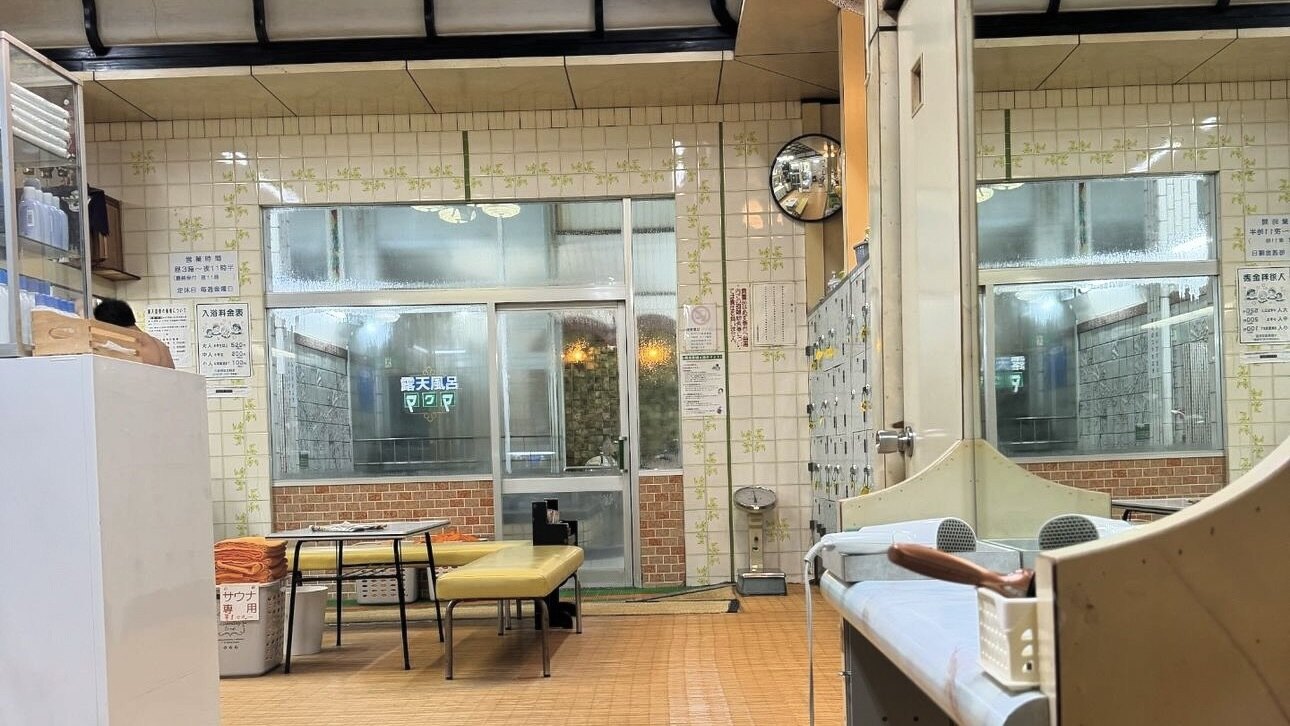
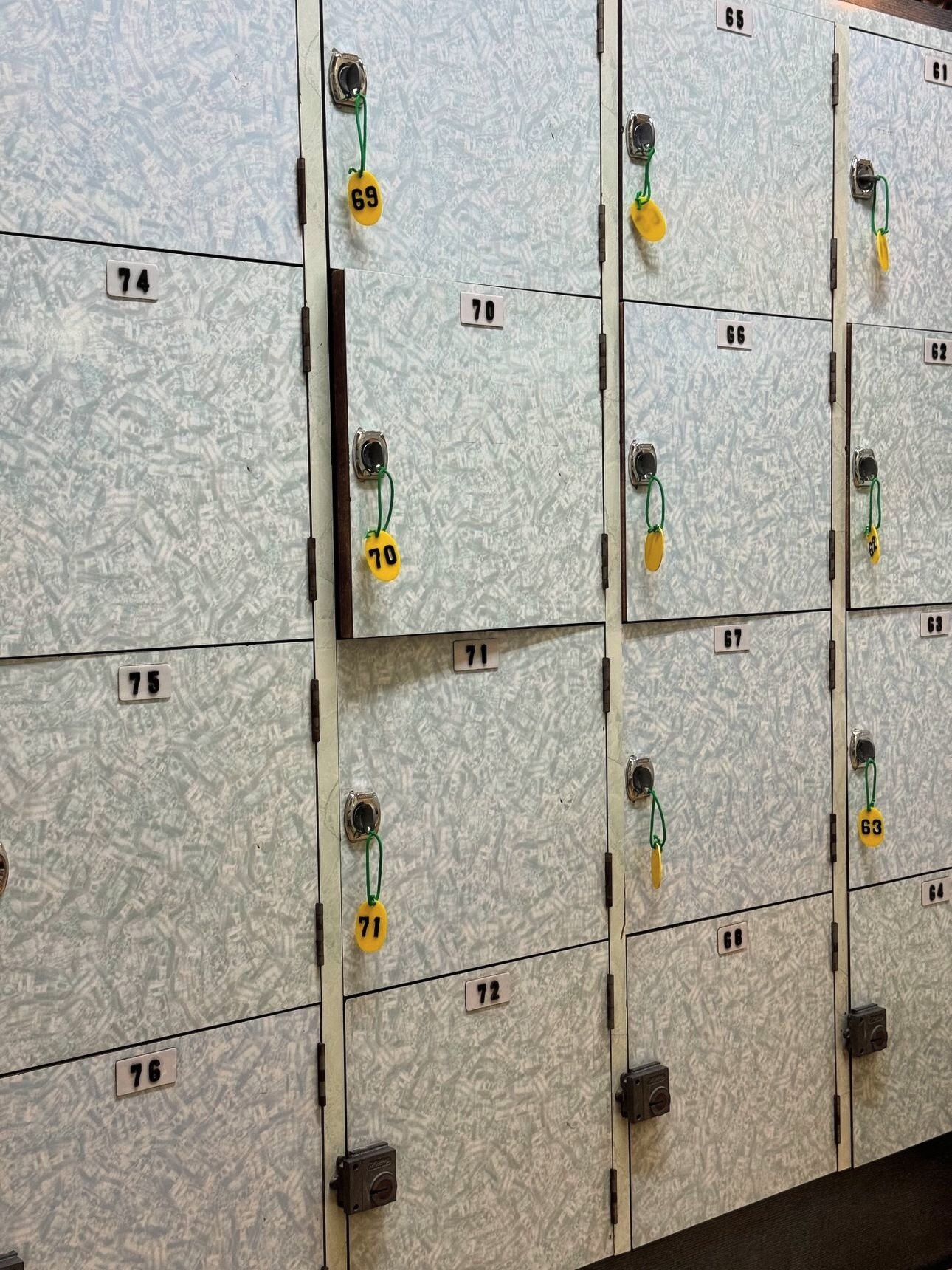
Leave your shoes in the entrance locker and take the key. Pay at the front — a traditional raised bandai counter or a modern desk/ticket machine. Cash is safest.
2 · Find your side
Baths are strictly split by sex: men under the 男 curtain, women under 女 (often colour-coded blue and red). Undress completely in the changing room — no swimsuits.
3 · Wash first
Sit at a washing station and scrub and rinse thoroughly before you get in any tub. The baths are for soaking, not cleaning — this is the rule locals care about.
4 · Soak politely
Keep your small towel out of the water (fold it on your head), tie up long hair, keep your voice down, and never put soap in the tub. No phones or photos anywhere inside.
The baths you’ll find inside
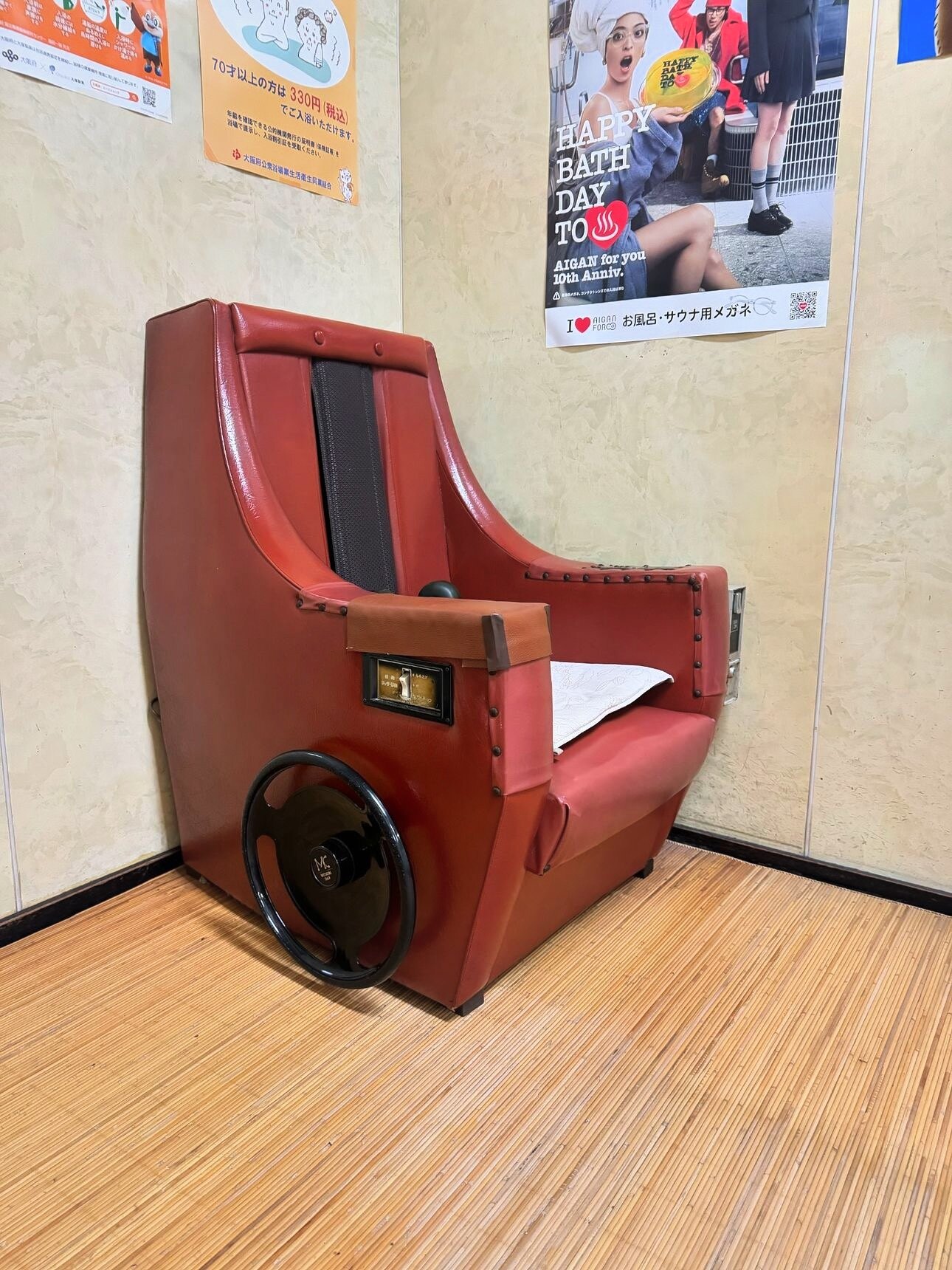
A typical sentō isn’t one tub but several: a plain hot soaking bath, jet and bubble baths, a cold-water bath to cool off, often a denki-buro (an “electric bath” that passes a mild current through the water), and frequently a sauna. Many also have a herbal/medicinal bath that changes by the day, or an open-air bath out back.
Why sentō look the way they do
Half the pleasure is the architecture. Older Tokyo sentō have a raised bandai attendant’s counter (about 1.3 m high) where staff once took the money and kept an eye on both baths, and soaring temple-style “miyazukuri” ceilings — a look that spread after carpenters used to building shrines rebuilt the bathhouses following the 1923 Great Kantō Earthquake. And then there’s the painted Mt Fuji wall mural: the tradition began in 1912 at a Kanda bathhouse, Kikai-yu, when the owner hired a Western-style painter from near Mt Fuji to cheer up the children. It became a Kantō signature — though sentō in Kansai and elsewhere often have no mural at all. (Kikai-yu itself is long gone; only the story remains.)
If you would rather have a hot spring than a neighbourhood bathhouse, the closest equivalent day trip from Tokyo is Hakone — where one bath puts Mount Fuji and Lake Ashi in the same view for ¥2,300.
Famous sentō worth going out of your way for
You can drop into any neighbourhood bath, but a handful are destinations in themselves. All of these were confirmed operating in 2026 — though sentō close and change hours often, so check before a special trip.
| Sentō | City | Why it’s special |
|---|---|---|
| Funaoka Onsen | Kyoto (Nishijin) | Business since 1923; its 1932 building is a Registered Tangible Cultural Property — carved transom panels, Majolica tiles, and Japan’s first electric bath (1933) |
| Daikoku-yu (Oshiage Onsen) | Tokyo (Sumida) | A real hot-spring sentō with a rooftop sauna and an open-air bath looking straight at Tokyo Skytree |
| Kosugi-yu | Tokyo (Kōenji) | Beloved since 1933, with a hand-painted Fuji mural and a signature milk bath |
| Takara-yu | Tokyo (Kitasenju) | The “king of gardens” — a big Japanese garden, koi pond and wooden veranda; ~8 m ceiling |
| Komparu-yu | Tokyo (Ginza) | Ginza’s oldest bath, opened 1863, with Fuji murals and Kutani-ware porcelain tiles |
| Akebono-yu | Tokyo (Asakusa) | A mural of Fuji with Skytree and Kaminarimon — and Godzilla on the men’s side |
| Hinode-yu | Kyoto (near Tōji) | Kyoto’s largest surviving pre-war wooden bathhouse (1928), English-speaking owner |
| Sauna no Umeyu | Kyoto (Shimogyō) | An old riverside bath revived by a young owner; a sauna favourite |
Those are landmarks. For something more ordinary that happens to be having a moment: in September 2026 the Tokyo association began a Japanese-language video series, Sentō Gururi, in which comedians pick a bathhouse and somewhere to eat nearby. Its first choice was Ekota-yu in Nerima — eight minutes on foot from Ekoda station on the Seibu Ikebukuro line, and described by the association as plant-filled, with a one-person cold plunge. It has an English listing, which is worth having open, because the association romanises the bath as EKOTA-YU while the station it sits by is Ekoda.
Can you go to a sentō with tattoos?
Usually, yes — and that’s the whole point of this section, because it’s where most visitors get stuck. Traditional neighbourhood sentō are far more relaxed about tattoos than onsen resorts, super-sentō and leisure spas. Plenty of ordinary Tokyo baths have no ban at all (the Tokyo Sentō Association’s “Welcome! Sentō” list ran to 54). But it is genuinely bath-by-bath — policies change without notice — so check each one, and don’t assume. (Worth knowing: a 2017 government answer to the Diet took the position that a tattoo alone is thin legal ground for an ordinary public bath to refuse entry — but at the counter, the bath’s word is final, which is why the list below keeps things friction-free.) Below are baths confirmed to admit tattooed bathers (no cover-up needed), checked in 2026:
| City | Tattoo-friendly sentō (no cover-up) |
|---|---|
| Tokyo | Kosugiyu (Kōenji) · Daikoku-yu / Oshiage Onsen (Sumida) · Konparuyu (Ginza) · Mannenyu (Shin-Ōkubo) · Hasunuma Onsen (Kamata) · Hisamatsuyu (Nerima) |
| Kyoto | Funaoka Onsen (Nishijin) · Gokō-yu (Shimogyō) · Sauna no Umeyu (Shimogyō) |
| Osaka | Irifune Onsen (Nishinari) · Radium Onsen (Shinsekai, under Tsūtenkaku) |
The decline — and the sentō revival
Sentō were once everywhere: nationwide they peaked at 18,325 in 1968, back when few homes had a private tub. Then almost every home got its own bath, owners aged out, and the numbers fell hard — Tokyo alone has dropped from over 2,000 postwar to around 420 association baths in 2025. But the last few years have brought a genuine revival: stylishly renovated baths with design-led interiors and serious saunas (Sumida’s Koganeyu, redesigned with a sauna and a DJ booth, is the poster child) have pulled in a younger crowd riding Japan’s sauna boom. A sentō visit has quietly become cool again.
First-timer tips, including for visitors from abroad
Full nudity is normal
Everyone is undressed; no one is looking. Swimsuits are not allowed in the bath. The small “modesty” towel stays out of the water.
Bring cash & a towel
Most baths take cash only and may not stock soap. Bring a towel or rent one, and a coin for the shoe locker and dryer.
No phones inside
Photography is banned in the changing and bathing areas — leave the phone in the locker. It’s the surest way to upset regulars.
If you have tattoos
Pick a confirmed tattoo-OK bath above, or call ahead. Carry a cover sticker as a backup for stricter places.
Staying in Tokyo
A neighbourhood sentō is the easiest, cheapest slice of everyday Japan from any city base. Booking has the widest spread across Tokyo; Rakuten Travel is good for Japanese-run hotels.
Good to know
What’s the difference between a sentō and an onsen?
An onsen uses natural hot-spring water (defined by law — 25°C+ at source or set minerals); a sentō is a public bathhouse normally filled with heated tap water. A few sentō sit on real spring water (“onsen sentō”). “Super sentō” are large modern spa complexes, separate again and pricier.
How much does it cost?
In Tokyo, ¥600 for adults (¥200 ages 6–11, ¥100 under 6), with a sauna usually a small extra. The adult price is set by each prefecture, so it varies (roughly ¥450–¥600). Bring cash; soap/shampoo may not be provided, and towels can be rented. The TRY A TOKYO SENTO campaign briefly offered ¥300 adult admission at participating Tokyo sentō in September 2026, but it reached its coupon limit and ended early — even previously obtained coupons can no longer be redeemed.
What’s the most important rule?
Wash and rinse yourself completely, seated at a washing station, before you get into any bath. The tubs are for soaking, not cleaning. Also: no swimsuits, keep the small towel out of the water, and no phones or photos inside.
Can I enter with tattoos?
Often, yes — neighbourhood sentō are much more relaxed than onsen resorts, but it varies by bath. Confirmed tattoo-OK options include Kosugiyu, Daikoku-yu, Konparuyu, Mannenyu, Hasunuma Onsen and Hisamatsuyu in Tokyo; Funaoka Onsen, Gokō-yu and Sauna no Umeyu in Kyoto; and Irifune Onsen and Radium Onsen in Osaka. Always check the specific bath, as policies change.
Are sentō gender-separated, and is it really all nude?
Yes to both — men and women bathe separately (look for 男 and 女), and you bathe fully undressed. It feels normal within minutes; nobody pays attention.
Do I need to bring anything?
Cash, a small towel (or rent one), and a coin or two for lockers and the hair dryer. Soap and shampoo are often for sale at the desk if the bath doesn’t supply them.
What is a denki-buro?
An “electric bath” that passes a mild electric current through the water for a tingly, muscle-buzzing feel. It’s a local curiosity — but avoid it if you have a heart condition or a pacemaker.
Are sentō dying out?
Numbers have fallen sharply from a 1968 peak of 18,325 nationwide, but a wave of design-led, sauna-focused renovations has made sentō newly popular with younger visitors.
Ume-no-Yu, Chōfu
A wood-fired neighbourhood sentō near Tokyo’s Jindai Botanical Gardens.
Unzen Onsen
The real hot-spring experience — steaming “hells” in Nagasaki.
Harmonica Yokocho
Another slice of everyday Tokyo — tiny bars in Kichijōji.
BEAMS Japan
Where to pick up a good towel and Japanese design pieces.
Join travelers discovering Japan's hidden side
Weekly dispatches from off-the-beaten-path Japan — spots and stories you won't find in guidebooks.
No spam. Unsubscribe anytime.
Welcome aboard!
You're in. See you in your inbox soon.