
The 2027 dates, and what is actually confirmed
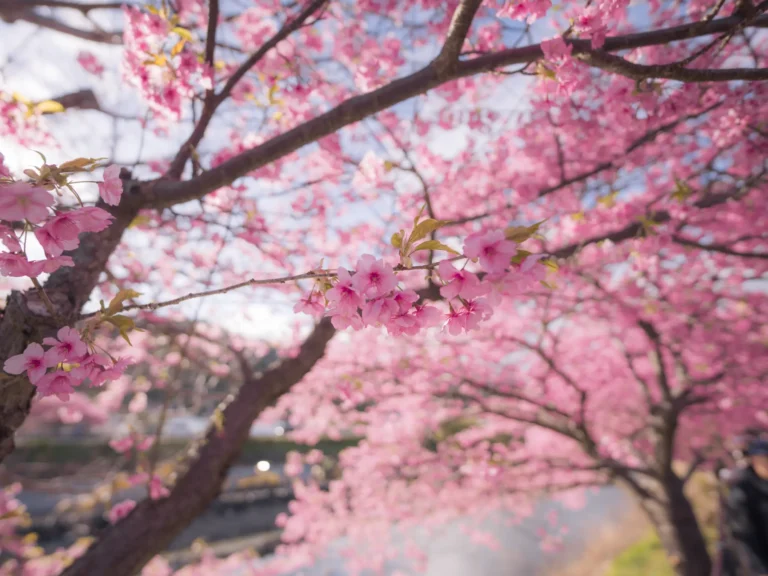
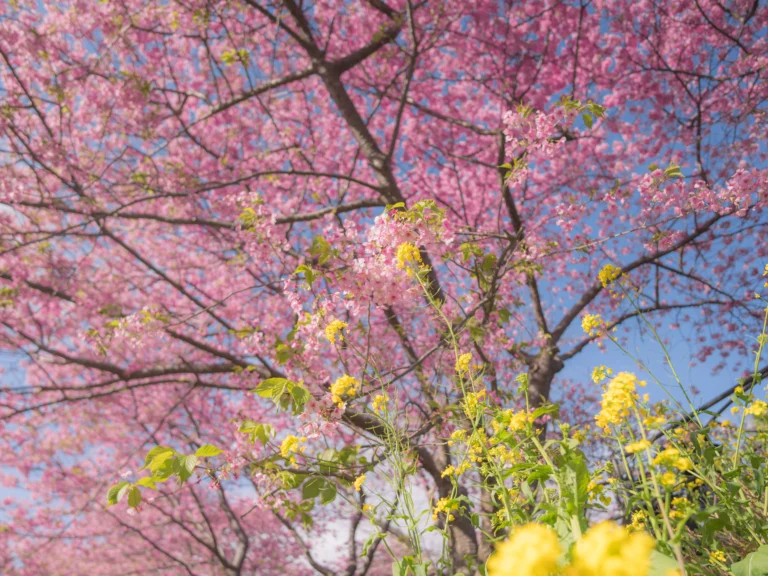
Kawazu-zakura opens in early February, about a month before the rest of Japan, and holds its flowers for weeks rather than the few days somei-yoshino gives you. That is the whole reason to come: it is the one place you can plan a February trip around and still see cherry blossom. Here is exactly where the 2027 dates stand.
| 2027 festival dates | Not officially announced. Kawazu Town’s provisional calendar shows the festival running to 7 March 2027; the start date is not confirmed and the festival’s own website still displays 2026 |
| When the dates usually land | There is no fixed announcement month. The 2026 edition was announced on 8 August 2025, so 2027 is already overdue — it could appear any week now |
| Last year, for reference | The 2026 festival ran 7 February – 8 March |
| Typical bloom | Early February to early March, with peak lasting roughly 7–10 days and moving with the weather. The festival window and the peak are not the same thing |
| Where | Along the Kawazu River, beside Izukyu Kawazu Station, Shizuoka |
If you are booking flights around this, book the trip and not the festival. The blossom decides, not the calendar — and in a warm year the peak arrives before the advertised start, while in a cold one the trees are still bare on opening day.
Why This Matters for Travelers
This festival is one of the earliest and largest cherry blossom events on Japan’s main island of Honshu. For travelers visiting Japan in February or early March, it offers a chance to experience a major cherry blossom festival before the main season begins in larger cities like Tokyo and Kyoto. It primarily affects those planning trips during the late winter and early spring, providing a popular and accessible option for seeing sakura.
Location & Context
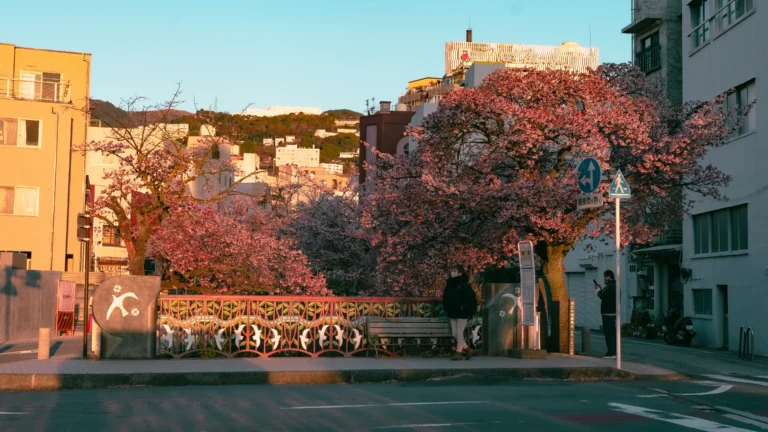
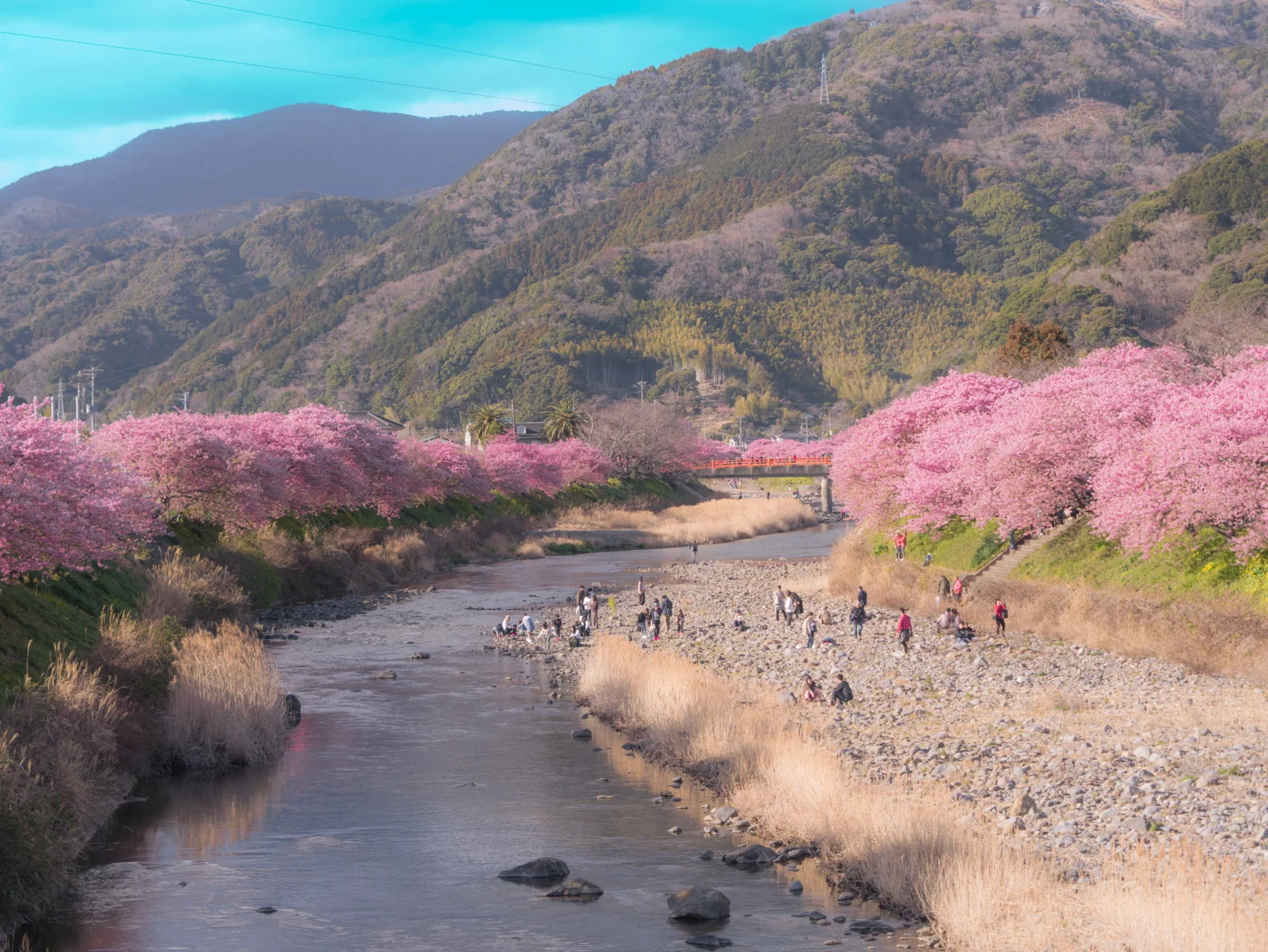
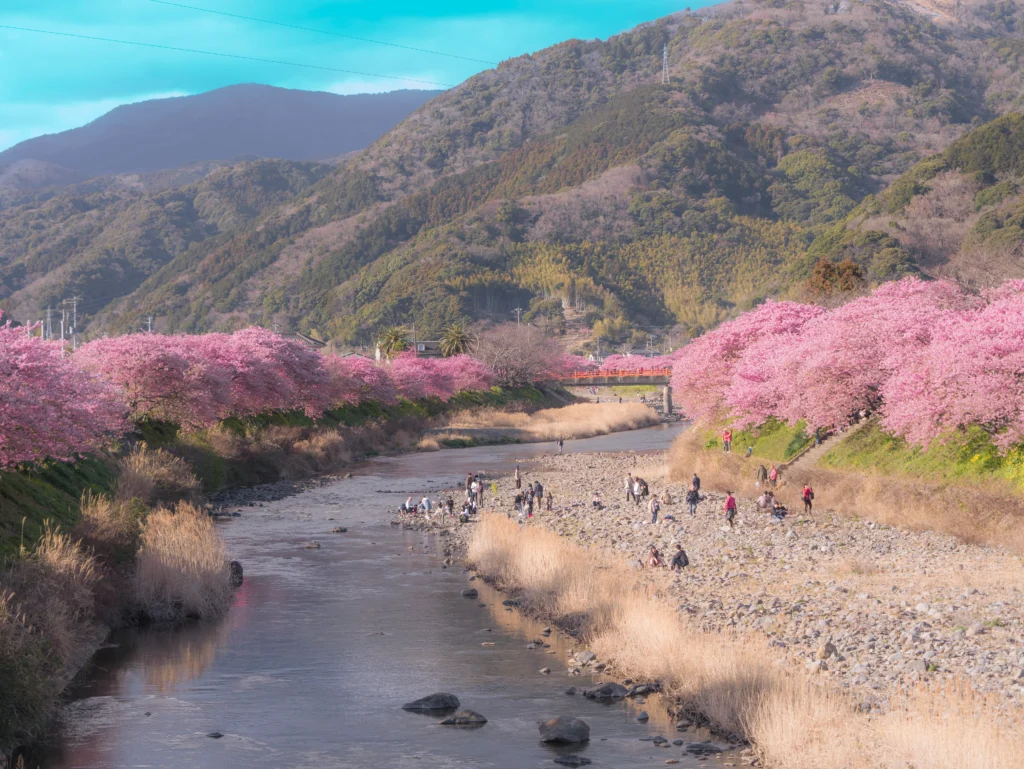
The festival is held in the town of Kawazu, located on the eastern coast of the Izu Peninsula in Shizuoka Prefecture. The main attraction is the row of cherry trees that stretches for several kilometers along the Kawazu River. During the festival, the area is filled with food stalls and visitors. The atmosphere is lively, especially on weekends.
Flying in for this? Compare fares on Trip.com — and confirm the dates before you book anything non-refundable. This blossom moves with the weather, not the calendar.
Dates & Timing
•Festival Period: typically early February – early March (2027 dates to be announced; 2026 ran Feb 7 – Mar 8)
The festival itself runs for about a month. However, the cherry blossoms are not in full bloom for the entire period. The peak viewing time typically occurs from late February to early March. The exact timing can change each year depending on weather conditions. The official website provides live cameras and bloom status updates, which are useful for planning a visit.
Access Information
Kawazu is accessible by train from Tokyo. The most direct route is the JR Odoriko limited express train, which takes about 2 and a half hours (JR East lists about 2h36m) to reach Kawazu Station. Local trains are also an option but require transfers.
•Nearest Station: Kawazu Station (Izukyu line)
During the festival period, trains and the area around the station become extremely crowded. Traveling on a weekday is recommended to avoid the largest crowds.
Three companion pieces on this trip: the full festival guide for what the riverside is actually like and where the crowds sit, how to get to Kawazu from Tokyo or Osaka, and how the bloom forecast works if you are trying to time a narrow window.
Practical Notes
•Crowds: Expect significant crowds, particularly on weekends and during the peak bloom.
•Night Illumination: The trees are lit up in the evenings (yozakura), offering a different viewing experience. This is a popular part of the festival.
•Cost: There is no entry fee to see the trees, but you should budget for transportation, food, and any souvenirs.
•Bloom Status: Before visiting, it is best to check the official website for the latest bloom information to ensure the trees are flowering.
Official Information
All information is based on the official announcement from the Kawazu Cherry Blossom Festival Information Bureau.
•Official Website: https://kawazuzakura.net/
Summary
The Kawazu Cherry Blossom Festival runs each year from early February to early March, with exact dates announced in autumn. Located on the Izu Peninsula, this event is a key destination for travelers wanting to see cherry blossoms in early spring. The festival features rows of deep pink Kawazu-zakura trees along a river, with night illuminations and food stalls. Visitors should plan for significant crowds and check bloom forecasts before traveling.
Sources / References
[1] 河津桜まつり情報局 (Kawazu Cherry Blossom Festival Information Bureau )
Notes & Limitations
•The peak bloom period within the festival dates is an estimate and depends on the weather.
•Transportation and the festival area will be very crowded, especially on weekends.
Certainty Level
High
Keep reading on Hidden Japan Gems
Join travelers discovering Japan's hidden side
Weekly dispatches from off-the-beaten-path Japan — spots and stories you won't find in guidebooks.
No spam. Unsubscribe anytime.
Welcome aboard!
You're in. See you in your inbox soon.