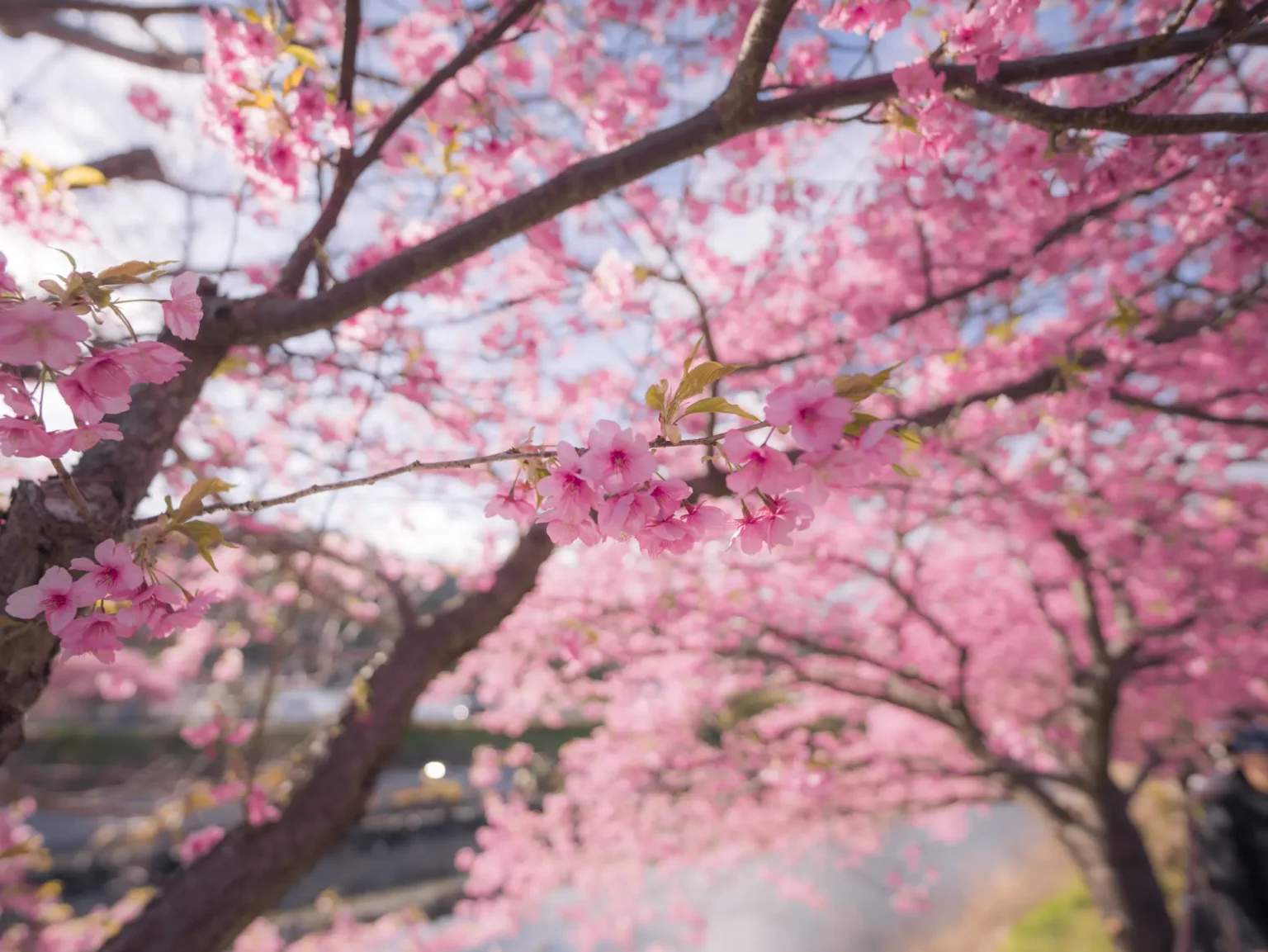

While most of Japan awaits the arrival of cherry blossoms in late March, the town of Kawazu in the Izu Peninsula offers a delightful preview of spring nearly a month earlier.

The Kawazu Cherry Blossom Festival (河津桜まつり, Kawazu-zakura Matsuri) celebrates a unique, early-blooming variety of sakura, painting the riverside landscape in vibrant shades of pink from early February to early March.
This guide provides everything you need to know to plan your visit to the festival, from the latest bloom forecasts to access information and what makes these blossoms so special.
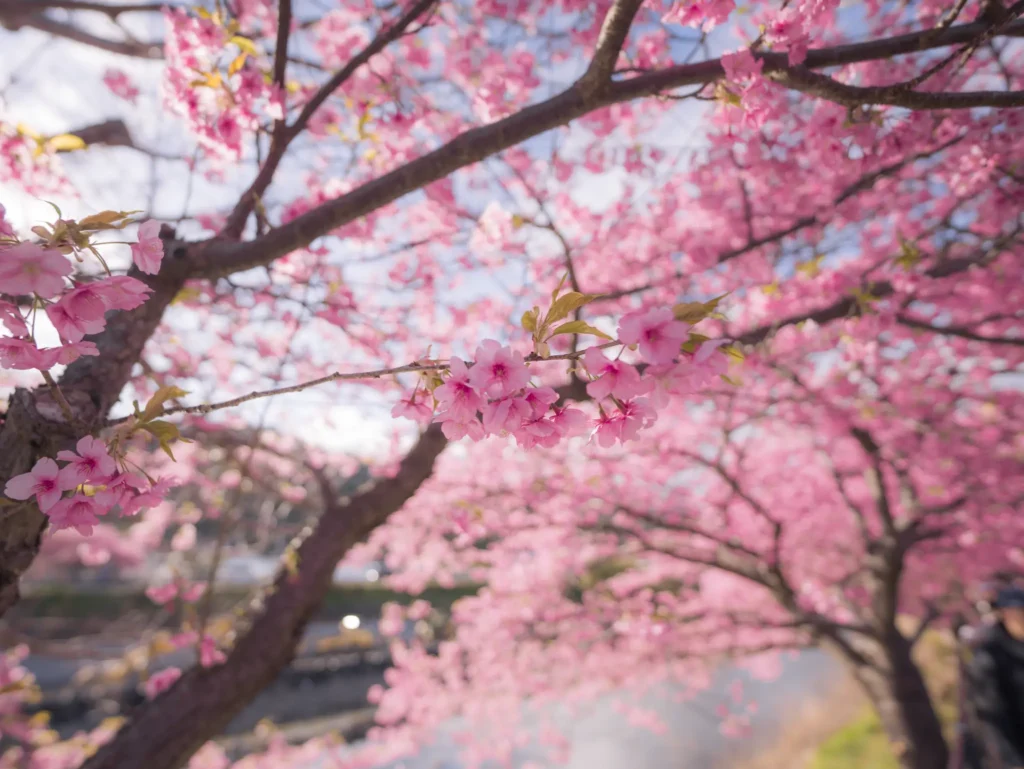
Table of Contents
Quick Facts: Kawazu Cherry Blossom Festival
| Feature | Details |
| Festival Dates | Typical window early February – early March; peak 7–10 days. Exact dates vary each year — confirmed dates and announcement status |
| Best Viewing Time | Mid-February to early March |
| Location | Along the Kawazu River, Kawazu, Shizuoka Prefecture |
| Access | A short walk from Kawazu Station (Izu Kyuko Line) |
| Number of Trees | Approx. 850 along the main river promenade |
| Night Illumination | Daily during the festival (details to be confirmed) |
| Cost | Free (some special events may have fees) |
| Payment Methods | Cash is recommended for festival stalls |
What Makes Kawazu Sakura Special?
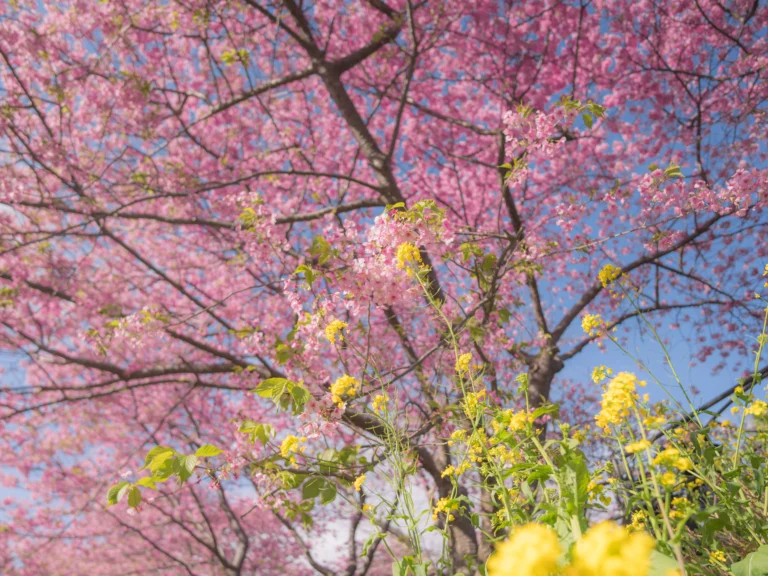
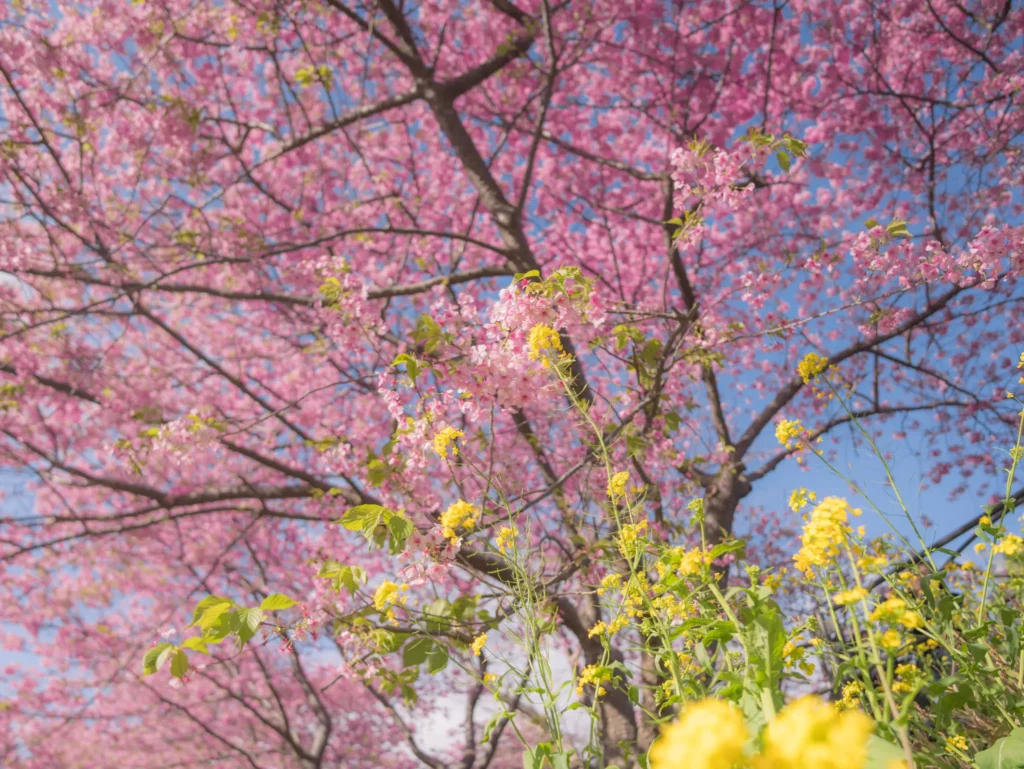
The Kawazu cherry tree (Kawazu-zakura) was discovered by chance in the town of Kawazu in the 1950s. Unlike the pale pink Somei Yoshino variety that is common throughout Japan, Kawazu-zakura have larger petals and a more intense, deep pink color.
One of their most appealing characteristics is their long blooming period. While most cherry blossoms last for about a week, Kawazu-zakura can be enjoyed for nearly a month, from their first opening to when the petals begin to fall. The best time to see them is often considered to be between 60% and 80% bloom, when the flowers are at their most vibrant before new leaves begin to emerge.
The Festival Experience: A Riverside Stroll
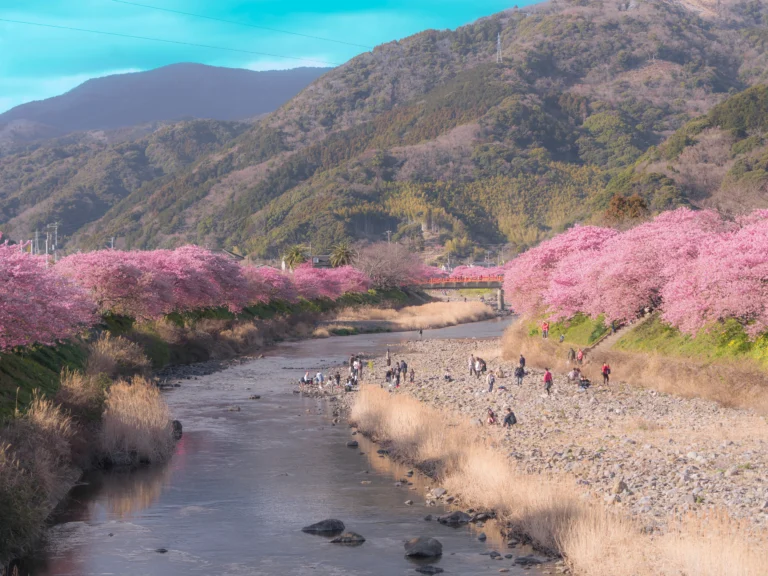
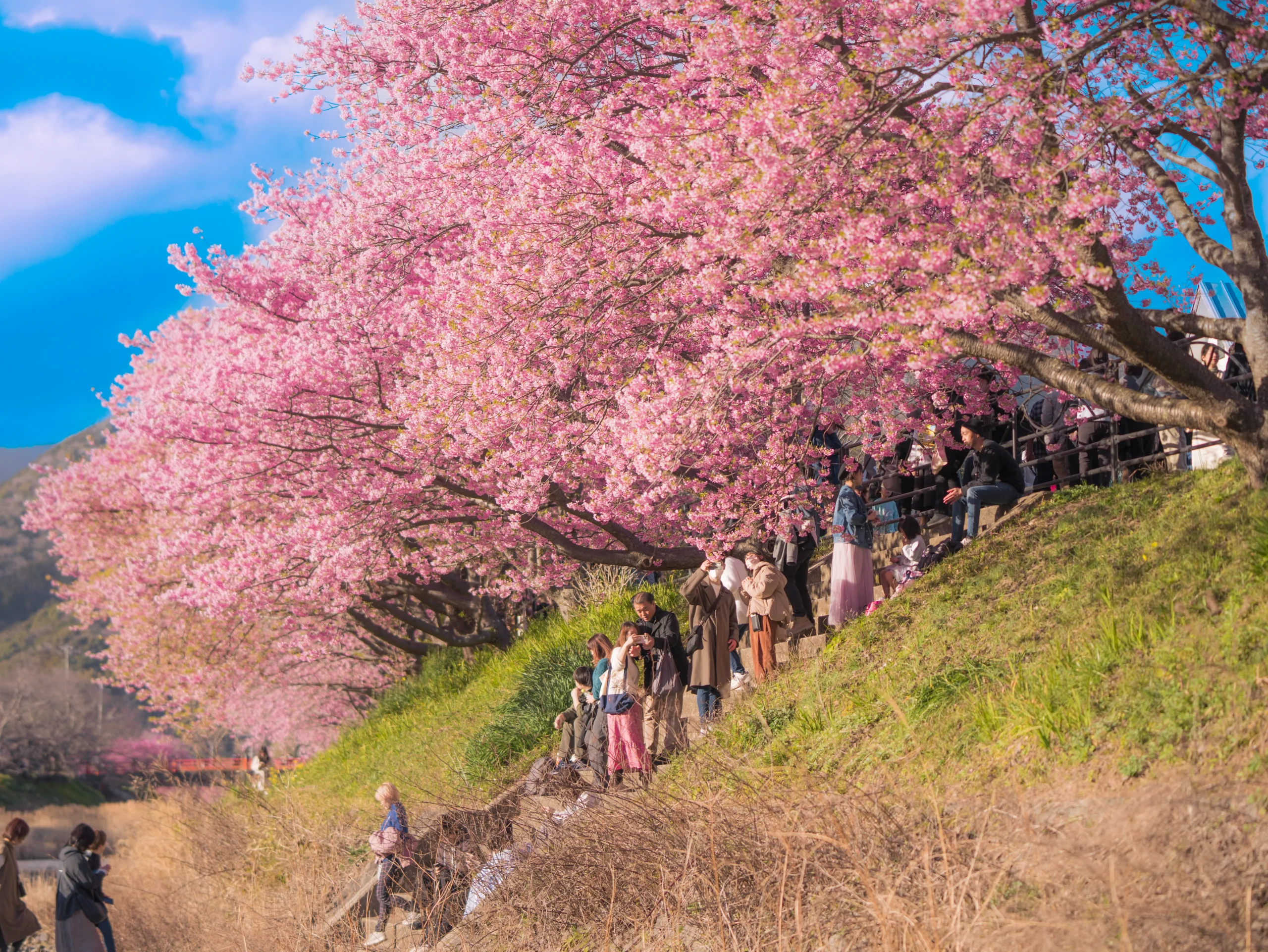
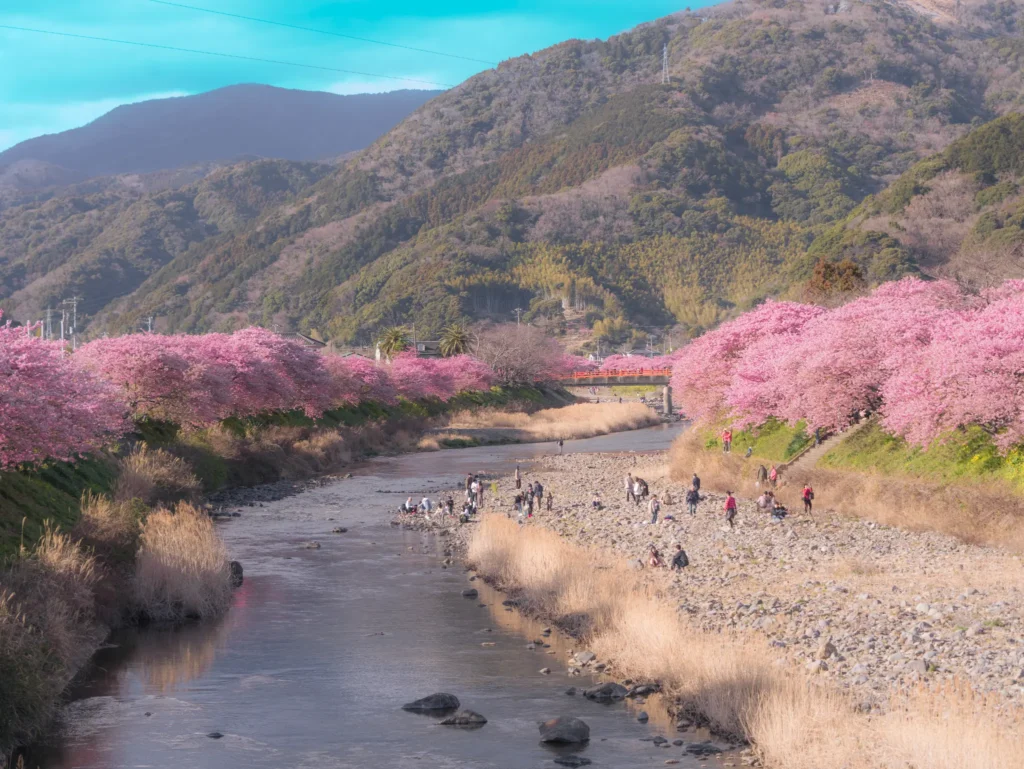
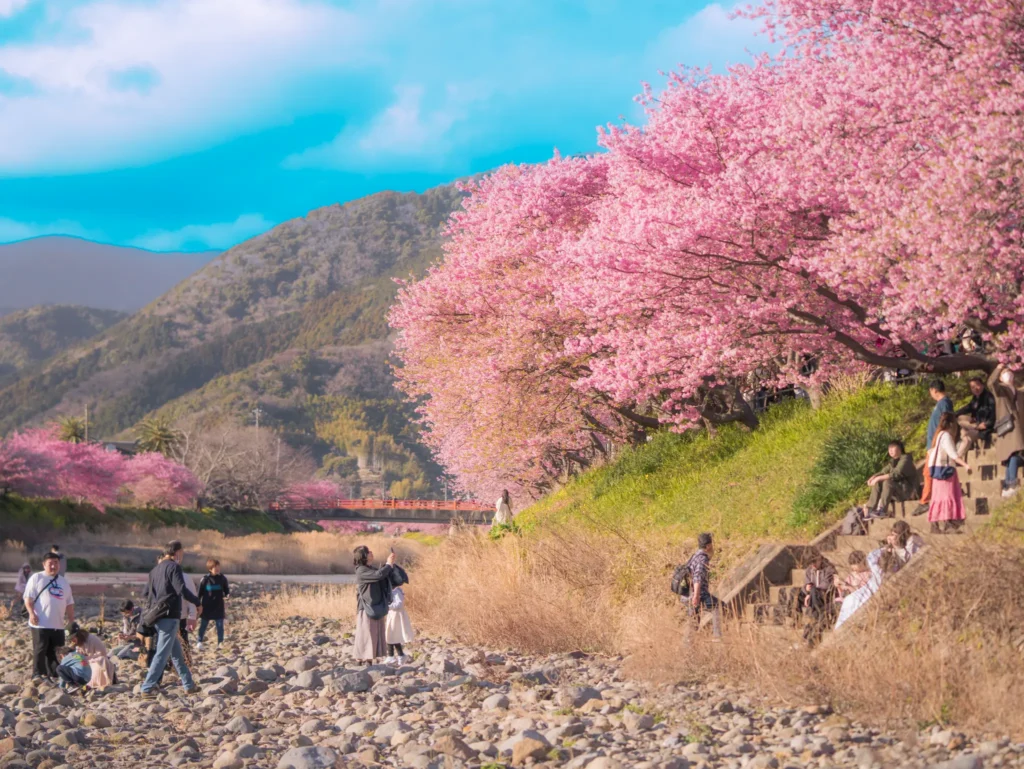
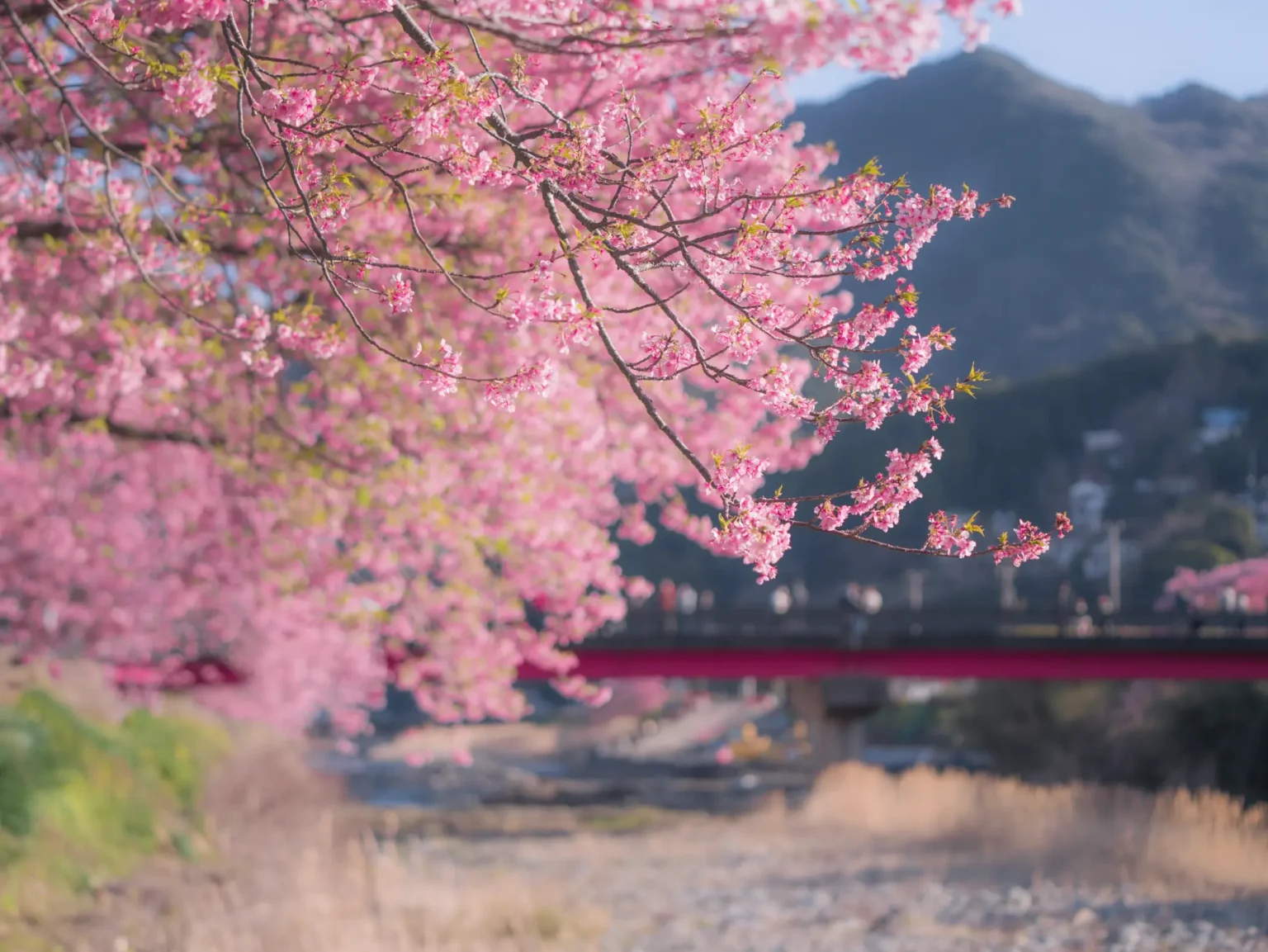
The heart of the festival is the approximately 4-kilometer promenade along the Kawazu River. The path is lined with an unbroken canopy of cherry trees, creating a stunning pink tunnel. During the festival, the area comes alive with nearly 100 food stalls and local vendors selling everything from grilled seafood and yakisoba to sakura-themed sweets and souvenirs.
Visitors can stroll along the riverbank, relax on the grassy slopes, and enjoy the festive atmosphere. The contrast between the pink blossoms and the yellow nanohana (rapeseed) flowers, which bloom at the same time, creates a picture-perfect spring scene.
Best Time to Visit
Pick your day by the bloom, not the calendar. The trees open in early February and the useful window runs to about the first week of March, but the peak inside that is only seven to ten days wide and it moves with the winter. Mid-February is the safest single guess. A weekday inside the peak beats a weekend on either shoulder, every time — the riverside path is narrow and it does not absorb a Sunday crowd well.
For the confirmed dates and whether the coming year has been announced yet, see the festival dates page, which is the one I keep current.
For the most up-to-date information, check the official festival website, which provides daily bloom reports and live camera feeds from various locations starting in late January.
How to Get There
Reaching Kawazu without the peak-season scramble
Kawazu is two and a half hours from Tokyo and the station sits three minutes from the blossom, which is what makes it a realistic day trip in February. The fares below were checked against JR East and Izukyu on 13 September 2026; the Izukyu fare table was last revised on 14 March 2026.
| Route from Tokyo | Time | One way | Notes |
| Limited Express Odoriko, direct | ~2h30 | ¥6,380 | ¥4,000 fare + ¥2,380 express. All-reserved — there are no non-reserved cars |
| Saphir Odoriko, direct | ~2h30 | ¥10,260 | Green and Premium only. There is no ordinary seat to buy on this train |
| Shinkansen to Atami, then local | ~2h10 | ~¥5,670 | Non-reserved Shinkansen. Often the fastest, and the right choice on a JR Pass |
| All local via Atami | ~3h20 | ¥4,000 | No express charge at all |
| Odakyu from Shinjuku via Odawara | ~3h40 | ¥3,210 | The cheapest way there |
If you have a JR Pass, read this bit. The pass covers the Odoriko as far as Ito, and no further — Ito to Izukyu-Shimoda is the Izukyu line, a private railway, and the pass explicitly excludes it. To Kawazu you owe ¥1,580 on a local, or ¥2,380 if you stay aboard the Odoriko (¥1,580 fare plus a ¥800 express charge). You do not change trains at Ito; you show the pass and pay the conductor or the staff at Kawazu for the uncovered section. Plenty of English pages imply the pass takes you all the way. It does not.
By Train:
•From Tokyo: the Odoriko runs direct from Tokyo and Shinagawa. Shinjuku, Ikebukuro and Shibuya departures exist but only on selected days — do not plan around one without checking. Reservations open one calendar month ahead at 10:00 JST, and since the train has no non-reserved cars, booking both directions is the whole game in peak bloom.
•From Atami or Ito: the Izukyu line runs down to Kawazu. Ito to Kawazu is ¥1,580.
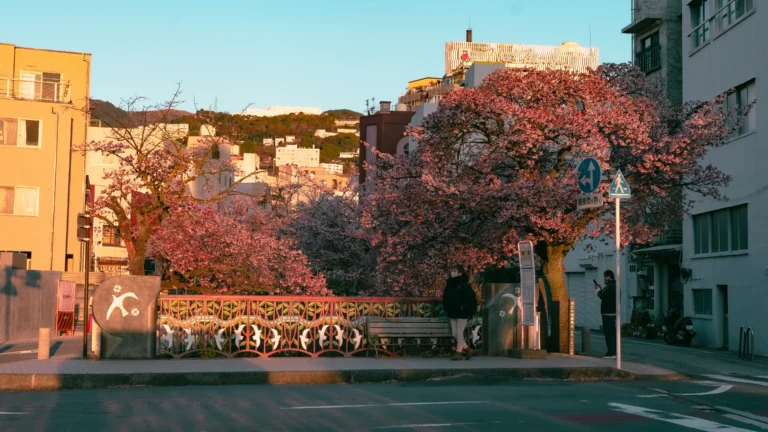
From the station it is about three minutes on foot: out of the road-side exit, over the crossing, straight ahead to the river. Coin lockers are just outside the ticket gates, and the ticket counter runs 09:00–17:30 — useful if you are carrying a bag between onsen towns.
The evening trap. In 2026 the illumination ran 18:00 to 21:00, and the last realistic run back to Tokyo leaves Kawazu around 20:40 — Ito 21:37, Atami 22:02, Tokyo 23:24. Stay until the lights go off and you miss it. Either leave the riverside by half past eight, or stay the night in Kawazu or Ito. Recheck both the illumination hours and the timetable when the 2027 dates are published, because neither is confirmed yet.
Special Limited Express Trains:
JR East ran seasonal Kawazu-zakura limited expresses in February 2026 — the Minami-no-Sakura Kawazu-zakura Omiya service on 14, 15, 21 and 22 February and the Takao service on 20 February, both reserved-seat only — and Izukyu ran a Rapid Kawazu Sakura from Izu-Kogen between 7 and 28 February. Nothing equivalent has been announced for 2027. Treat these as evidence that extra trains usually appear, not as services you can plan on
Practical Tips for Your Visit
•Go on a weekday:
The festival can get extremely crowded, especially on weekends. Visiting on a weekday is highly recommended for a more relaxed experience.
•Wear comfortable shoes:
You will be doing a lot of walking along the river promenade.
•Bring cash:
While some larger shops may accept credit cards, most of the food stalls are cash-only.
•Look for wildlife:
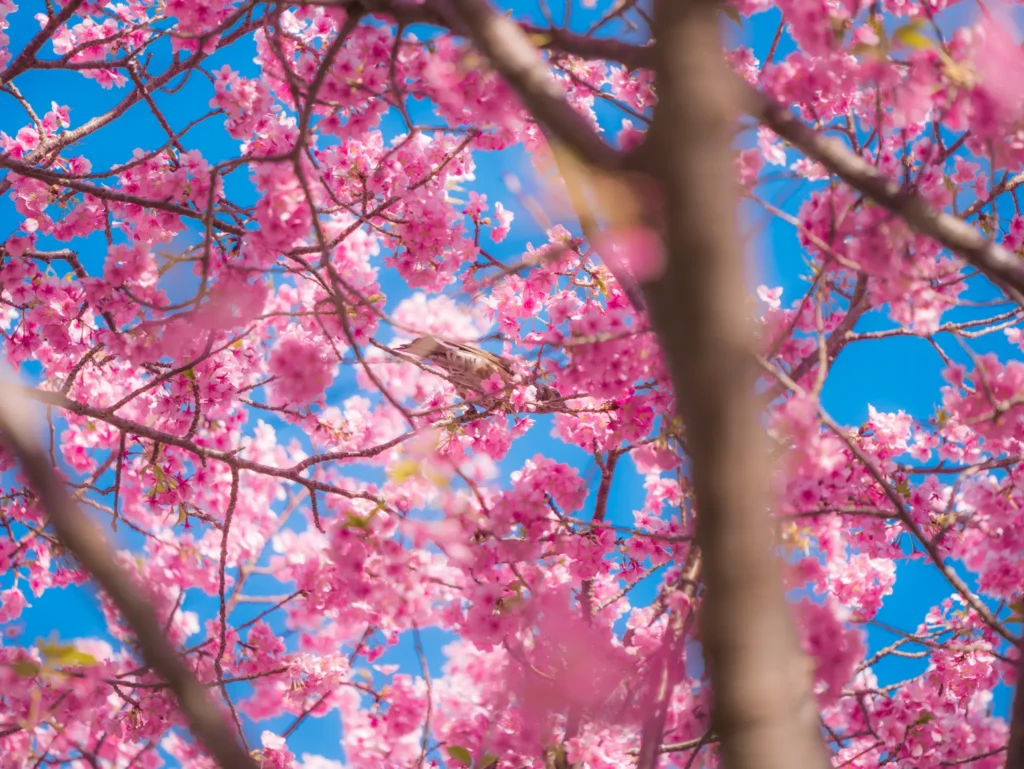
The cherry trees are a popular feeding spot for birds like the Japanese white-eye (mejiro) and the brown-eared bulbul (hiyodori).
Where to Stay Nearby
Kawazu is a small hot spring town with several traditional Japanese inns (ryokan) and smaller guesthouses (minshuku). For a wider range of options, consider staying in nearby towns like Ito, Atami, or Shimoda, which are all easily accessible via the Izu Kyuko Line.
Flying in for this? Compare fares on Trip.com — and confirm the dates before you book anything non-refundable. This blossom moves with the weather, not the calendar.
Suggested Mini-Itinerary (Full Day)
•Morning (9:00 AM): Arrive at Kawazu Station and start your walk along the river towards the sea.
•Late Morning (11:00 AM): Explore the food stalls and enjoy an early lunch by the river.
•Afternoon (1:00 PM): Walk upstream towards the original Kawazu-zakura tree and visit the less crowded areas.
•Late Afternoon (4:00 PM): Find a spot to relax and enjoy the golden hour light on the blossoms.
•Evening (6:00 PM): Experience the magical night illumination before heading back to the station.
FAQs
When is the best time to see the Kawazu cherry blossoms?
Peak timing varies from year to year. Check the official Kawazu Cherry Blossom Festival website for the 2027 dates and bloom updates before you plan.
Is the festival crowded?
Yes, it is very popular. Weekends are extremely crowded. It is best to visit on a weekday if possible.
Is there an entrance fee?
No, viewing the cherry blossoms and strolling through the festival area is free.
Can I see Mount Fuji from Kawazu?
No, Mount Fuji is not visible from the main festival area in Kawazu Town.
Are there night illuminations?
Yes, the cherry trees are typically lit up in the evening during the festival period.
Is it accessible for wheelchairs and strollers?
The main paved promenade along the river is generally flat and accessible. However, some of the unpaved paths and riverbed areas may be difficult to navigate.
Sources
•Kawazu Cherry Blossom Festival Information Bureau (Kawazu-zakura Matsuri Jōhōkyoku)
•JR East Media: Kawazu Sakura seasonal train information
•Kawazu Town Tourism Association

Planning the journey out to Izu? See my step-by-step guide to reaching the Kawazu Sakura festival from major airports and cities.
Join travelers discovering Japan's hidden side
Weekly dispatches from off-the-beaten-path Japan — spots and stories you won't find in guidebooks.
No spam. Unsubscribe anytime.
Welcome aboard!
You're in. See you in your inbox soon.