
Cherry blossom travel is not just about knowing the dates; it is about building an itinerary that can survive uncertainty. This guide explains when to book, where to add buffer days, how to follow the sakura front, and which backup regions to keep in mind, while the actual bloom and full-bloom dates are covered in the Japan cherry blossom forecast 2027.
What This Article Explains
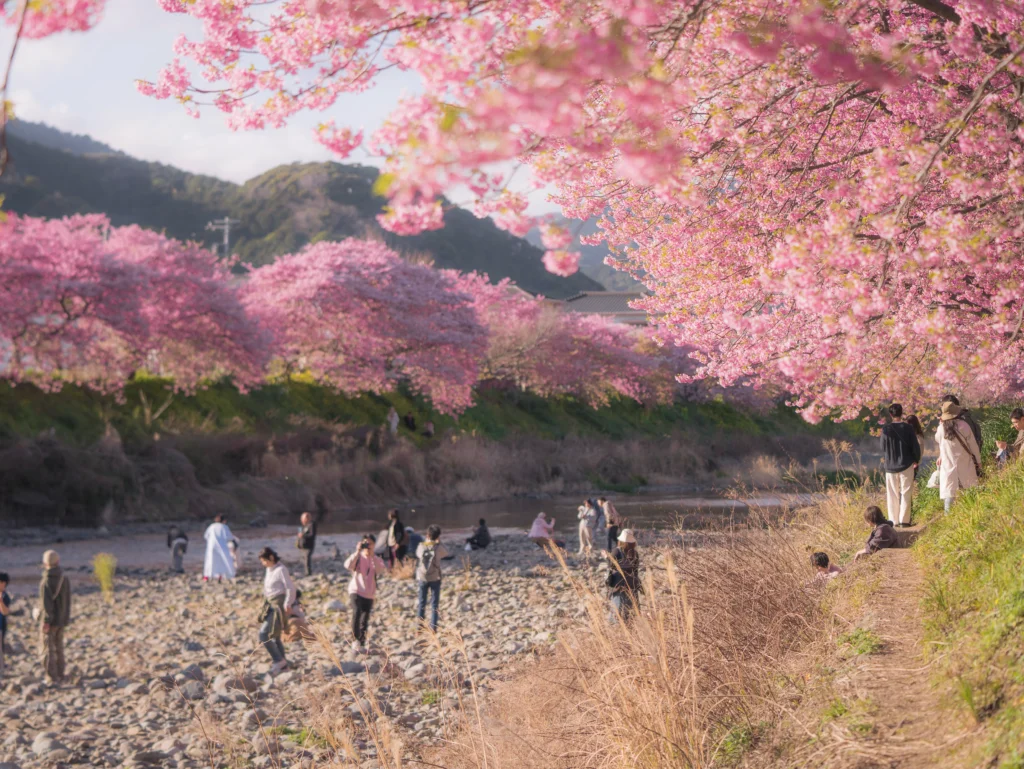
Planning a spring 2027 trip to Japan means working in two stages. Right now, no 2027 cherry blossom forecast exists — the first private-sector forecasts are typically released between late December and January, then revised every week or two through March. Until they land, the smartest planning tool is the 30-year average bloom data from the Japan Meteorological Agency, which is what the tables below use. This article explains how the forecast system actually works, what the typical bloom windows are city by city, and how to book before the forecasts arrive without gambling your trip on a guess. We will update this page when the first 2027 forecasts are published.
Book ahead for sakura season: browse cherry blossom season tours and passes on Klook — spring slots fill weeks out.
How Bloom Forecasts Actually Work
Cherry trees determine their bloom time through a two-stage process. First, buds enter a state of dormancy during the autumn to survive the winter. They require a period of cold temperatures to “wake up,” a process called dormancy breaking. After this, the buds enter a growth phase, where development is driven by rising spring temperatures. Warmer spring weather accelerates this growth, leading to an earlier bloom.
This is why forecasts shift from release to release: each revision folds in the latest winter-cold and spring-warmth data. A warm February and March pulls the bloom earlier; a cold snap pushes it back. It is also why the first forecast of the season — usually from private forecasters such as the Japan Meteorological Corporation or Weathernews — should be treated as a starting point, not a promise. (The Japan Meteorological Agency itself stopped issuing bloom forecasts in 2010 and now only observes and records; the forecasting is done by private companies.)
Spring rooms move early: compare Japan hotels on Agoda or Booking.com — cherry blossom weeks sell out first.
Typical Bloom Windows: Key Dates for 2027 Planning
Until the 2027 forecasts arrive, plan around the 30-year averages (1991–2020) observed by the Japan Meteorological Agency. “Opening” is when the first blossoms appear on the reference tree; “full bloom” is the ideal viewing period, which in most of Honshu follows about a week later — the gap shrinks to just a few days in the north.
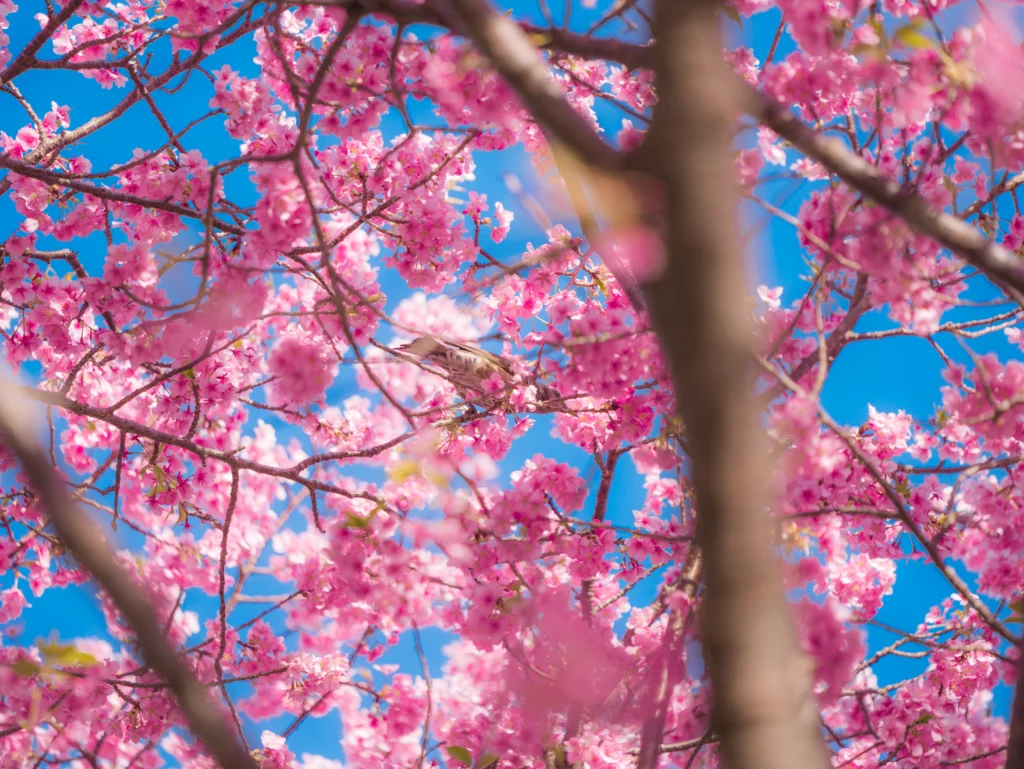
| City | Average Opening | Average Full Bloom | Typical Viewing Window |
| Fukuoka | March 22 | March 31 | Late March – early April |
| Tokyo | March 24 | March 31 | Late March – early April |
| Nagoya | March 24 | April 2 | Late March – early April |
| Hiroshima | March 25 | April 3 | Late March – early April |
| Kyoto | March 26 | April 4 | Late March – early April |
| Osaka | March 27 | April 4 | Late March – early April |
| Kanazawa | April 3 | April 8 | Early–mid April |
| Sendai | April 8 | April 13 | Mid April |
| Aomori | April 22 | April 26 | Late April |
| Sapporo | May 1 | May 6 | Early May |
Source: Japan Meteorological Agency, 1991–2020 station averages (sakura opening and full-bloom records). Individual years swing roughly a week either side of these dates.
The practical read: for Tokyo, Kyoto and Osaka, the last week of March into the first week of April is the statistical bullseye. In early-bloom years the front of that window matters; in late years, the back. That is exactly the uncertainty the January-onward forecasts resolve.
What Travelers Commonly Assume (and What the Data Says)
•Assumption: “Early April is always safe for Tokyo.”
•Reality: On average, Tokyo is at full bloom around March 31 — so the first days of April usually still deliver. But in warm years the city opens in mid-March and early April is already petal-fall. If your dates are fixed, aim for the late-March overlap; if they are flexible, wait for the first forecasts before locking in.
•Assumption: “The timing is the same across all major cities.”
•Reality: There is a clear regional gradient. Fukuoka and Tokyo typically open first among the big cities, Kyoto and Osaka run a few days behind, the Sea of Japan coast and Tohoku follow through April, and Sapporo blooms around Golden Week. A one-week trip in late March can catch Tokyo at peak and Kyoto on the way up.
What You Should Decide Before You Travel
1.Which Cities Will You Prioritize? Your itinerary’s order matters. Following the bloom front — starting west or in Tokyo, then moving toward later-blooming areas — buys you extra chances at peak. Check the typical windows above for each city on your route.
2.When Will You Book? Flights and hotels for the last week of March book out well before any forecast exists — experienced sakura travelers reserve refundable rooms in autumn, then adjust once the first forecasts appear from late December through January. Waiting until February to book a late-March trip is the riskiest option of all.
Situations Where This Becomes a Problem
•The Concentrated Crowd Peak: When a warm year compresses the bloom into mid-to-late March, the crowds compress with it, and hotel pressure in Tokyo and Kyoto spikes inside a narrower window.
•Golden Week Remains a Separate Issue: Do not confuse the cherry blossom peak with Golden Week. Golden Week is a fixed holiday period from late April to early May. It remains one of the busiest and most expensive times to travel, long after the blossoms have fallen in most of Japan — though it is exactly when Sapporo blooms.
•The Pollen Season: Hay fever season (kafunsho) peaks from February through April regardless of the bloom dates. Cedar and cypress pollen counts run high, and sensitive travelers should pack accordingly.
What Matters Less Than People Think
•Following a Rigid, Pre-Made Itinerary: The cherry blossom front moves, and forecasts are updated every week or two. Be prepared to be flexible. A day trip to a nearby area that is peaking might be a better experience than staying in a city where the blossoms are past their prime.
•Seeing Only the Most Famous Spots: During the peak weeks, famous spots are overwhelmed. Local parks, quiet residential streets, and university campuses often have beautiful trees without the crowds.
Book ahead for sakura season: browse cherry blossom season tours and passes on Klook — spring slots fill weeks out.
Practical Takeaways
•Plan on the averages, adjust on the forecasts: use the table above to set your window now, then check the Japan Meteorological Corporation or Weathernews releases from late December onward.
•Book refundable early: late March in Tokyo/Kyoto is the highest-demand week of the Japanese travel year. Reserve rooms you can cancel, then fine-tune.
•Plan Your Route Logically: Follow the bloom front — for example, start in Fukuoka or Hiroshima and travel east and north toward Tokyo, or finish a late trip in Kanazawa or Sendai.
•Prepare for Pollen: Bring allergy medication and consider wearing a mask, as pollen levels will be high.
•Separate Golden Week from Your Blossom Plans: These are two distinct travel events on Honshu — but Golden Week is bloom time in Sapporo and much of Hokkaido.
Summary
Until the first 2027 forecasts arrive, the 30-year averages are the most honest planning tool there is: late March to early April for the Tokyo–Kyoto–Osaka corridor, April for the coasts and Tohoku, early May for Sapporo. Book refundable accommodation early for the statistical window, then let the January-through-March forecast revisions steer the fine detail. Flexibility beats prediction — and this page will be updated as the 2027 forecasts are released.
Spring rooms move early: compare Japan hotels on Agoda or Booking.com — cherry blossom weeks sell out first.
Sources / References
[1] Japan Meteorological Agency. Sakura opening dates, 1991–2020 station averages.
[2] Japan Meteorological Agency. Sakura full-bloom dates, 1991–2020 station averages.
Notes & Exceptions
•This article is based on 30-year average bloom data. The first 2027 forecasts are expected from late December 2026 onward and will be reflected here once released. Always check the latest forecast before finalizing plans.
•The bloom mechanism is a simplified explanation for travelers. The actual process is more complex.
•Crowd levels are an estimation based on bloom times and holidays.
Certainty Level
High for the 30-year averages (observed data); the 2027-specific outlook is Medium until official forecasts are released.
Keep reading on Hidden Japan Gems
- Japan Sakura Forecast: Typical Bloom Windows for Every Region
- Yodo Suiro Kawazu Cherry Blossoms: Kyoto’s Early-Sakura Backwater
- Kawazu Sakura Festival: Japan’s Earliest Cherry Blossoms
- Understanding Japan’s Cherry Blossoms: A Guide for Travelers
- Cherry Blossom Etiquette in Japan: A Guide to Respectful Hanami
Join travelers discovering Japan's hidden side
Weekly dispatches from off-the-beaten-path Japan — spots and stories you won't find in guidebooks.
No spam. Unsubscribe anytime.
Welcome aboard!
You're in. See you in your inbox soon.