Updated April 27, 2026
726,200 Singaporeans visited Japan in 2025, up 5% on the previous year and a record. The yen is the cheapest it’s been against the SGD in over a decade, post-Jetstar Asia Scoot has filled the gap with new HND and Naha services, and the flights from Changi remain a manageable 6 hours 40 minutes. The 2026 number will be higher.
The complications: a departure tax that tripled on July 1, a tax-free shopping reform that flips to refund-on-departure on November 1, and the JR Pass math that almost never works for the typical 5-night Singapore trip. This guide is the version of “what to know before you book” I’d hand to a friend at a kopitiam: what’s specifically different for SG passport holders, where to save money in 2026, and the dates that matter.
The two 2026 deadlines for Singapore travelers
- July 1, 2026: Japan’s international departure tax rose from ¥1,000 to ¥3,000 (about S$8 to S$24) on July 1, 2026 — it’s baked into your ticket.
- November 1, 2026: Tax-free shopping switches from instant exemption to refund-on-departure. Pay the 10% consumption tax up front, claim it back at the airport.
- Right now: 1 SGD = ~124 JPY, the strongest yen-buying environment for SG travelers in over a decade.
What’s in this guide
- Direct flights from Singapore in 2026
- HND or NRT? (and why it matters)
- Visit Japan Web for SG passport holders
- The money math, in SGD
- The November tax-free reform
- JR Pass: usually a bad deal for short trips
- SG holidays and Japan seasons
- Itineraries by trip length
- What SG travelers often miss
- Common mistakes
- FAQ
Direct flights from Singapore in 2026
Jetstar Asia closed on July 31, 2025. Sixteen routes vanished from Changi overnight. For the SIN-Japan corridor, the cheapest direct competitor to Scoot disappeared, and the budget direct slot is now mostly Scoot alone.
The slack got picked up. Scoot added a daily HND service from March 1, 2026 and a 3x weekly Naha (Okinawa) route from December 15, 2025. Singapore Airlines reinstated its sixth daily HND flight for the December 2025 peak. The April 2026 carrier map looks like this:
| Airline | Routes | 2026 notes |
|---|---|---|
| Singapore Airlines | HND, NRT, KIX, NGO, FUK | ~35 weekly flights to Tokyo combined. |
| Scoot | NRT, KIX, Naha (new), HND (new), Sapporo via Taipei | ~45 weekly to Japan once new routes settle. The budget direct option. |
| JAL | HND + NRT | ~21 nonstop weekly. Often cheaper than SQ on Tuesday/Wednesday. |
| ANA | HND + NRT | ~28 nonstop weekly. Star Alliance — useful for Krisflyer/United miles. |
| Jetstar Asia | — | Closed July 31, 2025. |
Sample fares I’ve watched in early 2026:
- Scoot off-peak: S$340–400 round-trip. One-ways have dipped under S$190 during the post-CNY lull.
- JAL economy from May 2026: from S$839 round-trip, often beating SQ by S$300–500 on midweek dates.
- SQ economy April 2026: S$1,299–S$2,544 depending on dates and class, peaking in the sakura week.
One thing worth knowing if you default to SQ for the loyalty: JAL has been pricing the SIN-HND route aggressively in 2026. It’s worth running the search even if you’re a Krisflyer regular.
HND or NRT? (and why it matters)
Both Tokyo airports work. The difference is what your first 90 minutes in Japan look like.
From Haneda, the Limousine Bus reaches Shibuya in 30 minutes for ¥1,300; the Keikyu Line gets you to central Tokyo in 25 minutes for ¥330. The geographic centre of the city is right there.
From Narita, the Narita Express runs to Shibuya in 80 minutes for ¥3,250. The cheaper Skyliner-plus-Yamanote combination is 70 minutes and ¥2,800. NRT is genuinely far. There’s a reason Japanese business travelers pay extra for HND.
For SG travelers the heuristic I use: if Scoot at NRT is more than S$200 cheaper than the equivalent HND ticket, take NRT and put the savings into your hotel. Otherwise pay the HND premium. The 50-60 minute difference compounds when you’re tired from the flight, the kids are restless, and you still have to find Wi-Fi for your Visit Japan Web QR code.
If you want depth on the airport choice, our Japan airport & flight guide 2026 lays it out.
Visit Japan Web for SG passport holders
Singapore passport holders get 90 days visa-free for tourism, business, or transit. No application, no fee. Both the Embassy of Japan in Singapore and SG MFA confirm this for 2026.
The only entry-form work is Visit Japan Web — Japan’s online registration for immigration and customs. Since the 2024 unification, you get a single QR code that handles both checkpoints. You can register up to six hours before landing, but I’d do it 2-3 days ahead so a typo on your passport number isn’t something you discover at touchdown.
For families: one adult registers everyone. The QR code on the registered adult’s phone covers the family. Each adult still walks through the immigration kiosk individually (kids can be in arms). Take screenshots of your QR codes — the Wi-Fi at HND immigration is unreliable, and a screenshot works offline.
The full screen-by-screen walkthrough including the family-mode setup is in our Visit Japan Web 2026 guide.
The money math, in SGD
SGD/JPY hit an all-time high of 1 SGD = 124.41 JPY on March 11, 2026, and has held in the 120-125 band since. Forecasts (CoinCodex, 30rates) point to 125-135 by year-end. For Singaporean travelers, this is the strongest yen-buying environment in over a decade.
What that means on the ground, with prices I paid or saw in March 2026:
| What | Tokyo (April 2026) | SGD ≈ 122 |
|---|---|---|
| Capsule hotel, Shinjuku | ¥3,800–¥5,500/night | S$31–S$45 |
| Business hotel (APA, Toyoko Inn) | ¥9,000–¥14,000/night | S$74–S$115 |
| 4-star city hotel | ¥22,000–¥38,000/night | S$180–S$311 |
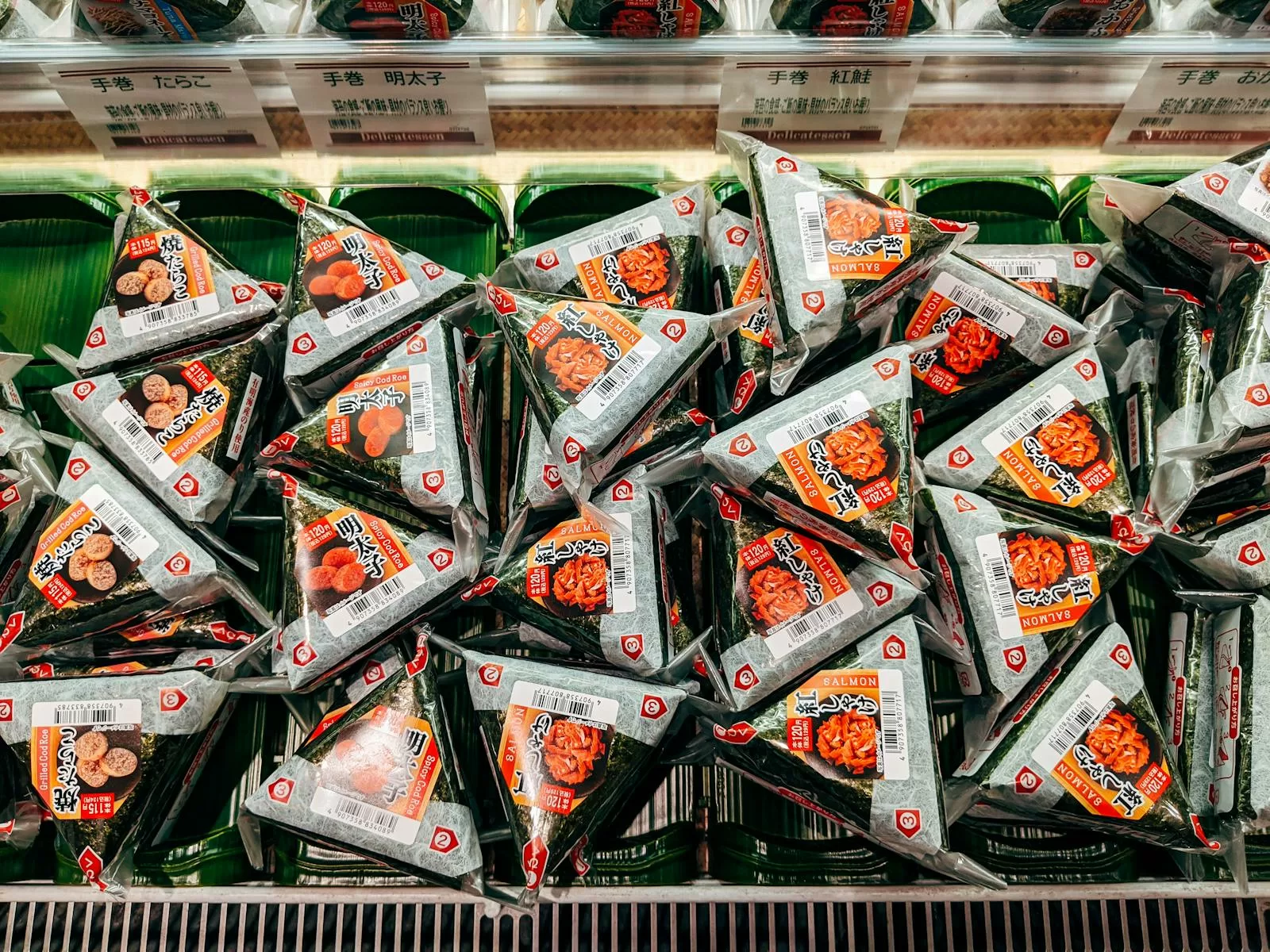
| Konbini onigiri + tea breakfast | ¥350–¥500 | S$3–S$4 |
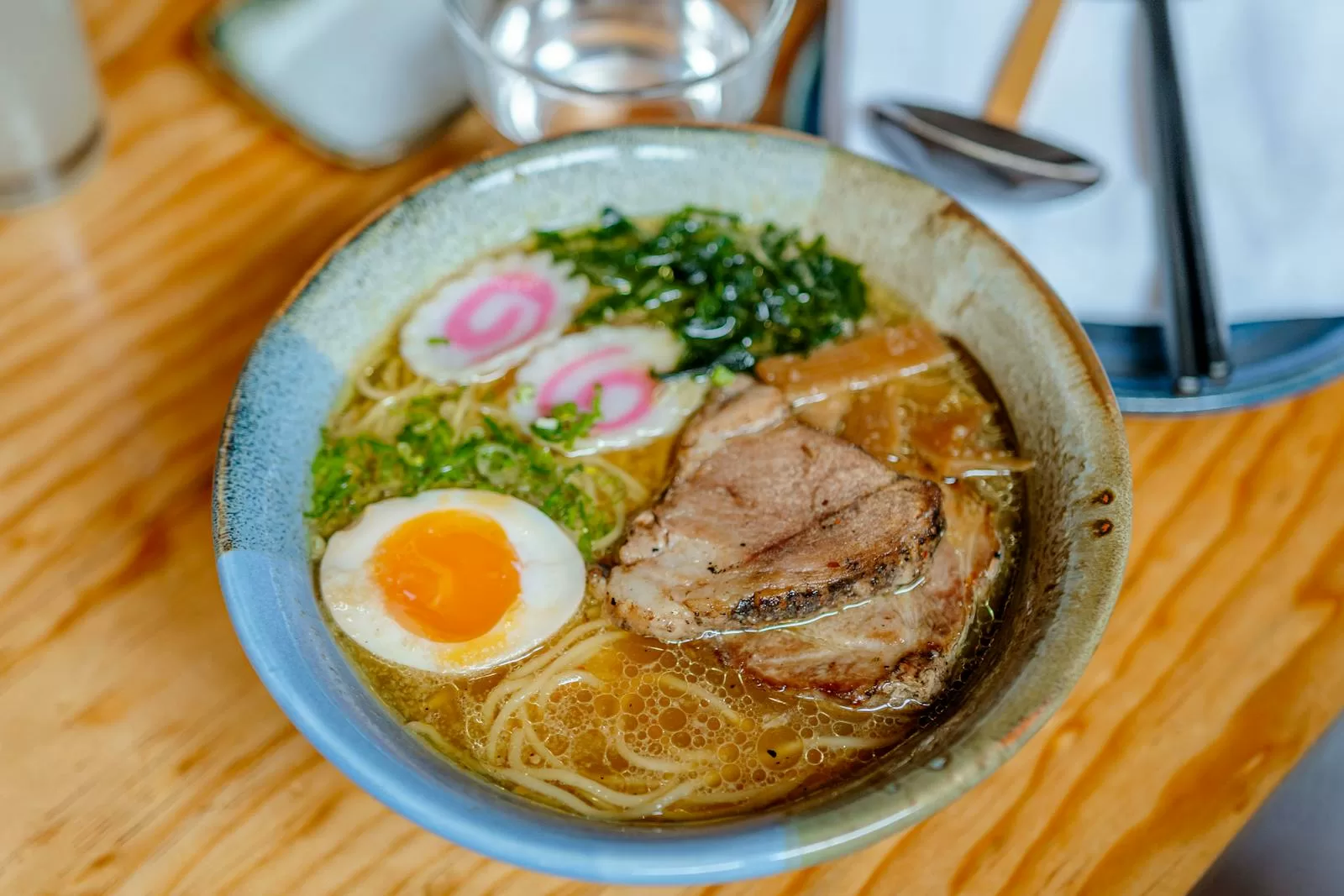
| Independent ramen shop, lunch | ¥900–¥1,400 | S$7–S$11 |
| Decent izakaya dinner per person | ¥3,500–¥6,000 | S$29–S$49 |
| Tokyo Metro day pass | ¥800 | S$6.50 |
| Shinkansen Tokyo–Kyoto one way | ¥14,170 (reserved) | S$116 |
For a typical 6-night Tokyo + Kyoto trip on the mid-range tier, plan for roughly S$1,200-S$1,600 per person on the ground, plus your flight. The strong SGD makes the comfort tier (4-star hotels, two nice meals a day) genuinely accessible. Three years ago at 110 JPY/SGD, the same trip cost 15% more.
The November tax-free reform — why it matters now
Today, when you shop tax-free at any participating Japanese store with a Singapore passport, the 10% consumption tax comes off at the register. Sticker says ¥150,000, you pay ¥150,000. The tax is waived on the spot.
From November 1, 2026, that flips. You pay the full tax-inclusive price (¥165,000 on a ¥150,000 sticker), get a receipt, and claim the ¥15,000 back at the airport refund kiosk on departure. The Singapore-relevant changes:
- The annoying ¥500,000 daily ceiling and the food/clothing category separation are abolished. Bigger receipts allowed.
- The sealed-bag rule is gone. You can use what you bought before leaving Japan (this was already a fiction for most travelers).
- Departure must happen within 90 days of purchase. Same rule, now strictly enforced at the kiosk.
- Refund kiosks at airports will queue, especially during peak SG school-holiday weeks. Add 30-45 minutes to your departure timing.
- Already in effect from April 1, 2025: items shipped overseas are no longer eligible for tax-free. Hand-carry only.
If you have a major purchase planned (camera, watch, anime collectibles, designer bag) and you’re traveling between now and October 31, 2026, the instant-tax-off system still applies. After November 1 the math is the same but the process becomes more annoying. Source: Japan NTA tax-free reform PDF.
JR Pass: usually a bad deal for short trips
Almost every JR Pass guide on the English-speaking internet was written for a 14-day American or European itinerary. The pass was designed for that kind of trip. Singaporeans usually fly 4-7 nights, and that’s where the math turns against you.
The 7-day JR Pass costs ¥50,000. Tokyo–Kyoto–Osaka–Tokyo on individual tickets costs about ¥29,000. You pay S$170 extra for nothing — unless your itinerary actually crosses into Hiroshima or Hokkaido.
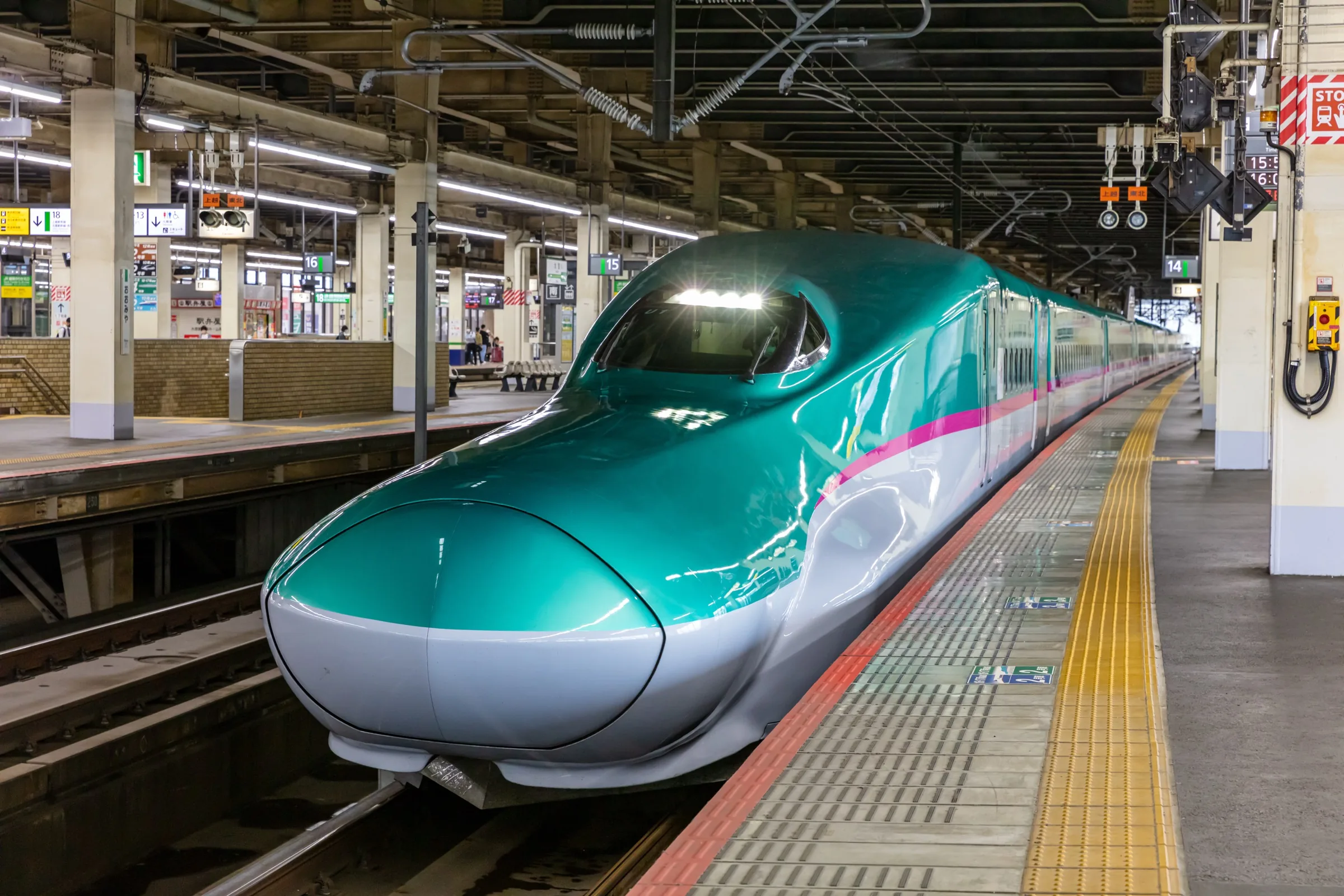
The pass becomes worth it once you add Hiroshima or Hokkaido to a 7-night trip, or if you fly open-jaw KIX-in / HND-out and add Tohoku. For everything else — Tokyo only, Tokyo + Kyoto, the classic golden route — buy individual shinkansen tickets via SmartEX or at the station counter. For Kansai-only trips, the Kansai Railway Pass is much cheaper.
Day-to-day movement in cities should be on a Suica or PASMO IC card. Apple Wallet and Google Wallet versions both work with foreign cards now. The full math is in our JR Pass vs Individual Tickets 2026.
SG holidays and Japan seasons
Singapore’s 2026 public holiday calendar aligns reasonably well with Japan’s better travel windows. The pairings worth flagging:
| SG holiday | 2026 date | Long weekend | Japan season |
|---|---|---|---|
| Good Friday | Apr 3 (Fri) | Apr 3–5 | Sakura peak in Tokyo/Kyoto/Osaka |
| Labour Day | May 1 (Fri) | May 1–3 | Wisteria, fresh greenery (just before Golden Week) |
| Vesak Day | May 30 (Sat) | May 30–Jun 1 | Pre-rainy season, Hokkaido excellent |
| National Day | Aug 8 (Sat) | Aug 8–10 | Hot, but festivals (Awa Odori starts Aug 12) |
| Deepavali | Nov 7 (Sat) | Nov 7–9 | Autumn leaves peak — Tohoku and Hokkaido |
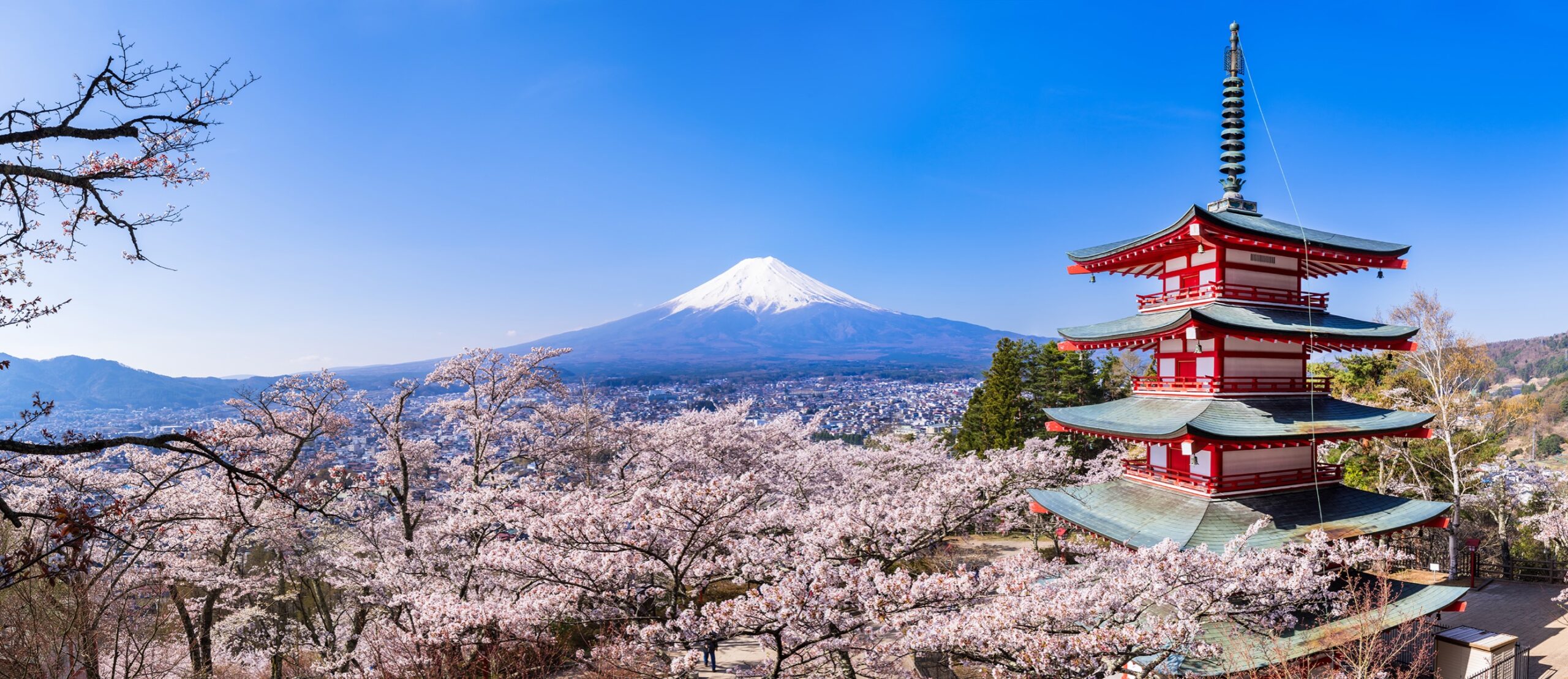
| Christmas | Dec 25 (Fri) | Dec 25–27 | Mt. Fuji visibility 86%, illuminations season |
MOE 2026 school holidays: March 14-22, May 30-June 28, September 5-13, November 21-December 31.
The sakura mismatch — and the workaround
This is one Singaporean families get wrong every year. The 2026 cherry blossom forecast: Tokyo first bloom March 19, full bloom March 27. Kyoto bloom March 23, full bloom April 1. Osaka bloom March 24, full bloom March 31. The real central-Japan window is March 29 to April 7.
Singapore’s school March holiday is March 14-22. That catches early bloom in Tokyo on the very last day, at best. Most families fly in expecting full pink and find bare branches with a few buds. By the time they’re walking through Kyoto’s Maruyama Park on day 3, they’re seeing maybe 10% bloom.
The fix: take the Good Friday weekend (April 3-5) plus April 2 (Thursday) and April 6 (Monday) as leave days. That gives you a 5-day window straddling peak bloom in Kyoto. Two leave days against full pink instead of two leave days against empty branches. For the full 2026 forecast see our Japan Sakura Forecast 2026.
Itineraries by trip length
Where I book each leg of this route
4 nights — Tokyo only
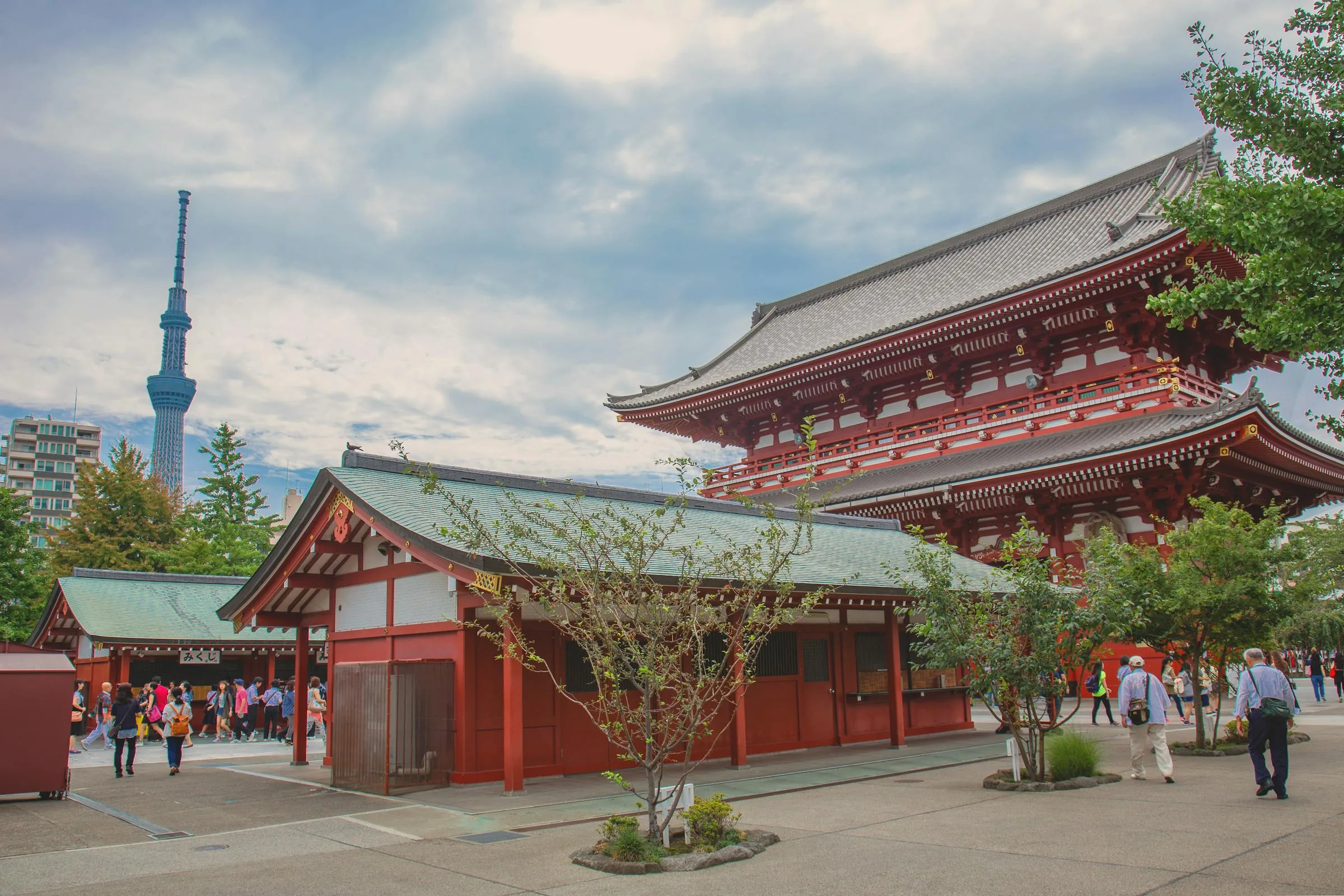
Friday HND arrival, Tuesday HND departure. Tokyo is dense enough that 4 nights fills naturally. Half-day in Asakusa for Sensoji and the Skytree view; half-day at the Tsukiji outer market for breakfast; a day in Shibuya/Harajuku; a day-trip to Kamakura or Nikko; an evening at Shinjuku Omoide Yokocho or Golden Gai. Skip the Kyoto detour at this length — the round-trip shinkansen burns a full day.
5–6 nights — Tokyo + Kyoto (the classic)
Three nights Tokyo, two or three nights Kyoto. Shinkansen Tokyo to Kyoto on day four (¥14,170 reserved seat, 2h 15min). Use Kyoto as your base for an Osaka day-trip, Nara, Fushimi Inari, and Arashiyama. Fly home from KIX if you can; the open-jaw saves a half-day backtracking to HND, and KIX has a more reliable on-time record in summer.

7 nights — add Hiroshima or Mt. Fuji
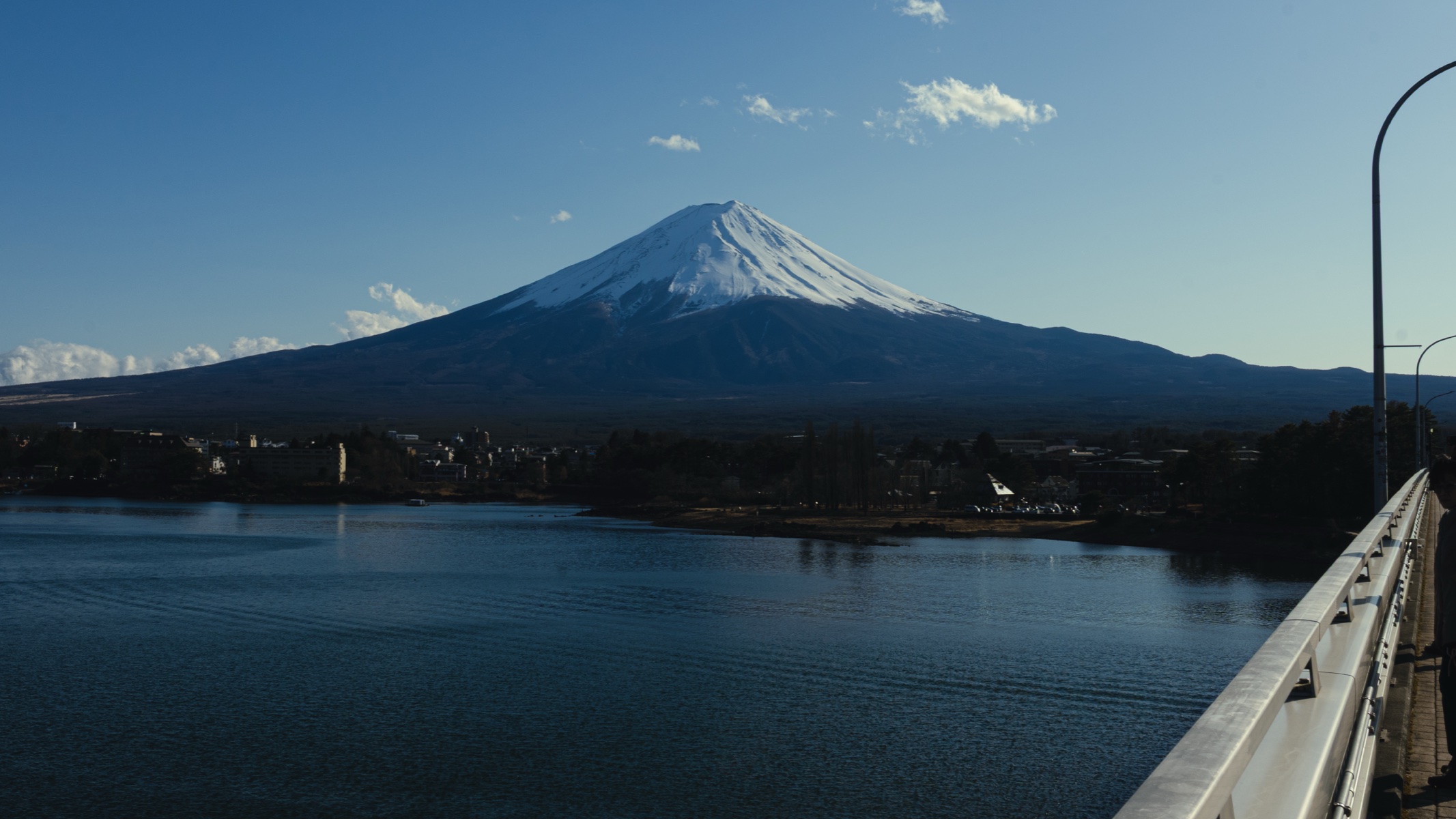
The JR Pass starts paying off here. Three nights Tokyo, three nights Kyoto/Osaka base, day-trip to Hiroshima & Miyajima on day 5. Or replace Hiroshima with two nights in Kawaguchiko at the foot of Mt. Fuji. The strong Singapore sun is bad enough; getting three days at Lake Kawaguchi level (around 850m elevation, much cooler than Tokyo in summer) is genuinely restorative.
8+ nights — open the map
Now you can add Tohoku (autumn), Shikoku (off-grid), Kyushu (Beppu and Yufuin onsen), or Hokkaido (winter). For Tohoku, our Tokyo to Tohoku 5-day itinerary covers the main route. For Shikoku, 5 Days in Shikoku 2026. For Kansai depth beyond the standard route, 7 Days in Kansai beyond Kyoto covers Wakayama and the Kii Peninsula.
What SG travelers often miss
Halal food in Japan, 2026
Significantly easier than five years ago, but it still requires planning. Tokyo (Shinjuku, Shibuya, Ikebukuro) has the widest selection of halal-certified restaurants. Osaka and Kyoto are catching up. RANTEI in the Kyoto Century Hotel is fully halal-certified, including their kaiseki dinner. Halal Gourmet Japan and Japan Muslim Guide are the most reliable directories.
Two hard truths. First, most ramen broths use pork stock by default. Even at shops that label something “vegetable broth,” cross-contamination is common. Call ahead, or stick to the certified list. Second, outside the major cities (Hokkaido outside Sapporo, rural Tohoku, Shikoku) plan very far ahead. A few towns I’ve passed through have zero halal-certified restaurants and limited vegetarian options.
eSIM beats Singapore telco roaming
Singtel, StarHub, and M1 charge S$15-S$25/day for Japan roaming. Airalo’s Japan eSIM covers a full week for S$10-S$15, riding KDDI au and SoftBank infrastructure. Buy and install before flying. Changi airport Wi-Fi makes activation trivial. Activate it the moment you land. By the time you reach the Limousine Bus stand, you have working data.
The ¥4,000 Mt. Fuji climbing fee
If you’re slipping a Mt. Fuji climb into a 7+ night summer trip: 2026 is the first year all four trails charge ¥4,000 per climber. Yamanashi caps daily climbers on Yoshida at 4,000. Online reservation required. Climbing season is July 1 – September 10 (Yoshida and Subashiri); July 10 – September 10 (Fujinomiya, Gotemba, summit crater).
Most Singapore travelers I meet who try to climb in 2026 underestimate the cold. Even in mid-August, the summit sits around 5°C with wind chill below freezing. You need proper layers, not Bukit Timah hike kit. The 5th-station gear check is now mandatory and they will turn you back. See our Climbing Mt. Fuji 2026 guide for the full gear list.
The Kyoto Gion fine
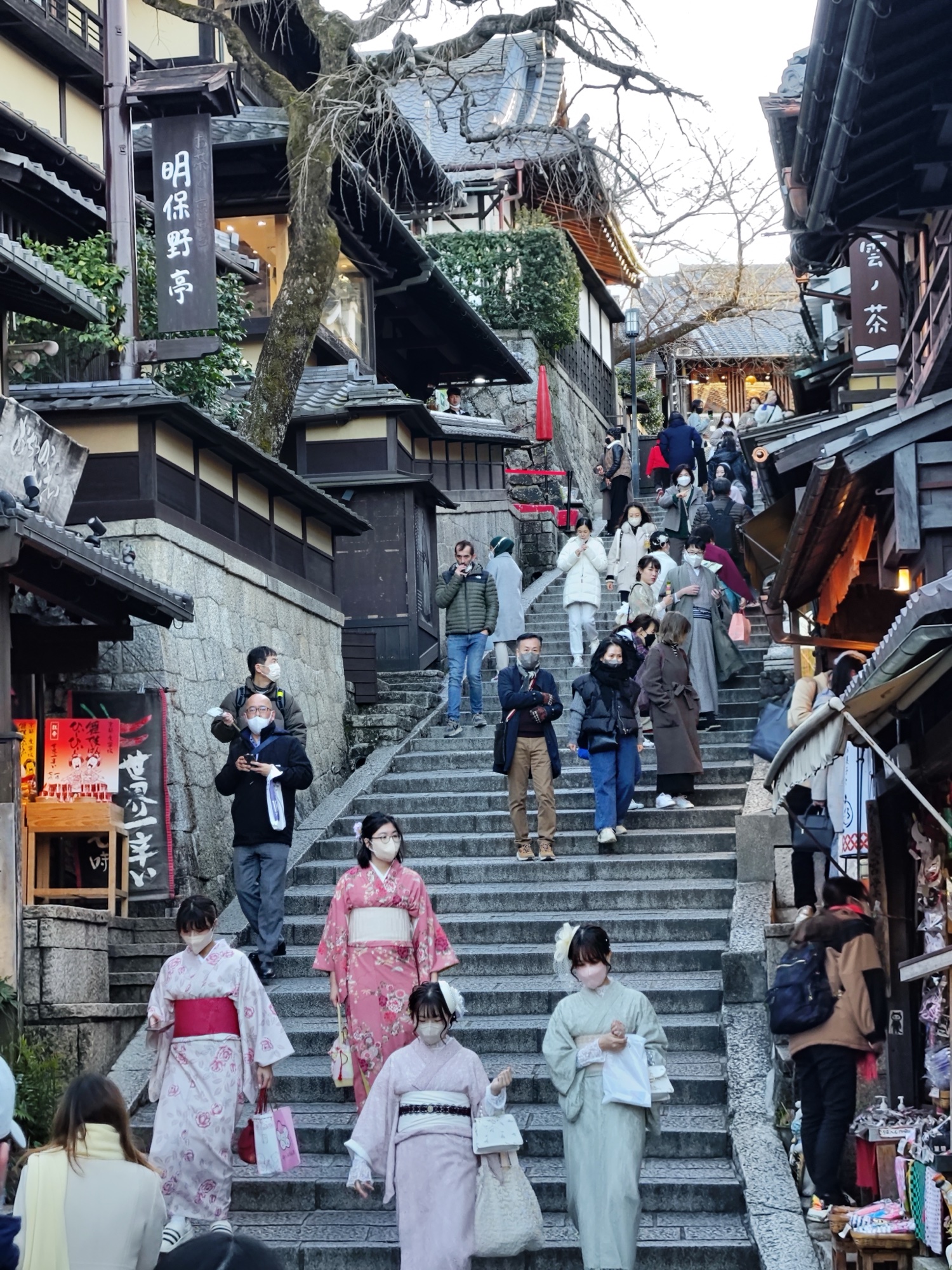
Kyoto’s private Gion alleys carry a ¥10,000 fine for tourists who enter as of 2024. The main Hanamikoji and Shirakawa streets are still public and open. The fine isn’t aggressively enforced on every turn; it’s signage backed by camera evidence for the worst offenders. Stay on the public streets. If you genuinely want geisha-experience access, book a kaiseki dinner with maiko entertainment through a hotel concierge or a cultural-experience outfit. That’s how it’s been done for 300 years.
Departure tax tripled to ¥3,000 (July 1, 2026)
Japan’s international departure tax rose from ¥1,000 to ¥3,000 on July 1, 2026, and is automatically included in your ticket. For a single traveler that’s S$16 extra. For a family of four, it’s S$64 per round-trip. Not a deal-breaker, but if you’re booking before July 1 anyway, the lower tax is baked in.
Common mistakes
- Booking the JR Pass for a 4-night Tokyo trip. It loses money. IC card (Suica) is enough.
- Trying to fit Hokkaido and Kyushu into one 7-night trip. The shinkansen between them is 9+ hours each way. Pick one.
- Booking the March MOE school holiday week expecting peak sakura. The bloom is March 27 – April 7 in central Japan. School holidays end too early.
- Skipping Visit Japan Web because “I have a Singaporean passport, no visa needed.” The QR code still saves 30+ minutes at immigration. Do it.
- Bringing too much yen cash from Singapore. SG-issued Visa, Mastercard, and JCB all work at 7-Eleven (Seven Bank) ATMs nationwide. Withdraw on arrival as needed.
Packing from Singapore
On a budget flight from Changi you are watching every kilo, so leave the bulky stuff at home and have it waiting in Japan instead — delivered to your first hotel or an airport locker, no customs because it ships within Japan.
Japan data SIM
Online on arrival. Or an eSIM you set up before you fly.
Power bank
A full day of maps and photos in a new city drains a phone fast.
Plug adapter
Singapore’s Type-G plugs do not fit Japan’s Type-A outlets. One adapter sorts it.
Packing cubes
Squeeze a week into a cabin bag and skip the checked-luggage fee.
Luggage scale
LCC weight limits are strict. Weigh before the airport, not at the counter.
FAQ
Do I need a visa to visit Japan from Singapore in 2026?
No. Singapore passport holders get 90 days visa-free for tourism, business, or transit. You still register on Visit Japan Web before arrival to get the immigration/customs QR code, but no separate visa application is needed.
Is the JR Pass worth it for a Singapore trip to Japan?
For a typical 4-6 night Tokyo or Tokyo+Kyoto trip, no. The 7-day ordinary pass is ¥50,000; individual shinkansen tickets for Tokyo-Kyoto-Osaka cost about ¥29,000. The pass becomes worth it once you add Hiroshima or Hokkaido.
When should I book to lock in 2026 prices before the new taxes?
Book your flight before July 1, 2026 to avoid the ¥3,000 departure tax (was ¥1,000). Do your tax-free shopping in Japan before November 1, 2026 to get instant tax-off rather than refund-on-departure.
When is the best time for cherry blossoms in 2026 if I’m based in Singapore?
Take the Good Friday long weekend (April 3-5) plus April 2 and April 6 as leave days. That gives you a 5-day window over peak bloom in central Japan (March 29 – April 7). Singapore school holidays (March 14-22) catch early bloom in Tokyo at best.
Does my Singapore-issued credit card work at Japanese ATMs?
Yes. 7-Eleven (Seven Bank) ATMs accept Singapore-issued Visa, Mastercard, JCB, UnionPay, and AmEx — there are 28,000+ across Japan. Japan Post ATMs also work. Notify your bank of travel dates if your card has fraud-protection holds.
Sources and last updated
Last updated: April 27, 2026.
- Embassy of Japan in Singapore — visa-free entry
- Visit Japan Web — Digital Agency portal
- Japan NTA tax-free reform PDF (Nov 1, 2026)
- SQ Winter 2025-26 schedule
- Scoot media release — new HND and Naha routes
- Time Out SG — 726,200 Singaporeans visited Japan in 2025
- Singapore MOM — 2026 public holidays
- Singapore MOE — 2026 school terms & holidays
Related reading: traveling from North America instead? See my companion guide on how to plan your trip to Japan from the USA, with airports, routes and first-timer mistakes.
Still weighing your options for a short break from Southeast Asia? I lay out the trade-offs in Japan vs Korea for a 5-day trip.
Join travelers discovering Japan's hidden side
Weekly dispatches from off-the-beaten-path Japan — spots and stories you won't find in guidebooks.
No spam. Unsubscribe anytime.
Welcome aboard!
You're in. See you in your inbox soon.