
Is Fuji Visible Today?
Based on Japan Meteorological Agency (気象庁) data · Updated automatically
Source: Japan Meteorological Agency (気象庁) · Visibility algorithm by Nobutoshi
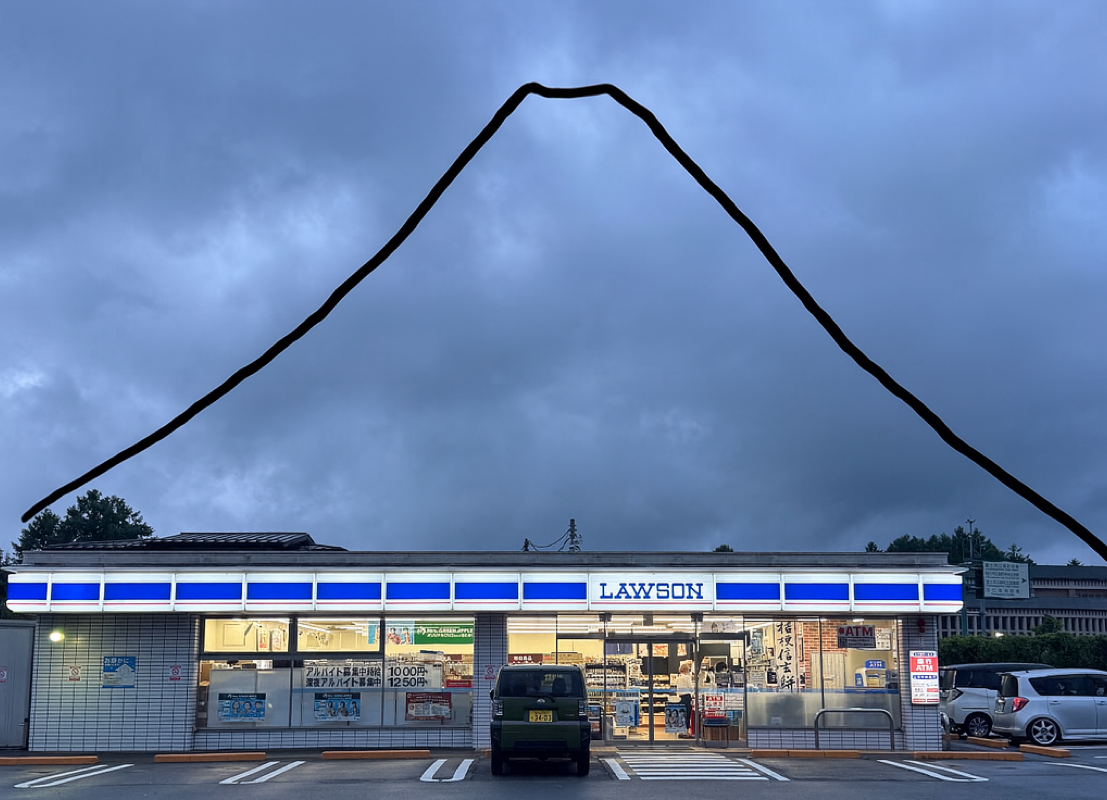
From Nobu
The first time I came to Fujiyoshida, I stayed four days and never saw the mountain. Not once. Just clouds where Fuji was supposed to be. That frustration is why I started posting every morning — so you don’t have the same experience I did.
I check the weather, I look out my window, and I tell you what I see. Follow @is_fuji_visible_today for daily updates.
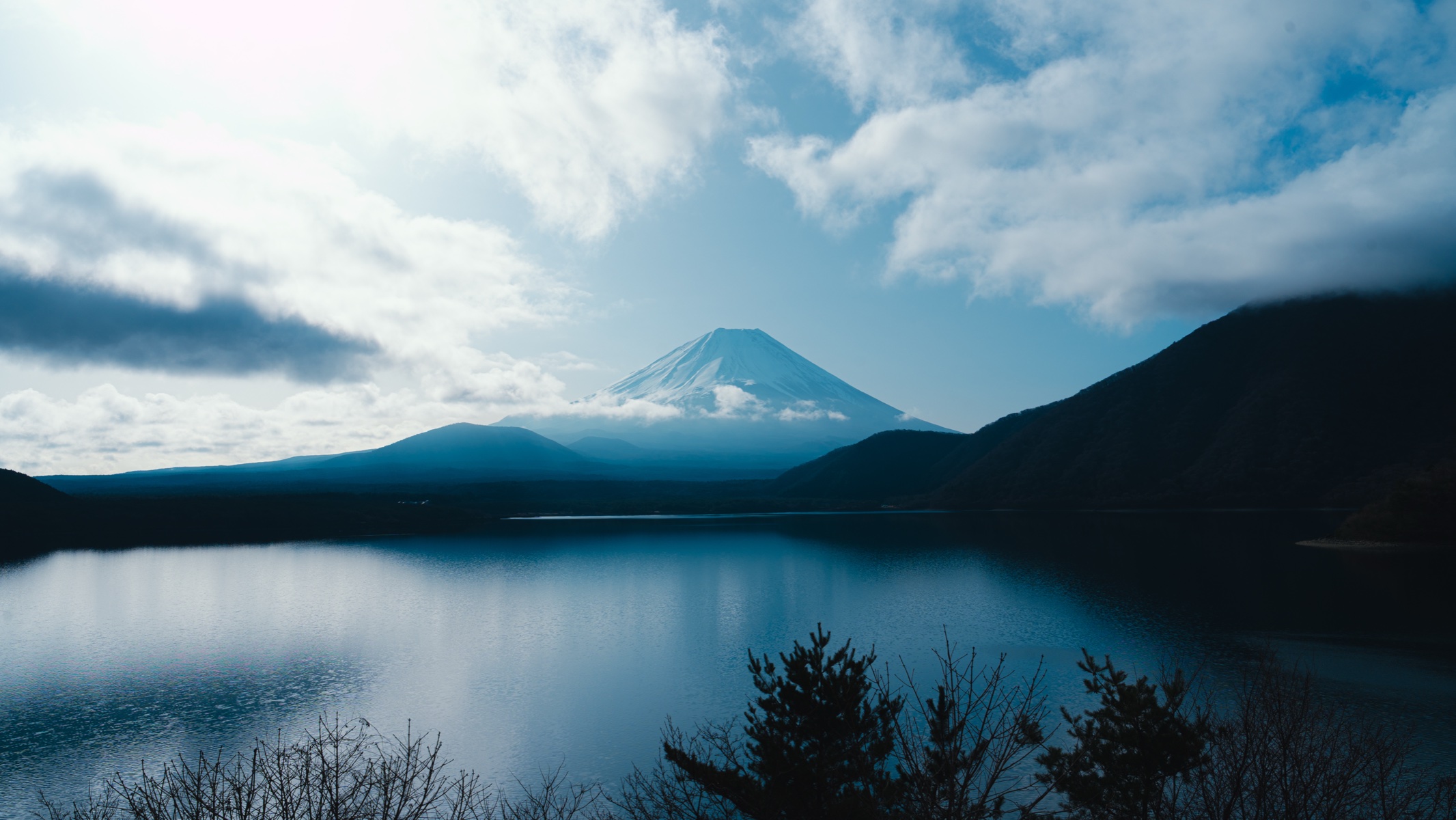
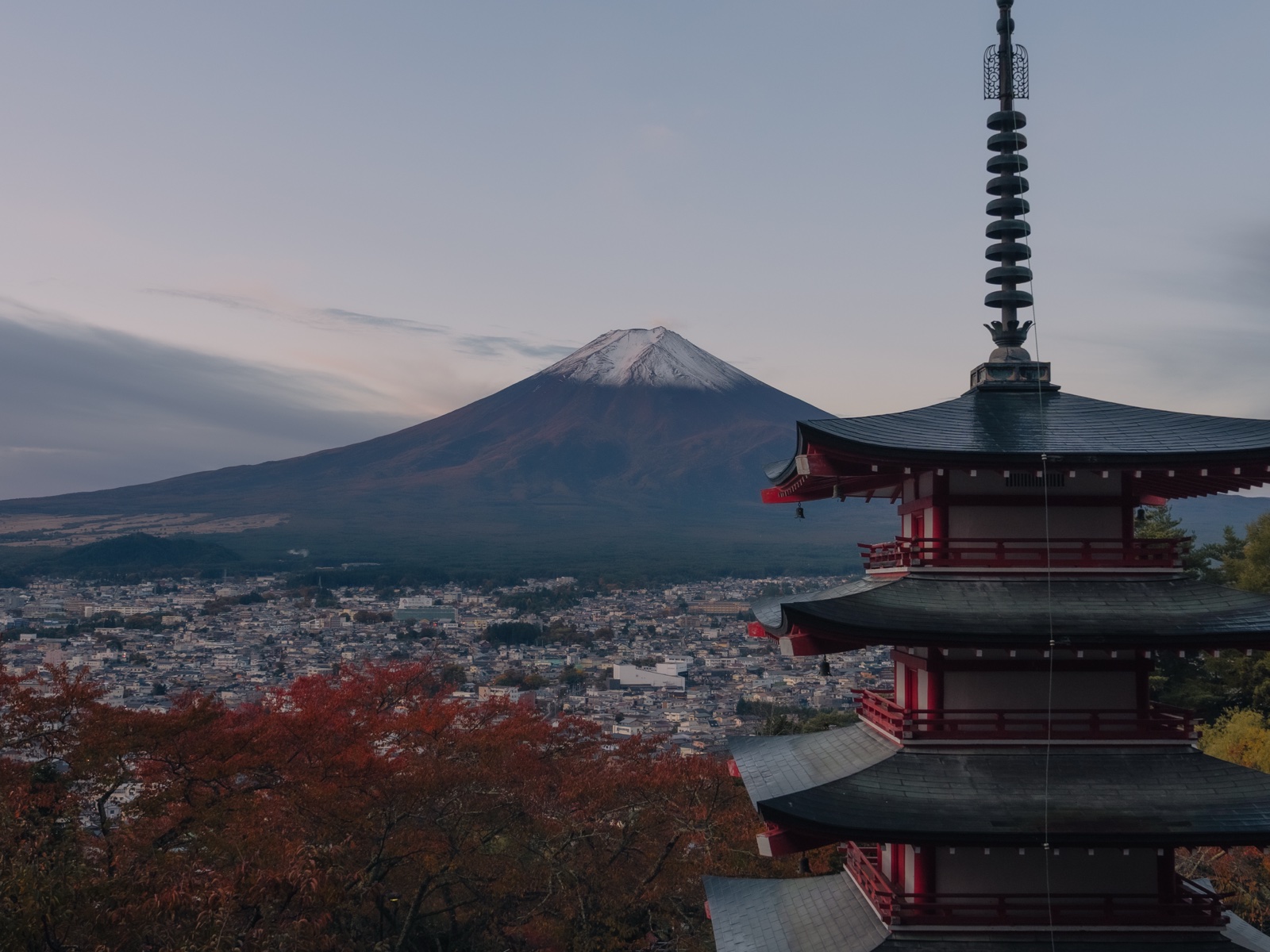
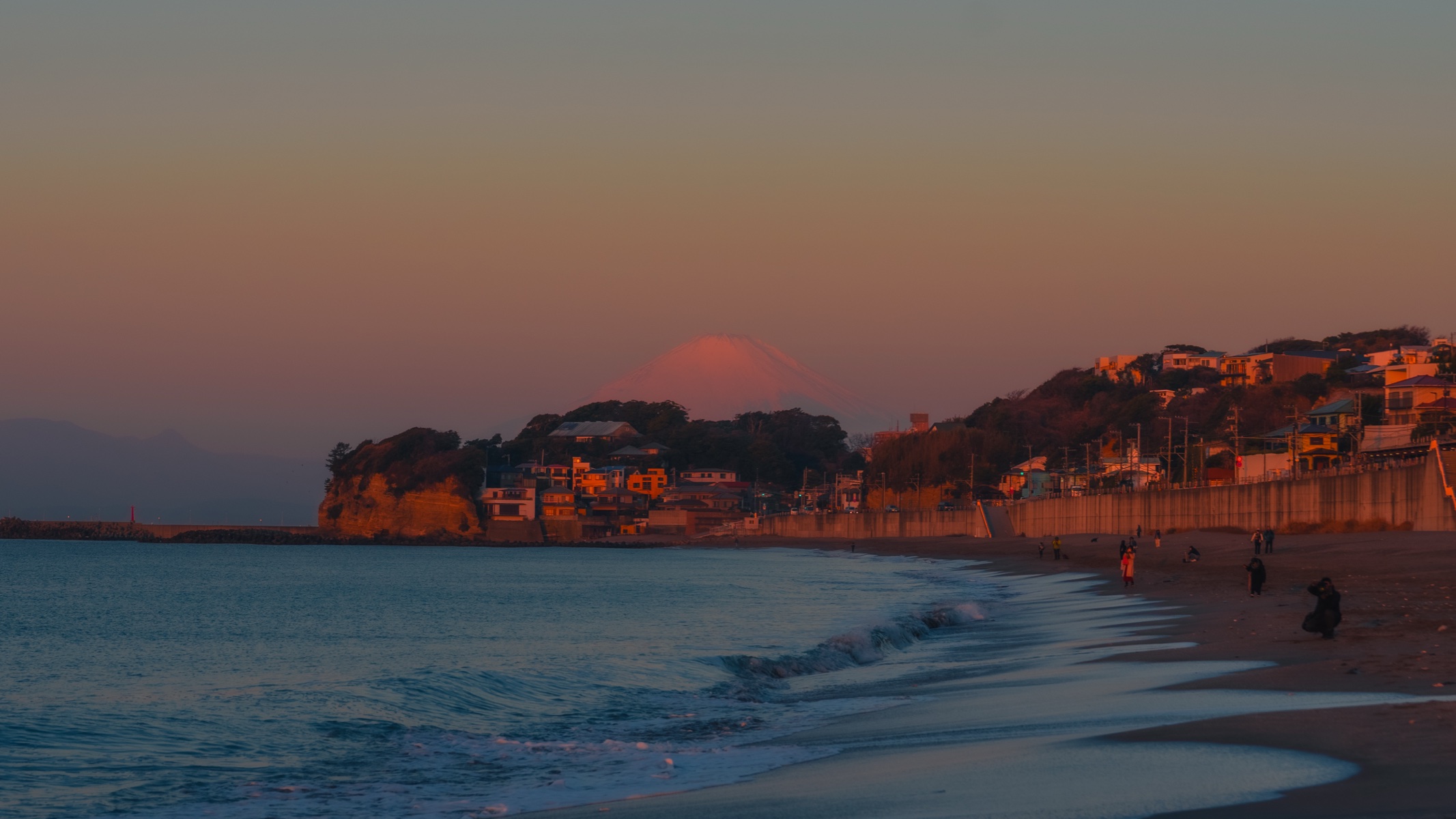
Best Viewing Spots
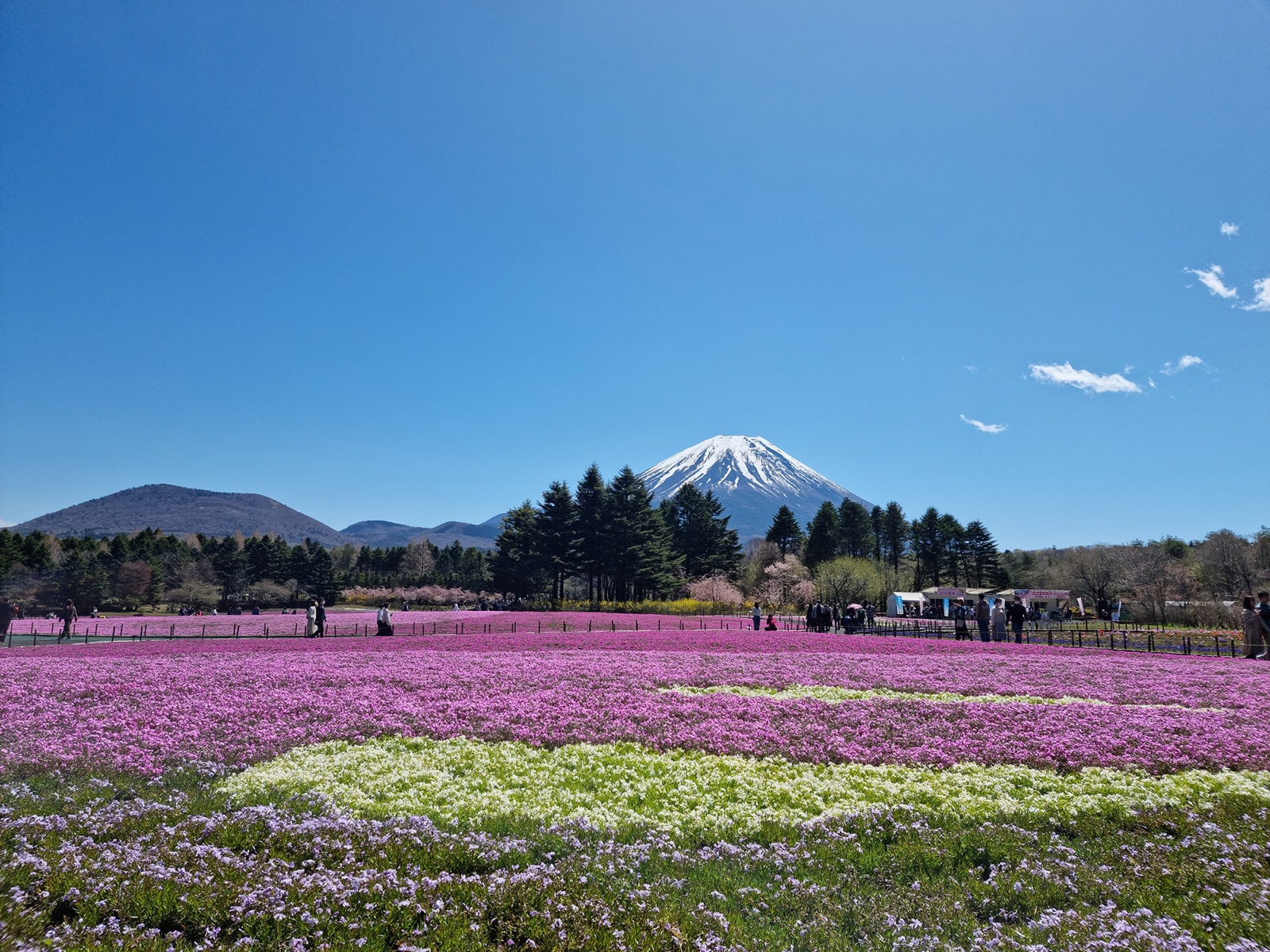
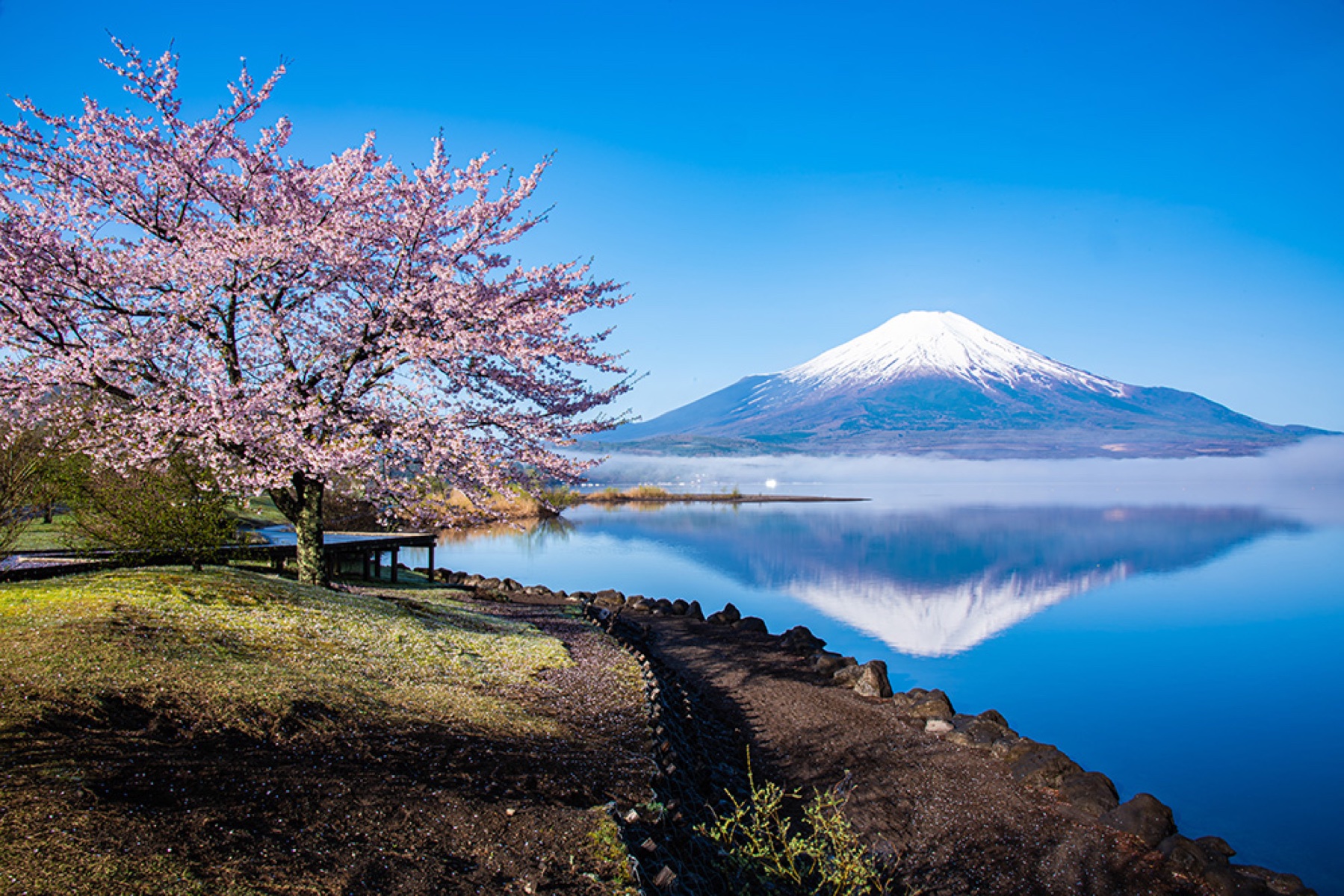
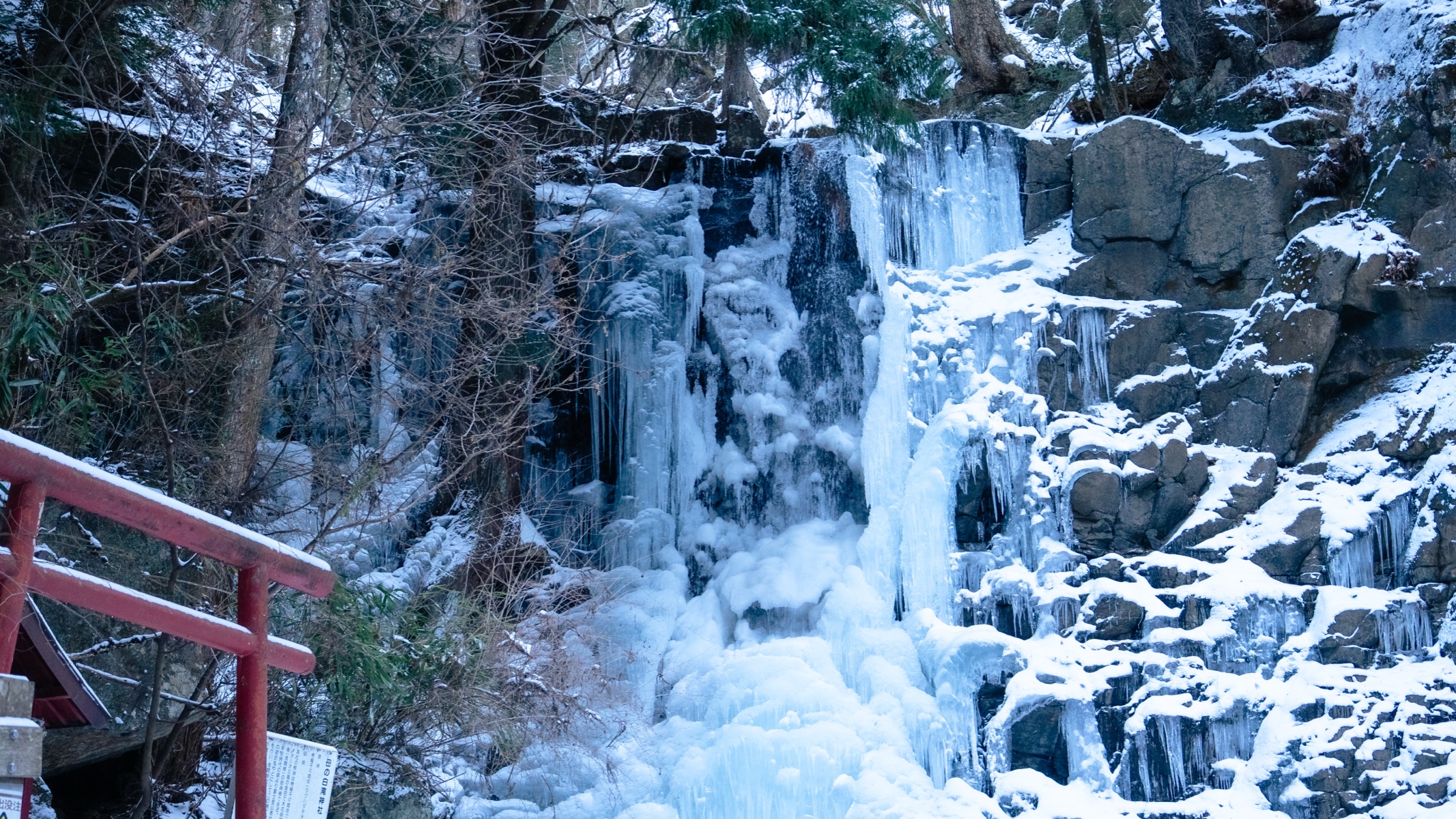
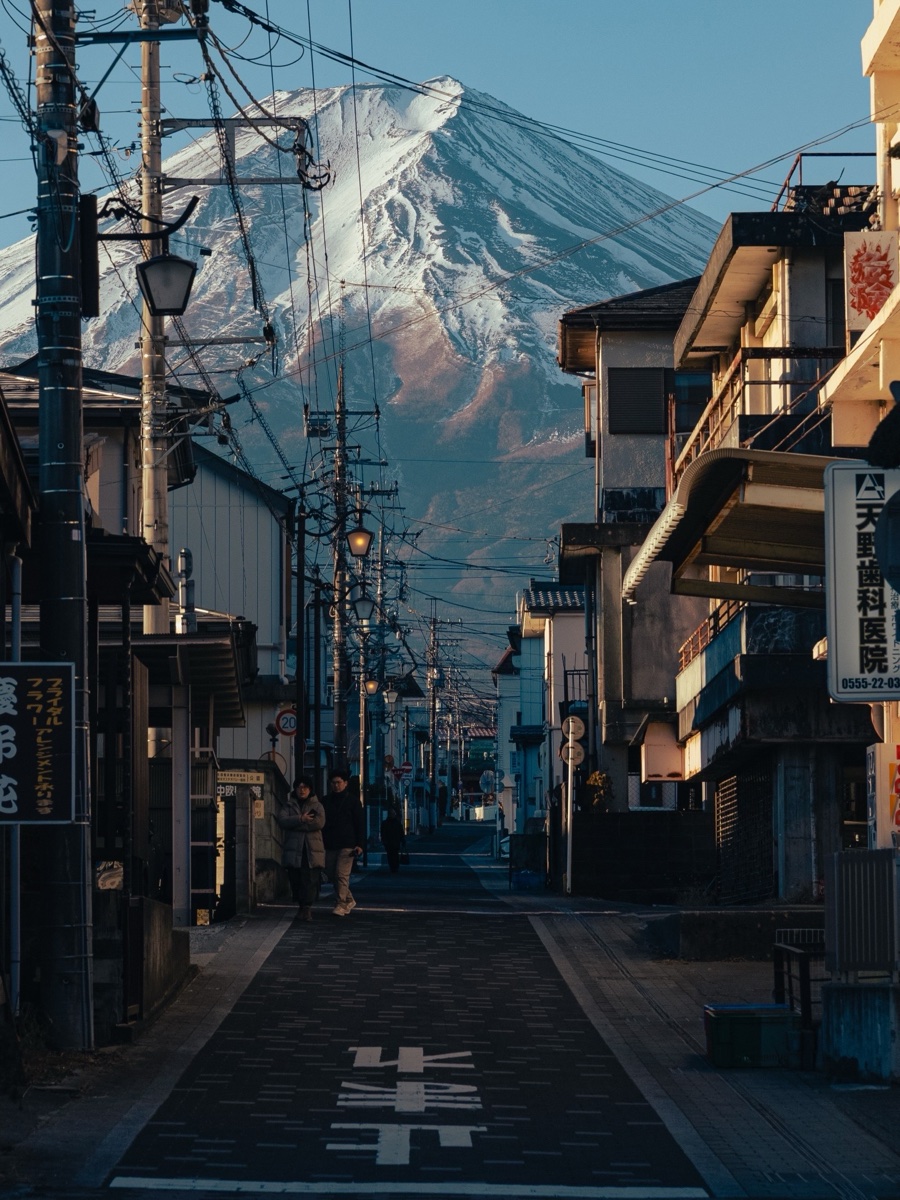
Eight places to see Fuji at its best — each one linked to a full guide.
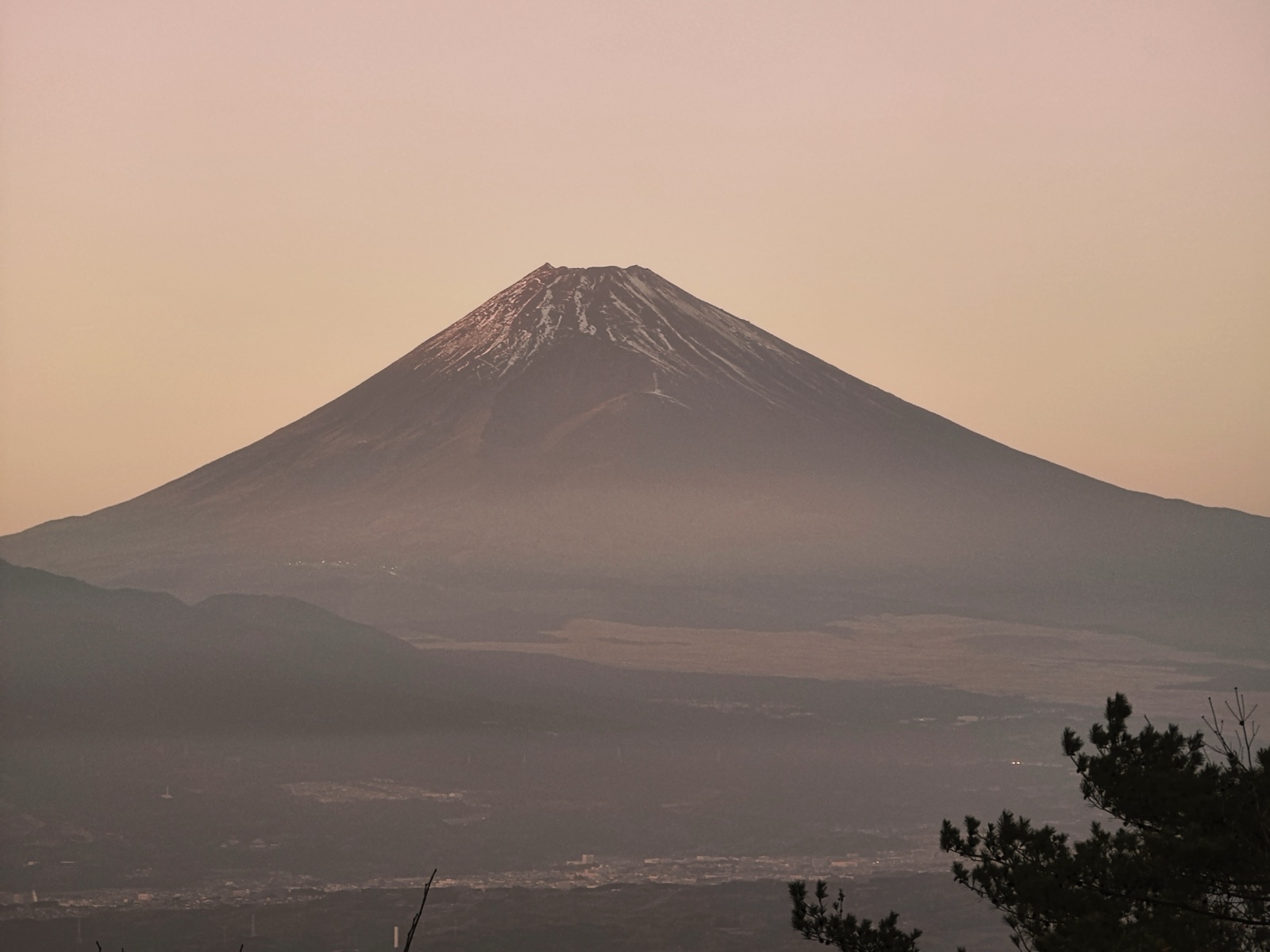
Climbing Mt. Fuji
Season: July 1 – September 10, 2026
“I grew up in Kyoto and watched it become a theme park. Japan has thousands of places just as beautiful — you just have to know where to look.”
— Nobu, founder of Hidden Japan Gems
When to See Mt. Fuji
Visibility, activities, and what to expect each season.
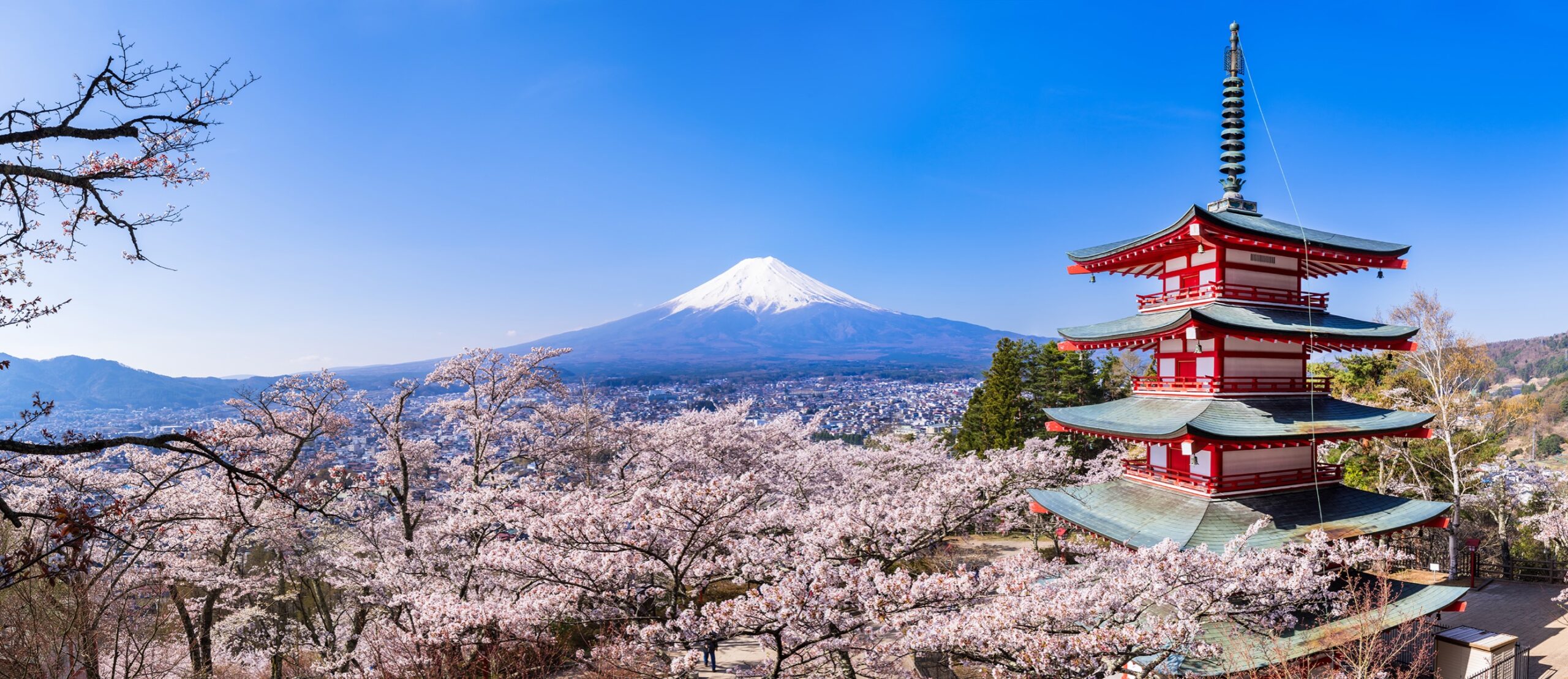
Often hidden by clouds. Worst visibility season.
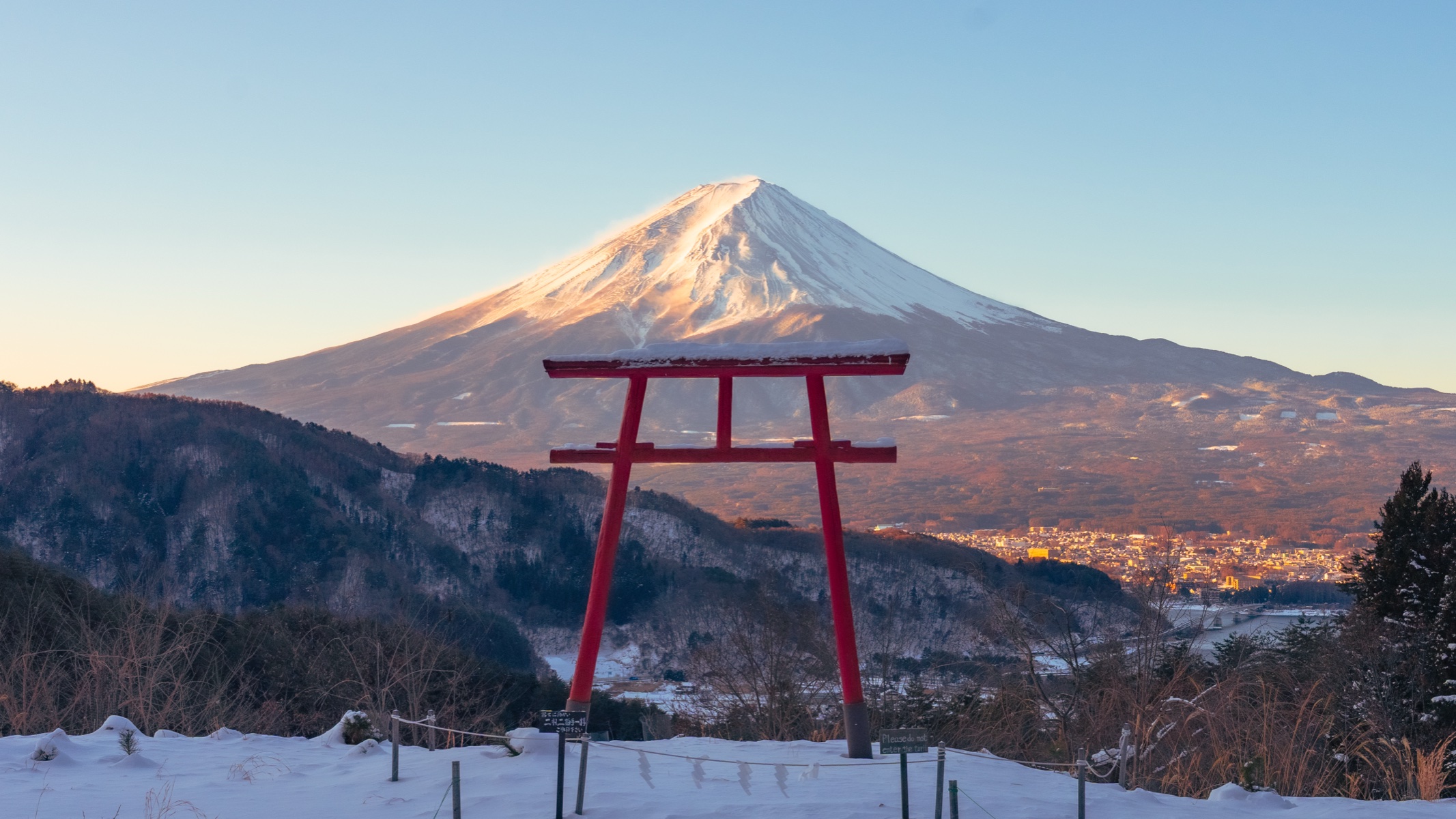
First snow on summit late Oct.
Where to Stay
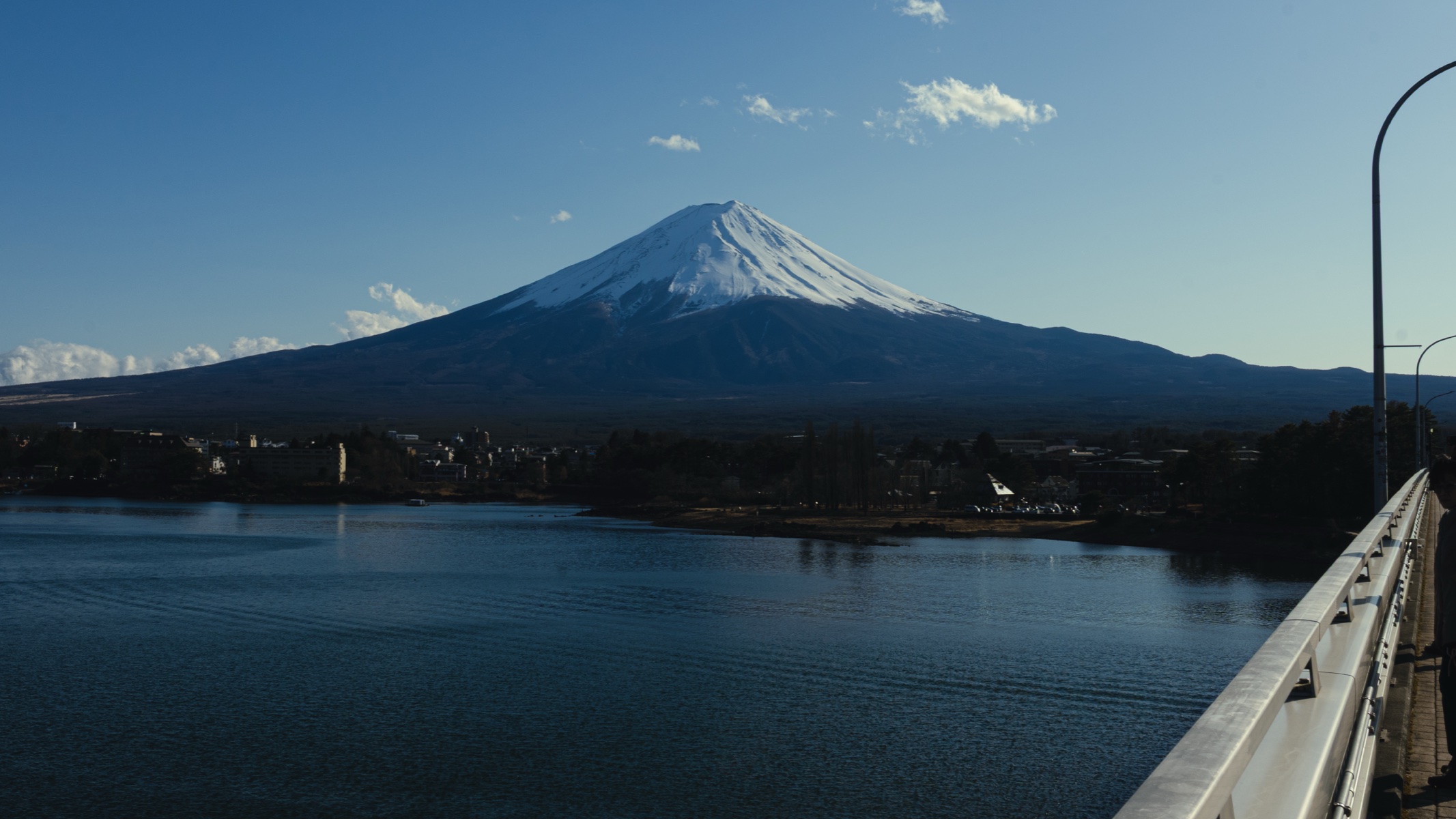
From the Fuji Five Lakes to budget-friendly guesthouses.
Follow for updates →
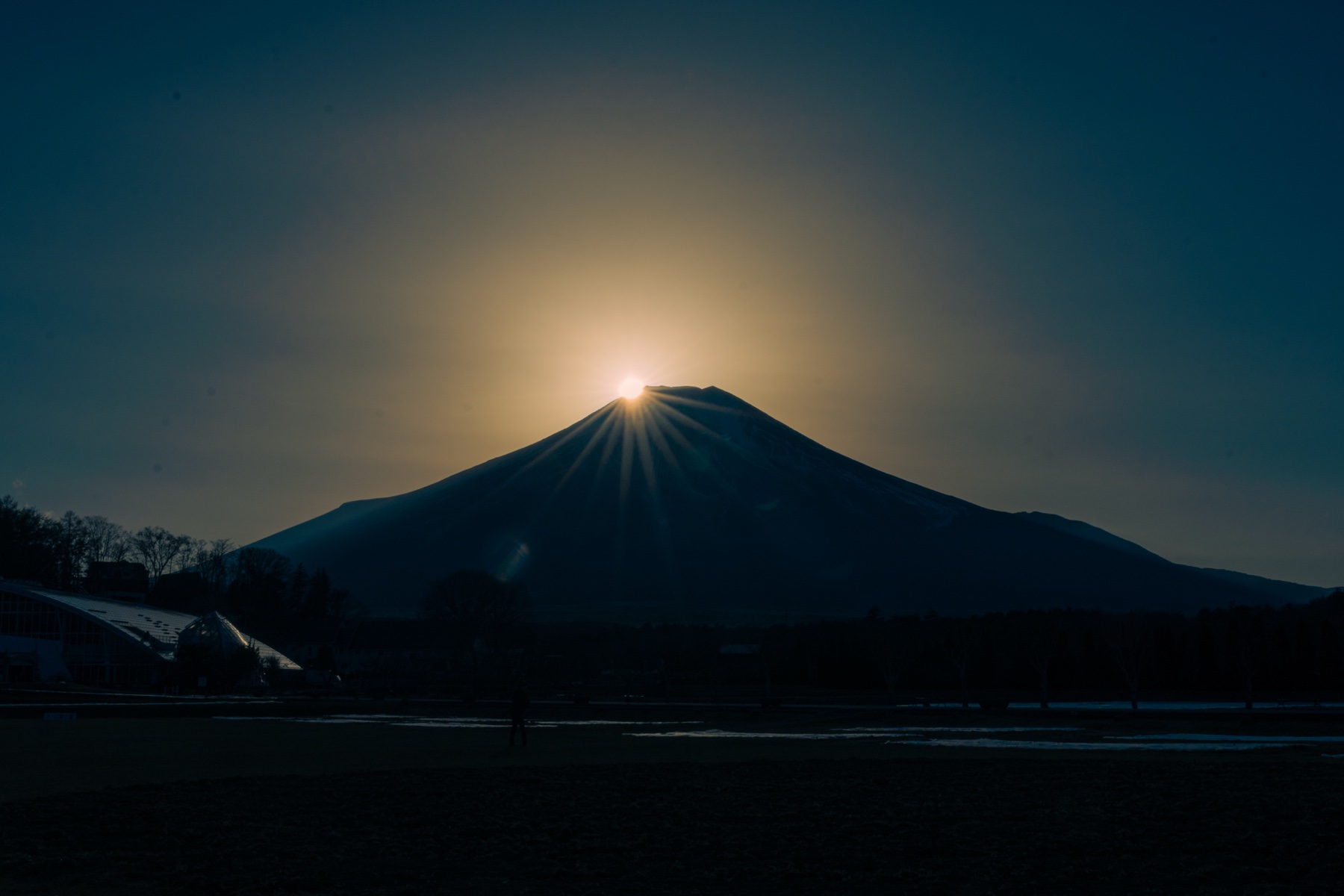
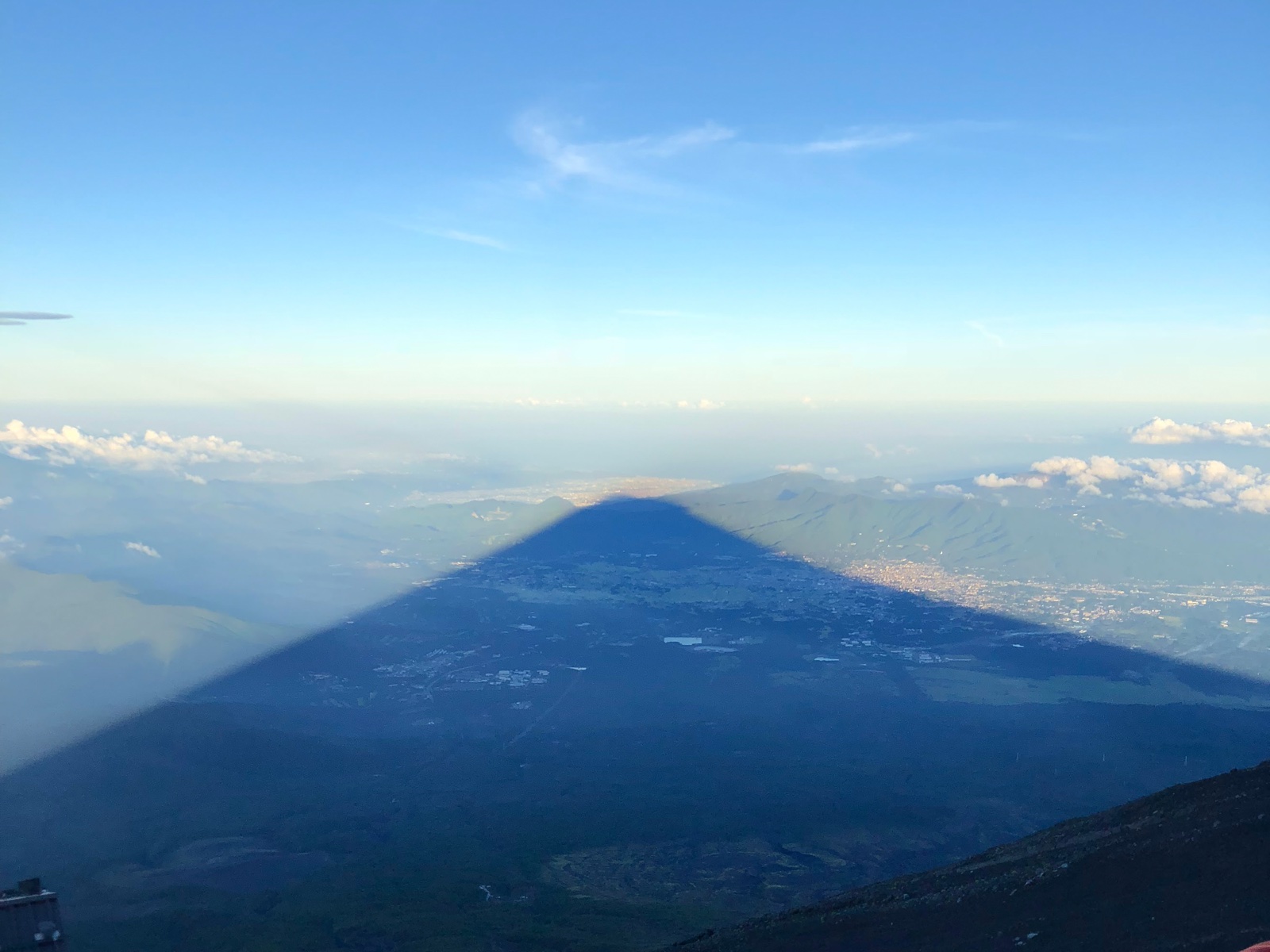
Mt. Fuji Through My Lens
47 prefectures, 10,000+ photos. Here are some of my favorites from around the mountain. All photos by Nobutoshi.
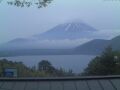
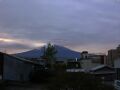
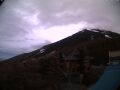
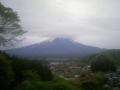
Live Mt. Fuji Cameras
Real-time snapshots from around the mountain. Images refresh automatically.


Frequently Asked Questions
Is Mt. Fuji visible today?
Check the live visibility forecast at the top of this page. It uses Japan Meteorological Agency data to calculate a visibility score from 1-10 for both the north (Yamanashi) and south (Shizuoka) sides. Early morning gives you the best chance — clouds tend to build after 10 AM.
What is the best time to see Mt. Fuji?
Winter (December–February) has the highest visibility — about 79% of days in February are clear enough to see Fuji. Early morning is always best, before clouds form. Summer is the worst season for visibility due to humidity and haze. Read the full seasonal guide →
Can you see Mt. Fuji from Tokyo?
Yes, on clear winter days. Tokyo Tower, Shibuya Sky, and several spots along the Tama River offer views. But the mountain is 100 km away, so visibility depends heavily on air clarity. For the best views, head to the Fuji Five Lakes area (1.5–2 hours from Tokyo).
When is Mt. Fuji climbing season 2026?
The 2026 climbing season runs from July 1 to September 10. All four trails (Yoshida, Subashiri, Gotemba, Fujinomiya) are open during this period. A new reservation and entry fee system applies. Read the complete climbing guide →
How much does it cost to climb Mt. Fuji?
The entry fee is ¥2,000 per person (2026). Mountain hut stays cost ¥8,000–15,000 per night with dinner and breakfast. Transport to the 5th station, gear rental, and food add up to roughly ¥15,000–30,000 total for a typical overnight climb.
Where is the best place to see Mt. Fuji?
The Fuji Five Lakes area on the north side offers the closest and most iconic views. Lake Kawaguchiko is the most accessible, Chureito Pagoda is the most photographed, and Lake Motosuko has the view printed on the ¥1,000 bill. From the south, Shichirigahama Beach in Kamakura offers a stunning coastal perspective.
Is Mt. Fuji visible in summer?
Rarely during the day. Summer humidity creates haze that obscures the mountain most afternoons. Your best chance in summer is very early morning (before 7 AM) or after a typhoon clears the air. Winter and autumn are far better for visibility.
How do I get to Mt. Fuji from Tokyo?
The fastest option is the direct highway bus from Shinjuku to Kawaguchiko Station (about 2 hours, ¥2,200). You can also take the JR Chuo Line to Otsuki and transfer to the Fujikyu Railway (about 2.5 hours total). By car, it is a 90-minute drive via the Chuo Expressway. Read the full transport guide →
Follow Our Daily Fuji Updates
Every morning, I check if Fuji is visible from my window and post the result. Follow along.
📷 Follow on InstagramData source: Japan Meteorological Agency (気象庁) · Photos by Nobutoshi · Last updated April 2026