Tokyo · Machi-Chūka · Late-Night Eats
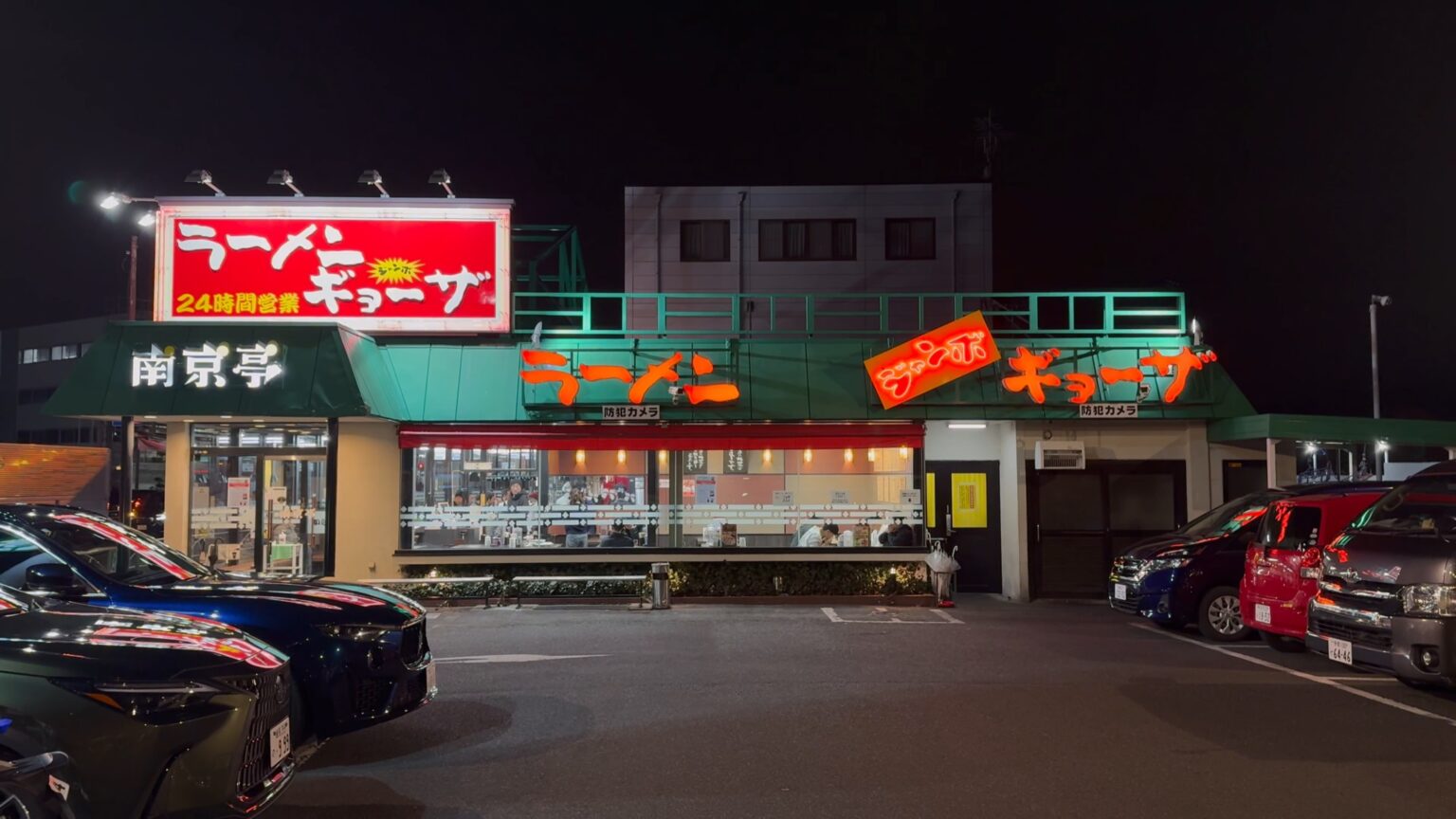
Nankintei’s Kunitachi branch is one of the few proper Chinese diners on Tokyo’s western edge that never closes — open 24 hours, every day of the year, at 471-1 Yaho in Kunitachi City, where a plate of hand-wrapped jumbo gyoza costs ¥550 and a small mountain of fried rice runs ¥900. This is machi-chūka: the cheap, generous, slightly worn neighbourhood Chinese diner that most guidebooks skip and most locals quietly rely on.
What “machi-chūka” actually means
If you only know Japanese Chinese food from glossy Yokohama Chinatown restaurants, machi-chūka is the opposite end of the scale. The word literally means “town Chinese,” and it describes the small, family-run Chinese-Japanese diners that sit on ordinary streets all over the country — the ones with plastic display models in the window, a TV on in the corner, and a menu that runs from ramen and fried rice to gyoza, stir-fried liver and chives, and sweet-and-sour pork. The cooking is Japanese-ified Chinese: milder, oilier, built for a working appetite rather than for refinement.
Nankintei is a roadside, larger-format take on that idea. The Kunitachi branch isn’t a hidden hole-in-the-wall — it’s a car-friendly diner next to an expressway interchange — but the food, the prices and the no-frills mood are pure machi-chūka. What makes it worth a detour for a traveller is the one thing most Tokyo restaurants can’t offer: it is genuinely open all night.
The chain, and why the Kunitachi branch is the useful one
Nankintei isn’t a single shop. The company runs a dozen-odd Nankintei and Tōkyōtei diners spread across western Tokyo’s Tama district and into Saitama and Kanagawa — Mizuho, Shin-Tokorozawa, Hachiōji, Higashi-Yamato, Sagamihara, Kawagoe and more. They share the same big-portion, low-price formula.
The Kunitachi branch earns its place in a travel guide for three reasons: it runs 24 hours a day with no regular closing day, it sits right by the Fuchū-Kunitachi interchange on the Chūō Expressway with a large car park, and it’s only a 7–8 minute walk from Yaho Station on the JR Nambu Line. If you land late at Haneda, drive in from the mountains, or simply wake up hungry at 4am, this is a rare warm meal that’s actually serving.
I went with the three plates the regulars seem to live on — gyoza, fried rice, and liver with chives — and ordered the way you should at a machi-chūka: too much, to share.
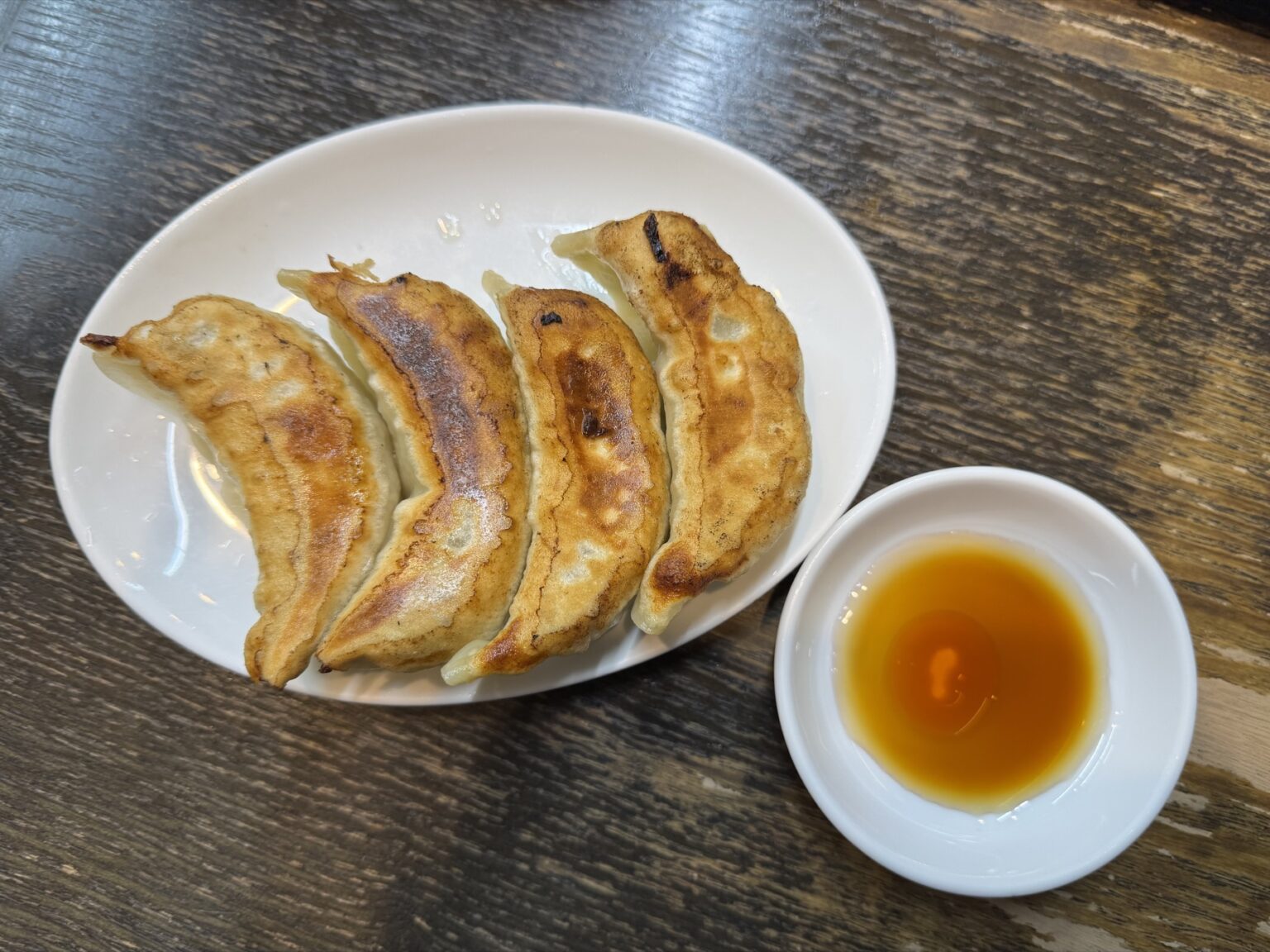
The jumbo gyoza (¥550) are the headline. They’re wrapped by hand in the shop despite the chain set-up, with thick, large wrappers — each one is roughly the size of about three ordinary gyoza, so a single order is filling on its own. Crisp on the seared base, soft and doughy on top, heavy on the filling. This is what Nankintei is known for; order it first.
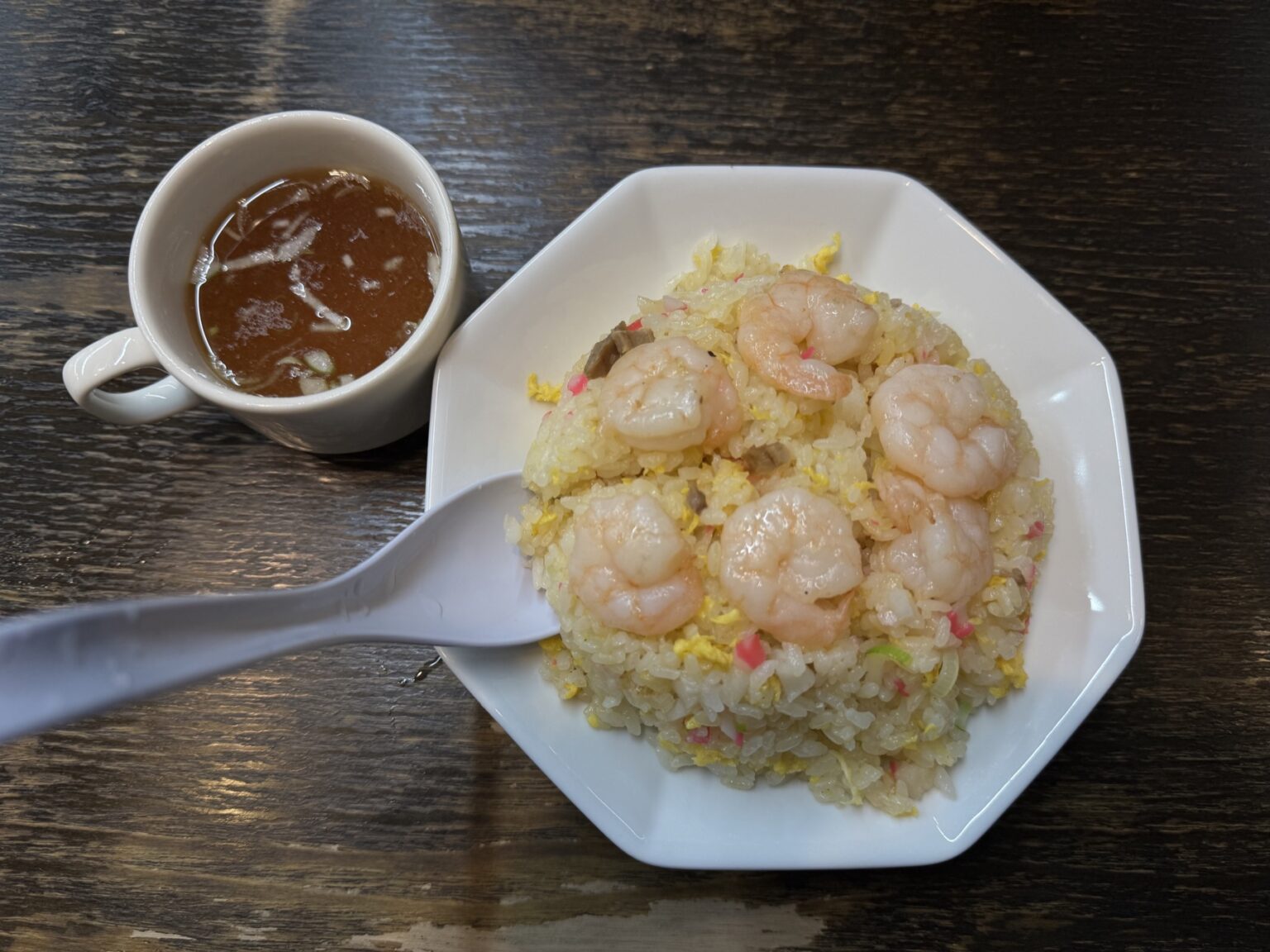
The shrimp fried rice (ebi chāhan, ¥1,250) arrives domed and glossy, each grain coated and separate, with a little cup of soup on the side. It’s the kind of unfussy, generous plate the Kunitachi branch is locally known for. Not delicate, but exactly right at midnight.
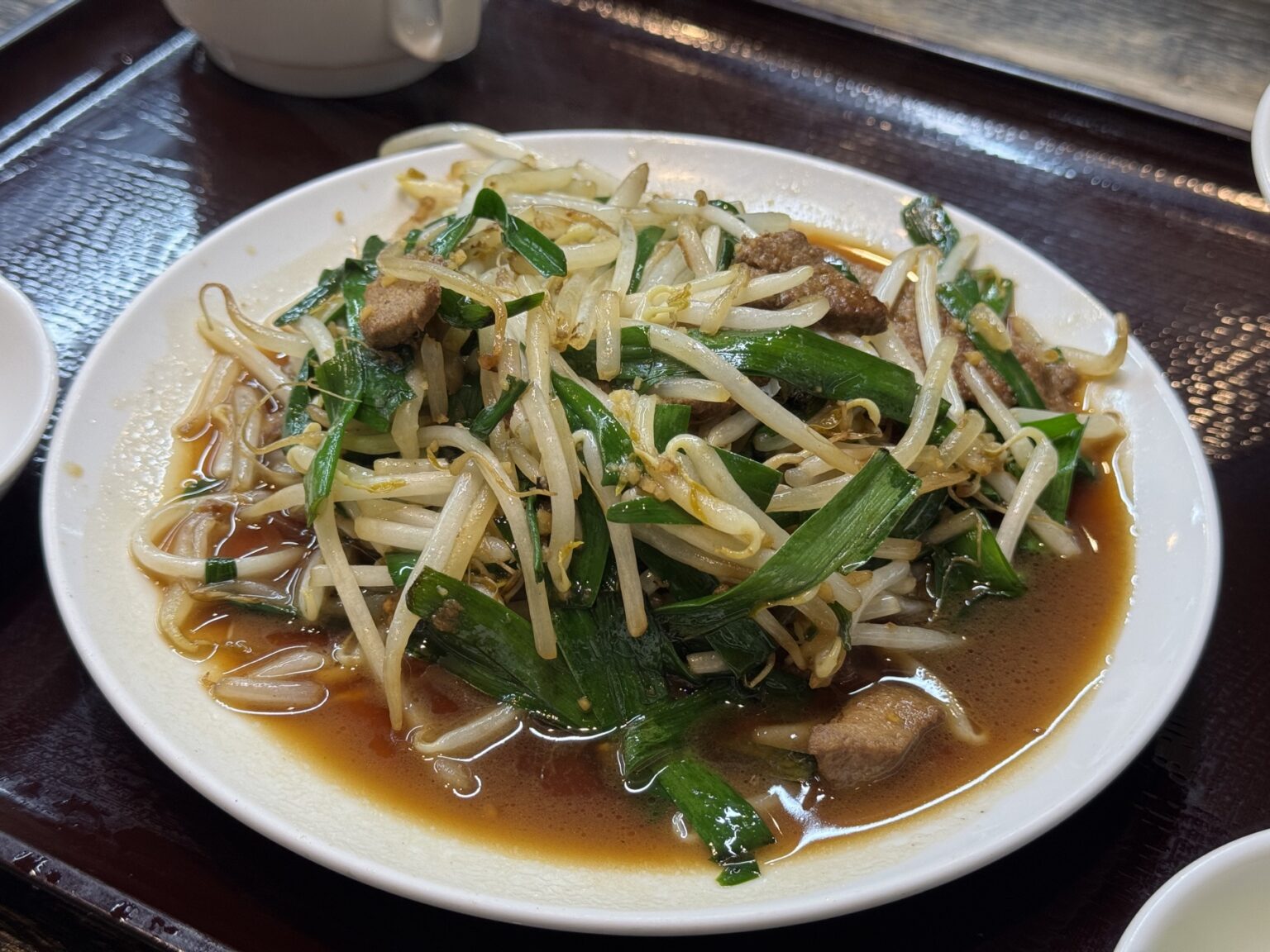
The liver and chives (reba-nira, ¥900) is the stamina dish: pork liver stir-fried hard and fast with bean sprouts and garlic chives in a dark, garlicky sauce. If you’ve been walking all day, this is the plate that puts you back together.
Menu and prices
Prices below are from Nankintei’s official menu (tax included). They can change, so treat them as a guide rather than a promise.
| Dish | Japanese | Price (tax incl.) |
|---|---|---|
| Jumbo gyoza | ジャンボ餃子 | ¥550 |
| Fried rice | チャーハン | ¥900 |
| Liver & chives stir-fry | ニラとレバーの炒め | ¥900 |
| Ramen (standard) | ラーメン | ¥780 |
A full meal of a shared gyoza plate, a fried rice and a stir-fry comes to roughly ¥1,000–2,000 per person, which matches the budget Tabelog lists for both lunch and dinner.
How to order, and what to know
Bring cash
Like most machi-chūka, this is a cash-first kind of place. Have yen on hand rather than assuming cards or IC pay.
Portions are big — share
The jumbo gyoza and fried rice are sized for an appetite. Two or three plates between two people is plenty.
It’s a 24-hour lifeline
Late landing, early start, or jet-lag hunger at 3am — this is a genuine hot meal when almost everything else in the area is shut.
Come by car if you can
It’s built for drivers, with a big roadside car park right by the expressway. By train it’s a short walk from Yaho Station.
Southeast Asia traveler tip: there’s no confirmed English menu, so save these photos or point at the display models in the window. “Gyōza,” “chāhan” and “rāmen” are understood as-is. A plate each plus one to share will leave you full for well under ¥2,000.
Getting there
By train: take the JR Nambu Line to Yaho Station (谷保). From Shinjuku, take the Chūō Line to Tachikawa, then change to the JR Nambu Line for Yaho — figure on roughly 45 minutes in total. From the station it’s about a 7–8 minute walk.
By car: the diner sits right beside the Fuchū-Kunitachi interchange on the Chūō Expressway, with its own car park — the easy option if you’re driving back into the city late.
Where to stay nearby: Kunitachi itself is quiet; Tachikawa, three stops away, is the practical hotel hub for this side of Tokyo. Search hotels around Kunitachi & Tachikawa →
We may earn a small commission from bookings, at no extra cost to you.
More Tokyo eating, off the tourist trail
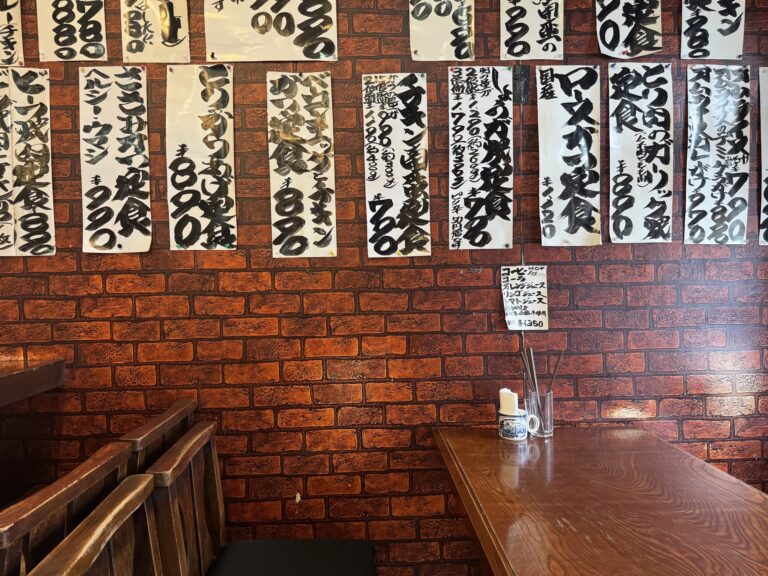
Imahana, a Shōwa-era diner
Another west-Tokyo time capsule — a tiny set-meal shokudō with walls of hand-brushed menus.
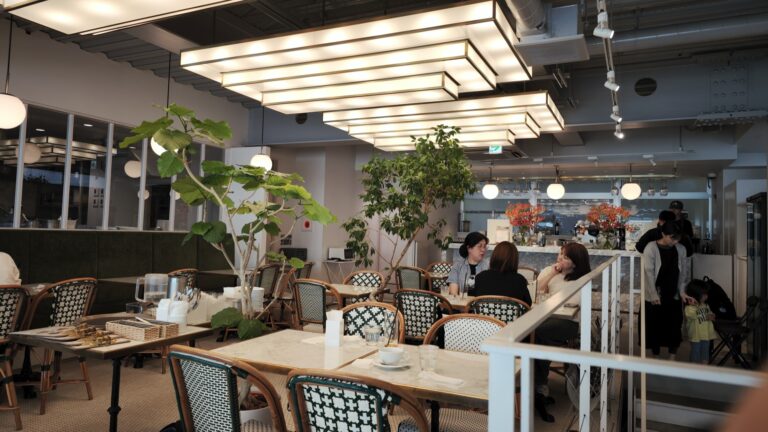
Harmonica Yokocho, Kichijōji
A maze of tiny bars and eateries one train ride away, best after dark.
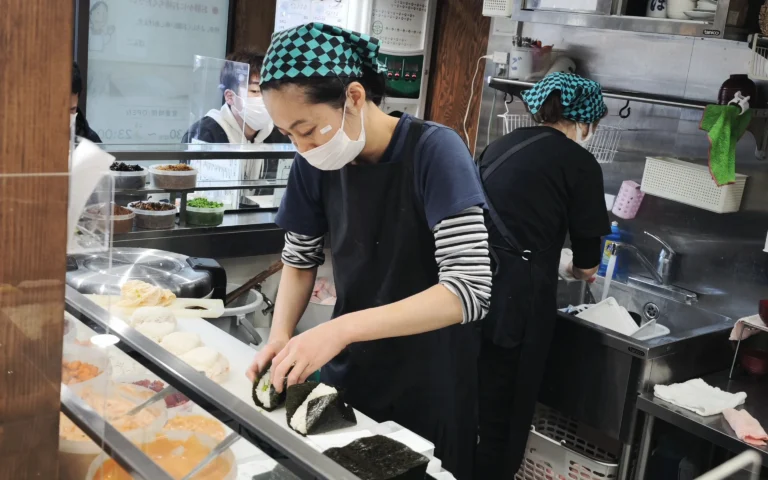
Onigiri Bongo, Ōtsuka
If you want the other end of Tokyo’s everyday food — a legendary rice-ball counter.
FAQ
Is Nankintei Kunitachi really open 24 hours?
Yes. Both the official site and Tabelog list the Kunitachi branch as open 24 hours a day, every day, with no regular closing day. It’s one of the few proper hot-meal options in the area in the small hours.
How big are the jumbo gyoza?
They’re hand-wrapped in the shop with thick, large wrappers — each one is roughly the size of about three normal gyoza, so a single ¥550 order is filling on its own.
Can I pay by card?
Treat it as a cash place and carry yen. Machi-chūka diners like this are cash-first, so don’t rely on cards or IC payment.
What’s the nearest station?
Yaho Station (谷保) on the JR Nambu Line, about a 7–8 minute walk away. If you’re driving, it’s right by the Fuchū-Kunitachi interchange on the Chūō Expressway with its own car park.
Is there an English menu?
There’s no confirmed English menu. Point at the window display models or use the dish names in this guide — gyōza, chāhan (fried rice) and rāmen are all understood.
Is it good for vegetarians?
Not especially — it’s a meat-and-seafood Chinese diner. You could ask for a plain fried rice or stir-fried vegetables, but the kitchen isn’t set up for strict vegetarian or vegan diets.
Sources: Nankintei official site (nankintei.com) shop and menu pages; Tabelog listing for the Kunitachi branch; Tokyo Gyoza notes on the hand-wrapped jumbo gyoza. Prices and hours verified June 2026 and can change — check before a special trip.
Kunitachi is residential; the nearest hotel cluster is Tachikawa (a few minutes away on the Chūo Line), with Shinjuku the easiest big-city base. Browse options on Agoda:
Or search all Tokyo hotels on Agoda →
We may earn a commission from Agoda bookings, at no extra cost to you.
Join travelers discovering Japan's hidden side
Weekly dispatches from off-the-beaten-path Japan — spots and stories you won't find in guidebooks.
No spam. Unsubscribe anytime.
Welcome aboard!
You're in. See you in your inbox soon.