Hokkoku Kaidō · Nagano
Unno-juku is a 650-metre street of Edo-era post-town inns and Meiji silk-merchant houses on the old Hokkoku Kaidō in Nagano — a rare survivor that wears two histories at once, protected since 1987 under the unusual dual designation of a “post town” and a “sericulture town.”
Most preserved old streets in Japan tell one story: a Nakasendō post town, a merchant quarter, a temple town. Unno-juku tells two, layered on the same street. It opened in 1625 as a staging post on the Hokkoku Kaidō — the highway that carried Sado gold, daimyo processions and a river of pilgrims toward Zenkō-ji — and when the age of the highway ended, the townsfolk turned their big post-inn rooms over to silkworms. I’m Nobu, and what I love here is reading that double life off the buildings: the same house carries an Edo post-town’s fine lattice and, up in the roof, a Meiji silk-farmer’s smoke vents.
Two histories on one street
The Hokkoku Kaidō branched off the Nakasendō and ran up toward the Hokuriku coast, linking the mountains to the Japan Sea. It was a working highway: it moved gold from the Sado mines, carried Hokuriku lords on their processions to Edo, and above all funnelled huge numbers of Zenkō-ji pilgrims. Unno-juku opened as one of its post stations in 1625, and when a 1742 flood wrecked the neighbouring post town of Tanaka, its honjin (official inn for travelling lords) was moved here and Unno-juku flourished.
Then the railways came, the highway emptied, and Unno-juku did something unusual: instead of fading, it reinvented itself as a silk village. Those cavernous former inns were perfect for raising silkworms, and through the Meiji era the street filled with sericulture houses. That is why, in 1987, it was protected not just as a post town but as a “post town / sericulture town” — the double label is the whole point.
How to read the houses
Half the pleasure here is learning to see the two eras in the woodwork. A few things to look for as you walk:
Unno-gōshi lattice
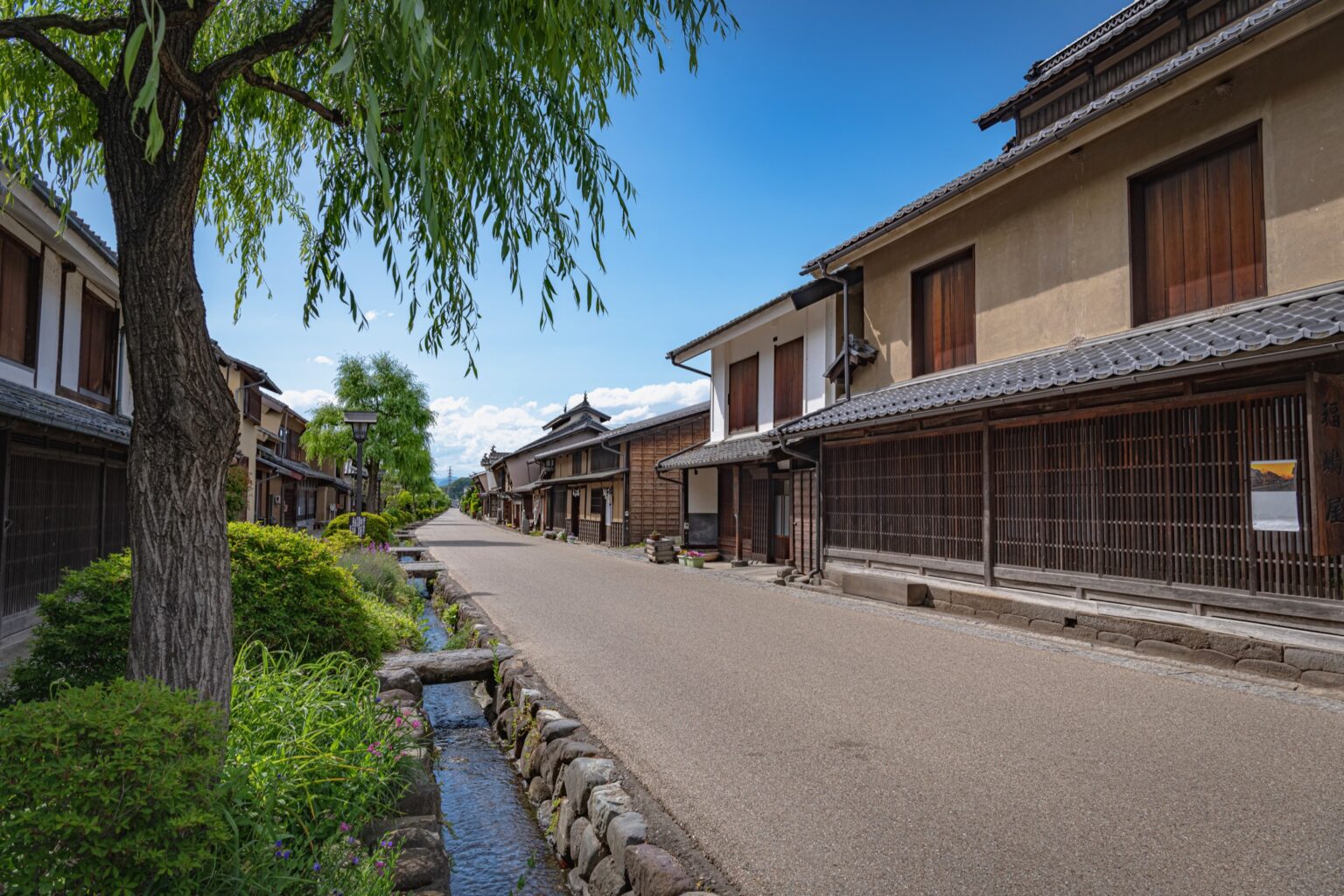
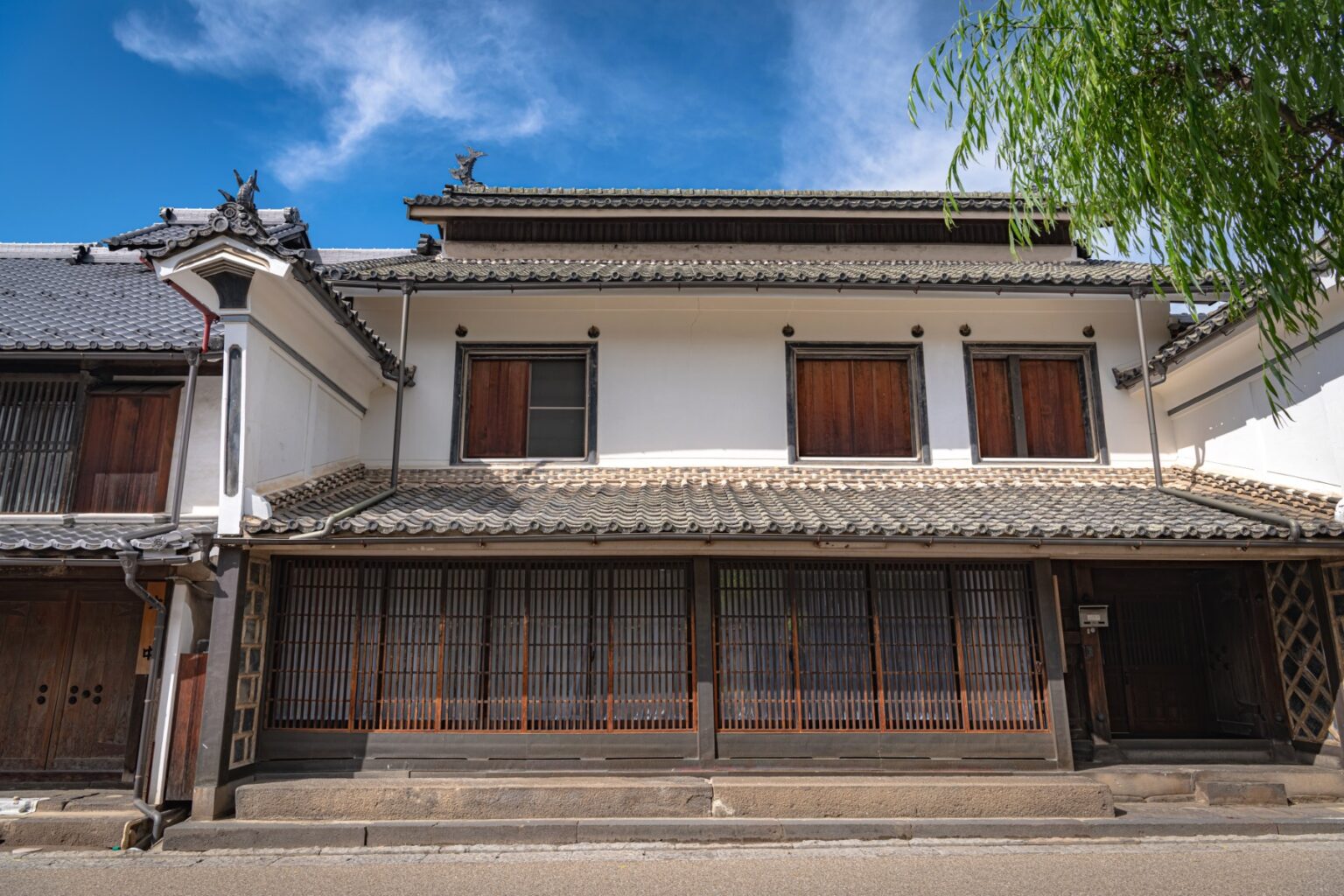
The fine second-floor projecting lattice (degōshi), in a rhythm of alternating long and short slats, is distinctive enough to have its own name here — Unno-gōshi. It’s the signature detail of the town.
Udatsu fire walls
The raised plaster walls between roofs are udatsu, built to stop fire spreading — and to show off. The bold hon-udatsu are Edo-era; the lighter sode-udatsu came in the Meiji silk years.
Kinuki smoke vents
Look up at the little raised vents in the roofs. These kinuki let out smoke from the fires lit to keep silkworms warm — the clearest sign that an old inn had become a silk house.
Southeast Asia traveler tip: Unno-juku is small, quiet and almost entirely outdoors, so it pairs well with a half-day around Ueda rather than a long trip of its own. It sits at altitude in Nagano — pleasant in summer, but cold and sometimes snowy from December to February, so bring a warm layer if you come off-season.
What to see
The water channel
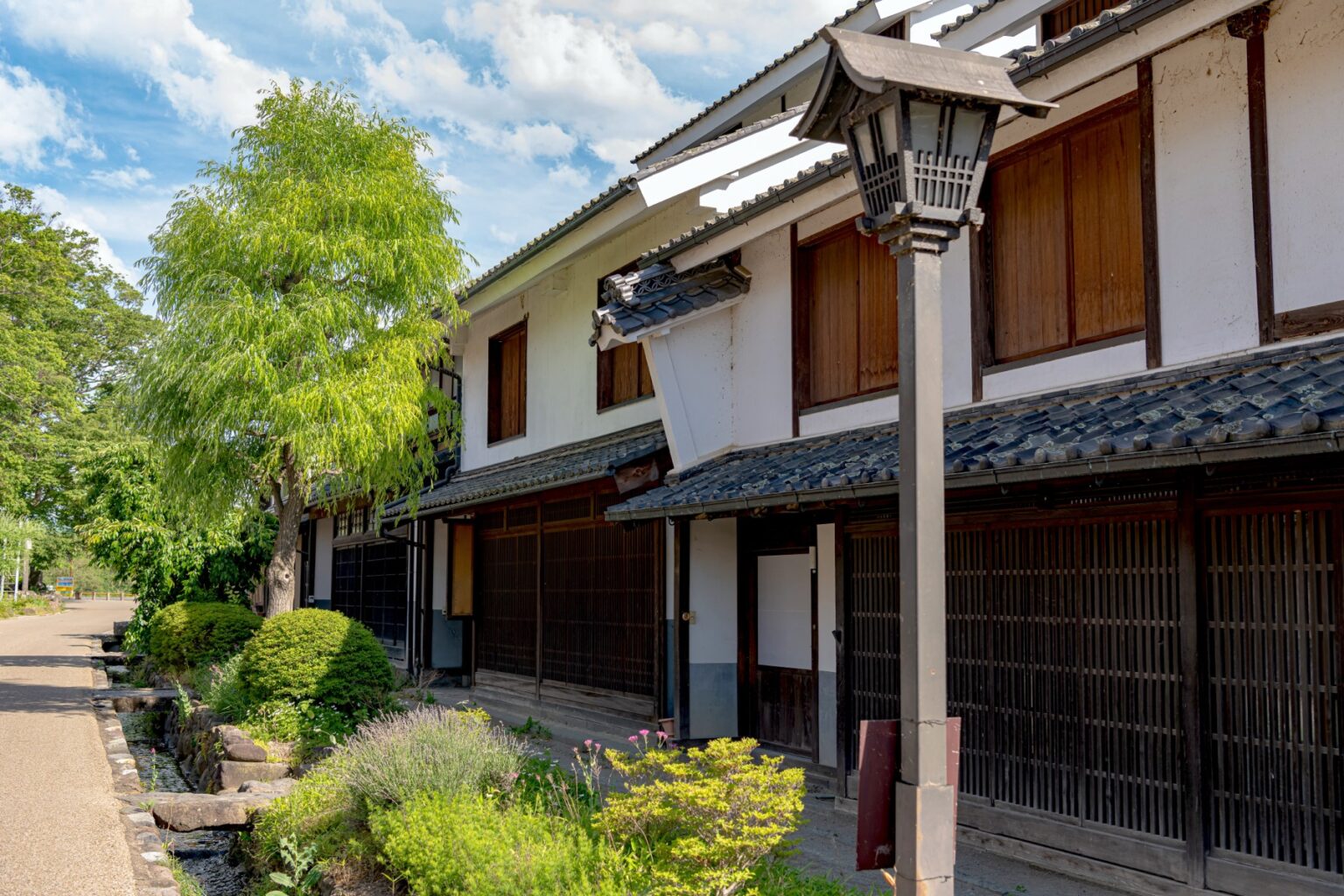
A clear channel still runs down the old street, as it did when this was a working highway — the simplest, prettiest thing to walk beside. (The roadside willows were removed in 2026 for tree health.)
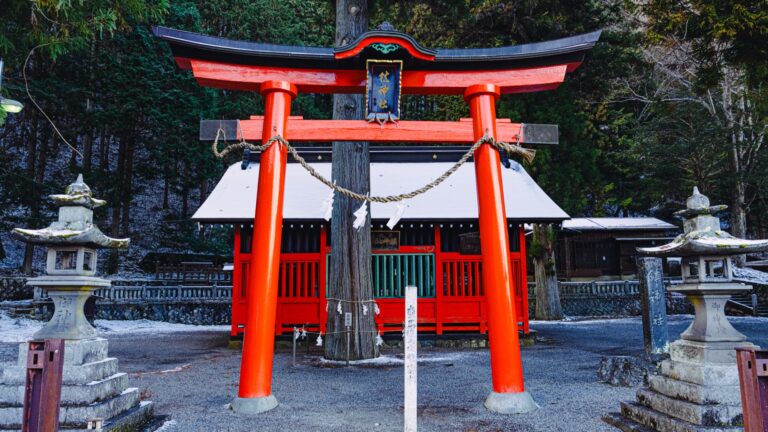
Shirotori Shrine
At the edge of the town, the wooded Shirotori Shrine is Unno-juku’s guardian shrine, tied by tradition to the Unno and Sanada families of this region.
Unno-juku History Museum
Set in a house from around 1790, the museum shows both the inn-era and silk-era sides of a single building. Adults ¥250; closed from late December through February — check current opening hours before you visit.
People live here. Unno-juku is a working neighbourhood, not an open-air museum. Keep to the street, don’t photograph into homes and gardens, and it stays the quiet place that makes it worth the trip.
How to get to Unno-juku
From Tokyo
Take the Hokuriku Shinkansen to Ueda (around 1 hour 15 minutes), then change to the Shinano Railway for Tanaka Station (about 10 minutes).
From Tanaka Station
Unno-juku is a short hop from Tanaka Station. The tourist office by the station rents bicycles (9:00–17:00, last hire 16:00, closed Wednesdays) — a nice way to reach the town and Shirotori Shrine.
By car
There’s free parking beside the town — handy if you’re touring the wider Ueda / Tōmi area.
When to go
Unno-juku is quiet year-round, which is its charm. Spring brings the town’s Hina Matsuri, when old dolls are set out along the Hokkoku Kaidō houses; the first Sunday of November has the local Fureai Festival. Summer at this altitude is cool and green, and winter turns the street still and, some days, white — beautiful, but genuinely cold. Come early or late in the day whatever the season, and the street feels like its old self. 2025 marked the town’s 400th anniversary as a post station.
Where to stay near Unno-juku
Most travellers see Unno-juku on a half-day from Ueda, which has the Shinkansen station, a famous castle and plenty of hotels, or from the hot-spring town of Bessho Onsen nearby. A night in the area lets you reach the street early, before anyone else.
Ueda & Tōmi stays on Booking
Hotels near Ueda Station and Bessho Onsen, well placed for Unno-juku.
Compare on Agoda
A second price check across the same Nagano area.
Nagano tours & transport via Klook
Day trips and passes if you’re building a wider Nagano route.
Some links above are affiliate links — they cost you nothing extra and help keep this site going.
Is there an entry fee for Unno-juku?
No. The street is a public road and free to walk. You only pay to go inside a site such as the Unno-juku History Museum (¥250 for adults).
What makes Unno-juku different from other post towns?
It has two overlapping histories on one street: an Edo-period Hokkoku Kaidō post town that reinvented itself as a Meiji silk-farming village. It’s protected as both, and you can read both eras off the same houses.
How do I get there without a car?
Take the Hokuriku Shinkansen to Ueda, change to the Shinano Railway for Tanaka Station, then rent a bicycle from the tourist office by the station for the short ride to the town.
How long do I need?
An hour or two is enough to walk the 650-metre street, look at the lattice and udatsu, visit the museum and the shrine. It pairs naturally with Ueda or Bessho Onsen for a fuller day.
What is “Unno-gōshi”?
It’s the town’s distinctive second-floor projecting wooden lattice (degōshi), set in a pattern of alternating long and short slats — common enough here to be named after the town.
When is the best time to visit?
Spring for the Hina doll displays, autumn for the November Fureai Festival and cool clear air, summer for green quiet. Winter is lovely but cold and sometimes snowy. Early morning and late afternoon are quietest.
Tsumago-juku
A lantern-lit Nakasendō post town in the Kiso Valley, even more strictly preserved.
Magome-juku
The stone-paved Kiso post town and the classic walk over the pass to Tsumago.
Narai-juku
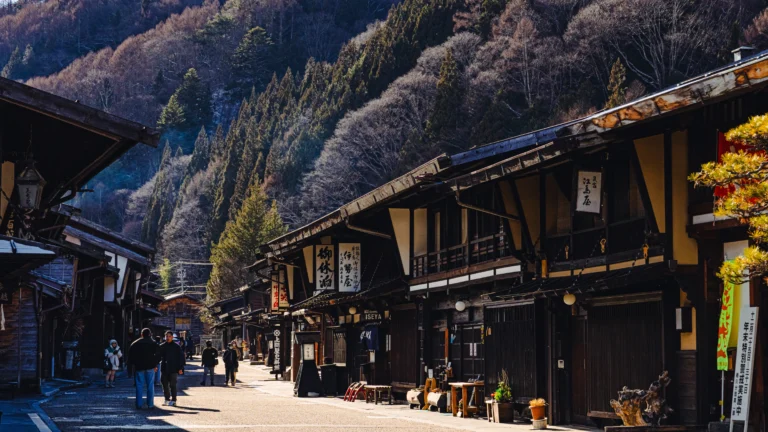
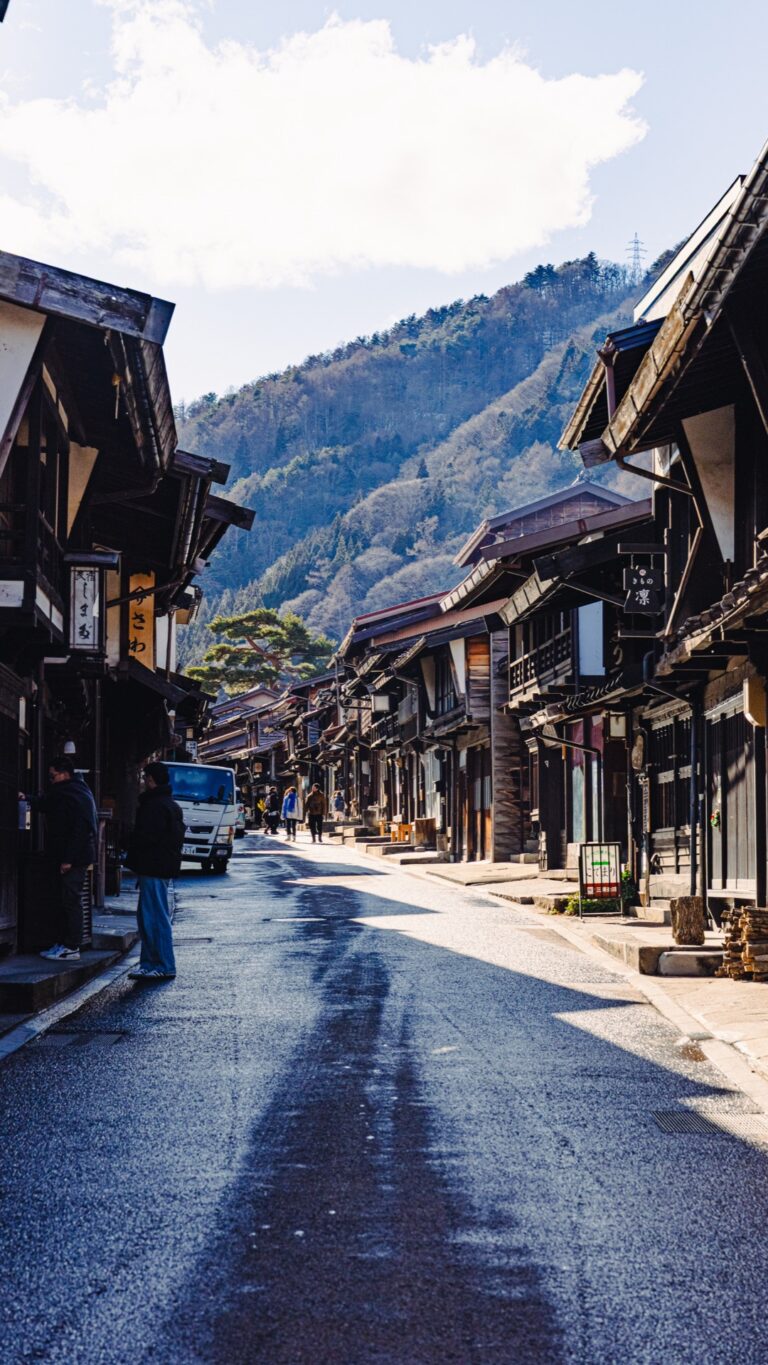
The longest of the Kiso post towns, quiet and beautifully intact.
Japan’s best-preserved post towns
A guide to the seven finest surviving post towns — Magome, Tsumago, Narai, Unno, Seki, Kumagawa and Ouchi — with how they compare and which to choose.
Join travelers discovering Japan's hidden side
Weekly dispatches from off-the-beaten-path Japan — spots and stories you won't find in guidebooks.
No spam. Unsubscribe anytime.
Welcome aboard!
You're in. See you in your inbox soon.