Tōkaidō · Mie
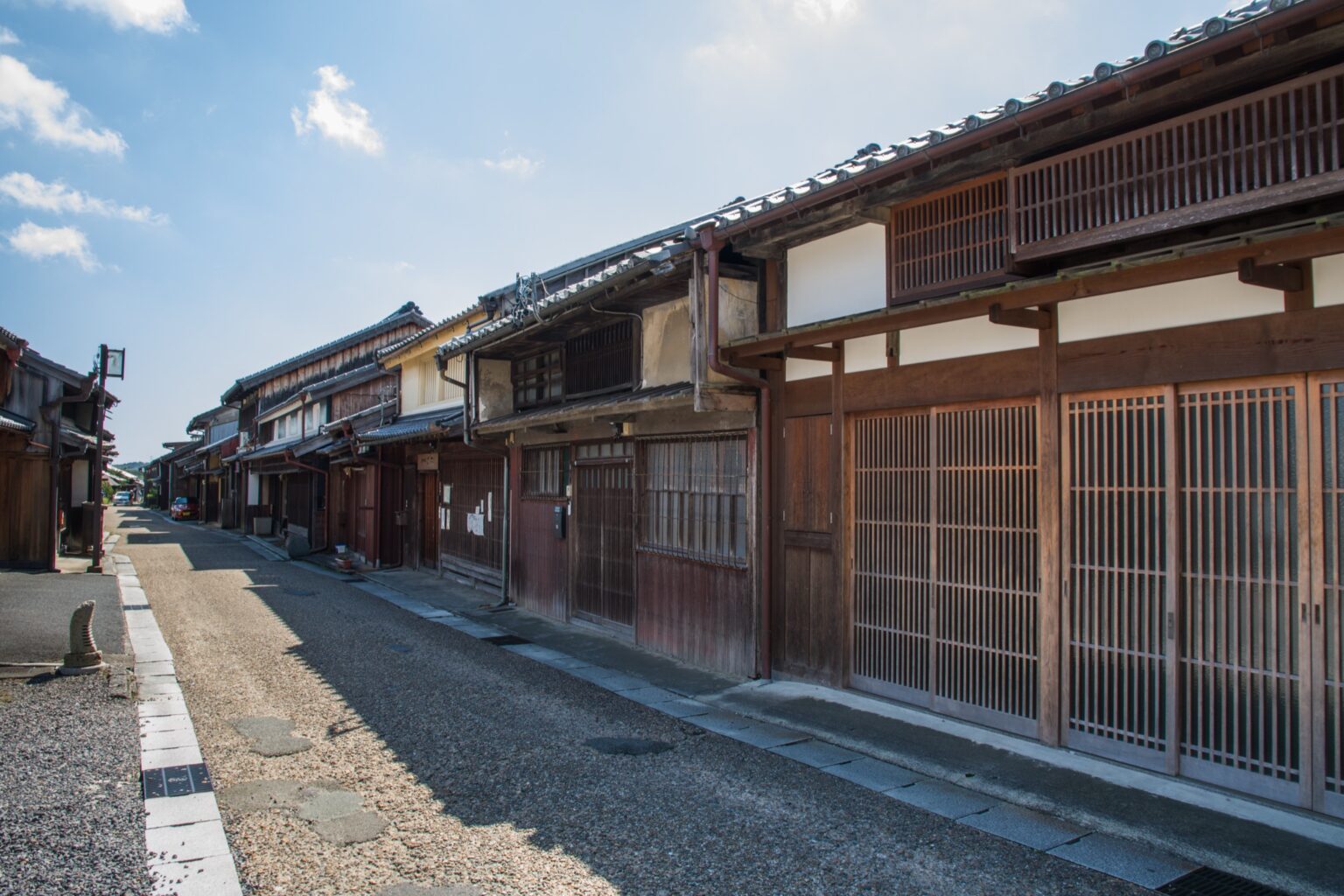
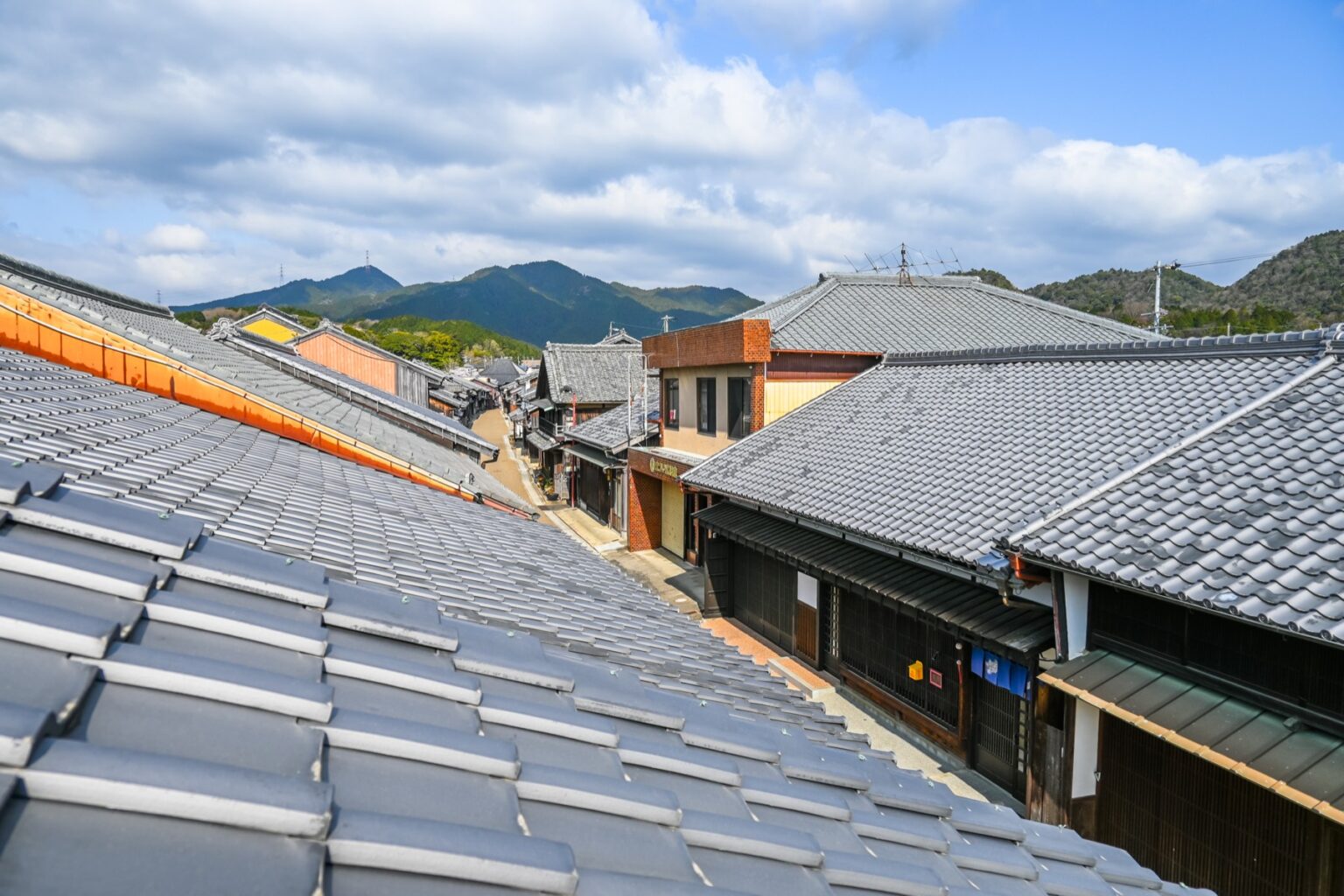
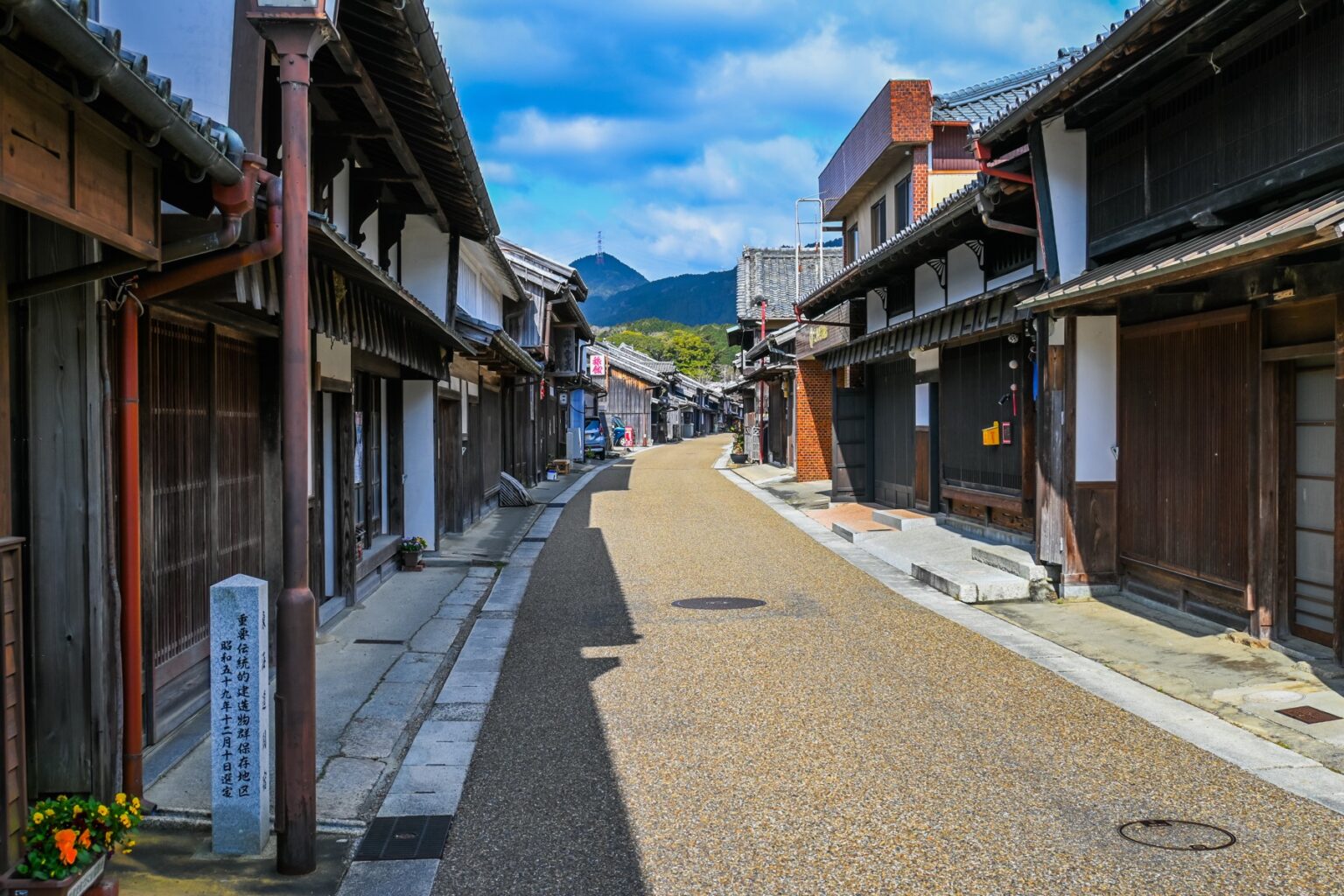
Seki-juku is a 1.8-kilometre street of Edo-era inns and merchant houses in Kameyama, Mie — the 47th of the Tōkaidō’s 53 post towns, and, by the city’s own account, the only one whose historic townscape still survives whole.
The Tōkaidō was the great coastal highway between Edo and Kyoto, immortalised in Hiroshige’s fifty-three-stations series. Most have changed beyond recognition — but Kameyama City presents Seki as the exception, the one Tōkaidō post town whose townscape survives whole. I’m Nobu, and what makes it worth the detour off the bullet-train line is exactly that survival: nearly two kilometres of varied wooden machiya, a temple older than the post-station system, and the two forks where travellers once peeled off for Ise or Nara — all still legible, and almost never crowded. (Note for planners: this is Seki-juku in Kameyama, Mie — not the identically written Sekiyado in Chiba.)
What Seki-juku is
When the shogunate organised the Tōkaidō in 1601, it set 53 post stations between Edo and Kyoto; Seki was number 47. It thrived because it was a junction as much as a rest stop: at the Higashi-no-oiwake (eastern fork) the Ise-betsukaidō peeled off toward the Ise Grand Shrine, and at the Nishi-no-oiwake (western fork) the Yamato-kaidō headed for Nara. Between the two forks ran a dense street of inns feeding daimyo processions and the endless stream of Ise pilgrims.
When the railways came, that traffic vanished — but Seki, off the main modern arteries, was largely left alone. In December 1984 the street was made a national preservation district (the 20th in Japan and the first in Mie), covering about 1.8 km and 25 hectares between the two forks, with more than 200 townhouses from the late Edo and Meiji periods still standing.
What to see
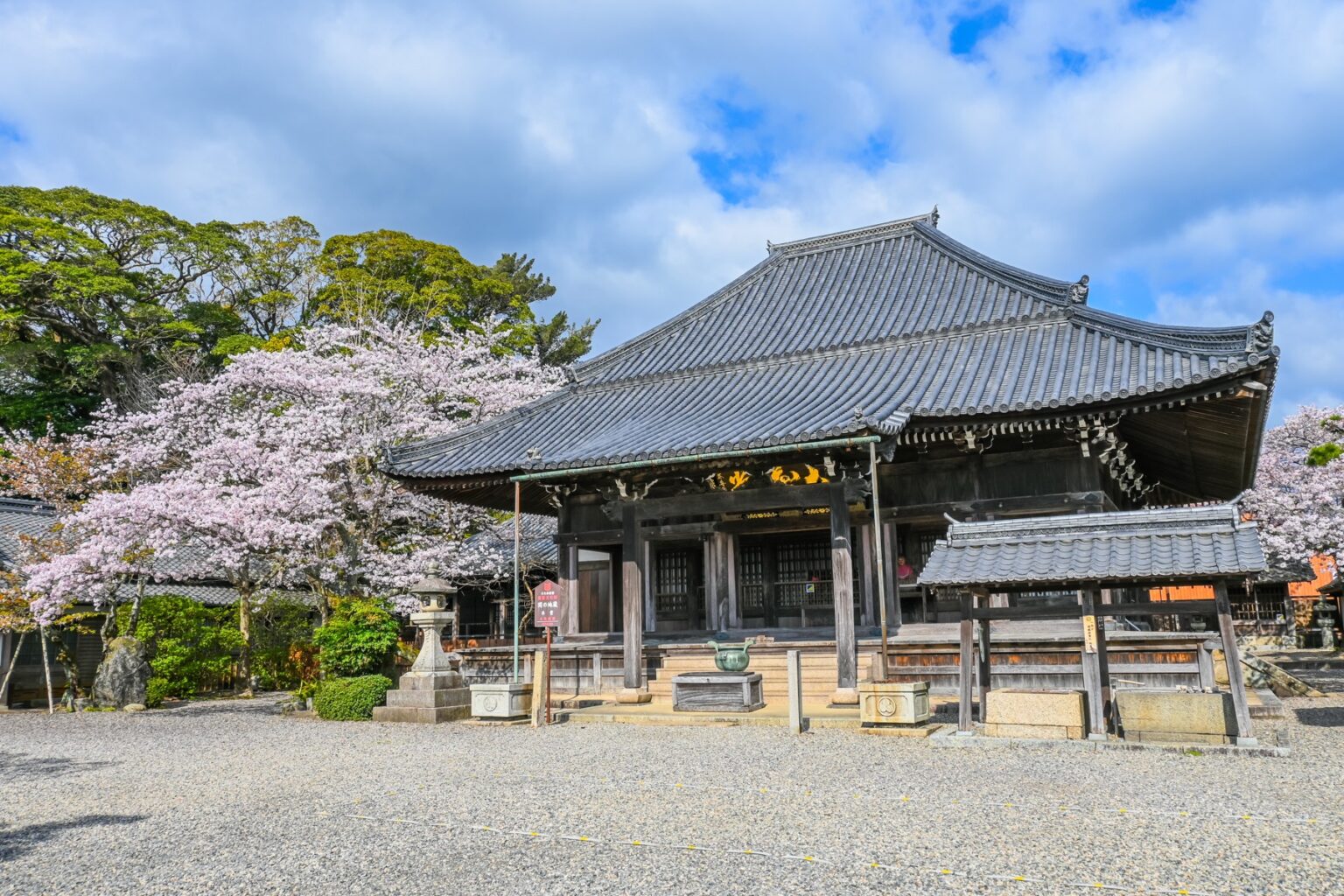
Seki Jizō-in
The town’s heart, a temple said to have been founded in 741 by the monk Gyōki — older than the Edo-period post-station system. Its main hall, bell tower and Aizen hall are all designated National Important Cultural Properties.
Tamaya history museum
One of Seki’s great hatago (post inns), preserved as the Seki-juku Hatago Tamaya Museum, with old travel gear and Hiroshige prints. A ticket with the neighbouring machiya museum is ¥300 (¥200 students); a three-museum ticket is ¥500. Open 9:00–16:30, closed Mondays.
Fukagawaya sweets
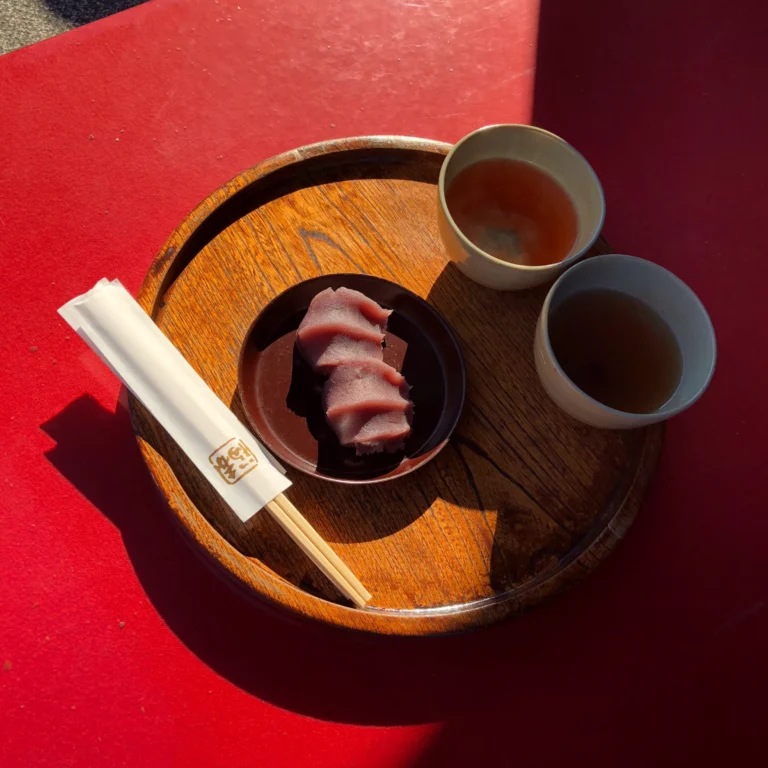
A wagashi shop that has made the town’s famous Seki-no-to sweet for roughly 380 years — a nice, edible way to break the walk.
People live here. Seki-juku is a real, lived-in town, not a reconstructed film set. Walk quietly, don’t photograph into homes and gardens, and keep to the street — that everyday life is why it still feels genuine.
Southeast Asia traveler tip: Seki has almost no big-attraction infrastructure — few English signs, small shops that keep their own hours, and no single “entrance.” That’s the appeal, but plan it as an unhurried 2–3 hour walk end to end rather than a quick photo stop, and bring water in summer, when Mie is hot and humid.
How to get to Seki-juku
By train
Take the JR Kansai Main Line to Seki Station; the preserved street is a short walk away. From Nagoya, change at Kameyama; the town is also reachable from the Kyoto/Osaka side via the same line — confirm current times for your route.
By car
There’s free tourist parking near the street — convenient, since Seki sits just off the Meihan National Route (Route 25), with the Seki interchange about 5 minutes away.
Make a day of it
Seki pairs well with Ise (the old road here literally points that way) or with a wider tour of Mie and the Kansai edge.
When to go
Seki is quiet and walkable year-round. Spring brings cherry blossom around Seki Jizō-in; summer is hot but has the town’s big events — the Gion Summer Festival (usually a weekend in July) and the Seki-juku fireworks (August 22 in 2026). Autumn is comfortable for the long walk, and winter is cold but clear. Mornings and late afternoons are quietest, when the low light rakes down the length of the street.
Where to stay near Seki-juku
Most travellers visit Seki on a half-day from Nagoya, from the Ise/Mie area, or from a base near Kameyama. A night nearby lets you walk the street early, before the day warms.
Kameyama & Mie stays on Booking
Hotels near the Kansai Main Line, well placed for Seki-juku and Ise.
Compare on Agoda
A second price check across the same Mie / Nagoya area.
Mie & Ise tours via Klook
Day trips and passes if you’re building a wider route through Mie.
Some links above are affiliate links — they cost you nothing extra and help keep this site going.
Is there an entry fee for Seki-juku?
No. The street is a public road and free to walk. You only pay to enter sites such as the Tamaya history museum (from ¥300 with the machiya museum).
Is this the Seki-juku near Ise, or the one in Chiba?
This is Seki-juku on the Tōkaidō in Kameyama City, Mie — the preserved post town near Ise. Chiba’s Sekiyado is written with the same characters but is a completely different place.
How long do I need?
Allow 2–3 hours to walk the full ~1.8 km street end to end, look at the Tamaya inn and Seki Jizō-in, and stop for sweets. It’s a relaxed half-day.
What makes Seki-juku special?
Kameyama City calls it the only Tōkaidō post town whose historic townscape survives whole — over 200 wooden townhouses along nearly two kilometres of the old highway, plus the two road forks toward Ise and Nara.
How do I get there without a car?
Take the JR Kansai Main Line to Seki Station (change at Kameyama from Nagoya); the preserved street is a short walk from the station.
When is the best time to visit?
Spring for cherry blossom at Seki Jizō-in, summer for the Gion festival and August fireworks, autumn for comfortable walking. Early morning and late afternoon are quietest year-round.
Unno-juku
A Hokkoku Kaidō post town and silk village in Nagano — quiet and beautifully layered.
Magome-juku
The stone-paved Kiso post town and the classic walk over the pass to Tsumago.
Tsumago-juku
A strictly preserved, lantern-lit Nakasendō post town in the Kiso Valley.
Japan’s best-preserved post towns
A guide to the seven finest surviving post towns — Magome, Tsumago, Narai, Unno, Seki, Kumagawa and Ouchi — with how they compare and which to choose.
Join travelers discovering Japan's hidden side
Weekly dispatches from off-the-beaten-path Japan — spots and stories you won't find in guidebooks.
No spam. Unsubscribe anytime.
Welcome aboard!
You're in. See you in your inbox soon.