

Planning a trip to Japan’s most iconic peak?
You might be wondering what the best time to see Mt Fuji is. While many assume summer is the ideal season, data reveals a surprising truth: winter offers the most breathtaking and reliable views. Forget the guesswork; this guide uses hard data and local insights to help you discover your perfect season for a once-in-a-lifetime encounter with Mount Fuji.
Table of Contents
Top 3 Months for Seeing Mt. Fuji (Data-Backed)
Forget myths and hearsay. We’ve analyzed years of visibility data from the Japan Meteorological Agency and local observers to rank the absolute best months for a clear view. The results are clear: winter reigns supreme.
| Rank | Month(s) | Avg. Visibility Score | Why It’s Ranked Here |
| #1 | December & January | 86% & 81% | The undisputed champions. Dry, crisp air from the continent blows away haze, offering razor-sharp views of a perfectly snow-capped Fuji. Your odds of a “clear-peak” day are over 70%. |
| #2 | November | 84% | A close second, November provides the stunning contrast of autumn’s fiery red leaves against Fuji’s first snow. The air is becoming clearer as winter approaches. |
| #3 | February | 79% | Still firmly in the prime viewing season, February continues to deliver high visibility before the spring haze begins to creep in. |
Source: Visibility scores and clear-peak day chances adapted from isfujivisible.com data.
A Seasonal Guide to Find the Best Time to See Mt Fuji
Each season paints Mount Fuji in a different light. Whether you’re chasing cherry blossoms or fiery autumn leaves, here’s what to expect throughout the year.
Winter (December – March): The Season of Clarity
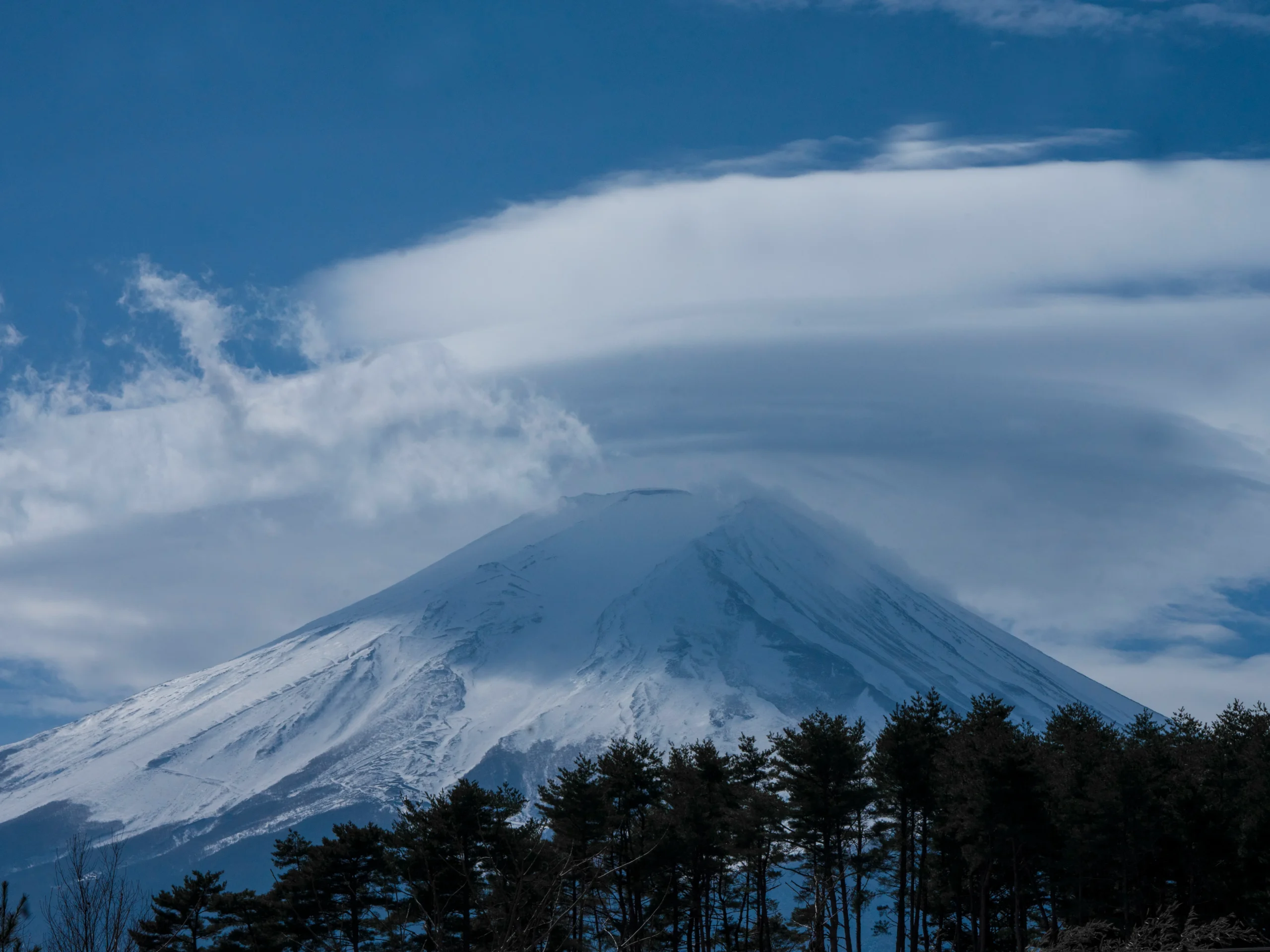
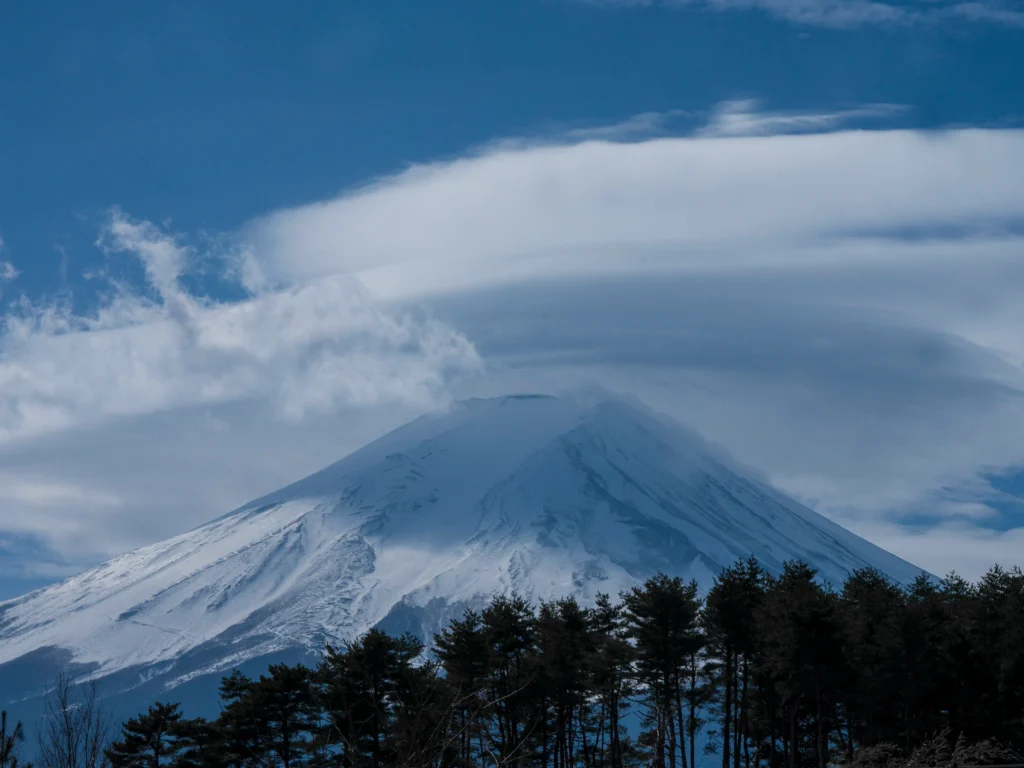
This is the king of seasons for Fuji viewing. The air is at its driest and clearest, leading to the highest probability of seeing the mountain in its full, majestic glory. The snow cap is at its thickest, creating the iconic image of Japan. While temperatures can be cold, the reward is magnificent, unobstructed views and fewer tourists.
•Pros: Highest visibility, beautiful snow cap, fewer crowds.
•Cons: Cold temperatures, potential for snow or ice on roads.
•Don’t Miss: Diamond Fuji (sunrise/sunset over the peak) from Lake Yamanaka.
Spring (April – May): A Fleeting, Floral Beauty
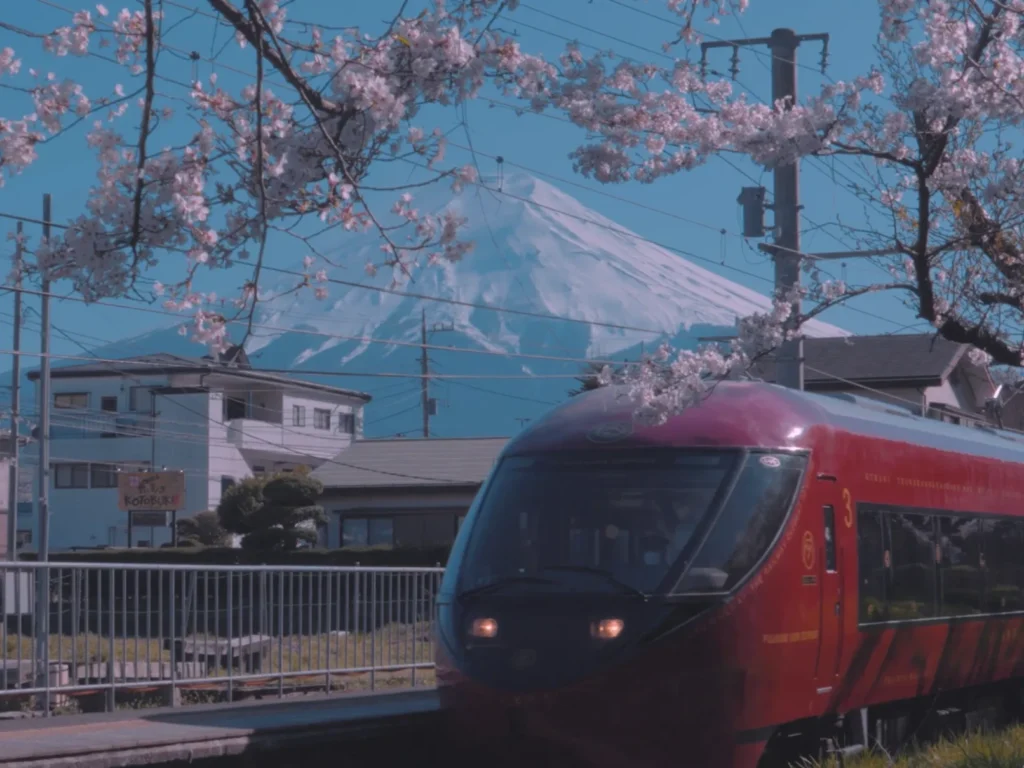
Spring brings the world-famous cherry blossoms, offering a chance to capture the quintessential photo of sakura framing Mt. Fuji. However, this season is a gamble. As temperatures rise, so does haze and cloud cover, significantly reducing visibility compared to winter. Mornings offer the best chance before afternoon clouds build up.
•Pros: Cherry blossoms, pleasant weather.
•Cons: Unstable weather, increasing haze, crowds during Golden Week (late April to early May).
•Don’t Miss: The Chureito Pagoda with cherry blossoms (typically early to mid-April).
Summer (June – September): The Season of Climbing
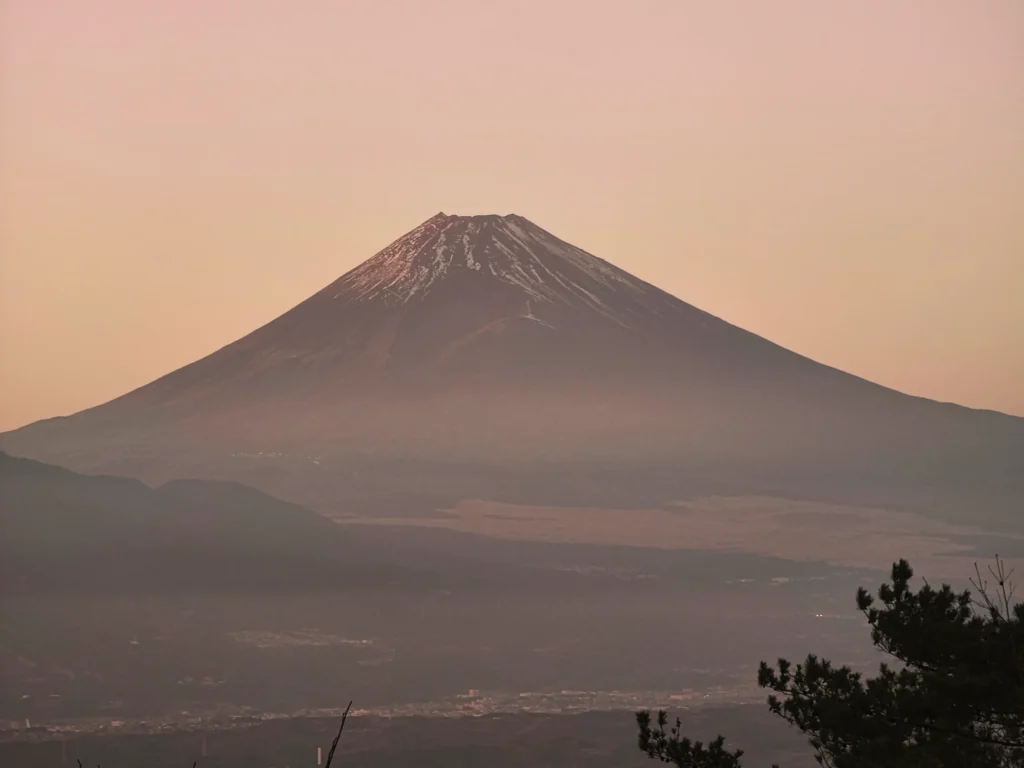
Summer is the official climbing season (early July to early September), but it’s ironically the worst season for viewing the mountain from afar. The rainy season (June to mid-July) and high humidity create a persistent haze and cloud cover, often hiding the mountain for days on end. If you’re climbing, you may get great views from above the clouds, but don’t expect clear panoramas from the Fuji Five Lakes region.
•Pros: Official climbing season is open, warm weather.
•Cons: Lowest visibility, rainy season, typhoons, no snow cap.
•Don’t Miss: The experience of climbing the mountain itself.
Autumn (October – November): A Splash of Color
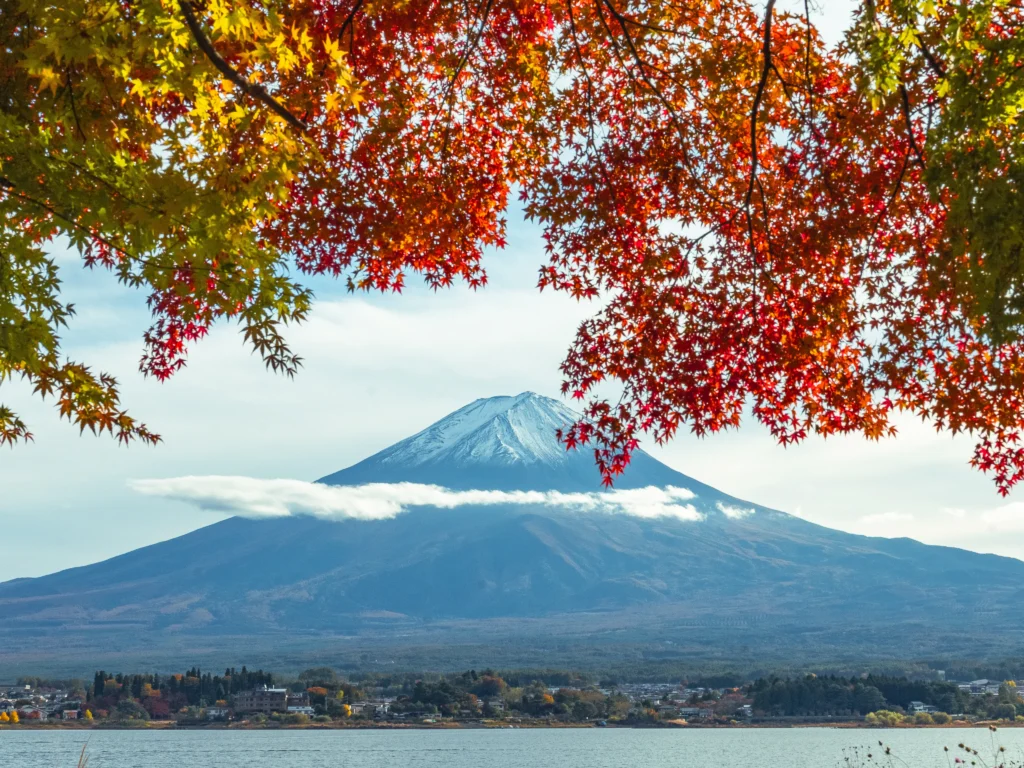
As the summer humidity subsides, a second window of clear skies opens up. Autumn offers a spectacular combination of crisp air and the vibrant colors of autumn foliage. The area around Lake Kawaguchiko becomes a canvas of red, orange, and yellow, perfectly complementing the now snow-dusted peak of Mt. Fuji. November, in particular, rivals winter for its excellent visibility.
•Pros: Beautiful autumn colors, pleasant weather, good visibility.
•Cons: Can be crowded during peak foliage season.
•Don’t Miss: The Fuji Kawaguchiko Autumn Leaves Festival (Momiji Matsuri).
What’s Your Goal? A Quick Guide to the Best Season
To find your personal best time to visit, match your travel goals with the right season using this handy table.
| Your Main Goal | Recommended Month(s) | Key Points & Considerations |
| See a Crystal-Clear, Snow-Capped Fuji | December, January | Highest chance of clear skies. Pack for cold weather. |
| Photograph Cherry Blossoms & Fuji | Early to Mid-April | Timing is crucial as bloom dates vary. Weather can be unpredictable. |
| Enjoy Autumn Leaves & Fuji | Early to Mid-November | Lake Kawaguchiko is famous for its Momiji (maple leaf) tunnel. |
| Climb to the Summit of Mt. Fuji | July, August | This is the official climbing season. Book mountain huts well in advance. |
| See the “Diamond Fuji” Phenomenon | Late October – February | Sunrise/sunset aligns with the peak. Check specific dates for Lake Yamanaka. |
Frequently Asked Questions (FAQ)
Q1: Can I still see Mt. Fuji in the summer?
Yes, but it’s challenging. Your best bet is very early in the morning before clouds and haze build up. The chances of a clear view in the afternoon are very low, often below 20%.
Q2: When does the snow cap appear and disappear?
The snow cap typically appears in late October or early November and lasts until late June. For the classic snow-covered look, avoid the summer months.
Q3: Is morning or evening better for viewing Mt. Fuji?
Early morning is almost always better. Data shows that visibility scores between 3:00 AM and 6:00 AM are, on average, 12 points higher than at midday across all seasons.
Conclusion: Plan for the Best, Prepare for the Rest
While winter is statistically the best time to see Mt Fuji, every season offers a unique charm. By understanding the monthly visibility patterns and seasonal characteristics, you can plan a trip that maximizes your chances of a spectacular view. Use this guide to pick your ideal season, and get ready for an unforgettable experience with Japan’s most sacred mountain.
Sources
[1] isfujivisible.com – Best Months to See Mount Fuji
[2] fujisan-climb.jp – Official Web Site for Mt. Fuji Climbing
[3] Live Japan – Will Mt. Fuji Be Visible During My Trip?

- Mt. Fuji Night Climb — A Visual Journey From Dusk to Dawn
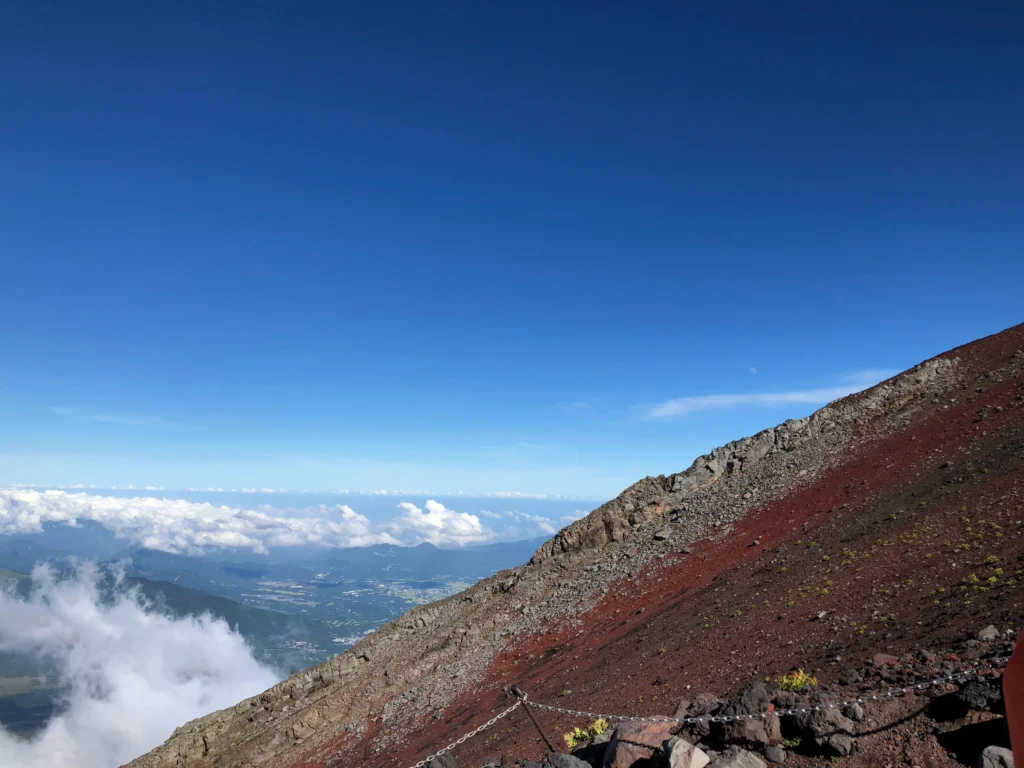 Mt. Fuji Night Climb 2026: 12-… 続きを読む: Mt. Fuji Night Climb — A Visual Journey From Dusk to Dawn
 - Mt. Fuji Huts 2026: Rooms, Meals & Booking Rules [7 Photos]
![Mt. Fuji Huts 2026: Rooms, Meals & Booking Rules [7 Photos]](https://hiddenjapan-gems.com/wp-content/uploads/2026/04/top2.webp) 2026 Update: Yoshida Trail gat… 続きを読む: Mt. Fuji Huts 2026: Rooms, Meals & Booking Rules [7 Photos]
2026 Update: Yoshida Trail gat… 続きを読む: Mt. Fuji Huts 2026: Rooms, Meals & Booking Rules [7 Photos] - Mt. Fuji Sunrise (Goraiko) Photo Guide
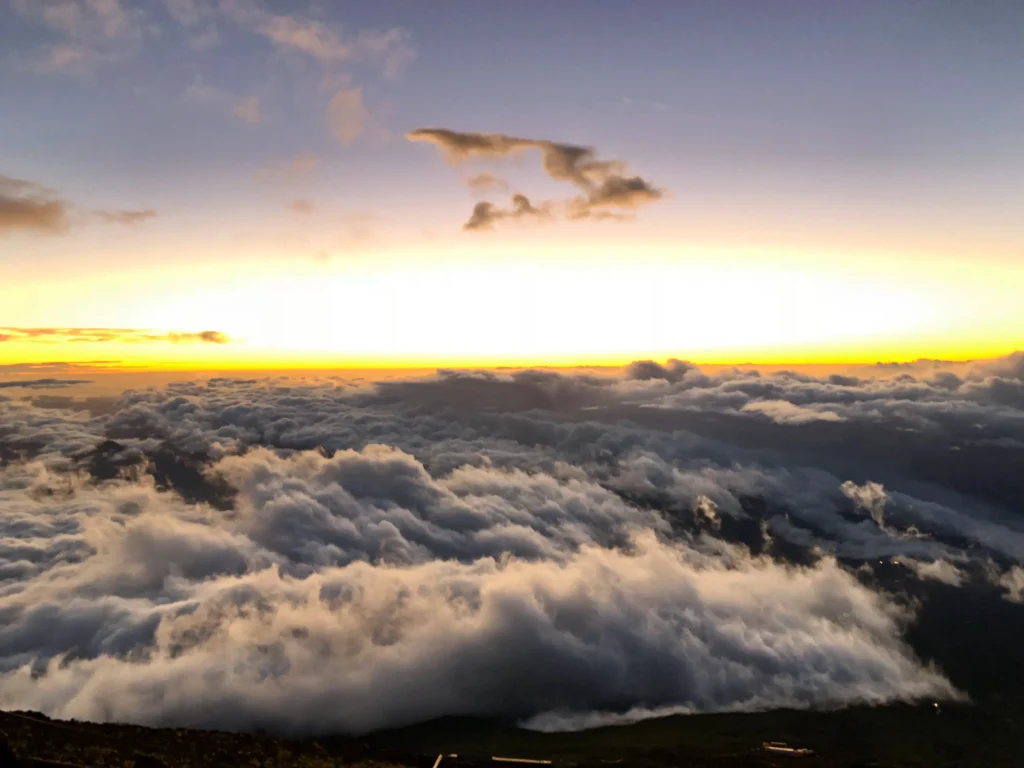 Mt. Fuji Sunrise 2026: Hour-by… 続きを読む: Mt. Fuji Sunrise (Goraiko) Photo Guide
 - Climbing Mt. Fuji 2026: 4 Trails, New Rules & Costs
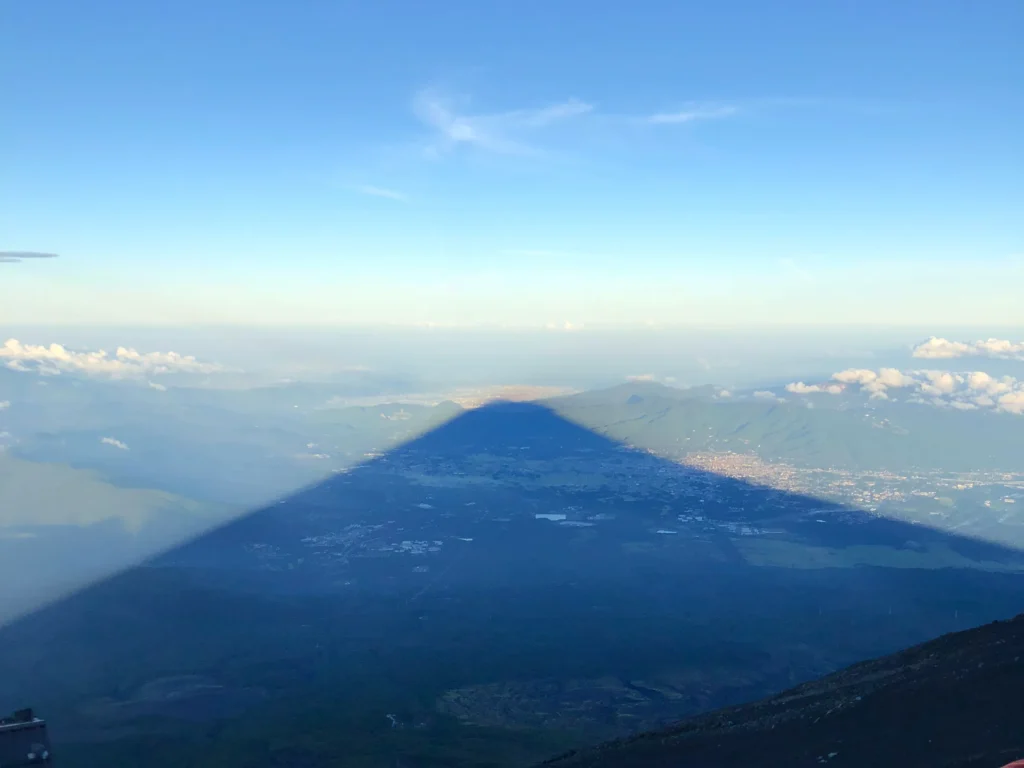 Last Updated: April 2026 2026 … 続きを読む: Climbing Mt. Fuji 2026: 4 Trails, New Rules & Costs
 - Kuonji’s 5 AM Bell: A Traveler’s Guide to Morning Prayers at Minobusan
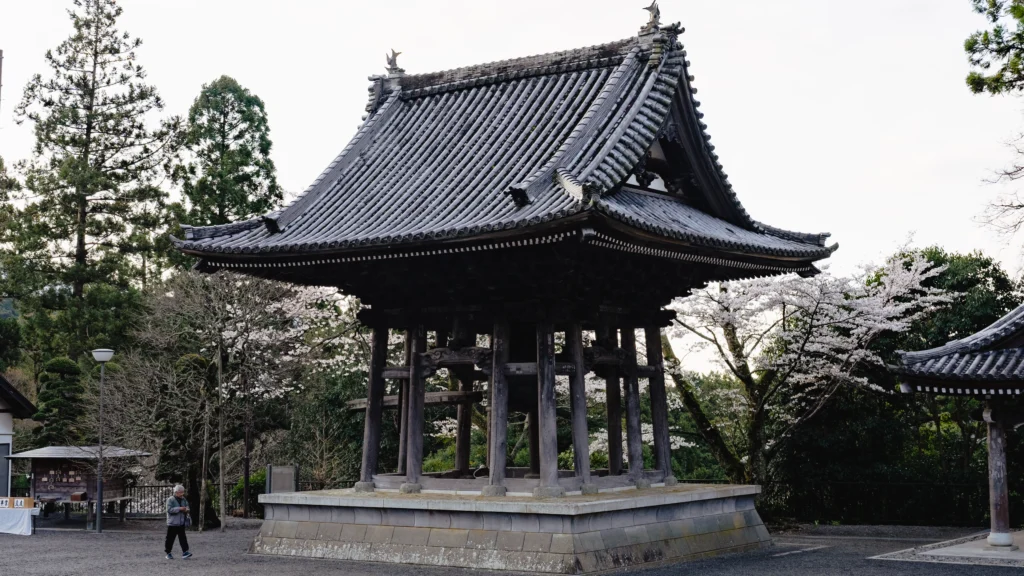 2026 Update: As of October 202… 続きを読む: Kuonji’s 5 AM Bell: A Traveler’s Guide to Morning Prayers at Minobusan
2026 cherry blossom cherry blossoms day trip from tokyo flower festival fuji five lakes fujiyoshida Fukuoka fushimi hanami hiking japan japanese culture japanese food japanese garden japan travel kamakura kawagoe kawaguchiko Kumamoto kyoto local food Mount Fuji mt fuji Nagano nature Nikko Oku-Nikko Onsen Ramen saitama sakura Shizuoka shrine sightseeing snow spring in japan Tochigi Tokyo travel travel guide travel planning winter winter travel Yamanashi
Join 1,000+ travelers discovering Japan's hidden side
Weekly dispatches from off-the-beaten-path Japan — spots and stories you won't find in guidebooks.
No spam. Unsubscribe anytime.
Welcome aboard!
You're in. See you in your inbox soon.
[…] the journey from the bustling metropolis of Tokyo to the serene landscapes of Lake Kawaguchiko, the gateway to Mt. Fuji, can often feel like the first challenge of your trip. With multiple […]
[…] Fuji, Lake Yamanakako offers some of the most breathtaking views in Japan, from the iconic “Diamond Fuji” to serene swans gliding on its waters at sunrise. Planning your trip to this stunning […]
[…] you see the iconic image of a five-storied pagoda with Mount Fuji soaring in the background, you’re looking at Arakurayama Sengen Park. But many visitors take […]