
Travel Tips · 2026–2027
Japan New Year Closures 2026–2027
January 1 is the only public holiday — but the country effectively closes for a full week. Most travelers expect a single day off. The reality is closer to Christmas in the West: a private, family-centered holiday that empties out shops, banks, and small restaurants from Dec 29 through Jan 4.
The 8-Day Window
Peak shutdown — most businesses closed Reduced operations — limited services
What This Article Explains
This guide clarifies the central problem for travelers during the New Year period: widespread and inconsistent business closures. While January 1st is the only official public holiday, the functional shutdown period is much longer — typically Dec 29 to Jan 4. We cover the cultural context, which sectors close, and how to find food, money, and activities during this quiet week.
The New Year Holiday: A Quiet, Family-Focused Period
Travelling over New Year? This is Japan’s busiest domestic travel week — accommodation and reserved seats sell out well ahead. Book your base early on Booking.com, and if you’re moving between cities, lock a JR Pass before seats tighten.
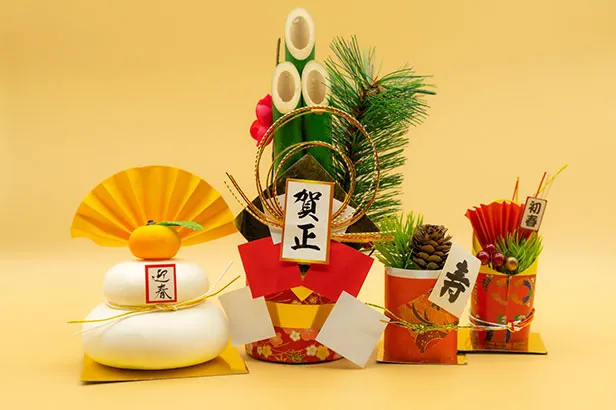
Unlike the festive, public celebrations of New Year in many Western countries, Japan’s New Year (shōgatsu) is a quiet, private affair centered on family. It is the most important holiday in the Japanese calendar — comparable to Christmas in cultural significance.
Most people travel back to their hometowns to spend time with relatives, eat traditional foods, and visit a local shrine or temple. This mass domestic migration is what leads to the shutdown of urban businesses and the intense crowding on long-distance transportation just before and after the core holiday.
Which Businesses Close? A Sector-by-Sector Breakdown
Closures are not uniform, but the pattern is predictable. Here is what to expect from each sector during Jan 1–3.
Convenience Stores
Your most reliable source for food, drinks, and basic supplies. Some suburban locations may have reduced hours, but 7-Eleven, FamilyMart, and Lawson are open 24/7.
Fast Food Chains
McDonald’s, KFC, Yoshinoya, Matsuya — generally open and dependable. Hot meals when small restaurants are dark.
Hotels & Ryokans
Accommodation runs as normal; in-house restaurants are a key dining option, though they may require reservations.
Shrines & Temples
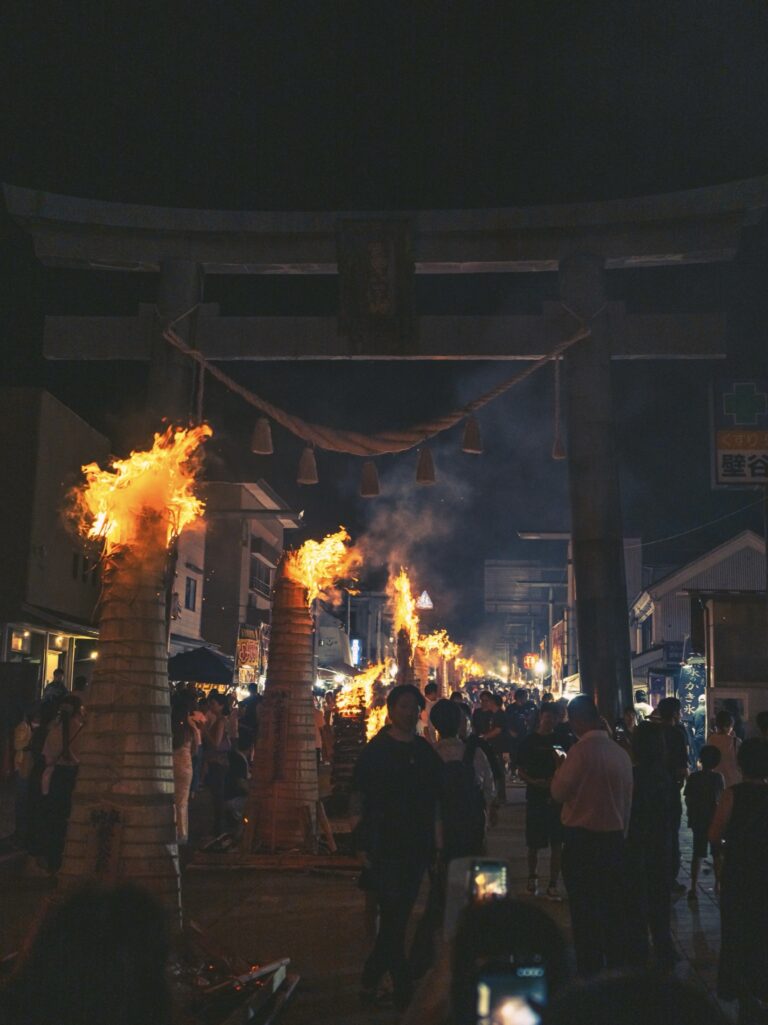
The center of New Year activity. Millions visit for hatsumōde — the year’s first prayer. Expect dense crowds and a festive atmosphere.
Large Department Stores
Mitsukoshi, Takashimaya, Isetan — closed New Year’s Day, reopening Jan 2 with major sales and fukubukuro (lucky bags).
Small / Local Restaurants
Almost all closed. Family-run eateries take their only major break of the year. Don’t rely on finding small independent spots.
Banks & Post Offices
All banking services shut, including most ATMs. Withdraw the cash you need before Dec 29.
Museums & Galleries
Most national and municipal museums shut for several days. Check the official site for each institution before going.
Small Retail Shops
Independent shops close, especially on January 1. Boutique streets and side-street stores will be quiet.
How to Find Places That Are Open
When you’re on the ground, focus on the categories that are known to operate. Your options will be limited but predictable.
Head to major train stations
Large commercial complexes — Tokyo Solamachi at the base of Skytree, the malls inside major hubs — usually keep shops and restaurants running, especially from Jan 2.
Rely on convenience stores
For meals, snacks, and drinks, a konbini is your most dependable option. Almost always open 24/7, and the food is genuinely good.
Eat at your hotel or a fast-food chain
Hotel restaurants will be operating, and international and domestic fast-food chains are a safe bet for a hot meal.
Recommended Itinerary for January 1st to 3rd
Instead of fighting the closures, lean into the cultural experiences available only this week. This is not the time for a typical sightseeing schedule.
Day 1
Jan 1
Experience Hatsumōde
The most important tradition of the Japanese New Year. Visit Meiji Jingu in Tokyo or Fushimi Inari Taisha in Kyoto. Crowds are intense but the atmosphere is festive and memorable. Eat from the food stalls (yatai) set up at the shrine.
Day 2
Jan 2
Imperial Greeting + Sales
In Tokyo, head to the Imperial Palace for the Emperor’s New Year Greeting — one of only two days a year the inner grounds are open. Then visit a department store like Mitsukoshi or Isetan for the first sales of the year and fukubukuro (lucky bags).
Day 3
Jan 3
Open Attractions
Aquariums (Sumida Aquarium runs through the holiday) and observation decks tend to stay open. Or just enjoy the quiet of a city park or garden — but check holiday schedules first.
Practical Takeaways
- Main shutdown is Dec 29 – Jan 4, with the deepest closures Jan 1–3.
- Withdraw cash before Dec 29 — bank and post-office ATMs go dark.
- Convenience stores are the lifeline for food, drinks, and basic supplies.
- Don’t plan museum visits — most are closed.
- Embrace cultural activities — hatsumōde at a shrine is unique to this week.
- Book accommodation with dining — your hotel restaurant may be one of the few reliable places to eat.
Planning a Trip Over the New Year Holidays?
Summary
Traveling in Japan during New Year offers a unique cultural window — but it requires planning. The country runs on a reduced schedule from roughly Dec 29 to Jan 4, with the deepest closures Jan 1–3. Small businesses, banks, and museums close. Your reliable options are convenience stores, fast-food chains, and hotel restaurants. Plan around the closures, lean into hatsumōde and the year’s first sales, and let yourself experience Japan at its quietest.
Pack for the cold while you plan: a New Year cold snap and snow are expected over the holiday period.
Once the closures lift, the first big tradition is hatsumode, Japan’s first shrine visit of the year — here’s how to do it.
If you’re traveling through the holidays, it helps to know the weather too: I covered the year-end cold wave that follows Japan’s record warmth.
Join 1,000+ travelers discovering Japan's hidden side
Weekly dispatches from off-the-beaten-path Japan — spots and stories you won't find in guidebooks.
No spam. Unsubscribe anytime.
Welcome aboard!
You're in. See you in your inbox soon.