
Planning a trip to Japan for its world-famous cherry blossom season?
This region-by-region guide is updated for the 2027 season. The first official 2027 forecasts arrive between January and March; until then, the typical windows below are the planning baseline.
This guide provides a region-by-region breakdown of the sakura season, from the first bloom in Tokyo to the final petals in Hokkaido, based on typical-year bloom windows, updated as the 2027 forecasts are released.
In a typical year, the cherry blossom front starts in Tokyo in the fourth week of March, with the front then sweeping the country over six weeks toward Hokkaido. It typically runs slightly earlier than usual.
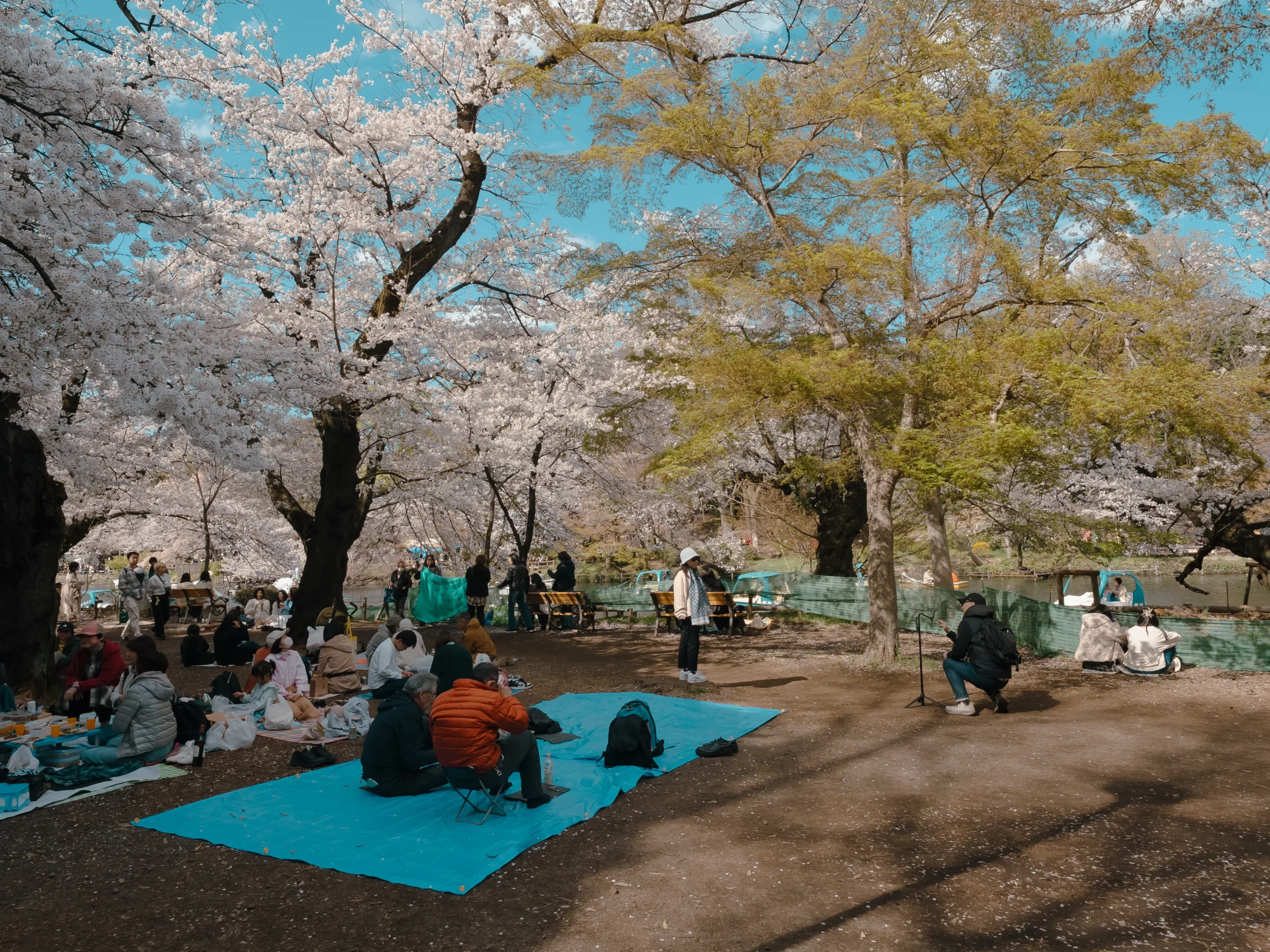
Use this guide to find the perfect time and place for your hanami (cherry blossom viewing) adventure.
Flights for spring: check Trip.com fares early — late-March arrivals are the first to sell out.
Table of Contents
Quick Facts: Cherry Blossom Season
Here are the key facts for planning the 2027 season.
| Feature | Details |
| First Expected Bloom | Tokyo and Fukuoka, typically in the fourth week of March |
| Peak Season (Honshu) | Late March to Early April |
| Hokkaido Arrival | Late April (Hakodate: April 23) |
| Overall Trend | Average to slightly early bloom in most areas; significantly early in Northern Japan. |
| Primary Source | Weathernews Inc. and JMA 30-year averages (2027 forecasts added as released) |
Cherry blossom dates for major cities (at a glance)
These are the 30-year average dates observed by the Japan Meteorological Agency (1991–2020); the 2027 forecast values replace them as the JMA releases them. For the full picture, see the region-by-region tables below.
| City | Opens (kaika) | Peak (mankai) |
|---|---|---|
| Fukuoka | March 22 | March 31 |
| Tokyo | March 24 | March 31 |
| Nagoya | March 24 | April 2 |
| Hiroshima | March 25 | April 3 |
| Kyoto | March 26 | April 4 |
| Osaka | March 27 | April 4 |
| Sendai | April 8 | April 13 |
| Sapporo | May 1 | May 6 |
Japan Cherry Blossom Front, Region by Region
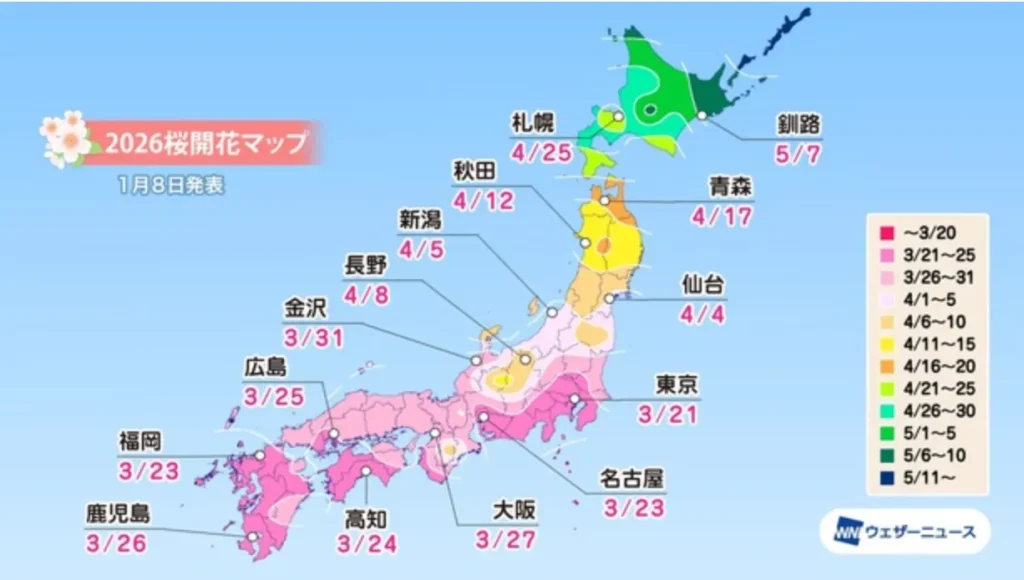
This map provides a nationwide overview of the expected first blooming dates for major cities across Japan. The sakura front typically moves from the southwest to the northeast.
Flights for spring: check Trip.com fares early — late-March arrivals are the first to sell out.
Regional Forecasts
Japan’s long archipelago means the cherry blossom season spans nearly two months. Here’s a breakdown by region.
Kyushu Region
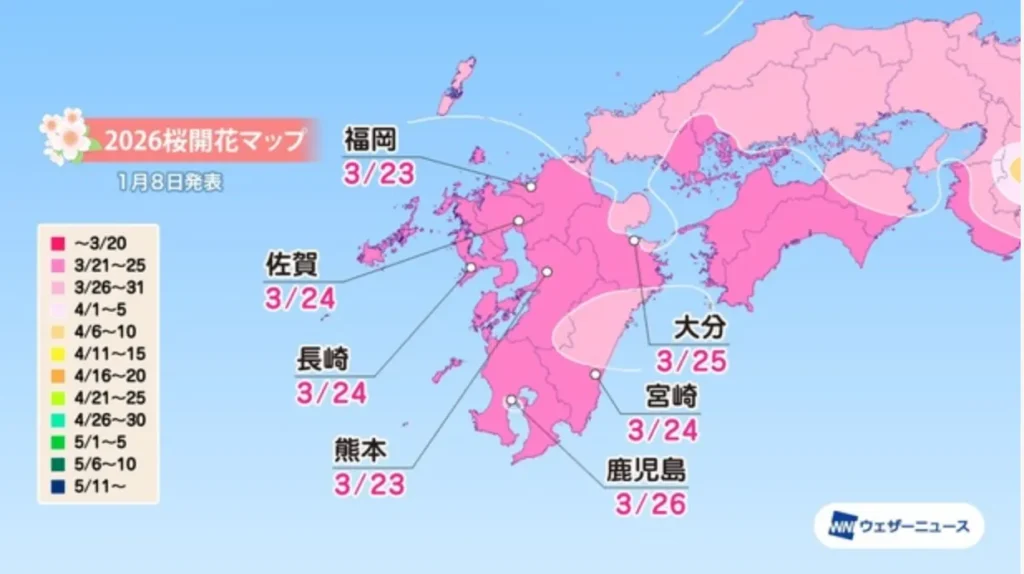
Blooming in Kyushu is expected to be average for the season, starting in late March.
| City | Forecasted Bloom Date |
| Fukuoka | Late March |
| Kumamoto | Late March |
| Nagasaki | Late March |
| Saga | Late March |
| Miyazaki | Late March |
| Oita | Late March |
| Kagoshima | Late March |
Flights for spring: check Trip.com fares early — late-March arrivals are the first to sell out.
Chugoku & Shikoku Regions
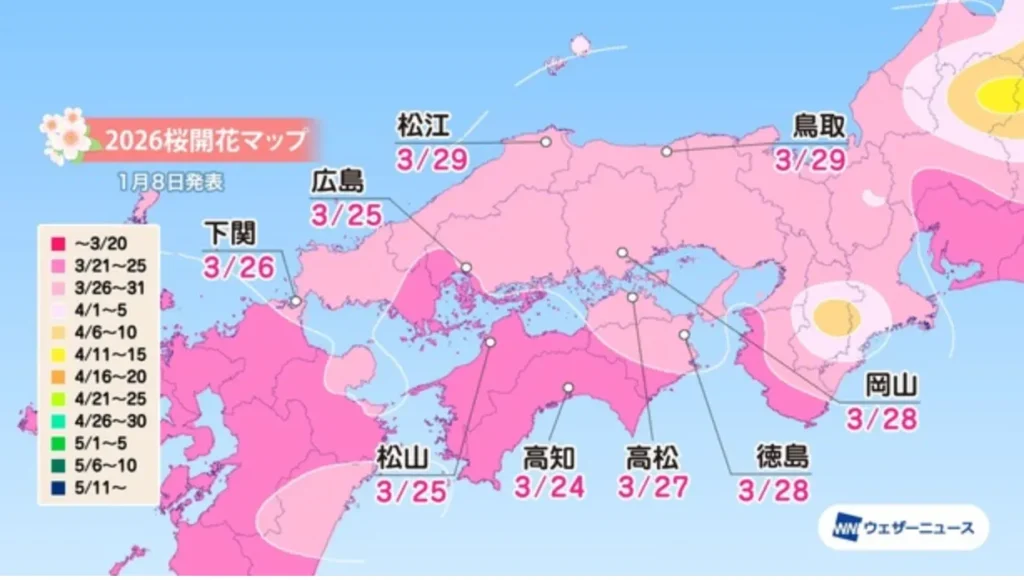
These regions are also expecting an average bloom time, starting in the last week of March.
| City | Forecasted Bloom Date |
| Kochi | Late March |
| Hiroshima | Late March |
| Matsuyama | Late March |
| Takamatsu | Late March |
| Okayama | Late March–early April |
| Tokushima | Late March–early April |
| Matsue | Late March–early April |
| Tottori | Late March–early April |
Flights for spring: check Trip.com fares early — late-March arrivals are the first to sell out.
Kinki (Kansai) Region
Expect blossoms to appear in line with average years, starting around March 25th.
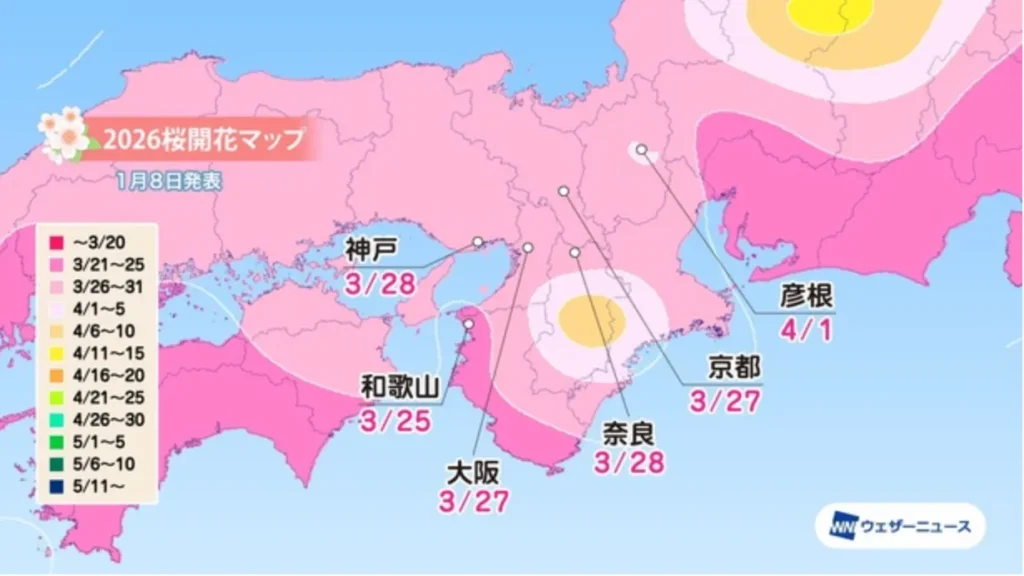
| City | Forecasted Bloom Date |
| Wakayama | Late March |
| Kyoto | Late March |
| Osaka | Late March |
| Kobe | Late March–early April |
| Nara | Late March–early April |
Flights for spring: check Trip.com fares early — late-March arrivals are the first to sell out.
Tokai Region
The Tokai region’s forecast is also for an average season, starting in late March.
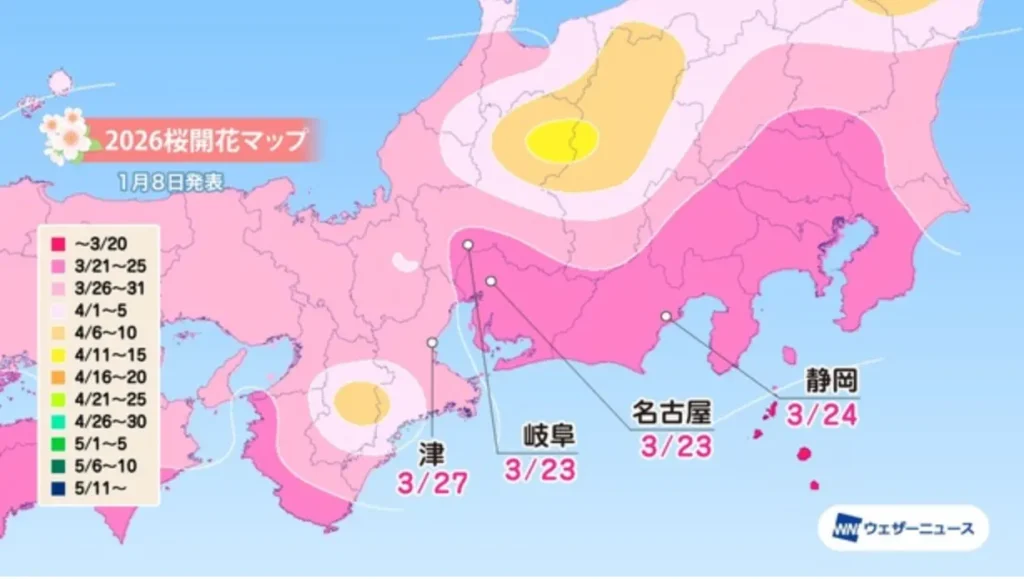
| City | Forecasted Bloom Date |
| Nagoya | Late March |
| Gifu | Late March |
| Shizuoka | Late March |
| Tsu | Late March |
Flights for spring: check Trip.com fares early — late-March arrivals are the first to sell out.
Kanto-Koshin Region
Tokyo is often among the first major cities in Japan to see cherry blossoms — the Kanto region typically opens in the fourth week of March.
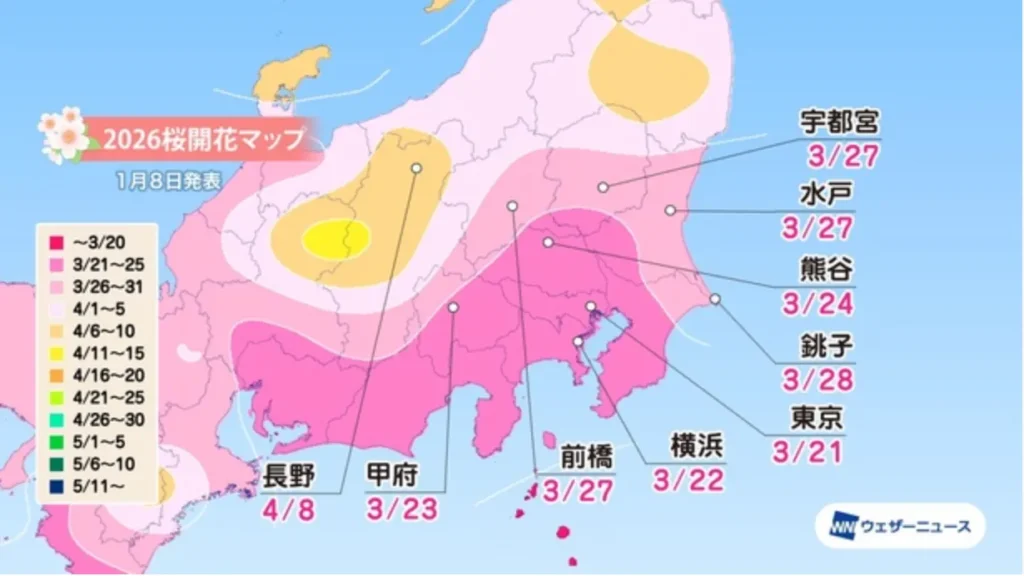
| City | Forecasted Bloom Date |
| Tokyo | Late March (typically among the earliest) |
| Yokohama | Late March |
| Kofu | Late March |
| Maebashi | Late March |
| Utsunomiya | Late March |
| Nagano | Early–mid April |
Flights for spring: check Trip.com fares early — late-March arrivals are the first to sell out.
Hokuriku Region
This region is expecting blooms to be average or slightly early.
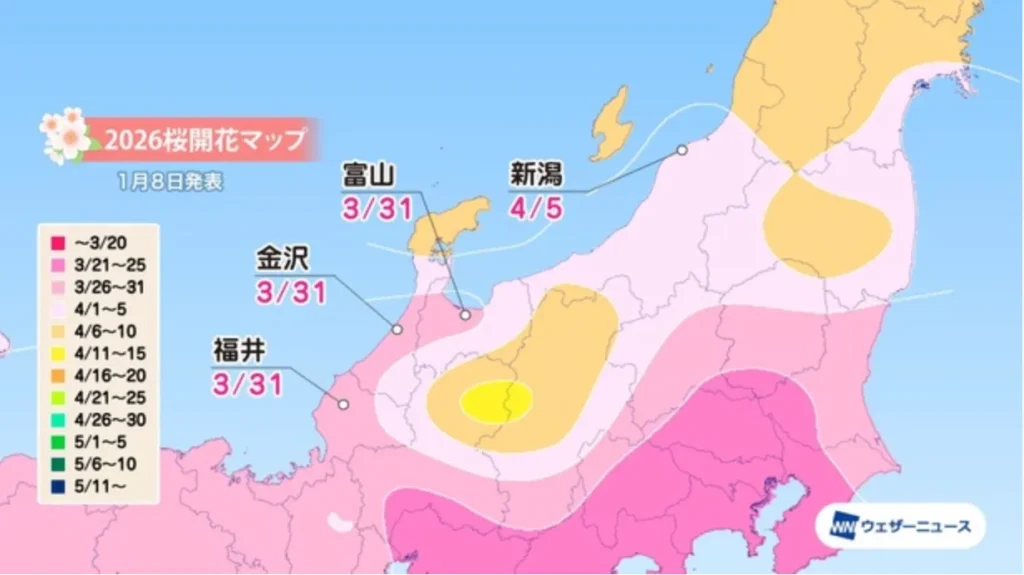
| City | Forecasted Bloom Date |
| Kanazawa | Late March–early April |
| Fukui | Late March–early April |
| Toyama | Late March–early April |
| Niigata | Early April |
Flights for spring: check Trip.com fares early — late-March arrivals are the first to sell out.
Tohoku Region
The forecast for Tohoku is for an early bloom, especially in the northern parts of the region.
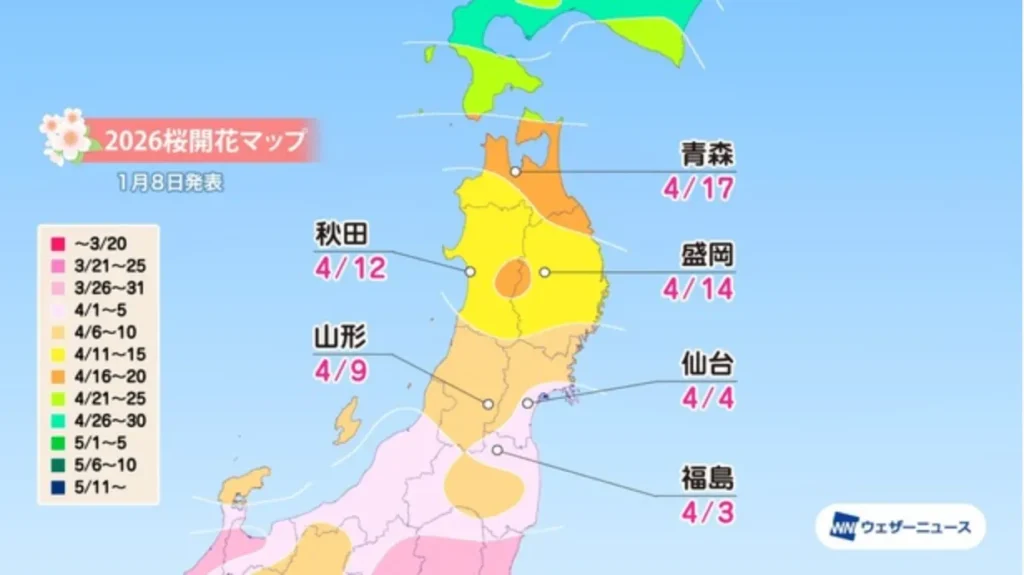
| City | Forecasted Bloom Date |
| Fukushima | Early April |
| Sendai | Early April |
| Yamagata | Early–mid April |
| Akita | Early–mid April |
| Morioka | Early–mid April |
| Aomori | Mid-April |
Flights for spring: check Trip.com fares early — late-March arrivals are the first to sell out.
Hokkaido Region
Japan’s final cherry blossoms will bloom in Hokkaido, with a forecast for a significantly earlier-than-average season.
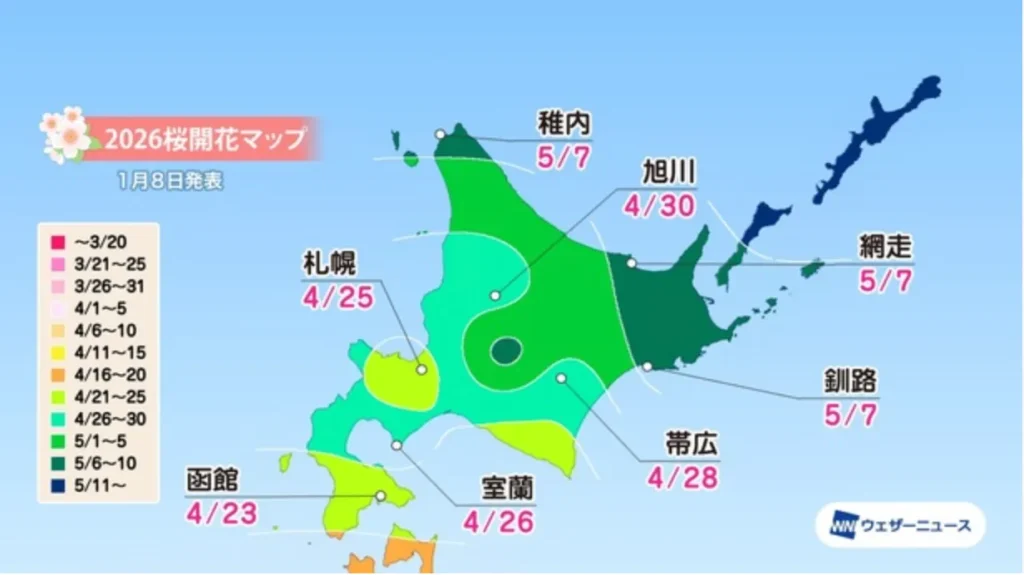
| City | Forecasted Bloom Date |
| Hakodate | Late April |
| Sapporo | Late April |
| Muroran | Late April |
| Obihiro | Late April–early May |
| Asahikawa | Late April–early May |
| Kushiro | Early May |
Flights for spring: check Trip.com fares early — late-March arrivals are the first to sell out.
Best Time to Visit for Cherry Blossoms
•Late March: Best for southern and western Japan, including Tokyo, Kyoto, Osaka, Fukuoka, and Hiroshima. This is often the most popular time for tourists.
•Early to Mid-April: Ideal for the Hokuriku region (Kanazawa) and the southern half of Tohoku (Sendai).
•Late April to Early May: The perfect window for northern Tohoku (Aomori) and southern Hokkaido (Hakodate, Sapporo).
Remember that “full bloom” (mankai) typically occurs about 5-7 days after the first bloom and lasts for about a week. This is generally considered the most beautiful time to see the blossoms.
Book ahead for sakura season: browse cherry blossom season tours and passes on Klook — spring slots fill weeks out.
Practical Tips for Your Visit
•Book Accommodation Early: The cherry blossom season is Japan’s peak travel period. Book your hotels and flights months in advance, especially for popular cities like Tokyo and Kyoto.
•Forecasts Change: This is the first forecast. Updates will be released weekly or bi-weekly as the season gets closer. Check for new information before your trip.
•Be Prepared for Crowds: Famous hanami spots will be very crowded. Consider visiting on a weekday or early in the morning for a more peaceful experience.
If you are still deciding when to book, how many buffer days to add, or whether to chase the sakura front north or south, use Nobu’s Japan cherry blossom trip planning guide alongside these dates.
Frequently Asked Questions (FAQs)
When is the best time to see cherry blossoms in Japan?
For major cities like Tokyo, Kyoto, and Osaka, the last week of March and the first week of April is predicted to be the best time. However, the season moves across the country, so the best time depends entirely on where you go.
How accurate is the cherry blossom forecast?
The initial forecasts are based on historical data and temperature models. They become more accurate as the season approaches. The forecasts released in late February and March will provide a much clearer picture.
What does u0022full bloomu0022 (mankai) mean?
Full bloom refers to the point when over 80% of the blossoms on a tree have opened. It is widely considered the peak viewing period and typically lasts for about one week.
Can I see cherry blossoms in Hokkaido in May?
Yes — in a typical year, cherry blossoms in cities like Kushiro see blossoms into early May, making it a great late-season destination.u003cbru003e
Sources
[1] Weathernews Inc. “Cherry Blossom Forecast.” Weathernews.jp,
[2] “Japan Cherry Blossom Forecast.” Walkerplus,

- Japan in October 2026: Weather, Fall Foliage Timing, Festivals & What to Pack
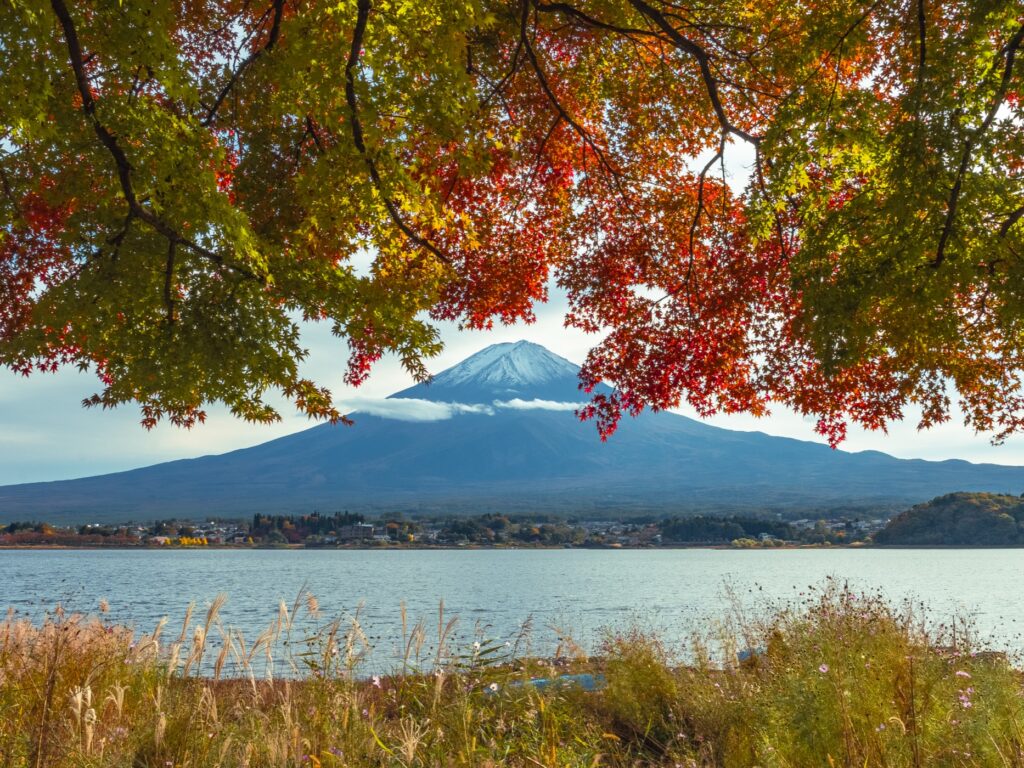 October in Japan, honestly: 22°C days, rain front-loaded into the first ten days, foliage in the Alps and Nikko (not Kyoto yet), Takayama and Kunchi festivals, and a JR Pass price rise on October 1.
 - Yoshida Fire Festival 2026: The Night Fujiyoshida Sets Its Main Street on Fire (Aug 26–27)
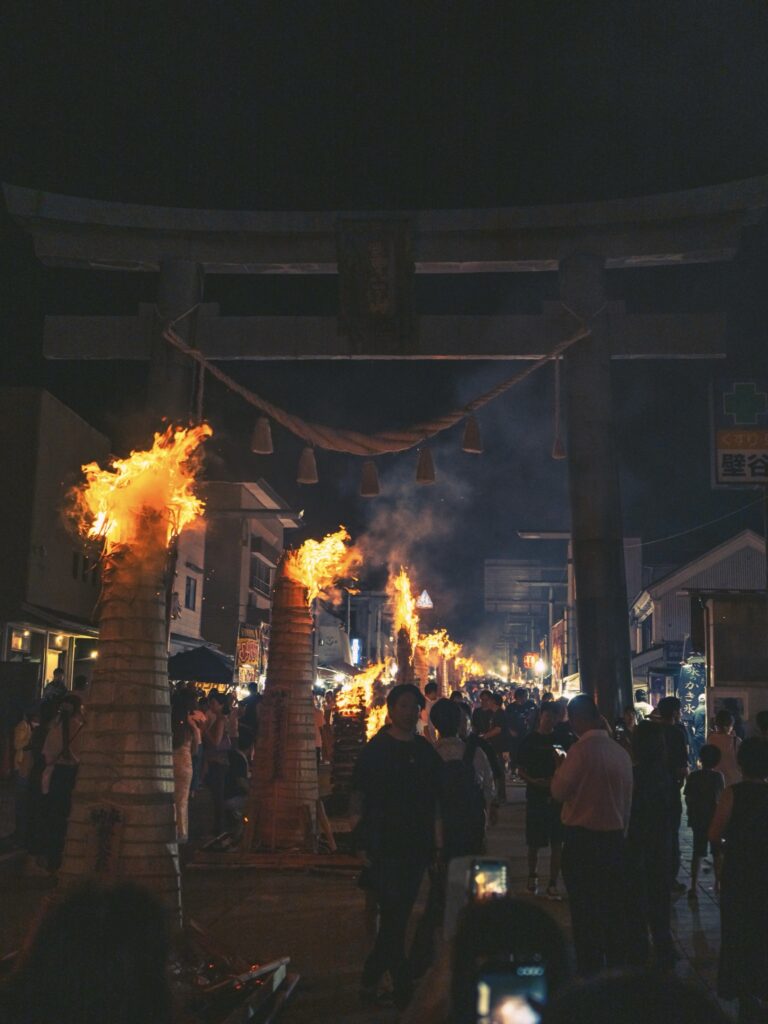 My home town’s biggest night: 2 km of three-metre torches under Mt Fuji, Aug 26–27, 2026. Times, road closures, 26 extra trains and where to stand — from a Fujiyoshida local.
 - Japanese Ryokan Stay Guide 2026: Booking, Meals, Prices & Etiquette
 How to book and stay at a ryokan: meal plans, check-in to check-out, kaiseki and dietary requests, the bathing tax, cancellation rules – plus copy-paste English templates.
 - How Many Days Do You Need in Japan? 5, 7, 10 or 14 — Compared
 Seven days is the realistic minimum for Tokyo-Kyoto-Osaka; ten is where the trip stops feeling like a checklist. The deciding math for 5, 7, 10 and 14-day Japan trips.
 - Rainbow Flower Festival 2026: 80,000 Autumn Blooms Under Mt Fuji (Aug 29 – Oct 12)
 The shibazakura fields’ quieter autumn act: 80,000 zinnias under Mt Fuji at Fuji Motosuko Resort, Aug 29–Oct 12, 2026. Tickets, dogs, Peter Rabbit’s birthday, and how to dodge Silver Week.
Keep reading on Hidden Japan Gems
- Japan Cherry Blossom Tracker: live 2027 bloom board
- 7 Days in Kansai: A Journey Beyond Kyoto to Hidden Temples & Sacred Trails
- Wisteria in Japan: 10 Stunning Spots Beyond Ashikaga [With Map]
- Inokashira Park Cherry Blossoms 2026: A Local’s Guide to Tokyo’s Serene Hanami Spot
- Yodo Suiro Kawazu Cherry Blossoms: Kyoto’s Best-Kept Secret for Early Sakura
- Gion Matsuri 2026: Yoiyama Dates, 33 Floats & Tsuki Hoko Guide
Join 1,000+ travelers discovering Japan's hidden side
Weekly dispatches from off-the-beaten-path Japan — spots and stories you won't find in guidebooks.
No spam. Unsubscribe anytime.
Welcome aboard!
You're in. See you in your inbox soon.