Yamanashi · Kawaguchiko · Bakery
Pandian is a natural-yeast bakery on the shore of Lake Kawaguchi, set in a weathered wooden house up a flight of stone steps, where the bread is baked in a wood-fired oven fuelled by trees from Mt Fuji’s foothills and mixed with the mountain’s spring water. Its dense, chewy loaves are the draw for hard-bread lovers; the rice-flour steamed buns, sweetened with kōji, are the soft counterpoint. It opened here in May 2021 after moving from Tokyo, and it’s takeout only, closed Tuesdays and Wednesdays.
I’m Nobu, and this is my pick of the bakeries around Lake Kawaguchi. It isn’t slick — you climb the stone steps into a dim, timber-and-plaster room that feels like stepping out of the modern world, and the bread on the counter is properly, unapologetically hard. Once you get past the surprise of it, though, the flavour and the sheer wheatiness win you over. Here’s what the place is, how the bread is made, and what I’d carry home.
A wooden house on the lake, up the stone steps
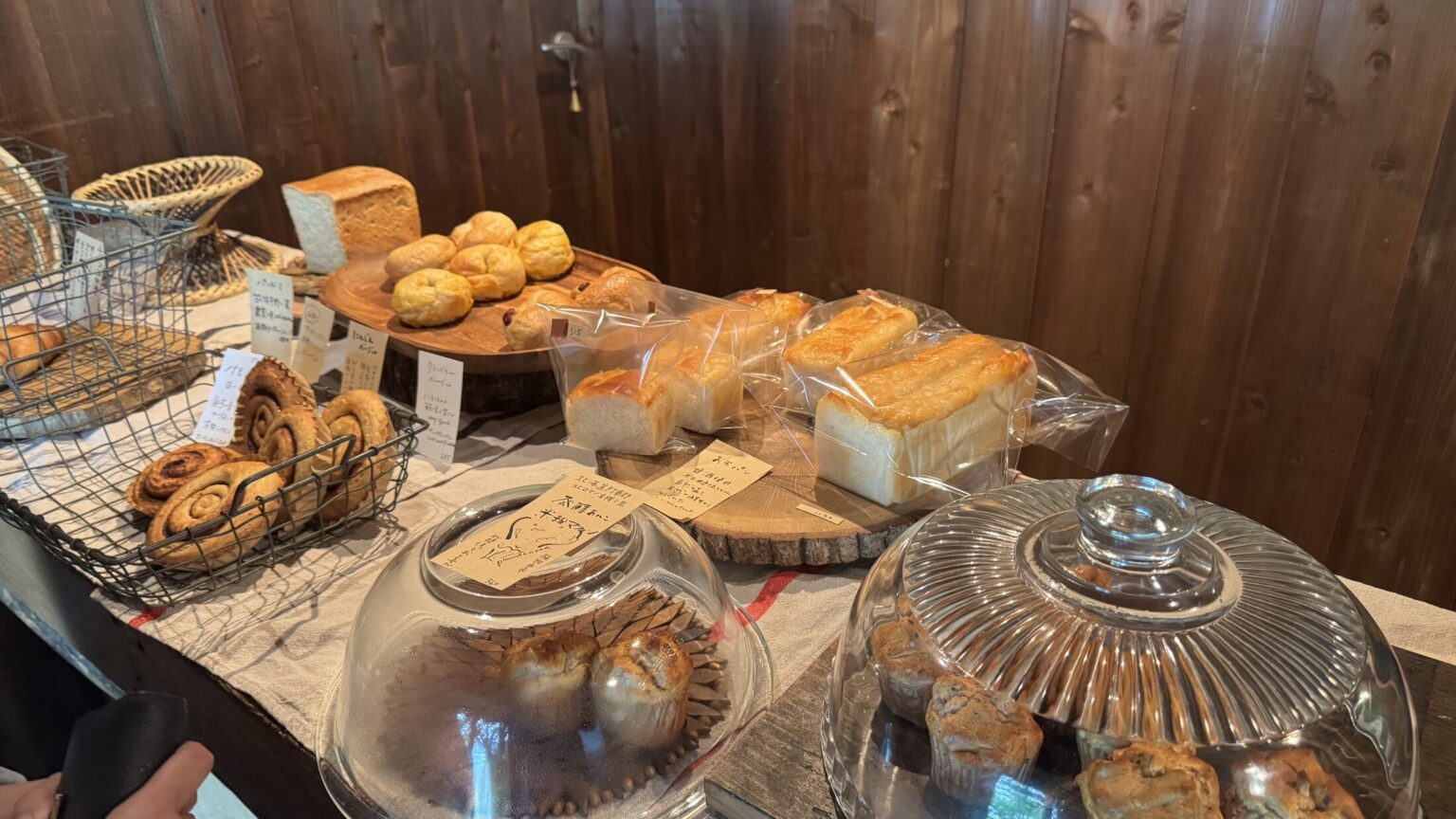
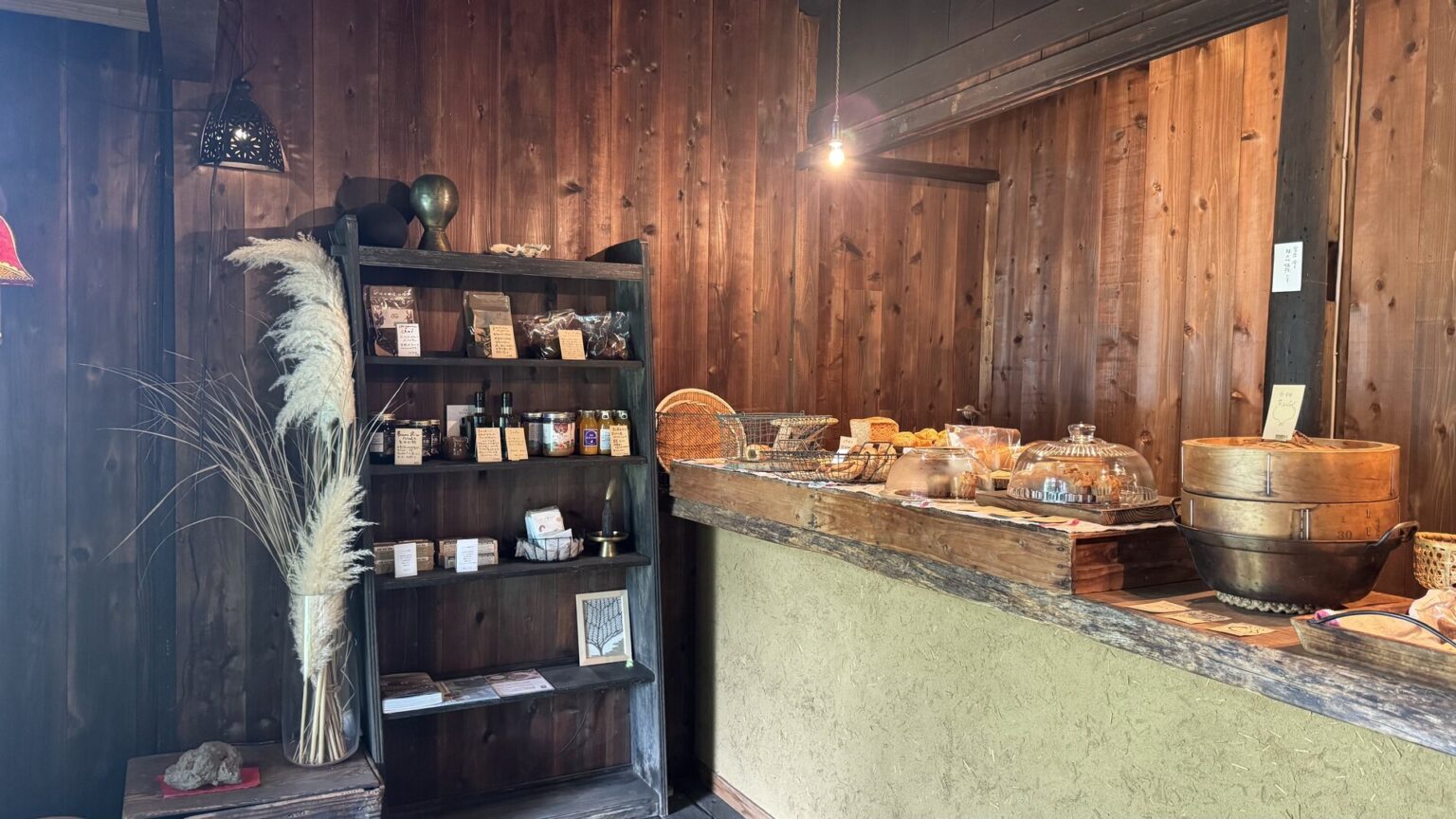
Pandian sits right along the Lake Kawaguchi shore in the Katsuyama area, in an old wooden building you reach by climbing a set of stone steps. Inside it’s dim and rustic — timber walls, a plaster counter, dried grasses in a jar, loaves stacked in baskets — the kind of room that makes you slow down and drop your shoulders. There’s no café seating; it’s takeout only (with coffee to go), so the plan is to buy your bread and take it down to the lake.
Wood-fired, natural yeast, Mt Fuji water
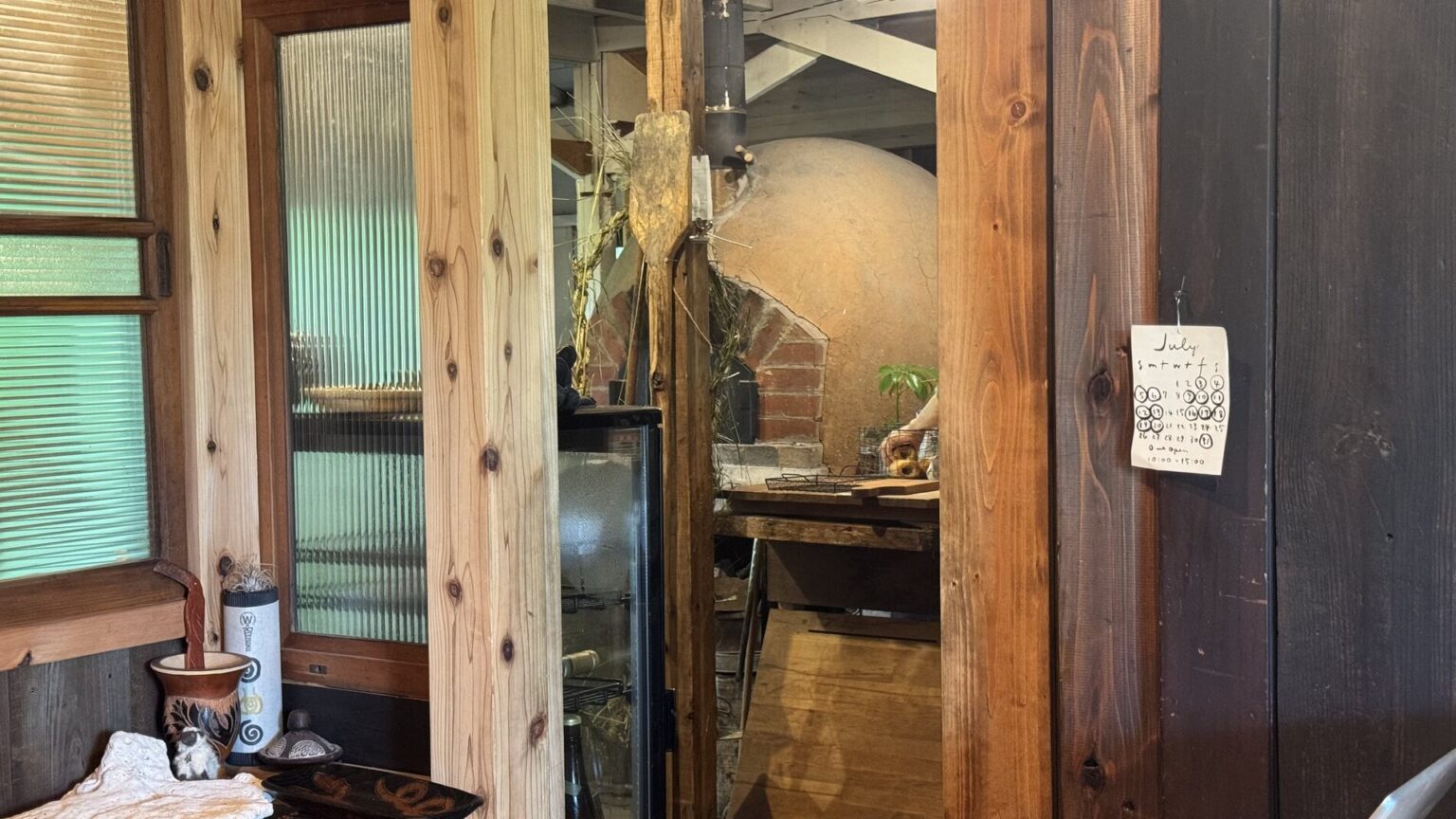
What makes the bread taste the way it does is the method behind it. Pandian bakes in a wood-fired oven, burning wood from the trees of Mt Fuji’s foothills, and works with natural yeast rather than commercial baker’s yeast. The dough is made with organic ingredients and Mt Fuji spring water, and each loaf is shaped by hand. It’s slow, deliberate baking, and you can taste the difference — the loaves come out dense and full of wheat flavour.
 The wood fire
Baked in a wood-fired oven fuelled by trees from Mt Fuji’s foothills — not a gas or electric one.
 Natural yeast
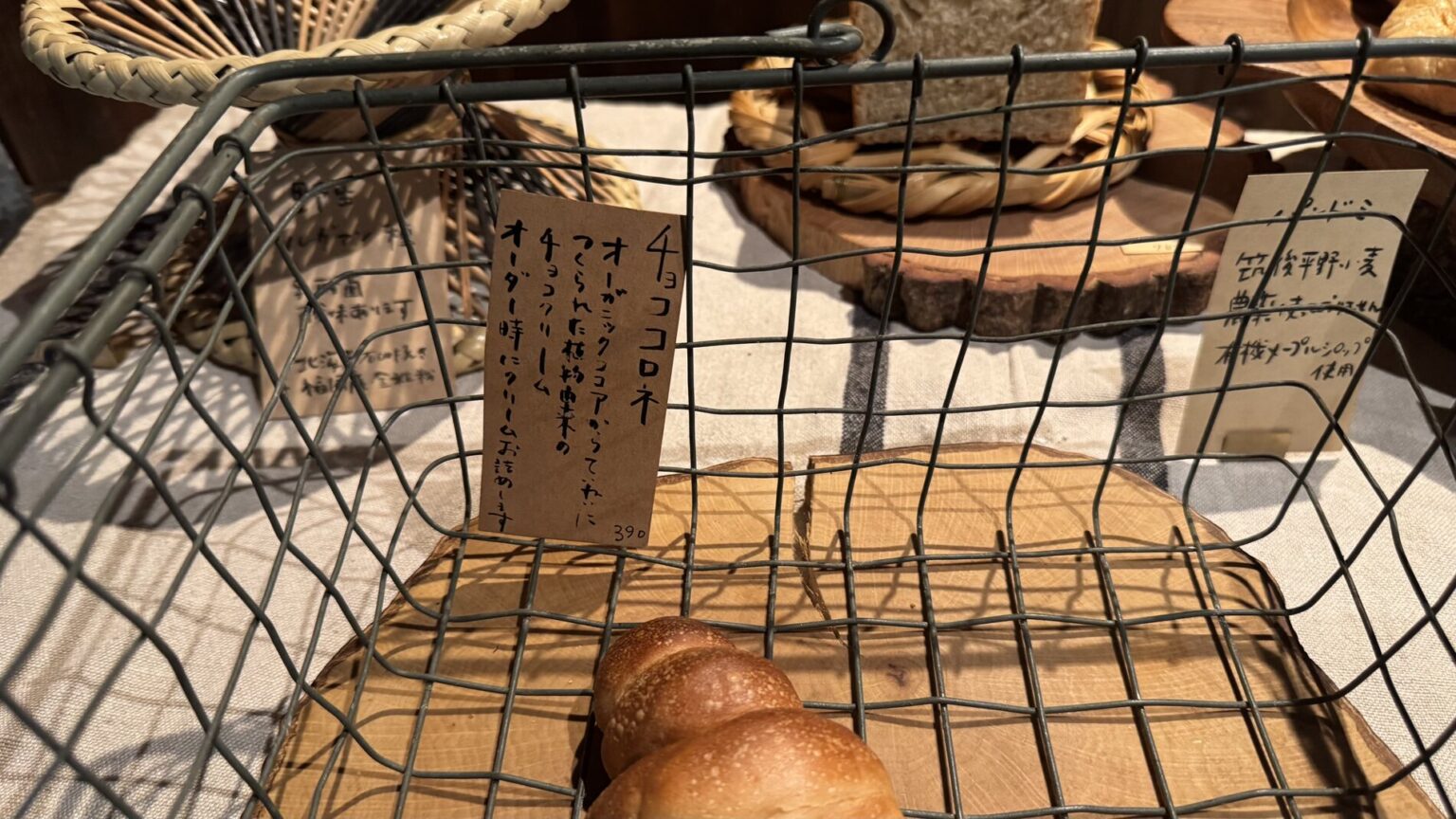
Leavened with natural yeast, made with organic ingredients and Mt Fuji spring water, and shaped by hand.
 How to eat it
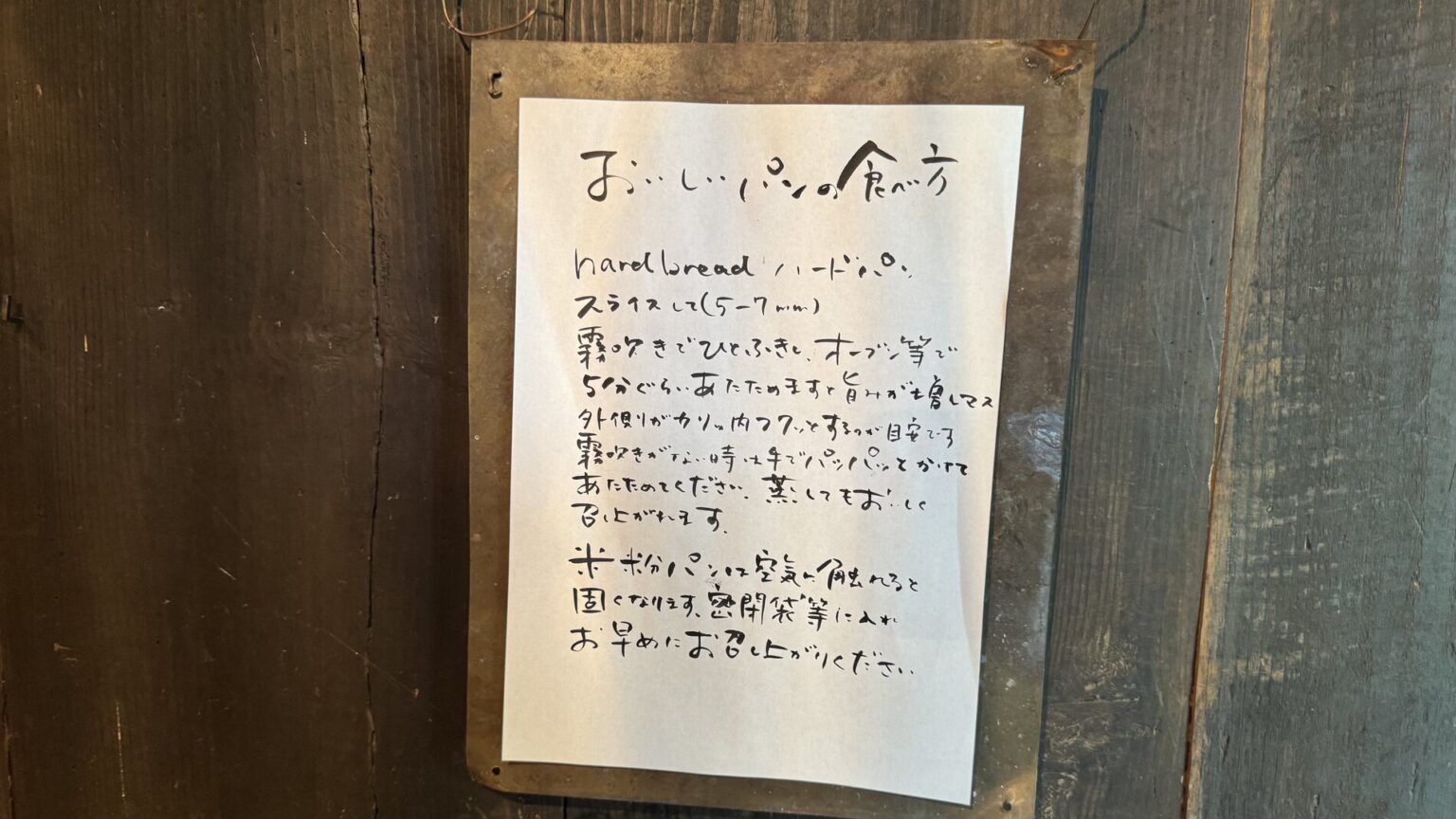
A handwritten note on the wall walks you through how to get the best out of the harder loaves — worth a read before you buy.
The hard bread is meant to be hard
Here’s the thing to know before you go: some of Pandian’s loaves are genuinely, jaw-tiringly hard. That isn’t a fault — it’s the point. These are dense, chewy, natural-yeast breads, and the reward comes as you keep chewing: a deep, satisfying wheatiness and a flavour that keeps unfolding. Even the small buns eat heavy and leave you full. If you like a soft, fluffy convenience-store roll, this won’t be for you; if you love a proper hard, natural-yeast loaf, it’s a find. One of the loaves is even called “Jomon bread” (縄文), and the heft lives up to the name.
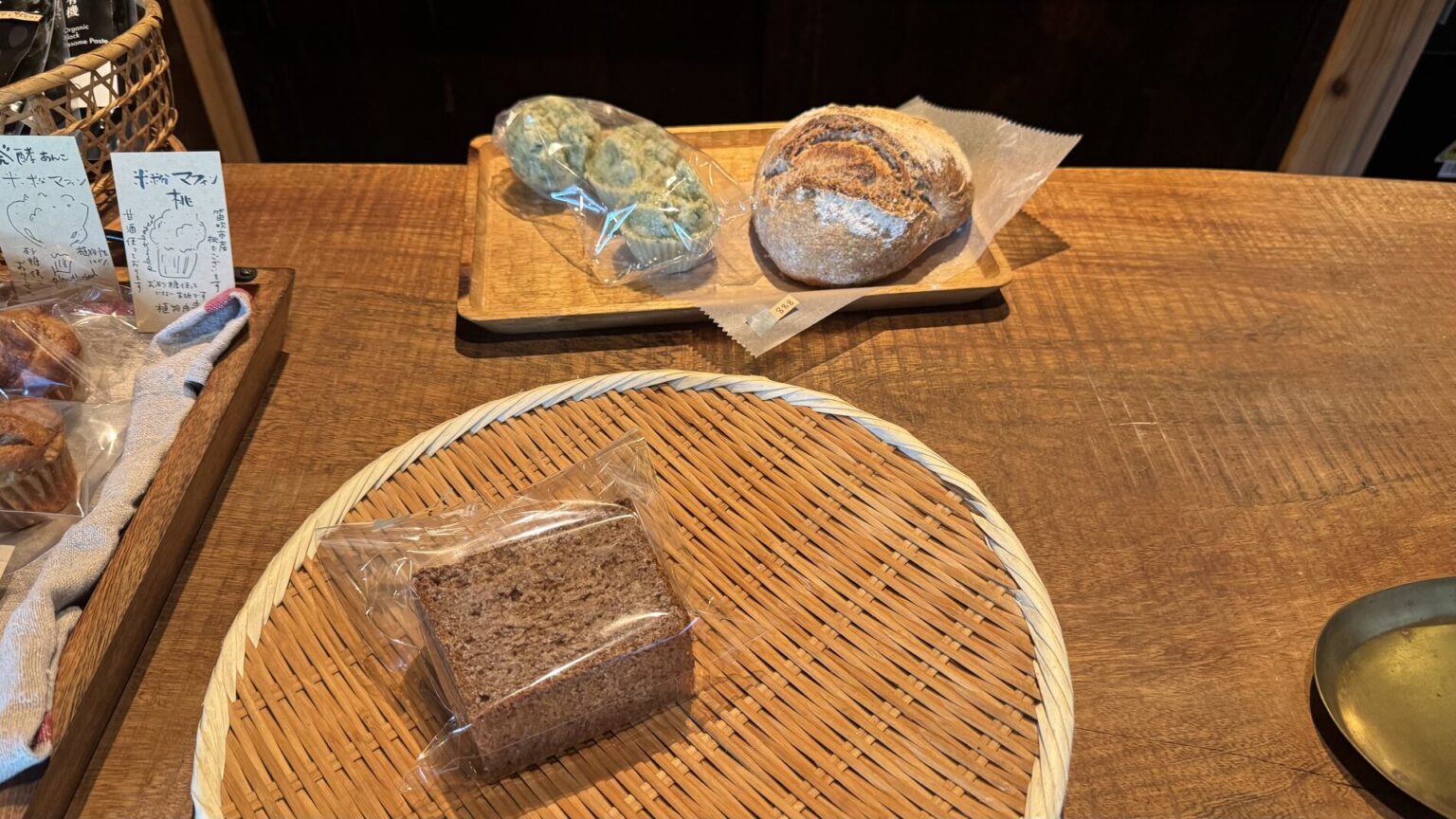
What I took home
On my visit I picked four things across the hard-and-soft range.
| What I bought | Notes |
|---|---|
| Rice-flour mugwort steamed bun (米粉蒸しパン・ヨモギ) | The soft one — a steamed bun leaning on the sweetness and savour of kōji, with mugwort. Not hard at all, and lovely. |
| Rye bread (ライ麦パン) | Dense and dark — a hard, natural-yeast rye to chew through slowly. |
| Rice-flour bread (米粉パン) | A rice-flour loaf, in Pandian’s heavy, chewy style. |
| Choco cornet (チョココロネ) | The sweet, soft pick of the four — a chocolate-filled cornet. |
If you take one thing away: the steamed buns are the soft, approachable end of the range — the kōji gives them a mellow sweetness and they aren’t hard — while the rye and the other loaves are where the wheaty, chew-it-slowly character lives. Buying one of each is the way to understand the place.
Come for the hard bread — or the soft buns. Pandian is a natural-yeast, hard-bread bakery first, so set your expectations: several loaves are firm enough to tire your jaw. The rice-flour steamed buns are the exception — soft, koji-sweet, and an easy win if hard bread isn’t your thing.
How to visit
Pandian is on Lake Kawaguchi’s south shore in Katsuyama, and it’s easiest to reach by car — it’s a couple of kilometres from Kawaguchiko Station rather than a short walk. There are two parking spaces at the foot of the stairs, plus a free municipal lot about a minute away. It’s takeout only, so buy your bread and eat it lakeside or back at your lodging.
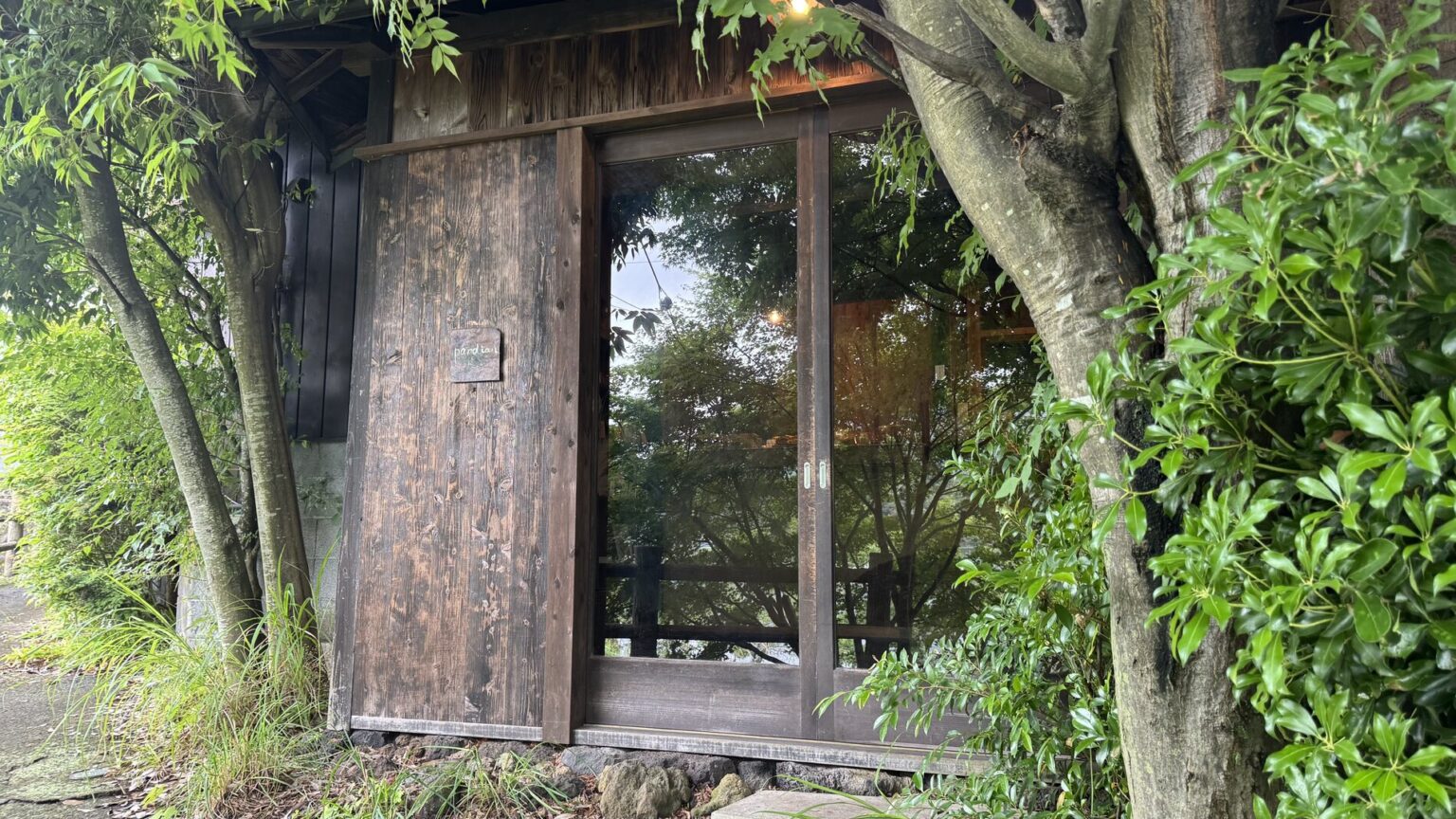
Visitor tip: Pandian keeps short hours, so treat it as a morning stop — it opens at 10:00 and it’s shut Tuesdays and Wednesdays. Different listings give the closing time as 15:00 or 16:00, so check the latest on the shop’s own channels before a special trip. It pairs neatly with the quieter lakeshore spots rather than the busy station area.
Staying by Lake Kawaguchi
Aozora Ichiba
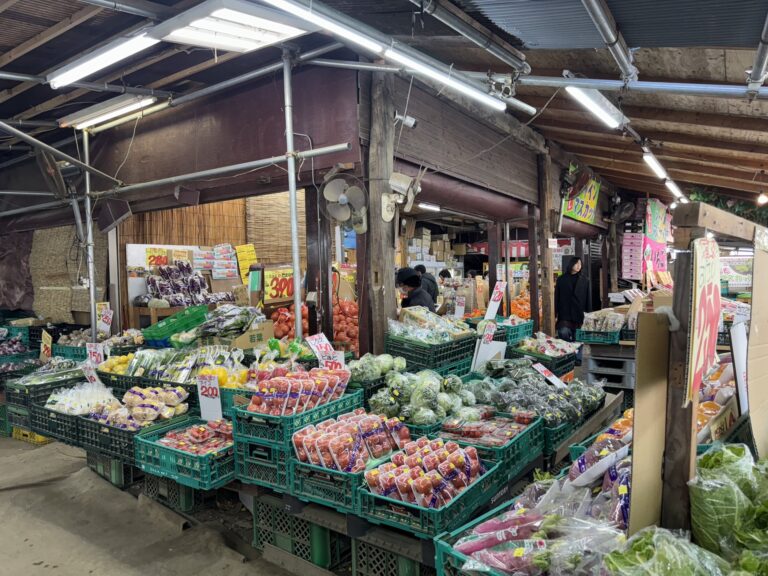
A super-cheap open-air greengrocer on the north shore — fruit and veg to round out a lakeside picnic.
Tabi-no-Eki Kawaguchiko Base
A polished roadside market and restaurant on the lake’s north shore.
Mt Fuji travel hub
How the lakes, viewpoints, transport and seasons around the mountain fit together.
What is Pandian known for?
It’s a natural-yeast bakery on Lake Kawaguchi that bakes in a wood-fired oven fuelled by trees from Mt Fuji’s foothills, using organic ingredients and Mt Fuji spring water. It’s known for dense, chewy, deliberately hard loaves, and also makes softer rice-flour steamed buns sweetened with kōji. It’s takeout only.
Is the bread really that hard?
Some of it, yes — several loaves are firm enough to tire your jaw, which is characteristic of this style of hard, natural-yeast bread. The reward is a deep, lasting wheat flavour as you chew. The rice-flour steamed buns are the soft exception, so there’s something for both camps.
What are the opening hours and closed days?
It opens at 10:00 and is closed on Tuesdays and Wednesdays. Listings differ on the closing time (15:00 or 16:00), so check the shop’s own channels before a special trip.
How do I get there, and is there parking?
It’s in Katsuyama on Lake Kawaguchi’s south shore, easiest by car — a couple of kilometres from Kawaguchiko Station. There are two parking spaces at the foot of the stone steps, plus a free municipal car park about a minute away.
Can I eat in, and is there coffee?
There’s no dine-in seating — Pandian is takeout only — but coffee is available to take away. The natural plan is to buy your bread and coffee and enjoy them by the lake.
Who is it best for?
Anyone who loves proper hard, natural-yeast bread with real chew and wheat flavour. If you prefer soft, fluffy bread, go for the rice-flour steamed buns instead — or pick a different bakery. It suits a slow, car-based Fuji Five Lakes trip more than a quick station stop.
More good eating around Mt. Fuji
Join travelers discovering Japan's hidden side
Weekly dispatches from off-the-beaten-path Japan — spots and stories you won't find in guidebooks.
No spam. Unsubscribe anytime.
Welcome aboard!
You're in. See you in your inbox soon.