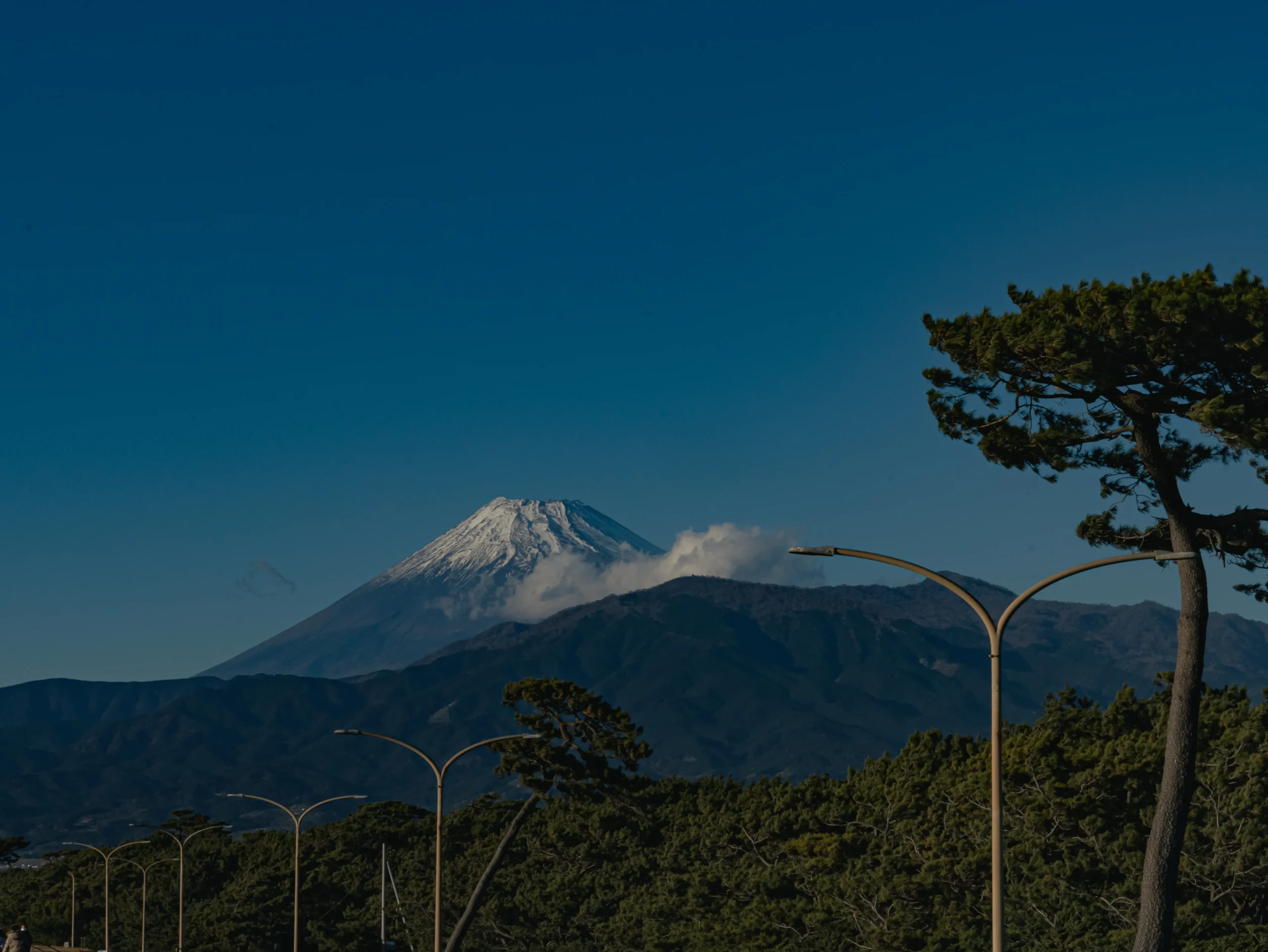

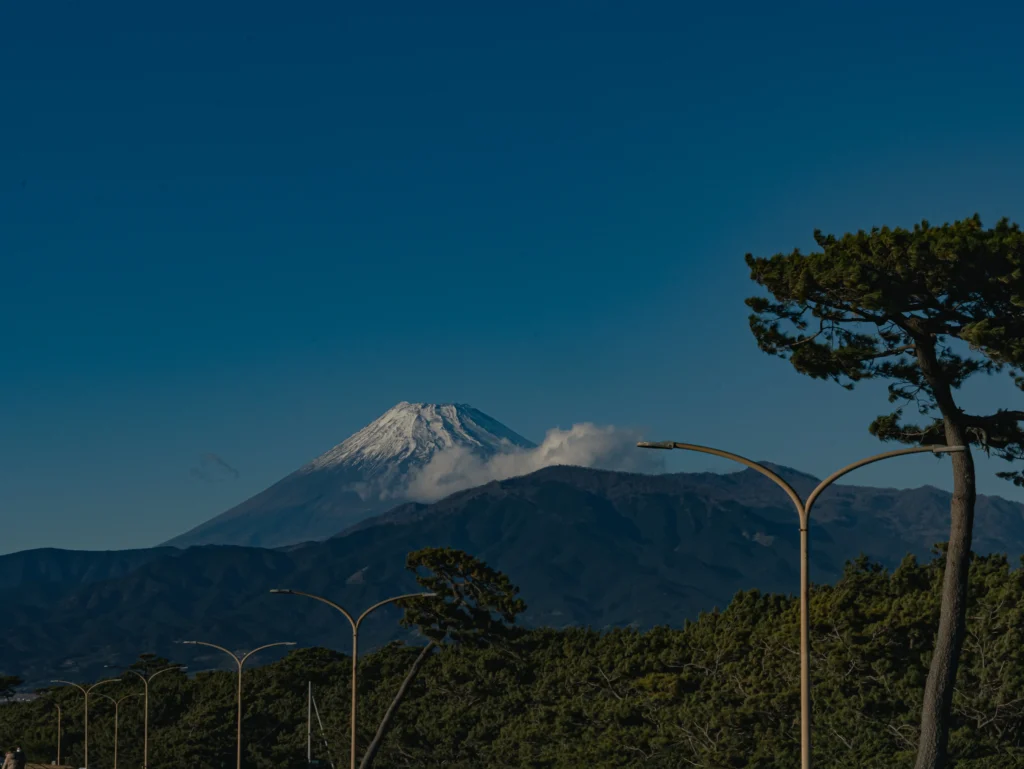
When you picture Mt. Fuji, you might imagine a vibrant summer climb, surrounded by fellow hikers under a warm sun. But for nine months of the year, from September to early July, Japan’s most iconic peak is a vastly different and treacherous place. During this off-season, the official trails are closed, and for good reason. Yet, every year, climbers attempt to tackle the mountain, often with tragic consequences. This article, based on an interview with a veteran of the Shizuoka Prefectural Police Mountain Rescue Team, explains why climbing Mt Fuji in winter is an extremely dangerous undertaking that should not be attempted.
Table of Contents
Why Climbing Mt Fuji in Winter Leads to Accidents and Fatalities
The allure of a snow-covered, crowd-free Mt. Fuji is undeniable, but it masks a deadly reality. The official climbing season is short, lasting only from early July to early September. Outside of this window, all trails to the summit are officially closed . Despite this, accidents are a regular occurrence. In January 2026, a 20-year-old Chinese national climbing alone fell and broke his ankle. Just a month earlier, in December 2025, a 44-year-old man slid more than 200 meters to his death .
Statistics from 2024 paint a grim picture: of the 70 search-and-rescue incidents on Mt. Fuji, 10 resulted in fatalities. Alarmingly, of the six accidents that occurred during the off-season, four were fatal . These are not just numbers; they represent lives lost and families devastated. The message from authorities is clear: the risks are simply too high.
Ice, Wind, and -20°C: The Unforgiving Reality Above the Tree Line
To understand the dangers, it’s crucial to grasp how different the mountain is outside the summer season. A veteran leader of the Shizuoka Mountain Rescue Team, with over 30 years of experience, describes the conditions in stark terms.
“It’s like climbing a skating rink on a slope,” he explains, referring to the treacherous ice-covered surfaces known as ice-burn.
During a training exercise in January 2026, the team experienced firsthand how quickly conditions can change. What started as a clear, sunny day at the lower elevations turned into a battle against ferocious winds and temperatures plummeting to -20°C (-4°F) by the sixth station. Mt. Fuji is an independent peak, meaning there is nothing to block the wind once you are above the tree line. This, combined with the icy slopes, creates an environment where a single slip can be fatal.
Why Rescue on Winter Mt Fuji Takes Hours, Not Minutes
One of the most critical points the rescue team leader emphasizes is the misconception about emergency services.
“This is not an environment where you can just call 119 and an ambulance will arrive shortly,” he warns.
In winter, a rescue operation is a massive undertaking. While a summer rescue might require only two team members, a winter mission needs a minimum of ten. There are no resident rescue teams or open mountain huts from September to July. A rescue operation involves mobilizing off-duty personnel, driving to the highest accessible point, and then proceeding on foot for hours, sometimes even days, to reach the victim.
For the person who is injured, this means enduring pain and severe cold for an extended, potentially fatal, period. The rescue team itself faces enormous risks, including the constant threat of falls and the possibility of secondary disasters where the rescuers become victims themselves.
“The Courage to Turn Back”: A Plea from the Rescue Team
The authorities are not trying to spoil an adventure; they are trying to save lives. The Shizuoka Prefectural Police have taken to social media to show the reality of winter rescues, warning that slopes are frozen solid and a slip can lead to an instant, long fall. On some days, the wind is so strong it’s impossible to even stand up .
The rescue team leader’s final plea is a powerful one. He urges anyone considering an off-season climb to make a wise decision. If you feel the slightest bit of unease about the weather, your equipment, or your physical condition, have “the courage to turn back.” If you are planning the climb, make “the decision not to go.”
Climbing Mt. Fuji is a dream for many, but that dream should be pursued during the official summer season when trails are open, and support systems are in place. The silent, snow-covered beauty of the off-season hides a lethal danger that even the most experienced professionals treat with the utmost respect. Don’t become another statistic.
Key Takeaways for Your Safety
| Aspect | Summer (Official Season) | Winter (Off-Season) |
| Trails | Open and maintained | CLOSED and impassable |
| Weather | Generally stable, but can change | Extreme cold (-20°C), high winds, sudden blizzards |
| Surface | Dirt and rock paths | Solid ice (ice-burn), deep snow |
| Facilities | Mountain huts, first-aid stations, and toilets are open | All facilities are CLOSED |
| Rescue | Teams are stationed on the mountain | No resident teams; rescue is slow, difficult, and dangerous |
FAQs
Q1: Is it ever safe to climb Mt. Fuji in the off-season?
No. Unless you are a highly experienced and professionally equipped mountaineer with a registered climbing plan, it is extremely dangerous and strongly discouraged by all official bodies, including local government and police .
Q2: What are the official dates for the climbing season?
The official climbing season typically runs from early July to early September. The exact dates vary slightly each year and by trail. Always check the official Mt. Fuji climbing website for the most current information .
Q3: What happens if I get into trouble while climbing in winter?
You will have to call for an emergency rescue, but as this article explains, help will not arrive quickly. You will likely face a long, life-threatening wait in extreme conditions. The rescue operation itself is complex and dangerous for the rescue team as well.
Sources
[1] Official Mt. Fuji Climbing Website
[2] TBS NEWS DIG (Original Source in Japanese)
[3] The Japan News (Yomiuri Shimbun)
[4] Fujiyoshida City Official Website

- Mt. Fuji Night Climb — A Visual Journey From Dusk to Dawn
- Mt. Fuji Huts 2026: Rooms, Meals & Booking Rules [7 Photos]
![Mt. Fuji Huts 2026: Rooms, Meals & Booking Rules [7 Photos]](https://hiddenjapan-gems.com/wp-content/uploads/2026/04/top2.webp)
- Mt. Fuji Sunrise (Goraiko) Photo Guide
- Climbing Mt. Fuji 2026: 4 Trails, New Rules & Costs
- Kuonji’s 5 AM Bell: A Traveler’s Guide to Morning Prayers at Minobusan
2026 cherry blossom cherry blossoms day trip from tokyo flower festival fuji five lakes fujiyoshida Fukuoka fushimi hanami hiking japan japanese culture japanese food japanese garden japan travel kamakura kawagoe kawaguchiko Kumamoto kyoto local food Mount Fuji mt fuji Nagano nature Nikko Oku-Nikko Onsen Ramen saitama sakura Shizuoka shrine sightseeing snow spring in japan Tochigi Tokyo travel travel guide travel planning winter winter travel Yamanashi
Join 1,000+ travelers discovering Japan's hidden side
Weekly dispatches from off-the-beaten-path Japan — spots and stories you won't find in guidebooks.
No spam. Unsubscribe anytime.
Welcome aboard!
You're in. See you in your inbox soon.