
Nagano · Togakushi · Shrine walk
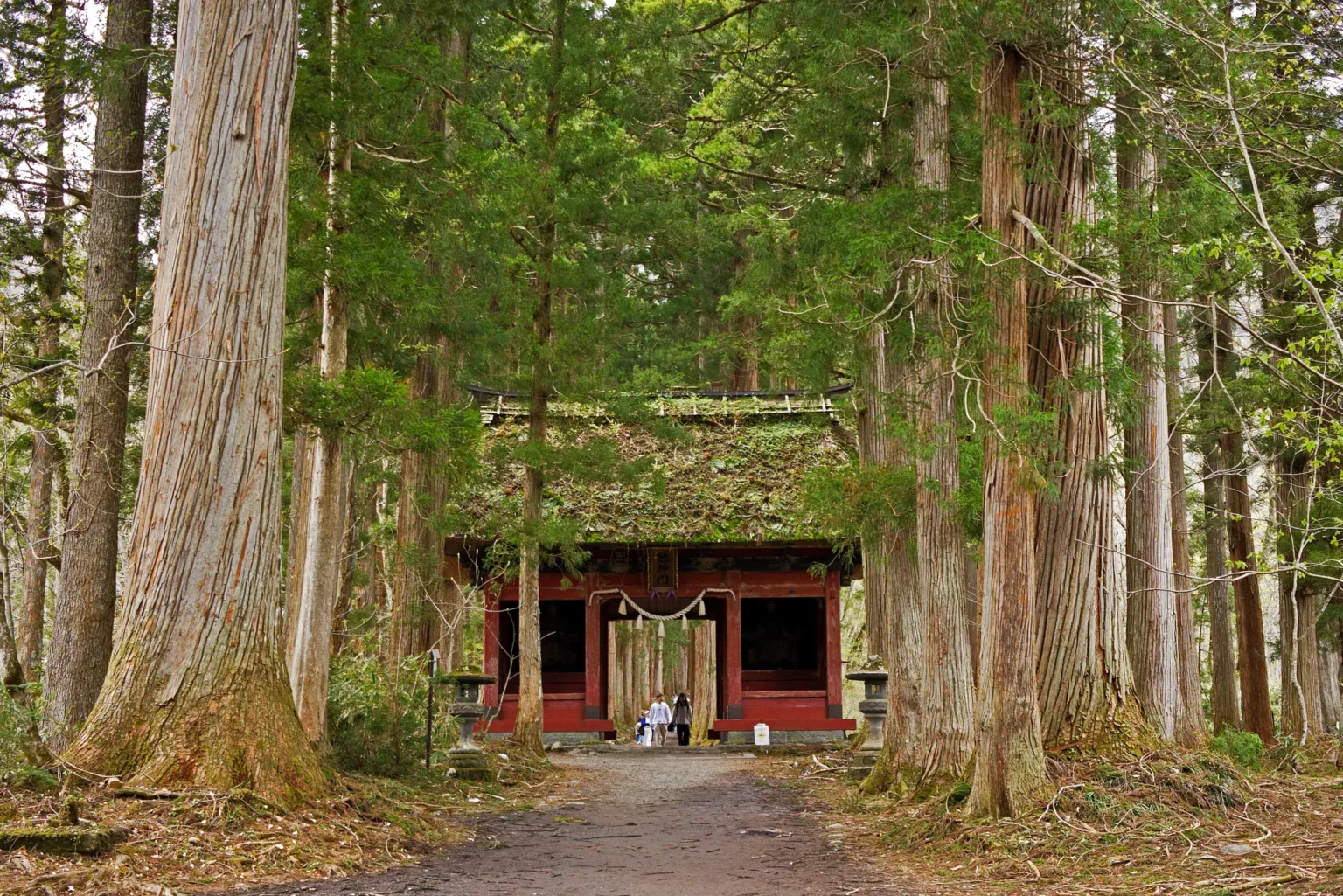
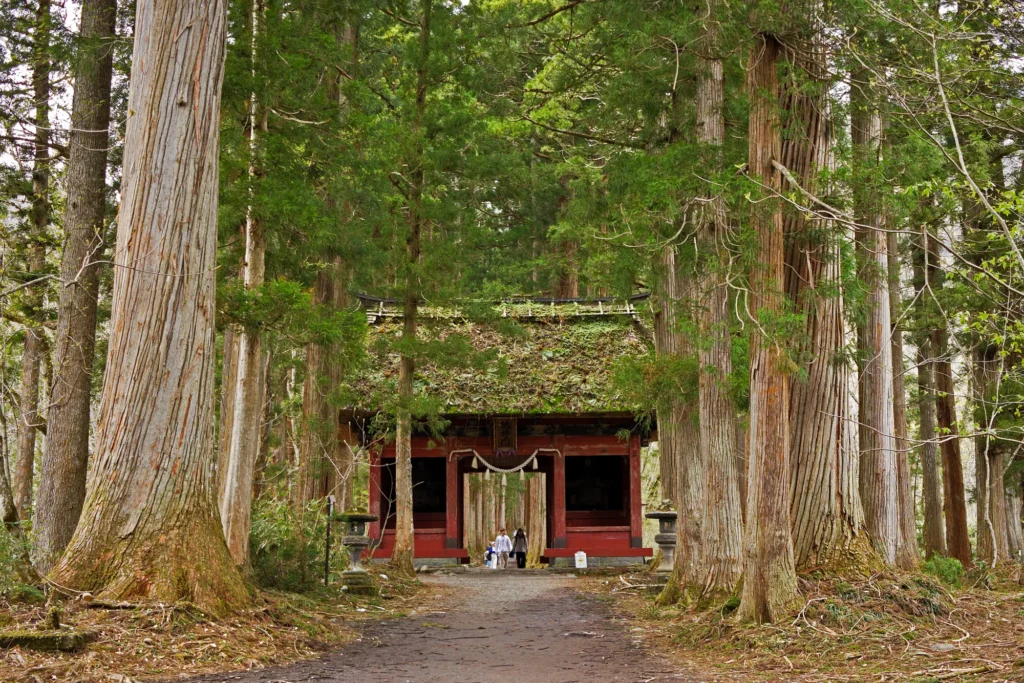
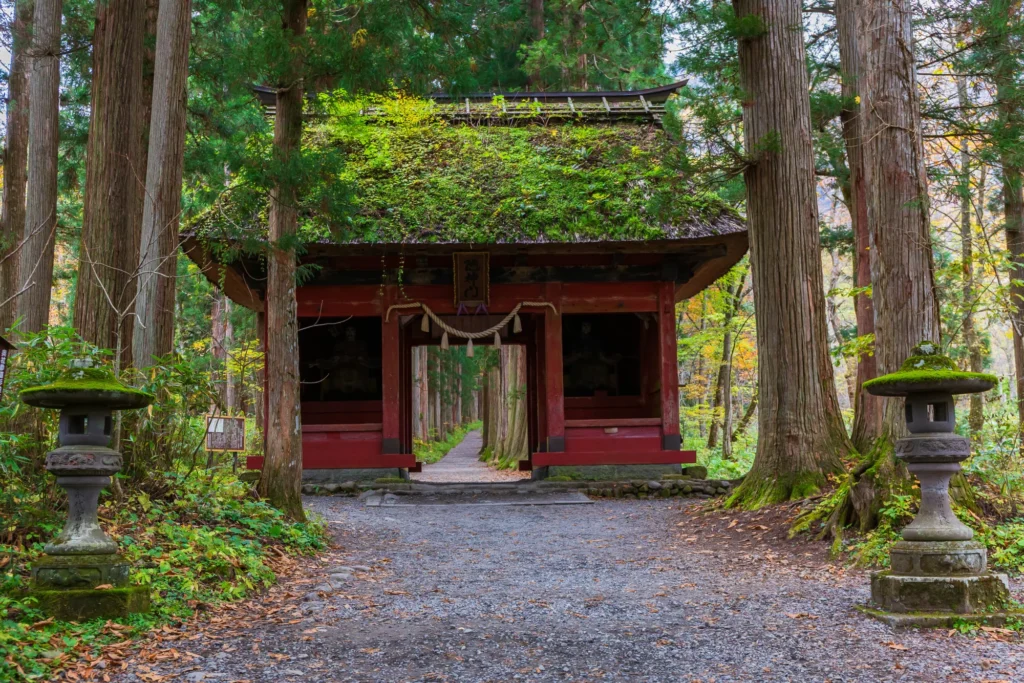
Togakushi Shrine is five shrines spread along the foot of Mt Togakushi, north-west of Nagano city. The one people come for is the Okusha, the inner shrine, at the end of a walk of about 2 km: first through mixed forest to the red, thatched Zuishinmon gate, then for about 500 m between more than 200 giant cedars around 400 years old, then up stone steps. This guide covers that walk, the other four shrines, when to go and how to get there. All five shrines are open as of 15 October 2026. The Okusha closes in winter; last winter it closed on 7 January and reopened on 21 April 2026.
- From 13 October, drainage work on part of the Okusha approach, with a signposted detour. No end date given.
- The toilets at the Okusha entrance and the Chusha west car park are closed for renovation until mid-January 2027 (planned). Only a few temporary toilets are planned; use the toilet on the approach or in the Chusha grounds.
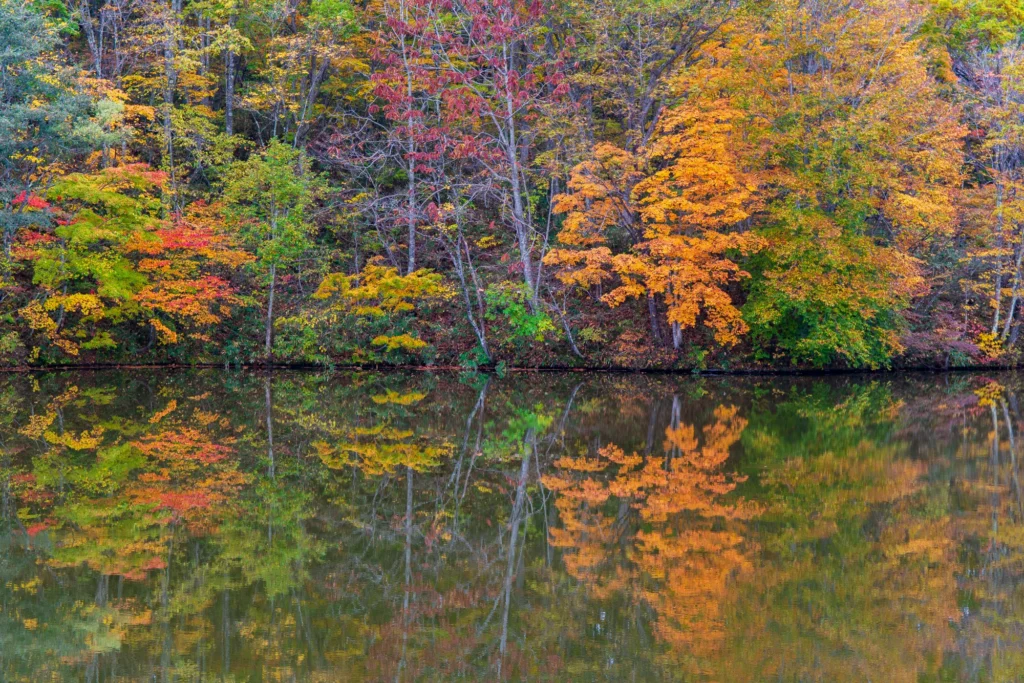
- From 10 October to 3 November, 9:30–16:00, cars can enter the Kagami-ike pond road only from the Hokosha side.
What are the five shrines of Togakushi?
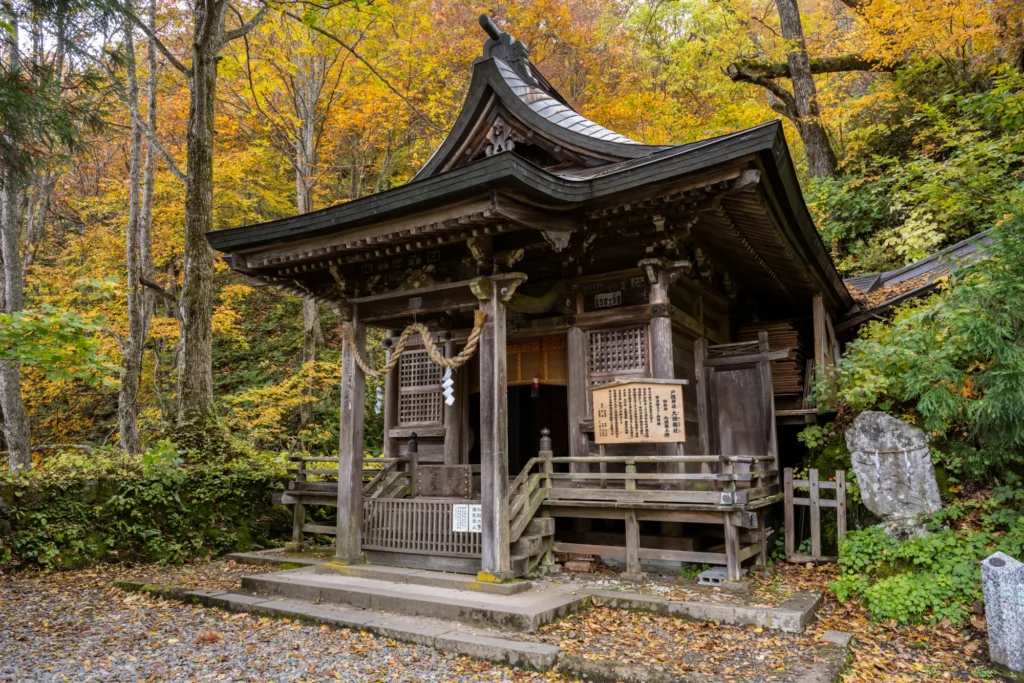
From the bottom up: Hokosha, Hinomikosha, Chusha, then Kuzuryusha and the Okusha side by side at the top of the approach. Each has its own deity. The shrine says there is no formal order for visiting them, and walking the whole circuit takes about half a day.
Hokosha (宝光社)
Lowest of the five, up more than 270 stone steps through cedars. Deity: Ame-no-Uwaharu-no-Mikoto.
Open: Year-round. Its office closed on 18 December 2025 and reopened on 24 April 2026; you could still pray.
Hinomikosha (火之御子社)
The only one of the five with a goddess as its main deity, Ame-no-Uzume-no-Mikoto, the goddess of dance and the performing arts. No office of its own.
Open: Year-round.
Chusha (中社)
Large precinct in the soba village, with three cedars the shrine says are more than 800 years old. Deity: Ame-no-Yagokoro-Omoikane-no-Mikoto.
Open: Year-round; the Okusha and Kuzuryusha spirits are enshrined here in winter.
Kuzuryusha (九頭龍社)
The nine-headed dragon, the god of the land, worshipped here even before the Okusha deity was enshrined.
Open: Closed in winter.
Okusha (奥社)
The inner shrine at the end of the 2 km approach. Deity: Ame-no-Tajikarao-no-Mikoto, the god of strength in the myth of the sun goddess’s rock cave.
Open: Closed in winter.
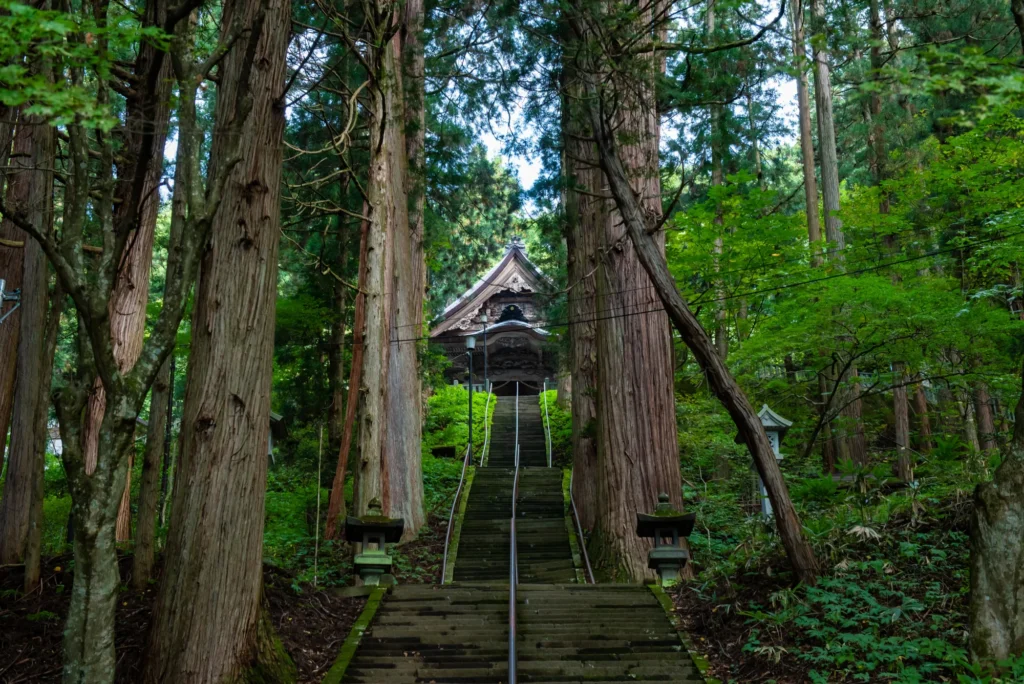
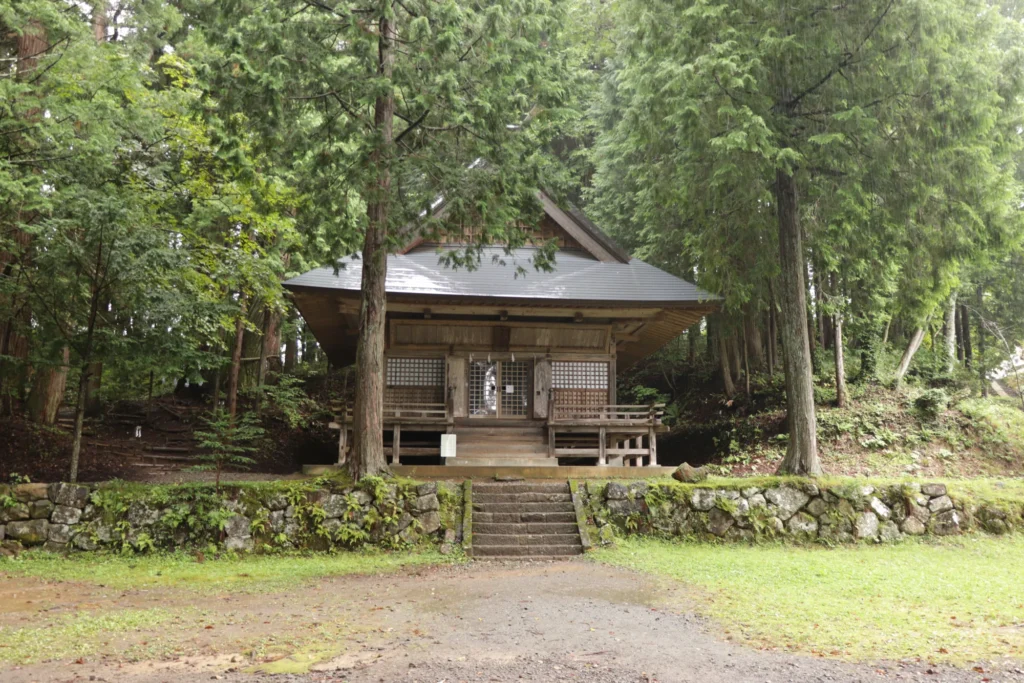
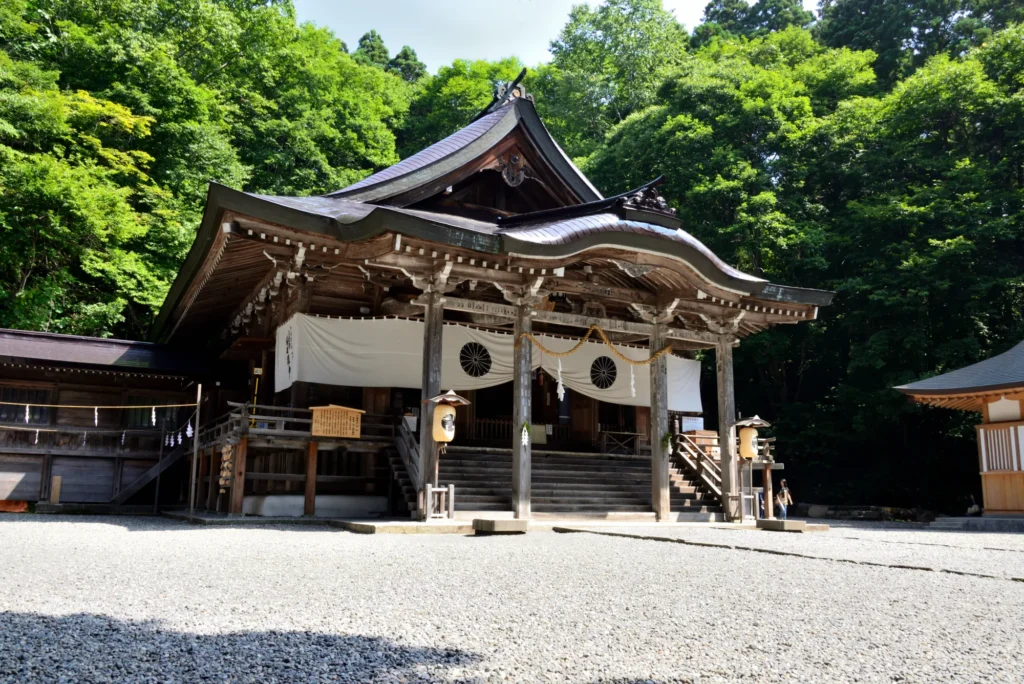
Nagano has another shrine visit built on walking between several shrines: the four shrines of Suwa Taisha, around Lake Suwa in the south of the prefecture.
What is the walk to the Okusha like?
The approach is about 2 km each way, and cars stop at the entrance. The shrine gives these times:
| Stretch | What it is like |
|---|---|
| Okusha entrance → Zuishinmon gate About 15 min | Wide, almost flat path through mixed forest. Zuishinmon is roughly the halfway point |
| Zuishinmon → Okusha About 20–25 min | About 500 m between the giant cedars, then steeper, finishing on stone steps with natural rock mixed in |
Allow about 40 minutes up and about 2 hours for the round trip. Wear proper walking shoes: the last stretch is uneven stone and slippery when wet.

What makes the cedar avenue special?
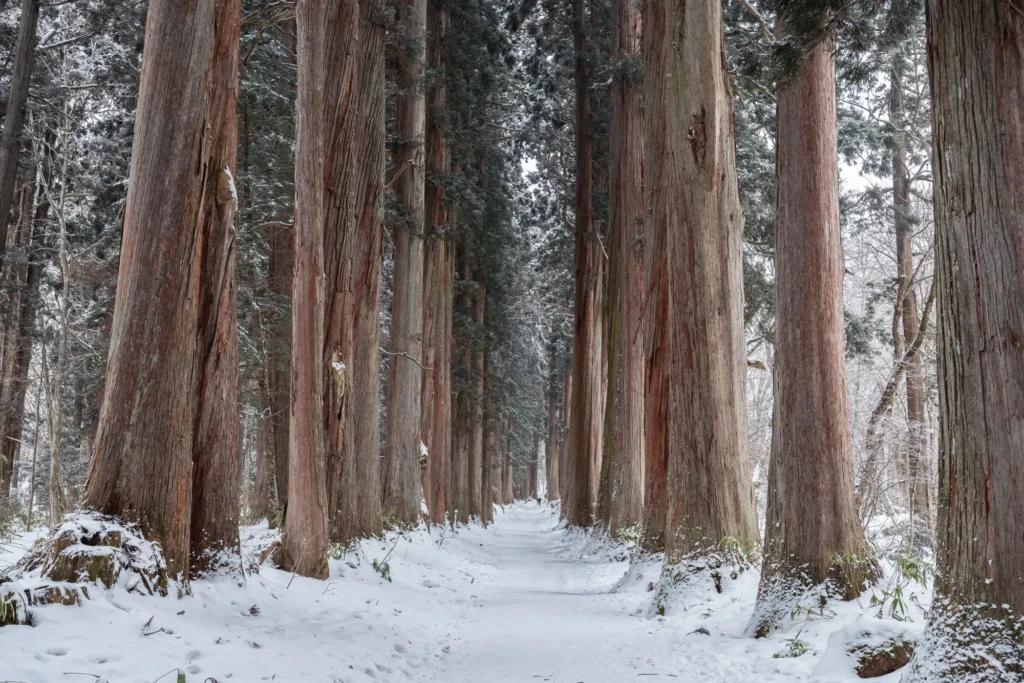
The avenue starts at Zuishinmon and runs for about 500 m, with more than 200 giant cedars lining both sides. The shrine says they are around 400 years old and gives three possible starts for the planting: around 1594, 1612 or 1643. In 1973 Nagano Prefecture designated the Okusha shrine forest, which includes the avenue, a natural monument for having been kept “as it was in older times”.
The path runs almost straight. In our experience the light is best early in the morning, when the sun comes in low between the trunks, and the avenue is quietest then too.
How should you behave at the shrine?
The shrine and the tourism association ask two things on the approach: stay off the forest floor, and take your rubbish home. The rest is ordinary shrine etiquette in Japan:
- Bow at each torii as you go in and as you leave.
- Walk to the side of the path. The centre is traditionally kept for the deity.
- Bow twice, clap twice, bow once at each shrine, after putting a coin in the offering box.
- Take photos from the path, keep tripods out of other people’s way, and do not photograph rituals without asking.
Goshuin (shrine stamps) are written at three offices, normally open 9:00–17:00 (in 2025 the Okusha office went to 9:00–16:00 from 1 November, so check the shrine’s notices in late autumn): the Okusha and Kuzuryusha ones at the Okusha office, the Chusha and Hinomikosha ones at Chusha, and the Hokosha and Hinomikosha ones at Hokosha. In winter the Okusha and Hokosha offices close and their goshuin are given at Chusha.
When is the best time to visit?
| When | What it is like |
|---|---|
| Early January to late April | Okusha and Kuzuryusha closed, with no entry beyond Zuishinmon (in winter 2025–26: closed 7 January, reopened 21 April). Chusha, Hokosha and Hinomikosha can still be visited |
| Late April to May | The Okusha reopens; the date moves each year (24 April in 2025, 21 April in 2026) |
| Late May to June | Fresh green and moss on the approach. Our pick |
| July and August | Cooler than the cities below; the highland sits at about 1,000 to 1,400 m |
| From mid-October | Autumn colour round Kagami-ike and the approach is usually at its best from around mid-October. Go on a weekday if you can |
| November and December | Quieter and colder. In winter 2025–26 formal prayer services at the Okusha were suspended from 1 December |
In 2027 the shrine holds its Shikinen Taisai grand festival, from 25 April to 25 May, with processions on 9 and 23 May and a ceremony at the Okusha on 15 May. Expect crowds.
How do you get to Togakushi from Nagano Station?
| Way | Route, time and cost |
|---|---|
| Express bus (best) | Nagano Station bay 7 → Okusha entrance. 59 min, ¥2,500 |
| Route 70 local bus | Nagano Station → Chusha only (not the Okusha entrance). Five buses on weekdays |
| Car | Nagano IC → Okusha entrance via the Nanamagari hairpins (Togakushi Bird Line). About 1 hour; parking ¥800 for 3 hours |
| From Tokyo | Hokuriku Shinkansen to Nagano, then the express bus. About 80–110 min to Nagano, plus the bus |
- Express bus: 11 buses a day from 6:50 to 14:10; the last bus back leaves the Okusha entrance at 16:24. To walk to the Okusha and back by about 15:00, take a bus by about 11:50. Book seats online up to a month ahead; without a booking you can board only if there is a free seat. Visa touch payment works; IC cards do not. This timetable is planned to run to 4 December 2026; check Alpico for the winter one. In winter 2025–26, afternoon express buses ended at Chusha instead of the Okusha entrance.
- Route 70: Alpico asks sightseers to use the express so commuters and students get seats.
- Car: large vehicles must use the Asakawa Loop Line instead. The Okusha first car park has about 100 spaces; standard cars pay ¥800 for 3 hours, then ¥100 an hour, up to ¥1,200 for 24 hours.
- The old Togakushi bus passes stopped being sold in March 2025.
Togakushi pairs well with Hakuba for a two-day trip in Nagano’s green season. For a slower trip across Nagano’s nature spots, see the calmcation guide.
Practical notes, including for travellers from Southeast Asia
Food
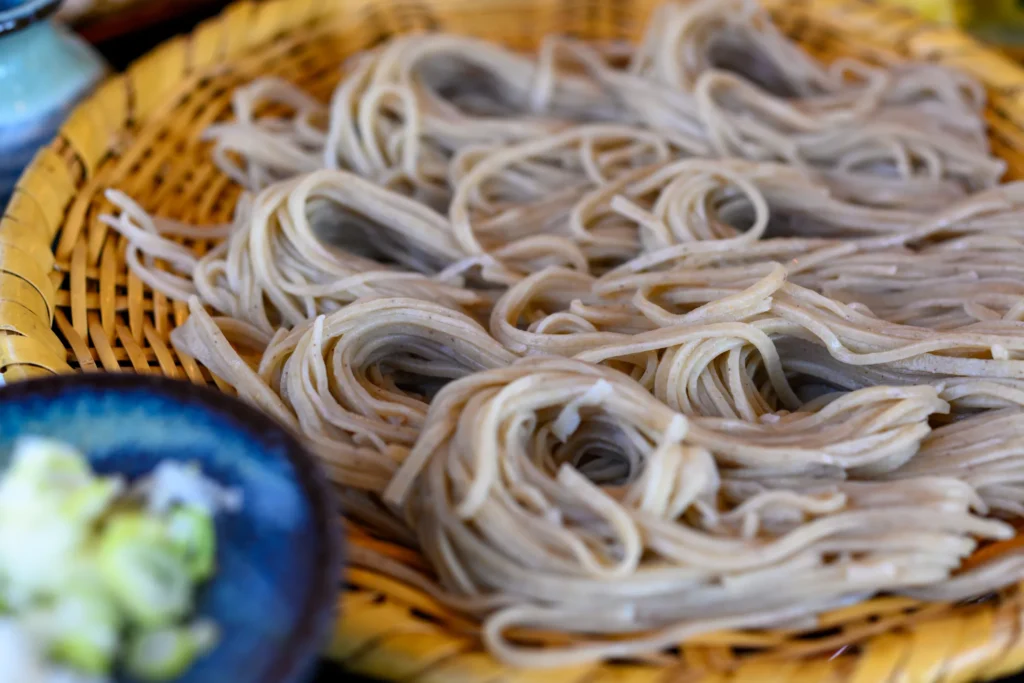
Togakushi is famous for soba; eat in the village by Chusha. Cold zaru soba with the dipping sauce on the side is the simple order. The sauce is usually made with bonito, so ask if you are vegetarian. If you eat halal, plan to bring food from Nagano city.
Cash and cards
Carry some cash in small notes; do not count on every small soba shop or shrine office taking cards. The express bus takes Visa touch payment but not IC cards.
Clothes
It is cooler up here than in Tokyo or Nagano city, even in summer. Bring a light jacket, rain gear for mountain weather, and walking shoes with grip for the stone steps.
Prayer
If you need to pray during the day, bring a portable mat and ask at a shrine office about a quiet spot.
Questions travellers ask
Is Togakushi Shrine open now?
Yes. As of 15 October 2026 all five shrines are open, including the Okusha and Kuzuryusha, which reopened on 21 April 2026. Drainage work on part of the Okusha approach means a signposted detour, but worship continues as normal.
How long does the walk to the Okusha take?
About 40 minutes one way: about 15 minutes from the entrance to Zuishinmon gate, then 20 to 25 minutes through the cedar avenue and up the stone steps. Allow about 2 hours for the round trip.
Why does the Okusha close in winter?
For safety. The tourism association points to avalanches and falling snow, ice and branches on the approach, and the shrine says snow and ice make worship there difficult. Last winter the Okusha and Kuzuryusha closed on 7 January 2026 and from that day there was no entry beyond Zuishinmon; they reopened on 21 April. Their spirits are enshrined at Chusha for the winter, so you can still pray to them there.
How old are the cedars?
Around 400 years. More than 200 giant cedars line the 500 m avenue from Zuishinmon, and the shrine gives three possible dates for the planting: around 1594, 1612 or 1643. The Okusha shrine forest became a Nagano prefectural natural monument in 1973.
Can I drive to the Okusha?
Only to the entrance; the 2 km approach is on foot. The Okusha first car park has about 100 spaces. Standard cars pay ¥800 for 3 hours, then ¥100 an hour, up to ¥1,200 for 24 hours. There is a second car park with about 50 spaces.
Are there toilets at the Okusha entrance?
The permanent ones are closed for renovation until mid-January 2027 (planned), and only a few temporary toilets are planned, so use the public toilet on the approach or the one in the Chusha grounds.
What is the best month to visit Togakushi?
Late May to June for fresh green and moss, or from mid-October for the autumn colour, on a weekday if you can. From early January to late April the Okusha is usually closed; the 2026–27 dates have not been announced.
Can I visit all five shrines in a day?
Yes, outside the Okusha’s winter closure. The shrine says walking the whole circuit takes about half a day. Using the bus or a car between Hokosha, Chusha and the Okusha entrance shortens it.
Plan the trip
A Togakushi day usually pairs with a night in Nagano or Hakuba.
Related reading
Togakushi opening and closing dates
What is open now, this season’s notices and the winter closure.
Zenkoji Temple, Nagano
The big temple in Nagano city, about 15 minutes by bus from the station plus a short walk.
Nagano’s high country
Seven alpine escapes in Nagano, sorted by altitude.
Sources
- Checked 15 October 2026 — Togakushi Shrine: about the shrine (deities, Hokosha steps, Chusha cedars); Okusha and the cedar avenue (200+ trees, 500 m, planting dates, 1973 designation); access (walking times, car routes); five-shrine visit (order, half a day, goshuin offices); news (drainage work from 13 October 2026, toilets, winter closure, reopening, Hinomikosha)
- Checked 15 October 2026 — Togakushi Tourism Association: autumn 2026 one-way rules; toilet renovation; winter closure, 7 January 2026; parking; buses; bears; Shikinen Taisai 2027; seasons
- Checked 15 October 2026 — Alpico Kotsu: sightseeing express Togakushi line; route 70. JR East: Hokuriku Shinkansen journey times
Join travelers discovering Japan's hidden side
Weekly dispatches from off-the-beaten-path Japan — spots and stories you won't find in guidebooks.
No spam. Unsubscribe anytime.
Welcome aboard!
You're in. See you in your inbox soon.