
A week in Japan in 2026 costs anywhere from ¥60,000 to ¥350,000 depending on how you sleep, eat, and move. The yen is still weaker than it was five years ago, which helps international travelers — but the country has quietly introduced several new fees since 2024, and some classic money-saving plays (like the JR Pass) no longer pay off for most itineraries. This guide breaks down real daily costs, what changed in 2026, and where to actually save without making your trip worse.
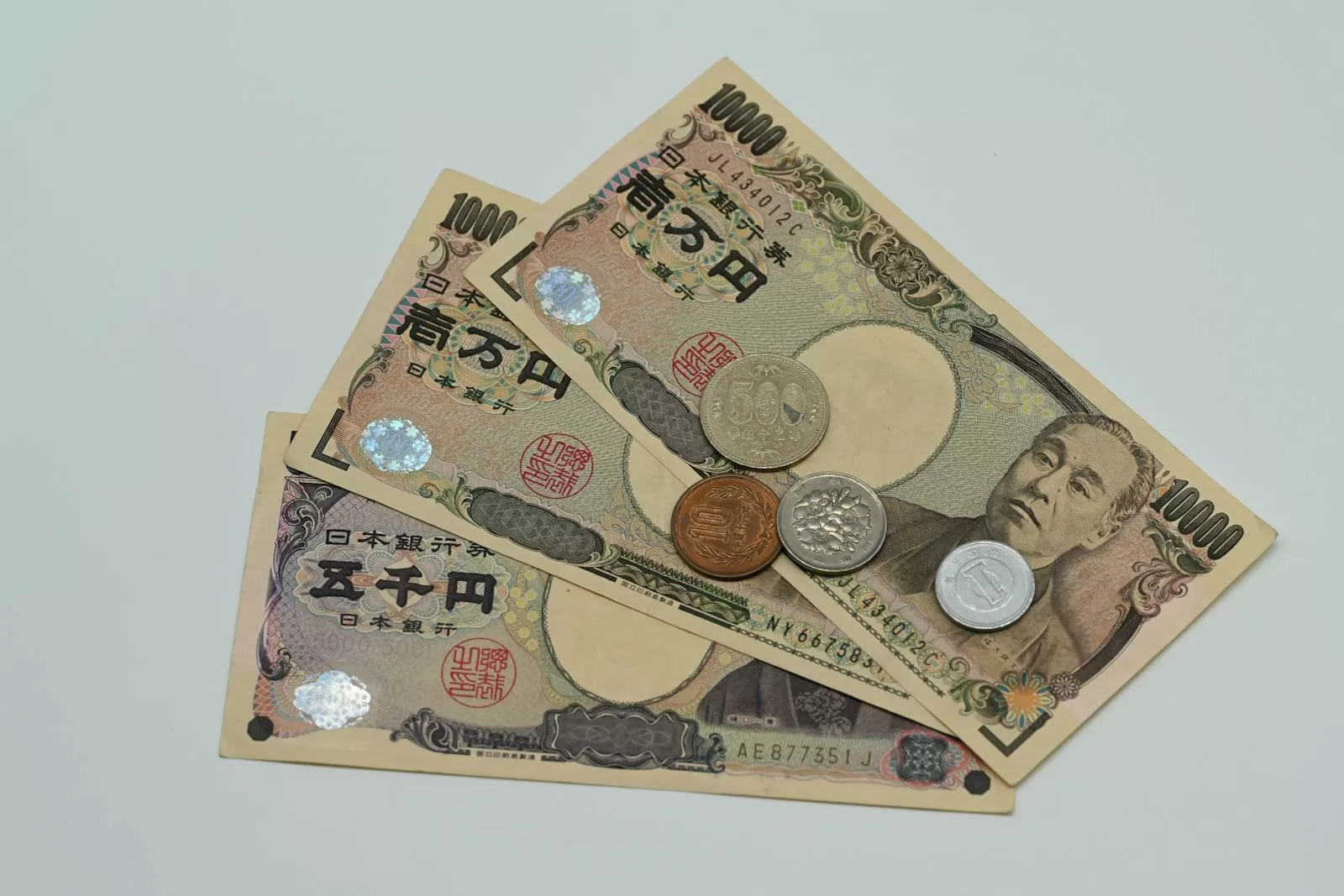
Table of Contents
Quick Facts: Japan Travel Budget 2026
| Item | Budget | Mid-range | Comfort |
|---|---|---|---|
| Daily total (per person) | ¥8,000–¥12,000 | ¥15,000–¥25,000 | ¥35,000+ |
| Accommodation | ¥3,000–¥5,000 (hostel/capsule) | ¥8,000–¥14,000 (business hotel) | ¥25,000+ (ryokan/4-star) |
| Food (3 meals) | ¥2,000–¥3,500 | ¥4,000–¥7,000 | ¥10,000+ |
| Transport (local) | ¥1,000–¥1,500 | ¥1,500–¥2,500 | ¥3,000+ (taxi mix) |
| Activities | ¥500–¥1,500 (free + one paid) | ¥2,000–¥4,000 | ¥5,000+ |
Currency: Japanese Yen (¥). Rough conversion as of early 2026: 1 USD ≈ ¥150, 1 EUR ≈ ¥160. These rates shift — verify before you book.
What Changed in 2026 — Read This First
A few newer costs and rules that shape your 2026 budget:
- Mt. Fuji climbing fee increase. All official trails now charge a mandatory climbing fee for the summer season. Amounts and online reservation windows have changed — see our Mt. Fuji Complete Guide for current figures.
- Accommodation / lodging taxes. Tokyo, Kyoto, Osaka, Fukuoka, and several smaller cities now add a per-night lodging tax. It’s small (¥100–¥1,000 depending on room price and city) but shows up as a line item at checkout.
- Two-tier pricing appearing at tourist sites. Some attractions and restaurants now list higher rates for non-residents. Still not universal, but expect it at headline spots in Kyoto, Nara, and parts of Okinawa.
- IC card friction for short visits. The old tourist-friendly “Welcome Suica” card is phasing out. Mobile Suica on iPhone works smoothly; Android tourists have fewer easy options — plan for physical card purchase at major airport counters.
- Visit Japan Web. Pre-register immigration and customs at vjw-lp.digital.go.jp — it shortens airport lines significantly.
Daily Cost Breakdown by Travel Style
Backpacker (¥8,000–¥12,000 / day)
Hostels and capsule hotels, konbini breakfasts, cheap lunch sets (teishoku), one sit-down dinner, walking plus IC card on local trains. Skips shinkansen unless absolutely necessary. Realistic in 2026 if you stay outside peak cherry blossom and autumn foliage windows.
Mid-range (¥15,000–¥25,000 / day)
Clean business hotel in a central ward, mix of chain and independent restaurants, reserved shinkansen seats, entry fees to two or three paid attractions. This is what most first-time visitors actually spend once they’re on the ground.
Comfort / Ryokan-forward (¥35,000+ / day)
One or two nights in a traditional ryokan with kaiseki dinner and onsen, reserved Green Car (first-class) shinkansen, full-service restaurants, guided experiences. A week at this pace lands around ¥300,000–¥400,000 per person, pre-flights.
Transport: The JR Pass Math Has Changed
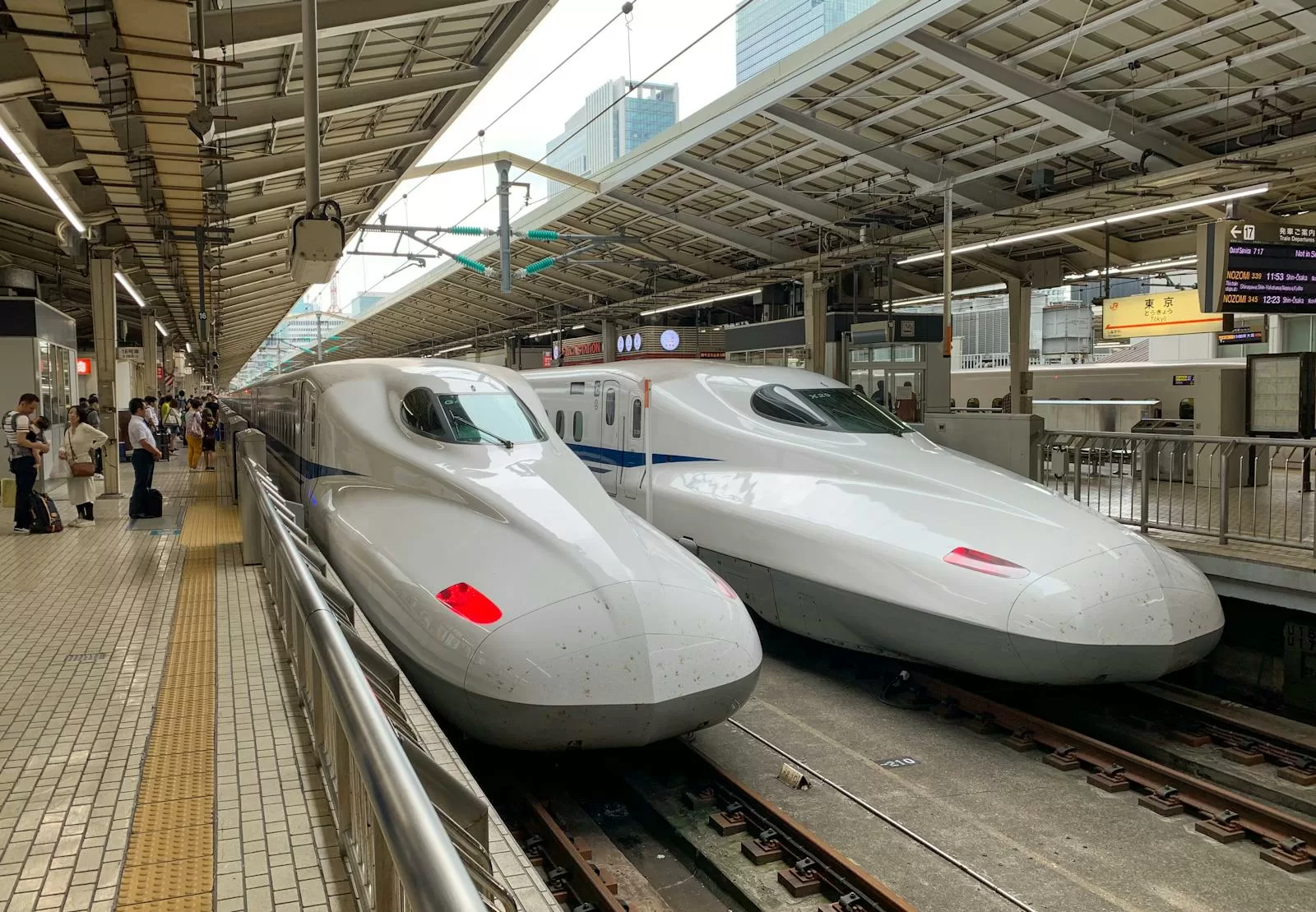
The nationwide JR Pass jumped about 70% in October 2023 and stayed expensive through 2026. For most two-to-three-city itineraries (Tokyo–Kyoto–Osaka), individual reserved tickets now cost less than the pass. Rough break-even rule: the 7-day pass only pays off if you do Tokyo ↔ Kyoto ↔ Hiroshima ↔ Tokyo (or equivalent) within the window.
Before buying a nationwide pass, price your actual route on the JR-EAST timetable or Klook / Trip.com. For many itineraries, regional passes (JR East, Kansai Wide, JR Kyushu) still beat individual tickets and are significantly cheaper than the nationwide.
IC Cards: Suica, Pasmo, ICOCA in 2026
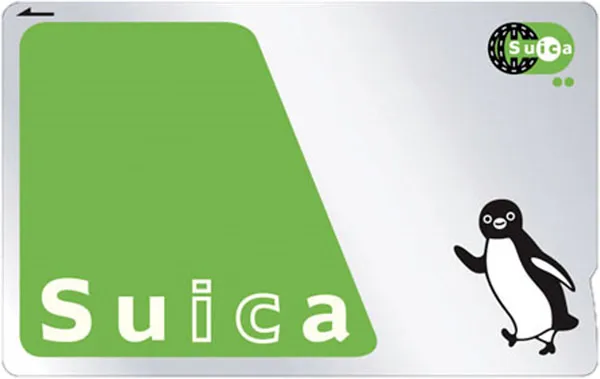

IC cards are still the cheapest, fastest way to use local trains, subways, and buses. All major cards (Suica, Pasmo, ICOCA, Pitapa, Toica) are interoperable nationwide, so one card works in Tokyo, Kyoto, Osaka, Fukuoka, and Sapporo. Two practical 2026 tips:
- iPhone users: add Suica directly in Apple Wallet. No physical card required. Top up with any foreign credit card.
- Other travelers: buy a physical IC card at major airport stations (Narita, Haneda, Kansai). Lines are short; staff speak enough English for the transaction.
For more detail, see our Getting Around Japan guide.
Accommodation: What Each Tier Actually Gets You
Hostels and Capsule Hotels (¥3,000–¥5,000)

Japanese capsule hotels and hostels are unusually clean and well-run compared to most countries. Capsules give you a private pod with curtain, light, and outlet — better for light sleepers than shared dorms. Hostels offer shared kitchens, which matters if you’re staying a week and want to cut ¥2,000 off your daily food spend.
Business Hotels (¥8,000–¥14,000)
The backbone of mid-range travel in Japan. Chains like APA, Toyoko Inn, Dormy Inn, and Super Hotel are consistent, central, and usually have coin laundry and free breakfast. Dormy Inn in particular throws in a natural-style onsen and free late-night ramen — worth the ¥2,000 premium over the plain chains.
Ryokan and Minshuku (¥15,000–¥40,000+)
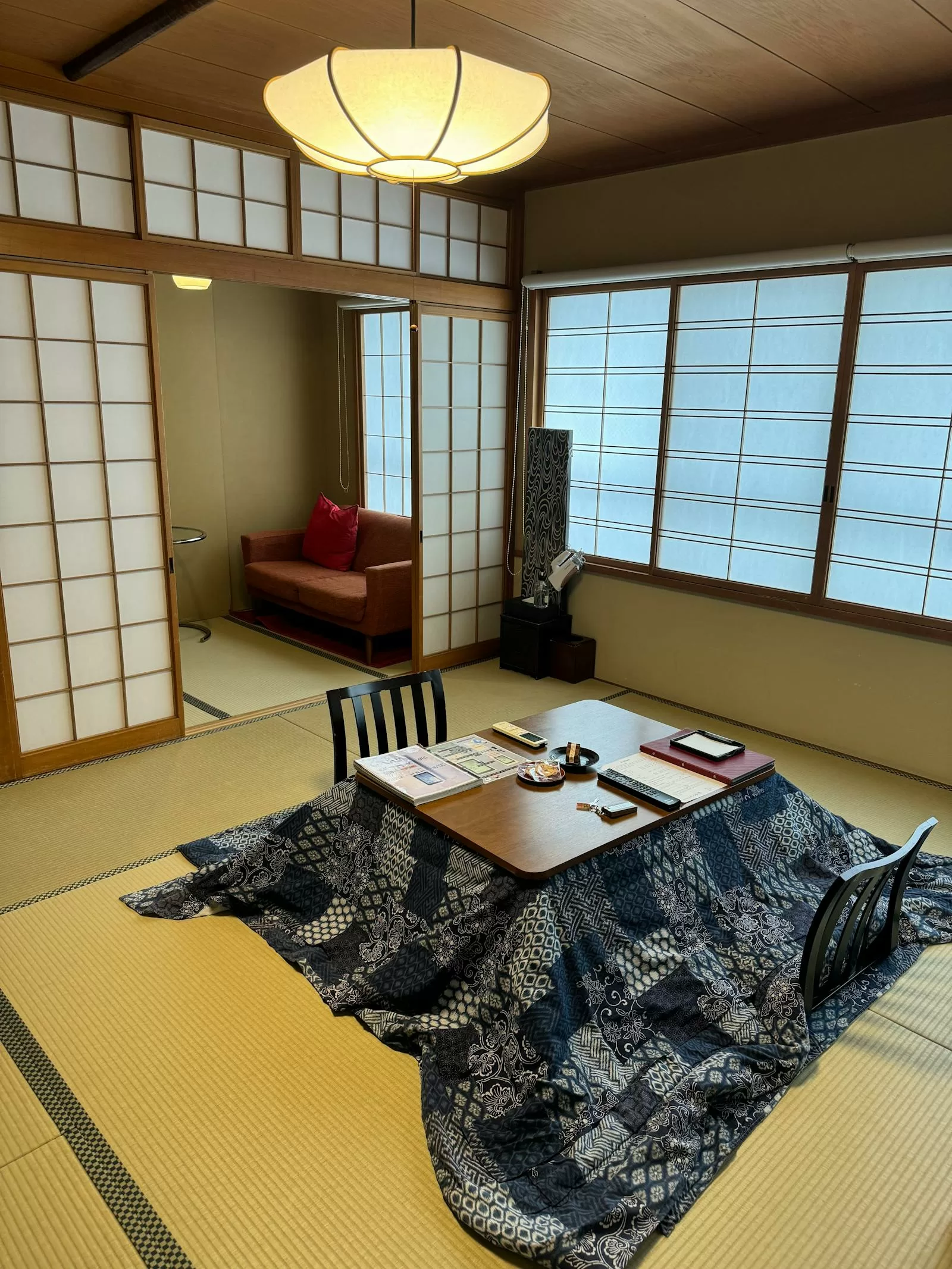
A real ryokan night includes dinner, breakfast, and usually onsen access. If you only do one, pick a place with a kaiseki dinner — it’s a meal you cannot get at a restaurant, plated course by course in your room or a private dining space. Minshuku are the family-run equivalent: half the price, simpler food, warmer service. Both book up fast during autumn foliage; reserve 2–3 months ahead.
Compare ryokan rates on Agoda — they typically show the best inventory for traditional lodgings outside Tokyo.
Food: From Konbini to Kaiseki
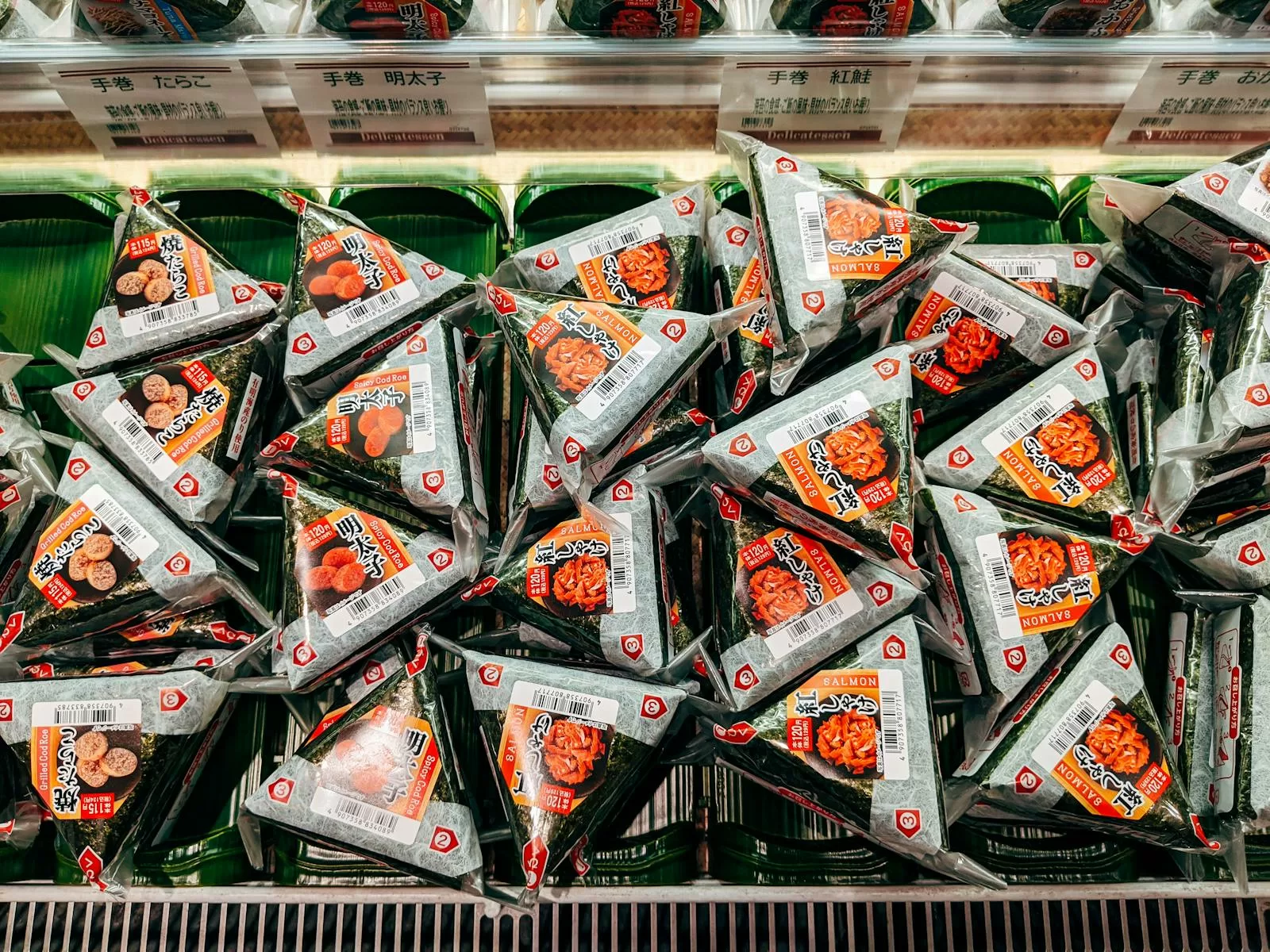
Japanese convenience stores are not a compromise — they’re a genuine food option used by locals. Onigiri (¥150–¥250), fresh sandwiches, hot fried chicken, and full bento run ¥400–¥800. Lawson, 7-Eleven, and FamilyMart all have distinct strengths; rotate between them.
- Teishoku (set meal) lunch: ¥900–¥1,500 for rice, miso, main, and pickles at any neighborhood shokudo.
- Standing sushi (tachi-zushi): ¥2,000–¥3,500 for a real meal with unusual fish, eaten fast at the counter.
- Chain ramen (Ichiran, Ippudo, Tenkaippin): ¥1,100–¥1,600 with toppings.
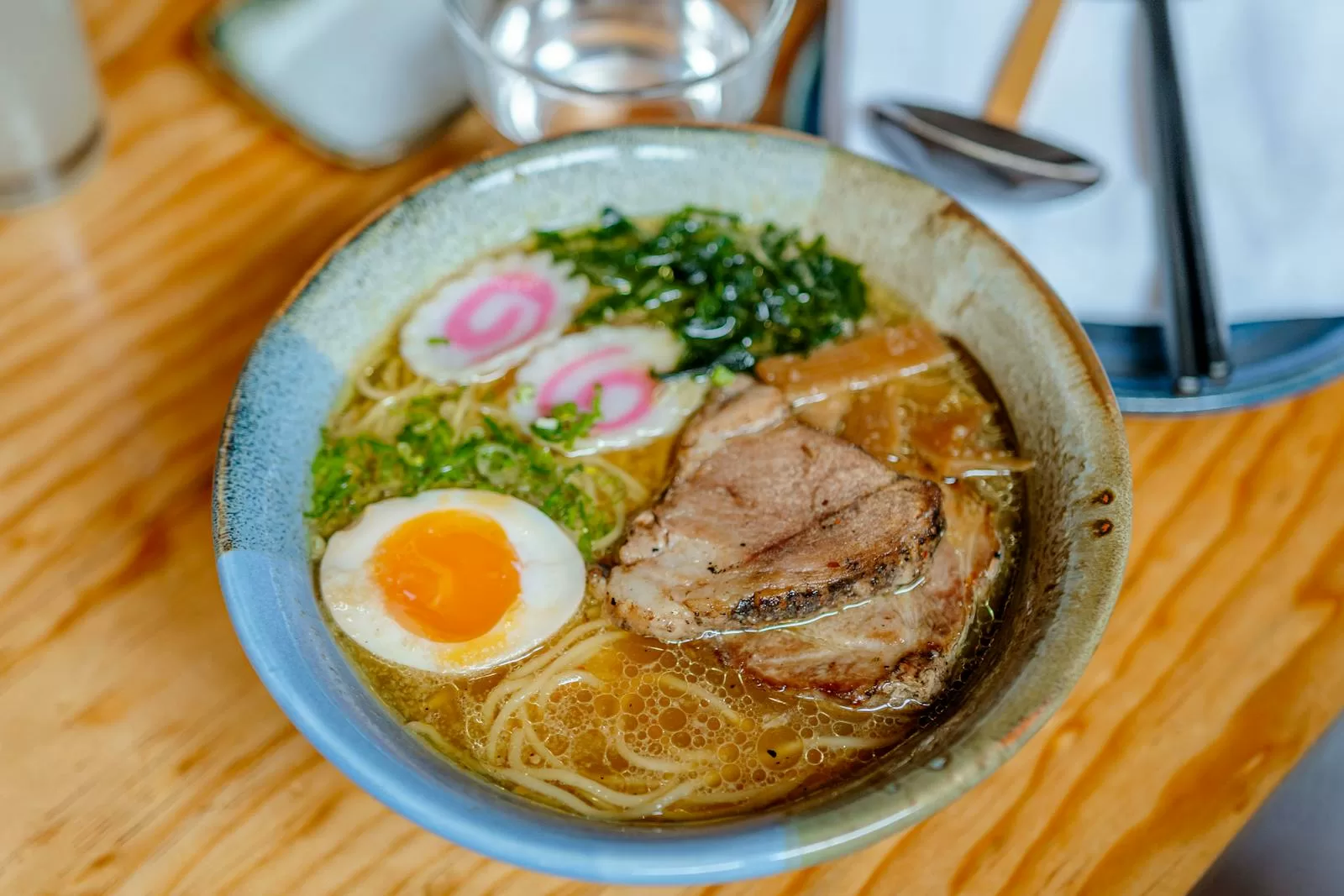
- Independent ramen shops: ¥800–¥1,200, and often better than the chains.
- Izakaya dinner: ¥3,000–¥5,000 with one or two drinks.
Free and Low-Cost Things to Do
A day in Japan does not need to cost anything. Entire categories of experience are free or close to it:
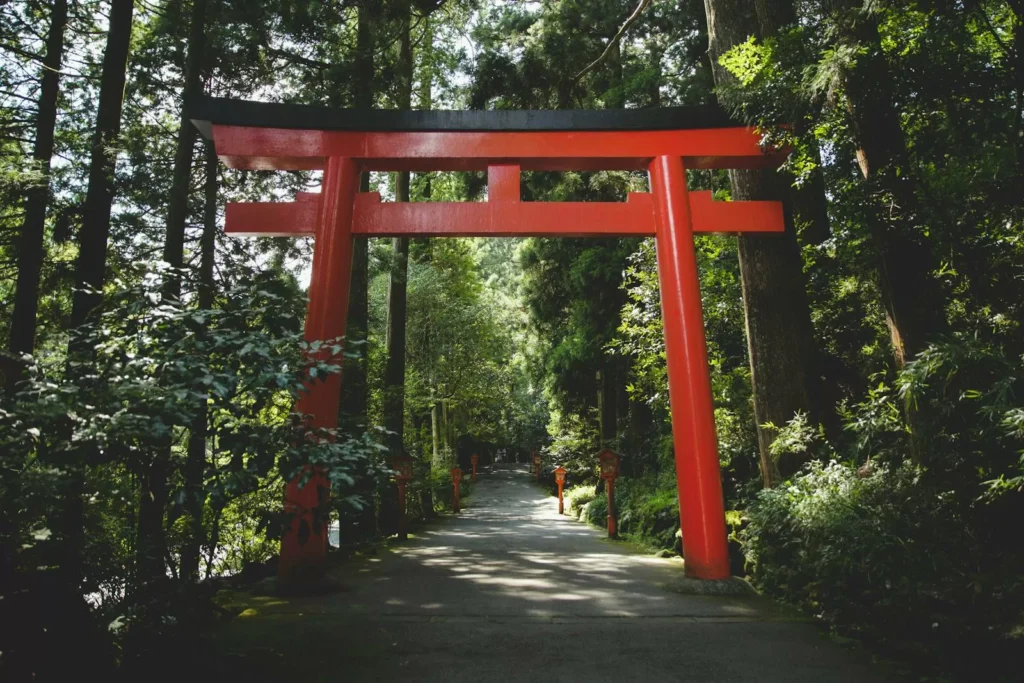
- Shrines. Most are free, including Meiji Jingu (Tokyo), Fushimi Inari (Kyoto), and Itsukushima’s outer grounds (Hiroshima).
- Observation decks. Tokyo Metropolitan Government Building (free), Umeda Sky Building lower level (free).
- Public gardens. Many city parks and old estate gardens charge under ¥500. Imperial East Gardens (Tokyo) and Kenrokuen off-season (Kanazawa) are standouts.
- Markets. Tsukiji Outer Market (Tokyo), Nishiki Market (Kyoto), Kuromon Ichiba (Osaka) — browsing is free, eating is cheap.
- Neighborhood walks. Yanaka (Tokyo), Higashiyama (Kyoto), Bikan Historical Quarter (Kurashiki) — no ticket needed, the streetscape is the attraction.
Money-Saving Hacks That Actually Work
- Buy regional passes, not the nationwide JR Pass. JR East, Kansai Wide, Kyushu Pass each cost a fraction and cover the zones you’ll actually use.
- Use local subway day passes. Tokyo Metro 24/48/72-hour pass (¥800/¥1,200/¥1,500), Kyoto Bus Pass (¥700/day) pay off after two or three rides.
- Avoid dinner in Ginza, Gion, and Shibuya crossing. Walk two subway stops out — same food, 30–40% cheaper.
- Book accommodation early for Oct–Nov and late March–early April. Foliage and cherry blossom weeks drive prices up 2–3× and sell out the best rooms three months in advance.
- Refill a water bottle. Japanese tap water is safe. Vending-machine water (¥130) adds up over two weeks.
- Use tax-free shopping above ¥5,000. Department stores and major electronics chains remove the 10% consumption tax for tourists on the same day of purchase — bring your passport.
- Check Klook before buying attraction tickets at the door. Theme parks, teamLab, and ferry passes are often ¥200–¥1,000 cheaper with online advance purchase.
Cash or Card? The 2026 Reality
Cashless acceptance has expanded fast but Japan is still more cash-reliant than Europe or North America. Plan for a hybrid approach:
- Always accepted: major hotels, chain restaurants, department stores, convenience stores, subway/rail (via IC card).
- Still cash-preferred or cash-only: small ramen shops, old ryokan in rural areas, small shrines selling omamori, some izakaya, most street-food stalls, temple admissions in rural prefectures.
- ATMs: 7-Bank (inside every 7-Eleven), Japan Post Bank, and Lawson ATMs accept foreign cards 24/7. Stick with these — hotel and independent ATMs frequently reject non-Japanese cards.
Carry about ¥15,000–¥20,000 in cash as a working float.
Frequently Asked Questions
How much does a week in Japan cost in 2026?
Excluding international flights, expect roughly ¥60,000 (backpacker) to ¥350,000 (ryokan-forward) per person for a seven-day trip. Most first-time travelers spend ¥120,000–¥180,000 per week on the ground.
Is the JR Pass still worth it in 2026?
Only if your itinerary covers long distances inside the pass window. For Tokyo–Kyoto–Osaka it does not pay off. For Tokyo–Kyoto–Hiroshima–Tokyo within 7 days, it roughly breaks even. Regional passes usually beat it for typical two-city trips.
Can I use credit cards everywhere in Japan?
No. Cities and chains accept cards widely, but small restaurants, rural ryokan, and traditional shops are often cash-only. Plan for a ¥15,000–¥20,000 cash float and refill at 7-Bank or Japan Post ATMs.
What’s the cheapest way to sleep in Japan?
Capsule hotels (¥3,000–¥5,000) in major cities and hostel dorms (¥2,500–¥4,000). Both are clean and safe. Book on Agoda or direct from the chain.
How much cash should I bring to Japan?
Don’t bring large amounts — withdraw from 7-Bank or Japan Post ATMs on arrival. Carry about ¥15,000–¥20,000 in hand for cash-only places, refilling as you spend down.
Are the new tourist taxes expensive?
Accommodation taxes add ¥100–¥1,000 per night depending on city and room rate — negligible for short trips. The Mt. Fuji climbing fee is the largest added cost for summer climbers; check our Mt. Fuji guide for current amounts.
Can I eat cheaply and still eat well in Japan?
Yes. Teishoku lunch sets (¥900–¥1,500), independent ramen shops (¥800–¥1,200), and konbini food are legitimately good. Save the ¥10,000+ meals for two or three evenings you’ll remember, not every night.
What’s the single biggest waste of money for first-time visitors?
Taxis in Tokyo and Kyoto. The subway and bus systems cover every place you’d want to go, for a fifth of the cost and often faster during rush hour.
Final Take
Japan in 2026 is not the bargain it was a decade ago, but it’s still one of the best value-per-yen destinations in Asia if you know where the math has shifted. Skip the default JR Pass purchase, sleep in a capsule at least one night, eat the konbini onigiri — then spend the savings on one ryokan night with kaiseki dinner. That’s the balance most travelers who come home happy actually struck.
Last updated: April 2026. Prices and tax rates verified against official sources at time of writing and will shift — check before booking. For on-the-ground transport and airport logistics, see our airport and flight guide and how to travel around Japan.

- Japan Essential Tips 2026: Etiquette, Apps, New Rules, and What Actually Matters
 Japan is one of the easiest cou… 続きを読む: Japan Essential Tips 2026: Etiquette, Apps, New Rules, and What Actually Matters
 - Japan Budget Guide 2026: Real Daily Costs, Smart Savings, and What Changed This Year
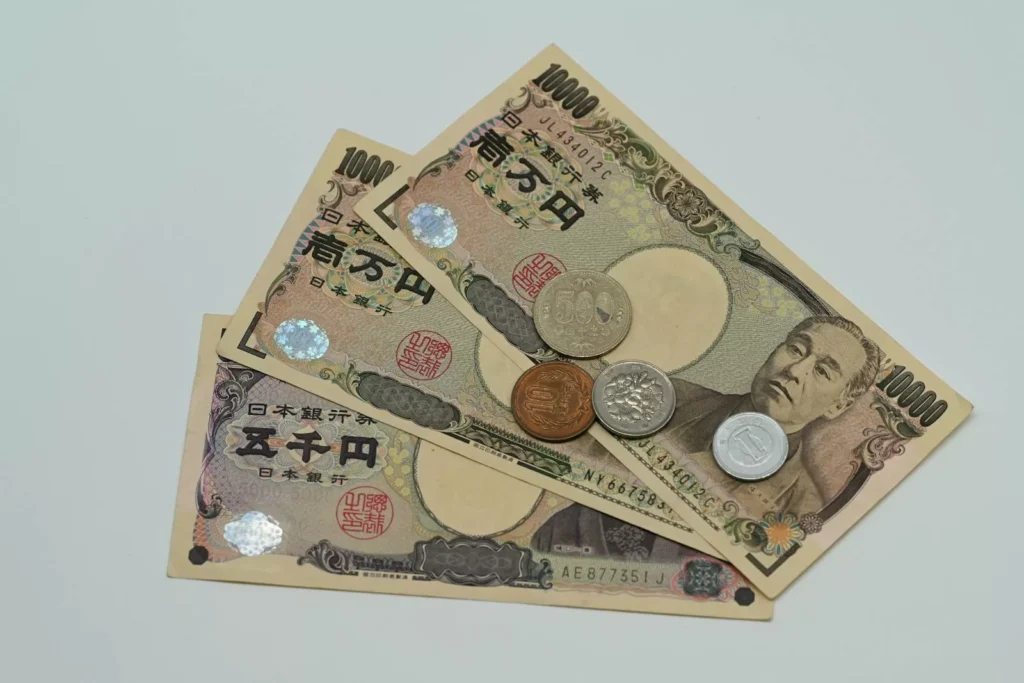 A week in Japan in 2026 costs a… 続きを読む: Japan Budget Guide 2026: Real Daily Costs, Smart Savings, and What Changed This Year
 - Kamikochi at Dawn: What the Valley Looks Like Before the Buses Arrive
 The first buses reach Kamikochi… 続きを読む: Kamikochi at Dawn: What the Valley Looks Like Before the Buses Arrive
 - How to Get to Kamikochi 2026: 5 Routes, Bus Fares & Parking Guide
 Kamikochi has no train station.… 続きを読む: How to Get to Kamikochi 2026: 5 Routes, Bus Fares & Parking Guide
 - Kamikochi Walking Guide 2026: Taisho Pond to Myojin Bridge in One Day
 Kamikochi opened for the 2026 s… 続きを読む: Kamikochi Walking Guide 2026: Taisho Pond to Myojin Bridge in One Day
2026 cherry blossom cherry blossoms day trip from tokyo flower festival fuji five lakes fujiyoshida Fukuoka fushimi hanami hiking japan japanese culture japanese food japanese garden japan travel kamakura kawagoe kawaguchiko Kumamoto kyoto local food Mount Fuji mt fuji Nagano nature Nikko Oku-Nikko Onsen Ramen saitama sakura Shizuoka shrine sightseeing snow spring in japan Tochigi Tokyo travel travel guide travel planning winter winter travel Yamanashi
Join 1,000+ travelers discovering Japan's hidden side
Weekly dispatches from off-the-beaten-path Japan — spots and stories you won't find in guidebooks.
No spam. Unsubscribe anytime.
Welcome aboard!
You're in. See you in your inbox soon.
![Mt. Fuji Huts 2026: Rooms, Meals & Booking Rules [7 Photos]](https://hiddenjapan-gems.com/wp-content/uploads/2026/04/top2-768x308.webp)
[…] Withdraw from 7-Bank (inside every 7-Eleven), Japan Post Bank, or Lawson ATMs — all accept foreign cards 24/7. For a full cost breakdown, see our Japan Budget Guide 2026. […]