


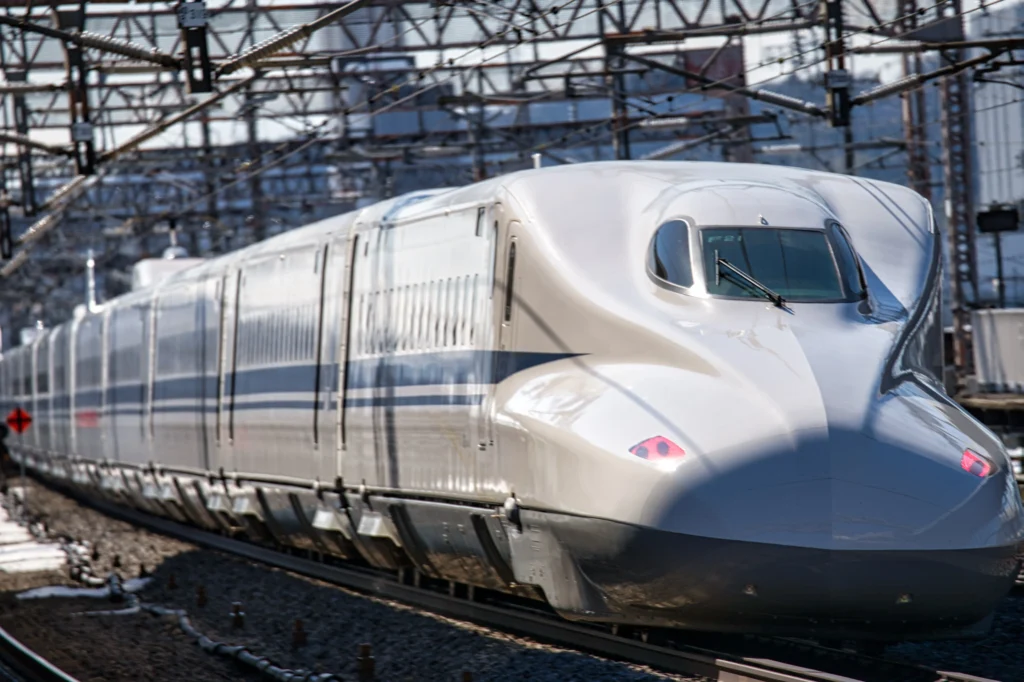
Navigating Japan’s transportation system can seem as complex and intricate as a Tokyo subway map, but it’s also one of the most efficient, punctual, and rewarding travel networks in the world. From the iconic Shinkansen bullet trains to the budget-friendly highway buses, understanding how to travel around Japan is the key to crafting a seamless and unforgettable itinerary. As the founder of hiddenjapan-gems.com, I’ve spent years mastering this network, and the most common question I receive is about the Japan train pass system, especially the famous Japan Rail Pass.
Following a major price increase, the question of “is the JR Pass worth it in 2026?” is more critical than ever — and we break down the 4-scenario math in our JR Pass vs individual tickets 2026 guide. This comprehensive guide will break down everything you need to know. We’ll dive deep into the new JR Pass, explore essential tools like IC cards (Suica/PASMO), and compare all your options—from buses and rental cars to domestic flights—to help you choose the most cost-effective and convenient way to explore the country.
Table of Contents
Japan Transport At-a-Glance: Which is Best for You?
| Transport Mode | Best For | Price | Speed | Convenience |
| Shinkansen (Bullet Train) | Long-distance city-to-city travel (e.g., Tokyo-Kyoto) | High | Very High | High |
| IC Card (Suica/PASMO) | Local trains, subways, buses in cities | Low | Medium | Very High |
| Japan Rail Pass | Multiple long-distance Shinkansen trips in a short period | High | Very High | Medium |
| Highway Bus | Budget-conscious, overnight travel between major cities | Low | Low | Medium |
| Rental Car | Exploring rural areas, countryside, and off-the-beaten-path locations | Medium | Medium | High (in rural areas) |
| Domestic Flight (LCC) | Traveling to remote islands (Okinawa) or across long distances (Tokyo-Hokkaido) | Medium | High | Medium |
The Japan Rail Pass (2026 Edition): Is It Still Worth It?
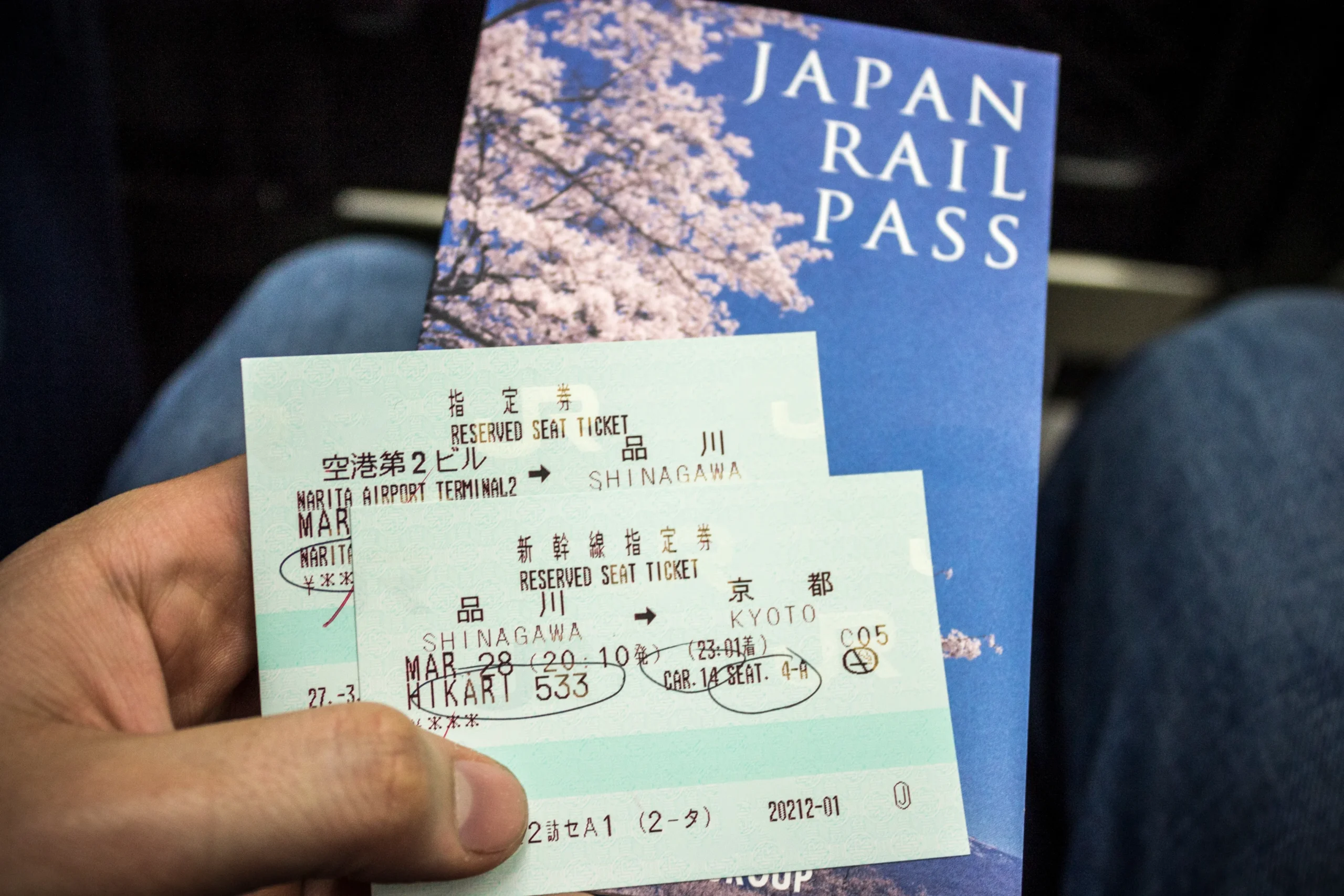
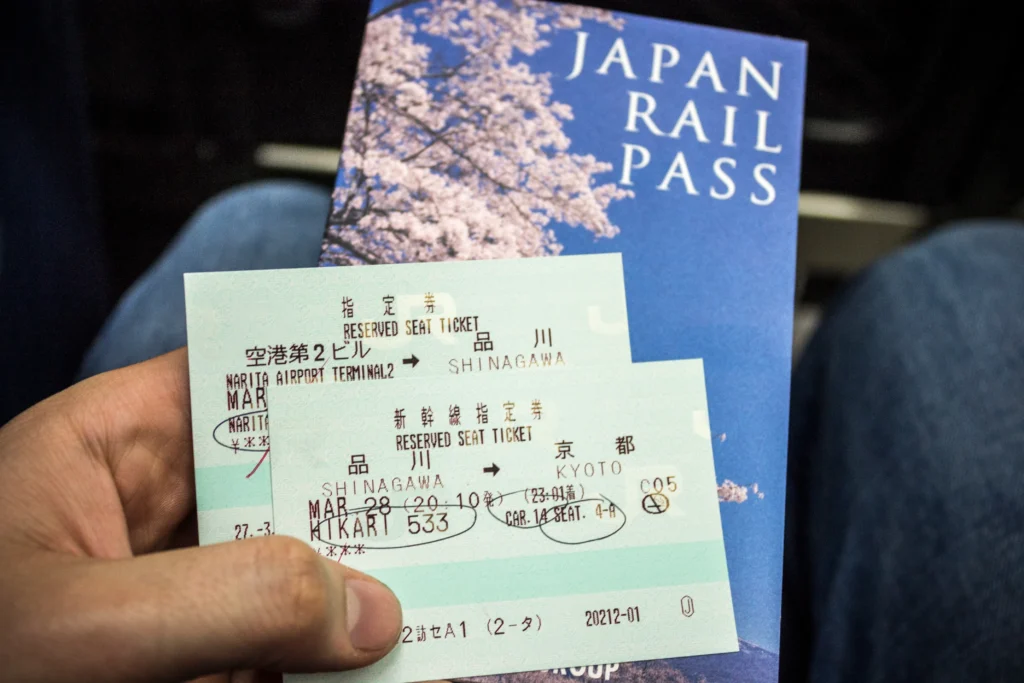
The Japan Rail Pass (JR Pass) is a single ticket offering unlimited travel on Japan’s extensive JR network for a fixed period. For decades, it was a must-buy for most tourists. However, after a price increase of nearly 70% in October 2023, the calculation has changed dramatically.
JR Pass Prices for 2026
| Duration | Ordinary Car (Adult) | Green Car (Adult) |
| 7-Day | ¥50,000 | ¥70,000 |
| 14-Day | ¥80,000 | ¥110,000 |
| 21-Day | ¥100,000 | ¥140,000 |
Child prices (6-11 years old) are 50% of the adult fare.
So, Is the JR Pass Worth It in 2026?
The short answer is: only for very specific, long-distance, fast-paced itineraries.
To break even on the 7-day Ordinary Pass (¥50,000), you need to spend more than that on individual JR tickets. Here are some sample one-way fares:
•Tokyo to Kyoto: approx. ¥13,870
•Tokyo to Hiroshima: approx. ¥19,440
•Tokyo to Shin-Hakodate (Hokkaido): approx. ¥23,430
A simple Tokyo-Kyoto round trip (¥27,740) is no longer enough. You would need to do something like a Tokyo → Kyoto → Hiroshima → Tokyo trip within 7 days to start seeing value. The pass is no longer a tool for saving money on typical tourist routes; it’s a tool for enabling high-speed, cross-country travel.
Use a JR Pass Calculator to check your specific itinerary.
How to Buy the JR Pass
1.Official Website (Recommended): The easiest way is to buy directly from the official JAPAN RAIL PASS website. This allows you to book reserved seats online even before you arrive in Japan.
2.Overseas Travel Agencies: You can still buy an “Exchange Order” from an authorized agent in your home country before you leave. You then swap this for the actual pass after arriving in Japan.
Key Changes to Note
•Nozomi & Mizuho Trains: The fastest Shinkansen services (Nozomi on the Tokaido-Sanyo line and Mizuho on the Sanyo-Kyushu line) are still not fully covered. However, you can now ride them by purchasing a special supplementary ticket for a hefty fee (e.g., ¥4,960 for Tokyo-Kyoto). This adds flexibility but also cost.
•Regional Passes: For many travelers, a regional pass (e.g., JR East Pass, Kansai Area Pass) is now a much more cost-effective option if you’re focusing on one part of Japan.
Your Digital Wallet: IC Cards (Suica, PASMO & Mobile Options)
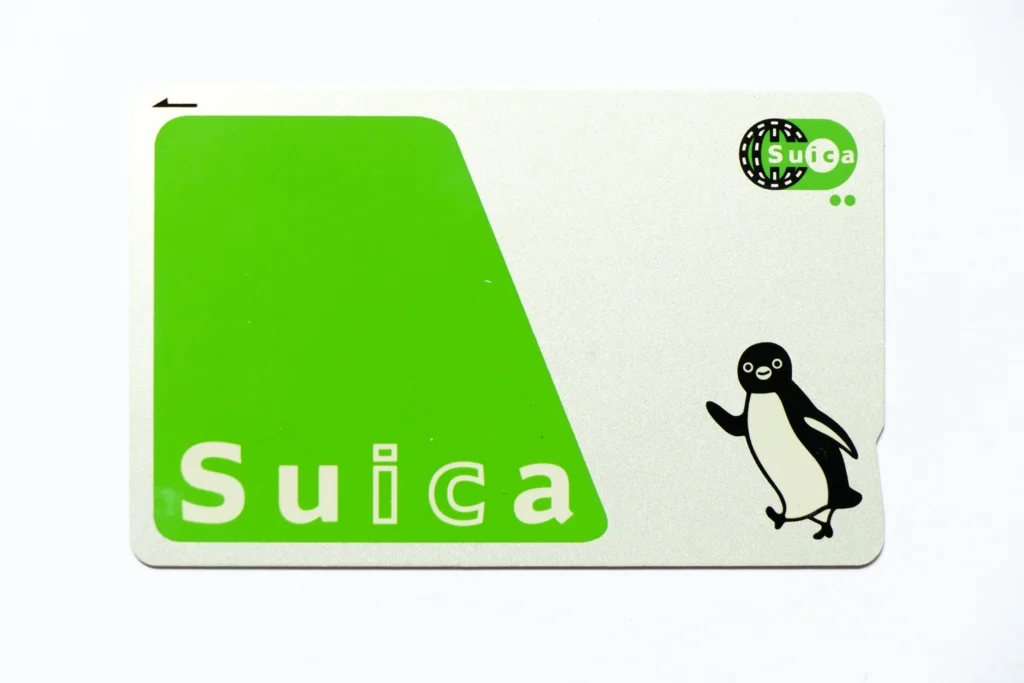
For navigating the dense urban landscapes of Tokyo, Osaka, and other major cities, an IC card is your single most essential tool. These rechargeable smart cards provide tap-and-go access to virtually all trains, subways, and buses, eliminating the need to buy individual tickets for every ride.
Which IC Card Should You Get in 2026?
Due to an ongoing chip shortage, the classic physical Suica and PASMO cards are no longer readily available for purchase. This has shifted the landscape towards two main options for tourists:
1.Mobile IC Card (The Best Option): If you have a modern smartphone, this is the most convenient choice. You can add a digital Suica, PASMO, or ICOCA card directly to your Apple Wallet (iPhone) or Google Pay (Android).
•How to get it: Add it through your phone’s Wallet app. You can do this before you even leave for Japan.
•How to charge it: Instantly top up your balance using a credit card (Visa is not always reliable, Mastercard/Amex are better) stored in your wallet. You can also still charge it with cash at ticket machines in any station.
2.Welcome Suica: This is a special physical card designed for tourists.
•How to get it: Purchase it from JR East Travel Service Centers or special vending machines at Narita and Haneda airports.
•Limitations: It is only valid for 28 days, and any remaining balance is not refundable. There is no initial deposit required.
Pro Tip: Set up a mobile Suica on your phone before your trip. It’s the most seamless way to travel around Japan’s cities, and you can also use it to pay at convenience stores, vending machines, and thousands of shops, turning your phone into a true digital wallet.
The Budget-Friendly Alternative: Highway & Night Buses
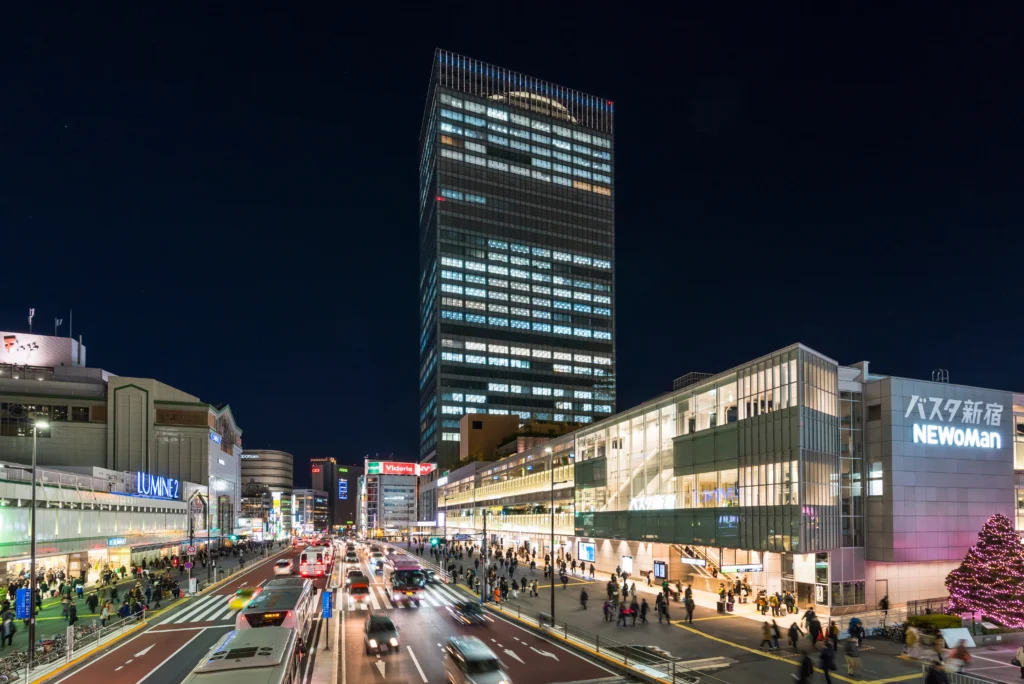
For travelers on a tighter budget, highway buses are an excellent alternative to the Shinkansen. While the journey takes longer, the cost savings can be substantial. Night buses offer the added benefit of saving on a night’s accommodation.
Why Choose a Highway Bus?
•Cost: A trip from Tokyo to Osaka can cost as little as ¥3,000-¥8,000, compared to nearly ¥14,000 on the Shinkansen.
•Convenience: Night buses allow you to travel while you sleep, arriving at your destination in the morning ready to explore.
•Comfort: Companies like Willer Express offer a range of comfortable seating options, from standard seats to luxurious private pods, ensuring a good night’s rest.
How to Book
•Willer Express: The most popular and user-friendly option for foreigners, with an excellent English website (willer-travel.com/en/). They also offer a Japan Bus Pass for 3, 5, or 7 days of unlimited travel on their network, which can be a fantastic deal.
•Japan Bus Online: A comprehensive booking portal that covers multiple bus companies across Japan (japanbusonline.com/en).
Buses are a fantastic way to stretch your budget without sacrificing too much comfort, making them a key part of learning how to travel around Japan smartly.
Freedom to Explore: Renting a Car in Rural Japan
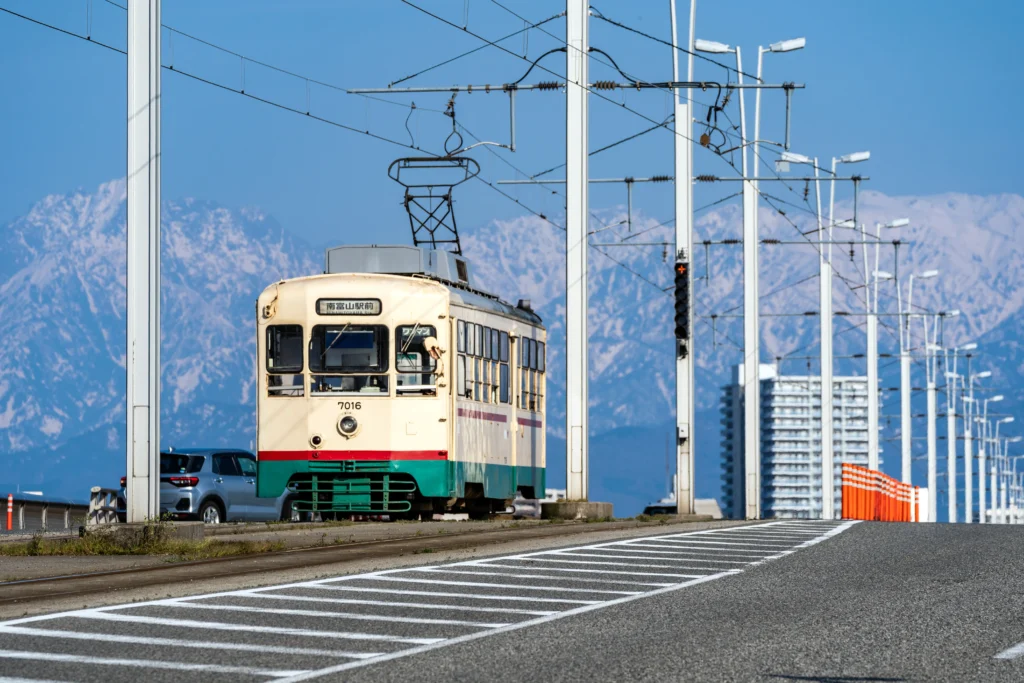
While public transport is unbeatable in Japanese cities, a rental car is the best way to explore the country’s beautiful and often inaccessible rural regions. Places like Hokkaido, the Japanese Alps, the Noto Peninsula, and the islands of Kyushu and Shikoku are best experienced with the freedom that only a car can provide.
Requirements for Driving in Japan
To rent a car in Japan, you must have one of the following:
1.An International Driving Permit (IDP): This must be issued under the 1949 Geneva Convention. You must obtain this in your home country before arriving in Japan. The IDP is only valid for one year from your date of entry.
2.A Japanese Translation of Your License: For drivers from certain countries (including Germany, France, Switzerland, Belgium, and Taiwan), an official translation from the Japan Automobile Federation (JAF) is required instead of an IDP.
Practical Tips for Renting
•Book in Advance: Especially during peak seasons. Major providers include Toyota Rent a Car, Times Car Rental, and Nippon Rent-A-Car.
•Drive on the Left: Remember that traffic in Japan drives on the left side of the road.
Understanding ETC: A Must-Know for Highway Driving
Japan’s highways use an Electronic Toll Collection (ETC) system, and understanding the difference between the ETC on-board unit (which is built into most rental cars) and the ETC card (which you must rent separately) is critical.
Most rental cars come equipped with an ETC device, but the ETC card itself must be rented as an add-on at the counter when you pick up the car. Without the card, the device won’t work. Always confirm ETC card availability when you make your reservation, as not every branch stocks them.
Driving without an ETC card is risky. The number of “general” (cash) toll lanes is rapidly decreasing across Japan, and many interchanges are now ETC-only. If you accidentally enter an ETC-only lane without a card, you’ll need to stop and use the intercom to speak with an operator—a stressful experience, especially if you don’t speak Japanese.
Even tourist-friendly expressway passes (such as the Hokkaido Expressway Pass or the Kyushu Expressway Pass) typically require a designated ETC card to activate. The bottom line: always rent an ETC card with your vehicle. It’s a small additional cost that saves enormous hassle.
Flying High: When to Use Domestic LCC Flights
For covering long distances quickly, domestic flights are often a surprisingly affordable and efficient option, thanks to Japan’s competitive Low-Cost Carrier (LCC) market.
When should you fly?
•To Hokkaido or Okinawa: Flying is the only practical way to reach Okinawa and by far the fastest way to get to Hokkaido from most of Japan.
•Long-Distance Cross-Country Travel: A flight from Tokyo to Fukuoka (Kyushu) can be cheaper and faster than the Shinkansen if booked in advance.
Major Domestic LCCs
•Peach Aviation: A popular LCC based out of Osaka’s Kansai Airport (KIX) with a wide domestic network.
•Jetstar Japan: Another major player based at Narita Airport (NRT).
Keep an eye out for frequent sales from these airlines, where one-way fares can drop to as low as ¥3,000-¥5,000, making them an incredible value for bridging large distances in your itinerary.
Strategic FAQ Section
Q1: With the price increase, is the JR Pass worth it in 2026 at all?
A1: Yes, but only for travelers with a packed, long-distance itinerary. If you plan to take at least three long-distance Shinkansen trips (e.g., Tokyo-Kanazawa, Kanazawa-Kyoto, Kyoto-Hiroshima) within a 7-day period, it can still offer value and convenience. For most typical tourist routes, buying individual tickets is now cheaper.
Q2: What is the easiest way to pay for local trains and subways in Tokyo?
A2: The easiest method is to add a Suica or PASMO card to your smartphone’s Apple Wallet or Google Pay. This allows you to tap-and-go for all local transport and can be recharged instantly with a credit card. It’s the most seamless way to navigate cities.
Q3: I’m traveling from Tokyo to Kyoto. What’s the cheapest way?
A3: The cheapest way is an overnight highway bus. A bus trip can cost as little as ¥3,000-¥8,000, compared to the Shinkansen fare of around ¥14,000. You’ll also save on one night of accommodation.
Q4: Do I need an International Driving Permit to rent a car in Japan?
A4: Yes, for most nationalities, an International Driving Permit (IDP) issued under the 1949 Geneva Convention is mandatory. You must obtain this in your home country before you arrive in Japan. It cannot be issued in Japan.
Q5: Can I use my JR Pass on city subways?
A5: Generally, no. The JR Pass is valid on Japan Railways (JR) lines only. Most major cities have extensive subway networks run by separate, non-JR companies (e.g., Tokyo Metro, Toei Subway). You will need to use an IC card or buy separate tickets for these.
Q6: Do I need to rent an ETC card separately when renting a car?
A6: Yes. Most rental cars in Japan have an ETC on-board unit installed, but the ETC card itself must be rented separately at the counter. Without the card, you cannot use ETC lanes on highways. Always confirm availability when booking your rental car.
Q7: Are regional JR passes a better deal than the nationwide JR Pass?
A7: In many cases, yes. If you are focusing your trip on one region (e.g., Kansai, Tohoku, Kyushu), a regional pass is often significantly cheaper and covers all the trains you need. For example, the JR Kansai Area Pass starts at just ¥2,800 for one day, making it ideal for day trips around Osaka, Kyoto, and Nara.
Q8: What is the best app for planning train routes in Japan?
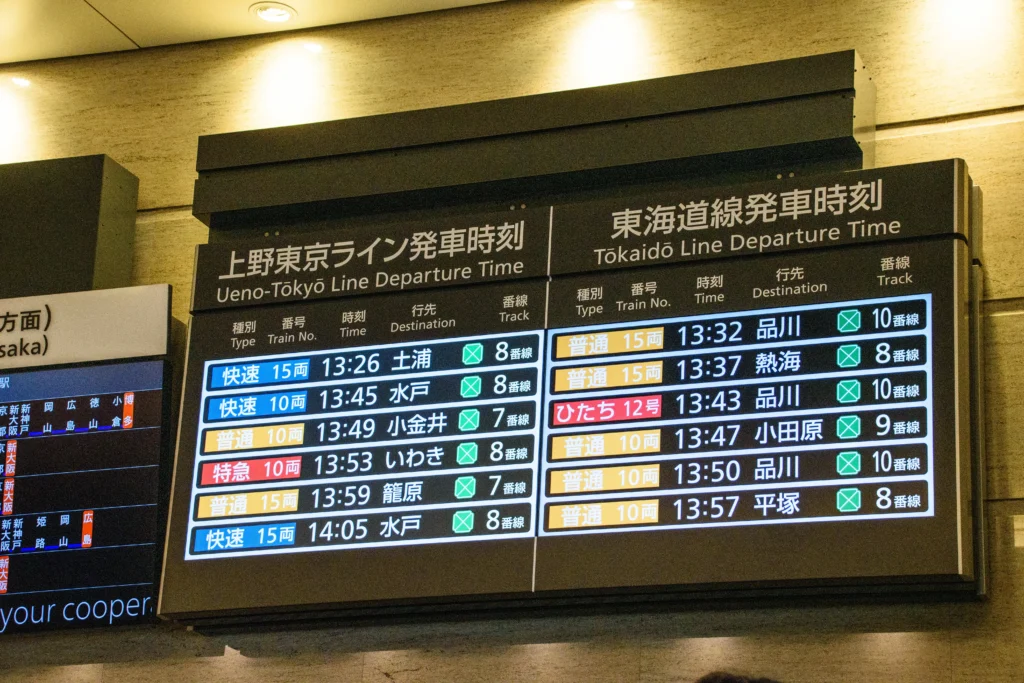
A8: Google Maps works well for most route planning in Japan and supports real-time transit information. For more detailed options, the Navitime or Japan Transit Planner apps provide comprehensive schedules including platform numbers and transfer guidance.
Conclusion
Mastering how to travel around Japan in 2026 is about making smart, informed choices. The one-size-fits-all solution of the old Japan Rail Pass is gone. Today’s savvy traveler combines different modes of transport: using a mobile IC card for effortless city travel, booking a budget-friendly night bus to save on a long leg, and perhaps investing in a regional Japan train pass if exploring one area intensively. By analyzing your itinerary and using the tools in this guide, you can build a transportation plan that is both cost-effective and perfectly suited to your unique adventure through Japan.
Article Metadata
•Last updated: March 23, 2026
Sources checked
•JAPAN RAIL PASS Official Website
•Japan-guide.com – Transportation
•Toyota Rent a Car – Driver’s License Information

- Diamond Fuji 2026-2027: Complete Calendar Guide to Where and When to See It
 Mt. Fuji · Diamond Fuji · 2026–2027 Diamond Fuji 2026–2027: The Complete Calendar Guide to Where and When to See It On any given month somewhere in Japan, the sun… Read more: Diamond Fuji 2026-2027: Complete Calendar Guide to Where and When to See It
 - Yamaju Masuda Shoten 2026: Inside a 130-Year-Old Katsuobushi Workshop in Yaizu Shizuoka
 Shizuoka · Yaizu · Craft Yamaju Masuda Shoten 2026: Inside a 130-Year-Old Katsuobushi Workshop in Yaizu A small family workshop in Yaizu still smoking bonito over open fire. The umami… Read more: Yamaju Masuda Shoten 2026: Inside a 130-Year-Old Katsuobushi Workshop in Yaizu Shizuoka
 - Nanzoin Reclining Buddha 2026: Worlds Largest Bronze Buddha 25 Minutes from Hakata
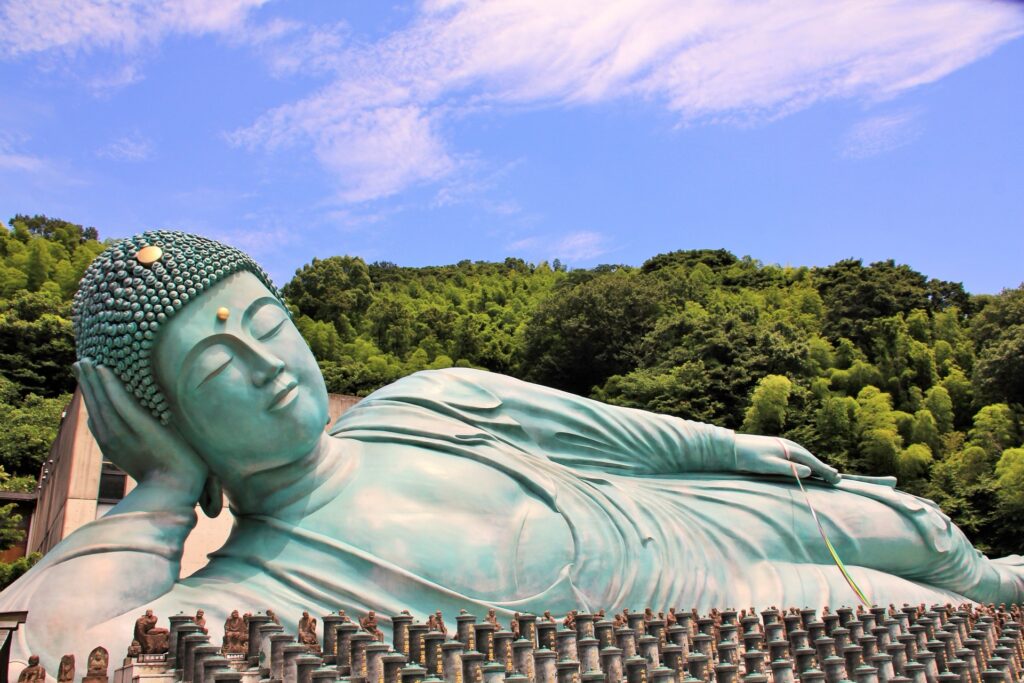 Fukuoka · Sasaguri · Temple Nanzoin Reclining Buddha 2026: World’s Largest Bronze Buddha, Just 25 Minutes from Hakata A 41-meter sleeping bronze giant in a quiet mountain town — what… Read more: Nanzoin Reclining Buddha 2026: Worlds Largest Bronze Buddha 25 Minutes from Hakata
 - Naraijuku in Winter 2026: A Quiet Kiso Post Town Without the Tourist Buses
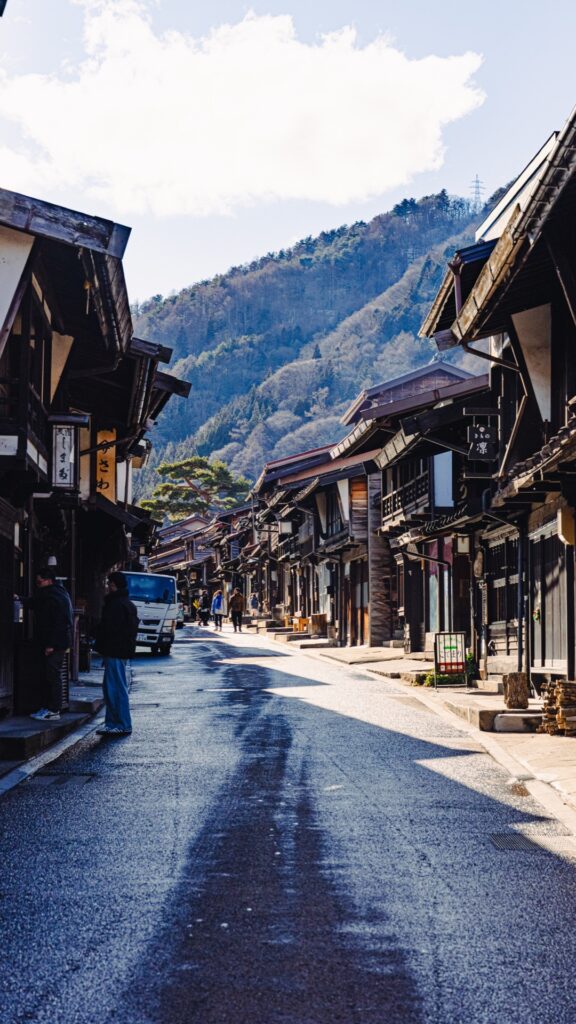 Nagano · Naraijuku · Off-Season Naraijuku in Winter: A Quiet Post Town Without the Tourist Buses December at the wooden inns of the Kiso valley — what the off-season actually… Read more: Naraijuku in Winter 2026: A Quiet Kiso Post Town Without the Tourist Buses
 - One Day in the Kiso Valley 2026: Naraijuku to Tsumago by Train
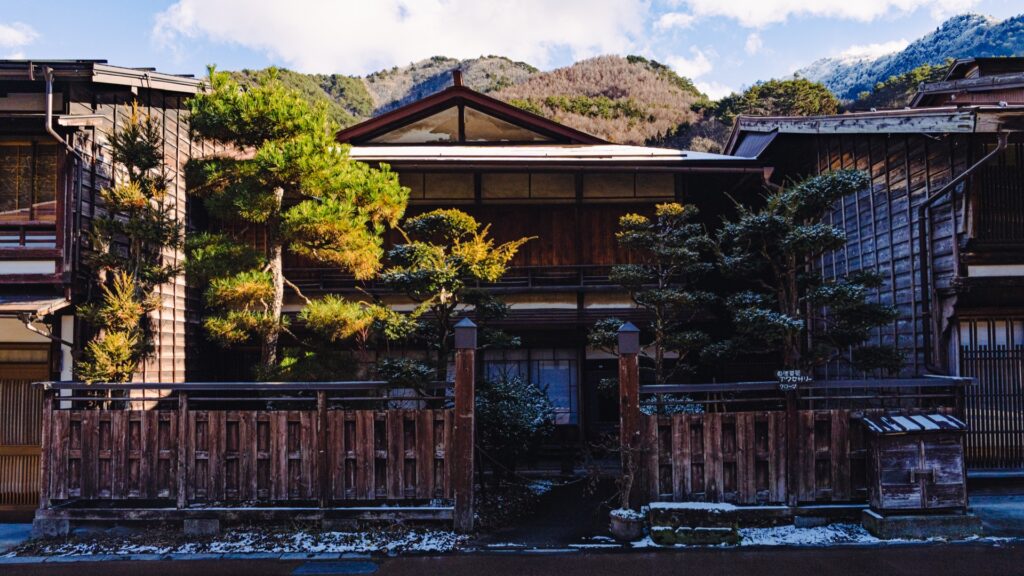 Nagano · Itineraries · Kiso Valley One Day in the Kiso Valley: Naraijuku to Tsumago by Train and on Foot Two preserved Edo-period post towns, one valley, one train line,… Read more: One Day in the Kiso Valley 2026: Naraijuku to Tsumago by Train
2026 cherry blossom cherry blossoms day trip from tokyo flower festival fuji five lakes fujiyoshida Fukuoka fushimi hanami hiking japan japanese culture japanese food japan travel kamakura Kamikochi kanagawa kawagoe kawaguchiko Kumamoto kyoto Mount Fuji mt fuji Nagano Nikko Oku-Nikko Onsen Ramen ryokan saitama sakura Shizuoka shrine sightseeing spring spring in japan Tokyo travel travel guide Travel Guide 2026 when to visit japan winter winter travel Yamanashi
Join 1,000+ travelers discovering Japan's hidden side
Weekly dispatches from off-the-beaten-path Japan — spots and stories you won't find in guidebooks.
No spam. Unsubscribe anytime.
Welcome aboard!
You're in. See you in your inbox soon.

[…] Getting around Japan during Golden Week requires military-level precision. In 2025, a record 4.37 million passengers used the Tokaido Shinkansen during this period. [1] […]
[…] hours, tide timing for walking to the torii, the best food on the island, and practical tips for getting around Japan […]
[…] For more detail, see our Getting Around Japan guide. […]