
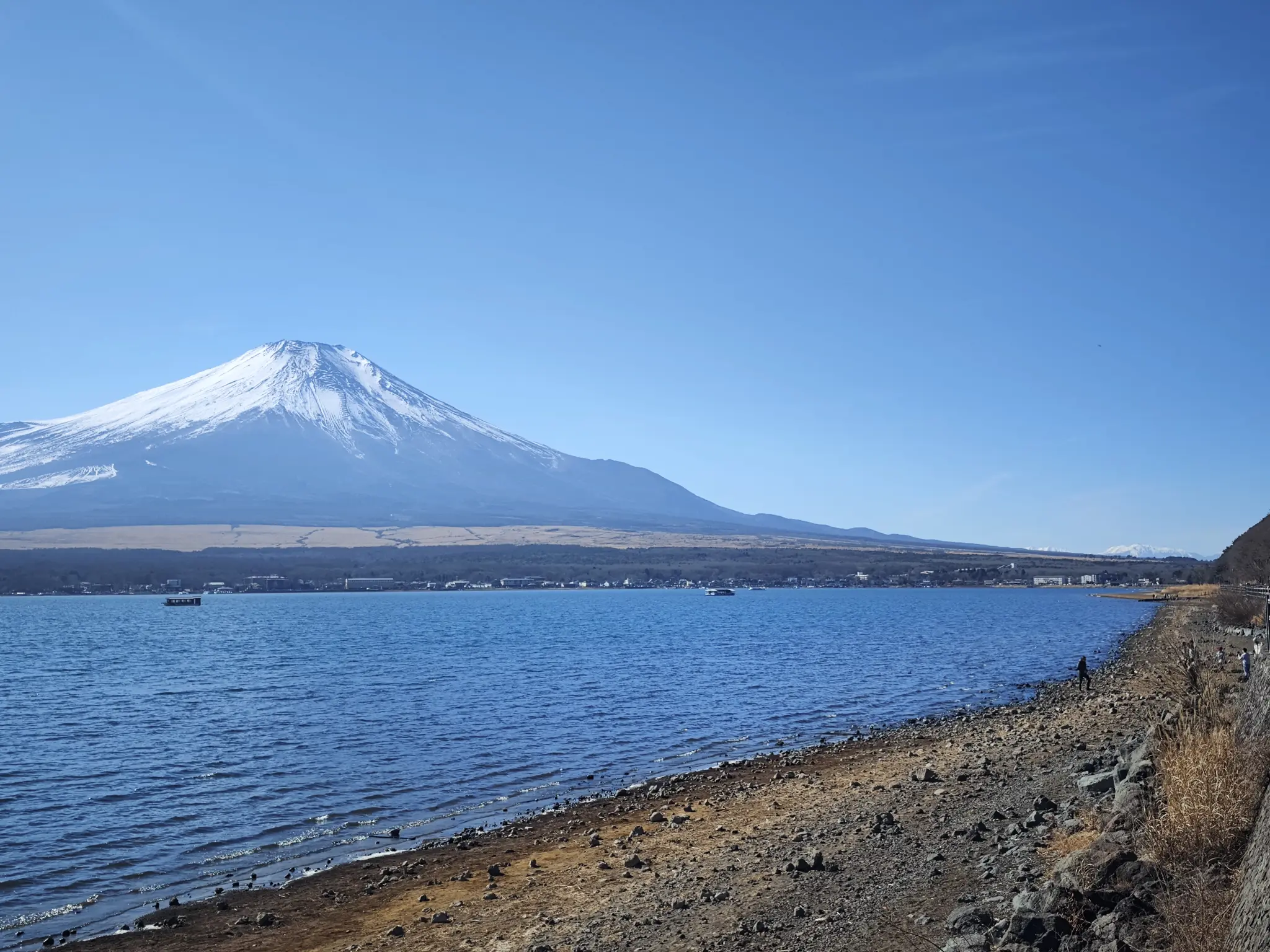

“Will I be able to see Mt. Fuji tomorrow?” It’s the single most common question for travelers heading to Japan’s iconic mountain, and the hardest to answer. The weather around Fuji is notoriously fickle, and a perfectly clear forecast can give way to a completely obscured peak in a matter of hours. This guide won’t give you a simple yes or no. Instead, it will empower you with the tools and knowledge to manage your expectations and make the most of your visit, whether the sacred mountain decides to reveal itself or not.
Table of Contents
Why No One Can Guarantee a Fuji Sighting
First, let’s set the record straight: predicting Mt. Fuji’s visibility with 100% accuracy is impossible. The mountain creates its own weather system. Moisture from the Pacific Ocean gets pushed up its slopes, forming clouds that can appear and disappear with surprising speed. This is why a sunny day in Tokyo doesn’t guarantee a clear view of Fuji, even though it’s only 100 kilometers away. The key is to embrace the uncertainty. Think of a Fuji sighting as a bonus, a moment of serendipity, not a guarantee. This mindset will ensure your trip is memorable for the experience itself, not just for a single view.
Section 1: The Visibility Checklist – Increase Your Odds
While you can’t control the weather, you can strategically plan your visit to increase your chances of seeing the peak. Here are the three most important factors to consider:
1. Season: Winter is Your Best Bet
Data consistently shows that the winter months offer the highest probability of a clear view. Based on 33 years of observation data from Fuji City, the visibility rate is highest from November to February. This is due to the crisp, dry continental air that reduces haze and atmospheric moisture.
| Month | Average Visibility Score | Chance of a Clear Peak Day |
| December | 86 | 74% |
| November | 84 | 72% |
| January | 81 | 68% |
| February | 79 | 66% |
| June (Rainy Season) | 28 | 14% |
Source: Analysis of data from isfujivisible.com, which defines a “clear peak day” as having less than 10% cloud cover within 4km of the summit.
In contrast, the summer months (June to August) are the worst, with the rainy season and typhoon season bringing high humidity and frequent cloud cover.
2. Time of Day: The Early Bird Gets the View
Early morning is, without a doubt, the best time of day to see Mt. Fuji. The air is generally clearer and calmer before the sun’s heat begins to generate clouds. Visibility scores are, on average, 12 points higher between 3:00 and 6:00 AM JST compared to noon. After 11:00 AM, sea breezes often push moist air up the slopes, creating cumulus clouds that obscure the middle section of the mountain.
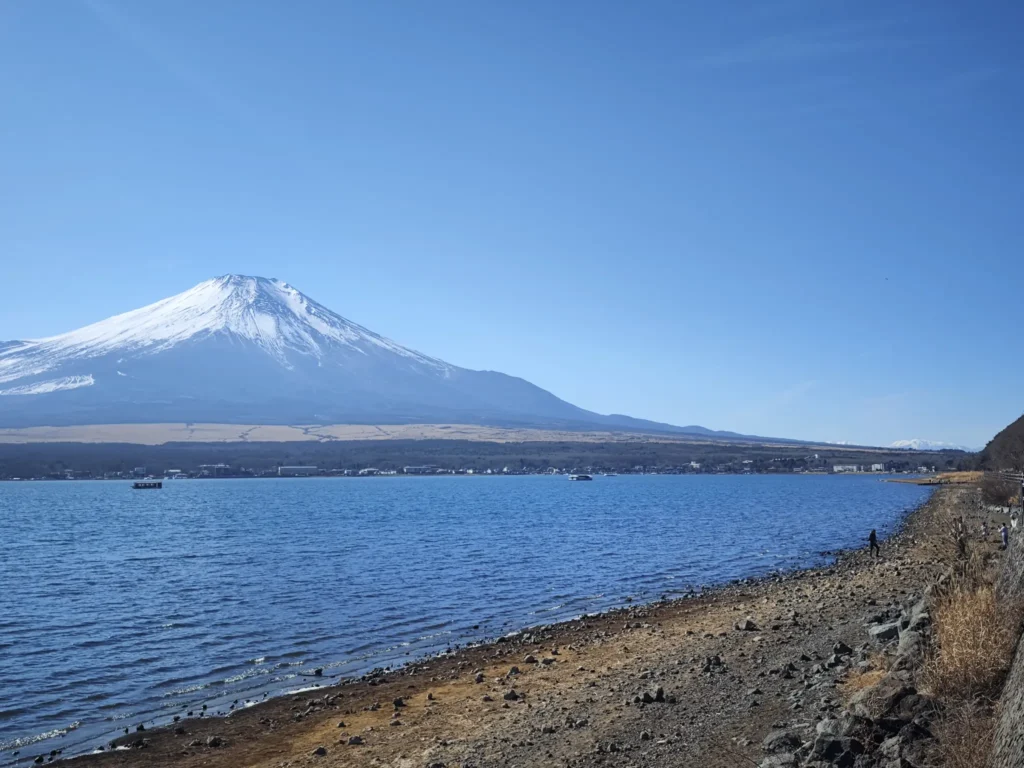
3. Weather Forecast: Look Beyond the “Sunny” Icon
A “sunny” forecast is a good start, but it’s not enough. Here’s what to look for in a detailed weather report:
•Cloud Cover Percentage: Look for forecasts that specify cloud cover at different altitudes. You want low numbers, especially for mid-to-high altitude clouds.
•Wind Speed and Direction: Strong winds can blow clouds away, but they can also create unique lenticular clouds (cap clouds) that hover over the summit. A gentle, steady wind is often ideal.
•Humidity: Low humidity is a strong indicator of clear air. Look for values below 60%.
Section 2: Your Real-Time Toolkit for Last-Minute Checks
On the day of your trip, these three tools will be your best friends for getting a live look at the mountain.
1. Live Cameras: Your Eyes on the Ground
Webcams are the most reliable way to check the current visibility. Bookmark these on your phone:
•Fujisan Watcher: Operated by Yamanashi Prefecture, this site offers multiple camera feeds from various locations around the northern side of the mountain, complete with a map.
•Fujigoko.tv: Arguably the most famous collection of Fuji webcams, offering views from all around the Fuji Five Lakes region.
•SkylineWebcams: Provides a high-quality, live streaming view from Lake Kawaguchiko.
2. Social Media: The Power of the Crowd
Search hashtags like #mtfuji, #fujisan, and #富士山 on X (formerly Twitter) and Instagram. This gives you real-time photos and updates from locals and other travelers. You can see not just the mountain’s condition, but also the crowds and local weather.
3. The Dedicated Expert: @is_fuji_visible_today
For a curated, daily update, follow the Instagram account @is_fuji_visible_today. This account posts daily, honest updates on whether Fuji is visible, using real photos from the Yamanashi area. It’s an invaluable resource for travelers, cutting through the noise and providing a simple, reliable answer to the day’s visibility.
Section 3: Plan B – What to Do When Fuji is Hiding
If you arrive and the mountain is shrouded in clouds, don’t despair! The Fuji Five Lakes area is packed with world-class attractions that are enjoyable in any weather.
•A. Immerse Yourself in Art: Visit the Itchiku Kubota Art Museum, a stunning gallery dedicated to the art of kimono dyeing, housed in a unique Gaudi-inspired building. Alternatively, the Kawaguchiko Music & Forest Museum offers a charming escape into a world of antique music boxes and mechanical organs.
•B. Savor Local Cuisine: Warm up with a bowl of Hoto, Yamanashi’s signature dish. This hearty miso-based noodle soup, filled with flat udon noodles and pumpkin, is the perfect comfort food on a cloudy day. Famous restaurants like Hoto Fudo have locations around Lake Kawaguchiko.
•C. Relax in an Onsen: Enjoy a relaxing soak in a natural hot spring. Many facilities, like Fuji Chobo no Yu Yurari Onsen, offer day-use passes and have baths with (potential) views of the mountain. Even without the view, the experience is deeply rejuvenating.
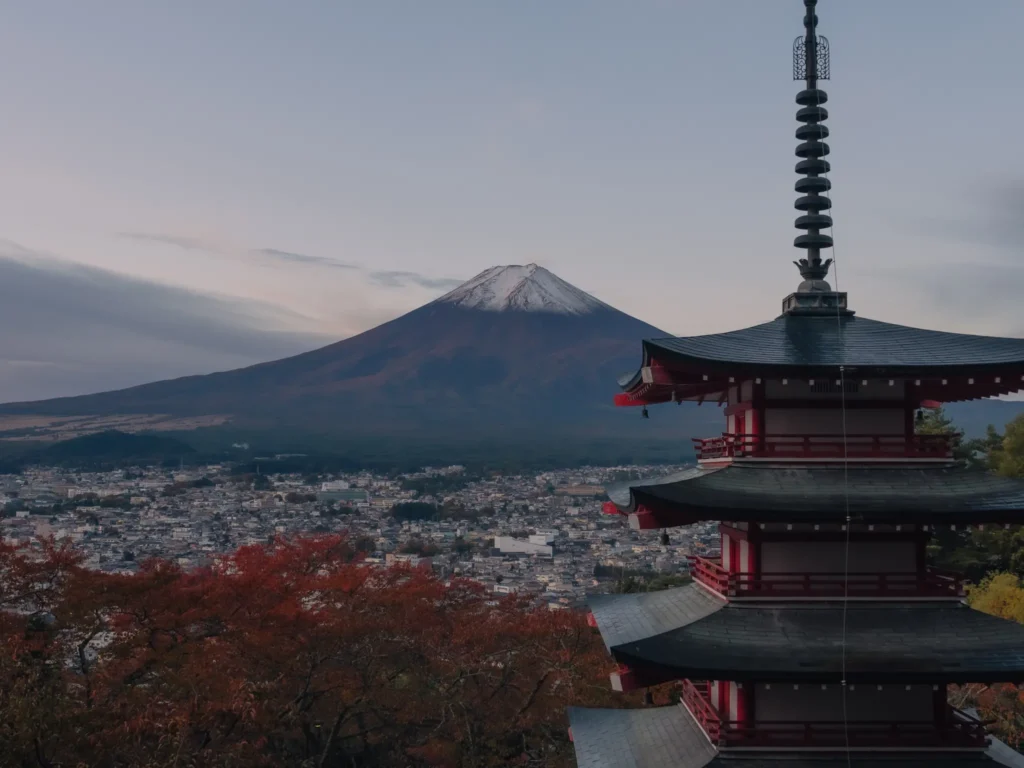
Conclusion: Embrace the Moment, Whatever the View
Seeing Mt. Fuji is a magical experience, but it’s not the only one. The beauty of the Fuji Five Lakes region—its pristine lakes, deep forests, rich culture, and delicious food—is worth the journey in itself. By using this checklist and toolkit, you can maximize your chances of a clear view, but more importantly, you can arrive with a plan that guarantees a wonderful trip, with or without the star of the show. Every encounter with Fuji is unique. Whether it’s a fleeting glimpse through the clouds or a perfect, crisp reflection in the lake, cherish the moment. It’s your own special view of this majestic mountain.
References
[1] Fuji City. (2025, May 15). 富士山見えた割合 (Percentage of Days Mt. Fuji Was Visible). Retrieved from
[2] Is Fuji Visible?. (n.d. ). Best Time of Year to See Mount Fuji. Retrieved from
[4] Fujigoko.tv. (n.d. ). Mt. Fuji Live Camera. Retrieved from
[5] SkylineWebcams. (n.d. ). Live Cam Mount Fuji. Retrieved from
[6] Itchiku Kubota Art Museum. (n.d. ). Official Website. Retrieved from

- Kamikochi at Dawn: What the Valley Looks Like Before the Buses Arrive
 The first buses reach Kamikoc… 続きを読む: Kamikochi at Dawn: What the Valley Looks Like Before the Buses Arrive
 - How to Get to Kamikochi 2026: 5 Routes, Bus Fares & Parking Guide
 Kamikochi has no train statio… 続きを読む: How to Get to Kamikochi 2026: 5 Routes, Bus Fares & Parking Guide
 - Kamikochi Walking Guide 2026: Taisho Pond to Myojin Bridge in One Day
 Kamikochi opened for the 2026… 続きを読む: Kamikochi Walking Guide 2026: Taisho Pond to Myojin Bridge in One Day
 - A Perfect Kyoto Afternoon: Walking Higashiyama from the Yasaka Pagoda to Kiyomizudera at Golden Hour (2026 Guide)
- Tsunoshima Köprüsü 2026: 3 Manzara ve Sürüş Rehberi [Fotoğraflarla]
![Tsunoshima Bridge 2026: 3 Views & Driving Guide [Photos]](https://hiddenjapan-gems.com/wp-content/uploads/2026/04/IMG_0545-1024x576.webp) Yamaguchi’deki Tsunoshima Ohashi Köprüsü’nü keşfedin: turkuaz sular, üç muhteşem manzara noktası ve araçla ulaşım rehberi. Fotoğraflar ve harita ile.
Yamaguchi’deki Tsunoshima Ohashi Köprüsü’nü keşfedin: turkuaz sular, üç muhteşem manzara noktası ve araçla ulaşım rehberi. Fotoğraflar ve harita ile.
2026 cherry blossom cherry blossoms day trip from tokyo flower festival fuji five lakes fujiyoshida Fukuoka fushimi hanami hiking japan japanese culture japanese food japanese garden japan travel kamakura kawagoe kawaguchiko Kumamoto kyoto local food Mount Fuji mt fuji Nagano nature Nikko Oku-Nikko Onsen Ramen saitama sakura Shizuoka shrine sightseeing snow spring in japan Tochigi Tokyo travel travel guide travel planning winter winter travel Yamanashi
Join 1,000+ travelers discovering Japan's hidden side
Weekly dispatches from off-the-beaten-path Japan — spots and stories you won't find in guidebooks.
No spam. Unsubscribe anytime.
Welcome aboard!
You're in. See you in your inbox soon.
Touche. Solid arguments. Keep up the amazing work.
ありがとうございます!
[…] is the only guide you need to plan your climb. For weather and visibility conditions, check our Mt. Fuji Visibility Forecast before you go, and read our Mt. Fuji Snow, Weather & Clothing Guide for packing […]
You could certainly see your enthusiasm within the work you write.
The arena hopes for even more passionate writers such as you
who are not afraid to say how they believe. All the time go after
your heart.
I just could not leave your website before suggesting that I really enjoyed the usual
info a person supply on your guests? Is gonna be back incessantly to check out
new posts
嬉しいです!ありがとうございます!!
Hey There. I found your blog using msn. This is an extremely
well written article. I’ll be sure to bookmark it and come back to read more
of your useful info. Thanks for the post. I’ll certainly comeback.
ありがとうございます!