Saga · Arita · Porcelain Shopping
Arita Sera is the easiest place in Japan to actually buy Arita porcelain: 22 specialist shops lined up along one hilltop in Arita town, free to wander, open year-round from 10 to 5, with 800 free parking spaces and a couple of good cafés. It started life in 1975 as the town’s wholesale park and took its current name in 2013. I picked up a flower vase here back in 2016, and it’s still the spot I send people who want the real thing without the Golden Week crush.
What Arita Sera is
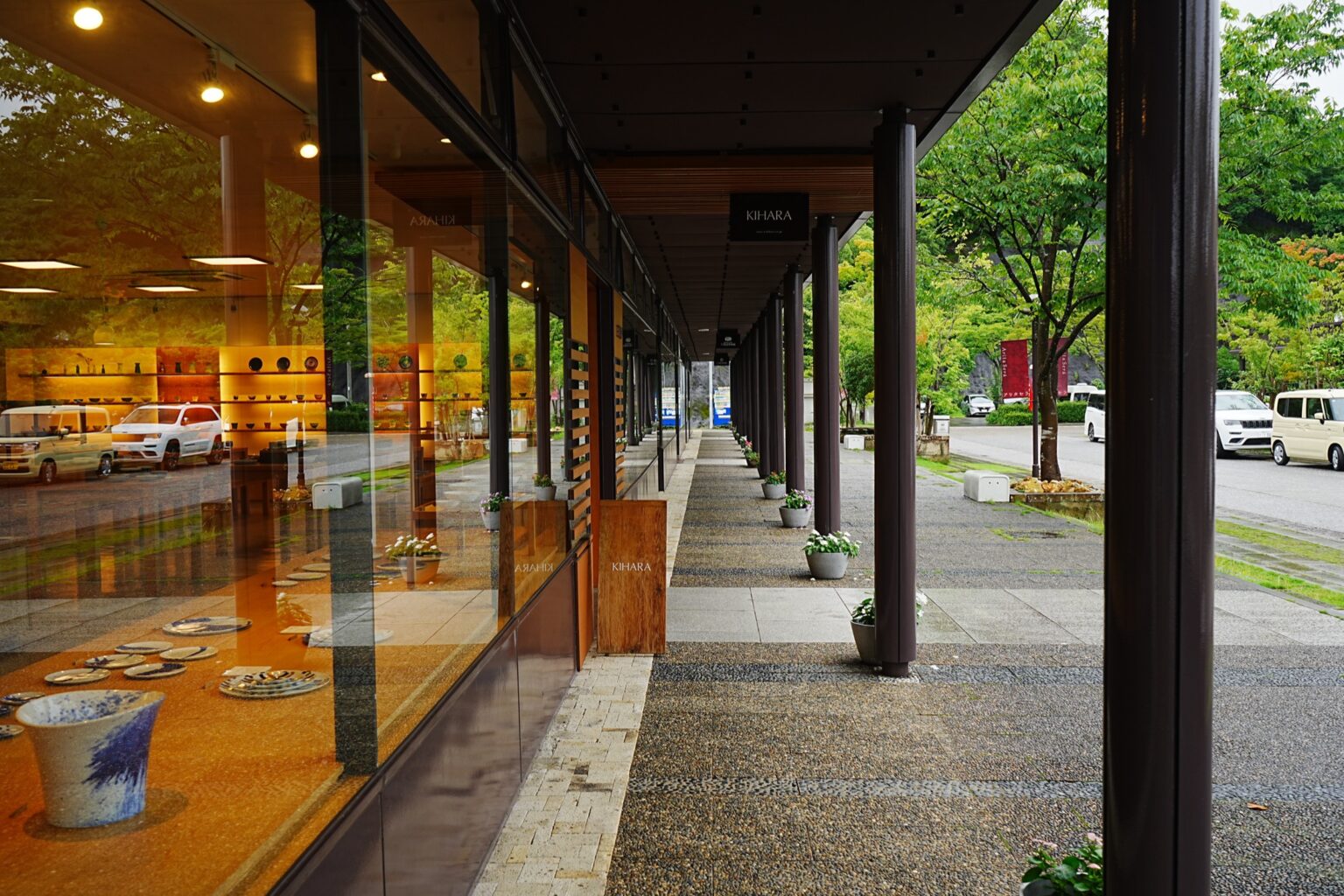
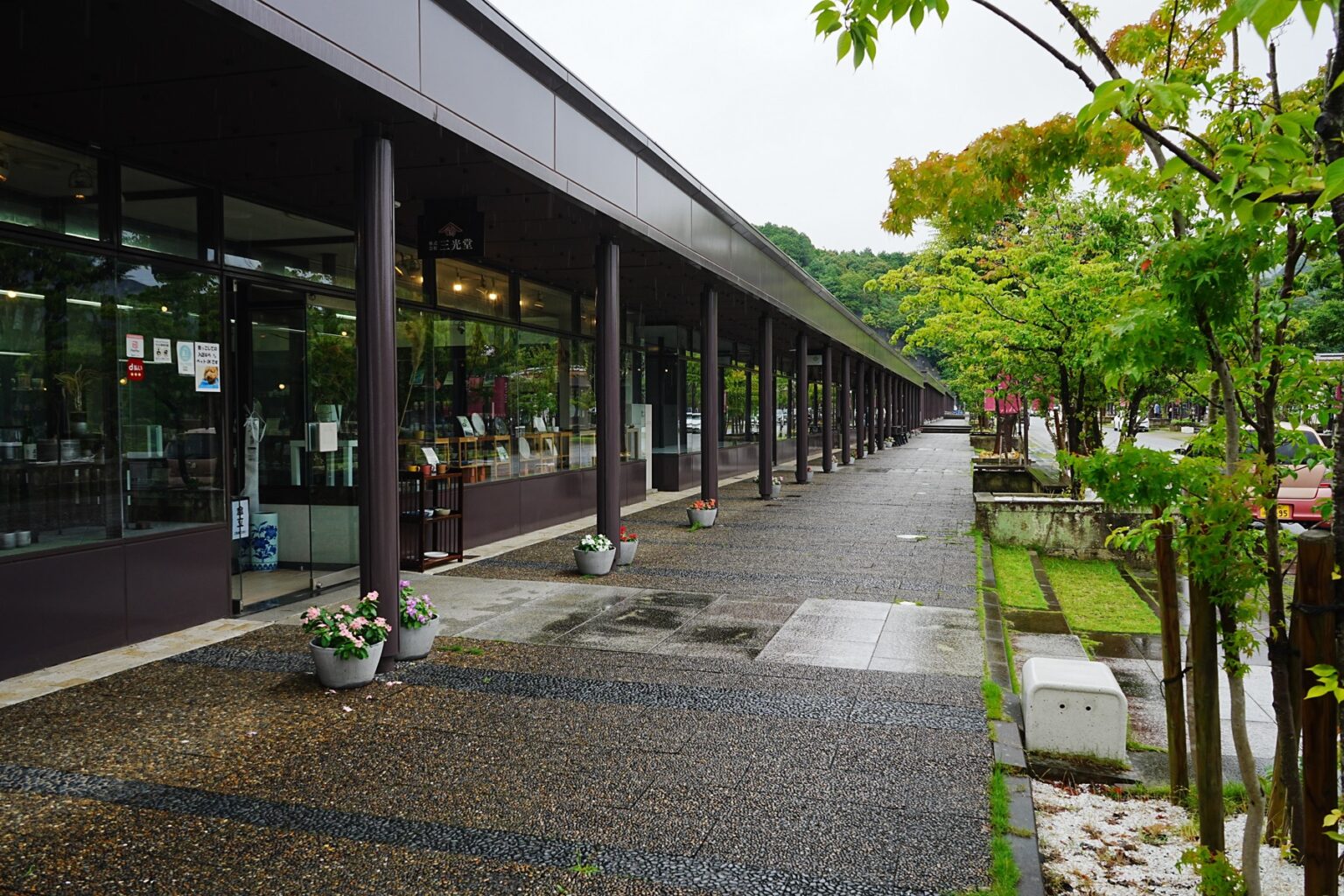
Arita has made porcelain for four hundred years, but its kilns and shops are scattered through the town and the hills — not the easiest thing to browse on a day trip. Arita Sera fixes that. It’s an open-air complex on a small hill in the Akasaka district, with 22 porcelain shops set along covered walkways, billed as Japan’s largest single concentration of porcelain stores. It opened in 1975 as the Arita-yaki wholesale park (the trade’s bulk-buying centre) and was reborn for ordinary visitors under the name “Arita Sera” in 2013.
The 22 shops cover the full range — everyday tableware, gift pieces, restaurant china, and one-off art porcelain — so you can compare a thousand-yen rice bowl and a museum-grade vase within a few minutes’ walk. Prices and styles vary shop to shop, which is the point: it rewards a slow loop.
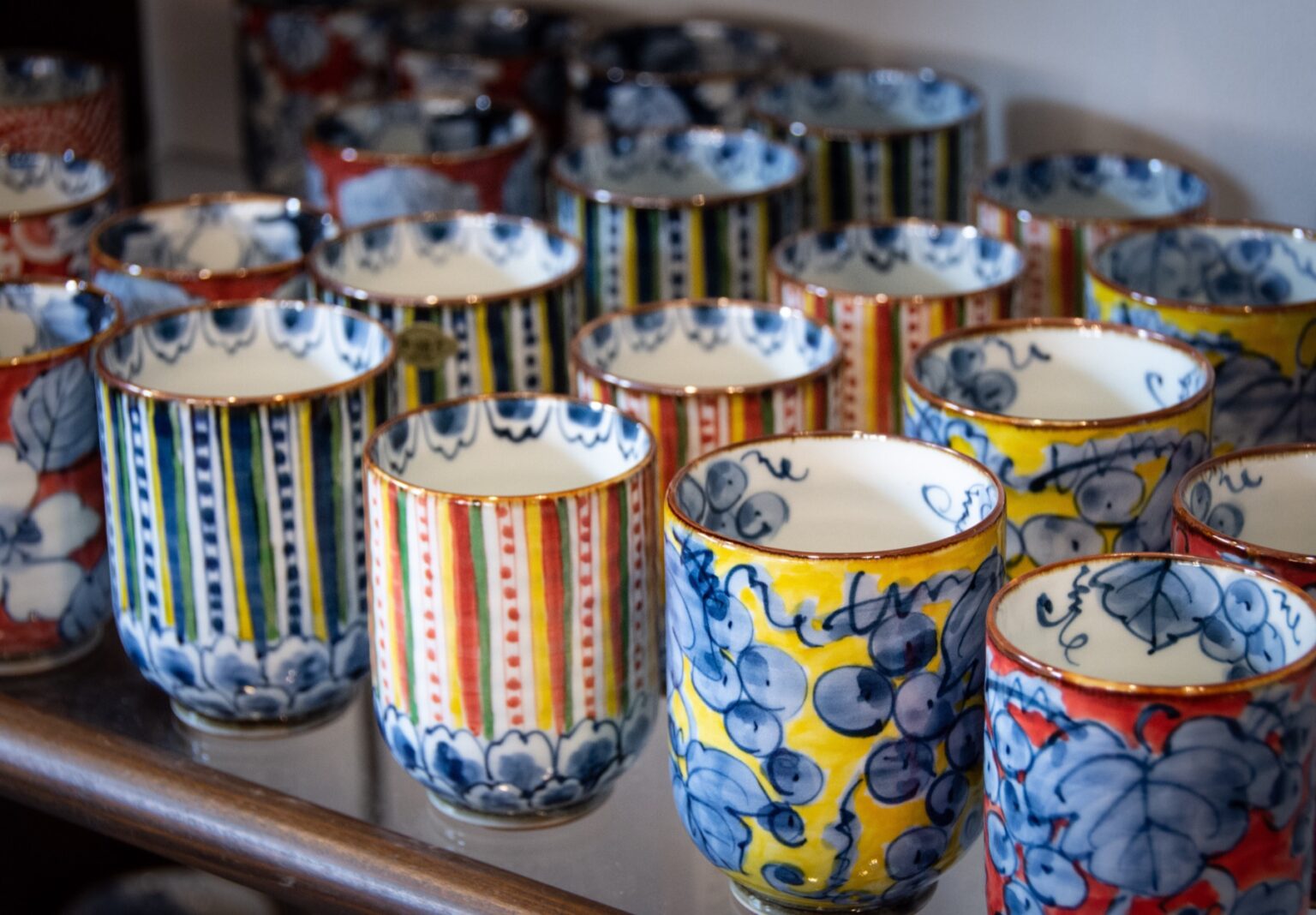
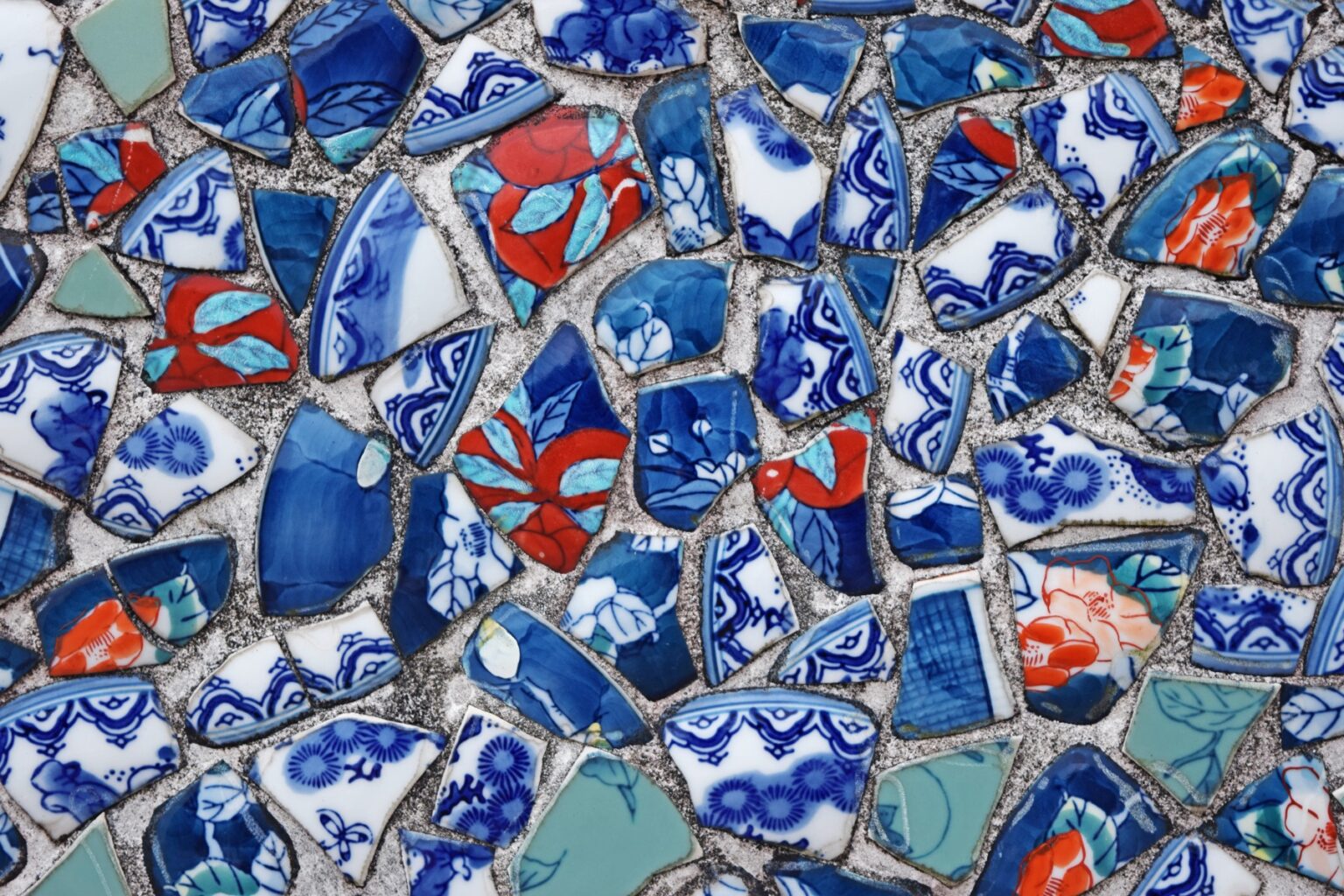
More than shops
Beyond the porcelain there’s a restaurant and a couple of cafés on site — including a bakery café and the design-forward 1616 / arita japan café — plus gallery and event space, and a small design hotel, arita huis, if you want to wake up surrounded by the stuff. It makes an easy half-day: browse, coffee, browse again, ship your finds home.
When to go
Year-round is the honest answer, because it’s open every day and rarely crowded. The exception is Golden Week, when the Arita Pottery Market takes over the whole town — April 29 to May 5 in 2026 — and around a million people pour in; Arita Sera runs free shuttle buses from the station then and the energy is fun, but it’s the opposite of a quiet browse. The shop calendar also has a New Year sale in January, a porcelain hina-doll festival in late winter, and bowl-memorial events in November.
How to get there
Arita Sera sits on a hill in Arita’s Akasaka district, about 5 minutes by car or taxi from JR Arita Station. By car it’s around 10 minutes from the Hasami-Arita IC on the West-Kyushu Expressway, or 15 from the Mikawachi IC. There’s free parking for 800 cars, so driving is the natural choice — and a car is the realistic way to combine it with the kilns at Okawachiyama and the rest of the pottery country. If you’re on the train, getting to Arita is a straight limited-express run from Hakata.
Good to know
What is Arita Sera?
An open-air shopping complex in Arita, Saga, with 22 Arita-porcelain specialist shops along covered walkways on a hilltop. It’s billed as Japan’s largest concentration of porcelain stores. It opened in 1975 as the town’s wholesale park and was renamed Arita Sera in 2013.
What are the opening hours?
Generally 10:00–17:00, though it varies a little by shop, and it’s open year-round with no regular closing day. Parking (800 cars) is free.
How do I get to Arita Sera?
It’s about 5 minutes by car or taxi from JR Arita Station, or roughly 10 minutes from the Hasami-Arita IC by car. There’s free parking for 800 cars; a free shuttle bus runs from the station during the Golden Week pottery market.
Is it worth it if I’m not buying much?
Yes — it’s free to wander, rarely busy outside Golden Week, and there are cafés on site. Even as a look at the range of Arita porcelain in one place it’s worth an hour or two.
Can they ship my purchases home?
Shops handle fragile shipping routinely, including overseas in many cases — ask at the counter. Otherwise pack pieces well in your checked luggage.
When is the Arita Pottery Market?
Every Golden Week — April 29 to May 5 in 2026. It’s Japan’s biggest ceramics fair (around a million visitors). Arita Sera takes part with shuttle buses, but expect crowds; the rest of the year is far quieter.
Imari Ware Explained
What you’re actually buying — Japan’s first porcelain, in plain English.
Treasure-hunting in Arita
Cheap seconds and one-offs, dug out of the bins at a working kiln.
Imari Bay Fireworks
Saga’s giant autumn fireworks over the bay, if you’re here in November.
Getting to Imari & Arita
Trains and car routes into the pottery country.
Arita Porcelain Park
A free baroque-palace replica with a sake brewery, just outside town.
Plan a Saga Porcelain Trip
Three doors into Arita and Imari. A car makes the kilns and shops easy.
Join travelers discovering Japan's hidden side
Weekly dispatches from off-the-beaten-path Japan — spots and stories you won't find in guidebooks.
No spam. Unsubscribe anytime.
Welcome aboard!
You're in. See you in your inbox soon.