
Gear
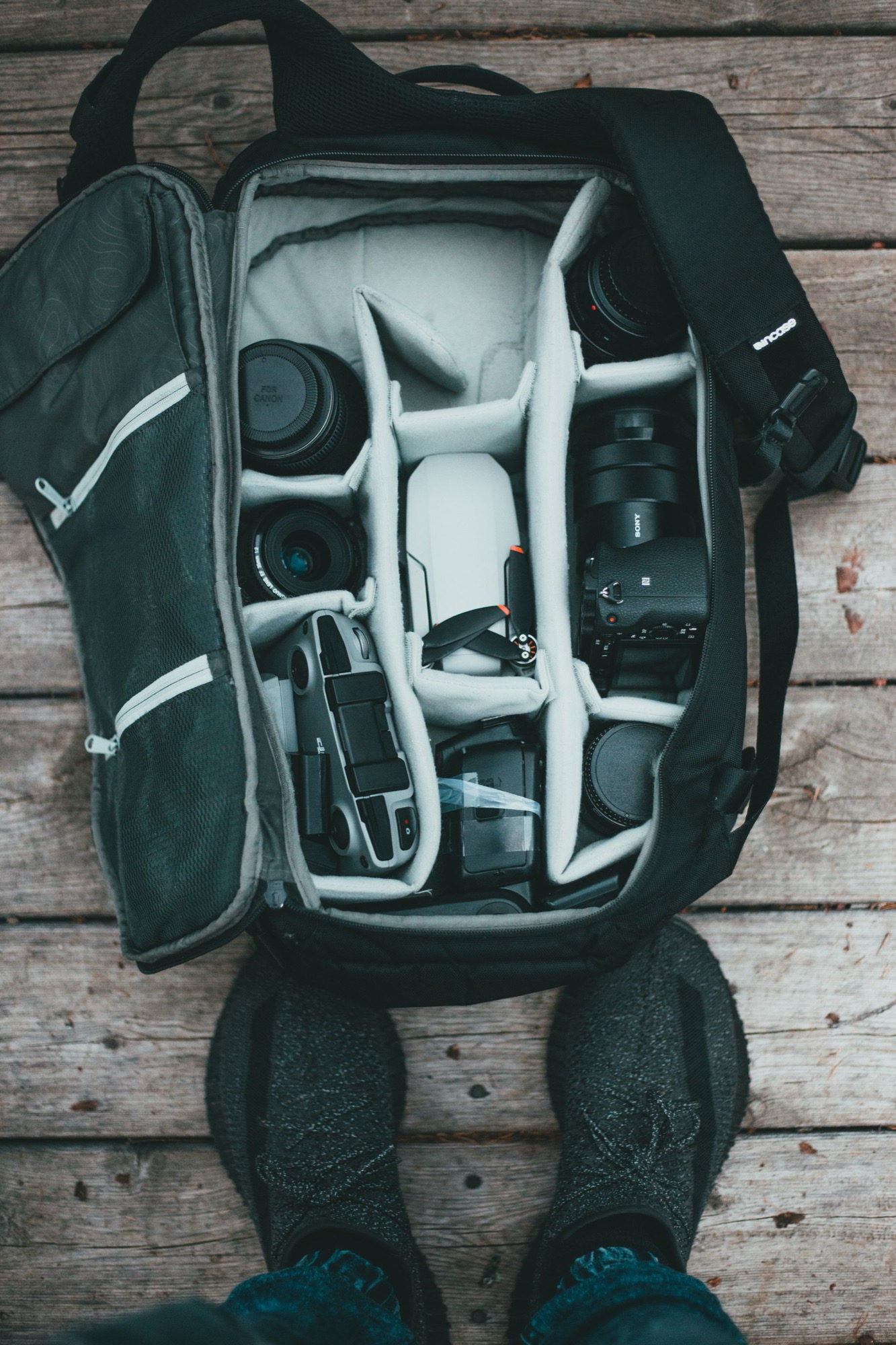
I shoot every photo on this site with one body and two lenses: a Sony A7 IV, a 24–70mm f/2.8 for almost everything, and a fast 35mm prime for evenings and tight streets. Add a small travel tripod and a pair of quick SD cards, and that is the whole kit — light enough to carry up Mt Fuji before dawn, and enough to come home with the shots you see here.
What’s in the bag
None of this is the most expensive kit you can buy, and that is the point. It is a setup that travels well, survives cold mornings and coastal spray, and does not slow me down when the light is only good for ten minutes. Here is each piece and why it earns its place.
Sony A7 IV (body)
The camera everything here is shot on. Full-frame, genuinely good in low light, and it charges over USB-C — so the same power bank that tops up my phone keeps the body alive through a long day with no outlet. Sealed well enough for a Fuji sunrise and sea air.
Sony FE 24–70mm f/2.8 GM
The lens that lives on the camera. Wide enough for a temple courtyard, long enough for a bowl of ramen, and sharp from f/2.8. If I could bring only one lens to Japan, it would be this one — it covers maybe eight shots out of ten.
Sony 35mm GM (prime)
For after sunset and narrow lanes. A fast 35mm sees a Kyoto alley or a lantern-lit street close to the way your eye does, and it pulls in light when the zoom runs out of room. This is what comes out when the day turns blue.
Manfrotto travel tripod
Folds small enough to ride in a daypack and holds steady for blue-hour Fuji, night cityscapes and the long exposures the sea-sparkle shots need. The single thing most travelers tell me they wish they had packed.
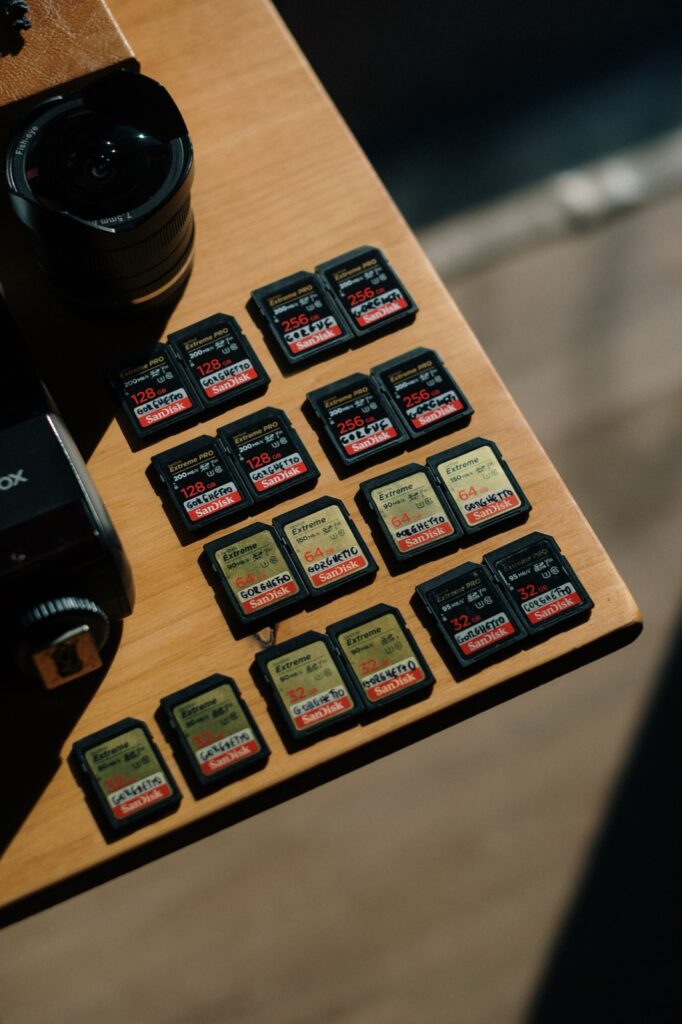
SanDisk 256GB Extreme UHS-II
Fast cards, so 4K clips and RAW bursts never stall, and big enough that I am not dumping files at lunch. I carry two and split a trip across them — if one ever fails, the trip isn’t gone with it.
One thing about tripods in Japan: they are brilliant for blue hour, but plenty of busy viewpoints, station platforms, and the inside of temples and shrines either ban them or simply don’t have room. I set up early, off to the side, and pack it away when a place fills up. A small tripod you can deploy in seconds beats a big one you feel guilty using.
How I’d build it up
If you are starting from nothing, the order that gives you the most for your money is: a capable body, then the 24–70 (it replaces three lenses), then fast cards and a spare battery, and a travel tripod once you know you’ll chase sunrises and night scenes. The 35mm prime is the treat you add when you fall for shooting after dark. You do not need all of it on day one.
| What you’re shooting | Lens & rough setting |
|---|---|
| Temple courtyards, streetscapes, landscapes | 24–70 at the wide end, around f/8 |
| Food, market details, a portrait | 24–70 at 70mm, f/2.8 for a soft background |
| Lantern-lit lanes, interiors, after dark | 35mm prime, f/1.4–f/2 |
| Fuji at blue hour, night cityscapes, sea sparkle | either lens on the tripod, long exposure |
Good to know
What camera does Hidden Japan Gems use?
A Sony A7 IV, paired with a 24–70mm f/2.8 GM zoom and a 35mm GM prime. Almost everything on the site is one of those two lenses on that body.
If I bring only one lens to Japan, which?
A 24–70mm f/2.8. The range covers streets, food, interiors and landscapes without a swap, and f/2.8 is fast enough for most evenings. A prime is lovely as a second lens, not a first.
Do I really need a tripod in Japan?
Only if you want blue-hour, night-cityscape or long-exposure shots (Fuji at dawn, illuminations, sea sparkle). For daytime sightseeing you can skip it. If you bring one, bring a small travel model — many crowded spots and most temple interiors don’t allow big ones.
What SD card should I buy for travel photography?
A fast UHS-II card of 128–256GB from a known maker. Speed keeps 4K and RAW bursts from stalling; the capacity means fewer mid-trip offloads. Carry two smaller cards rather than one huge one, so a single failure can’t end your trip.
Are these affiliate links?
Yes. They go to Amazon and, as an Amazon Associate, the site earns a small commission on qualifying purchases at no extra cost to you. Everything listed is gear I actually carry — nothing is here because of the commission.
Mt. Fuji guide
Where and when to shoot the mountain — sunrise spots, viewpoints and the seasons that actually clear up.
Sea sparkle (noctiluca)
The blue night-water glow — the long-exposure shot the tripod above is built for.
Kawagoe photo spots
An Edo-era street near Tokyo that rewards a 35mm and a slow walk.
Getting Amazon delivered in Japan
How to have any of this waiting at your hotel or a convenience store when you land.
Join travelers discovering Japan's hidden side
Weekly dispatches from off-the-beaten-path Japan — spots and stories you won't find in guidebooks.
No spam. Unsubscribe anytime.
Welcome aboard!
You're in. See you in your inbox soon.