Kawagoe · Saitama · Photo guide
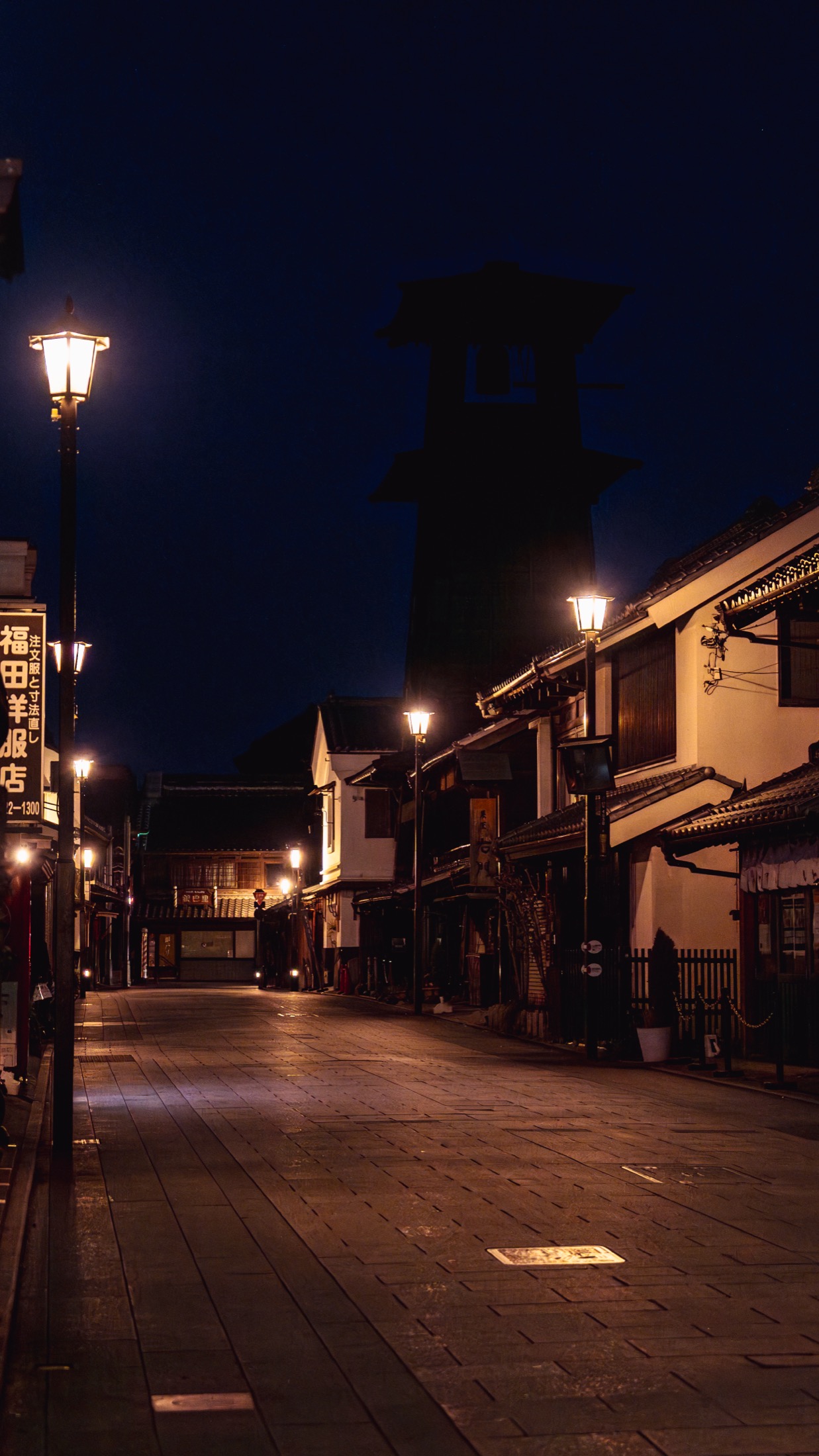
Kawagoe is one of the easiest day trips from Tokyo — and by late morning its warehouse streets are shoulder-to-shoulder. The fix every photographer learns here is simple: come at dawn, or stay for blue hour, when the same cobbled streets sit empty and the black kurazukuri glow under the lamps. This is a photographer’s walk through Little Edo — the spots that actually shoot well, and exactly when to point your camera at each.
I shot this whole set on one dawn-to-dark walk, and the lesson was the same at every stop: the place is gorgeous, but the timing is what makes the photo. Get the timing right and you’ll come home with frames that look nothing like the crowded shots everyone else posts.
The one rule: time it, don’t just show up
Almost every “disappointing Kawagoe” story is really a timing story — someone arrived at noon on a Saturday and photographed the backs of other tourists. The streets here run narrow between tall warehouse fronts, so they fill up fast and the road stays busy with cars. But Kawagoe is a real working town, not a gated attraction, so the streets are open and empty around the edges of the day. Be standing on the cobbles at sunrise, or linger until the day-trippers catch their train home, and you get the town to yourself.
When to shoot, hour by hour
| Time | What you get |
|---|---|
| Dawn → ~8 am | Empty cobbles, soft even light. The only window with no crowds and no harsh sun. Best for the warehouse street and the bell tower. |
| Morning golden hour | Warm low light rakes across the black timber — the postcard look. Shoot up the street toward the tower. |
| 11 am – 3 pm | Crowds and traffic peak. Switch to details — shop signs, the red postbox, candy-alley colour — rather than wide street shots. |
| Evening golden hour | The light comes back, the buses thin out. Good for the side lanes and the brick architecture. |
| Blue hour (after sunset) | The lamps come on, the crowds vanish, and the street goes cinematic. Tripod time — this is the money frame. |
The spots, and how to shoot each
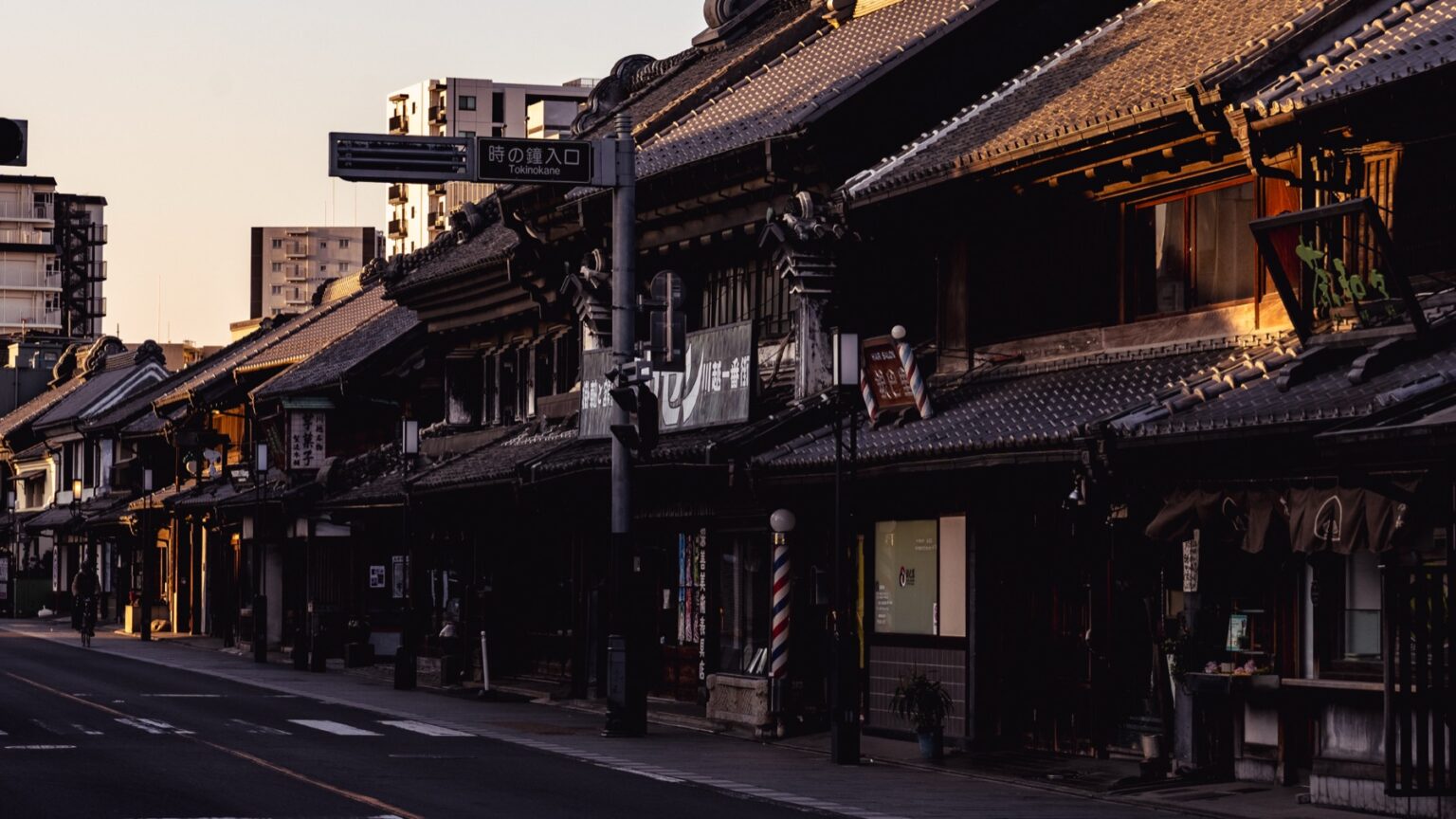
The Kurazukuri street (Ichibangai)
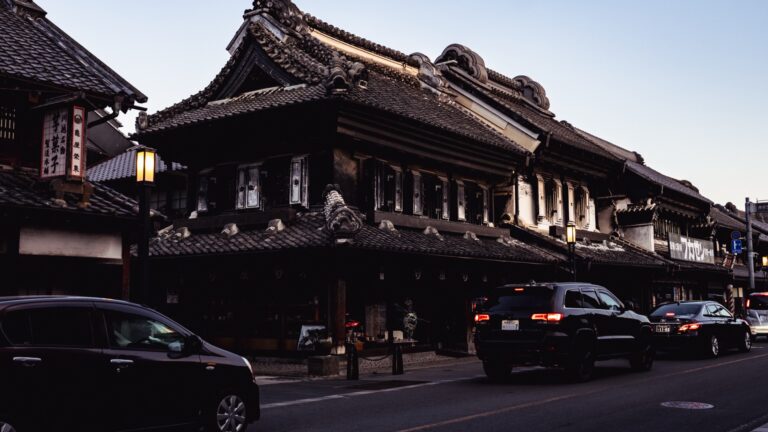
The black warehouse row is the signature frame. Shoot it up-street toward the tower at golden hour, or empty at dawn. Warehouse street guide →
Toki no Kane bell tower
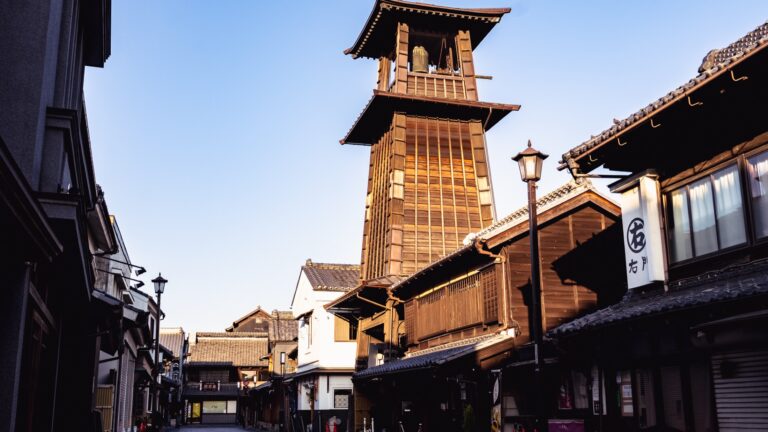
Frame it rising over the rooftops; it’s a clean silhouette at sunset and glows at blue hour. Bell tower guide →
The red postbox
A round Shōwa postbox against a black warehouse — the easiest “details” shot when the wide streets are crowded.
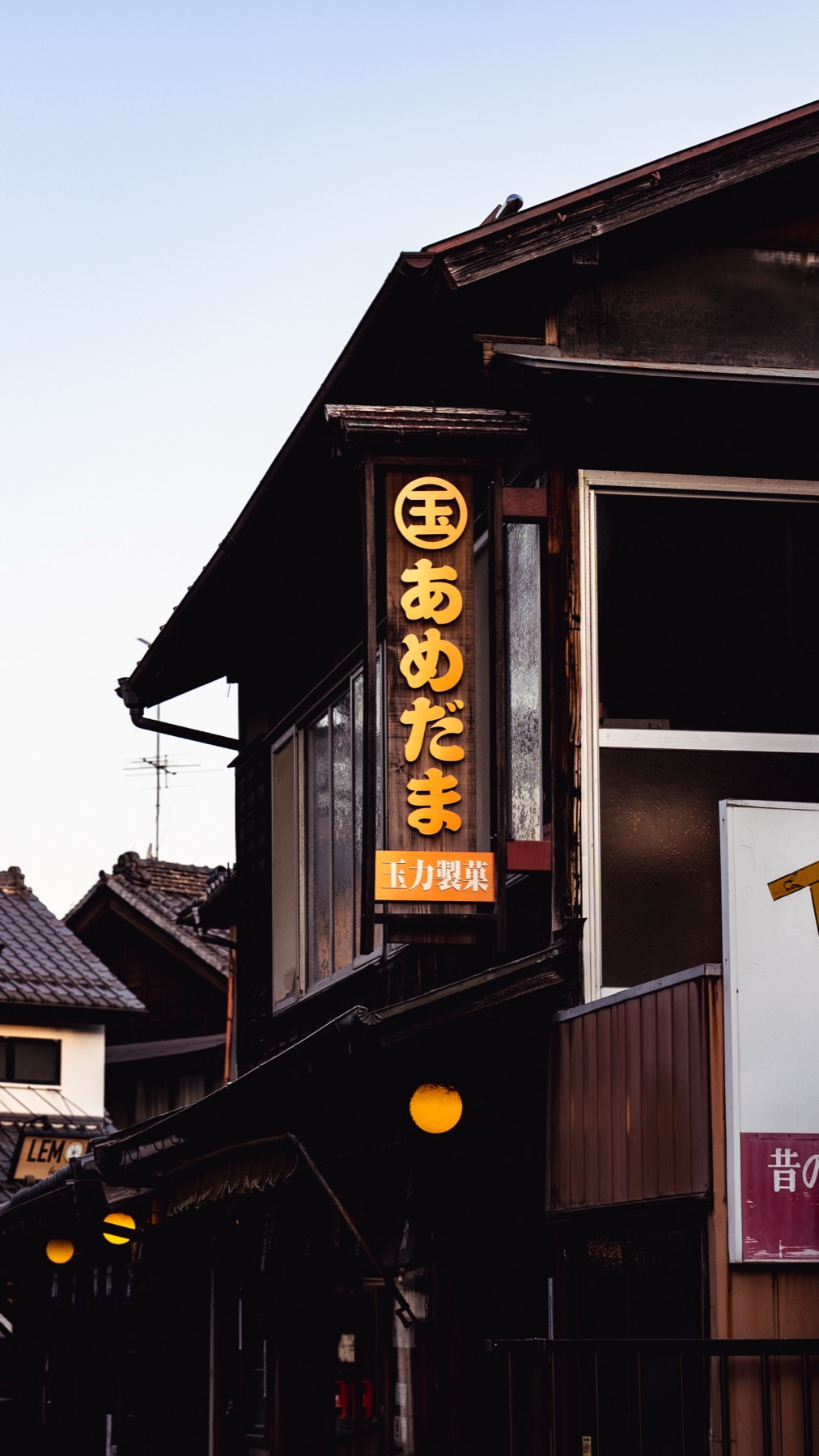
Kashiya Yokocho (candy alley)
Old sweet shops, lanterns and signage — colour and texture even at midday when the main street is packed.
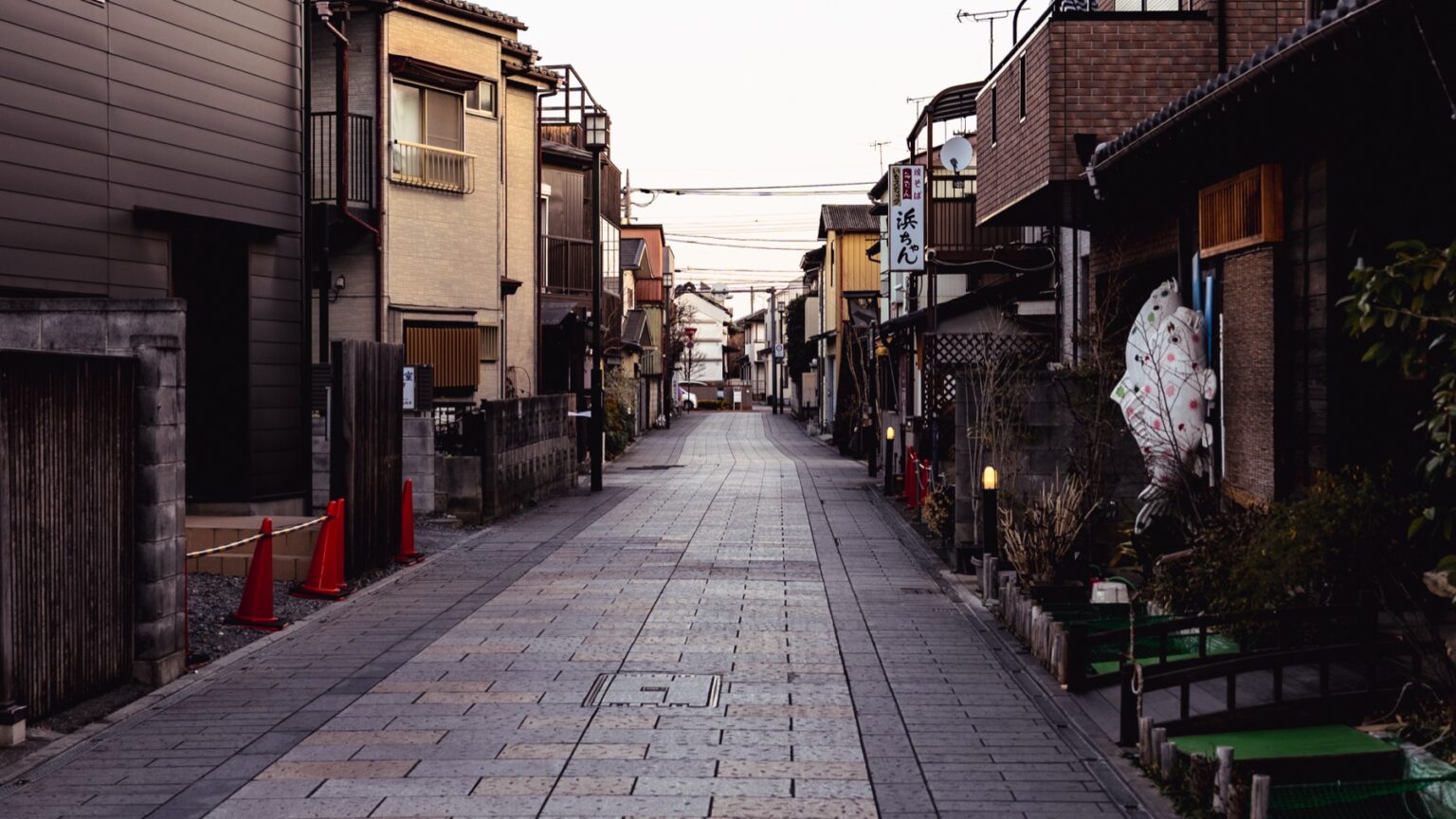
The side lanes & Taishō-Roman street
Step one block off Ichibangai onto the quieter stone-paved lanes — far fewer people, more interesting foregrounds.
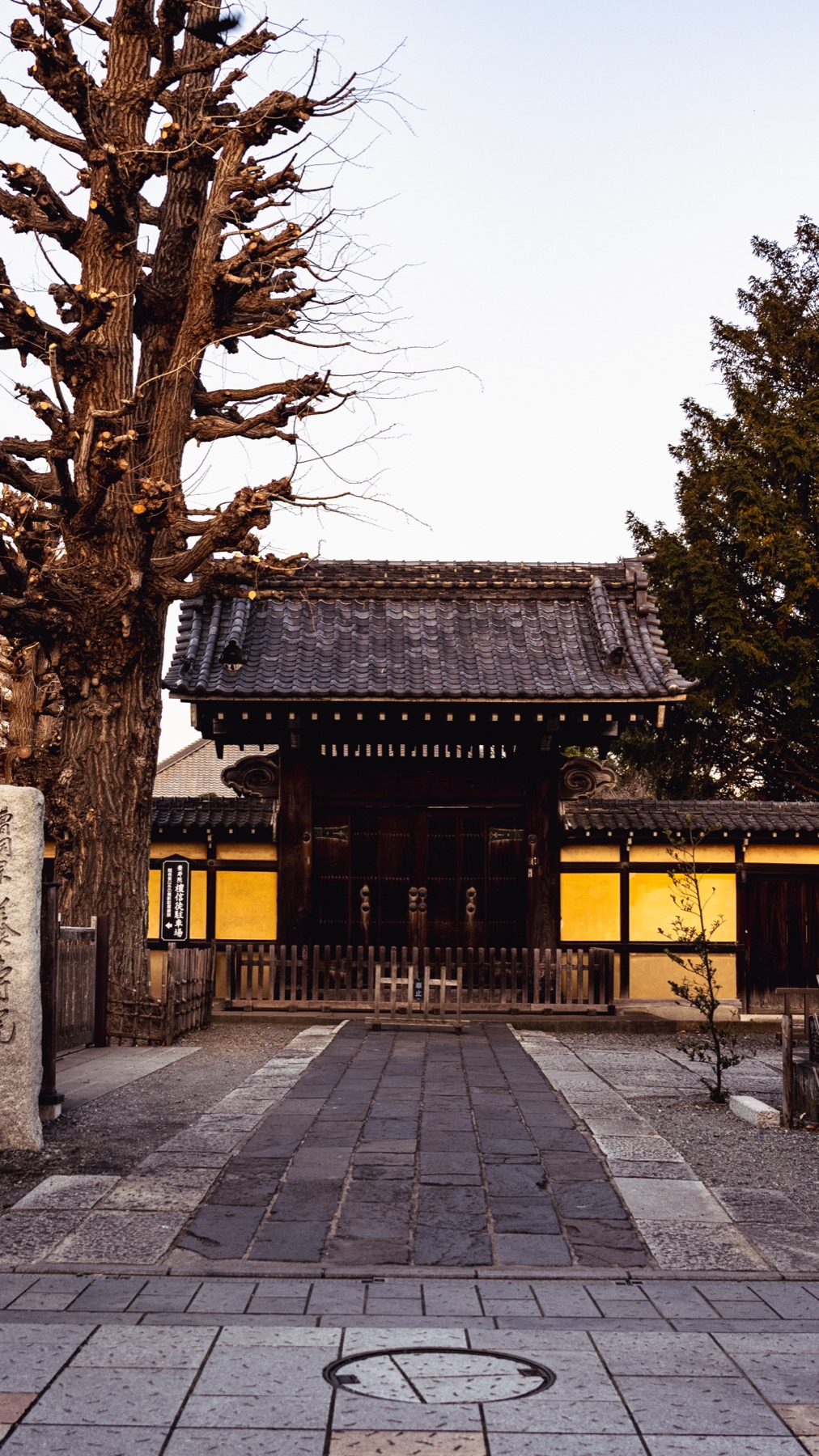
Temples & back streets
The gates, walls and old trees just off the tourist route are empty even on busy days — and they photograph beautifully at dawn.
Gear & phone tips
Pack a small tripod
The blue-hour street shots need a slow shutter. A compact travel tripod (or a beanbag on a postbox) is the difference between a sharp frame and a smeared one.
Phone? Use night mode
Modern phone night modes handle the lamplit street well — brace against a wall or lamppost and tap to lock focus on the tower.
Shoot vertical for socials
The streets are tall and narrow, so vertical frames fit the architecture — and they’re what performs on Instagram and Threads.
Wait for the gap
Even at busy times, traffic and crowds come in waves. Set your frame, then wait 30–60 seconds for a clear gap rather than fighting it.
Getting there for the light
To catch dawn you’ll want an early train from Tokyo (the Tobu Tojo line into Kawagoe is the usual route), or simply stay overnight nearby so you can be on the street at sunrise. For blue hour you can shoot and still make the last train back. Full transit, timing and the rest of the day are in my Kawagoe day-trip guide.
Kawagoe Day-Trip Guide
The whole Little Edo day, with transit and timing.
Kurazukuri Street
The black warehouse street, building by building.
Toki no Kane
The bell tower and when it rings.
Kitain Temple
Surviving Edo Castle rooms and 538 rakan statues.
Kawagoe Kumano Shrine
Hands-on luck rituals you can actually try.
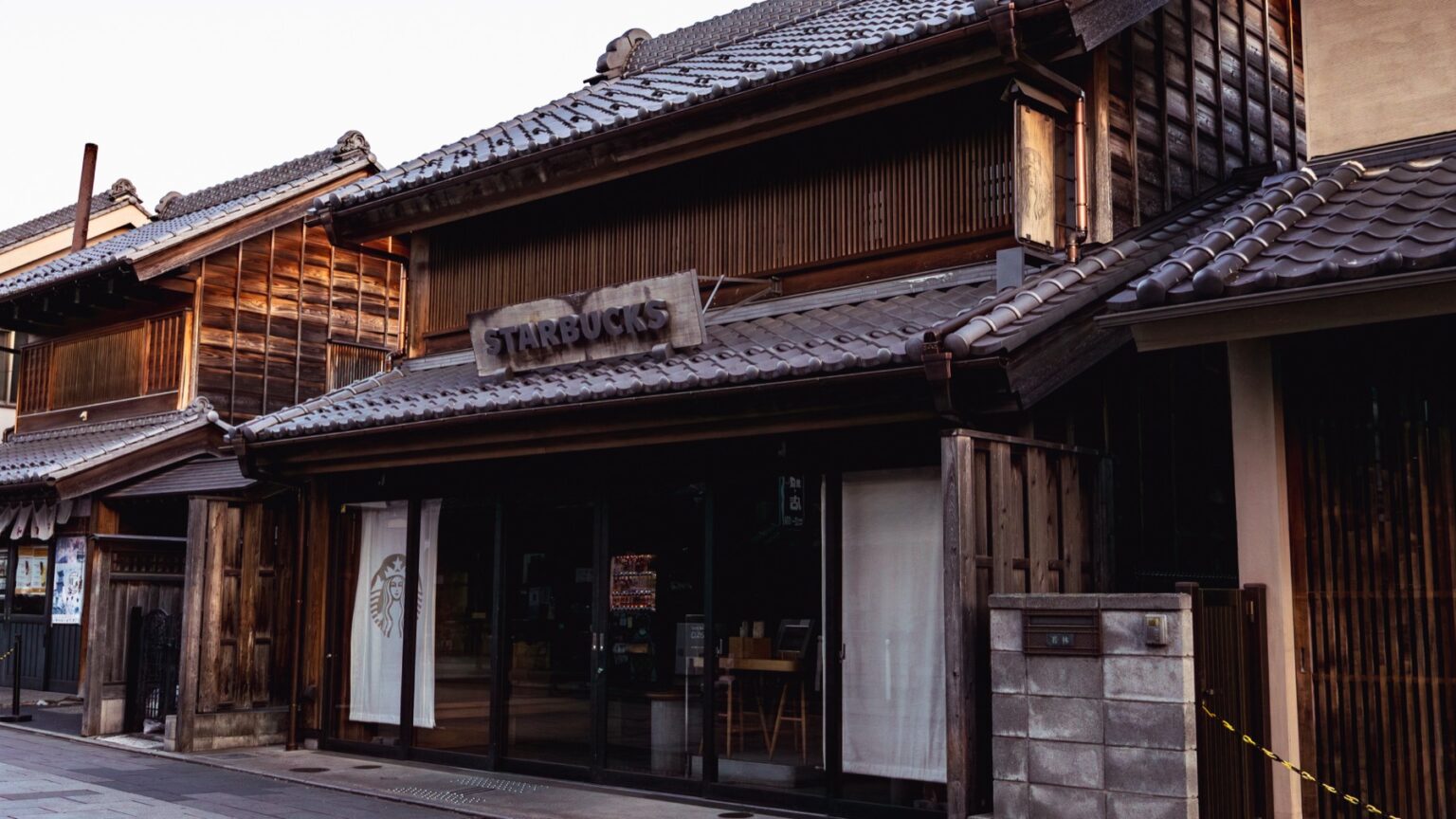
The Kimono Starbucks
Coffee in a kurazukuri townhouse beside the bell.
When is the best time to photograph Kawagoe?
Dawn (for empty streets and soft light) and blue hour just after sunset (for the lamplit, cinematic look). Avoid roughly 11 am–3 pm, when crowds and traffic peak, especially on weekends.
How do I avoid the crowds for photos?
Be on the warehouse street at sunrise, or stay until the day-trippers leave in the early evening. Mid-day, switch to detail shots (signs, the red postbox, candy alley) and the quieter side lanes instead of wide street views.
What are the best photo spots in Kawagoe?
The Kurazukuri warehouse street (Ichibangai), the Toki no Kane bell tower, the round red postbox, Kashiya Yokocho candy alley, the Taishō-era side streets, and the temple gates just off the main route.
Do I need a tripod?
For the blue-hour street shots, yes — a small travel tripod lets you use a slow shutter after dark. For daytime and golden hour, handheld (or a phone in night mode braced on a wall) is fine.
Can I do dawn and still see everything?
Yes — arrive at dawn for the empty streets, then the shops, museums and candy alley open mid-morning, so you lose nothing by starting early. It’s the best of both.
Join travelers discovering Japan's hidden side
Weekly dispatches from off-the-beaten-path Japan — spots and stories you won't find in guidebooks.
No spam. Unsubscribe anytime.
Welcome aboard!
You're in. See you in your inbox soon.