

Japan · Festival & Season Calendar 2026
Japan festival calendar 2026: what’s actually happening each month, and when to go.
Japan has roughly three hundred thousand festivals a year. Ninety percent of travel blogs cover the same five. This calendar is the opposite — it tells you what any given month is actually for, which festival is worth rearranging a flight around, and which month to quietly avoid. Five years of being here through every season, compressed into one page.
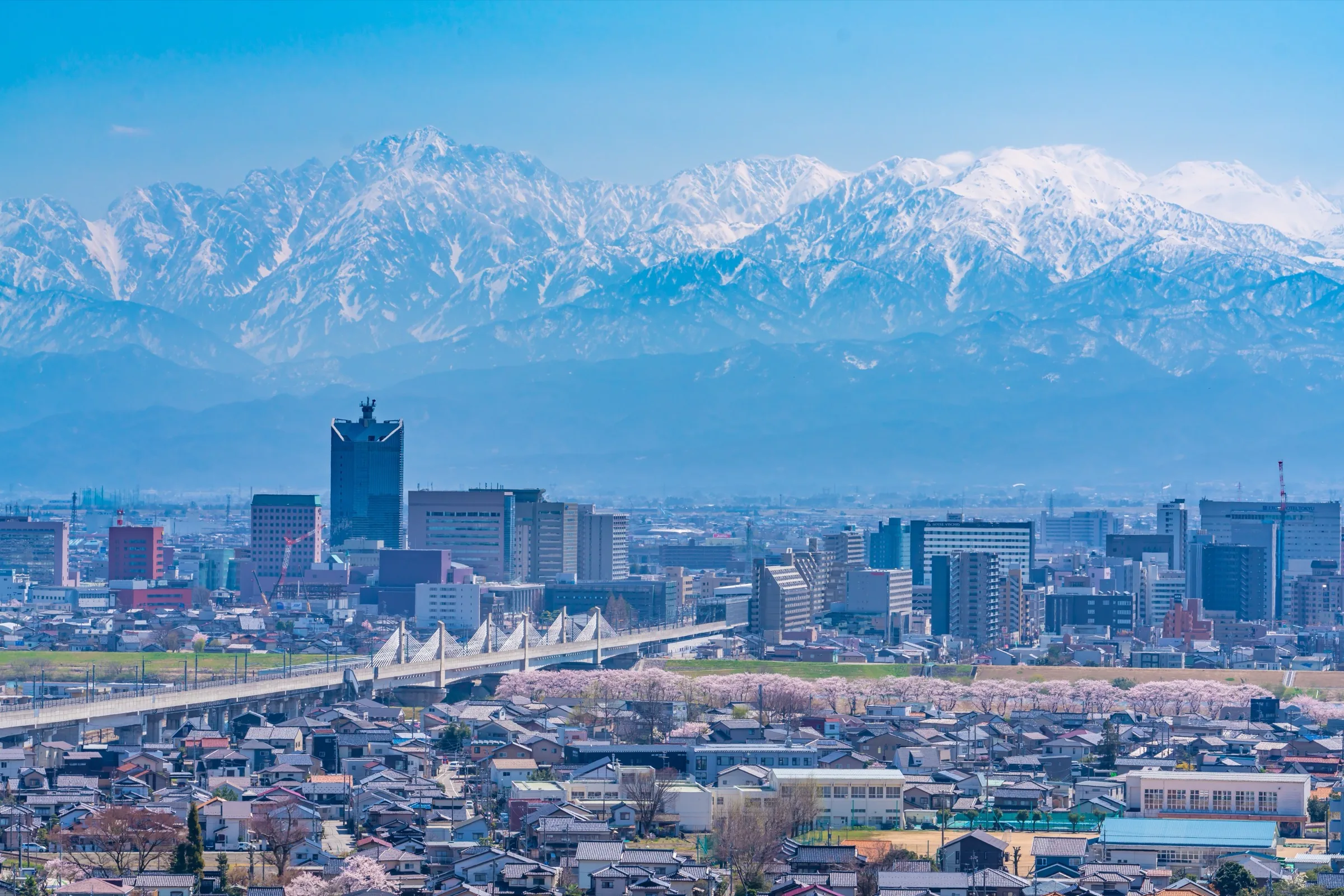
JanuaryWinter, clear Fuji, first shrine visits
January in Japan is cold, clear, and quietly beautiful. Once the first three days of Shogatsu (new year) end and everyone goes back to work, you have a country where Mt. Fuji is visible from Tokyo most mornings, the air is the crispest it gets all year, and hotel rates drop below the October price.
What’s on:
- Hatsumode (Jan 1–3) — first shrine visit. Meiji Jingu in Tokyo gets three million people in three days. Go to a neighbourhood shrine after Jan 4 for the real thing.
- Jindaiji Daruma Ichi (March 3-4 in 2026) — Tokyo’s biggest daruma doll festival at Jindaiji Temple. One of the old three.
- Wakakusa Yamayaki (last Saturday of January) — a mountainside lit on fire in Nara. Genuinely spectacular, bizarrely dangerous-looking.
- Sapporo Snow Festival preview — ice carvings start going up late January ahead of February’s main event.
Where to go:
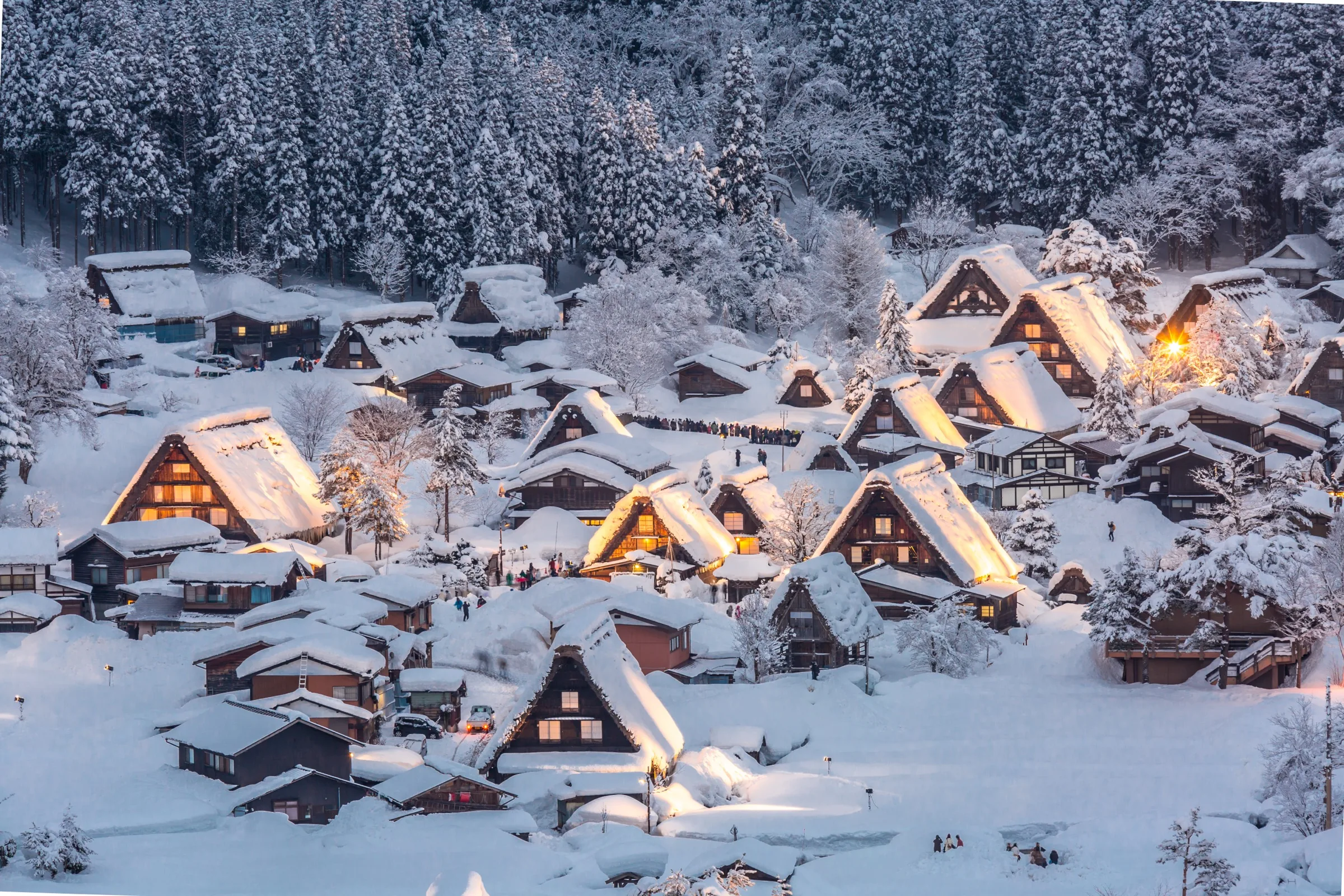
Shirakawa-go for the illumination, Ginzan Onsen for the “Spirited Away” snow-village feel, Kawaguchiko for Fuji at its clearest, or Hakodate for crab and snow-festival gears.
FebruaryPeak winter, plum blossoms begin, early sakura
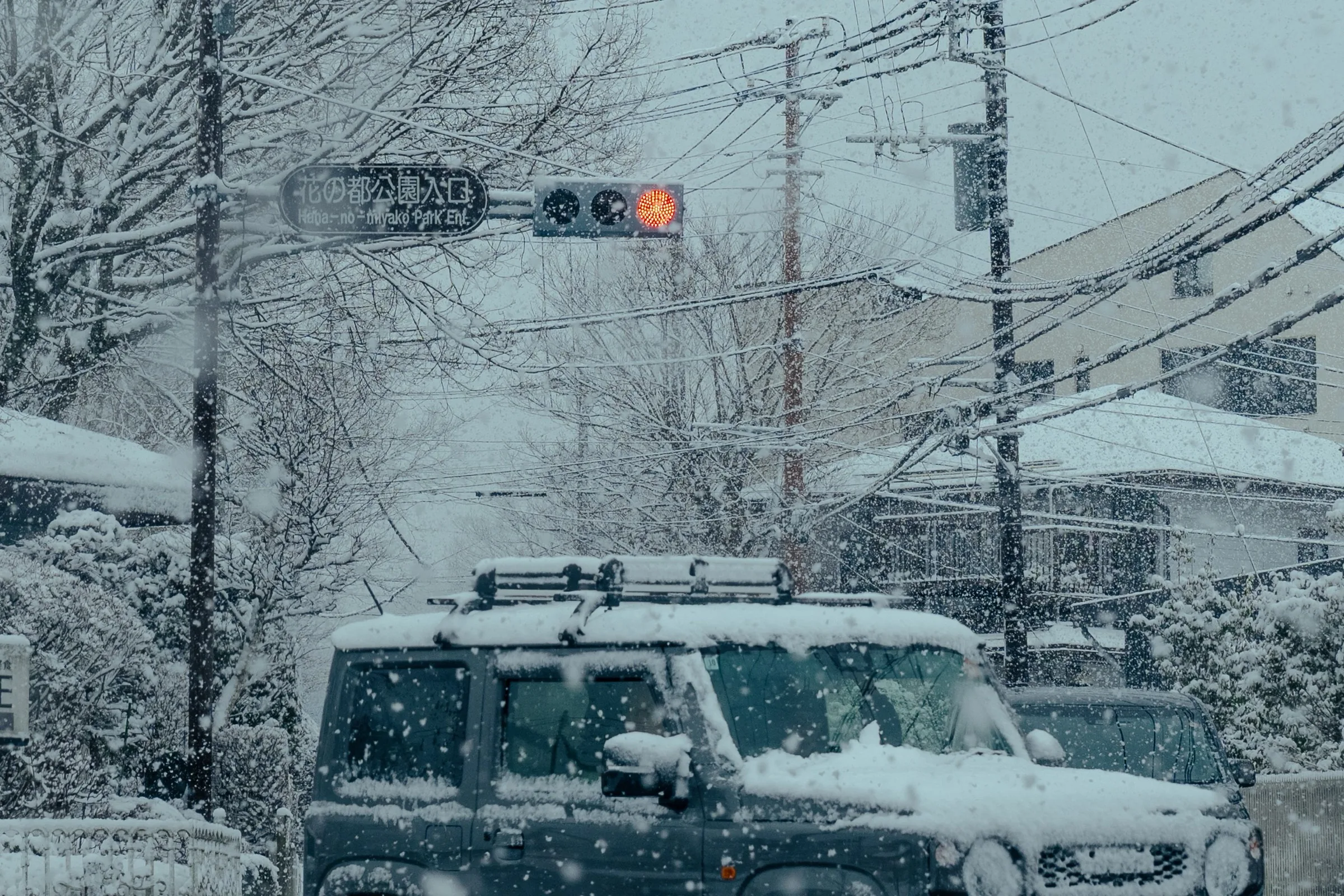
February is the quiet bargain. You get Japan’s best snow festival, the first pink of plum and early sakura, and empty hotel corridors in places that would be full by late March.
What’s on:
- Sapporo Snow Festival (first week of February) — enormous ice sculptures, night lighting, international carving competition.
- Setsubun (Feb 3) — bean-throwing at every major shrine to chase out demons. Sensoji in Tokyo is theatrical; local shrines are more intimate.
- Plum blossom (ume) season begins — Kitano Tenmangu in Kyoto, Kairakuen in Mito, Kameido Tenjin in Tokyo.
- Kawazu Sakura Festival — Japan’s earliest cherry blossoms, on the Izu Peninsula, typically mid-Feb through early March.
- Miura Kaigan — Tokyo-area early sakura variety, easier day trip than Izu.
MarchPlum peak, sakura begins, graduation trips
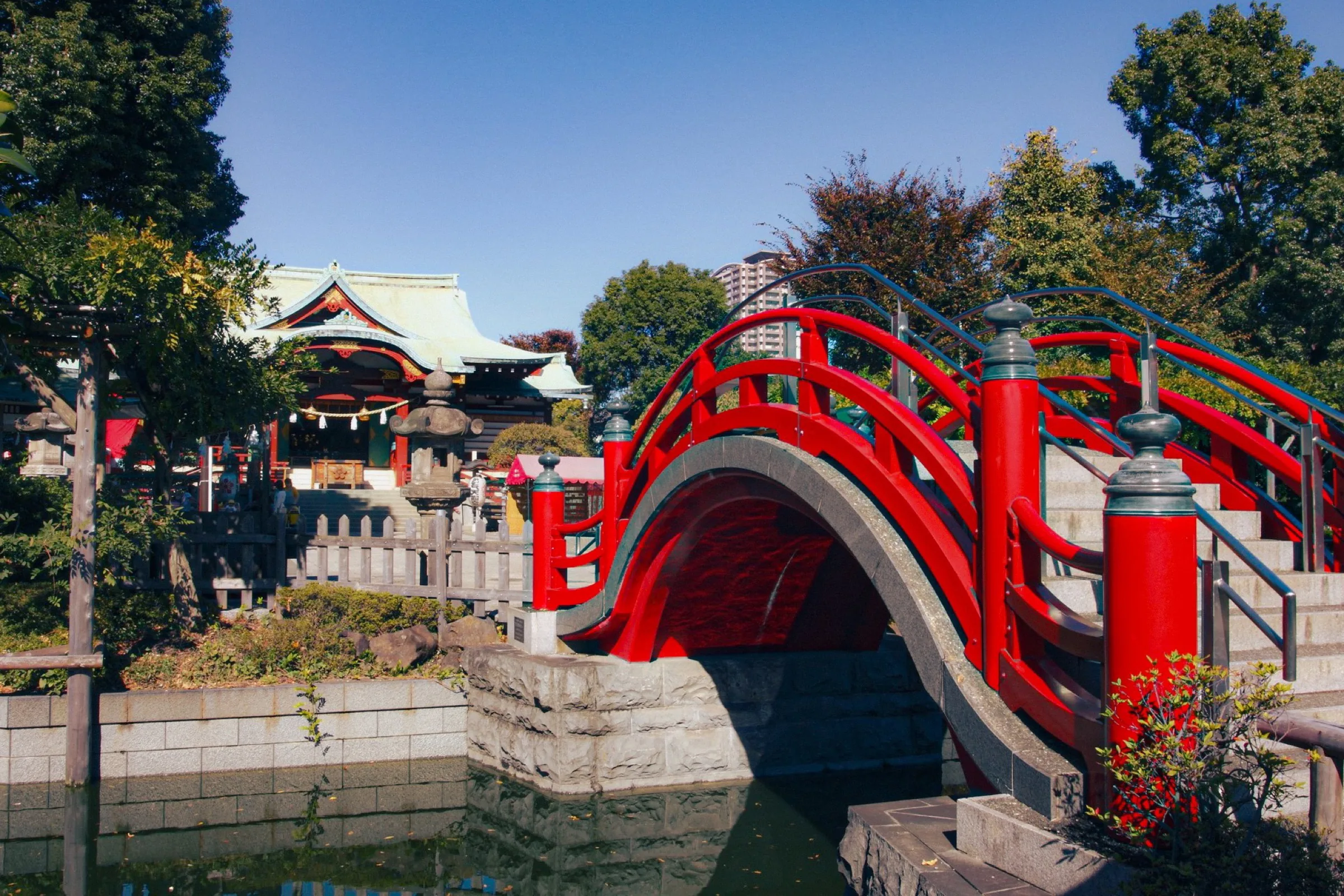
March is the month everyone tries to arrive for sakura and mostly misses. Kyushu and Kochi see sakura mid-to-late March; Tokyo and Kyoto don’t usually start until the very end of the month. If your flight is locked to mid-March, aim south.
What’s on:
- Hinamatsuri (March 3) — Doll Festival, a domestic family holiday. Shrines display ornate stepped hina doll sets.
- Omizutori (March 1–14) — fire ritual at Todai-ji in Nara, one of Japan’s oldest unbroken ceremonies, running continuously since year 752.
- Sakura bloom begins — Kyushu, Shikoku, Kochi mid-to-late March; Tokyo/Kyoto usually March 22–30. Check the JMA sakura forecast in the last week of February.
AprilPeak sakura nationwide, Fuji with blossoms
Japan’s most photographed month, and also its most booked-out. If you want the iconic Tokyo/Kyoto sakura trip, plan it a year ahead. If you missed that window, Tohoku and Hokkaido see their sakura peak two-to-three weeks later — late April through early May. That back-door timing is one of the most underused tricks in Japanese travel planning.
What’s on:
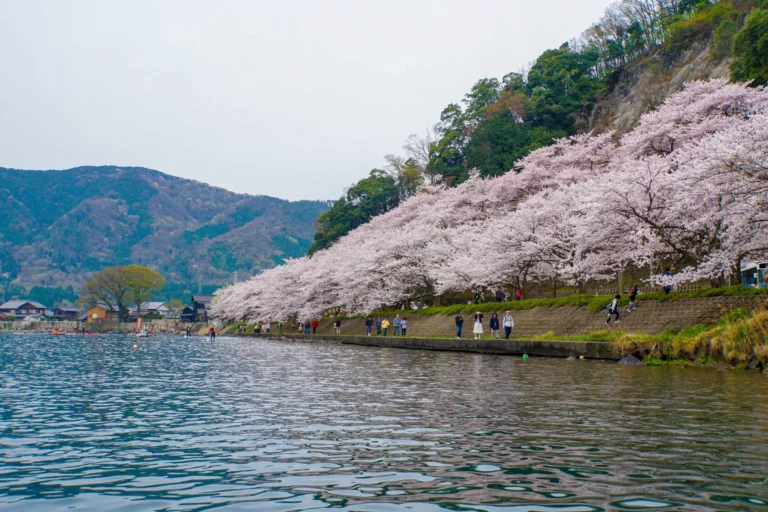
- Peak sakura — Kyoto, Tokyo, Osaka: roughly April 1–10; Tohoku: April 15–25; Hokkaido: last week of April.
- Takayama Spring Festival (April 14–15) — ornate wheeled floats through an Edo-era town. One of the three great festivals of Japan.
- Kanamara Matsuri (first Sunday of April, Kawasaki) — the “steel phallus” festival. Don’t ask.
- Fuji and sakura — the iconic combination at Arakurayama Sengen, Shiba Park, and the Kawaguchiko north shore. Mt. Fuji visibility is best in early April when air stays crisp. See our Mt. Fuji hub.
MayFresh green, Golden Week, wisteria, shibazakura
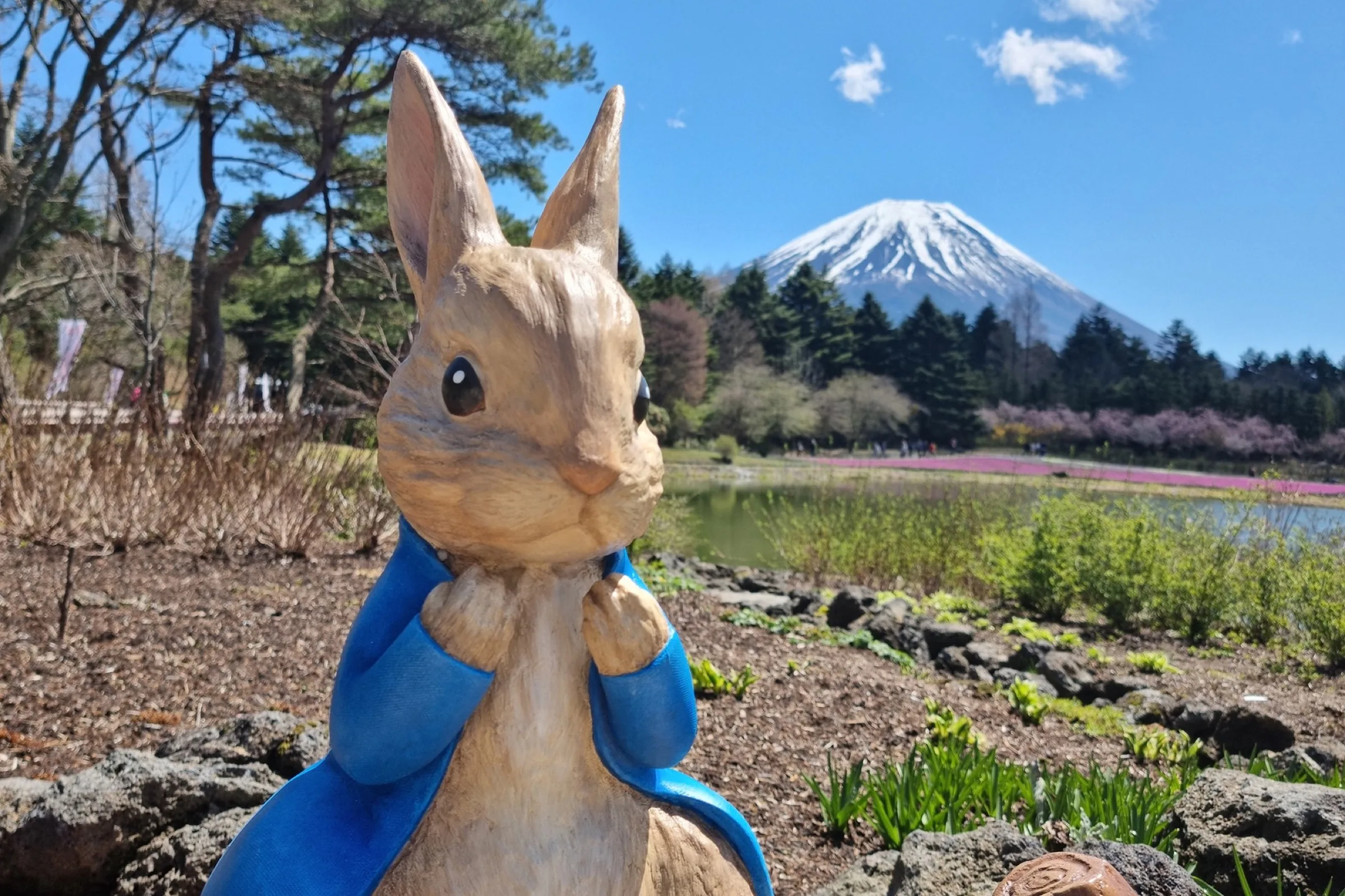
May is complicated. The first week is Golden Week, Japan’s only serious domestic travel pile-up — flights triple, ryokan book out, shinkansen run standing-room-only. The second half of May, after GW ends on May 5, is one of the best periods of the year: warm days, fresh green, Kamikochi opens, wisteria gardens peak.
What’s on:
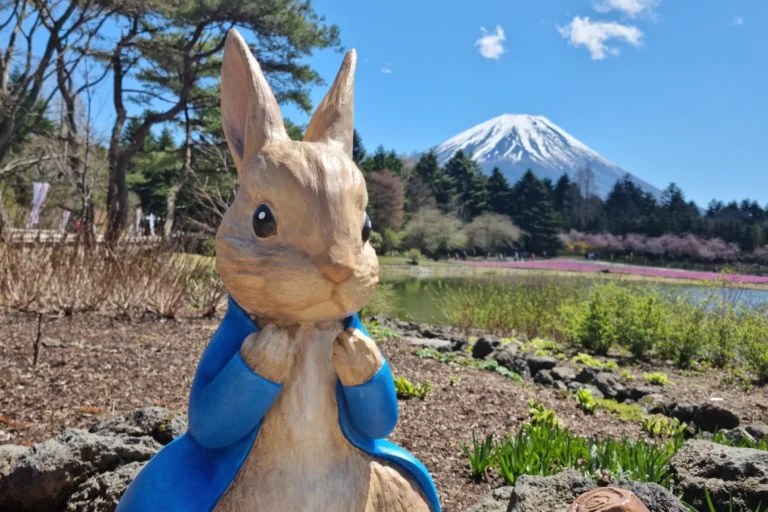
- Fuji Shibazakura Festival (mid-April to late May) — hillside of pink moss with Fuji behind it. Our dedicated guide has peak-date tips.
- Wisteria peak — Ashikaga Flower Park, Kameido Tenjin, Tennogawa Park in Aichi. Early-to-mid May.
- Sanja Matsuri (3rd weekend of May, Asakusa Tokyo) — 100 portable mikoshi through the streets. Raucous and real.
- Kamikochi opens (April 17) for full hiking season — see our Kamikochi access guide.
- Golden Week (April 29–May 5) — our full guide to surviving it, or avoiding it.
JuneRainy season, hydrangea, the sleeper bargain month
Everyone warns you about tsuyu (rainy season), but June is secretly the value pick. Three out of five days are actually dry. Hotels are cheap. Temples are empty. The hydrangea bloom turns Kamakura and Hakone into an entirely different landscape.
What’s on:
- Rainy season (tsuyu) starts early-to-mid June in most of Honshu; doesn’t reach Hokkaido at all.
- Hydrangea (ajisai) peak — Meigetsu-in in Kamakura, Hakusan Shrine in Tokyo, Mimurotoji in Uji, Hasedera near Kamakura.
- Yosakoi Soran Festival (early June, Sapporo) — a massive dance festival, 30,000+ dancers across the city.
- Fireflies (hotaru) — rural rivers and gardens, early-to-mid June. Ask a local where to go; this isn’t in guidebooks.
JulyFestival peak, Gion Matsuri, Mt. Fuji opens
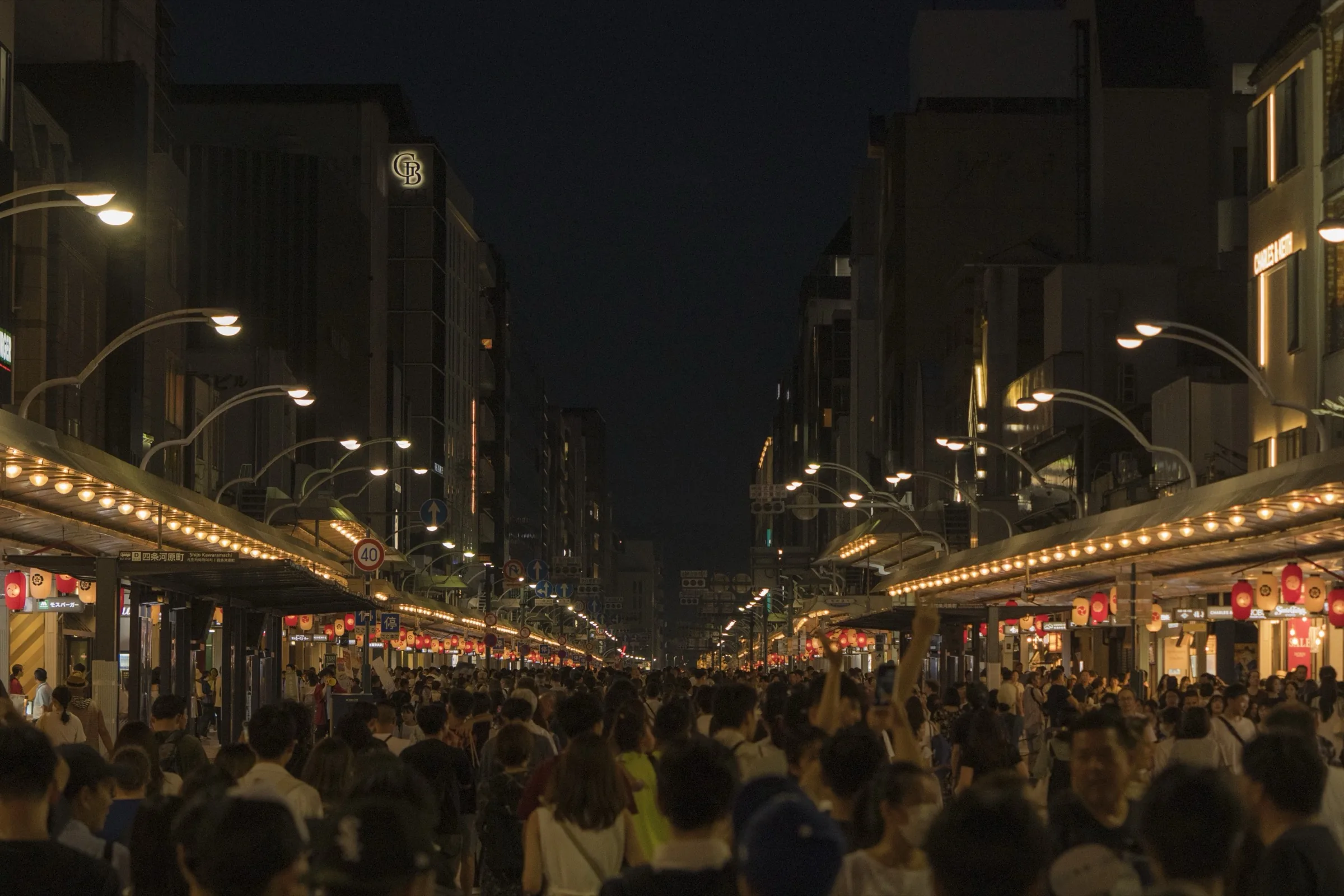
Mid-July is when the rain stops, the sky clears, and Japan’s most famous festival takes over Kyoto. If you can handle the heat (and it’s real), July is a once-in-a-trip moment.
What’s on:
- Gion Matsuri (all of July, peaks on 17th and 24th) — 30+ enormous wheeled floats through Kyoto. Yoiyama (July 14–16 and 21–23) are the night-viewing evenings. Floats are on display in narrow streets; Shijo-dori is closed to traffic.
- Tenjin Matsuri (July 24–25, Osaka) — rival-sized, with river floats and a 5,000-firework finale.
- Tanabata (July 7 nationally; Sendai runs its version Aug 6–8) — wish-paper streamers on bamboo.
- Mt. Fuji climbing season opens for Yoshida Trail July 1; other trails July 10. Closes Sep 10.
- Rainy season ends around July 15 in Honshu, triggering a week of perfect weather before the real heat hits.
AugustObon, hanabi, the month Tokyo is unliveable
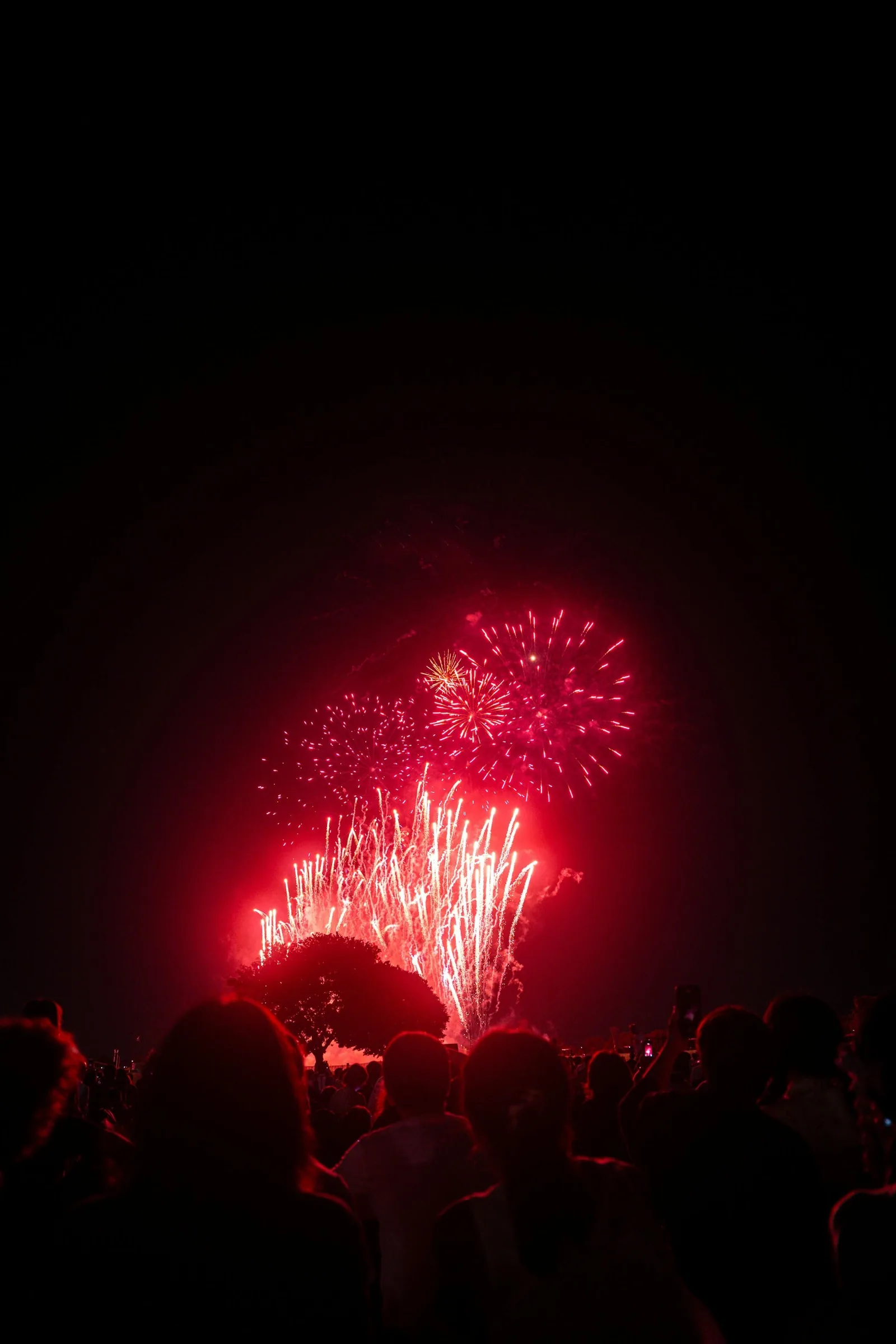
August in Tokyo is 31°C and 80% humidity, with nights that never drop below 27. You will sweat through your shirt by 10am. The move is either to stay moving (festivals) or to escape upward (the Alps) or northward (Hokkaido, Tohoku).
What’s on:
- Hanabi (fireworks) festivals — Sumida River (Tokyo, last Sat of July / first Sat of Aug), Nagaoka (Aug 2–3), PL Hanabi (Osaka, Aug 1), Lake Kawaguchiko (Aug 5).
- Obon (Aug 13–15) — lantern float ceremonies, family ancestor visits, and Japan’s second big domestic travel spike.
- Awa Odori (Aug 12–15, Tokushima) — the biggest bon-odori dance festival, 1.3 million visitors.
- Nebuta Matsuri (Aug 2–7, Aomori) — giant illuminated warrior floats.
- Gozan no Okuribi (Aug 16, Kyoto) — five mountainsides lit in kanji shapes to send off the Obon spirits.
- Mt. Fuji climbing peak — all four trails open. Book huts months ahead; see our mountain huts guide.
SeptemberOff-peak window, typhoon risk, best deal of the year
If you can handle the typhoon lottery, September is the single best-value month. Flights drop 30–40% from August peak; Kyoto’s ryokan open rooms they were holding for foliage; school kids are back in school. The trade-off is one or two typhoons per year that can cancel a flight.
What’s on:
- Kishiwada Danjiri Matsuri (3rd weekend of September, Osaka) — 4-ton wooden floats sprint through narrow streets. Teams have died doing this.
- Otsuki-mi (mid-month) — moon viewing. Shrines display ornamental susuki grass and rice dumplings.
- Shubun no Hi (Sep 23 in 2026) — Autumnal Equinox, public holiday. Creates a long weekend that pushes domestic travel.
- Early Hokkaido foliage begins late September in Daisetsuzan.
OctoberJapan’s best weather, autumn starts, Kyoto historic festival
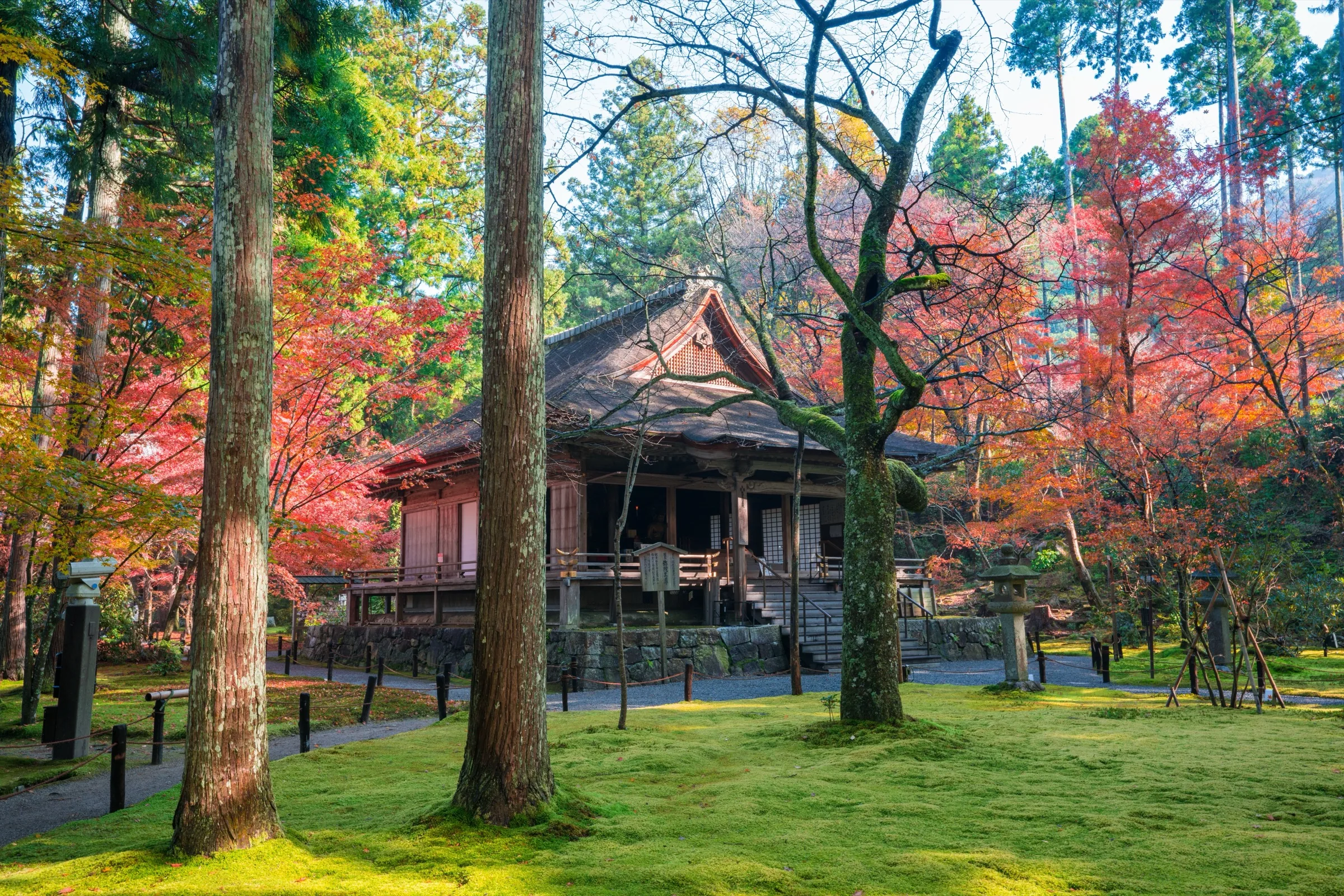
October is the single best weather month in Japan. Clear air, 20-degree days, foliage starting in the north, tourist crowds low until the last week.
What’s on:
- Jidai Matsuri (October 22, Kyoto) — a one-day procession of 2,000 people dressed in costumes from every era of Japanese history, walking from the Imperial Palace to Heian Shrine. Combined with Kurama no Hi Matsuri (torch festival, same night) it’s a single extraordinary day.
- Nagasaki Kunchi (October 7–9) — a 380-year-old festival at Suwa Shrine. Dragon dance, Dutch and Chinese influences visible.
- Foliage begins — Daisetsuzan in Hokkaido peaks late September, Oze marsh early October, northern Tohoku mid-October. Tokyo and Kyoto don’t turn until mid-November.
- Tsukimi (moon viewing) continues from September.
NovemberPeak momiji, clearest Fuji of the year
If you missed sakura, come in November. Peak momiji (autumn foliage) starts mid-month and lasts until late November in Kyoto, early December in Kyushu. Mt. Fuji visibility is the best of the year. Crowds match April’s sakura peak, but the weather is more reliable.
What’s on:
- Momiji peak — Kyoto (Eikando, Tofukuji, Arashiyama): November 15–30. Nikko: early November. Yamanashi/Kawaguchiko: mid-to-late November for the famous momiji corridor (see our Oishi Park guide).
- Shichi-Go-San (November 15) — children aged 3, 5, 7 visit shrines in kimono. Sensoji and Meiji Jingu are the best-photographed locations.
- Tori-no-Ichi (three days in November, dates vary) — rake-selling fair at shrines for business luck.
- Culture Day (November 3) — public holiday; museums are often free, and formal ceremonies at shrines.
- Clear Fuji days — November statistically has the highest Fuji-visibility percentage of any month. See our Mt. Fuji hub for live cam links.
DecemberWinter illumination, onsen season, year-end crush
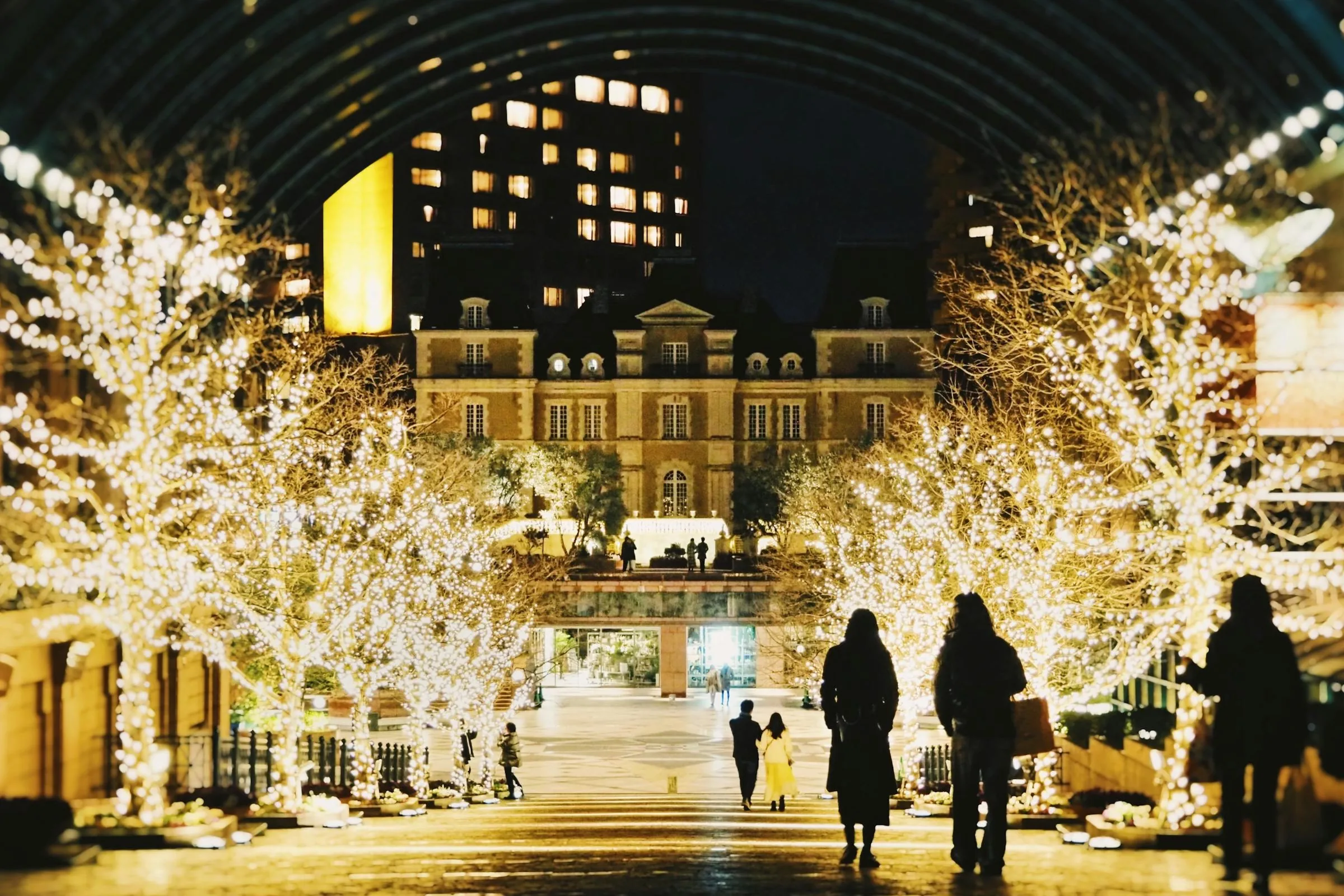
December in Japan is underrated. Until the last week, it’s cheap, cold, crystal-clear, and gently glowing with illumination. Snow country (Hokkaido, Tohoku, Niigata) opens its ski and onsen season. The last week of December and first three days of January are the only genuinely bad travel window — domestic holiday crush.
What’s on:
- Winter illuminations — Marunouchi, Omotesando, Tokyo Midtown, Roppongi Keyakizaka (all Tokyo); Nabana no Sato in Mie (the biggest in Japan); Kobe Luminarie (early December).
- Chichibu Yomatsuri (December 2–3, Saitama) — one of Japan’s great night float festivals. Six massive wheeled floats, all-night drumming, finale fireworks at 10pm.
- Joya no Kane (December 31) — temple bells rung 108 times at midnight to send off the old year’s troubles.
- Ski season opens mid-December in Hokkaido, late December in Honshu.
- Snow country — Shirakawa-go, Ginzan Onsen, Yamadera.
Frequently asked
What’s the overall best month to visit Japan?
For most first-time visitors: late October into early November. You get the best weather of the year, early momiji, excellent Fuji visibility, manageable crowds, and moderate prices. The alternative honest answer is the second half of May (after Golden Week) for fresh green and long daylight. Avoid August if you can’t handle humidity, and avoid late December / first week of January for the Shogatsu crush.
When is cherry blossom season in 2026?
Kyushu and Shikoku: March 20–28. Tokyo / Kyoto / Osaka: March 25–April 5 is the usual window. Tohoku: April 15–25. Hokkaido: late April. These dates shift annually; the Japan Meteorological Agency publishes updated forecasts starting the last week of February.
When is autumn foliage (momiji) season?
Hokkaido: late September through mid-October. Tohoku: mid-October through early November. Kanto / Tokyo / Kyoto: mid-to-late November, with peak usually November 20–30. Western Honshu / Kyushu: late November into early December. November in Kyoto and Nikko is the single most photographed autumn period in the country.
Is Golden Week really that bad?
Yes for domestic transit and ryokan; no for everyday city tourism. Shinkansen, domestic flights, and country roads are full. But Tokyo and Kyoto sightseeing during GW isn’t dramatically worse than a normal busy weekend, because most Japanese families leave the cities. See our Golden Week 2026 guide for specific dates, closures, and how to work around it.
Does Hokkaido follow the same seasons?
No. Hokkaido runs 3–4 weeks behind mainland Japan on everything. Cherry blossoms arrive in May; momiji peaks in early October; snow falls in November; the rainy season (tsuyu) that dampens June in Honshu doesn’t reach Hokkaido at all. Plan Hokkaido trips assuming “mainland minus one month” for spring and “mainland minus six weeks” for autumn.
Which festival is worth flying specifically to see?
If you have to pick one: Gion Matsuri in Kyoto (July 14–17). It’s the most visually complete festival in the country, a 1,100-year-old tradition, with the yoiyama evenings giving you pedestrian-only neighbourhoods of Kyoto at their best. Nebuta in Aomori and Awa Odori in Tokushima are the other two worth a trip.
What should I absolutely avoid?
Flying into Japan on August 11–15 (Obon travel chaos), December 28–January 3 (Shogatsu), or the first week of May (Golden Week). Those are the only three genuinely bad windows. Everything else is negotiable.
Next, narrow it down.
You have a month, a festival, and maybe a region. Take our 60-second quiz to match it to a region of Japan — then use the right itinerary for the trip you actually want.
Find your region → Open the 7-day itinerary →Join 1,000+ travelers discovering Japan's hidden side
Weekly dispatches from off-the-beaten-path Japan — spots and stories you won't find in guidebooks.
No spam. Unsubscribe anytime.
Welcome aboard!
You're in. See you in your inbox soon.