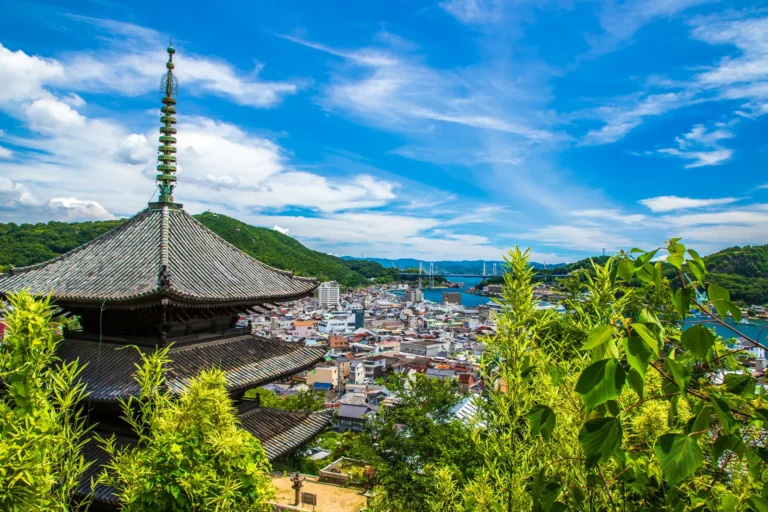



When you see the iconic image of a five-storied pagoda with Mount Fuji soaring in the background, you’re looking at Arakurayama Sengen Park. But many visitors take their photo and leave, missing the profound history and spiritual heart of the location: Arakurayama Sengen Shrine. This guide invites you to look beyond the famous photo spot and discover the ancient shrine that has watched over this land for over 1,300 years.
Table of Contents
Quick Facts
| Feature | Details |
| Best Time to Visit | Spring (cherry blossoms) and Autumn (foliage) for iconic views. Year-round for a quieter shrine visit. |
| Time Required | 1.5 – 2 hours (including the walk up to the pagoda) |
| Nearest Station | Shimoyoshida Station (Fujikyu Railway Line), 10-minute walk to the shrine entrance |
| Entrance Fee | Free |
| Payment Methods | N/A (Offerings are cash) |
| Crowd Level | High at the pagoda viewpoint, especially during peak seasons. Moderate to low at the shrine itself. |
| Accessibility | The main shrine is accessible, but reaching the Chureito Pagoda requires climbing 398 steps. |
An Ancient Shrine Beyond a Modern Icon
While the Chureito Pagoda has become a global symbol of Japan, it is a relatively modern addition, built in 1962 as a peace memorial. The true historical and spiritual center of this mountain is Arakurayama Sengen Shrine, founded in the year 705. For centuries, before the pagoda existed, this shrine was the primary destination for worshippers, a sacred place dedicated to the powerful deities of Mount Fuji. This article encourages you to experience the site as it was intended: as a journey to a venerable shrine, with the pagoda as a beautiful, but secondary, viewpoint.
The History of Arakurayama Sengen Shrine
The shrine’s origins are deeply connected to Mount Fuji. It was established in 705 to enshrine the region’s local deity. Its importance grew significantly in 807 after a major eruption of Mount Fuji. The reigning emperor, Heizei, dispatched an imperial envoy to this very shrine to perform rituals to pacify the volcano. On this occasion, the emperor bestowed upon the shrine the prestigious title of “Sangoku Daiichisan,” meaning “the number one mountain (shrine) in the three countries” (a term referring to the known world of Japan, China, and India at the time).
Later, during the Warring States Period, the famous warlord Takeda Shingen’s father, Nobutora, set up camp here before a victorious battle and dedicated his sword to the shrine in gratitude. Today, people visit to pray for protection from evil, family happiness, and safe childbirth.
How to Get There
Arakurayama Sengen Shrine is most easily accessed from Shimoyoshida Station on the Fujikyu Railway Line.
By Train:
1.Take the Fujikyu Railway Line to Shimoyoshida Station.
2.From the station, it is a pleasant 10-minute walk to the main entrance and first Torii gate of the shrine.
By Car:
•The shrine is about a 10-minute drive from the Fujiyoshida Nishikatsura Smart IC on the Chuo Expressway.
•A free parking lot with space for about 100 cars is available. Note that this lot becomes paid and extremely congested during the Cherry Blossom Festival in spring.
A Guide to Visiting the Shrine Grounds
Approaching the site as a shrine visit, rather than a race to the pagoda, transforms the experience. Take your time and appreciate the sacred atmosphere.
The Main Approach & Torii Gate
Your visit begins at the foot of the mountain. As you walk from the station, you’ll soon see the large stone Torii gate that marks the entrance to the sacred grounds. This is the start of the sando, or the path to the gods.
The Temizuya (Purification Fountain)
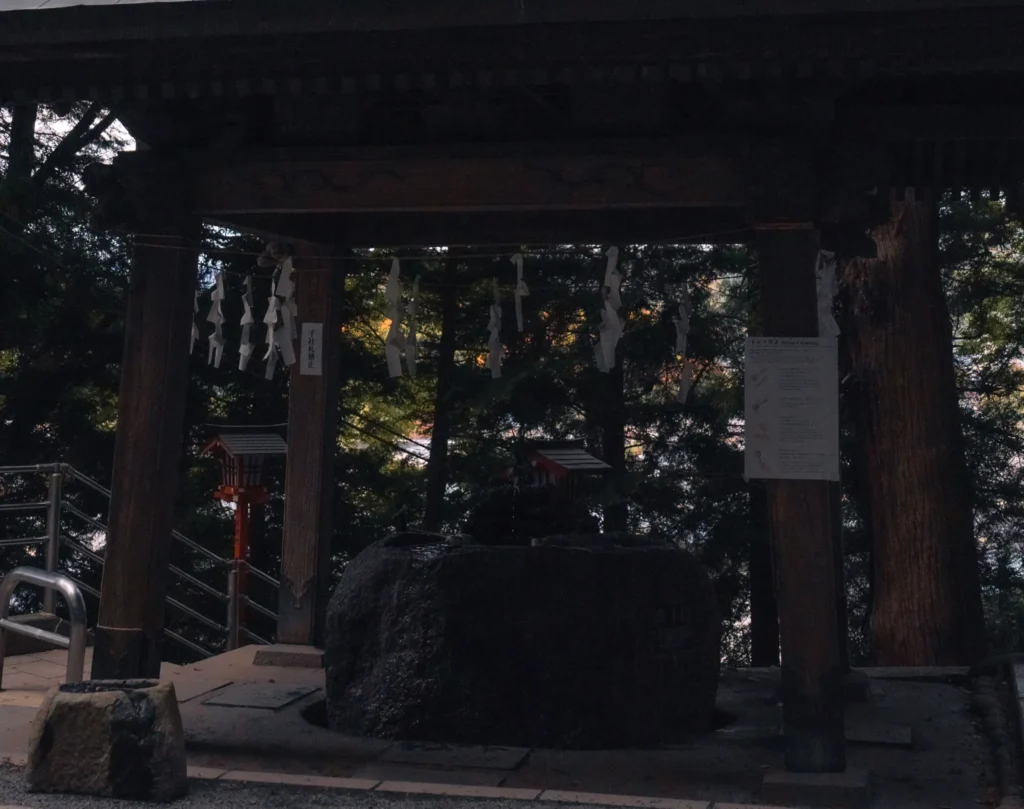
Before approaching the main hall, you will find the temizuya, a stone basin with running water. This is where you perform a ritual purification of your hands and mouth.
1.Pick up the ladle with your right hand and scoop up water.
2.Pour some water over your left hand to rinse it.
3.Switch the ladle to your left hand and rinse your right hand.
4.Pour a small amount of water into your cupped left hand and rinse your mouth. Do not drink directly from the ladle.
5.Finally, tilt the ladle so the remaining water runs down the handle, cleansing it for the next person.
The Haiden (Main Worship Hall)

Continue up the path to the main worship hall, or haiden. This beautiful wooden structure is where you will offer your prayers. The atmosphere here is serene, a stark contrast to the bustling viewpoint above.
How to Pray:
1.Bow once before the offering box.
2.Gently toss a coin into the box (a 5-yen coin is considered lucky).
3.Ring the bell, if there is one, to greet the deities.
4.Bow deeply twice.
5.Clap your hands twice.
6.Make your prayer with your hands still together.
7.Bow deeply one last time.
Architectural Details to Admire
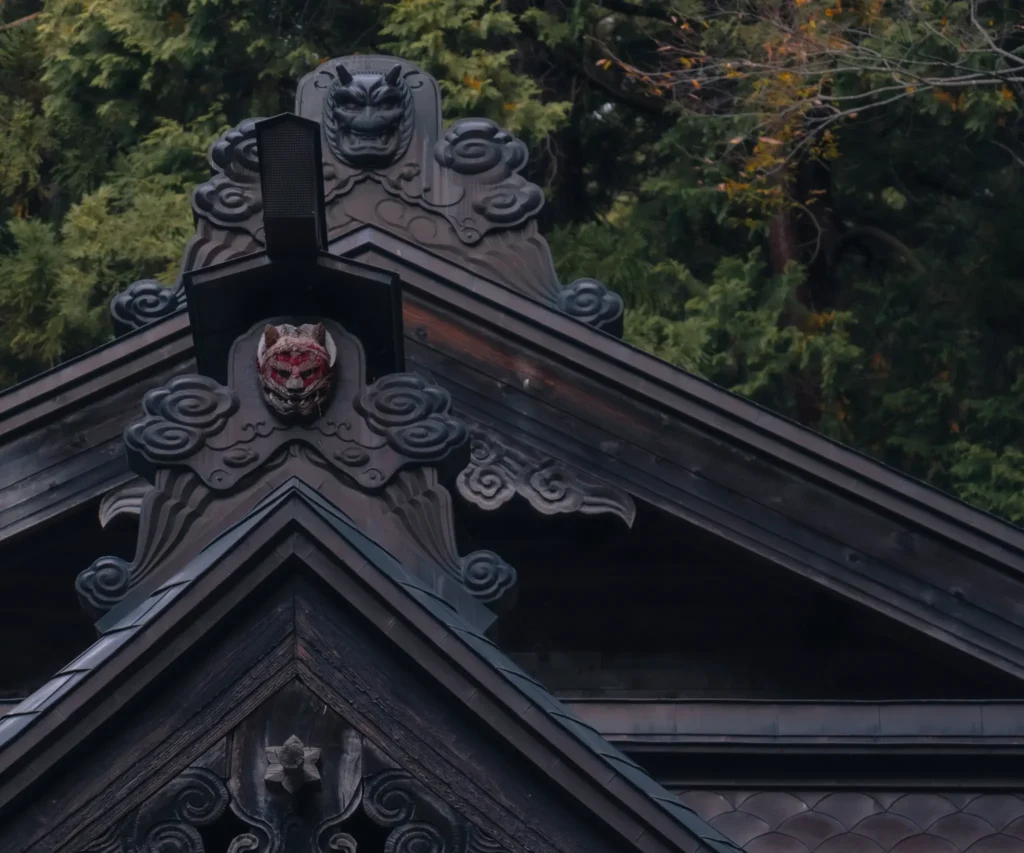
Take a moment to appreciate the craftsmanship of the shrine buildings. The main hall features a magnificent shimenawa (a thick rope of woven rice straw) and intricate wooden carvings. Look up at the roof gables to spot the fierce onigawara (ogre tiles), which serve as spiritual guardians to ward off evil.
After Your Shrine Visit: The Chureito Pagoda

After paying your respects at the shrine, you can then proceed to the famous viewpoint. The path to the pagoda, known as the Sakuya-hime Kaidan (Stairs of the Blooming Princess), consists of 398 stone steps. While challenging, the climb is part of the pilgrimage. At the top, you will be rewarded with the world-famous view of the Chureito Pagoda against the backdrop of Mount Fuji.
Practical Tips for Visitors
•Wear comfortable shoes:
You will be doing a fair amount of walking and climbing stairs.
•Visit early:
To avoid the biggest crowds at the pagoda, especially during cherry blossom season, aim to arrive early in the morning.
•Be respectful:
Remember that you are in a sacred place. Keep your voice down and be mindful of worshippers around the main hall.
•Don’t just leave:
After seeing the pagoda, consider walking back down and exploring the shrine grounds more, or visiting the shops in the charming Shimoyoshida neighborhood.
Where to Stay Nearby
Staying in the Fujiyoshida or Lake Kawaguchiko area is convenient for an early morning visit. There are numerous options from traditional ryokans to modern hotels. Consider finding accommodation near Shimoyoshida Station or Kawaguchiko Station for easy train access.
FAQs
Q: Is it hard to climb the 398 steps?
A: It can be challenging for those with mobility issues, but it is manageable for most people. There are places to rest along the way. Take your time.
Q: Is the shrine always open?
A: The shrine grounds and park are generally open 24/7, but there are no staff or services available at night.
Q: What is the difference between a shrine and a temple?
A: A shrine (jinja) is a place of worship in Shinto, Japan’s native religion, and is dedicated to kami (gods or spirits). A temple (tera) is a place of worship in Buddhism.
Q: Can I take photos of the shrine?
A: Yes, photography is generally permitted on the grounds and of the exterior of the buildings. However, be respectful and avoid taking photos of worshippers or inside the main hall during ceremonies.
Q: Is there anything else to do in the area?
A: Yes, the Shimoyoshida area has many retro shops and cafes. You are also close to other Fuji Five Lakes attractions like Lake Kawaguchiko and the Fuji-Q Highland amusement park.
Sources
[1] 三國第一山新倉富士浅間神社. (n.d.). 三國第一山新倉富士浅間神社由緒. Retrieved from
[2] Fujiyoshida City. (n.d.). Arakura Fuji Sengen Shrine. Visit Fujiyoshida. Retrieved from
Last updated: March 8, 2026
Sources checked: Official Shrine Website, Fujiyoshida City Tourism Website, Wikipedia.

- Kai no Katsuyama Yabusame: I Stood at the Rope Line Today and Watched a 900-Year-Old Bow Find Its Target
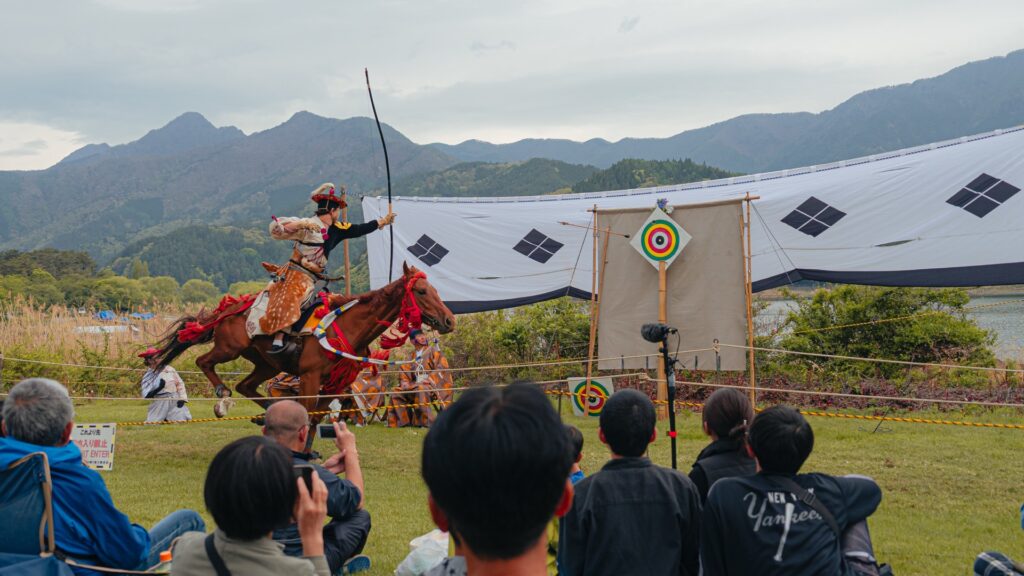 Field report from the 900-year-old Takeda-style yabusame at Fuji Omuro Sengen Shrine, Lake Kawaguchiko. 12-photo slideshow, day timeline, photography tips, and the date for 2027.
 - Japan in June 2026: A Day-by-Day Calendar of Hydrangeas, Fireflies, and the Cheapest Week of the Year
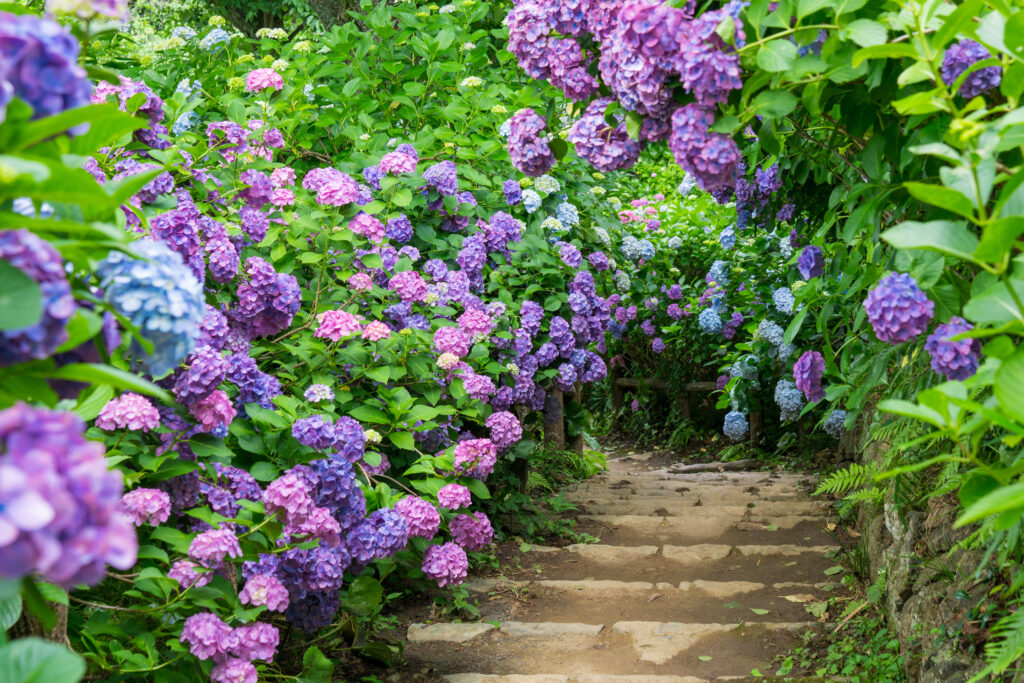 Japan in June 2026: rain probability heatmap, full event calendar, Sanno Matsuri (Hon-Matsuri year), hydrangea peak by region, and the cheapest week to fly in.
 - Japan Tsuyu (Rainy Season) 2026: Regional Calendar, Hydrangea Spots & Indoor Backups
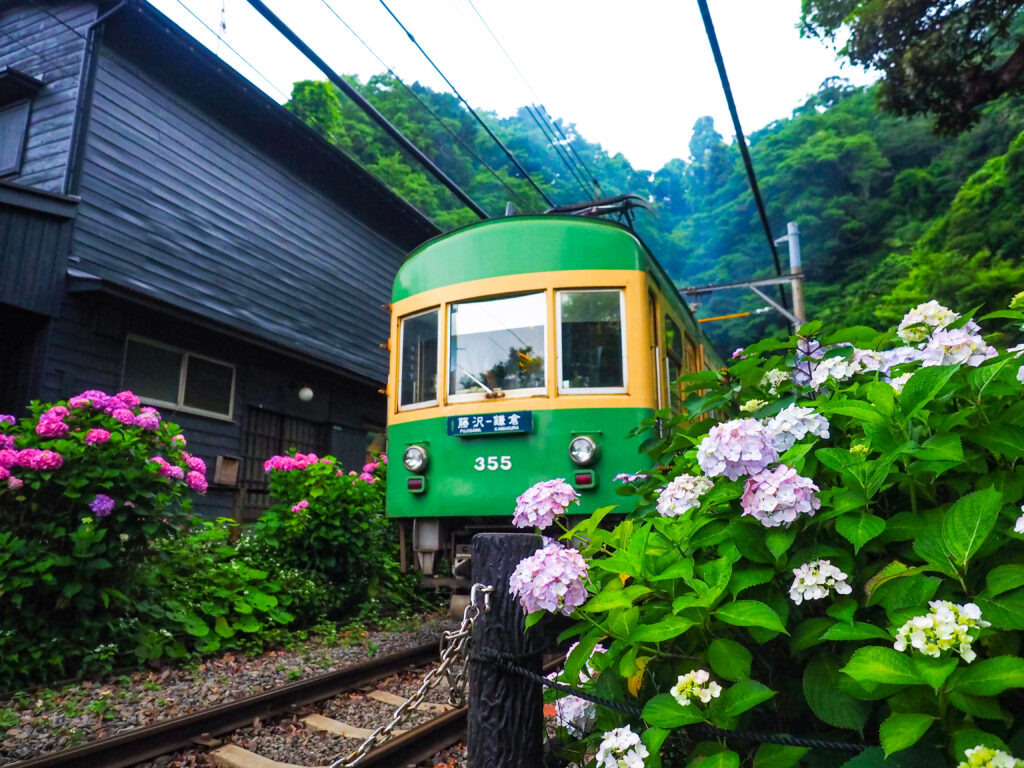 Japan tsuyu 2026: regional onset/withdrawal calendar from JMA 1991-2020 normals, four hydrangea spots tested, and indoor backup plans for when it rains.
 - Visit Japan Web 2026: One Account, Three QR Codes, and the New Joint Kiosk
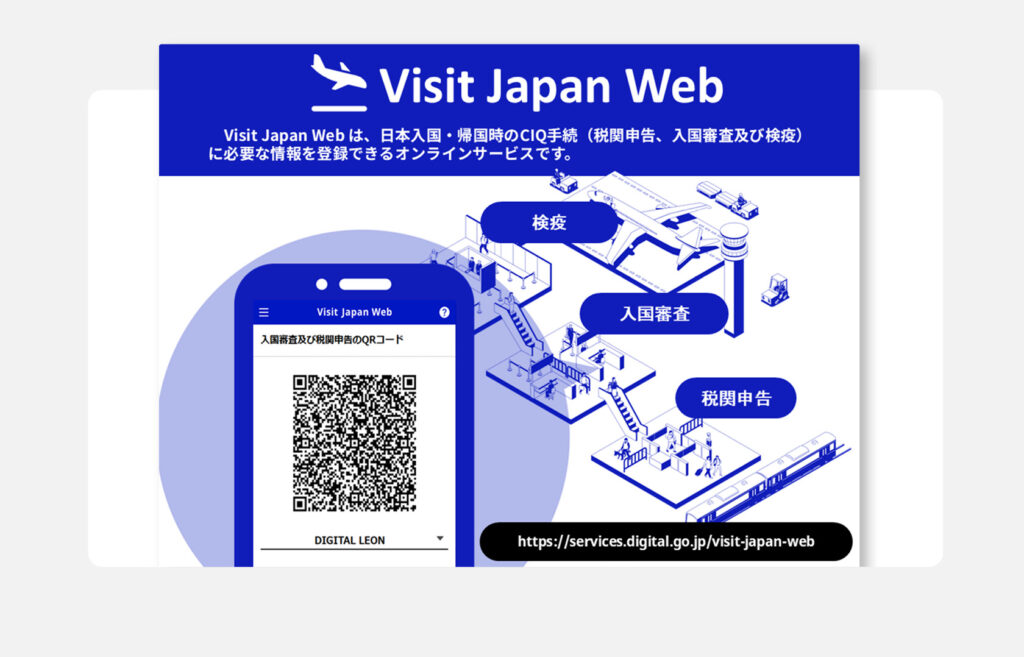 Visit Japan Web 2026 walkthrough: three QR codes, the new Joint Kiosk at Haneda/Narita/Kansai, common errors, and when paper still works.
 - Japan Typhoon Season 2026: Climatology, Live Trackers, and What Actually Cancels
 Japan typhoon season 2026 explained — JMA climatology, regional risk, what cancels and when, plus the four data sources Japanese forecasters watch.
2026 cherry blossom cherry blossoms day trip from tokyo flower festival fuji five lakes fujiyoshida Fukuoka fushimi hanami hiking japan japanese culture japanese food japan travel kamakura Kamikochi kawagoe kawaguchiko Kumamoto kyoto Mount Fuji mt fuji Nagano Nikko Oku-Nikko Onsen Ramen saitama sakura Shizuoka shrine sightseeing spring spring in japan Tokyo travel travel guide Travel Guide 2026 travel planning Visit Japan Web when to visit japan winter winter travel Yamanashi
Join 1,000+ travelers discovering Japan's hidden side
Weekly dispatches from off-the-beaten-path Japan — spots and stories you won't find in guidebooks.
No spam. Unsubscribe anytime.
Welcome aboard!
You're in. See you in your inbox soon.