
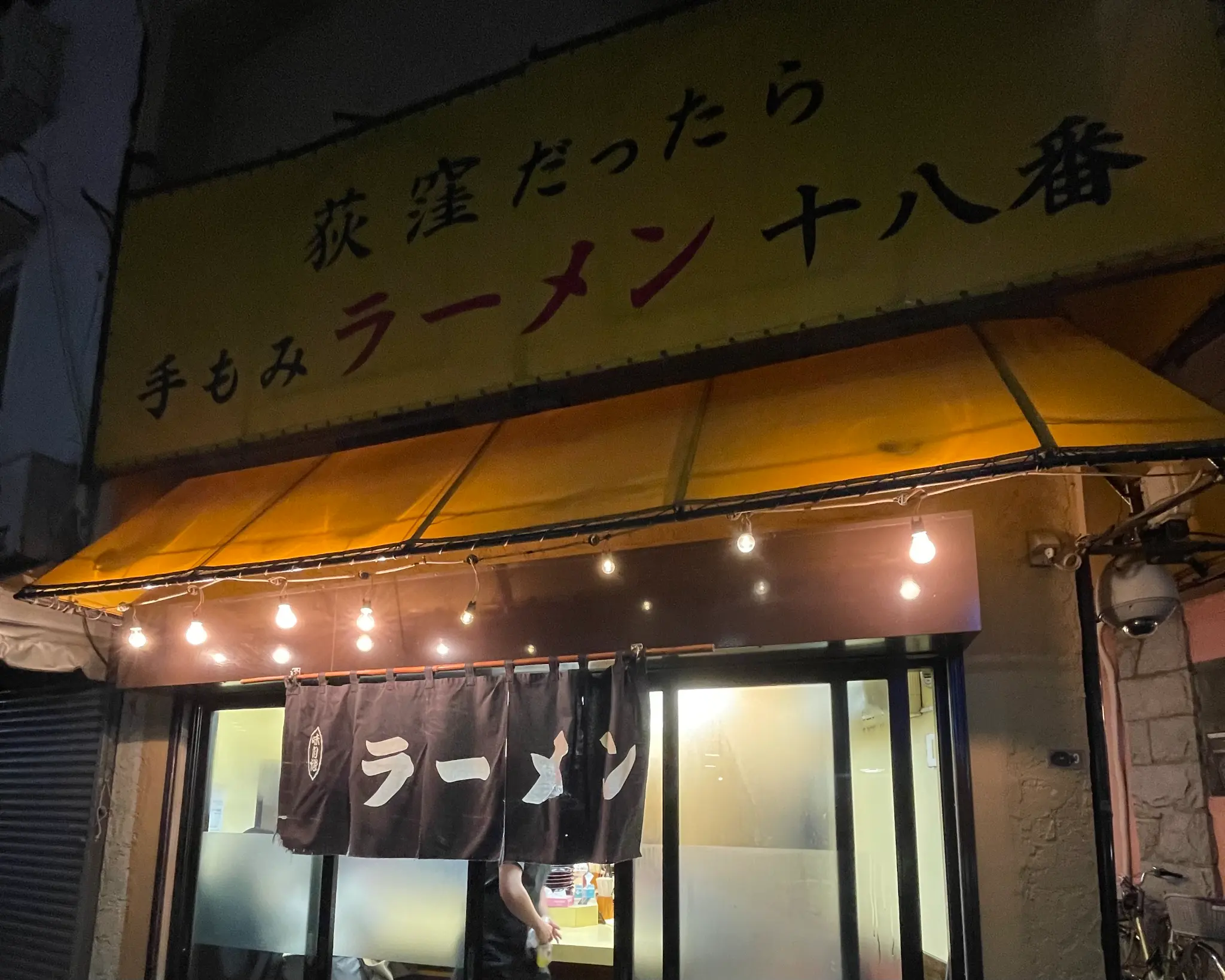

As evening settles over Ogikubo, a bustling neighborhood in Tokyo‘s Suginami ward, a bright yellow awning casts a warm, inviting glow onto the street. This is the home of Temomi Ramen Juhachiban Ogikubo, a beloved local institution that has been serving its signature hand-kneaded noodles since 1966. For many, the aroma of its potent garlic and rich soy-based broth is a nostalgic call back to a classic Tokyo ramen experience. This guide will take you inside this legendary shop, exploring the history, the must-try dishes like the famous “Tokusei Juhachiban,” and practical tips to help you navigate your visit to a place that truly captures the heart and soul of Tokyo’s ramen culture.
Table of Contents
Quick Facts
| Feature | Details |
| Best Time to Visit | Weekday evenings around 7:00 PM to avoid long queues |
| Estimated Time Needed | 30-45 minutes |
| Nearest Station | JR Chuo Line / Tokyo Metro Marunouchi Line, Ogikubo Station (North Exit) |
| Price Range | ¥700 – ¥1,500 per person |
| Payment | Cash only |
| Crowd Level | High, especially late at night |
| Accessibility | Not wheelchair accessible (counter seating only) |
Overview: A Taste of Nostalgic Tokyo
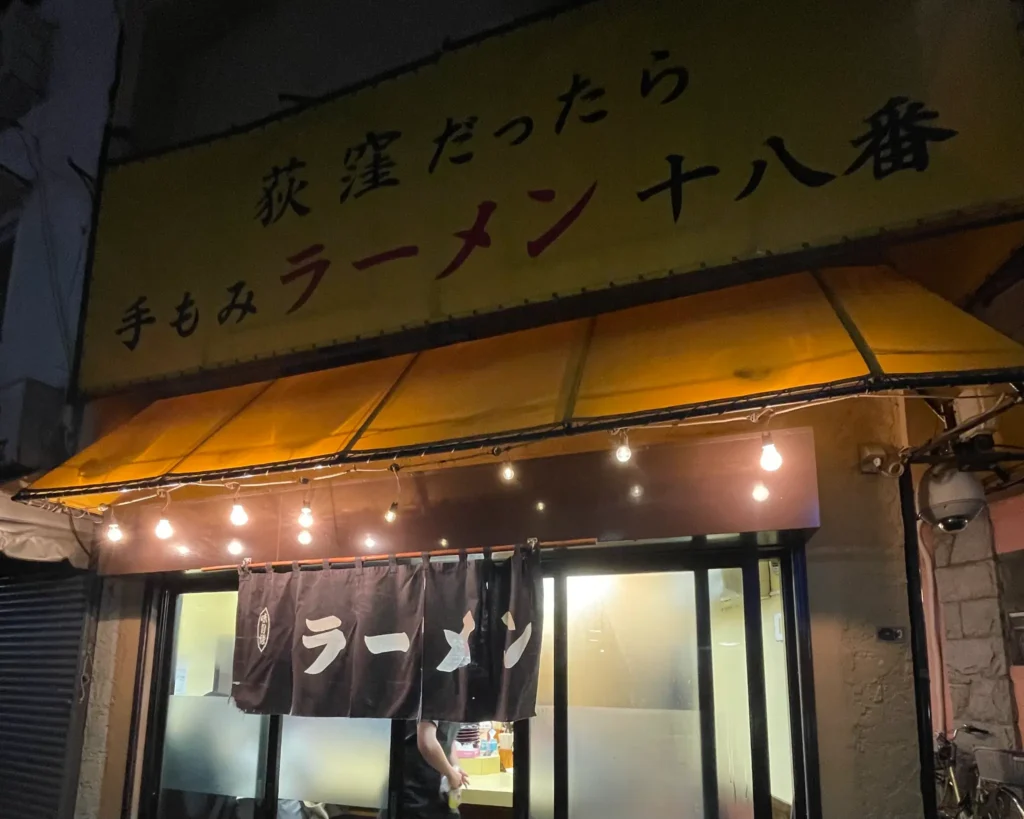
Stepping into Temomi Ramen Juhachiban is like taking a step back in time. The small, 10-seat counter-only shop, established in 1966, exudes a Showa-era charm that is increasingly rare in modern Tokyo. The bright yellow sign, with its bold red lettering proclaiming “Temomi Ramen Juhachiban,” is a local landmark in the Ogikubo Ginza shopping street . Inside, the atmosphere is lively and unpretentious. The friendly staff work efficiently in the clean, well-kept space, their cheerful banter adding to the welcoming environment .
The main draw, however, is the ramen itself. The shop’s signature is its hand-kneaded (temomi) noodles—thick, chewy, and brilliantly yellow. These noodles, with their distinctive curly shape, have a delightful, springy texture that captures the rich, garlicky broth perfectly. It’s a comforting, nostalgic flavor that has kept locals and ramen enthusiasts coming back for decades.
Best Time to Visit
Temomi Ramen Juhachiban is a popular spot, and timing your visit can make a significant difference in your waiting time. The shop operates only in the evenings. On weekdays (Monday to Saturday), it opens from 6:00 PM to 12:30 AM, while on Sundays and public holidays, the hours are from 5:00 PM to 11:30 PM .
The restaurant is known to get extremely busy, with long queues forming late at night as it’s one of the few ramen shops open in the area after 10:00 PM . For a more relaxed experience, visiting on a weekday around 7:00 PM is recommended. At this time, you are more likely to get a seat without a long wait. Weekend evenings are generally crowded throughout their opening hours.
How to Get There
Temomi Ramen Juhachiban is conveniently located just a short walk from Ogikubo Station, which is served by the JR Chuo Line and the Tokyo Metro Marunouchi Line.
1.Exit Ogikubo Station: Use the North Exit.
2.Walk along the tracks: Head east along the train tracks, in the direction of Shinjuku.
3.Look for the yellow awning: You will find the distinctive yellow awning of the shop on your left, located within the Ogikubo Ginza shopping street. The walk takes approximately 3 minutes .
Address: 1-4-10 Kamiogi, Suginami-ku, Tokyo
What to Eat: The Unforgettable Flavors of Juhachiban
The menu at Temomi Ramen Juhachiban is simple and focused, a testament to a shop that has perfected its craft. The main offerings are ramen and gyoza, with a few variations and toppings available. The star of the show, and the dish that over 95% of customers order, is the Tokusei Juhachiban .
The Legendary Tokusei Juhachiban (¥950)
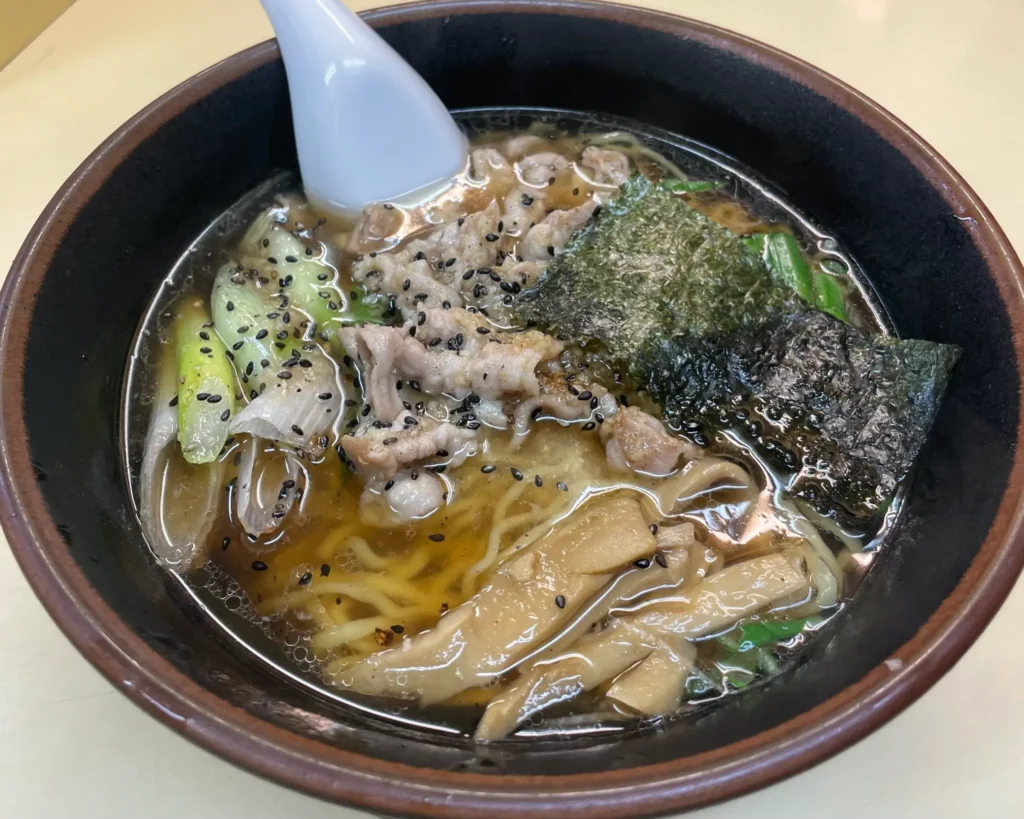
This is the bowl that has defined Juhachiban for decades. The “Tokusei” (special) ramen is a powerful and deeply satisfying dish. The broth is a rich, soy-based soup infused with a generous amount of coarsely grated garlic, giving it a potent, addictive kick that sets it apart from other ramen in Ogikubo . The soup is topped with tender-stewed pork belly, crisp menma (bamboo shoots), nori (seaweed), and a sprinkle of black sesame seeds.
But the true heart of the dish is the noodles. As the shop’s name “Temomi” (hand-kneaded) suggests, the noodles are made in-house. They are thick, wonderfully chewy, and have a distinctive wavy texture that clings to the flavorful broth. Each bite is a nostalgic reminder of classic Tokyo ramen, a comforting and robust flavor that lingers long after the last spoonful.
Perfect Pairing: Gyoza (¥500)
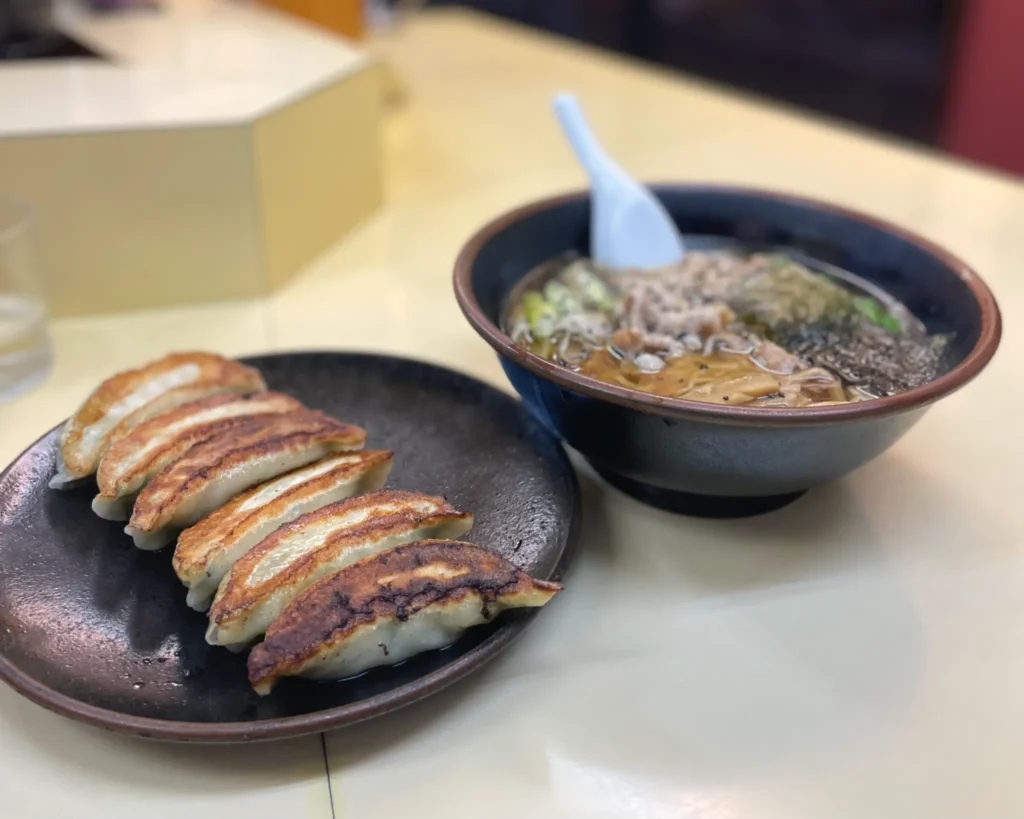
To complete your meal, an order of their Gyoza is highly recommended. Served in a set of five, these dumplings are the perfect companion to the rich ramen. The gyoza are generously sized, with a skin that is delightfully chewy and a filling of sweet, juicy vegetables . They are pan-fried to a perfect crispness on the bottom, offering a wonderful textural contrast to the soft ramen noodles.
A half-size portion of three gyoza is also available for ¥300, making it an easy and popular addition to any order.
Full Menu
| Menu Item | Price |
| Tokusei Juhachiban | ¥950 |
| Ramen | ¥700 |
| Negi Ramen (Green Onion) | ¥800 |
| Chashu-men (Pork) | ¥1,000 |
| Miso Ramen | ¥850 |
| Wonton-men | ¥850 |
| Wonton | ¥700 |
| Tsukemen (Dipping Noodles, 2 servings) | ¥850 |
| Gyoza (5 pieces) | ¥500 |
| Han Gyoza (3 pieces) | ¥300 |
| Rice | ¥150 |
| Bottled Beer | ¥550 |
| Noodle Refill (Oomori) | +¥150 |
Source: On-site menu information and local guides . Prices as of February 2026.
Practical Tips for Your Visit
To make the most of your visit to Temomi Ramen Juhachiban, keep these tips in mind:
•Payment:
The shop is cash only. Credit cards, electronic money, and QR code payments are not accepted, so be sure to have yen on hand .
•Seating:
The restaurant is small, with only 10 counter seats. It’s best for solo diners or small groups of two.
•Ordering:
Decide what you want to order before you get a seat. The menu is simple, and the staff will appreciate a quick order, especially during busy times.
•Garlic Level:
The Tokusei Juhachiban is famous for its strong garlic flavor. If you are sensitive to garlic or have plans the next day, you might consider one of their other ramen options, like the standard Ramen or Miso Ramen.
•Etiquette:
As with most ramen shops in Japan, it’s customary to eat relatively quickly and leave once you are finished, especially if there is a queue of people waiting.
•Take-out:
While the ramen is dine-in only, you can order the gyoza for take-out .
Where to Stay Nearby
Ogikubo is a convenient residential area with good access to central Tokyo. While there are some local hotels, many visitors choose to stay in nearby Shinjuku, which is just a 10-minute train ride away on the JR Chuo Line. Shinjuku offers a vast range of accommodation options, from luxury hotels to budget-friendly hostels, and serves as a major transportation hub for exploring the rest of the city.
Where to Eat Nearby
Ogikubo is known as a fierce battleground for ramen lovers, with many famous shops competing for attention. While Juhachiban stands out for its unique, powerful flavor, other notable ramen shops in the area include the curry-ramen specialist Tomato, the niboshi (dried sardine) broth master Harukiya, and the refined salt-based ramen at Goryokaku . Exploring the different ramen styles in Ogikubo could be a delicious adventure in itself.
Suggested Mini-Itinerary: An Evening in Ogikubo
Arrive at Ogikubo Station. Take a stroll through the nostalgic Ogikubo Ginza shopping street and the surrounding area to get a feel for this charming neighborhood.
Head to Temomi Ramen Juhachiban for dinner. Aim for this time to beat the late-night rush.
After your satisfying meal, explore one of the local standing bars (tachinomi) or cozy cafes for a post-dinner drink.
Head back to your accommodation or continue your night in the vibrant entertainment districts of Shinjuku, just a short train ride away.
FAQs
Q: How strong is the garlic in the Tokusei Juhachiban?
A: The garlic flavor is very prominent and a key feature of the dish. It is made with coarsely grated raw garlic, giving it a sharp, pungent kick. If you are not a big fan of garlic, you might prefer the standard ramen.
Q: Is the restaurant cash only?
A: Yes, Temomi Ramen Juhachiban only accepts cash.
Q: Is there an English menu?
A: The menu is simple and written in Japanese. However, you can easily order by pointing or by saying “Tokusei Juhachiban,” which is their most popular dish.
Q: How long is the wait time?
A: Wait times can be long, especially after 10:00 PM when queues often form. Visiting earlier in the evening, around 7:00 PM on a weekday, is your best bet to get a seat quickly.
Q: Is the restaurant suitable for vegetarians?
A: No, the broths are pork-based, and there are no vegetarian or vegan options on the menu.
Q: Can I take out the ramen?
A: The ramen is for dine-in only. However, you can order the gyoza for takeout.
Sources
[1] Tabelog – Temomi Ramen Juhachiban. (https://tabelog.com/tokyo/A1319/A131906/13001114/ )
Last Updated: March 4, 2026
Sources Checked: Tabelog, Shokusan Best local guide.
A Final Word
Temomi Ramen Juhachiban is more than just a ramen shop; it’s a piece of Ogikubo’s history and a testament to the enduring appeal of a well-crafted, honest bowl of noodles. Its powerful flavors and nostalgic atmosphere offer a truly authentic Tokyo experience. Whether you’re a seasoned ramen connoisseur or a curious traveler, a visit to Juhachiban is a delicious journey into the heart of Japan’s beloved noodle culture.

- Onigiri Bongo — Tokyo’s Legendary Rice Ball Shop
 Onigiri Bongo 2026: Menu, Wait… 続きを読む: Onigiri Bongo — Tokyo’s Legendary Rice Ball Shop
 - Wisteria in Japan 2026: 10 Stunning Spots Beyond Ashikaga [With Map]
![Wisteria in Japan 2026: 10 Stunning Spots Beyond Ashikaga [With Map]](https://hiddenjapan-gems.com/wp-content/uploads/2026/04/藤花-1024x683.webp) Wisteria (fuji in Japanese) bl… 続きを読む: Wisteria in Japan 2026: 10 Stunning Spots Beyond Ashikaga [With Map]
Wisteria (fuji in Japanese) bl… 続きを読む: Wisteria in Japan 2026: 10 Stunning Spots Beyond Ashikaga [With Map] - Temomi Ramen Juhachiban: Ogikubo’s Legendary Hand-Kneaded Noodle ShopAs evening settles over Ogikub… 続きを読む: Temomi Ramen Juhachiban: Ogikubo’s Legendary Hand-Kneaded Noodle Shop
- Inokashira Park Cherry Blossoms 2026: A Local’s Guide to Tokyo’s Serene Hanami Spot
 As the cherry blossom season a… 続きを読む: Inokashira Park Cherry Blossoms 2026: A Local’s Guide to Tokyo’s Serene Hanami Spot
 - Jindaiji Daruma Ichi: A Guide to Tokyo’s Biggest Daruma Doll Festival 2026
 Every March, the historic Jind… 続きを読む: Jindaiji Daruma Ichi: A Guide to Tokyo’s Biggest Daruma Doll Festival 2026
2026 cherry blossom cherry blossoms day trip from tokyo flower festival fuji five lakes fujiyoshida Fukuoka fushimi hanami hiking japan japanese culture japanese food japanese garden japan travel kamakura kawagoe kawaguchiko Kumamoto kyoto local food Mount Fuji mt fuji Nagano nature Nikko Oku-Nikko Onsen Ramen saitama sakura Shizuoka shrine sightseeing snow spring in japan Tochigi Tokyo travel travel guide travel planning winter winter travel Yamanashi
Join 1,000+ travelers discovering Japan's hidden side
Weekly dispatches from off-the-beaten-path Japan — spots and stories you won't find in guidebooks.
No spam. Unsubscribe anytime.
Welcome aboard!
You're in. See you in your inbox soon.