
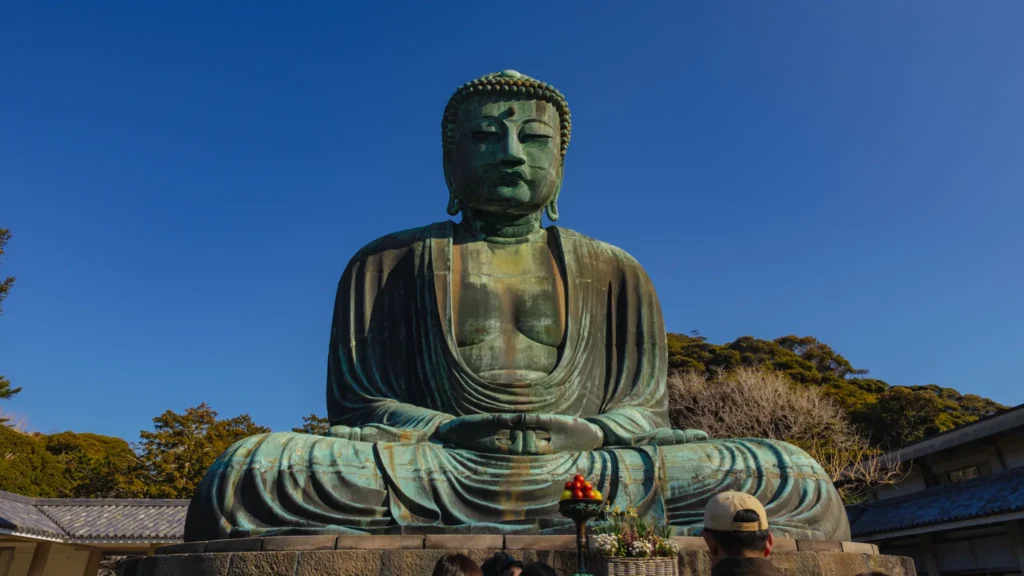
Kamakura, a coastal city just south of Tokyo, is a treasure trove of temples, shrines, and historical landmarks. Yet, few are as iconic or instantly recognizable as the Great Buddha (鎌倉大仏, Kamakura Daibutsu). Housed at Kotoku-in Temple, this colossal bronze statue of Amida Buddha has watched over the city for nearly eight centuries, surviving earthquakes, tsunamis, and the ravages of time. It stands not just as a monument of faith, but as a symbol of Kamakura’s enduring spirit.
This guide offers a comprehensive look at the Great Buddha of Kamakura. Whether you’re planning your first visit or seeking a deeper understanding of this National Treasure, you’ll find practical tips, historical context, and insights to make your experience more meaningful. We’ll explore its impressive scale, the turbulent history that left it standing in the open air, and how to best appreciate its serene presence.
Table of Contents
Quick Facts
| Feature | Details |
| Best Time to Visit | Weekday mornings to avoid crowds; spring (cherry blossoms) and autumn (foliage) for scenic beauty. |
| Time Needed | 30-45 minutes |
| Nearest Station | Hase Station (Enoshima Electric Railway) |
| Admission Fee | ¥300 (Adults), ¥150 (Elementary School) |
| Payment Methods | Cash |
| Crowd Level | High, especially on weekends and holidays |
| Accessibility | The main grounds are mostly flat and wheelchair accessible, but there are steps to the platform of the statue. |
An Icon of Kamakura: An Overview
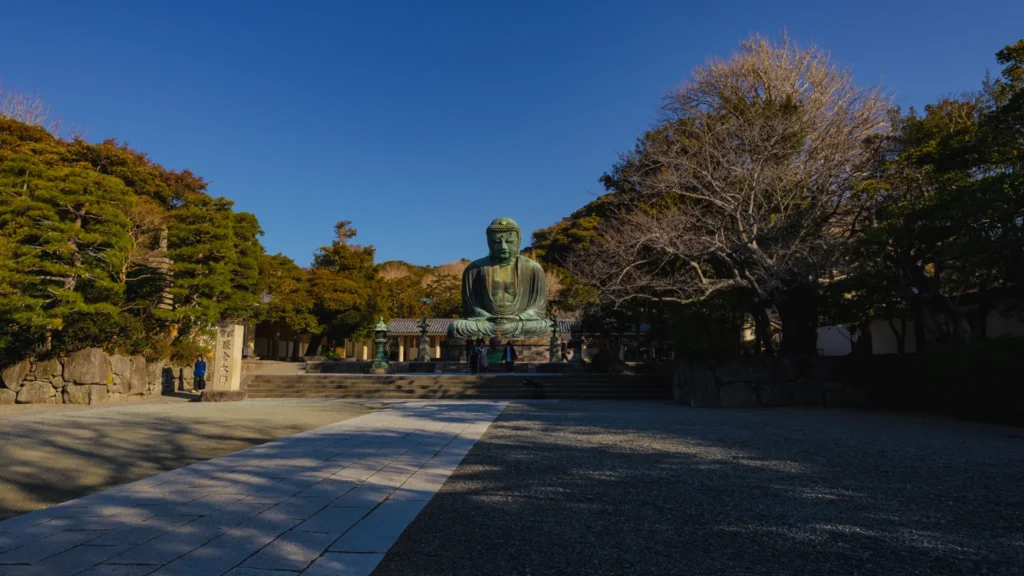
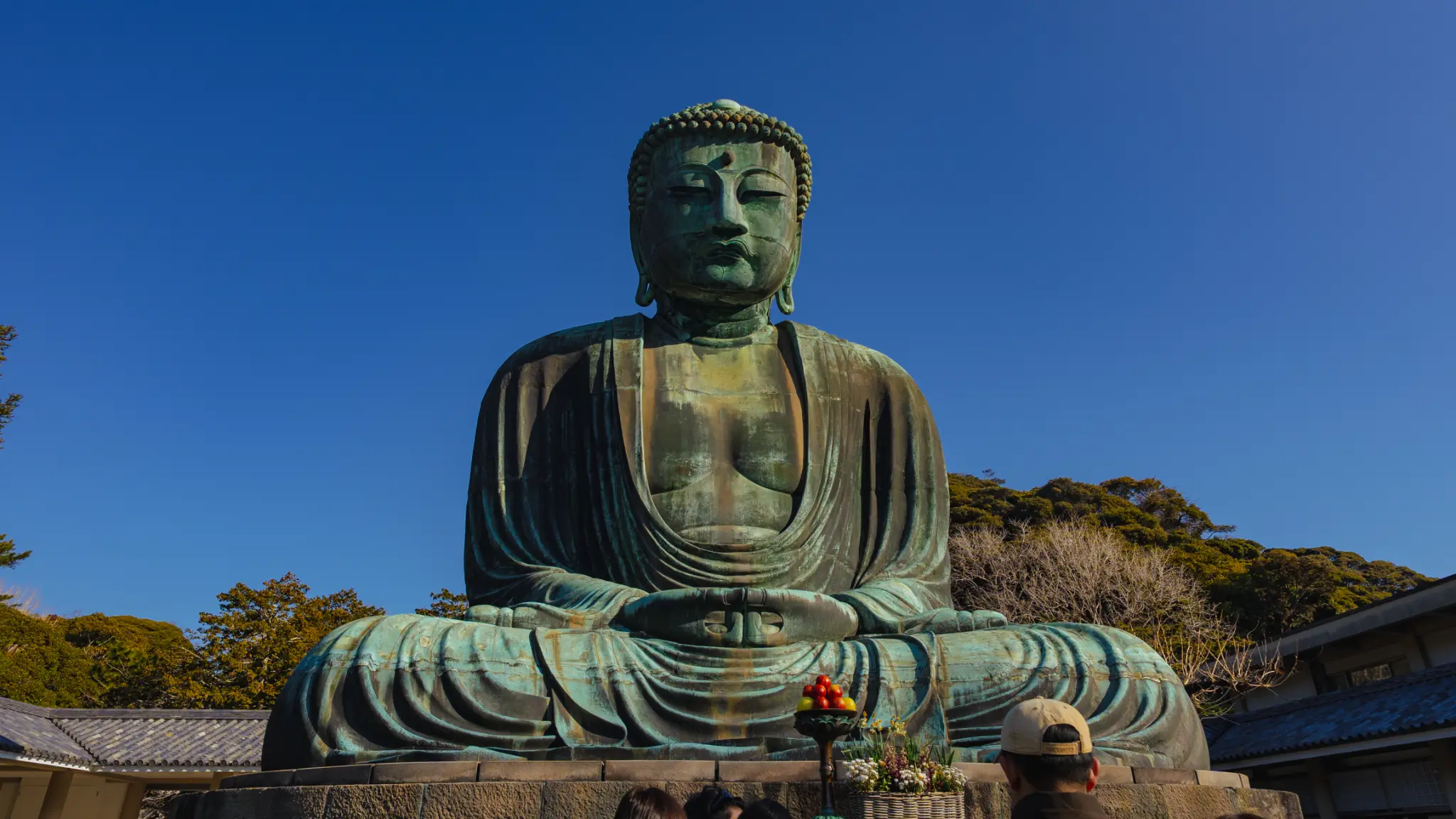
The Great Buddha of Kamakura is the principal image of Kotoku-in (高徳院), a temple belonging to the Jodo sect of Buddhism. The statue depicts Amida Buddha, a central figure in East Asian Buddhism, seated in quiet contemplation. What immediately strikes visitors is its immense scale. Standing at 11.31 meters tall (13.35 meters including the base) and weighing approximately 121 tons, it is the second-tallest bronze Buddha statue in Japan .
Unlike its larger counterpart in Nara’s Todai-ji Temple, the Kamakura Daibutsu sits in the open air, a feature that has become one of its most defining characteristics. The statue is set against the backdrop of wooded hills, creating a powerful and picturesque scene that changes with the seasons. Its serene expression, slightly forward-leaning posture, and the traces of gold leaf once said to have covered it all contribute to its profound beauty. As the only Buddha statue in Kamakura designated as a National Treasure, it is the city’s most visited attraction, drawing visitors from all over the world .
A History Forged in Bronze and Battered by Nature
The history of the Great Buddha is as dramatic as its appearance. The current bronze statue is not the first to have occupied this site. According to the Azuma Kagami, a historical chronicle of the Kamakura shogunate, the original project began in 1238 with the construction of a wooden Buddha and a great hall to house it. This wooden version was completed in 1243 but was severely damaged by a storm just a few years later .
In 1252, a new project was initiated to cast a bronze statue, the very one we see today. The creation was a massive undertaking, funded by donations and showcasing the advanced casting technology of the era. For over two centuries, the bronze Buddha was housed within a massive temple hall. However, the hall itself was repeatedly destroyed by typhoons and a massive tsunami in the 14th and 15th centuries. After the hall was destroyed for the final time, likely by the great earthquake of 1498, it was never rebuilt. Since then, the Great Buddha has remained seated in the open, exposed to the elements, a silent witness to the passage of centuries . The foundation stones of the original hall still dot the temple grounds, offering a hint at the scale of the structure that once enclosed it.
What to See at Kotoku-in Temple
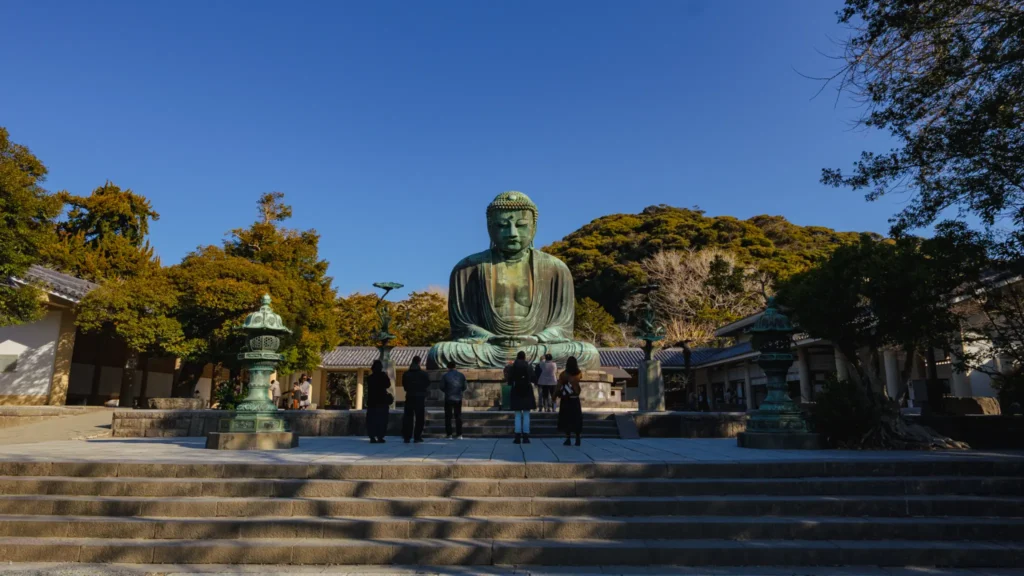
While the Great Buddha is the undeniable centerpiece, Kotoku-in offers several other points of interest.
The Great Buddha (Daibutsu)
Take time to walk around the statue and observe it from different angles. The craftsmanship is remarkable, from the serene facial expression to the individual curls of hair. For a small additional fee of ¥50, you can even enter the hollow interior of the statue. Inside, you can see the seams from the casting process, offering a unique perspective on its construction .
The Niomon Gate
The main entrance to the temple grounds is through the Niomon Gate, which houses two fierce Nio guardian kings. These statues are typical of Japanese temple gates, tasked with protecting the sacred space within.
Literary Monuments
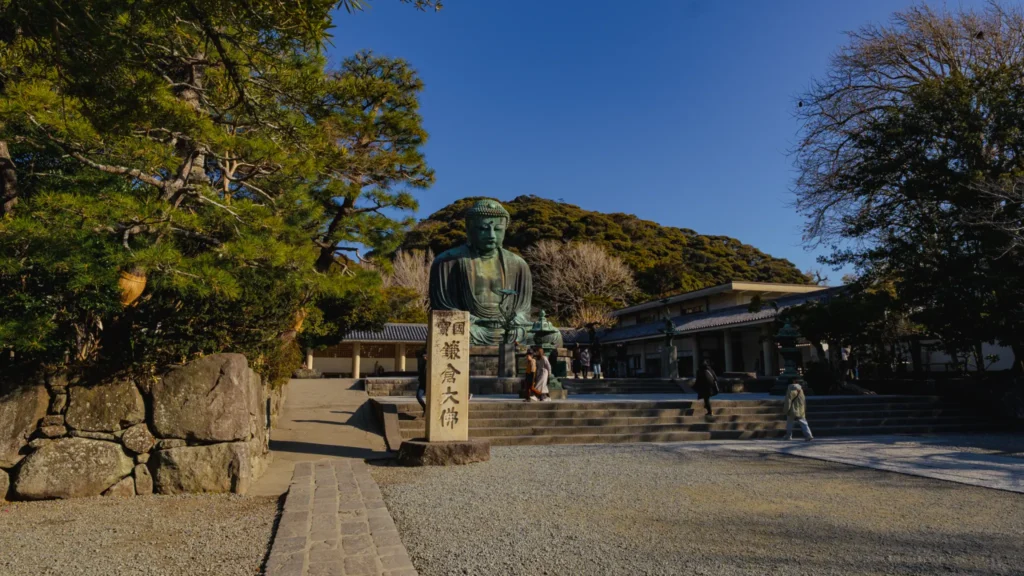
The temple grounds are also home to several stone monuments inscribed with poems. The most famous is a tablet featuring a poem by the celebrated writer Yosano Akiko, who praised the Buddha as a “handsome man” of Kamakura. These monuments connect the site to Japan’s rich literary tradition.
The Large Waraji (Straw Sandal)
Hanging on a wall inside the temple grounds is a giant waraji (straw sandal). Measuring 1.8 meters long, it was woven by children from Ibaraki Prefecture in the hope that the Great Buddha would wear it to travel around Japan and bring happiness to the people.
How to Get There
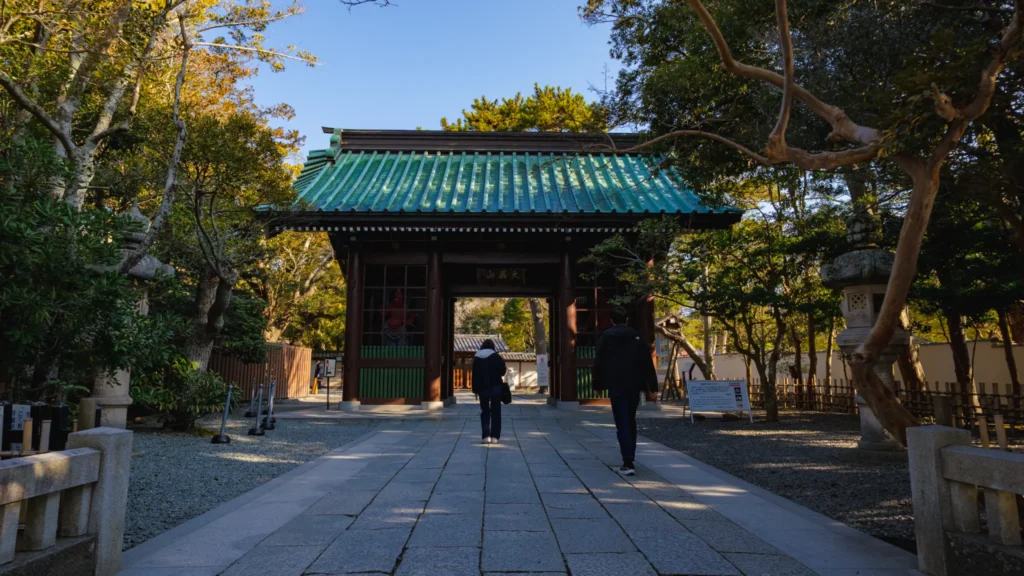
Kotoku-in is easily accessible from central Kamakura.
•By Train: The most common method is to take the Enoshima Electric Railway (Enoden) from Kamakura Station to Hase Station (長谷駅). The journey takes about 5 minutes. From Hase Station, it is a pleasant 7-10 minute walk to the temple.
•By Bus: From the east exit of JR Kamakura Station, you can take a bus bound for Daibutsu-mae (大仏前). The bus stop is directly in front of the temple.
•On Foot: For those who enjoy walking, it is a 25-30 minute walk from JR Kamakura Station.
Best Time to Visit
To avoid the largest crowds, it is best to visit on a weekday morning, shortly after the temple opens at 8:00 AM. Weekends, national holidays, and the peak tourist seasons of spring (cherry blossoms) and autumn (fall colors) can be extremely busy.
The temple grounds are particularly beautiful during the cherry blossom season in late March to early April and when the leaves change color in late November to early December.
Practical Tips for Your Visit
•Bring Cash:
Admission must be paid in cash.
•Photography:
Photography is permitted, but be respectful of other visitors and the sacred nature of the site.
•Footwear:
You will be doing some walking, so comfortable shoes are recommended.
•Combine Your Visit:
Kotoku-in is located close to Hasedera Temple, another of Kamakura’s famous sights. It is easy to visit both in the same trip.
Where to Stay Nearby
While Kamakura can be visited as a day trip from Tokyo, staying overnight allows for a more relaxed experience. Most accommodation options are concentrated around JR Kamakura Station and Hase Station. Booking in advance is highly recommended, especially during peak seasons.
Suggested Mini-Itinerary
•Morning (9:00 AM): Arrive at Hase Station and walk to Kotoku-in to see the Great Buddha before the crowds swell.
•Morning (10:00 AM): Walk to the nearby Hasedera Temple to enjoy its beautiful gardens and views of the coast.
•Lunch (12:00 PM): Enjoy lunch at one of the many restaurants around Hase Station.
•Afternoon (1:30 PM): Take the Enoden train back to Kamakura Station and explore the Komachi-dori shopping street and Tsurugaoka Hachimangu Shrine.
Frequently Asked Questions (FAQs)
Q1: Why is the Great Buddha of Kamakura outdoors?
A1: The statue was originally housed in a large wooden temple hall. However, the hall was destroyed by a series of typhoons and a tsunami in the 14th and 15th centuries and was never rebuilt.
Q2: Can you go inside the Great Buddha?
A2: Yes, for an additional fee of 50 yen, visitors can enter the hollow interior of the statue.
Q3: How old is the Great Buddha of Kamakura?
A3: The bronze statue was cast in 1252, making it nearly 775 years old.
Q4: Is Kotoku-in Temple wheelchair accessible?
A4: The main grounds are largely flat and accessible. However, there are steps leading up to the platform of the statue itself.
Q5: What is the best way to get to the Great Buddha from Tokyo?
A5: Take the JR Yokosuka Line or Shonan-Shinjuku Line from major stations like Tokyo, Shinjuku, or Shibuya to Kamakura Station. From there, transfer to the Enoshima Electric Railway (Enoden) and get off at Hase Station.
Q6: Are there other major sights near the Great Buddha?
A6: Yes, Hasedera Temple is a major attraction just a 5-10 minute walk away. The beach at Yuigahama is also nearby.
Sources
[1] Kotoku-in. (n.d.). The Great Buddha of Kamakura. Retrieved from
[3] Japan Guide. (n.d. ). Great Buddha of Kamakura. Retrieved from

- Hasedera Temple in Kamakura: A Guide to the Flowers, Views, and Serene Statues
 Introduction Imagine stepping… 続きを読む: Hasedera Temple in Kamakura: A Guide to the Flowers, Views, and Serene Statues
 - A Visitor’s Guide to the Great Buddha of Kamakura (Kotoku-in Temple)Kamakura, a coastal city just… 続きを読む: A Visitor’s Guide to the Great Buddha of Kamakura (Kotoku-in Temple)
- Tsurugaoka Hachimangu: A Visitor’s Guide to Kamakura’s Most Important Shrine
 As the sun casts long, golden… 続きを読む: Tsurugaoka Hachimangu: A Visitor’s Guide to Kamakura’s Most Important Shrine
 - Chasing Fuji: A Guide to 3 Iconic Mt. Fuji Photo Spots in Shichirigahama
 Shichirigahama, a coastal nei… 続きを読む: Chasing Fuji: A Guide to 3 Iconic Mt. Fuji Photo Spots in Shichirigahama
 - The Slam Dunk Crossing in Kamakura: A Guide to Visiting Responsibly
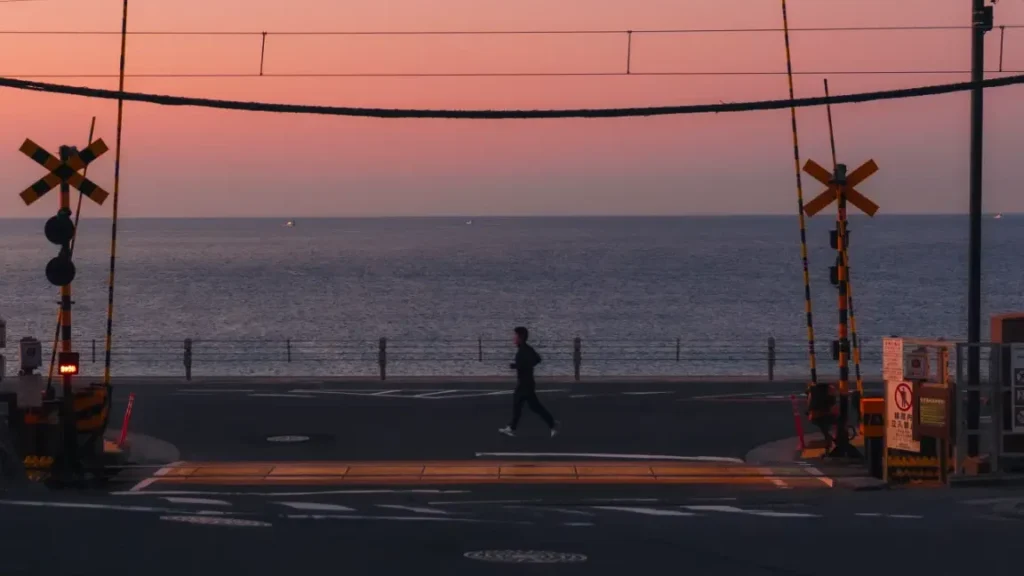 For fans of the iconic 90s an… 続きを読む: The Slam Dunk Crossing in Kamakura: A Guide to Visiting Responsibly
2026 cherry blossom cherry blossoms day trip from tokyo flower festival fuji five lakes fujiyoshida Fukuoka fushimi hanami hiking japan japanese culture japanese food japanese garden japan travel kamakura kawagoe kawaguchiko Kumamoto kyoto local food Mount Fuji mt fuji Nagano nature Nikko Oku-Nikko Onsen Ramen saitama sakura Shizuoka shrine sightseeing snow spring in japan Tochigi Tokyo travel travel guide travel planning winter winter travel Yamanashi
Join 1,000+ travelers discovering Japan's hidden side
Weekly dispatches from off-the-beaten-path Japan — spots and stories you won't find in guidebooks.
No spam. Unsubscribe anytime.
Welcome aboard!
You're in. See you in your inbox soon.