Fukuoka · Nishijin · Hakata Kappo
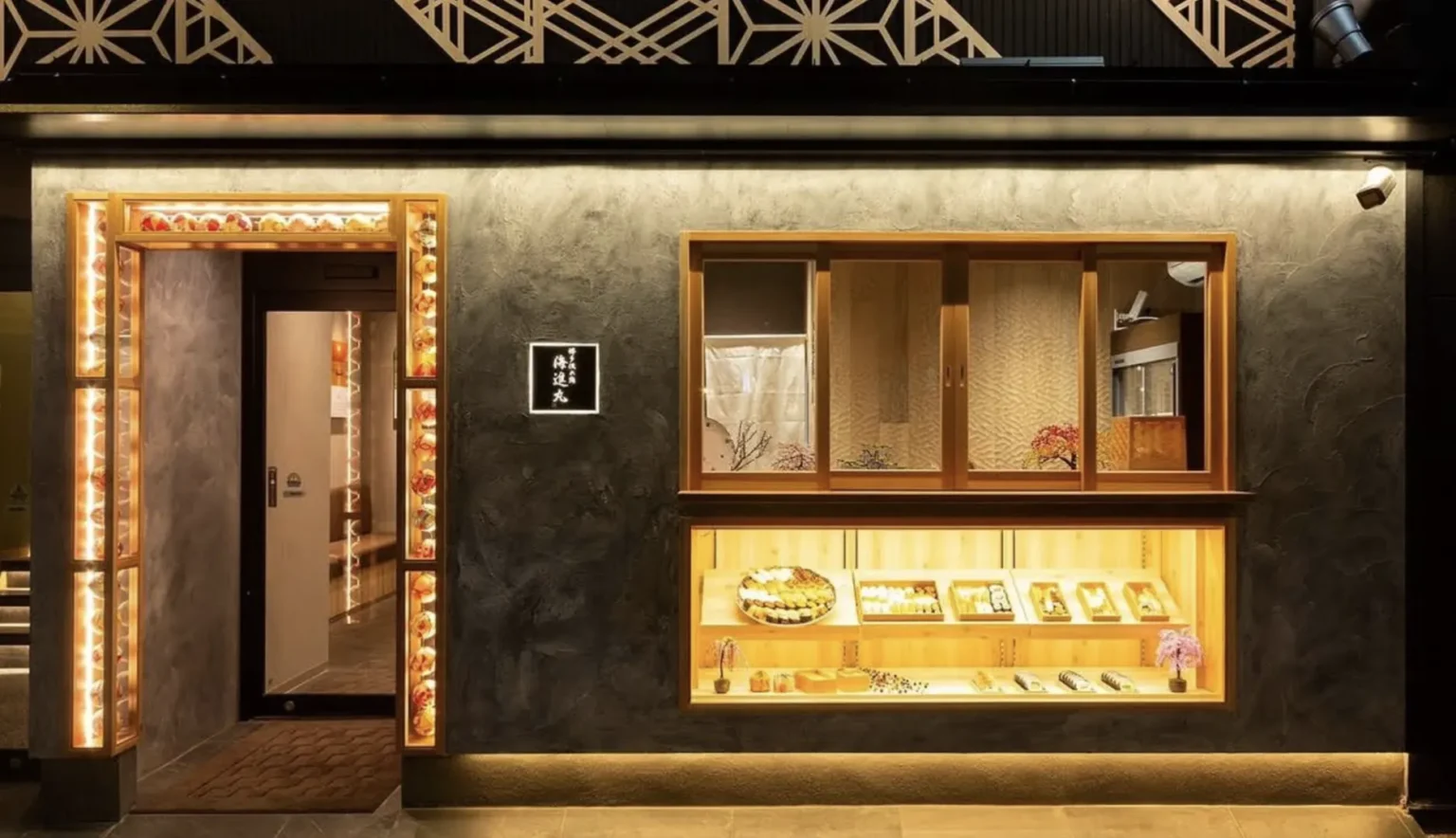
In shortHakata Kappo Nagare-zushi Kaishinmaru is a three-floor sushi restaurant in Nishijin, Fukuoka. 1F is touchscreen-ordered conveyor sushi (¥3,000-6,000/person). 2F and 3F are private rooms with full kappo kaiseki (¥10,000-20,000/person). Fresh tuna from Nagasaki, wild grouper, and seasonal Kyushu sourcing. 5 min from Nishijin Station; closed first Monday each month.
There is a Fukuoka format that you rarely see in Tokyo: the same establishment running fast, touchpanel-ordered conveyor sushi on the ground floor and full private-room kaiseki on the upper floors. Kaishinmaru in Nishijin is the most fully realised version of this format I have eaten at. A young couple can sit at the 1F conveyor and have a 60-minute meal for ¥5,000 with a full beer; a business dinner can take the 3F banquet room and have a 150-minute kaiseki with the same kitchen’s fish, plated entirely differently, for ¥15,000. The fish is the constant. The room and the pacing change.
Quick Facts
Three Floors, Three Experiences
Conveyor & Touchpanel
Standard ¥110 plate plus premium ¥220-660 plates ordered via touchscreen. Beer, sake, lemon sour. The format Fukuoka families and after-work salarymen use. Walk-in only.
Private Booths
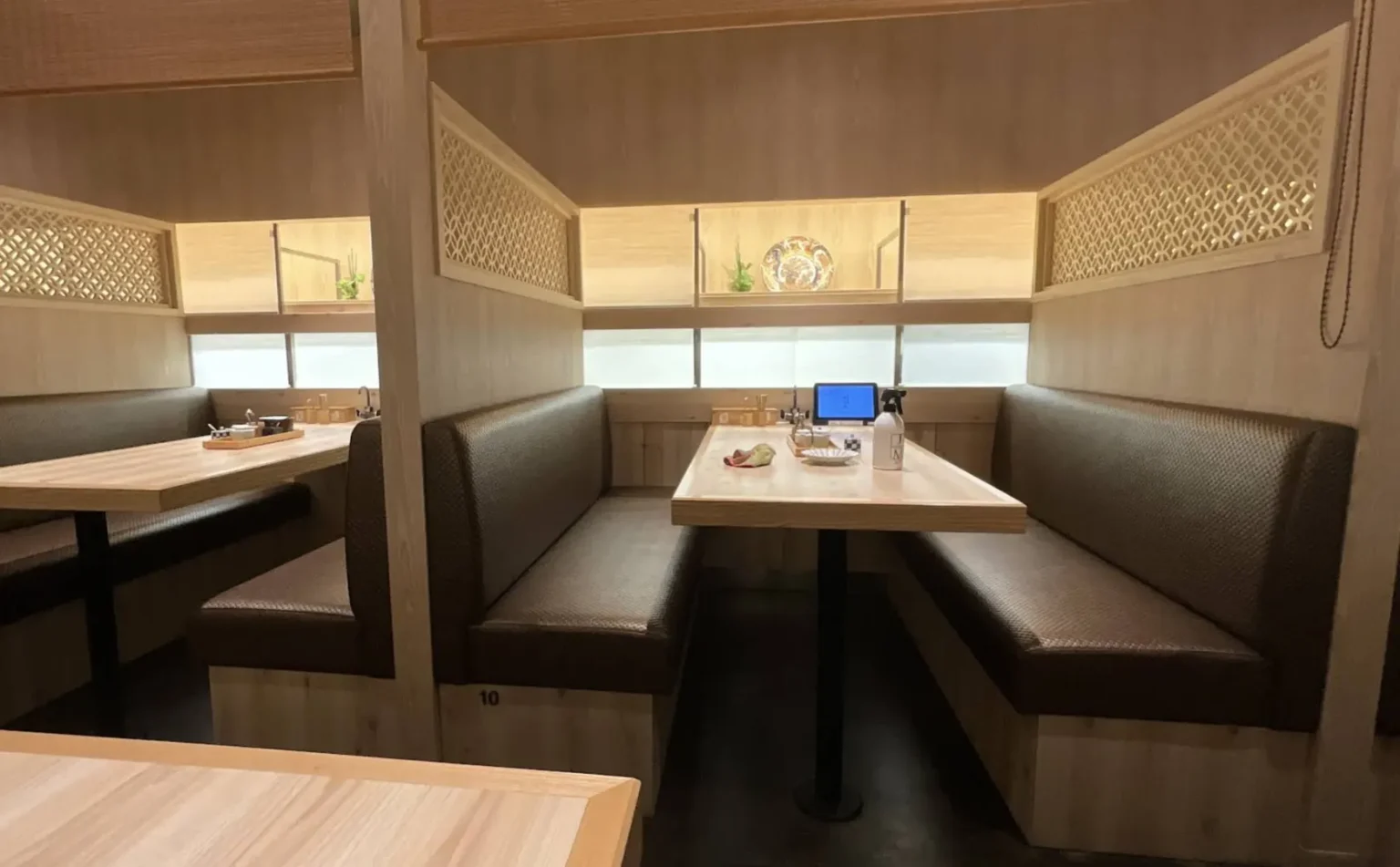
Hori-gotatsu seating in screened booth-rooms, opens at 17:00 evening only. Mid-tier course (¥8,000–12,000). Best for two to four people.
Banquet Hall
Full private banquet hall for groups, business dinners, family celebrations. Higher-tier kaiseki course (¥15,000+). Up to ~30 guests.
The Fish
The kitchen’s sourcing is what separates Kaishinmaru from generic Hakata sushi:
- Maguro from Nagasaki — air-shipped from Nagasaki Prefecture, processed to order. The chu-toro and otoro are the headline cuts.
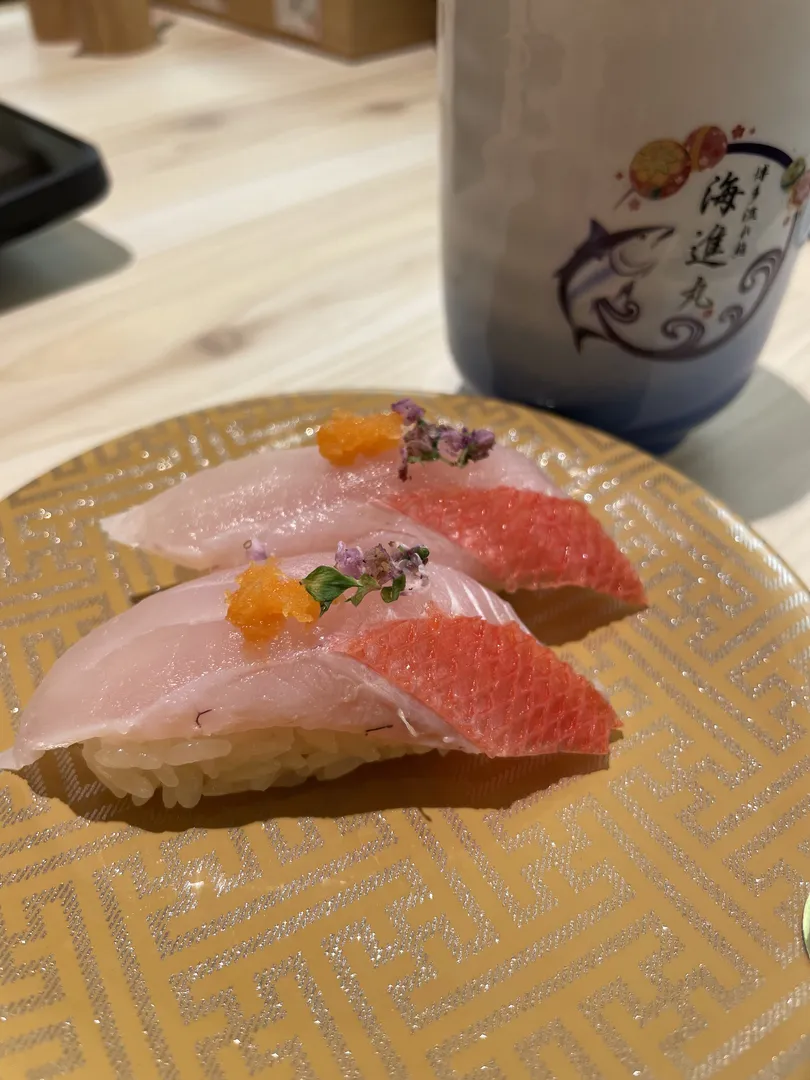
- Wild grouper (kue, 九絵) — Kyushu’s prized white-flesh fish. Available seasonally; sashimi or chiri-mushi (steam-pot).
- Local Genkai Nada catch — sea bream (tai), saba, aji, and small horse mackerel from the Genkai Sea (Fukuoka’s home waters).
- Seasonal uni — usually Hokkaido bafun or Kyushu murasaki, depending on the season.
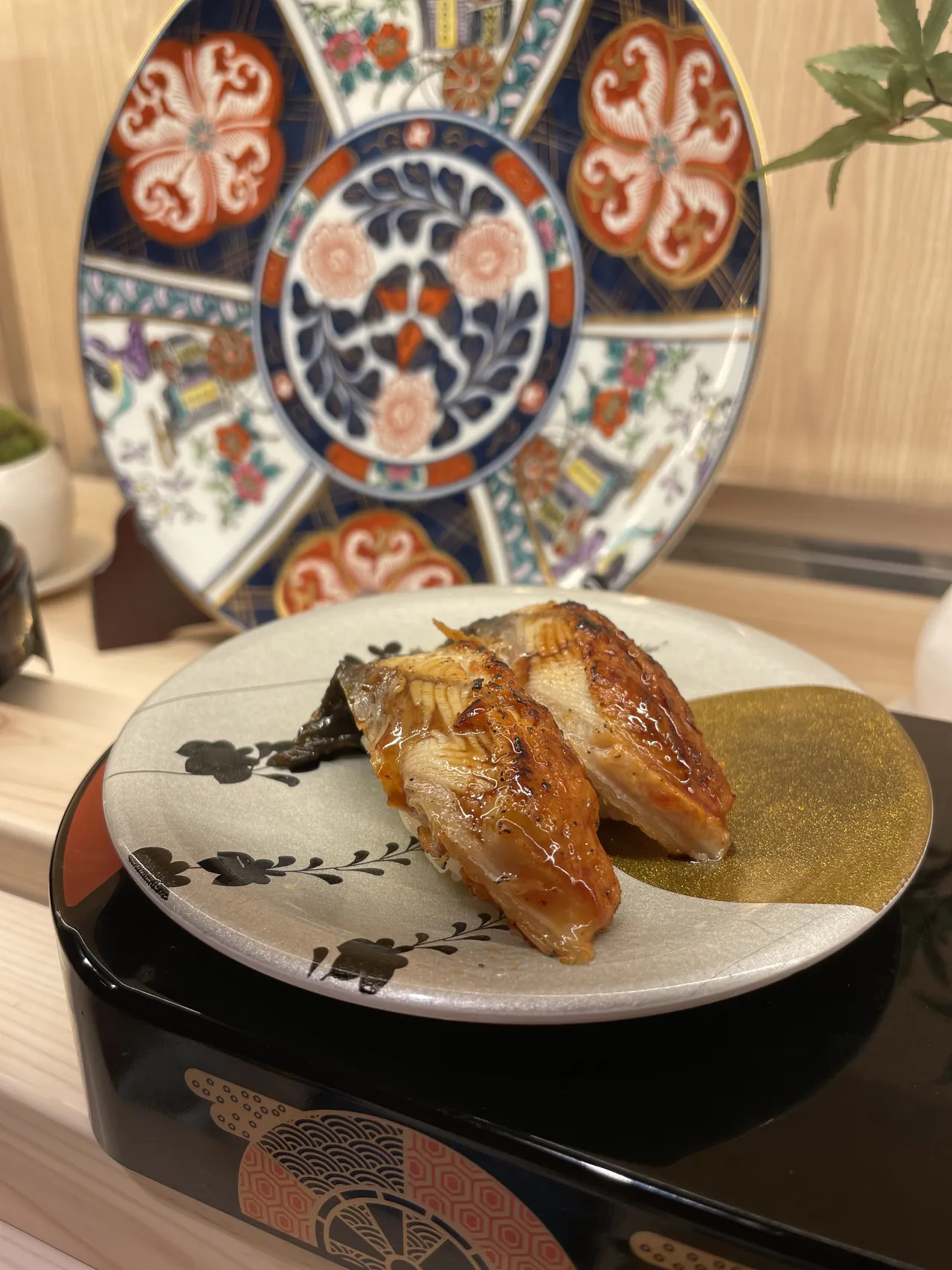
- Anago from Setouchi — steamed conger eel, served warm with their own house-cooked sauce reduction.
The 1F conveyor uses the same fish as the 3F banquet room. Only the plating, pacing, and price change.
Some of what came out at our table
How To Order Each Floor
Floor 1 — the conveyor
Walk in any day from 11:30. Tap the touchpanel at your seat: pick from running plates on the belt, or order direct from the kitchen. Standard plates are ¥110–220; premium fatty tuna (otoro), uni, and seasonal items go up to ¥660 per plate. Most diners run a bill of ¥3,000–6,000 per person including drinks.
The 1F also runs lunch sets at ¥1,500–2,500 (10 pieces + miso soup) on weekdays.
Floors 2 & 3 — the kaiseki
Reservation required by phone (092-833-7080) or via Tabelog. Both floors are evening-only. The chef will set a course based on your stated budget — conversations typically start with the ¥8,000, ¥10,000, ¥12,000, or ¥15,000 line. Inclusions vary by season; a typical ¥10,000 course runs ~8 courses with the standout fish either as sashimi or a small composed plate.
Two Dishes Worth Naming
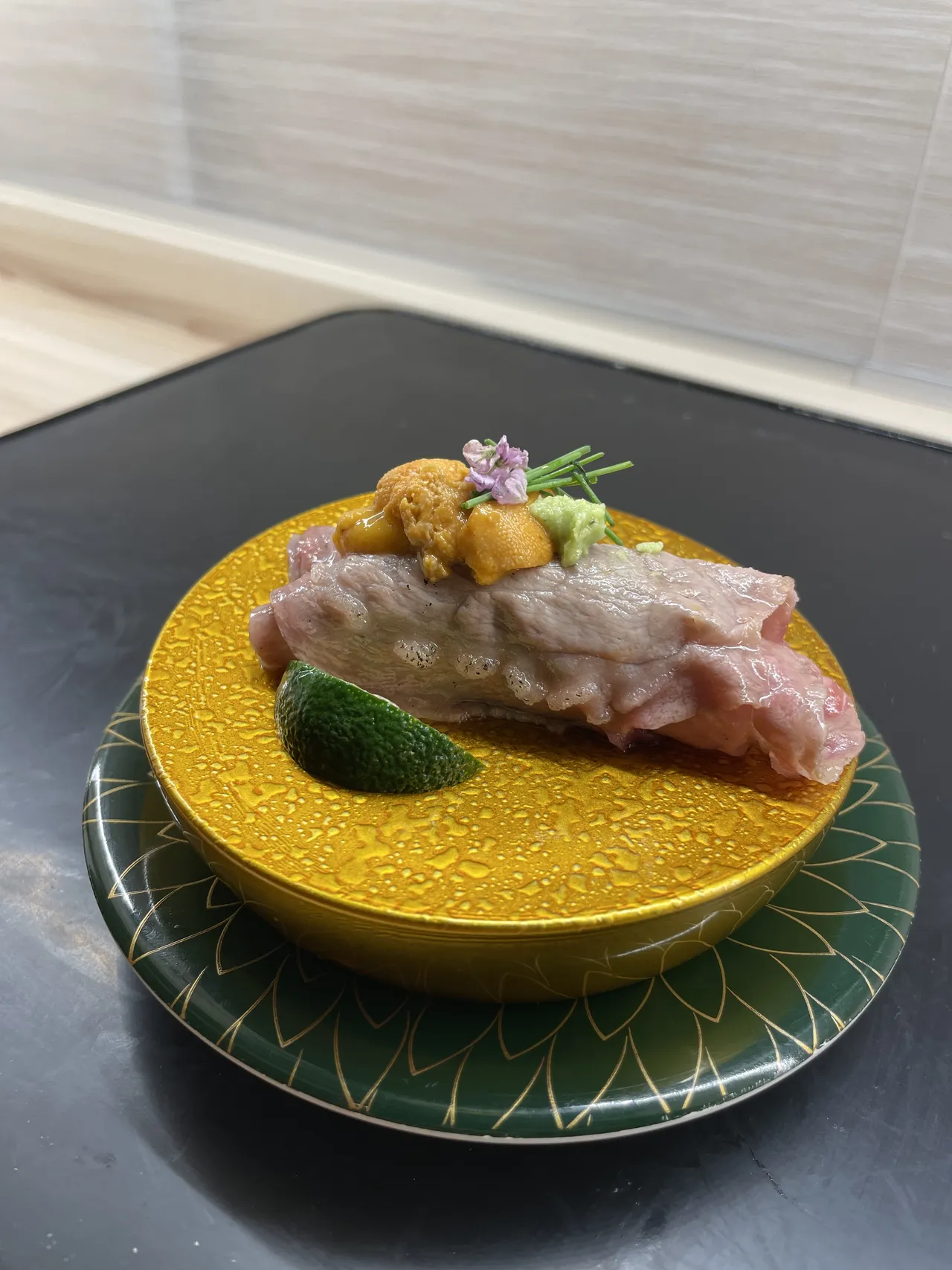
The otoro-on-uni plate above is the dish I would order again. A slice of Nagasaki fatty tuna laid over a bed of fresh uni, garnished with sudachi citrus, chive flowers, and a tiny dot of wasabi. The fish does not need anything else; the uni cuts the fattiness; the sudachi opens the palate before each bite.
The steamed anago is the kitchen’s technical anchor — the conger eel is steamed to the point where the flesh barely holds together, then glazed with the house tsume sauce reduction. The Imari ware backing the plate is local Kyushu porcelain from Saga Prefecture, and Kaishinmaru’s plating pulls heavily from the regional ceramics tradition. The presentation is part of the price.
How To Get There
Kaishinmaru is in Nishijin, the residential western district of Fukuoka City that locals know for the long shopping arcade, the historic Sumiyoshi Shrine, and a denser concentration of family-run restaurants than central Hakata.
- From Nishijin Station (Kuko Line) — 5-minute walk. Exit 1, head south on Meiji-dori, turn right at the second light.
- From Hakata Station — Kuko Line direct, 10 minutes (¥260). From Tenjin, 4 minutes (¥210).
- From Fukuoka Airport (FUK) — Kuko Line direct, 18 minutes (¥260). The same subway line runs the airport, central city, and Nishijin.
Plan a Hakata Trip
Plan This Trip
Practical Tips
FAQ
What is “Hakata Kappo Nagare-zushi” (博多割烹 流れ鮨)?
Three Japanese words. Hakata = the historic name for the Fukuoka downtown district. Kappo = a counter-style Japanese restaurant where the chef cooks in front of you. Nagare-zushi = a coined word combining “flowing” (流れ) and “sushi” — the conveyor format. The combined name signals Kaishinmaru’s dual identity: counter kappo upstairs, conveyor downstairs.
Is 1F just kaiten-zushi like Sushiro or Hama-Sushi?
Not quite. The format (touchpanel + conveyor) is the same, but Kaishinmaru’s 1F uses the same fish supplier as its upper kaiseki floors. The price point sits between standard chain kaiten (~¥110-130 standard plate) and high-end omakase counter sushi (¥4,000+ per piece). The premium plates on 1F (¥440-660) are equivalent quality to ¥1,500-2,500 nigiri pieces at upmarket conveyor chains.
Can I just walk into the upper floors?
No — 2F and 3F are private rooms reserved in advance. 1F is walk-in at lunch and dinner. If both upper floors are fully booked or you arrive without a reservation, the 1F lets you eat the same chef’s fish at a different price point.
Vegetarian options?
Limited. The 2F/3F kitchen can build a course around vegetables and tofu with advance notice, but the menu is fundamentally seafood-led. Vegan visitors should default to other Fukuoka restaurants.
Halal / pork-free?
No pork is served. Alcohol is on every floor (sake, beer, shochu). For halal-strict visitors, the kitchen can prepare a no-alcohol course, but the surrounding environment is not halal-certified.
Where does the name “Kaishinmaru” come from?
Written 海進丸 in kanji, literally “Sea-Advance-Boat.” The “-maru” suffix is the traditional naming convention for Japanese fishing boats; the choice signals the restaurant’s positioning as if it were the boat that delivered today’s catch — an old commercial sushi-house pattern.
Fukuoka’s restaurant culture has a specific tendency: the more interesting establishments often present themselves as casual on the front-of-house and serious behind the screen. Kaishinmaru is the cleanest expression of that pattern I have eaten at — you can take a sushi-curious traveling friend to the 1F conveyor for an introduction; you can take a colleague who wants the full kaiseki to the 3F banquet room; same fish, same kitchen, same Nagasaki tuna behind both.
For a single Fukuoka trip with one good sushi meal in it: book the 2F booth at ¥10,000 about a week ahead. For a longer stay where sushi is a routine: walk in to 1F on a Wednesday at 8 PM with a friend, order four premium plates and two beers, walk out under ¥8,000 for two. Both versions of Kaishinmaru are the same restaurant; the only thing that changes is how much time and ceremony you want.
If you are putting together a wider Fukuoka itinerary, pair this with TOAHIS for one fine-dining night and a morning at Nanzoin Reclining Buddha. That gives you a full Hakata food-and-culture day with very little overlap with the standard guidebook stops.
Booking the Trip
Three doors. Hakata is the natural Kyushu hub; Kaishinmaru is one subway stop west. Match accommodation to your travel style.
In Fukuoka for more than the food? The city’s easiest half-day trip is Dazaifu Tenmangu, the shrine of the god of learning — with a Kengo Kuma-designed Starbucks woven from cedar on its approach.
Join travelers discovering Japan's hidden side
Weekly dispatches from off-the-beaten-path Japan — spots and stories you won't find in guidebooks.
No spam. Unsubscribe anytime.
Welcome aboard!
You're in. See you in your inbox soon.