

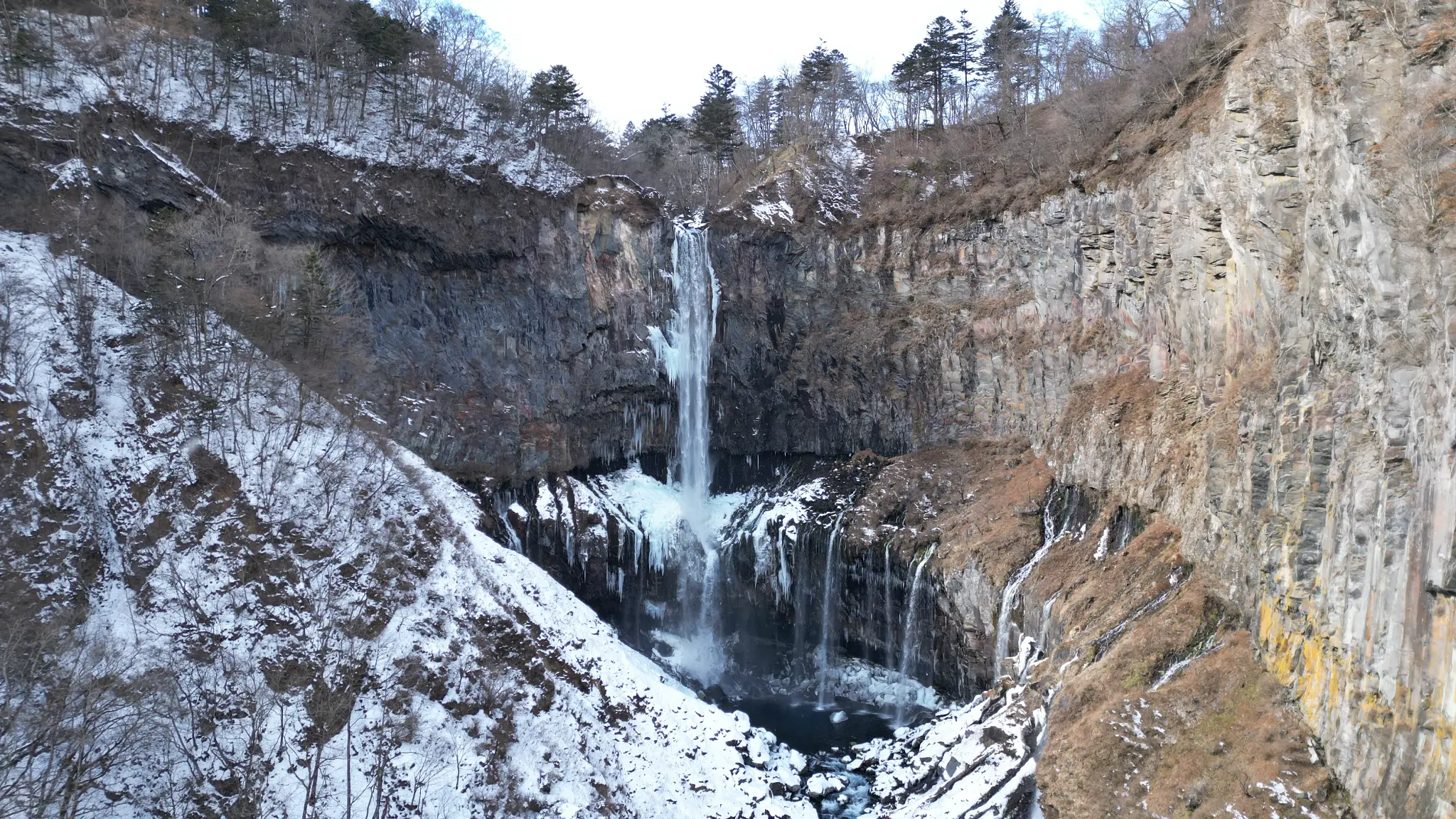

For many, Nikko is a destination of vibrant autumn colors or lush summer greenery. Yet, as winter drapes the landscape in a blanket of white, one of its most powerful attractions, Kegon Falls (華厳の滝, Kegon no Taki), transforms into a breathtaking spectacle of ice and water. This guide is for travelers seeking to witness this majestic, partially frozen waterfall, providing all the necessary information to plan your visit to one of Japan’s three most famous waterfalls during its most dramatic season.
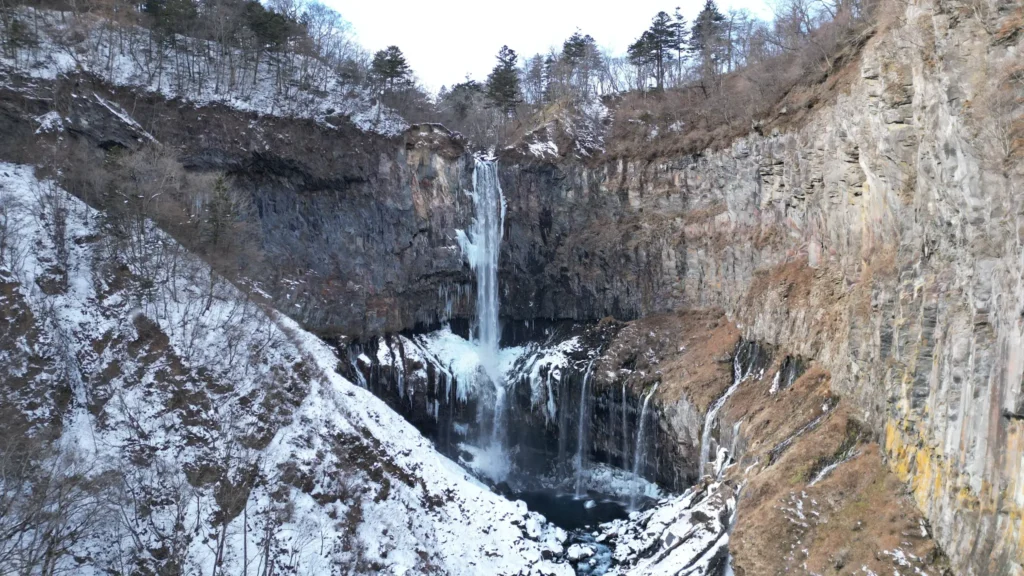
Table of Contents
Quick Facts: Kegon Falls in Winter
| Feature | Details |
| Best Time to Visit | January to February for the most impressive ice formations |
| Time Required | 1-1.5 hours |
| Nearest Bus Stop | Chuzenji Onsen (中禅寺温泉) |
| Elevator Fee | ¥600 (Adults), ¥400 (Elementary School) |
| Payment Methods | Cash only (based on typical Japanese tourist sites) |
| Crowd Level | Moderate, less crowded than autumn |
| Accessibility | Upper (free) observatory is wheelchair accessible with assistance. Lower (paid) observatory is accessed via elevator. |
Overview: The Frozen Giant
Kegon Falls is not just any waterfall; it is ranked as one of Japan’s three most beautiful falls, alongside Nachi Falls in Wakayama and Fukuroda Falls in Ibaraki. Sourced from Lake Chuzenji, the country’s highest natural lake, its main stream plummets an impressive 97 meters (318 feet) down a sheer cliff of columnar basalt rock.
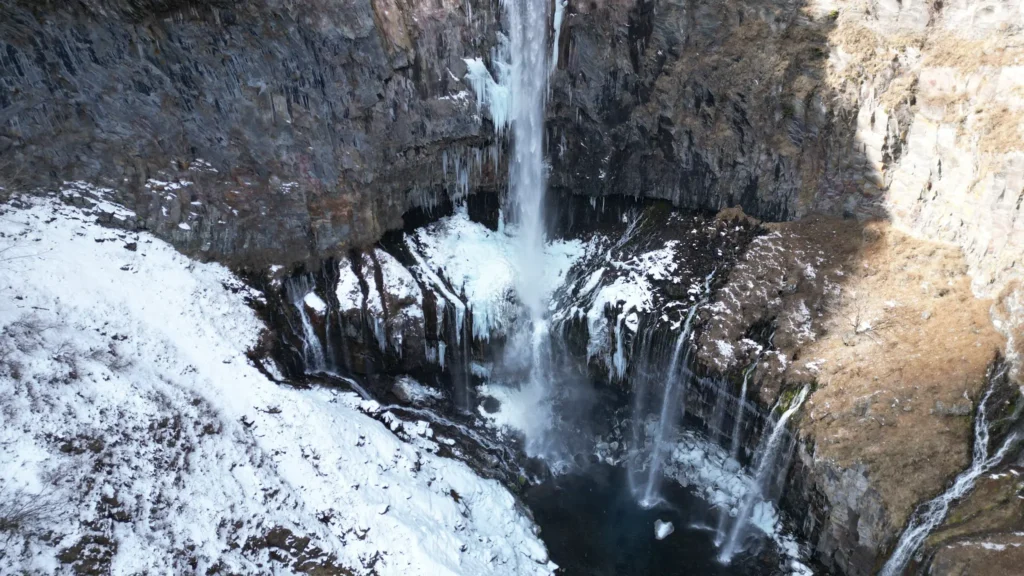
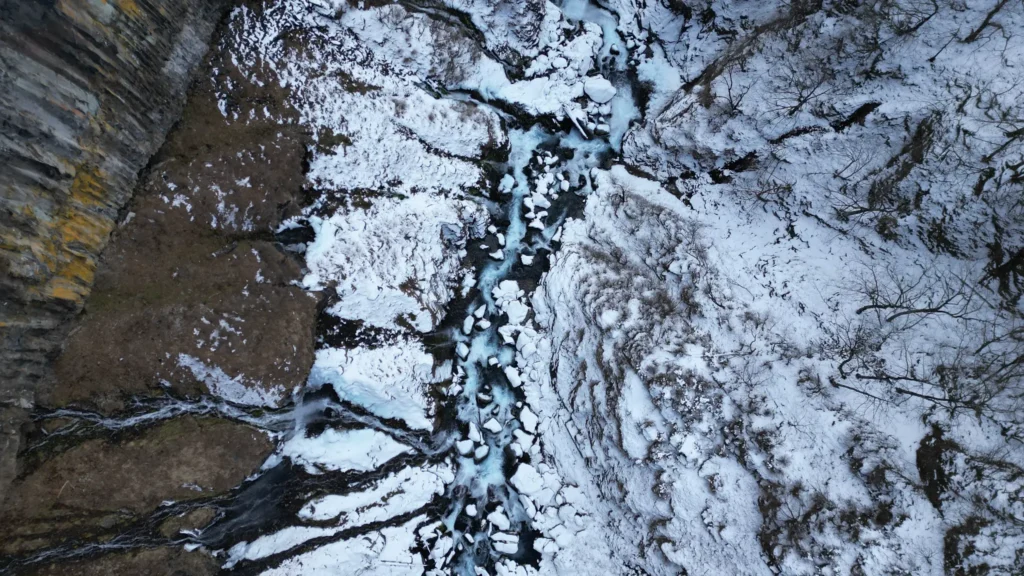
In the depths of winter, typically from January to February, this powerful cascade undergoes a stunning metamorphosis. While the main waterfall rarely freezes completely, the smaller streams that trickle down the surrounding cliffs—known collectively as the Twelve Waterfalls (十二滝, Jūnidaki)—freeze solid. This creates a mesmerizing curtain of blue ice and countless icicles, framing the powerful main stream. The contrast between the dynamic, flowing water and the static, frozen formations is a sight of raw, natural beauty .
Best Time to Visit in Winter
The prime time to witness the “blue ice” phenomenon of the Twelve Waterfalls is from early January to late February. During this period, sustained sub-zero temperatures ensure the smaller falls are completely frozen, creating the iconic icy backdrop. For photographers, a clear, sunny morning offers the best light, with the potential to catch a rainbow forming in the mist of the main waterfall against the blue ice .
How to Get There
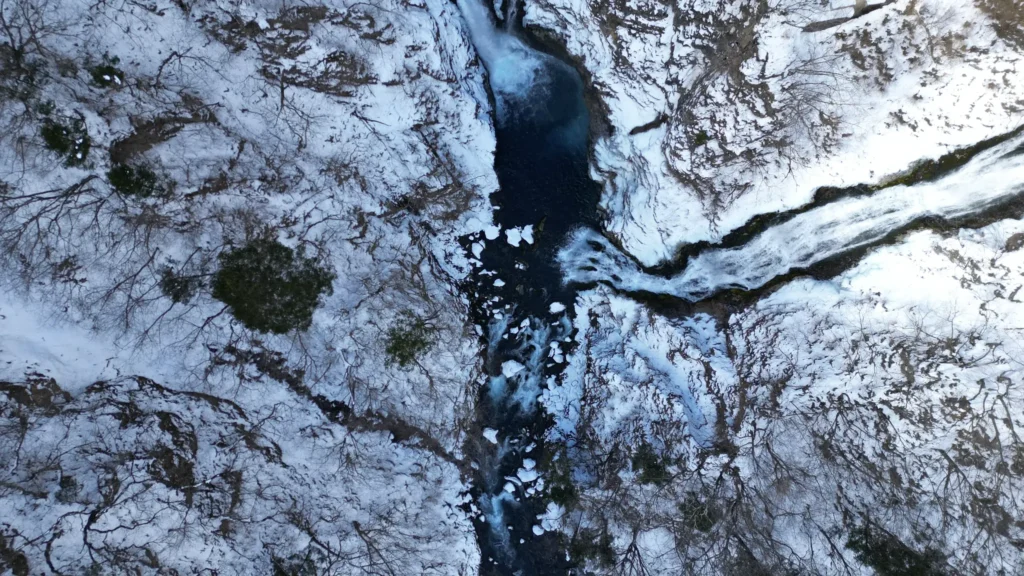
Kegon Falls is located in the Oku-Nikko (Inner Nikko) area, accessible from the main Nikko town center.
By Public Transport:
1.From JR or Tobu-Nikko Station: Take a Tobu Bus bound for “Chuzenji Onsen” (中禅寺温泉) or “Yumoto Onsen” (湯元温泉).
2.Travel Time: The bus ride takes approximately 50 minutes and ascends the famous Irohazaka Winding Road. If you are prone to motion sickness, consider taking medication beforehand.
3.Alight at: Get off at the “Chuzenji Onsen” bus terminal.
4.Walk: From the bus terminal, it is a pleasant 5-minute walk to the entrance of Kegon Falls.
By Car:
From the Nikko city center, drive up the Second Irohazaka Winding Road (Route 120) towards Lake Chuzenji. The drive takes about 20 minutes from the base of the Irohazaka. There are several paid prefectural parking lots near the falls, such as the Kegon Daiichi (No. 1) and Daini (No. 2) car parks . Winter tires are mandatory for this route.
Internal Link: For a detailed guide on the winding road itself, read our article on the [Irohazaka Winter Drive].
Klook.comWhat to See: The Two Observatories
There are two main points from which to view Kegon Falls, each offering a different perspective.
1. The Upper Observatory (Free)
Located near the parking lots and souvenir shops, this two-story platform is free to access. It provides a good, albeit slightly distant, view of the falls from above. This platform is wheelchair accessible, though the ramp is steep and may require assistance .
2. The Lower Observatory (Paid)
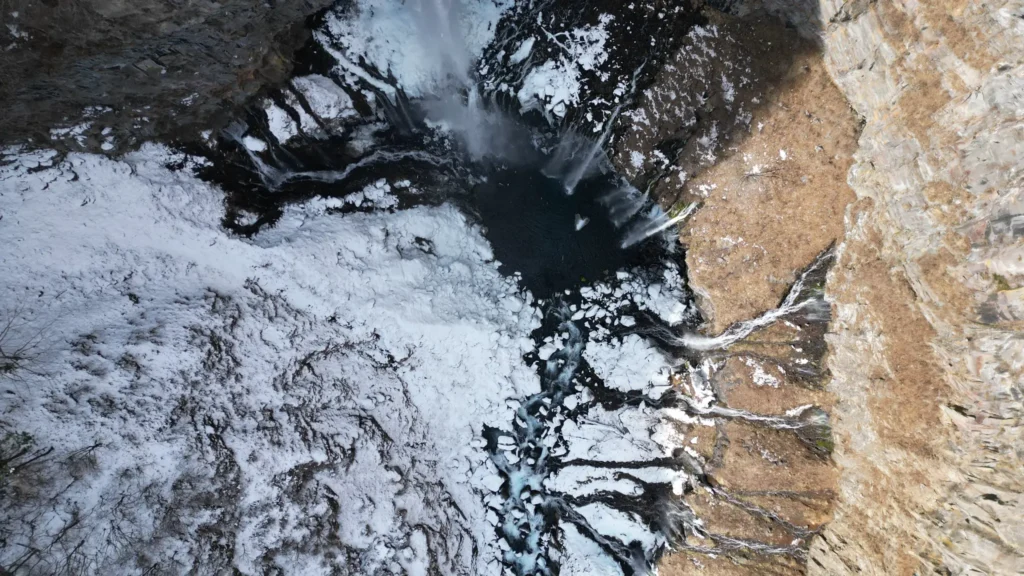
For a truly immersive experience, the paid observatory is essential. A high-speed elevator, built in the 1930s, descends 100 meters through the solid rock to a platform at the base of the falls. From here, you are at eye-level with the thunderous crash of water into the basin. The sheer power, the roar, and the mist that fills the air are awe-inspiring. This is the best spot to appreciate the scale of the main waterfall and the intricate beauty of the frozen Twelve Waterfalls.
Practical Tips for Your Visit
•Dress Warmly:
Oku-Nikko is significantly colder than Tokyo or even central Nikko. Wear thermal layers, a winter coat, a hat, gloves, and a scarf. Temperatures often remain below freezing all day.
•Wear Proper Footwear:
Paths around the falls can be icy and slippery. Waterproof winter boots with good grip are highly recommended.
•Bring Cash:
The elevator ticket machine and some local shops may not accept credit cards. It is wise to have Japanese Yen on hand.
•Check Elevator Status:
In case of extreme weather, the elevator service may be suspended. Check the official website (http://kegon.jp/ ) for the latest information before you go .
•Battery Life:
Cold weather drains batteries quickly. Keep your phone and camera in a warm pocket and consider bringing a portable power bank.
Where to Stay Nearby
The area around Kegon Falls and Lake Chuzenji offers a range of accommodations, perfect for an overnight stay to fully experience the winter landscape. The Chuzenji Onsen area has several hotels and ryokans, many with their own hot spring baths (onsen). Soaking in a steaming outdoor bath while snow falls around you is one of the defining experiences of a winter trip to Oku-Nikko.
For travelers who prefer a full-service hotel with onsen facilities, Kamenoi Hotel in the Oku-Nikko area is a convenient option, located within driving distance of both the falls and Lake Chuzenji.
(Note: This article contains affiliate links. We may earn a commission if you make a purchase.)
Where to Eat Nearby
The area near the Kegon Falls parking lot has a cluster of souvenir shops and small restaurants. Many of these serve warm, comforting dishes that are welcome after standing in the cold. Yuba (tofu skin), a Nikko specialty, is available in various forms—yuba soba, yuba udon, and yuba donburi are common options. Prices for a meal at these restaurants typically range from ¥800 to ¥1,500.
For a wider selection of restaurants, the Chuzenji Onsen area, a short walk or drive away, offers additional choices including lakeside cafes and traditional Japanese restaurants.
Suggested Mini-Itinerary: Half-Day at Kegon Falls
This itinerary assumes you are starting from the Chuzenji Onsen area or arriving by bus from Nikko Station.
| Time | Activity |
| 9:00 AM | Arrive at Chuzenji Onsen bus terminal (or parking lot). |
| 9:10 AM | Walk to Kegon Falls entrance. Start at the free upper observatory for a wide-angle view. |
| 9:30 AM | Purchase elevator ticket (¥600) and descend to the lower observatory. Spend time taking in the frozen scenery. |
| 10:15 AM | Return to the surface. Browse the souvenir shops near the parking area. |
| 10:45 AM | Walk to the shore of Lake Chuzenji for a view of the frozen or partially frozen lake and the surrounding mountains. |
| 11:30 AM | Enjoy a warm bowl of yuba soba at one of the nearby restaurants. |
Internal Link: For more things to do in the area, read our [Nikko Winter Travel Guide].
FAQs
Q: Does Kegon Falls freeze completely in winter?
A: No, the main waterfall with its large volume of water from Lake Chuzenji rarely, if ever, freezes completely. The iconic winter view comes from the smaller surrounding waterfalls (the Twelve Waterfalls) freezing into a wall of blue ice.
Q: Is the elevator to the lower observatory open in winter?
A: Yes, the elevator operates year-round, but with shorter hours in winter (9:00 AM to 4:30 PM from December to February). It is always best to check the official website for any unscheduled closures due to weather .
Q: Can I see the falls without taking the elevator?
A: Yes, you can view the falls from the free upper observatory. However, the view is from a distance and from above. For the most dramatic, close-up view of the ice formations, the paid lower observatory is highly recommended.
Q: Is it safe to visit Kegon Falls in the snow?
A: Yes, it is generally safe. The main paths are cleared, but can still be slippery. The primary concern is driving, for which winter tires are essential. Always check weather and road conditions before traveling.
Q: How much does it cost to visit Kegon Falls?
A: Viewing from the upper observatory is free. The elevator to the lower observatory costs ¥600 for adults and ¥400 for elementary school children. Parking in the nearby prefectural lots is also a paid service.
Q: Can I visit Kegon Falls and Lake Chuzenji on the same trip?
A: Yes, they are very close to each other. Lake Chuzenji is only a 5-minute walk from the Kegon Falls area. Most visitors combine both into a single half-day trip.
Sources
[1] Nikko City Tourism Association – Winter Feature (https://www.nikko-kankou.org/features/100 )
[2] Nikko City Tourism Association – Kegon Falls (https://www.nikko-kankou.org/spot/5 )
Last Updated: March 5, 2026
Sources Checked: Nikko City Tourism Association Official Website.
Witnessing Kegon Falls in winter is an unforgettable experience, offering a powerful display of nature’s artistry. The combination of the roaring water and the silent, glistening ice creates a scene of profound beauty that is well worth the journey into Nikko’s frosty heart.

- Ine no Funaya 2026: How to Visit Kyoto Boat-House Village (Without Tripping the Locals)
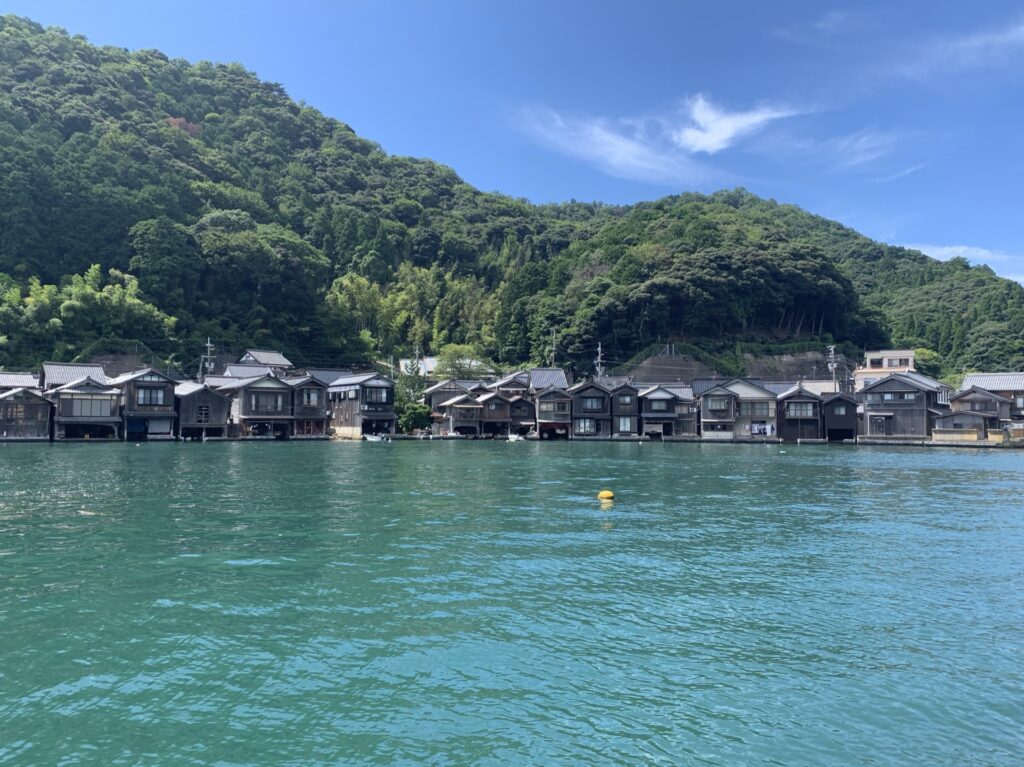 Field report from Ine no Funaya in northern Kyoto: cruise vs sea taxi, access from Kyoto Station, walking-village etiquette, and where to actually stay nearby.
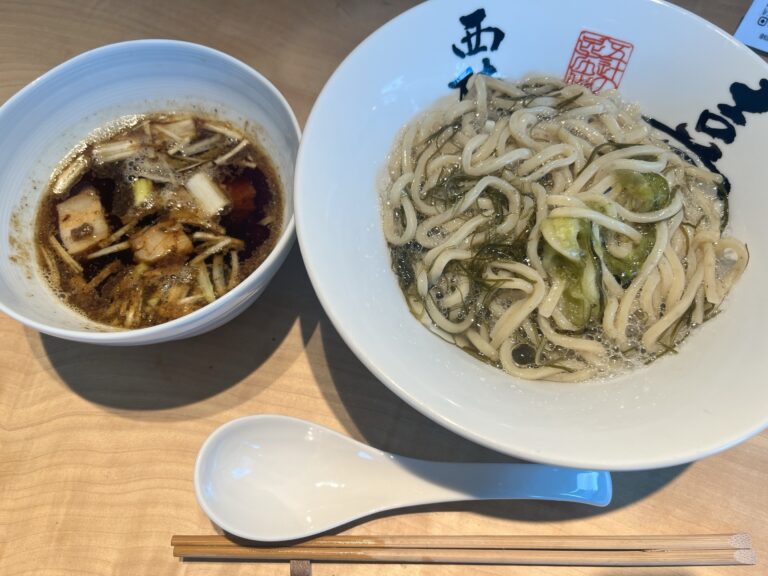
 - Kombu & Men Kiichi: A 45-Minute Kombu Ramen Experience Above a 1902 Kelp Shop in Kyoto Nishijin
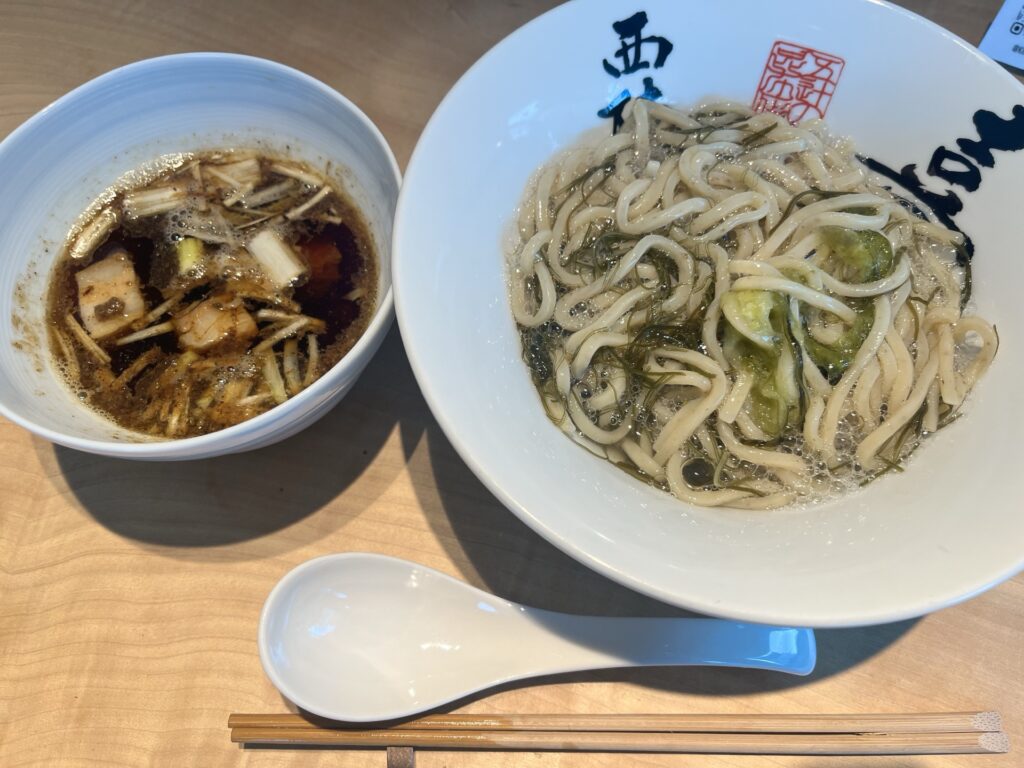 Reservation-only kombu ramen experience above the 1902 Itutuji no Kombu kelp shop in Kyoto Nishijin. Three seatings a day, ¥1,520 plus the one-kombu rule. Field report by Nobu.
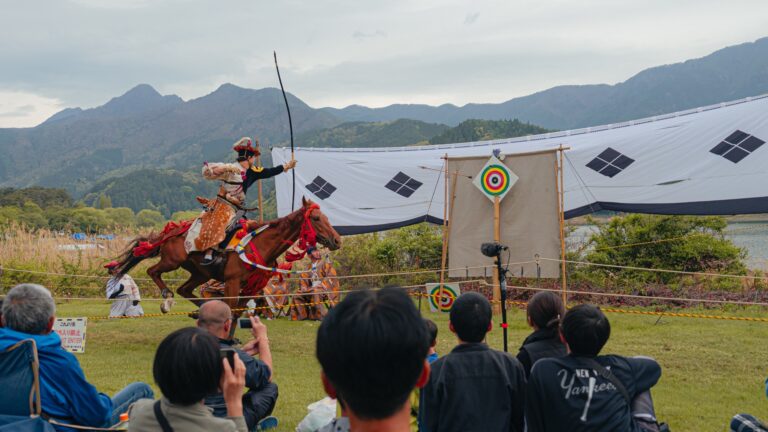
 - Kai no Katsuyama Yabusame: I Stood at the Rope Line Today and Watched a 900-Year-Old Bow Find Its Target
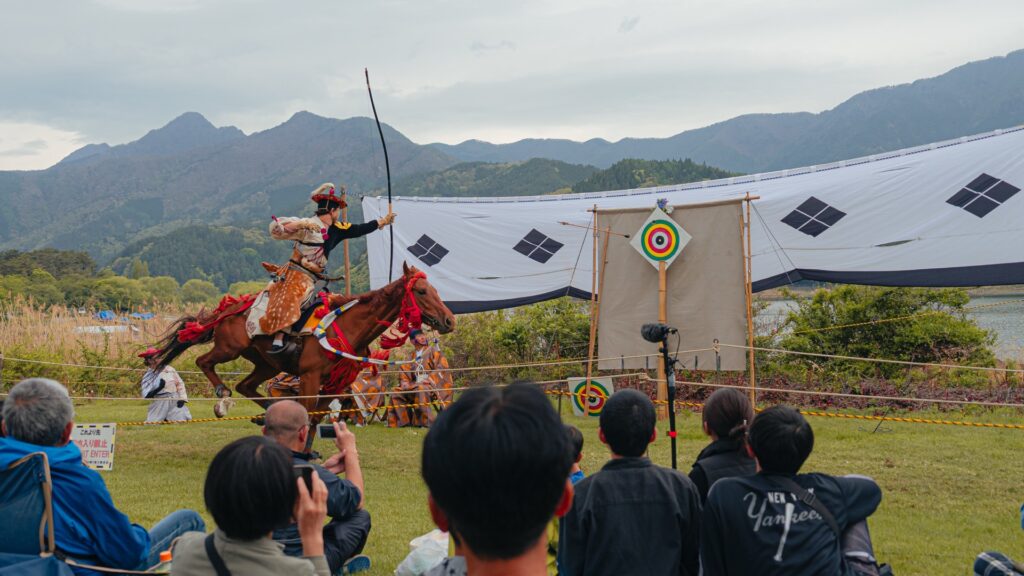 Field report from the 900-year-old Takeda-style yabusame at Fuji Omuro Sengen Shrine, Lake Kawaguchiko. 12-photo slideshow, day timeline, photography tips, and the date for 2027.
 - Japan in June 2026: A Day-by-Day Calendar of Hydrangeas, Fireflies, and the Cheapest Week of the Year
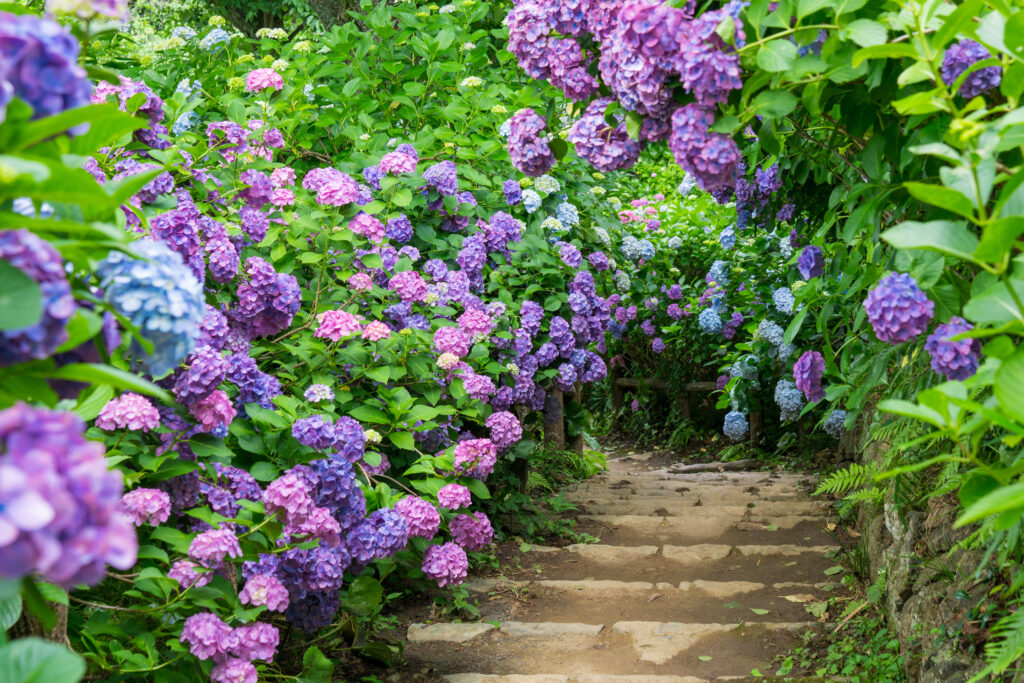 Japan in June 2026: rain probability heatmap, full event calendar, Sanno Matsuri (Hon-Matsuri year), hydrangea peak by region, and the cheapest week to fly in.
 - Japan Tsuyu (Rainy Season) 2026: Regional Calendar, Hydrangea Spots & Indoor Backups
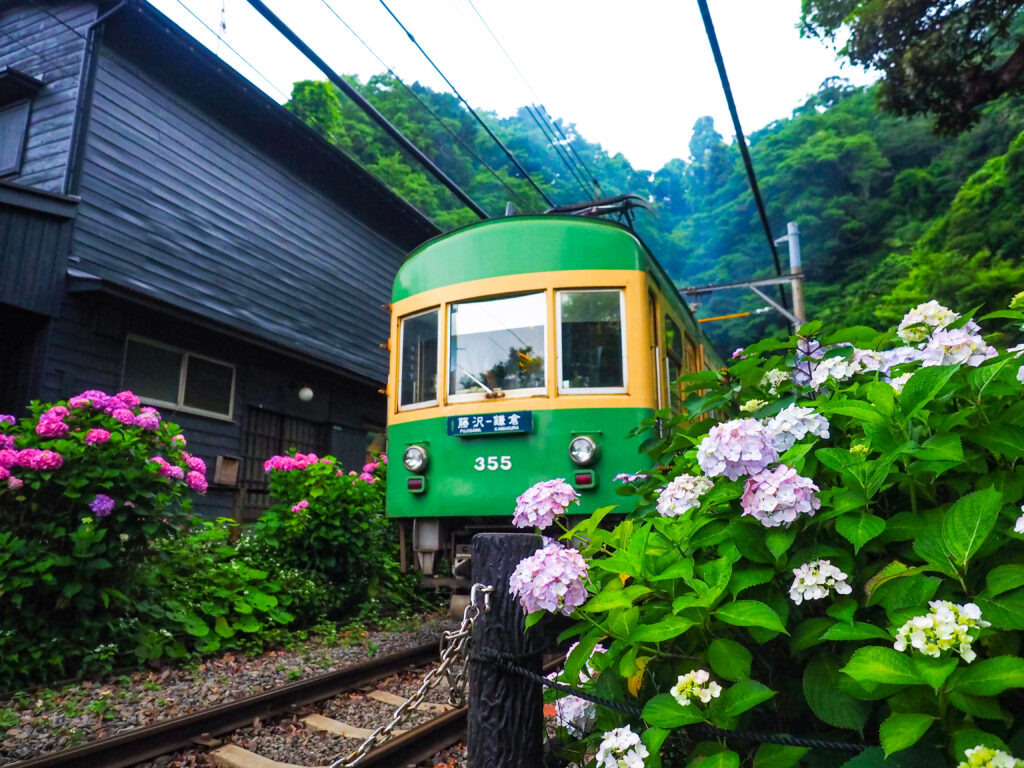 Japan tsuyu 2026: regional onset/withdrawal calendar from JMA 1991-2020 normals, four hydrangea spots tested, and indoor backup plans for when it rains.
2026 cherry blossom cherry blossoms day trip from tokyo flower festival fuji five lakes fujiyoshida Fukuoka fushimi hanami hiking japan japanese culture japanese food japan travel kamakura Kamikochi kawagoe kawaguchiko Kumamoto kyoto Mount Fuji mt fuji Nagano Nikko Oku-Nikko Onsen Ramen saitama sakura Shizuoka shrine sightseeing spring spring in japan Tokyo travel travel guide Travel Guide 2026 travel planning Visit Japan Web when to visit japan winter winter travel Yamanashi
Join 1,000+ travelers discovering Japan's hidden side
Weekly dispatches from off-the-beaten-path Japan — spots and stories you won't find in guidebooks.
No spam. Unsubscribe anytime.
Welcome aboard!
You're in. See you in your inbox soon.
[…] [Read the full guide: The Icy Splendor of Kegon Falls in Winter ] […]
[…] about seeing Japan’s famous “snow monkeys” in the wild, particularly in the Nikko area. We’ll share our firsthand experience of finding them by chance, explain the essential […]