

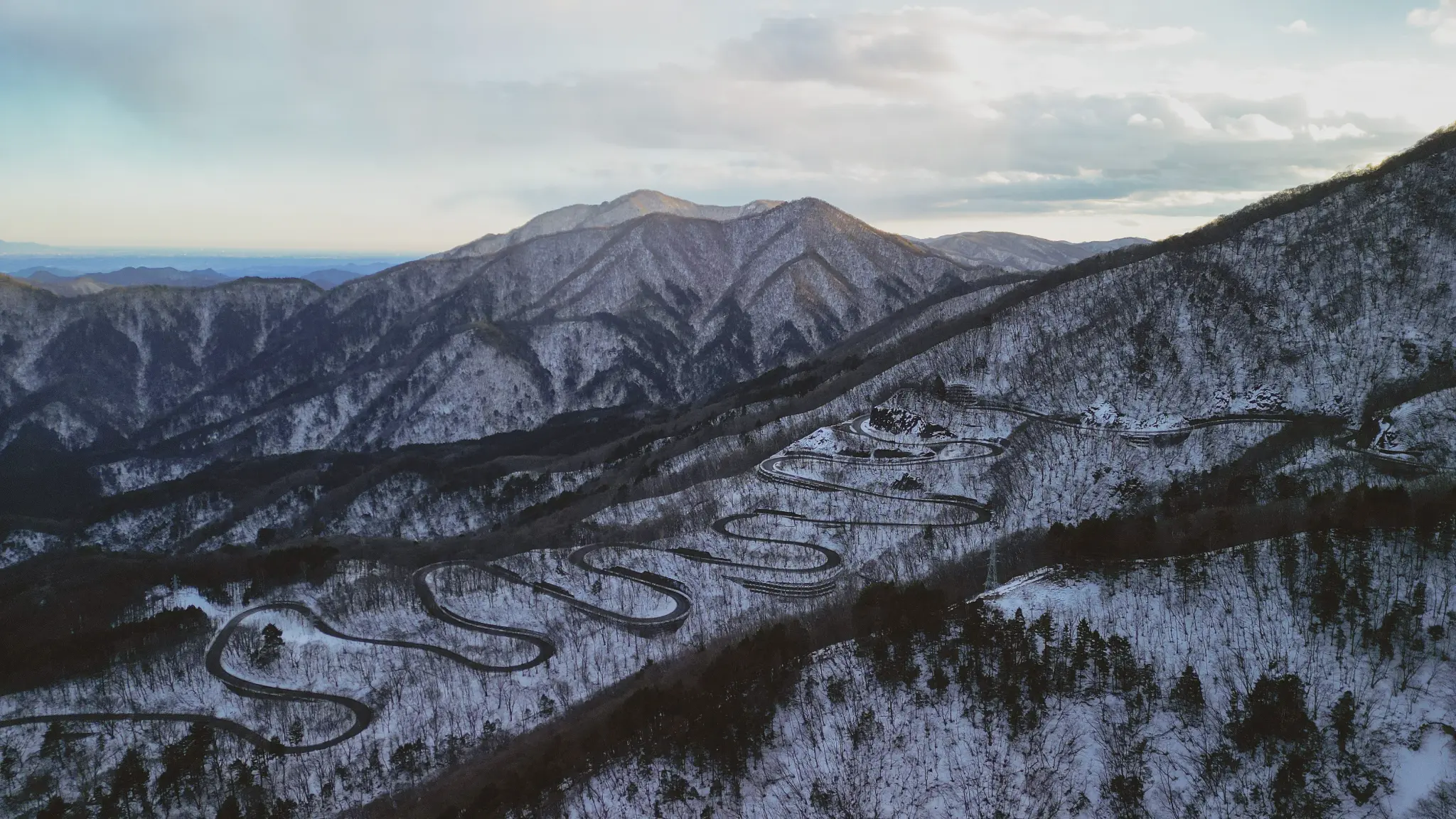

Embark on one of Japan’s most iconic drives, the Irohazaka, as it transforms into a serene, snow-covered passage during winter. This guide is for travelers planning an Irohazaka winter drive in Nikko, offering essential tips for a safe and spectacular journey. You will learn about the road’s unique features, including its 48 hairpin turns, the necessary preparations for driving in snow, and what to expect from the breathtaking scenery. Forget the autumn crowds; a winter drive on the Irohazaka offers a peaceful, almost magical experience, connecting you to the tranquil heart of Oku-Nikko. This article will ensure you are fully prepared for this unforgettable adventure.
Table of Contents
Quick Facts
| Feature | Details |
| Location | Connects Nikko city center with the Oku-Nikko (Lake Chuzenji) area |
| Total Curves | 48 (20 on the first, 28 on the second) |
| Direction | First Irohazaka: Downhill only / Second Irohazaka: Uphill only |
| Elevation Change | Approx. 440 meters (1,443 feet) |
| Winter Road Condition | Generally open; cleared of snow but requires winter tires or chains |
| Best Time for Snow | January to February |
| Drive Time | Approx. 20 minutes without traffic |
| Key Viewpoint | Akechidaira Plateau (on the Second Irohazaka) |
Overview: The 48 Turns of Winter
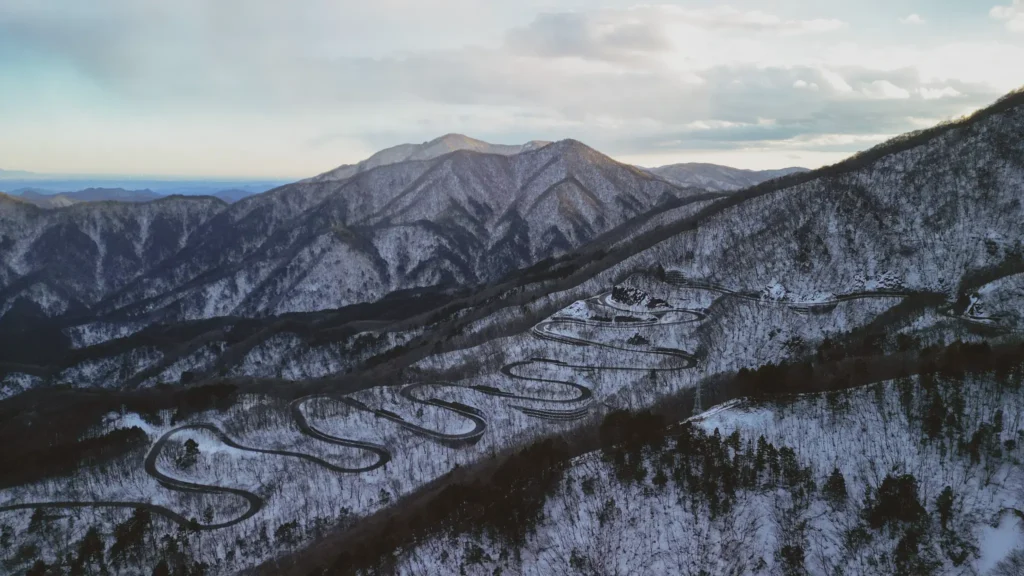
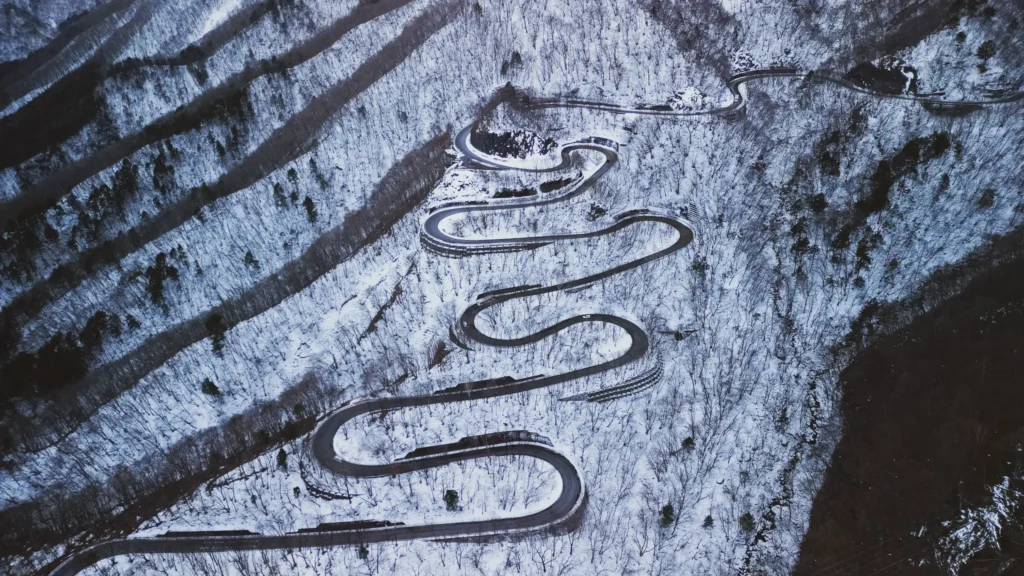
The Irohazaka is not just a road; it’s a destination in itself. Comprising two separate one-way roads—the First Irohazaka for downhill traffic and the Second for uphill—it boasts a total of 48 hairpin turns. This number is no coincidence; it corresponds to the 48 characters of the ancient Japanese alphabet, from which the road gets its name, “I-Ro-Ha” . Each curve is marked with a sign displaying one of these characters, turning the drive into a unique alphabetical ascent and descent.
While famous for its fiery autumn colors that draw massive crowds, the Irohazaka reveals a different, more tranquil character in winter. The sharp turns and surrounding forests are blanketed in snow, creating a stunning monochrome landscape. The drive becomes a journey through a quiet, white world, with the road meticulously carved out of the snow. The panoramic views of the snow-dusted mountains, especially from the Akechidaira Plateau on the uphill route, are simply spectacular. An Irohazaka winter drive is a must for those seeking the serene beauty of Japan’s colder months.
What to See on Your Irohazaka Winter Drive
The drive itself is the main attraction, but there are specific points of interest and experiences to look out for.
Klook.comThe First and Second Irohazaka
Understanding the road’s structure is key. The Second Irohazaka is the uphill route, taking you from the lower elevations towards Lake Chuzenji. It features 28 curves, marked from ‘I’ to ‘Ne’. This is where you’ll find the famous Akechidaira Plateau. The First Irohazaka is the downhill route, with 20 curves from ‘Na’ to ‘N’, leading you back towards the city center. This one-way system, implemented to manage traffic, makes the drive safer and more enjoyable .
Akechidaira Plateau Viewpoint
Located along the Second (uphill) Irohazaka, the Akechidaira Plateau is a mandatory stop. From its observation deck, you can witness one of Oku-Nikko’s most breathtaking panoramas. The view includes Kegon Falls and Lake Chuzenji, framed by the surrounding snow-covered mountains . There is also a ropeway here that takes you to an even higher viewpoint, though its operation can be weather-dependent in winter. Even from the main parking area, the view is spectacular and offers a perfect photo opportunity.
How to Get There & Driving the Route
Accessing and navigating the Irohazaka in winter is straightforward with the right preparation.
•By Car: This is the best way to experience the Irohazaka. From central Nikko, head towards Lake Chuzenji on Route 120. The road will naturally lead you onto the Second Irohazaka for the ascent. The route is well-signposted. A typical drive from the base to the top takes about 20 minutes, but allow extra time for sightseeing and potential slippery conditions.
•By Bus: If you are not driving, the Tobu Bus service from JR or Tobu-Nikko stations towards “Chuzenji Onsen” or “Yumoto Onsen” travels up the Second Irohazaka. While you won’t have the freedom to stop, you can still experience the winding journey and views from the bus window. Buses run on a winter schedule, so check the timetable in advance .
Practical Tips for Your Irohazaka Winter Drive
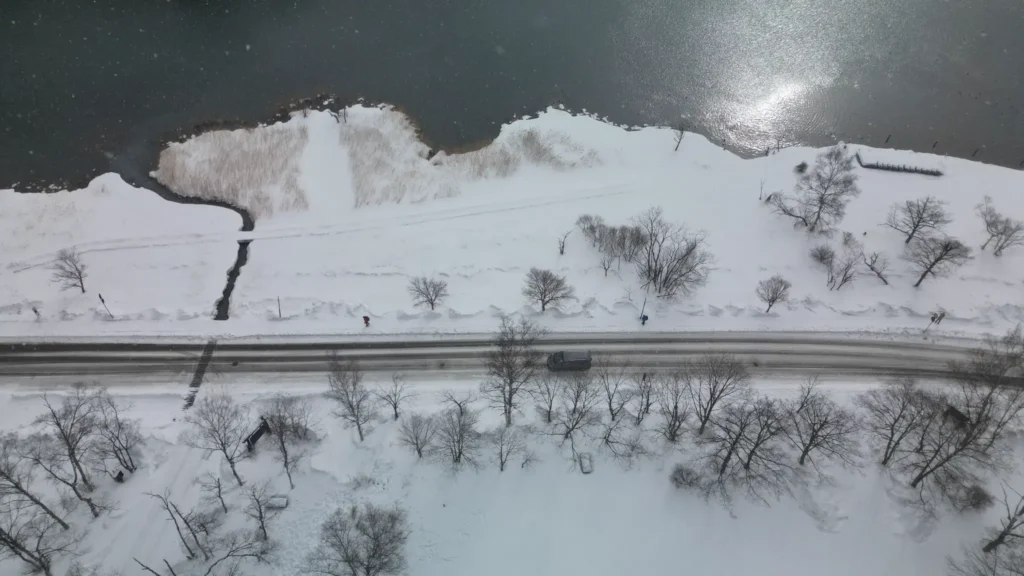
Driving the Irohazaka in winter is safe, but only if you are properly equipped. Road authorities are quick to clear snow, meaning the road is almost never closed, but conditions demand respect .
•Winter Tires are Mandatory: Do not attempt this drive with normal tires. The road surface can be icy, especially in shaded areas and in the early morning or late afternoon. If you are renting a car, ensure it is equipped with studless winter tires. Chains are a good backup to have but are often not necessary if you have proper winter tires.
•Drive Slowly and Smoothly: Avoid sudden acceleration, braking, or sharp turns. The 48 hairpin bends require careful, steady steering. Maintain a safe distance from the vehicle in front of you.
•Check the Weather and Road Status: Before you set off, check the latest weather forecast and official road information. While closures are rare, it’s always best to be informed.
•Fill Up Your Gas Tank: There are no gas stations in the Oku-Nikko area. Fill up your tank in Nikko city before you begin your ascent.
Where to Stay Nearby
After your Irohazaka winter drive, the Oku-Nikko area offers several accommodation options. The Lake Chuzenji shoreline has a handful of ryokan and hotels, many with onsen (hot spring baths) that are especially welcome after a cold day of sightseeing. Further along Route 120, the Yumoto Onsen area is another popular base, known for its sulfur-rich hot springs. If you prefer to stay closer to Nikko Station, the town center has a wider range of hotels and guesthouses, though you will need to drive the Irohazaka again the next day.
(Note: This article contains affiliate links. We may earn a commission if you make a purchase.)
Suggested Mini-Itinerary: A Day on the Irohazaka
This itinerary assumes you are starting from Nikko city or its vicinity.
| Time | Activity |
| 9:00 AM | Depart from Nikko city. Ensure your car has a full tank and winter tires. |
| 9:30 AM | Begin the ascent on the Second Irohazaka. Enjoy the 28 curves and the snowy scenery. |
| 10:00 AM | Stop at Akechidaira Plateau for panoramic views of Kegon Falls and Lake Chuzenji. |
| 10:45 AM | Continue to Kegon Falls observation platform. |
| 11:30 AM | Drive to the Lake Chuzenji lakeside area. Walk along the shore and take in the winter views. |
| 12:30 PM | Lunch at a local restaurant near the lake. |
| 2:00 PM | Begin the descent on the First Irohazaka (20 curves). |
| 2:30 PM | Return to Nikko city area. |
FAQs
Q: Are the Irohazaka roads closed in winter?
A: No, the roads are generally kept open throughout the winter. Snow is cleared promptly after snowfall. However, temporary restrictions could be put in place during heavy storms, so it is always wise to check official sources before you travel .
Q: Can I drive the Irohazaka at night?
A: While the road is technically open, it is not recommended to drive it at night during winter. The roads are not well-lit, and icy patches can be difficult to see. It is much safer and more scenic to drive during daylight hours.
Q: Is there a toll for the Irohazaka?
A: No, the Irohazaka roads are part of the national Route 120 and are free to use. However, the Nikko-Utsunomiya Toll Road that connects the main Tohoku Expressway to Nikko city requires a toll.
Q: Do I need snow chains or studless tires for the Irohazaka in winter?
A: Studless winter tires (sutaddoresu taiya) are the standard and recommended option. Most rental car companies in the Kanto region offer vehicles with studless tires during the winter season. Chains are an alternative but are less commonly used. Normal tires are not safe under any circumstances .
Q: Can I take the bus up the Irohazaka instead of driving?
A: Yes. Tobu Bus operates services from JR Nikko and Tobu-Nikko stations towards Chuzenji Onsen and Yumoto Onsen, which travel up the Second Irohazaka. Buses run on a reduced winter schedule, so check the timetable before your trip .
Q: Is there parking at the Akechidaira Plateau?
A: Yes, there is a free parking lot at the Akechidaira Plateau along the Second Irohazaka. It can accommodate a reasonable number of vehicles, and in winter, it is rarely full.
Sources
[1] Nikko City Tourism Association – Irohazaka (https://www.nikko-kankou.org/spot/9 )
[2] Nikko City Tourism Association – Winter Q&A (https://www.nikko-kankou.org/features/Q&A-winter )
Last Updated: March 5, 2026
Sources Checked: Nikko City Tourism Association, Shimotsuke Shimbun.
A Final Word
An Irohazaka winter drive is a highlight of any trip to Nikko. It’s a journey that combines thrilling driving with some of Japan’s most spectacular mountain scenery. The absence of autumn crowds allows for a more personal and profound connection with the landscape. With the right vehicle and a cautious approach, you will be rewarded with an unforgettable adventure through a serene, snow-white wonderland. Don’t forget your camera, and enjoy the ride.

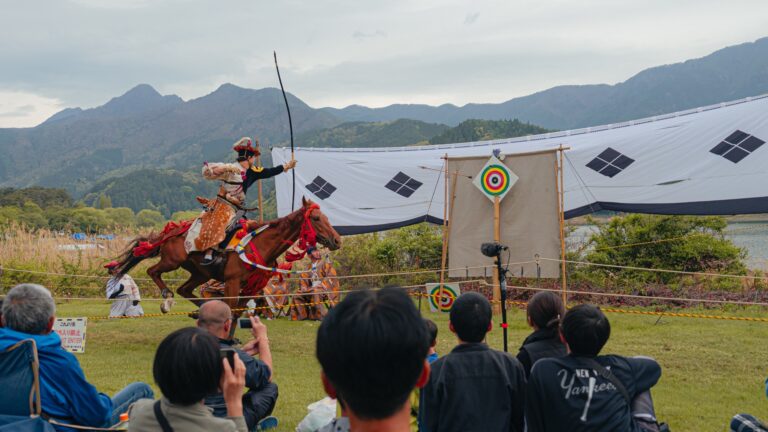
- Kai no Katsuyama Yabusame: I Stood at the Rope Line Today and Watched a 900-Year-Old Bow Find Its Target
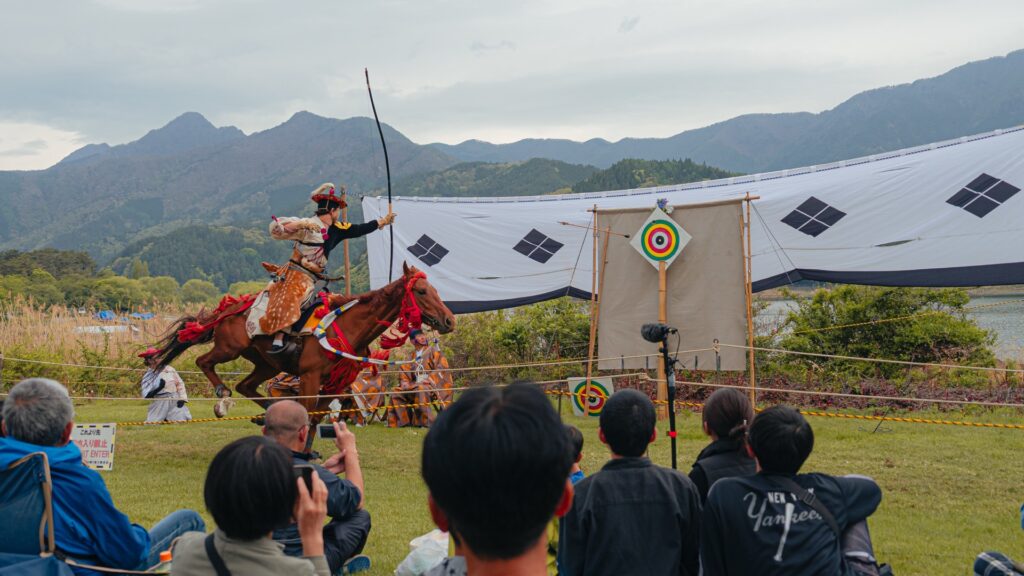 Field report from the 900-year-old Takeda-style yabusame at Fuji Omuro Sengen Shrine, Lake Kawaguchiko. 12-photo slideshow, day timeline, photography tips, and the date for 2027.
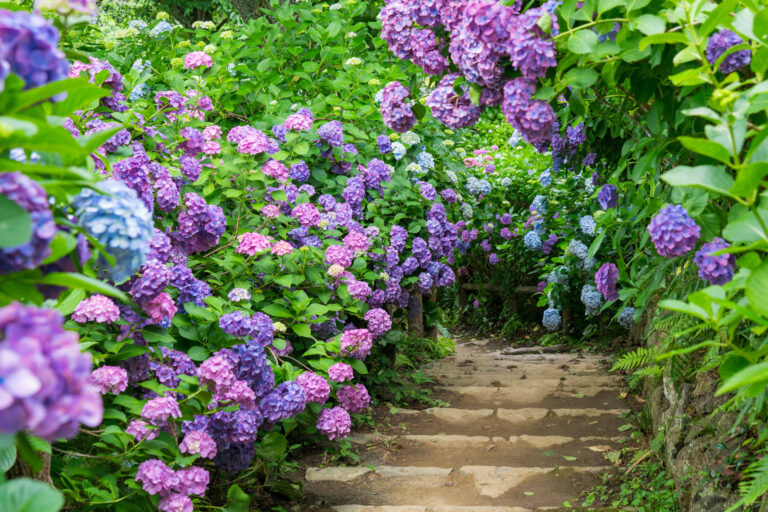
 - Japan in June 2026: A Day-by-Day Calendar of Hydrangeas, Fireflies, and the Cheapest Week of the Year
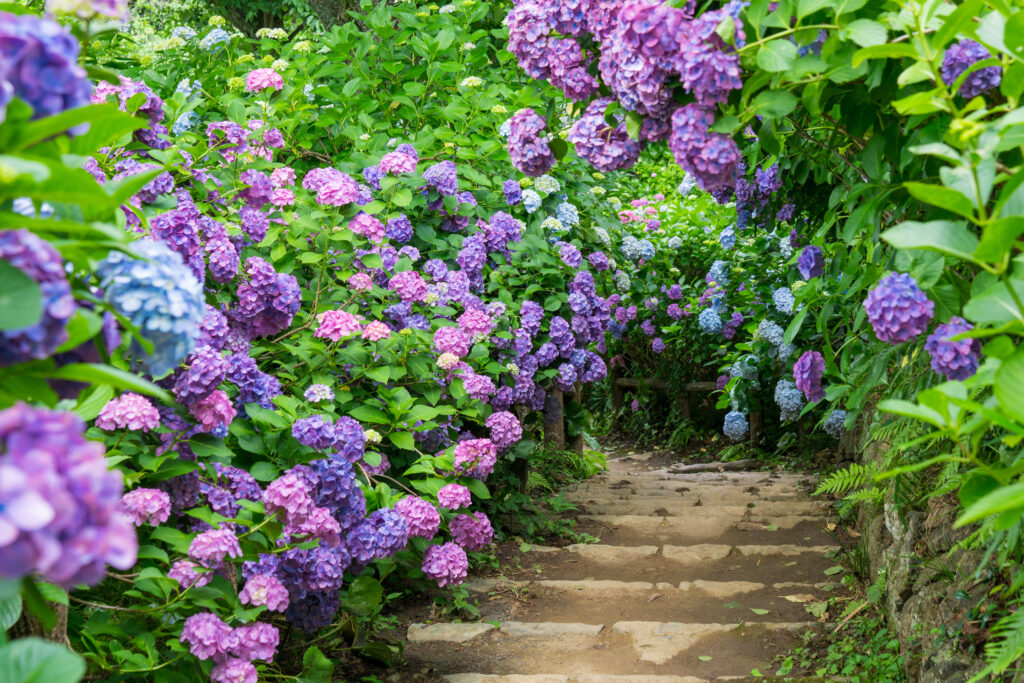 Japan in June 2026: rain probability heatmap, full event calendar, Sanno Matsuri (Hon-Matsuri year), hydrangea peak by region, and the cheapest week to fly in.
 - Japan Tsuyu (Rainy Season) 2026: Regional Calendar, Hydrangea Spots & Indoor Backups
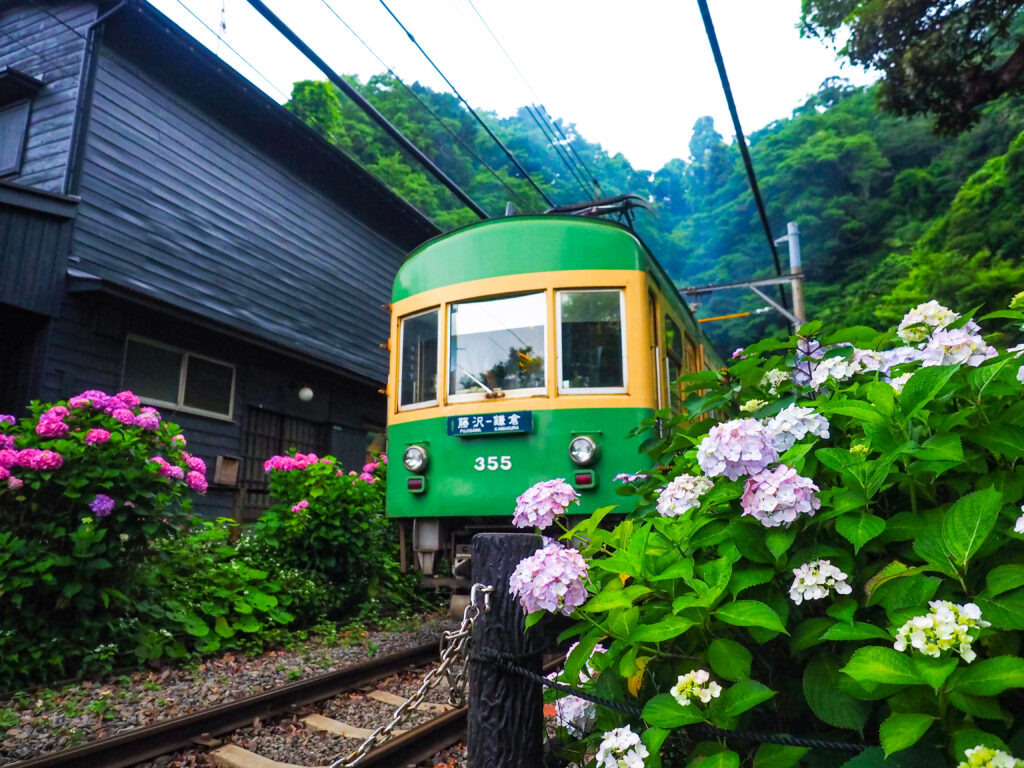 Japan tsuyu 2026: regional onset/withdrawal calendar from JMA 1991-2020 normals, four hydrangea spots tested, and indoor backup plans for when it rains.
 - Visit Japan Web 2026: One Account, Three QR Codes, and the New Joint Kiosk
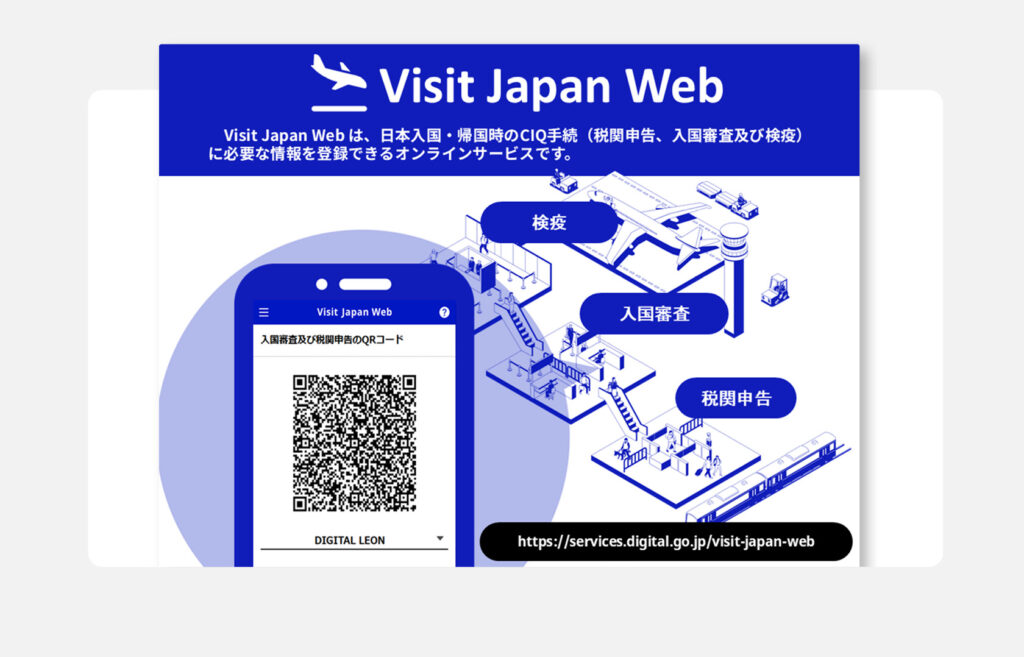 Visit Japan Web 2026 walkthrough: three QR codes, the new Joint Kiosk at Haneda/Narita/Kansai, common errors, and when paper still works.
 - Japan Typhoon Season 2026: Climatology, Live Trackers, and What Actually Cancels
 Japan typhoon season 2026 explained — JMA climatology, regional risk, what cancels and when, plus the four data sources Japanese forecasters watch.
2026 cherry blossom cherry blossoms day trip from tokyo flower festival fuji five lakes fujiyoshida Fukuoka fushimi hanami hiking japan japanese culture japanese food japan travel kamakura Kamikochi kawagoe kawaguchiko Kumamoto kyoto Mount Fuji mt fuji Nagano Nikko Oku-Nikko Onsen Ramen saitama sakura Shizuoka shrine sightseeing spring spring in japan Tokyo travel travel guide Travel Guide 2026 travel planning Visit Japan Web when to visit japan winter winter travel Yamanashi
Join 1,000+ travelers discovering Japan's hidden side
Weekly dispatches from off-the-beaten-path Japan — spots and stories you won't find in guidebooks.
No spam. Unsubscribe anytime.
Welcome aboard!
You're in. See you in your inbox soon.
[…] Yet, as winter drapes the landscape in a blanket of white, one of its most powerful attractions, Kegon Falls (華厳の滝, Kegon no Taki), transforms into a breathtaking spectacle of ice and water. This guide […]
[…] [Read the full guide: Driving the Snowy Irohazaka: A Winter Road Trip] […]