Kanagawa · Minato Mirai · Overnight
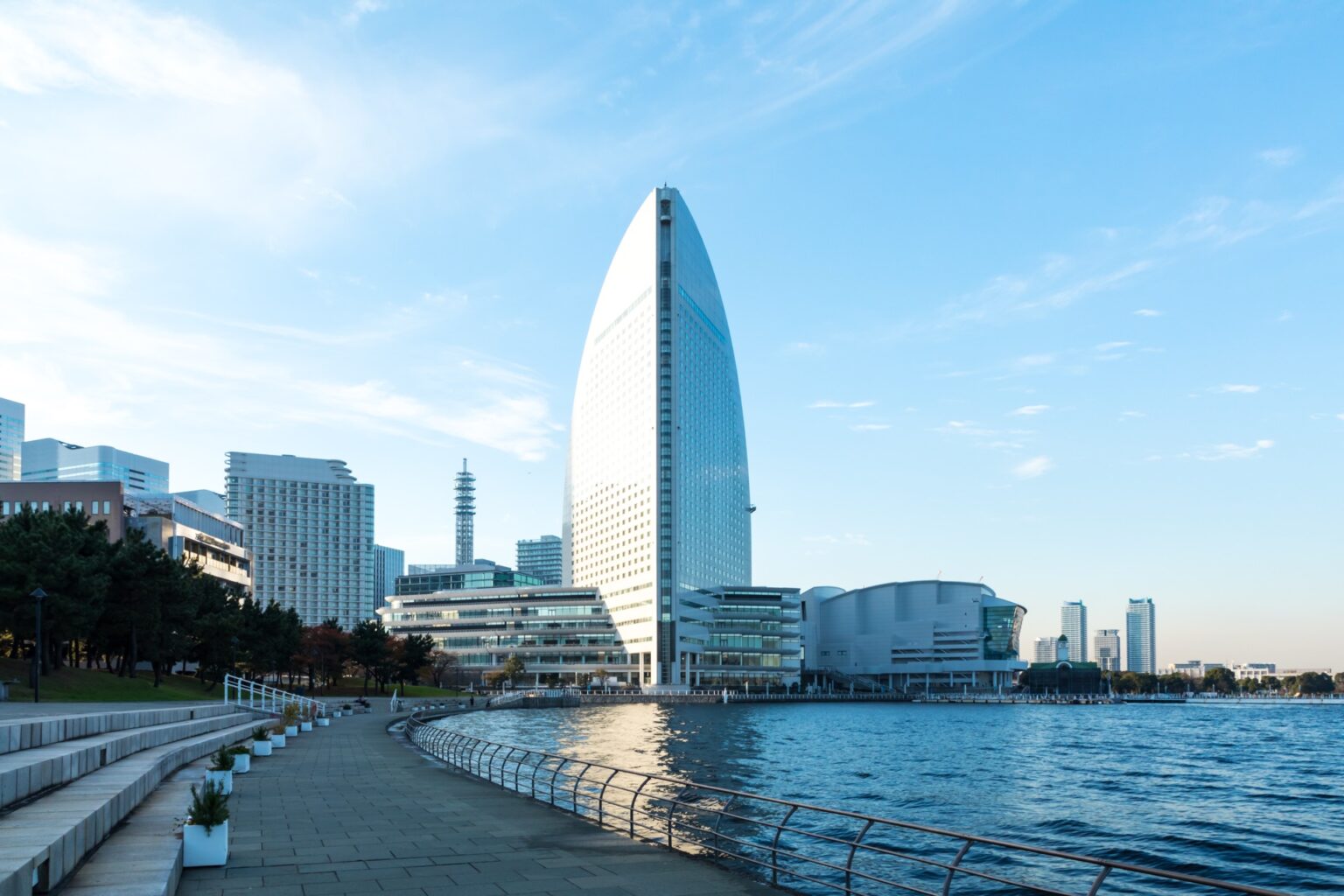
At the InterContinental Yokohama Grand, the one decision that matters is which side your room faces. City View looks at Cosmo Clock 21 and the Minato Mirai skyline; Harbor View looks at Yokohama Port and the Bay Bridge. I stayed on the city side, with the wheel right in one big window, and rode the wheel the same evening. Here is how to choose, and how to fit both into one night.
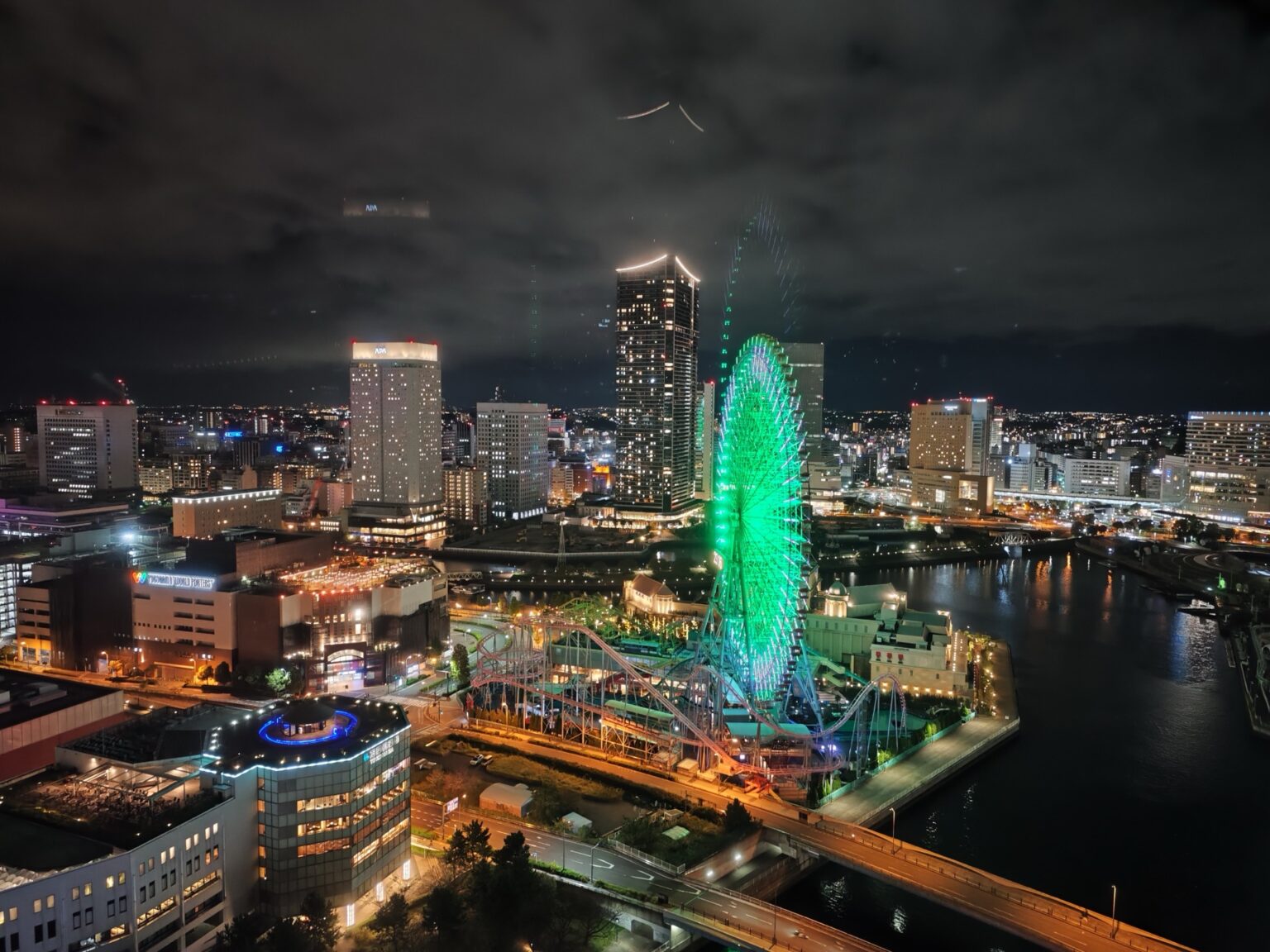
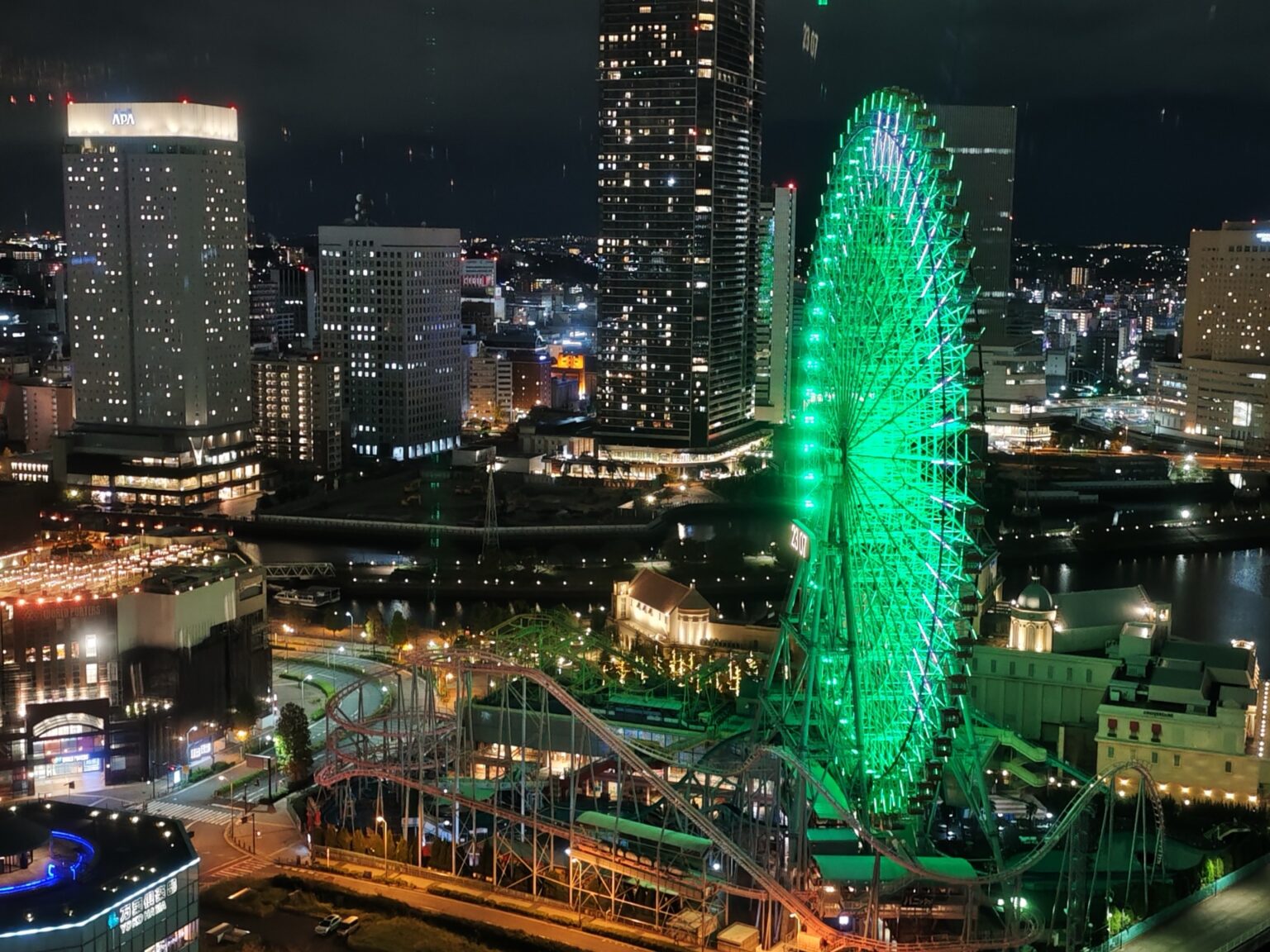
I spent one night here on 14 November 2023. The room faced the city side and had a single large window, and Cosmo Clock 21 sat right in it. Earlier that evening I had ridden the wheel itself; my photos from the cabin are from 19:41. At 23:07 I took the picture you will see further down: the wheel still lit up green outside the glass, with the room’s reflections on the window. That is the case for this hotel in one sentence: ride the wheel, then go back and watch it through your room window.
30-second summary
My pick: a City View room, if the wheel is why you are coming. Harbor View if you want the port, the Bay Bridge and sunrise over the sea. A standard room faces one way, not both.
The evening: check in from 15:00, ride Cosmo Clock 21 around dusk or after dark, have dinner, and watch the wheel’s lights from your room. They run until around midnight.
Cost: the wheel is ¥1,000 per person, cash only at the counter. Room rates change with the date, the view and the package, so compare the same room type on the same dates.
Quick Facts
Hotel
InterContinental Yokohama Grand, 1-1-1 Minatomirai, Nishi-ku, Yokohama. 31 floors, 140 m tall, 594 rooms; opened 20 August 1991.
Ferris Wheel
Cosmo Clock 21, Yokohama Cosmo World, 2-8-1 Shinko. 112.5 m tall, 60 gondolas for 8 people each, about 15 minutes per ride.
Room choice
City View for the wheel and the skyline; Harbor View for the port and the Bay Bridge. Cozy and Accessible rooms face the back.
Cost
Wheel ¥1,000 per person, cash only at the counter. Room rates vary by date, view and package.
Getting there
About 5 minutes on foot from Minatomirai Station (Minatomirai Line), or about 12 minutes from JR Sakuragicho.
Best season
November to February: it gets dark early, so the lights are on by dinner time, and the air is often dry.
The Hotel, and Which Side to Book
The InterContinental opened on 20 August 1991, designed by Nikken Sekkei, as part of the PACIFICO Yokohama convention complex. The white tower is shaped like a yacht’s sail, 31 floors and 140 metres tall, and it stands at the water’s edge of Minato Mirai. The hotel sells its view rooms as either Harbor View or City View; the exceptions are two room types at the back, below.
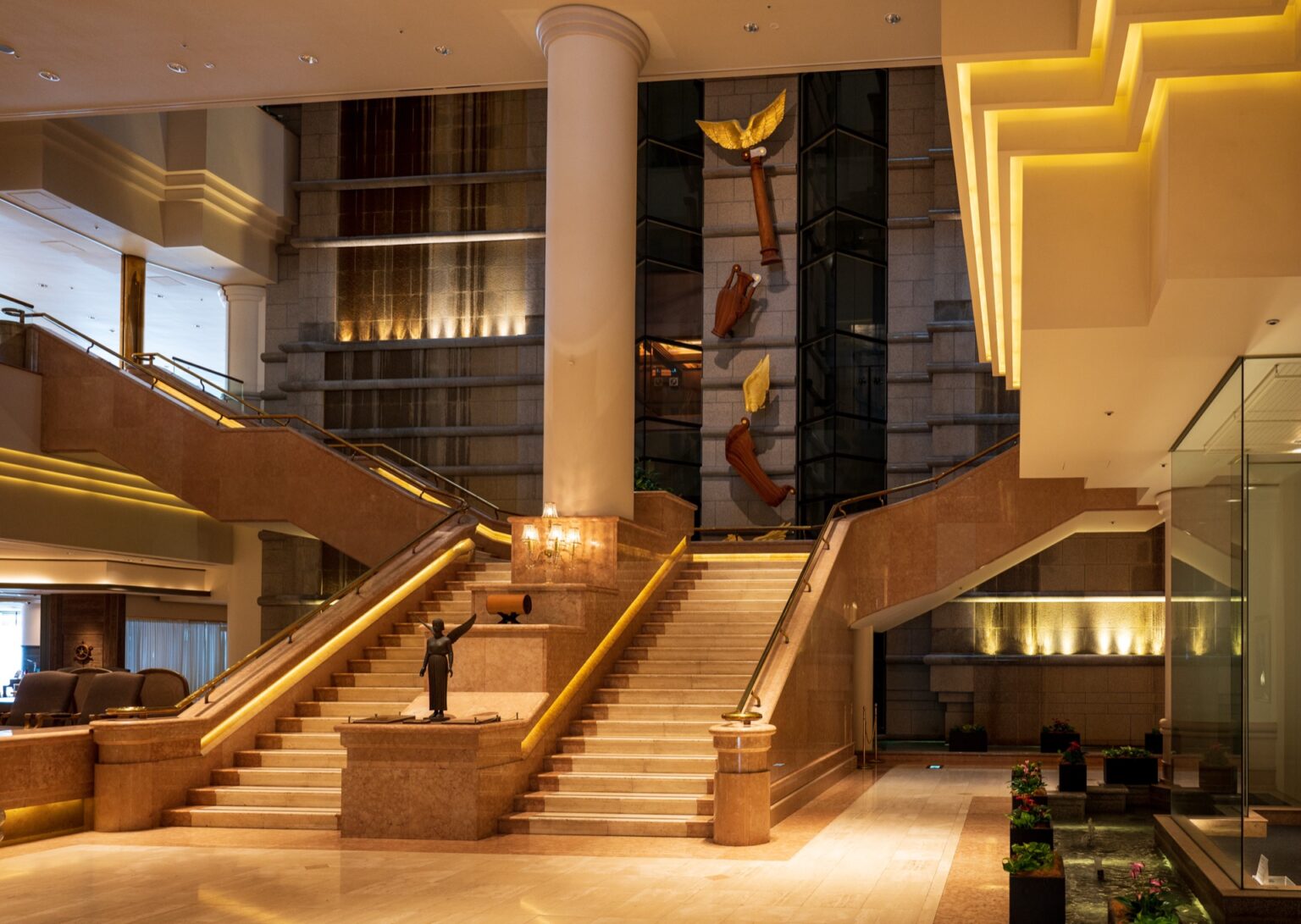
So the booking question is simply which way the window faces. The view-facing room types are all sold in two versions, City View and Harbor View. The standard Classic rooms are 31 m², on the 8th to 20th floors, with a High Floor version on the 21st to 29th. The Premium rooms are 38 m², with twin or king beds. Two room types face neither the harbor nor the city: the Cozy rooms (27 m², 8th to 13th floors) and the Accessible rooms are at the back of the building, facing Yokohama Station and the PACIFICO exhibition hall, and the hotel says plainly that they have no port or skyline view.
My pick for the wheel
City View: Cosmo Clock 21 and the skyline
- The hotel lists Cosmo World, the Red Brick Warehouse and Yamashita Park on this side
- At night the lit wheel and the Minato Mirai towers are the view
- Mine had one large window, with the wheel right in it
For the port
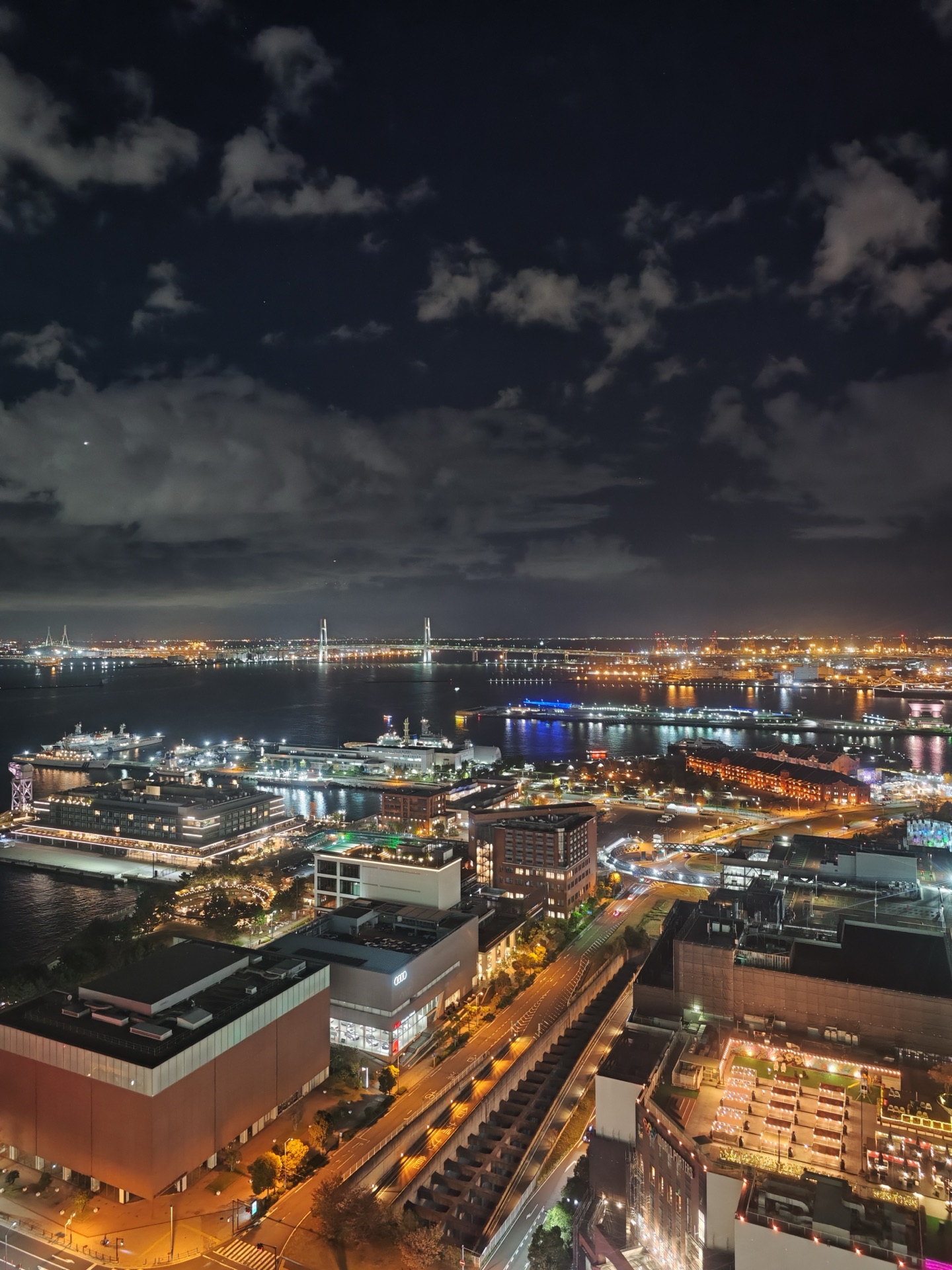
Harbor View: Yokohama Port and the Bay Bridge
- The Bay Bridge in front of you, says the hotel
- Ships crossing the harbor and the lit piers at night
- The sun rising over the sea in the morning
Which I would book again: City View. Cosmo Clock 21 is the reason to stay in Minato Mirai rather than ride the wheel and go back to Tokyo, and from the city side you get it twice: once from the cabin, once from your room. If you want both views from one room, the hotel describes some of its suites that way; a standard room gives you one side.
Cosmo Clock 21: 112.5 Metres, About 15 Minutes
Cosmo Clock 21 was built as a pavilion for the 1989 Yokohama Exotic Showcase (YES’89) and moved to its present spot in 1999, when Yokohama Cosmo World reopened. Its operator bills it as the world’s largest Ferris wheel with a clock: the clock is a digital panel about 12 metres wide in the middle of the wheel, showing the time 24 hours a day. Entry to the park is free; you pay per ride.
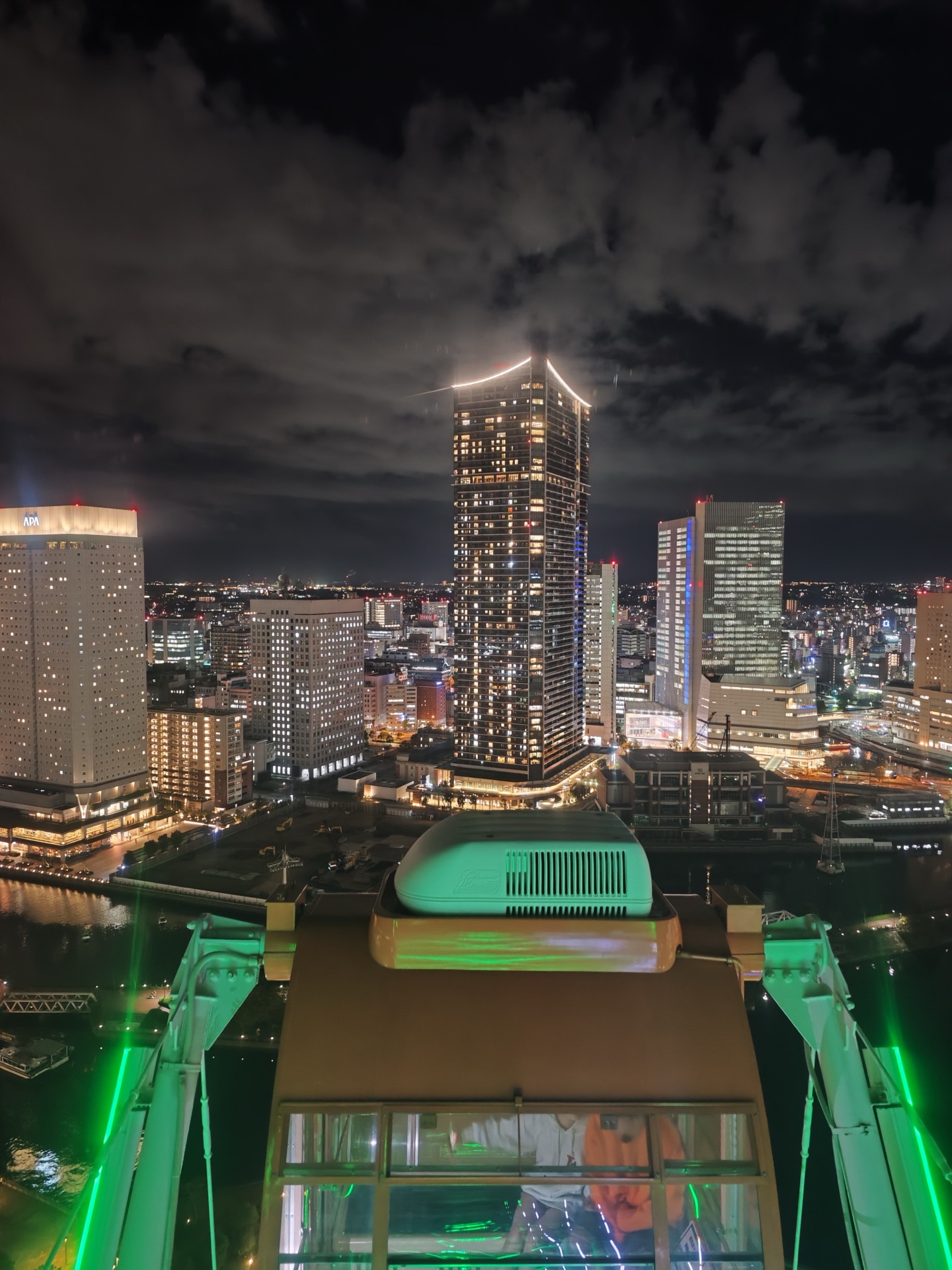
The numbers that matter
| Spec | Value | What it means in practice |
|---|---|---|
| Height | 112.5 m | Wheel diameter is 100 m. |
| Gondolas | 60, for 8 people each | 4 of them are see-through gondolas, at the same price, and 2 are barrier-free. |
| Ride time | About 15 minutes | One full turn. Every gondola has air conditioning. |
| Price | ¥1,000 per person | Tickets at the counter are cash only; cards are not accepted. |
| Hours | Change by season and day | The park has closed days. The wheel stops boarding 15 minutes before closing time, and earlier when it is busy. Check the official calendar for your date. |
| Lights | Sunset to around midnight | The LED show runs after the rides stop, so you can watch it from a city-view room. |
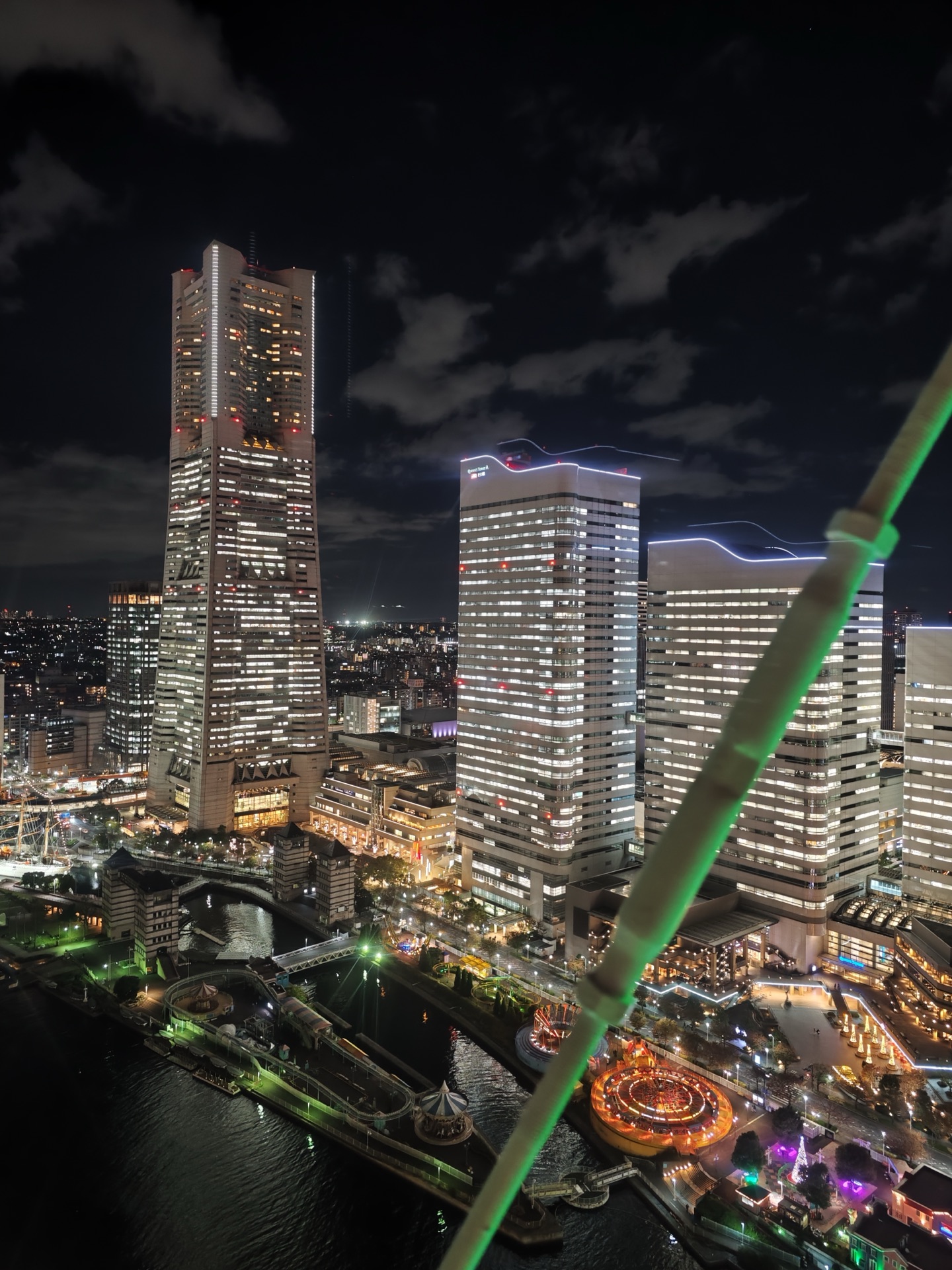
“Ride the wheel, then watch it from your room window.”
The Best Time of Evening to Combine Both
Three times set the plan: check-in is from 15:00, the wheel stops boarding 15 minutes before the park closes, and the wheel stays lit from sunset to around midnight. Look up the sunset time and the park’s hours for your date, then fit the ride in between.
| Time | Activity | Why this order |
|---|---|---|
| 15:00 | Check in and drop your bags | Ask for the side you booked; the view is the point of the stay. |
| Afternoon | Optional: the Cup Noodles Museum or the Red Brick Warehouse | The museum is a short walk; the hotel puts the Red Brick Warehouse at about 15 minutes on foot. |
| Around sunset | Ride Cosmo Clock 21 | In mid-November the sun sets before 17:00, so a dusk ride is earlier than you might think. A ride after dark, like mine at around 19:40, gives you the city fully lit. |
| Evening | Dinner in the hotel or around the Red Brick Warehouse | See the restaurant question in the FAQ below. |
| Until around midnight | Back in a city-view room | The wheel’s lights keep changing colour and pattern outside the window. |
How to Get There
The nearest station is Minatomirai, on the Minatomirai Line, about a 5-minute walk from the hotel. From JR Sakuragicho it is about 12 minutes on foot. The hotel says it is within an hour of Haneda Airport, Shin-Yokohama, Shibuya and Shinjuku.
| From | Route | Last stretch |
|---|---|---|
| Shibuya | Tokyu Toyoko Line, running through onto the Minatomirai Line, to Minatomirai Station (no change on through trains) | About 5 min on foot |
| Tokyo Station | JR Tokaido Line to Yokohama, then the Minatomirai Line to Minatomirai; or the slower JR Keihin-Tohoku Line straight to Sakuragicho | 5 min from Minatomirai, about 12 min from Sakuragicho |
| Shinjuku | JR Shonan-Shinjuku Line to Yokohama, then the Minatomirai Line | About 5 min on foot |
| Haneda Airport | Keikyu Line to Yokohama, then the Minatomirai Line | About 5 min on foot |
| Narita Airport | Narita Express to Yokohama, then the Minatomirai Line | About 5 min on foot |
| Driving | Shuto Expressway Kanagawa Route 1 (Yokohane Line) to the Minatomirai exit | About 2 min; guests park in the public car park under PACIFICO Yokohama |
Pair the Stay With
Same evening: the Red Brick Warehouse
Two brick warehouses from the early 20th century (No. 2 was finished in 1911, No. 1 in 1913), now shops, restaurants and an event space. The hotel puts them at about a 15-minute walk. The Christmas Market is held here in the run-up to Christmas, and a spring beer festival, Yokohama Frühlings Fest, in late April and early May.
Next morning: Yamashita Park and Chinatown
Carry on along the waterfront to Yamashita Park, where the Hikawa Maru, a pre-war ocean liner, is moored and open to visitors, then walk inland to Yokohama Chinatown for lunch.
Next afternoon: Sankeien Garden or Kamakura
Sankeien, in Honmoku in the south of the city, is a 175,000 m² Japanese garden made by Hara Sankei, who made his fortune in the silk trade; buses run there from Yokohama and Sakuragicho stations. The hotel puts Kamakura and the Shonan coast at about 40 minutes away. See our Hasedera Temple Kamakura guide and Two Hasedera article for the hydrangea season.
Plan This Trip
Plan This Trip
Practical Notes for International Visitors
Bring yen for the wheel: the Cosmo Clock 21 counter takes cash only. The hotel is the easier half of the evening; it takes major credit cards, and you can ask for English at the front desk. November to February gives you the earliest darkness, so the lights are on by dinner time, and the air is often dry; take a warm layer for the walk between the hotel and the wheel. If you need halal food, ask the hotel before you book rather than assuming a restaurant can provide it. Our cash-vs-card guide covers payments across Japan.
FAQ
Is the InterContinental worth it, or is a cheaper Minato Mirai hotel just as good?
Book it for the view, not the building. Its standard rooms are sold as City View or Harbor View, and the hotel sits at the water’s edge of Minato Mirai, so either side looks straight at the thing most people come to Yokohama for: the wheel and the skyline, or the port and the Bay Bridge. One alternative that is off the table for now: the Yokohama Royal Park Hotel in Landmark Tower has suspended operations for renovation and plans to reopen in 2028.
Should I book City View or Harbor View?
City View if Cosmo Clock 21 is the reason you are here. My city-side room had one large window, and the lit wheel was right in it late at night. Harbor View is the choice for Yokohama Port, the Bay Bridge in front of you and the sun rising over the sea. A standard room faces one way or the other, not both; the hotel describes some suites with both views. The Cozy and Accessible rooms face the back of the building, towards Yokohama Station and PACIFICO Yokohama, and have no port or skyline view.
How many rides on Cosmo Clock 21 should I do?
I would plan on one. If you want the view at dusk, check the sunset time for your date first: in mid-November the sun sets before 17:00. The wheel stops boarding 15 minutes before the park closes, and earlier when it is busy.
Is the InterContinental Yokohama Grand good with children?
The swimming pool is not the draw: it is for adults, it is currently closed, and the hotel has scheduled the pool, jacuzzi and sauna to close for renovation from 18 October 2026 until early February 2027. Cribs are available on request; ask when you book. Cosmo Clock 21 has no height or age limit, but children below primary-school age must ride with a paying companion aged 16 or over.
What if Cosmo Clock 21 is closed?
The park has closed days and can stop rides in bad weather, so check the Yokohama Cosmo World calendar before you plan the evening around it. The wheel’s lights normally still run from sunset to around midnight on closed days, unless there is maintenance work, so a city-view room usually gets the show even on a day you cannot ride. Note that the Sky Garden observation deck in Landmark Tower is closed for renovation, so it is not a backup view.
Can I see Mt. Fuji from the hotel?
Do not book for it. The hotel’s room descriptions promise the wheel, the Red Brick Warehouse and Yamashita Park from the city side, and the port and Bay Bridge from the harbor side; they do not mention Mt. Fuji. For a day with a good chance of seeing it, use our Mt. Fuji visibility forecast.
Where can I eat in the hotel?
The hotel lists five restaurants and three lounge bars. The three you will meet first: Ocean Terrace, the buffet restaurant on the 1st floor; Azur, French, on the 2nd floor; and Karyu, Chinese, on the 31st floor. PIER21 is a café and bar on the Pukarisanbashi pier in front of the hotel. Menus and prices change by season, so check the hotel’s restaurant pages. Outside the hotel, the Red Brick Warehouse is about a 15-minute walk.
Booking the Trip
Booking the Trip
Two things to book: the room, and which side it faces. The wheel you pay for on the night. No car needed if you arrive by train.
Related Reading
- Hasedera Temple Kamakura: A Year-Round Guide — the natural day trip after a Yokohama night.
- Two Hasedera, Two Hydrangea Weeks (June 2026) — for June visitors pairing Yokohama with Kamakura.
- Enoshima Walking Guide — another day trip: JR to Fujisawa, then the Odakyu Line or the Enoden.
- Best Hotel Booking Sites for Japan 2026 — if you are comparing prices for Yokohama hotels.
Minatoan Konandai
A long-running Yokohama soba chain known for its huge “Fujisan-mori”.
The Great Buddha of Kamakura
An easy onward trip down the coast to the bronze Daibutsu at Kōtoku-in.
Other hotels in Yokohama, on Agoda:
Or search all Yokohama hotels on Agoda →
We may earn a commission from Agoda bookings, at no extra cost to you.
Join travelers discovering Japan's hidden side
Weekly dispatches from off-the-beaten-path Japan — spots and stories you won't find in guidebooks.
No spam. Unsubscribe anytime.
Welcome aboard!
You're in. See you in your inbox soon.